LegendThe mountain in the rain
People say the best time to see the hill is in light rain, when the rocks darken, the gorge runs with water and the hill looks like the mountains in a painting.
Source: A saying among Suzhou garden lovers
Suzhou, Jiangsu, China
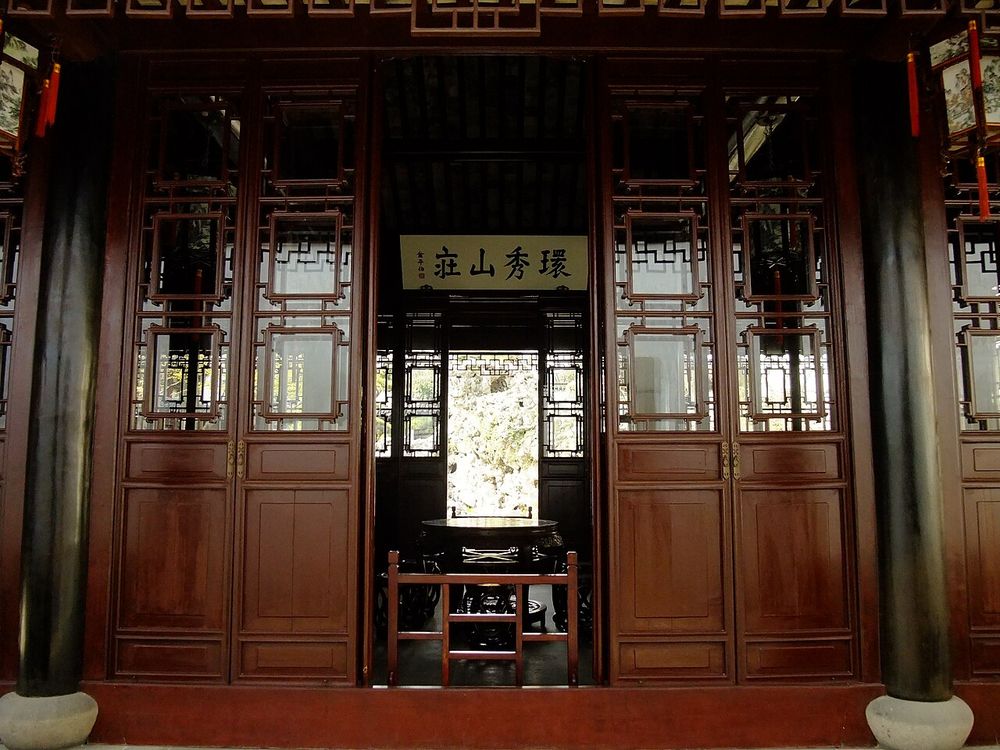
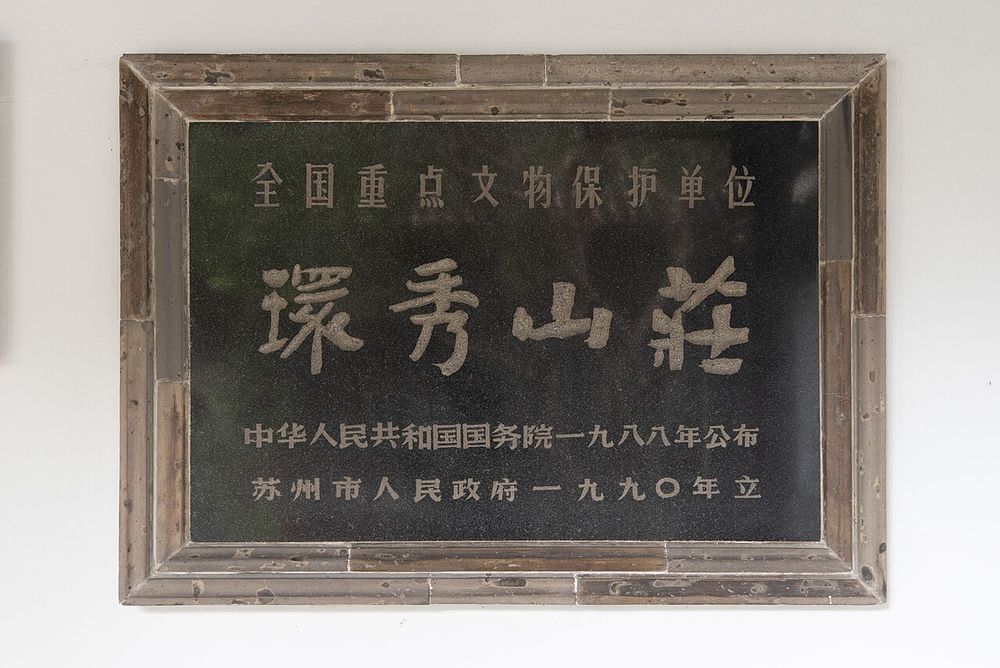
环秀山庄 · Huánxiù Shānzhuāng
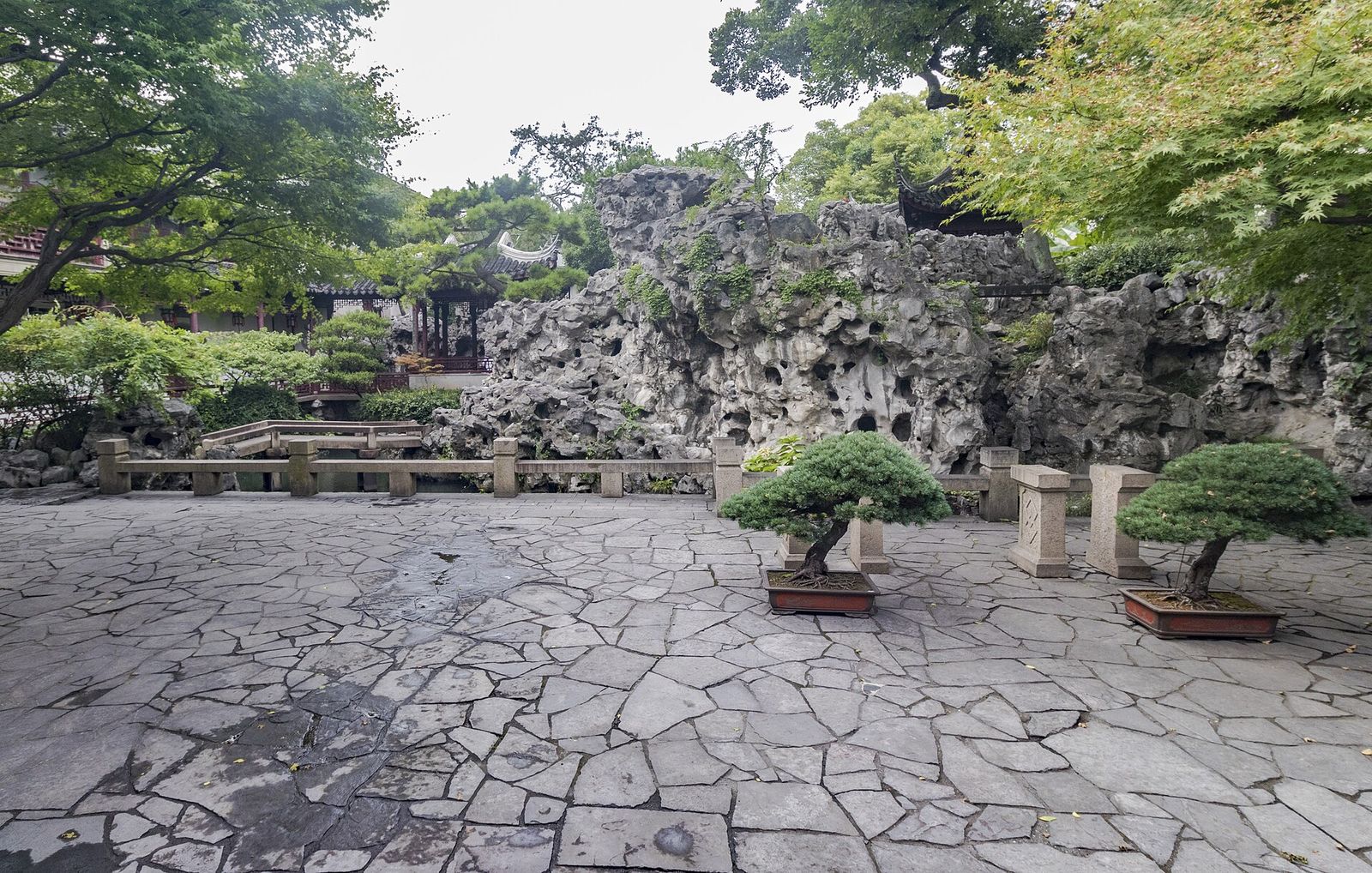
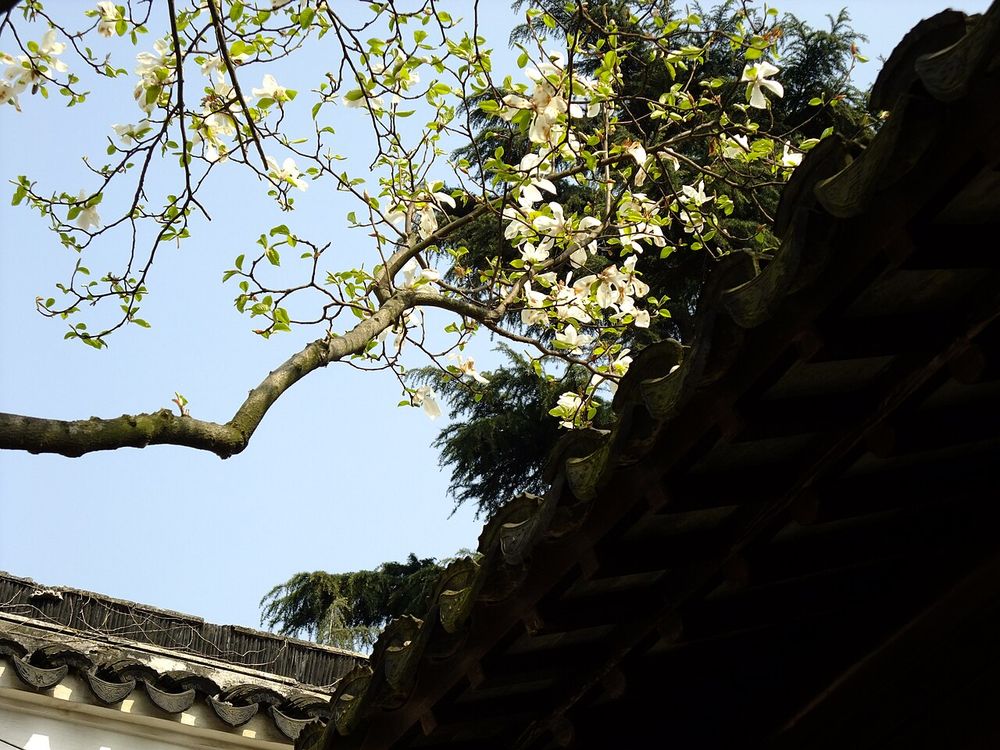
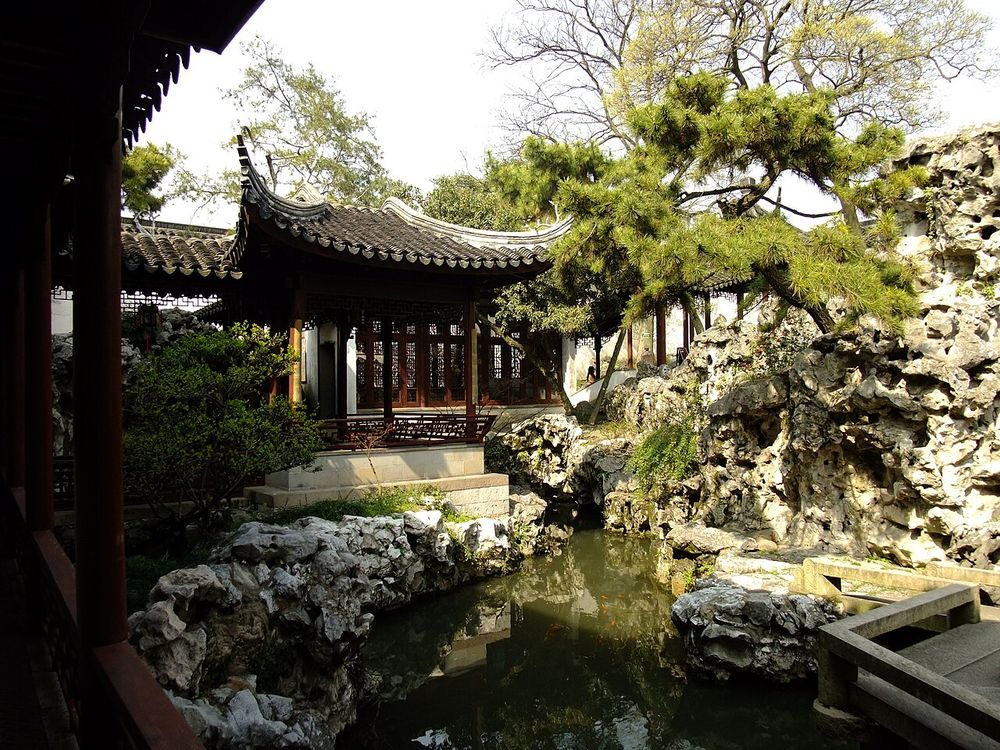
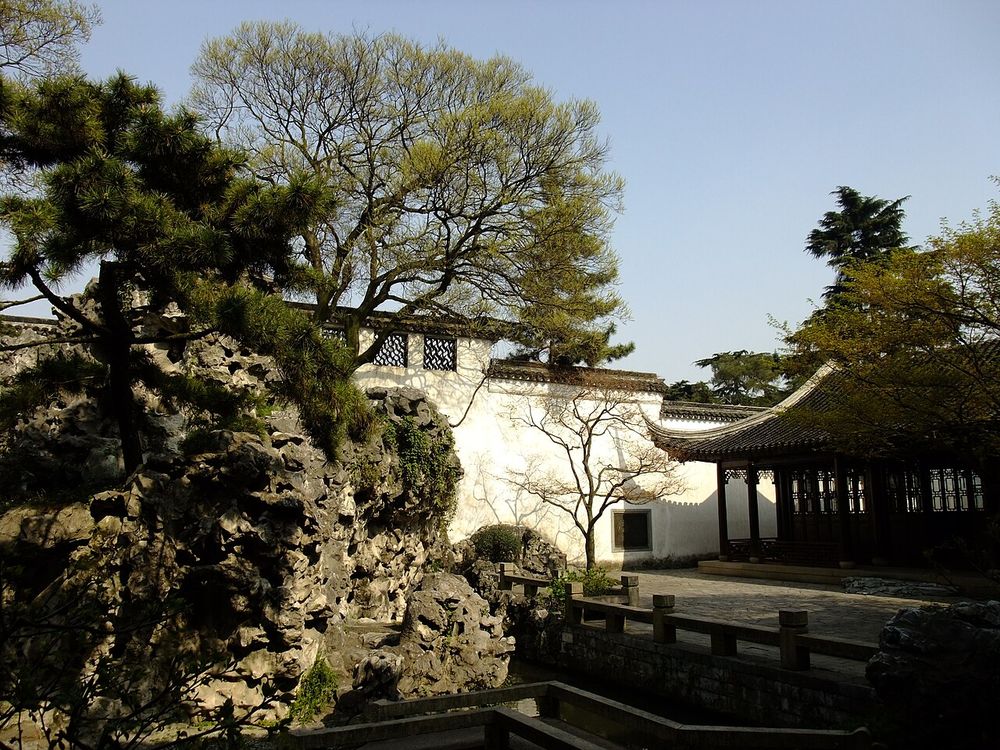
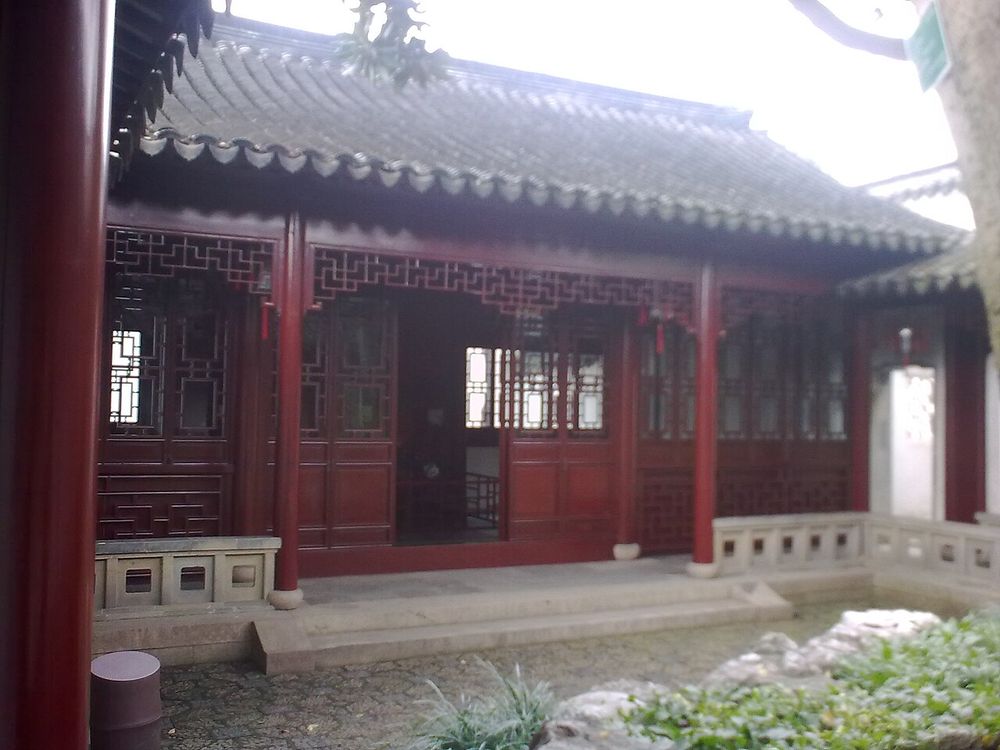
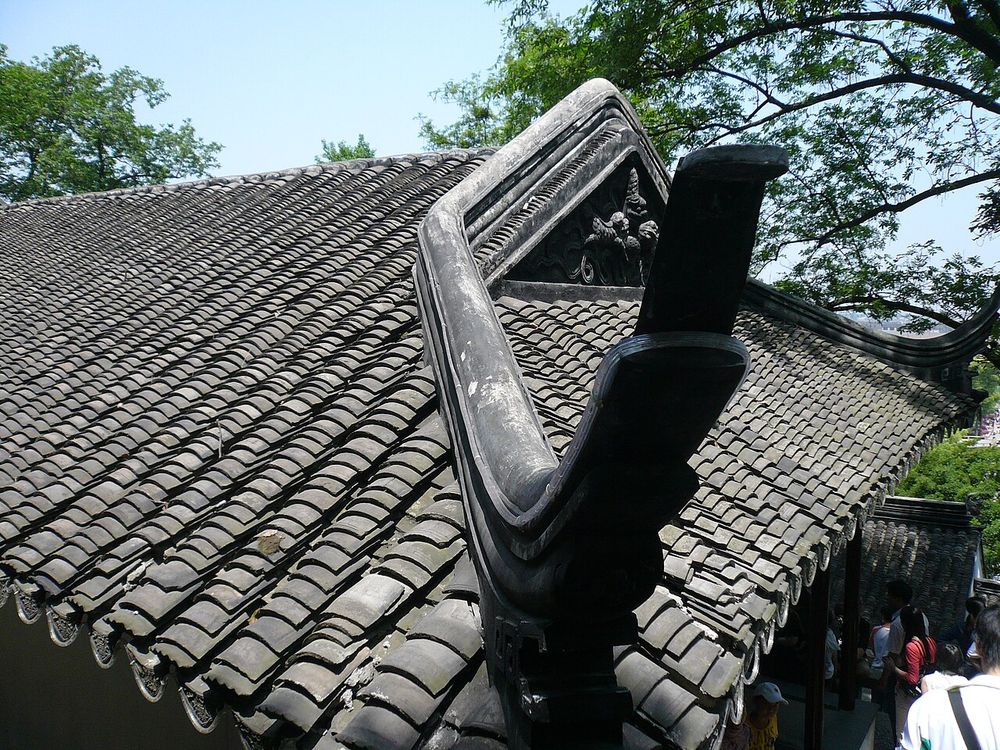
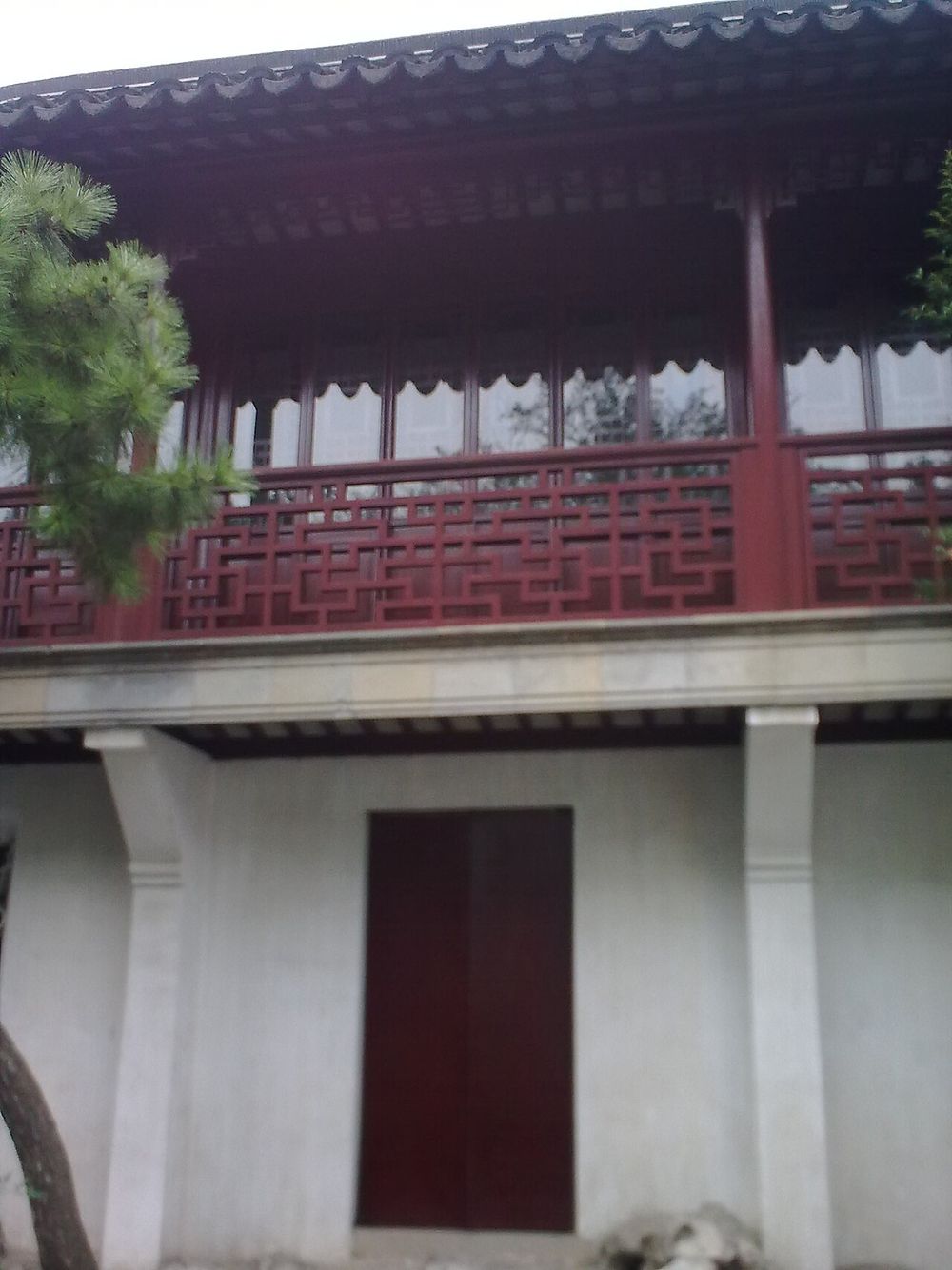
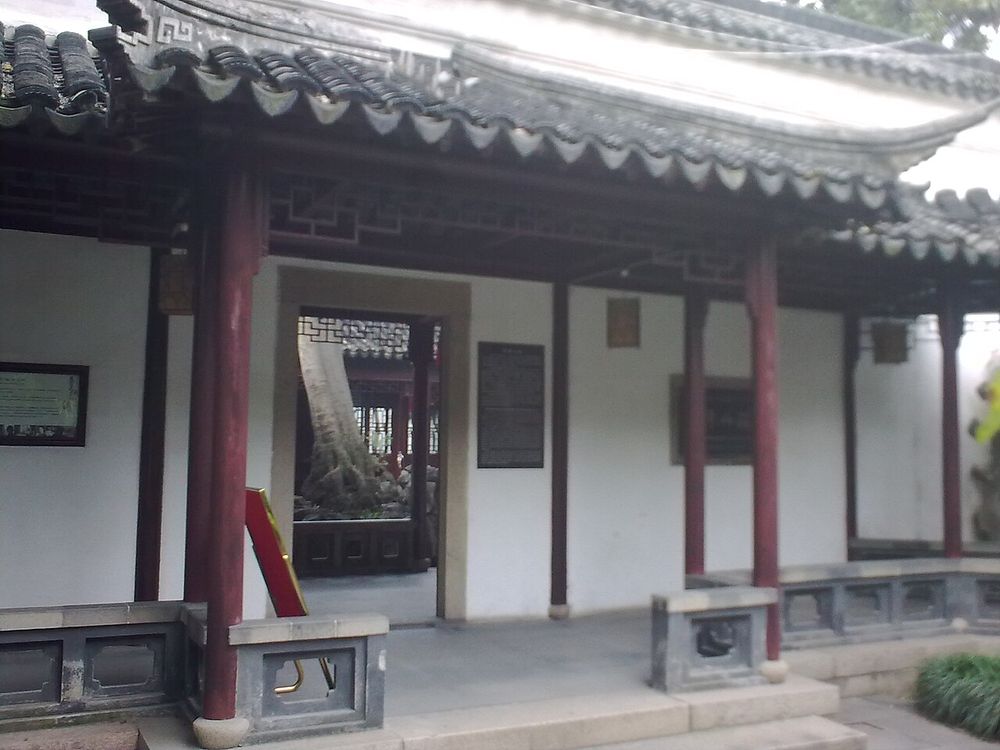
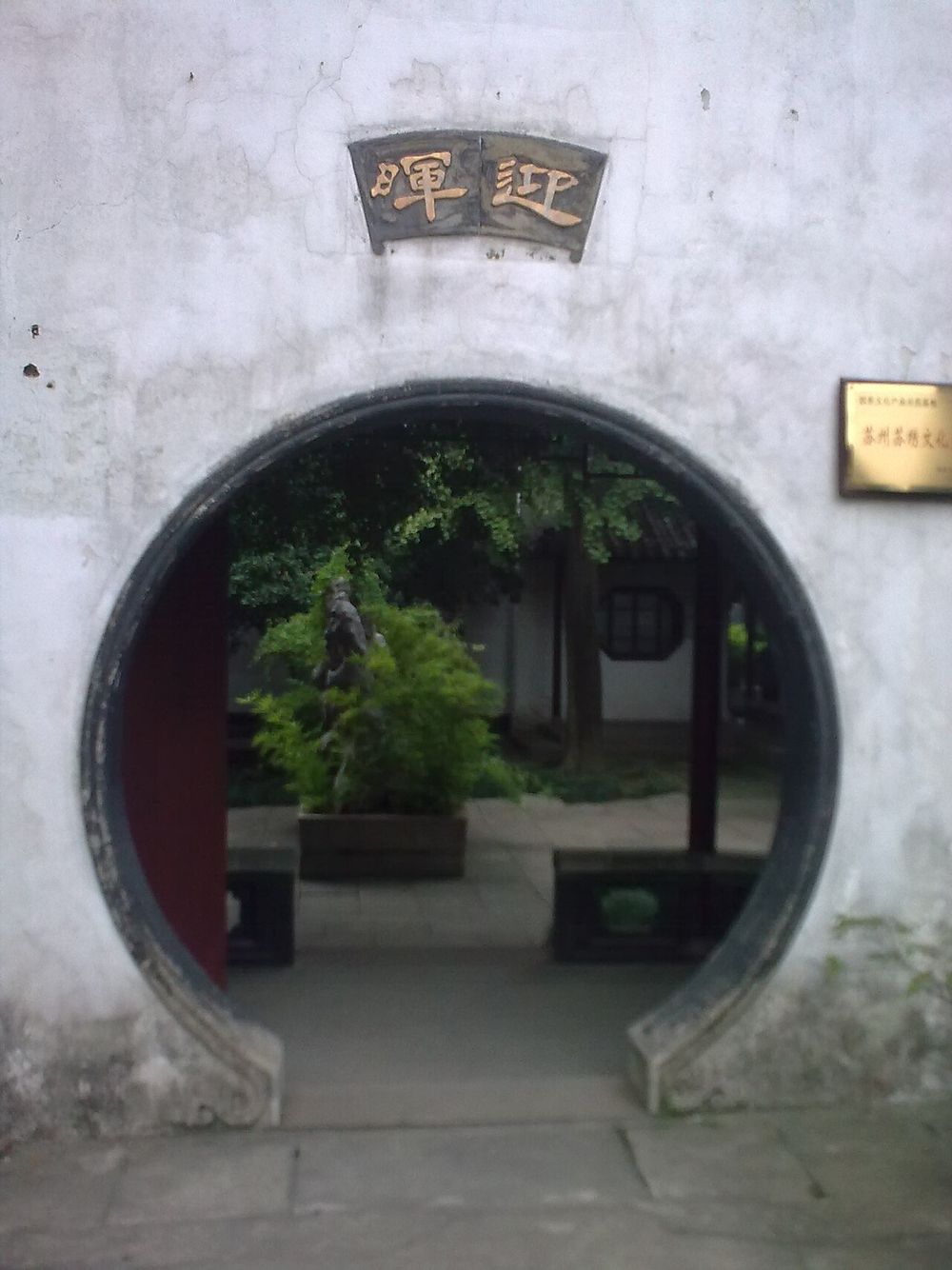
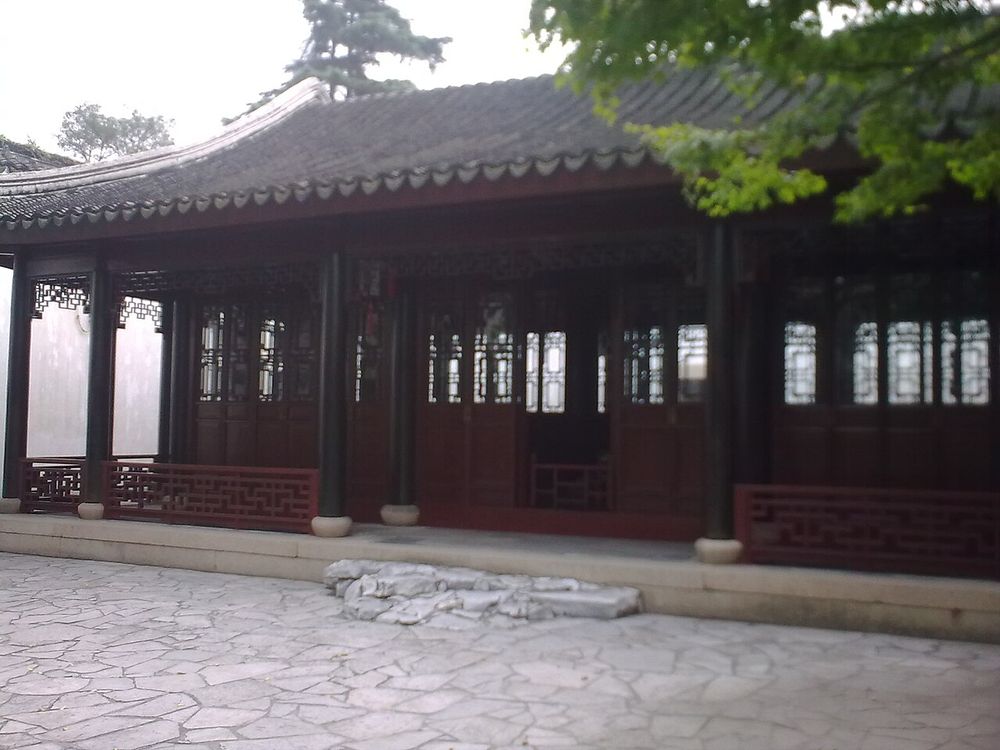
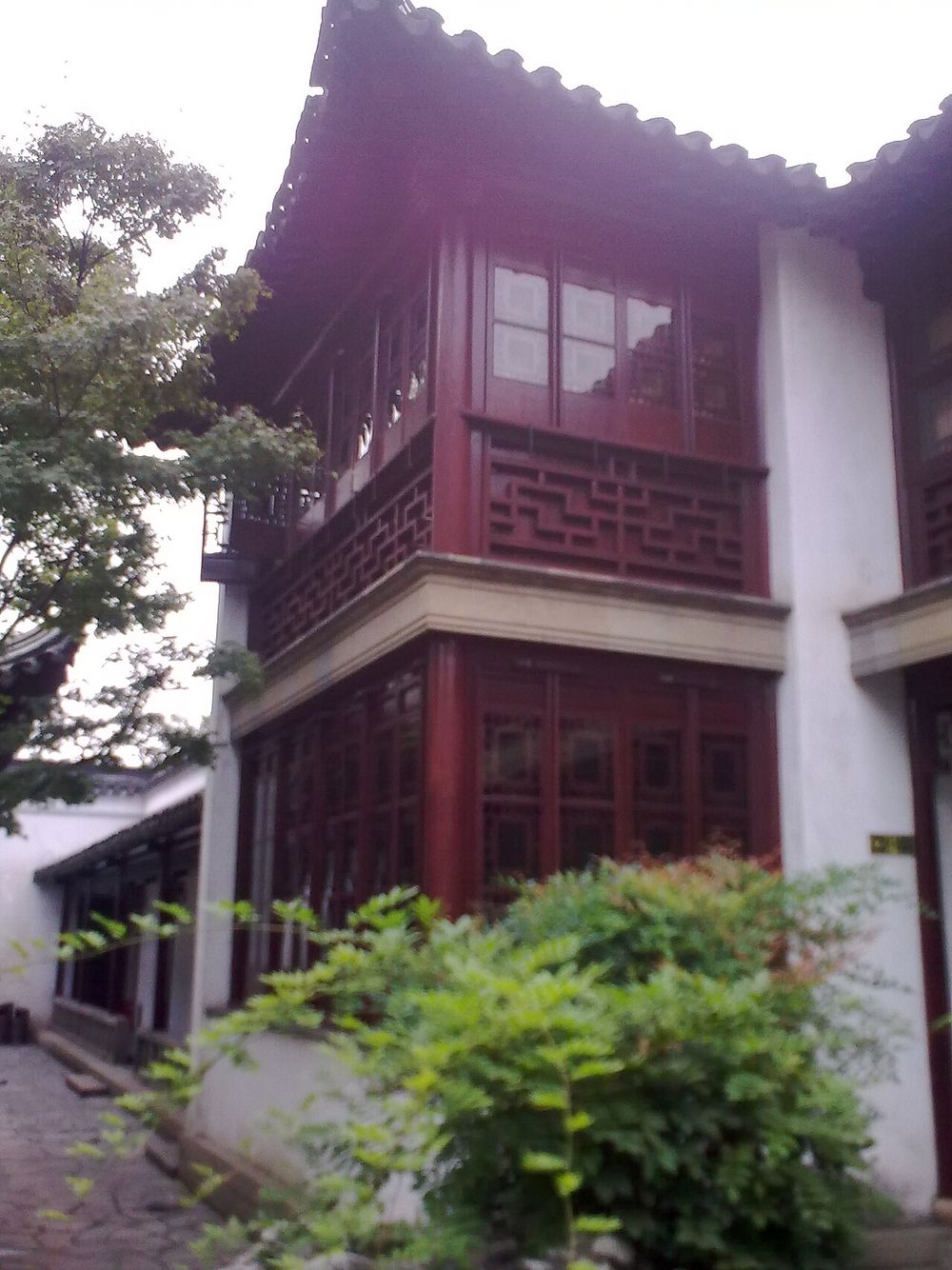
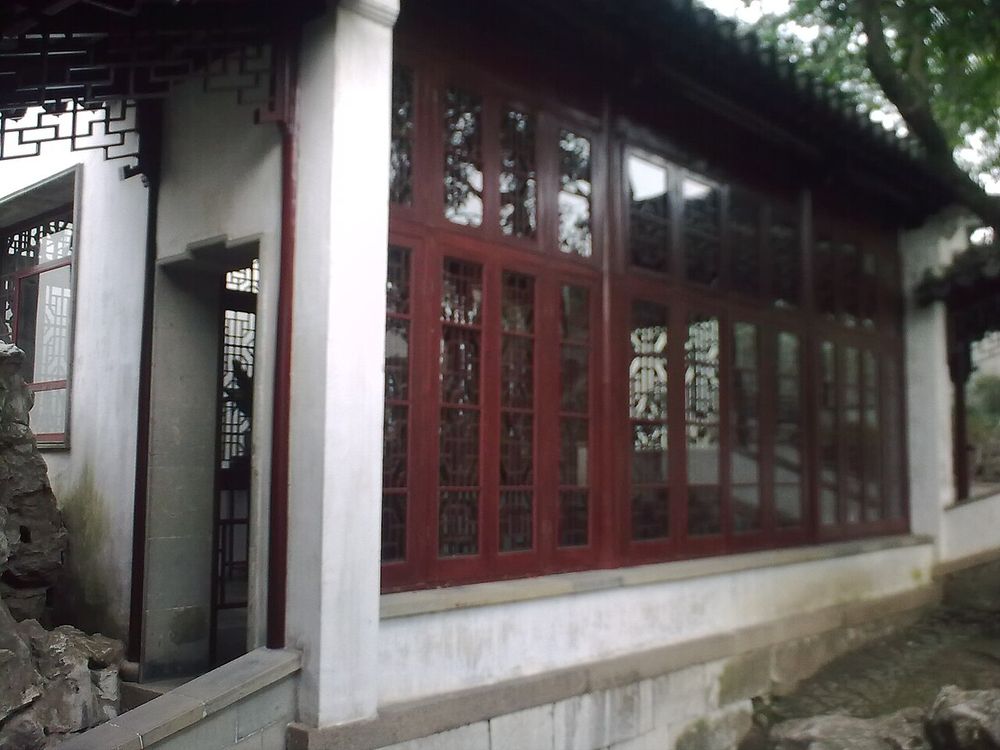
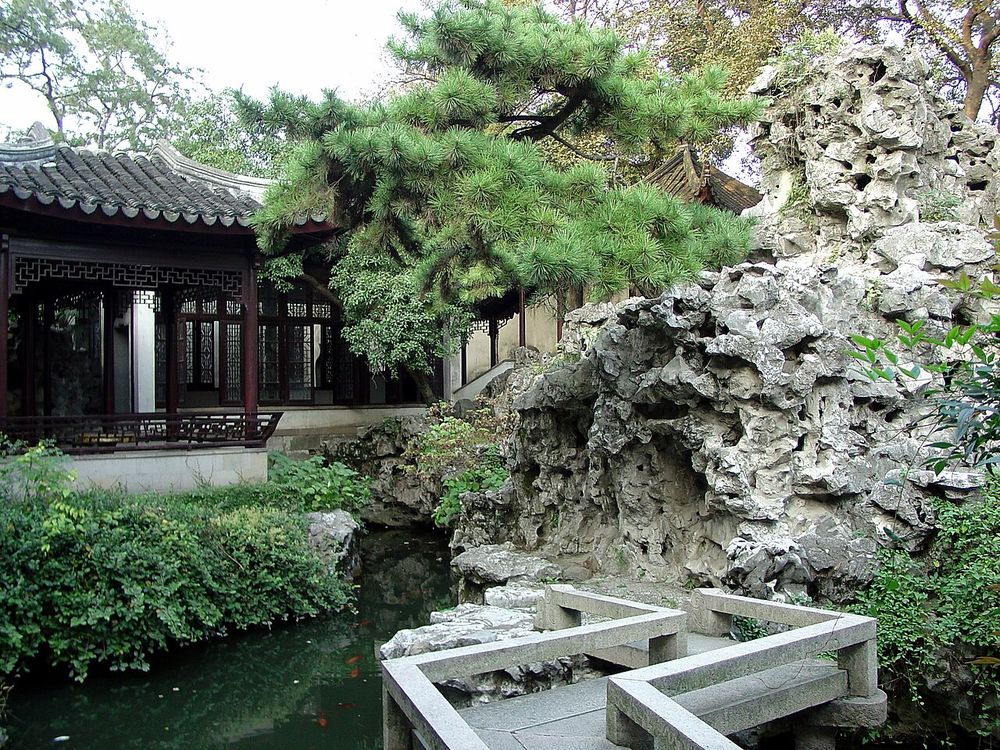
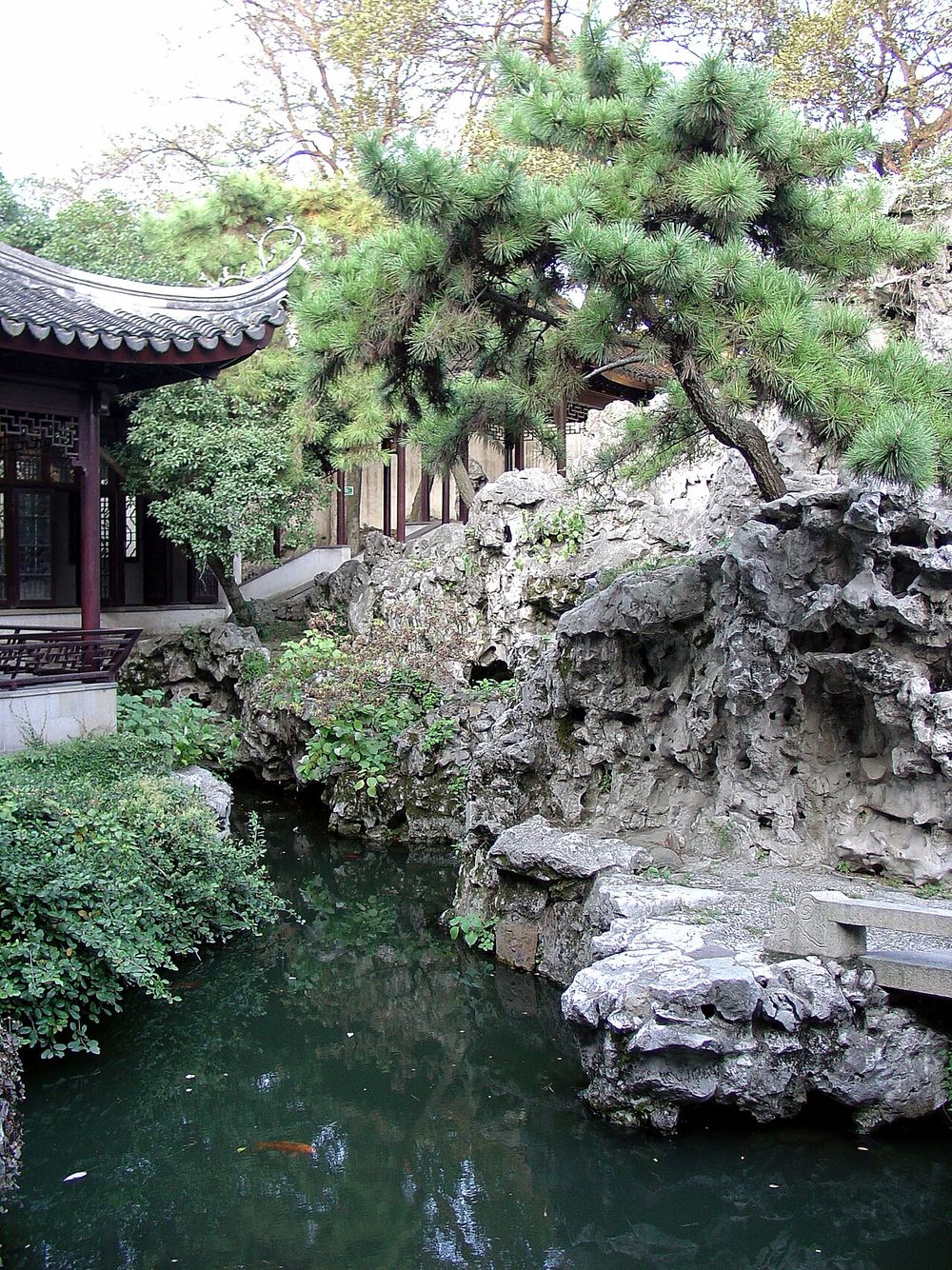
The smallest of the nine World Heritage gardens of Suzhou, a fifth of a hectare behind a museum of embroidery, almost filled by one hill of lake rock. Built about 1807 by the rock master Ge Yuliang, it holds ravines, caves, a stone room and a gorge in a space you could cross in thirty steps. Many call it the finest rock hill in China.
Photo: ScareCriterion12, CC BY-SA 4.0, Wikimedia Commons
The ground has been a garden for a thousand years: a garden of the Wuyue (907–978) princes in the tenth century, the herb garden of the Song (960–1279) scholar Zhu Changwen, the house of the Ming grand secretary Shen Shixing. In the Qing (1644–1912) it passed through several families. Early in the nineteenth century the owner, Sun Jun, asked Ge Yuliang to build him a mountain.
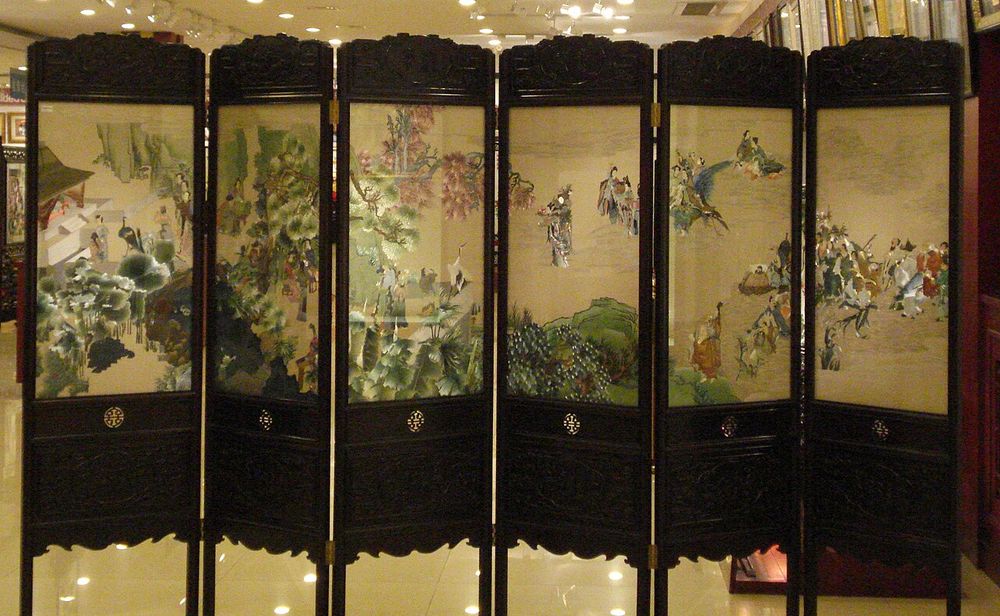
Ge Yuliang built one hill of lake rock, about seven metres high, on less than half a mu of ground. In 1847 the Wang family made the place part of their clan estate and called it the Mountain Villa with Embracing Beauty. Today it lies inside the Suzhou Embroidery Research Institute, and you walk past embroiderers to reach it.
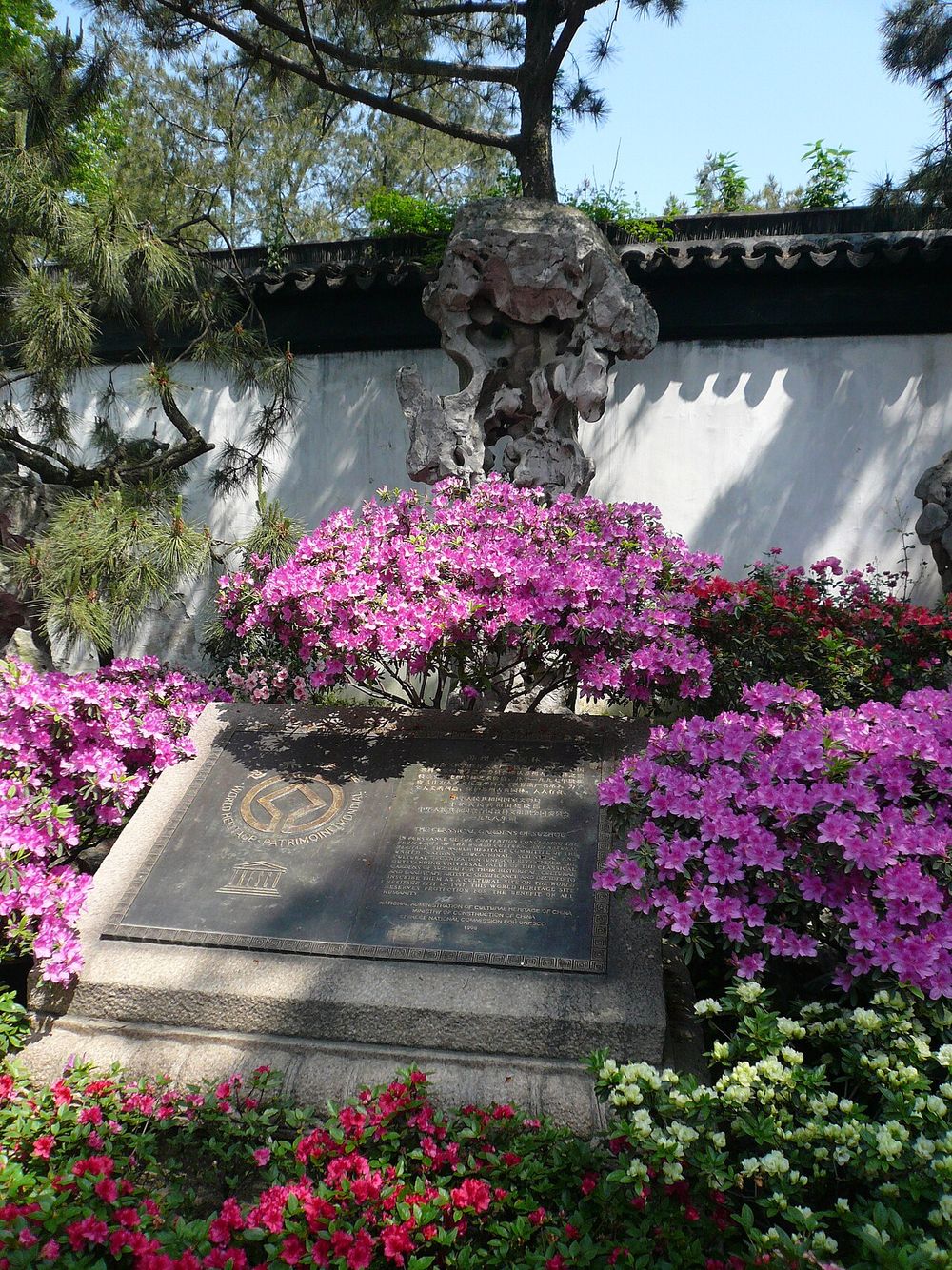
Part of Classical Gardens of Suzhou. Also there: Humble Administrator's Garden, Lingering Garden, Master of the Nets Garden, Canglang Pavilion, Lion Grove Garden, Garden of Cultivation, Couple's Retreat Garden, Retreat and Reflection Garden.
The garden is reached through the Suzhou Embroidery Research Institute and its museum. One small ticket covers it.
| Part | Ticket |
|---|---|
| The rock hill and pond | Main ticket |
| Halls and pavilions | Main ticket |
| Embroidery museum and workshops | Main ticket |
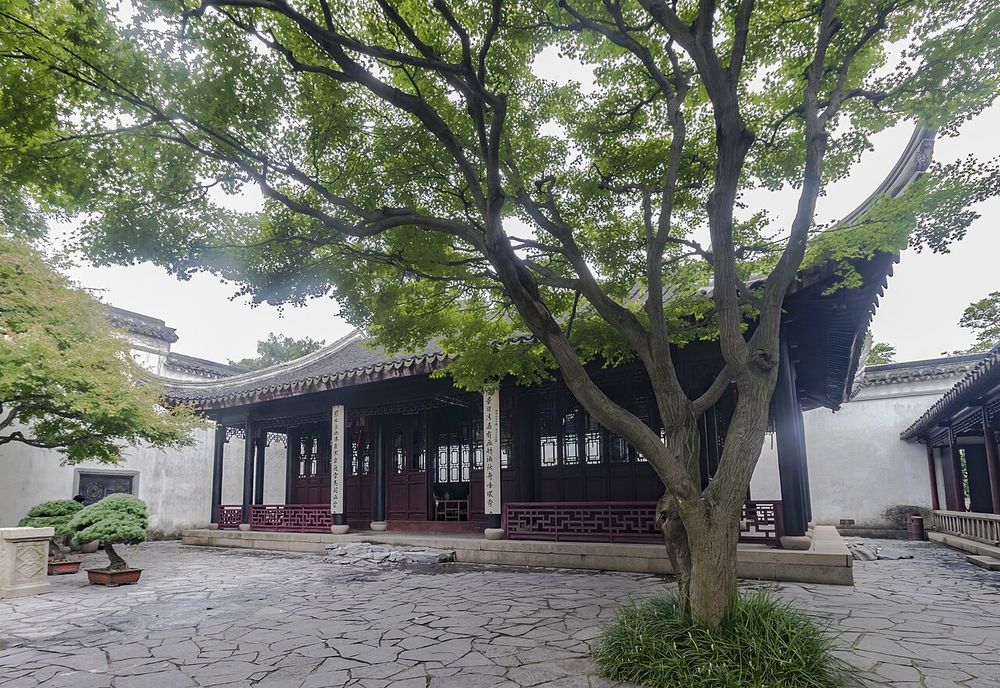
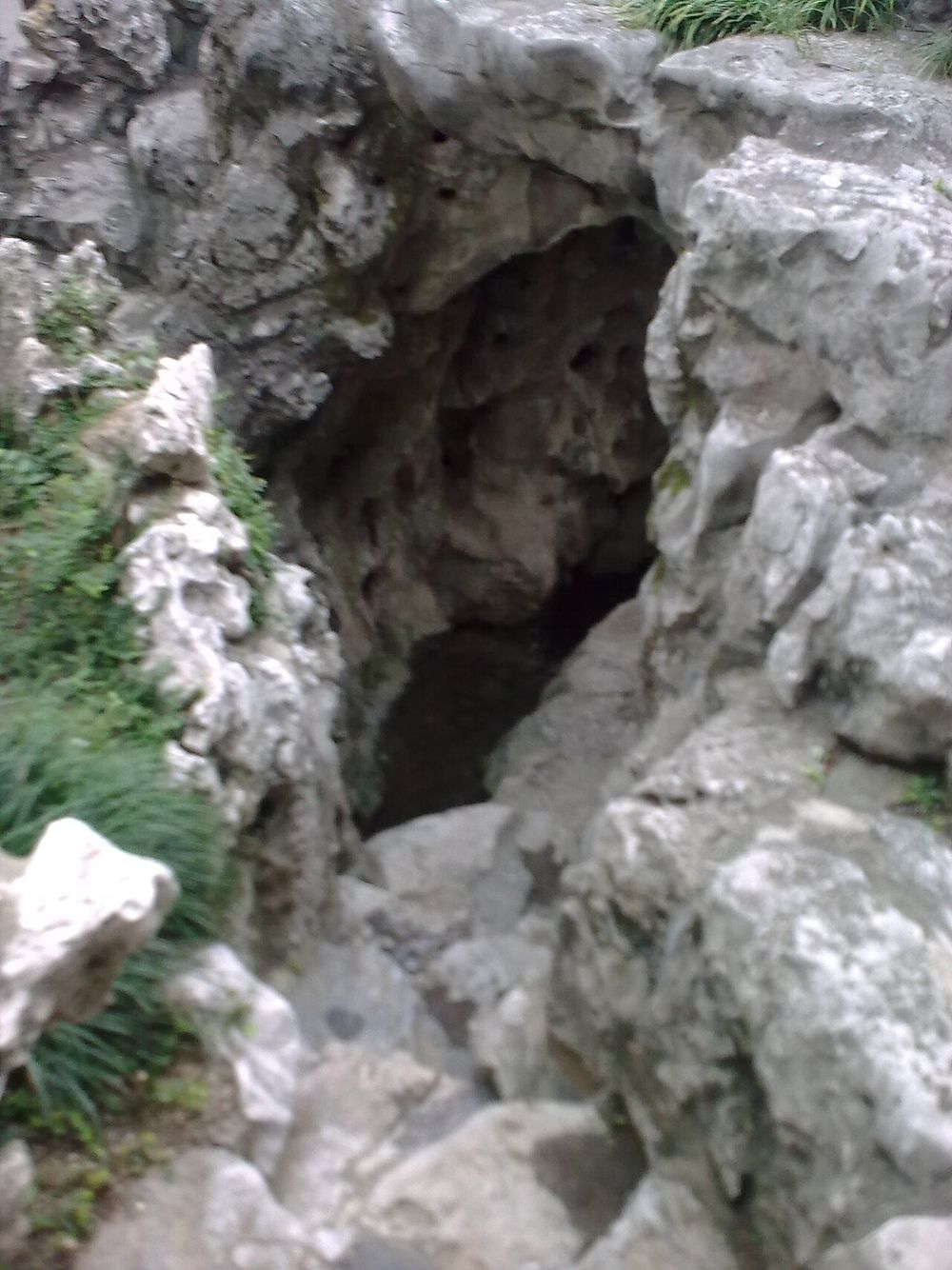
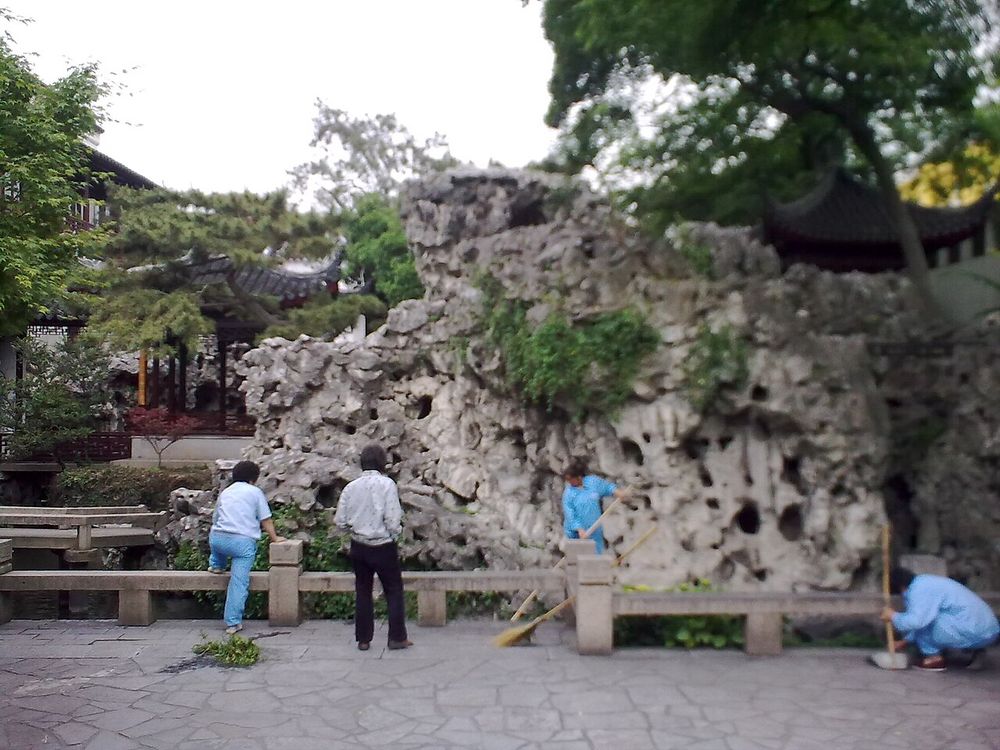
Look at the hill from the hall. It seems to be a range of mountains: a main peak in the south-east, a lesser one in the north-west, a ravine between them with a stream. Now walk in. A path climbs past cliffs, crosses a stone bridge over the gorge, and goes into a cave with a stone table and a window.
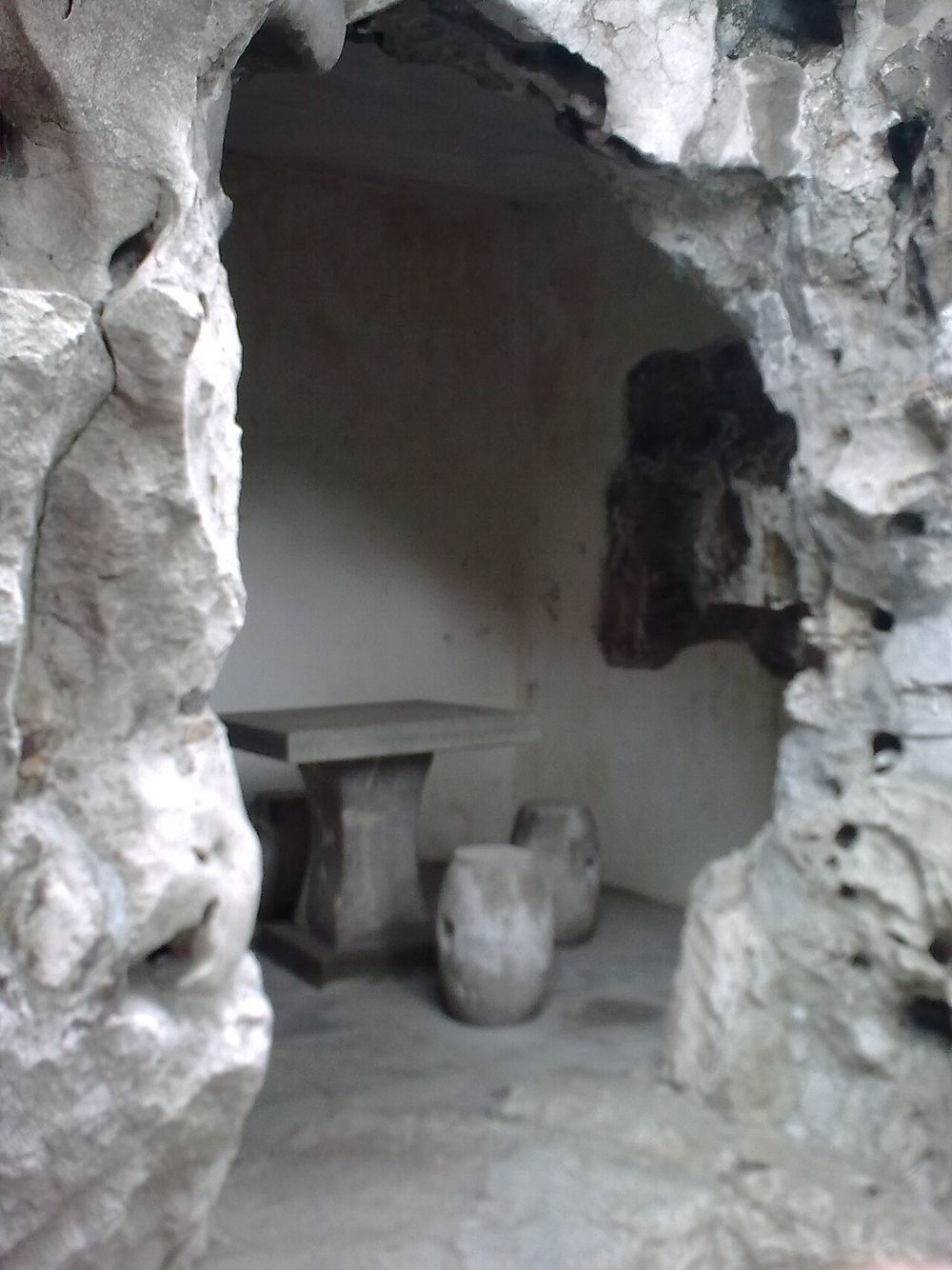
Ge Yuliang's secret was to join rocks the way a builder makes an arch, hooking each stone onto the next, so that caves could be roofed without beams and the joins hardly show. Chinese garden scholars of the twentieth century, Liu Dunzhen and Chen Congzhou, called it the best lake-rock hill in the country.
"A small garden is a lesser garden." This one is small on purpose: a whole landscape in one courtyard.
"The rocks are natural." Every one was chosen, carried and set by hand.
We searched Chinese sources first for this list, then English ones.
The garden takes half an hour if you hurry, an hour if you look. Go round the pond first, then through the hill.
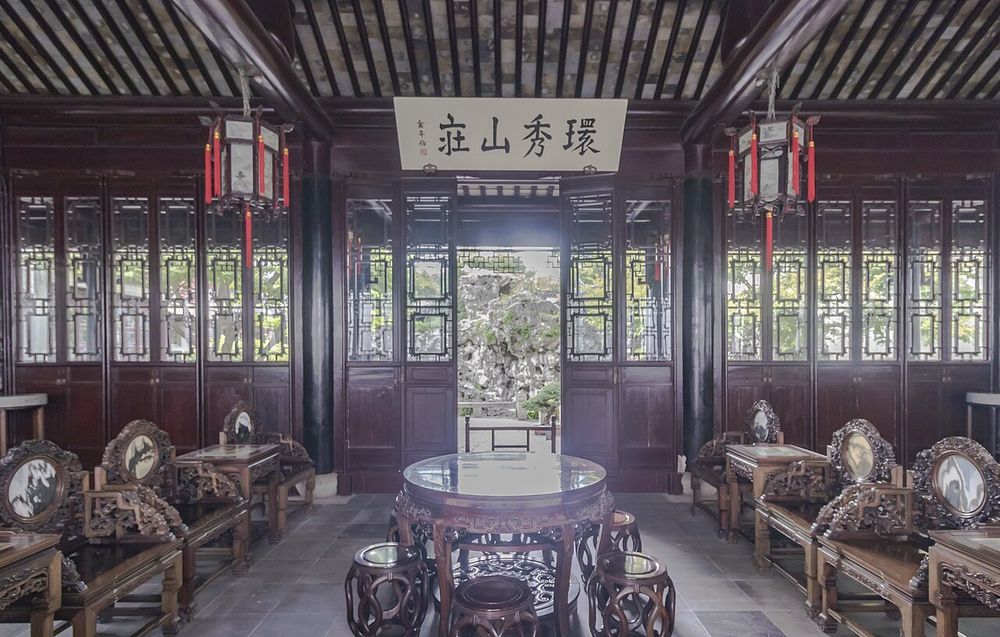
The hall at the south looks straight at the hill across a strip of water. From here the hill is a painting.
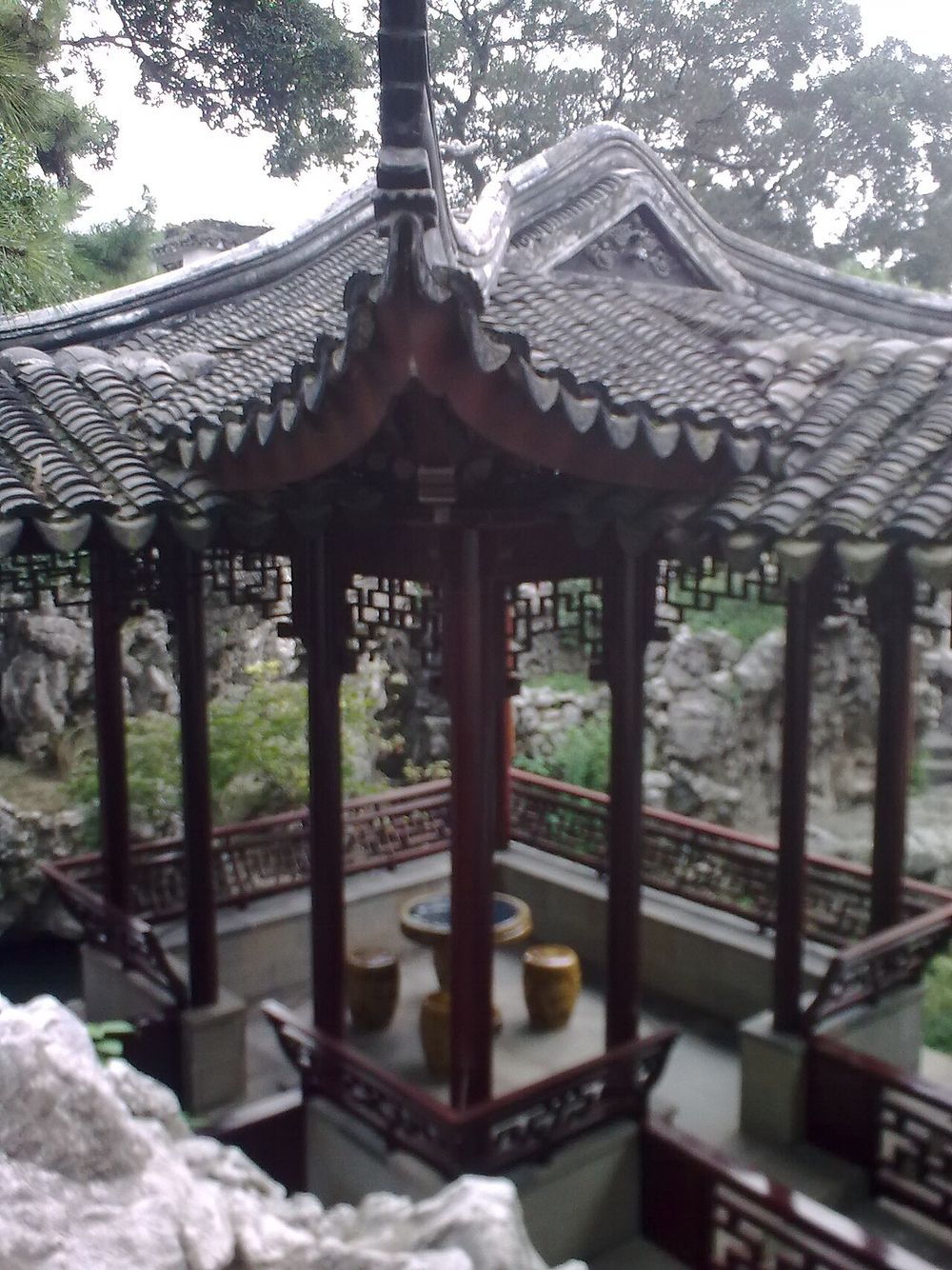
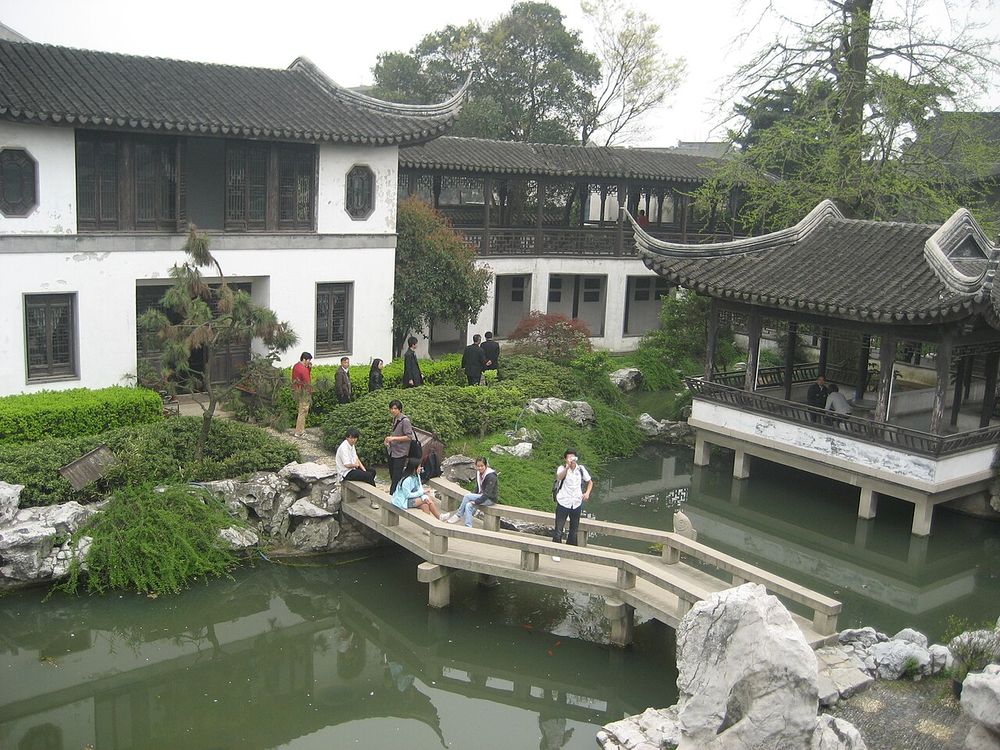
A pavilion on a little island in the pond, by the spring called Flying Snow. Water once fell here from the rocks.
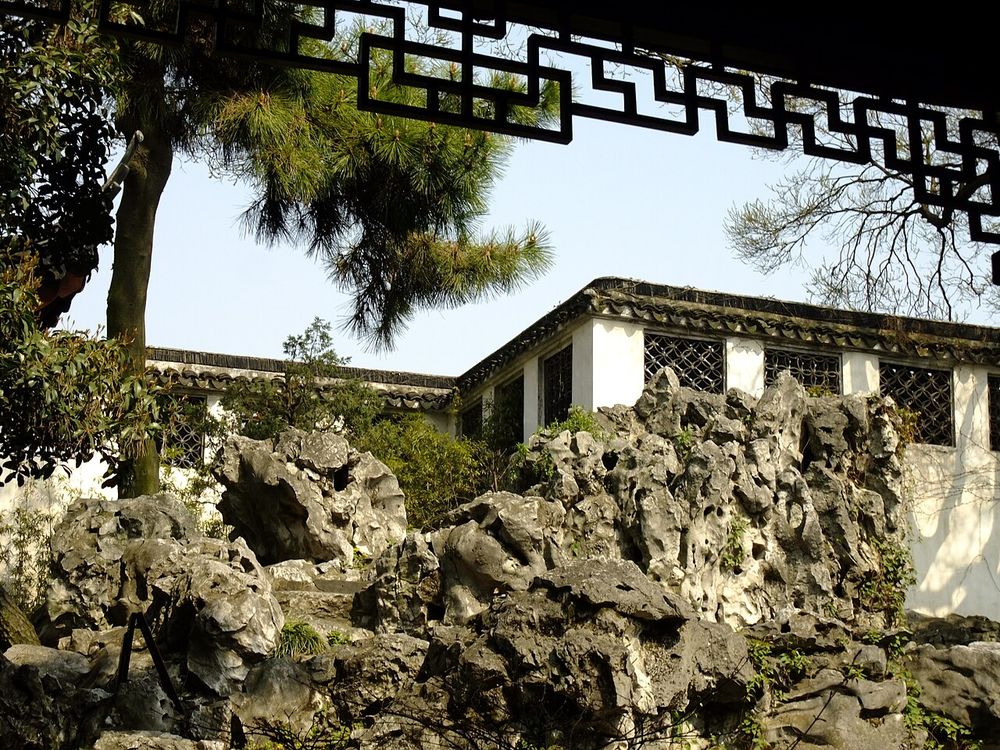
Climb the path. On the way find the stone bridge over the gorge, the cave with the stone room, and a view down through a crack to the water. It feels like an hour's walk in the mountains, in ten minutes.
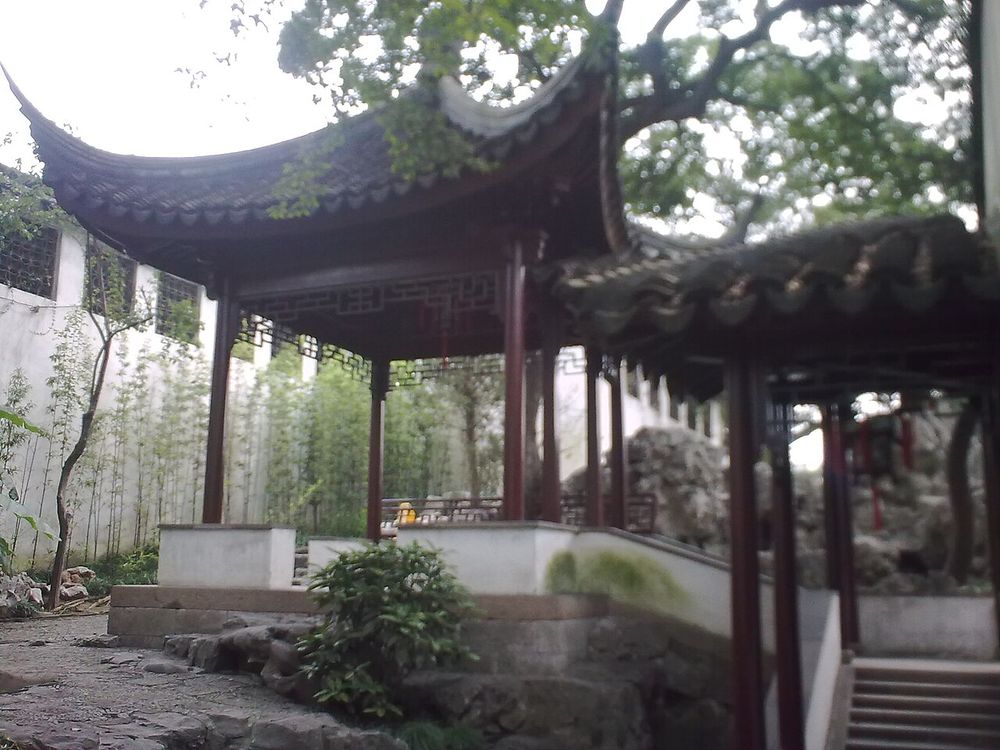
A small pavilion behind the hill with a name from a Tang poem: half a pool of autumn water, one room of mountain. It describes the whole garden.
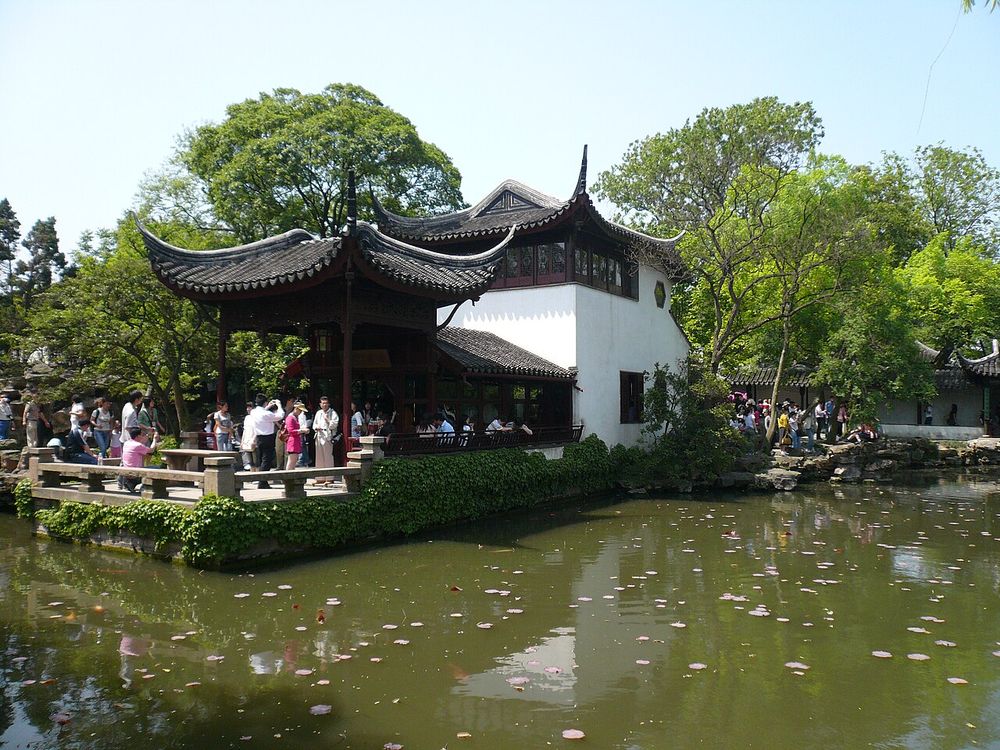
A long waterside hall at the north, built like a boat. Look back at the hill from here: it is another painting, from the other side.
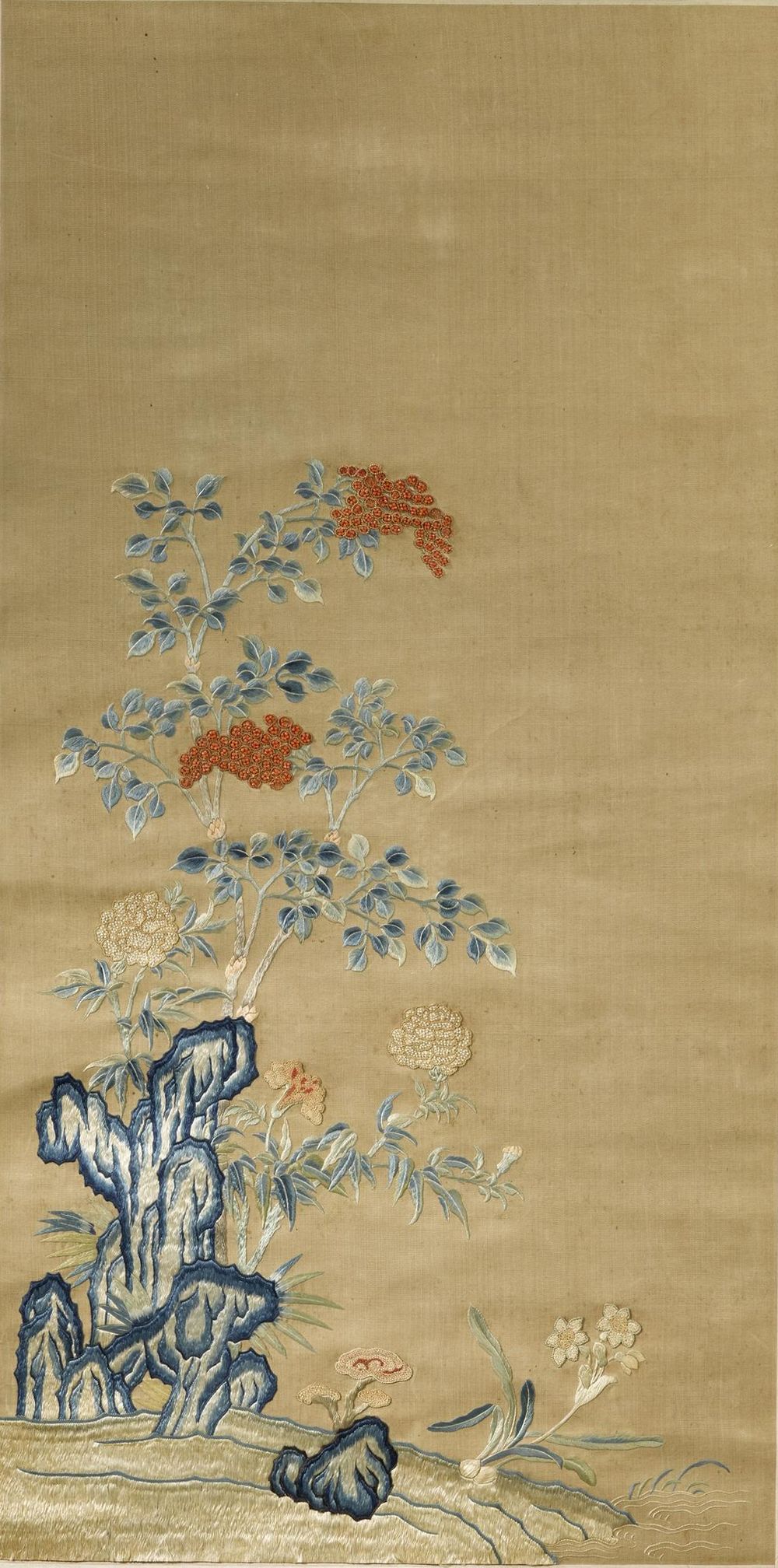
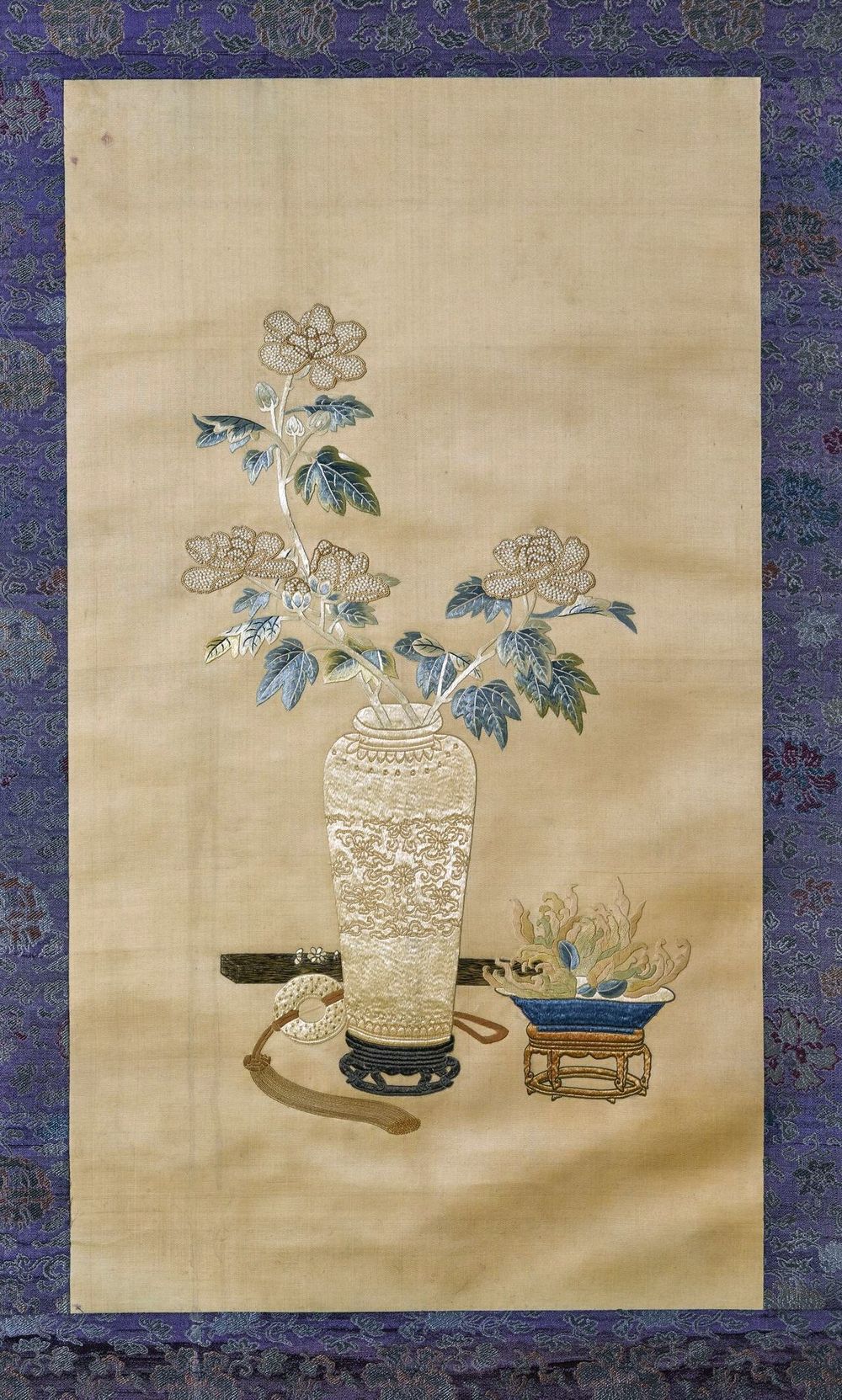
On the way out, stop at the embroidery workshops and the museum. Suzhou embroidery is so fine that a single silk thread is split into many.
Ge Yuliang built the hill about 1807, the year Britain abolished its slave trade. The Wang family named the garden in 1847, the year Charlotte Brontë published Jane Eyre.
| Year | Here | Elsewhere |
|---|---|---|
| 1573 | Shen Shixing makes his home here | Wanli becomes emperor; Francis Drake raids Panama |
| 1807 | Ge Yuliang builds the hill (about this year) | Britain abolishes the slave trade |
| 1847 | The Wang family names it the Mountain Villa with Embracing Beauty | Jane Eyre is published |
| 1997 | World Heritage | Hong Kong returns to China |
One line to remember: a whole mountain range in one courtyard.
These are stories people tell about this place. They are legends, not history, and each one says where it comes from.
People say the best time to see the hill is in light rain, when the rocks darken, the gorge runs with water and the hill looks like the mountains in a painting.
Source: A saying among Suzhou garden lovers
Later, people who live here will be able to add the stories they grew up with, and say which of these they have heard.
Checked 2026-11-12 Suzhou Municipal Administration of Gardens.
Last checked 2026-11-12. Suzhou Municipal Administration of Gardens, published prices and opening hours; travel reports of 2026.
Checked 2026-11-12
Opening hours are given in the local time of the place. Prices are in the local currency. The figure after ≈ is approximate, at exchange rates checked on 9 November 2026, in .
Stand at the site, sign in, press the button, and collect its stamp. Your browser will ask to use your location. It is sent to us once to confirm that you are at the site; we keep how far you were from it, not the spot where you stood.
Your stamps are saved to your account, so they follow you to any device. Checking from a browser cannot rule out every false location; stricter checks arrive with the app.
Photos here show the place, not people. Each one is credited to the visitor who took it and appears after our team has looked at it. A photo with you in it belongs under “I am here”.