LegendThe jujube pavilion
Jiang Cai loved jujubes. After his death his son named a room the Pavilion of Remembered Tastes, with a jujube tree beside it, in his memory.
Source: Told in the garden's own records
Suzhou, Jiangsu, China
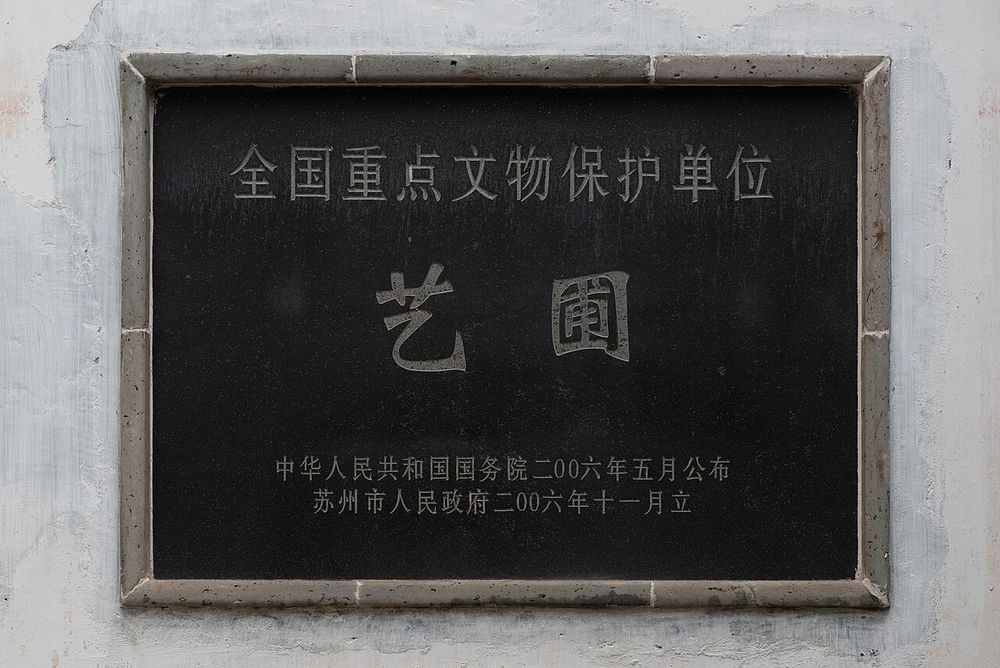
艺圃 · Yì Pǔ
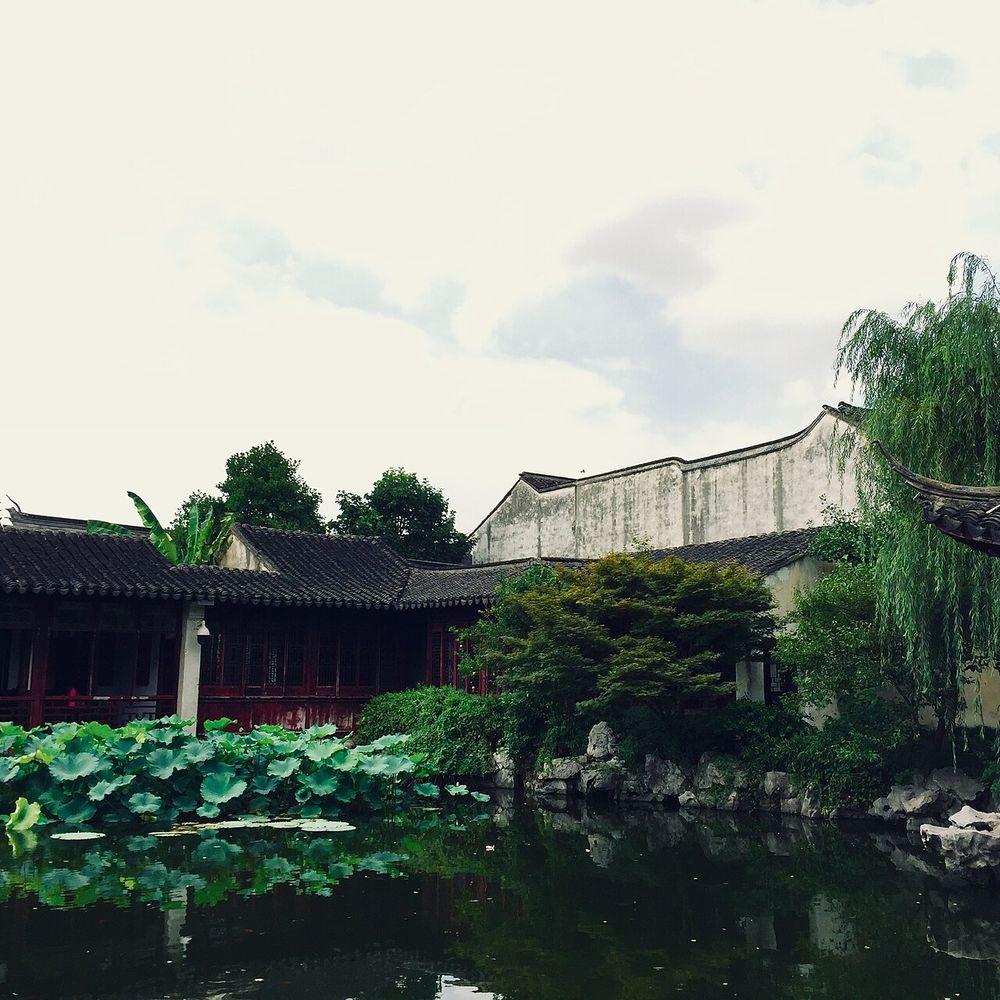
A quiet garden at the end of a narrow lane, kept almost as it was in the late Ming: one open pond, a hill of rocks on the far side, and a long water pavilion where people of Suzhou still sit over tea. It belonged to a great-grandson of Wen Zhengming, then to a loyal official of the fallen Ming who would not serve the Qing.
Photo: ScareCriterion12, CC BY-SA 4.0, Wikimedia Commons
In the Jiajing years of the Ming (1368–1644), the official Yuan Zugeng built a garden here. Early in the seventeenth century it was bought by Wen Zhenmeng, great-grandson of the painter Wen Zhengming, who came first in the palace examination of 1622. He called it the Medicinal Herb Garden.
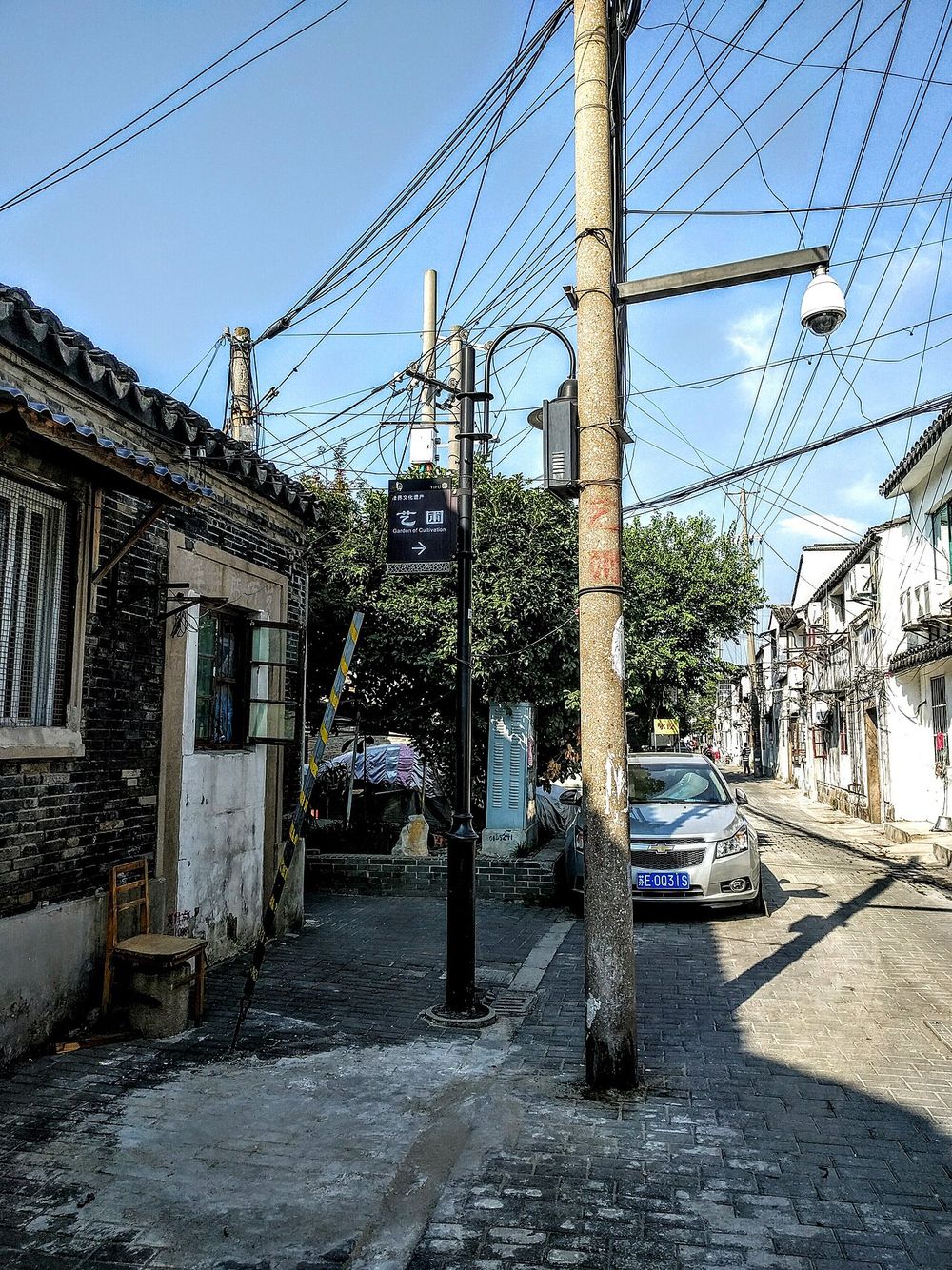
After the fall of the Ming in 1644, the garden passed to Jiang Cai, a Ming official from Shandong who had been beaten and exiled for speaking his mind, and who refused to serve the new Qing dynasty. His son named it the Garden of Cultivation. The lane you walk down to reach it is still called Wenya Lane, the lane of the Wen residence.
Part of Classical Gardens of Suzhou. Also there: Humble Administrator's Garden, Lingering Garden, Master of the Nets Garden, Canglang Pavilion, Lion Grove Garden, Mountain Villa with Embracing Beauty, Couple's Retreat Garden, Retreat and Reflection Garden.
One very small ticket covers the house and garden. Tea in the Yanguang Pavilion is paid separately.
| Part | Ticket |
|---|---|
| The house and Hall of Broad Elegance | Main ticket |
| The pond and Yanguang Pavilion teahouse | Ticket; tea extra |
| The rock hill | Main ticket |
| The Bathing Gull court | Main ticket |
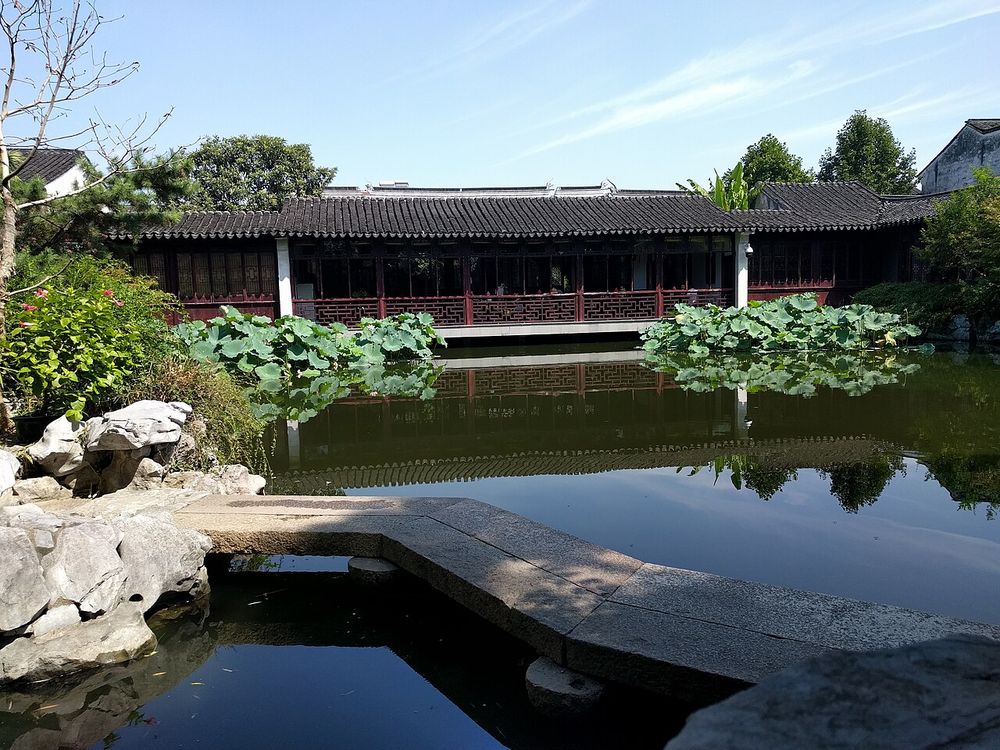
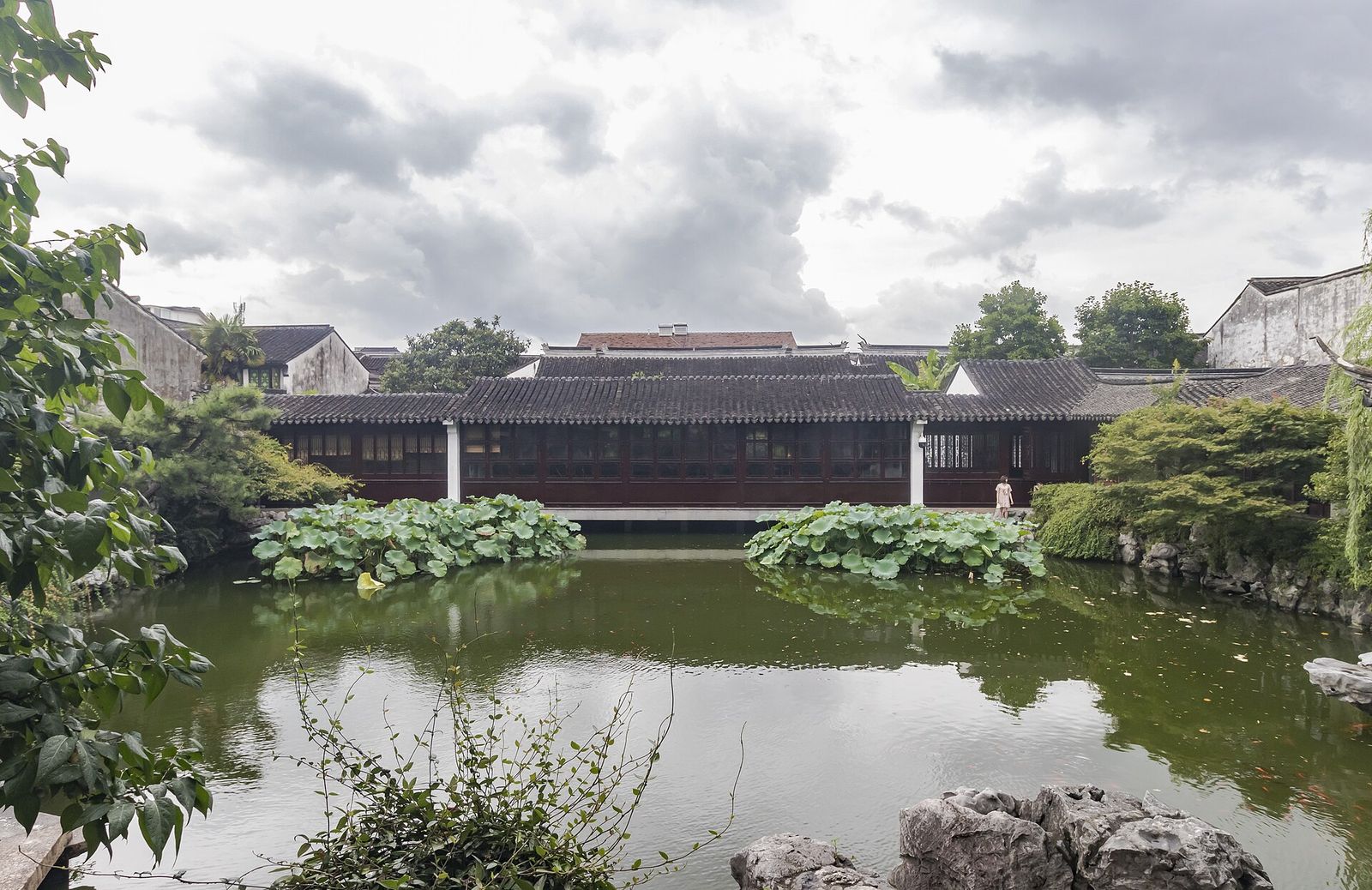
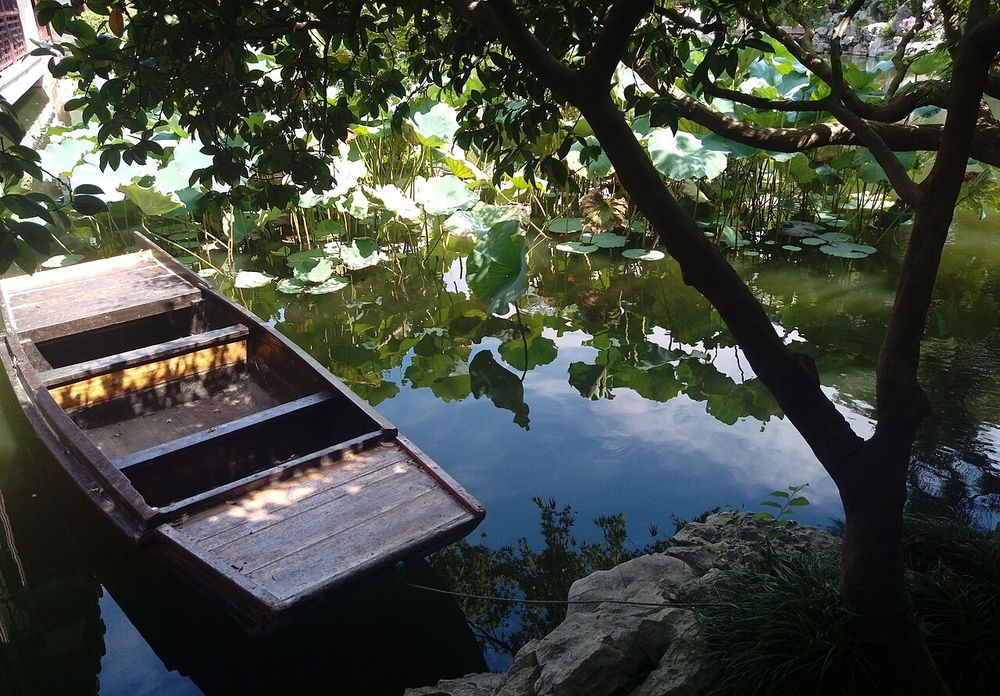
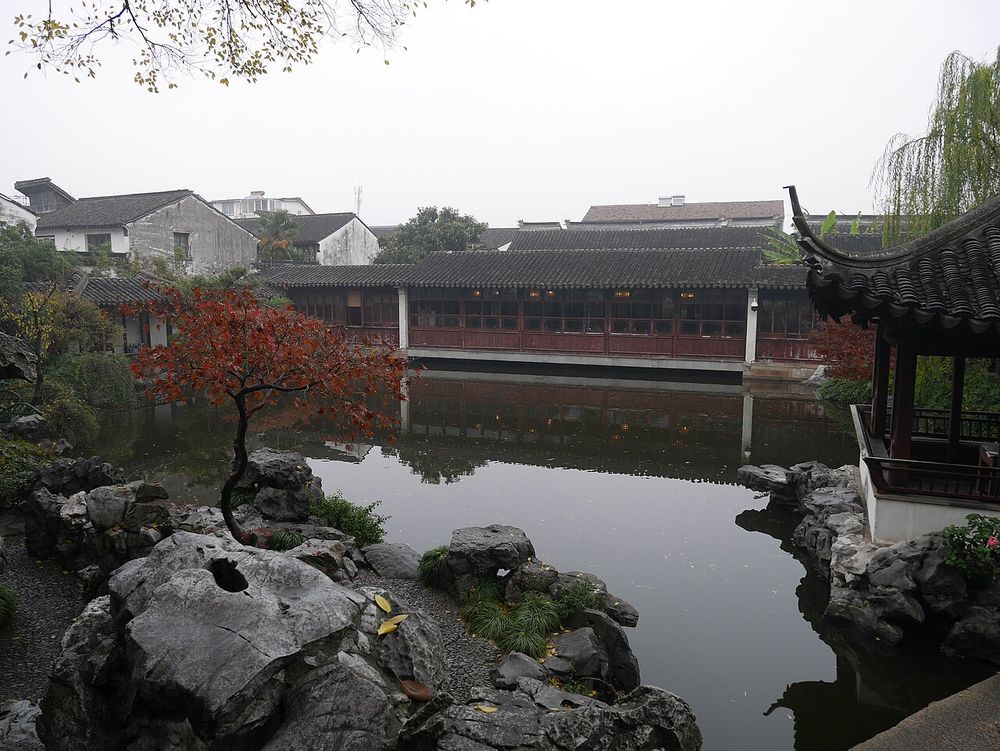
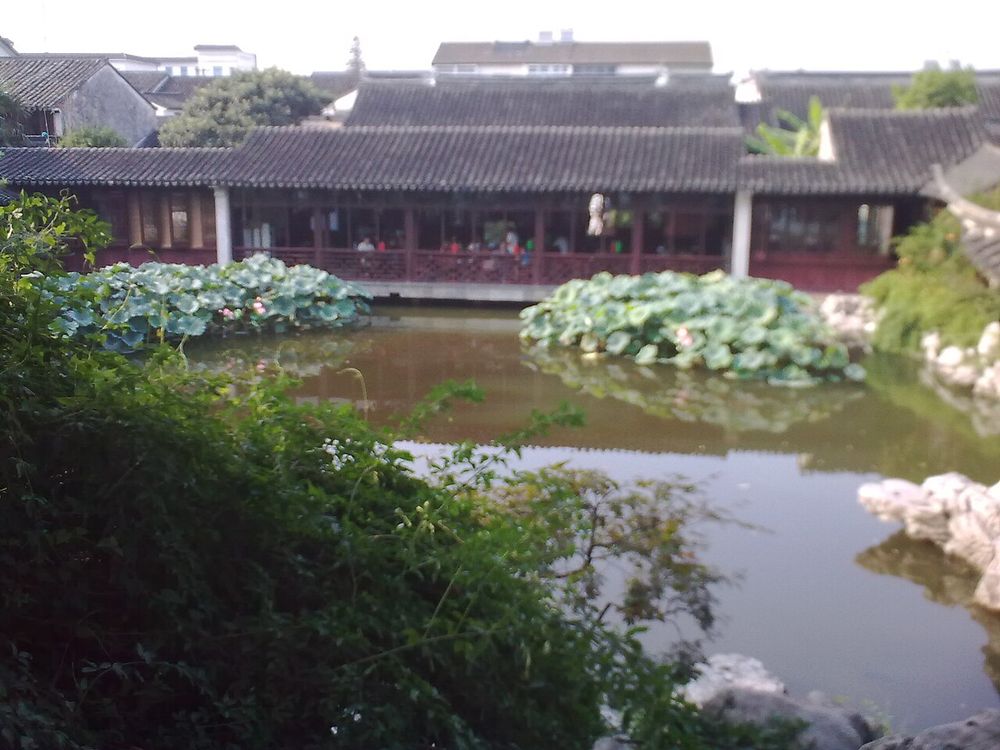
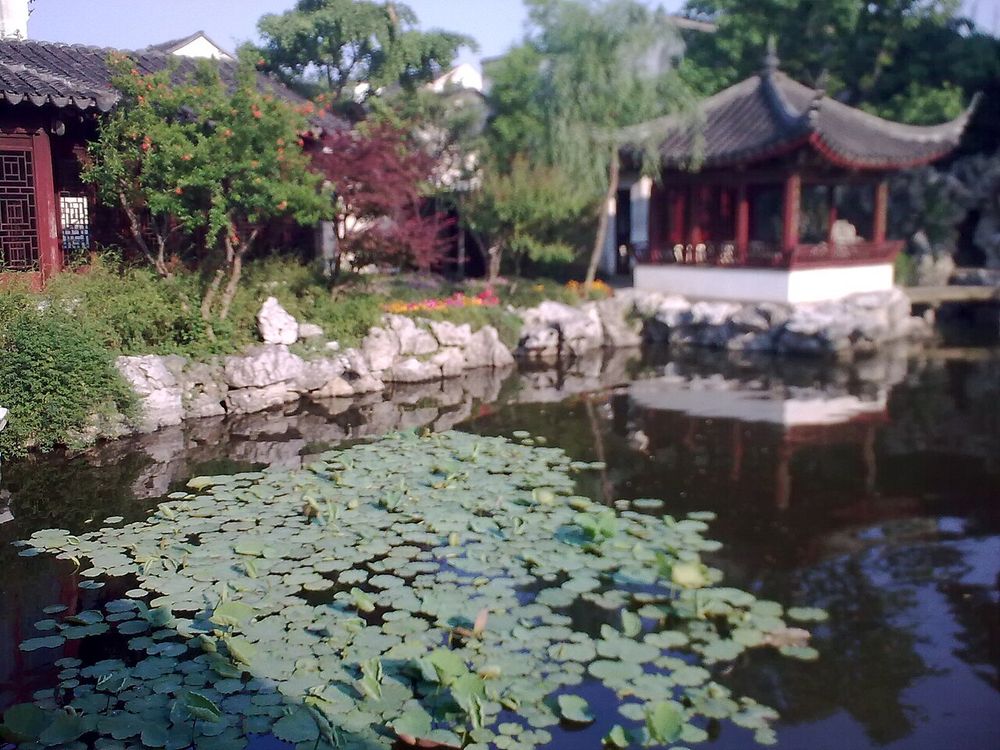
You are sitting in the largest water pavilion in the Suzhou gardens, built right across the north side of the pond. Order a pot of tea. In front of you, the pond is open and simple, with no island in the middle. On the far side, a rock hill with old trees and a little pavilion.
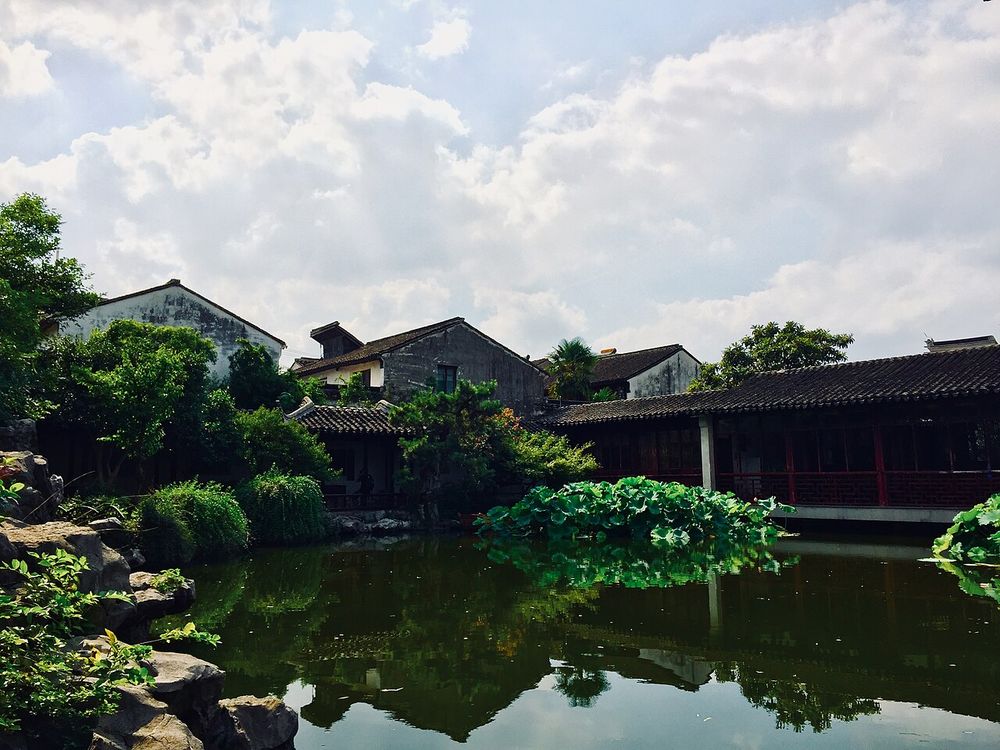
Most Suzhou gardens were rebuilt in the Qing (1644–1912) and crowded with buildings. This one keeps the late-Ming way: few buildings, a large plain sheet of water, nature left to speak. Chen Congzhou, the garden scholar, called it the clearest example of Ming garden design in Suzhou.
"It is hard to find, so it is not important." It is on the World Heritage list with the famous gardens. It is hard to find because the lane is narrow.
"The teahouse is a modern addition." The pavilion is old; tea in it is a long Suzhou habit.
We searched Chinese sources first for this list, then English ones.
Walk down Wenya Lane, through the house, then round the pond clockwise. One hour, more if you stay for tea.
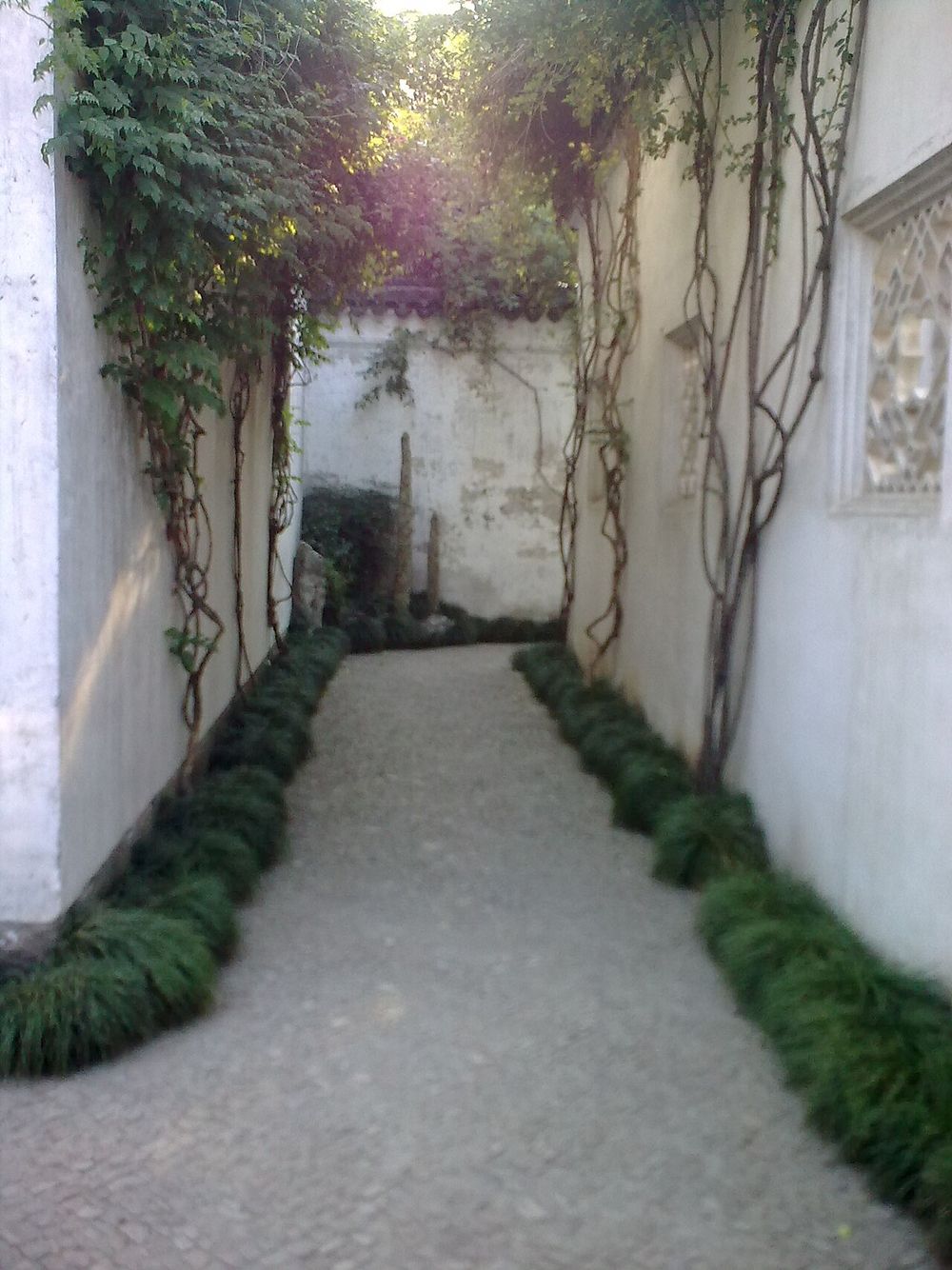
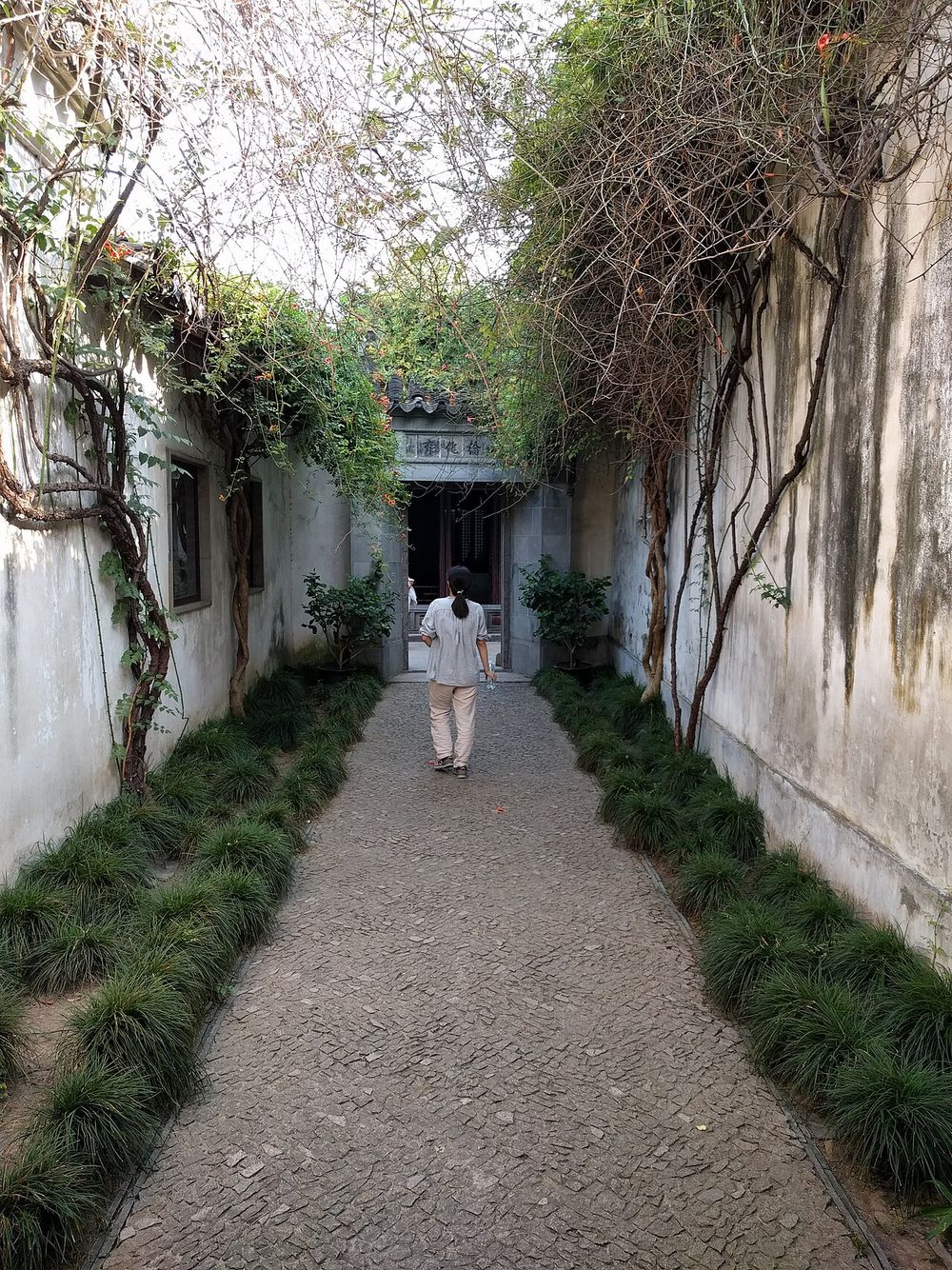
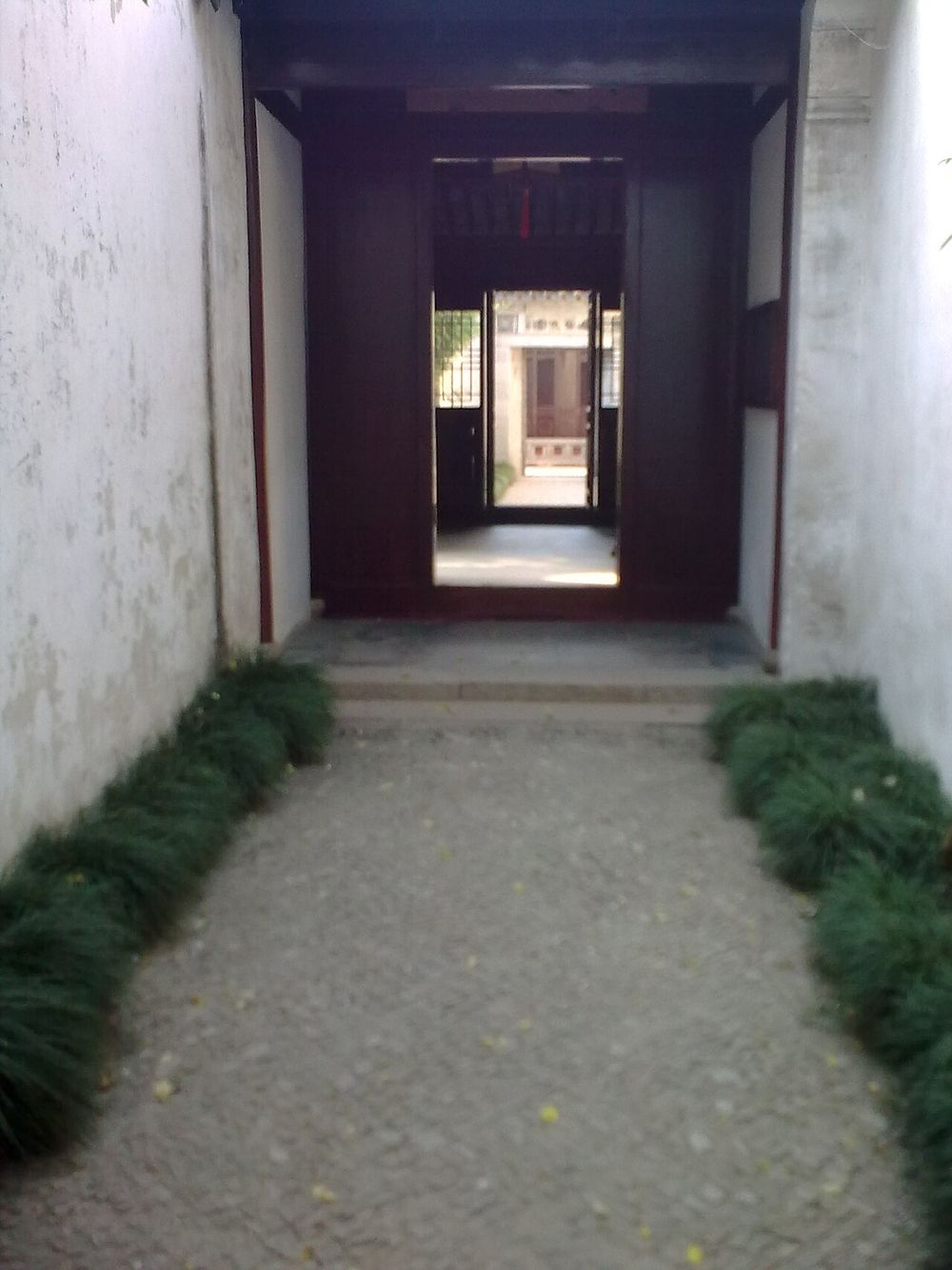
The garden has no grand entrance. You walk down a long, narrow lane between white walls and turn through a plain door. This too is holding back first.
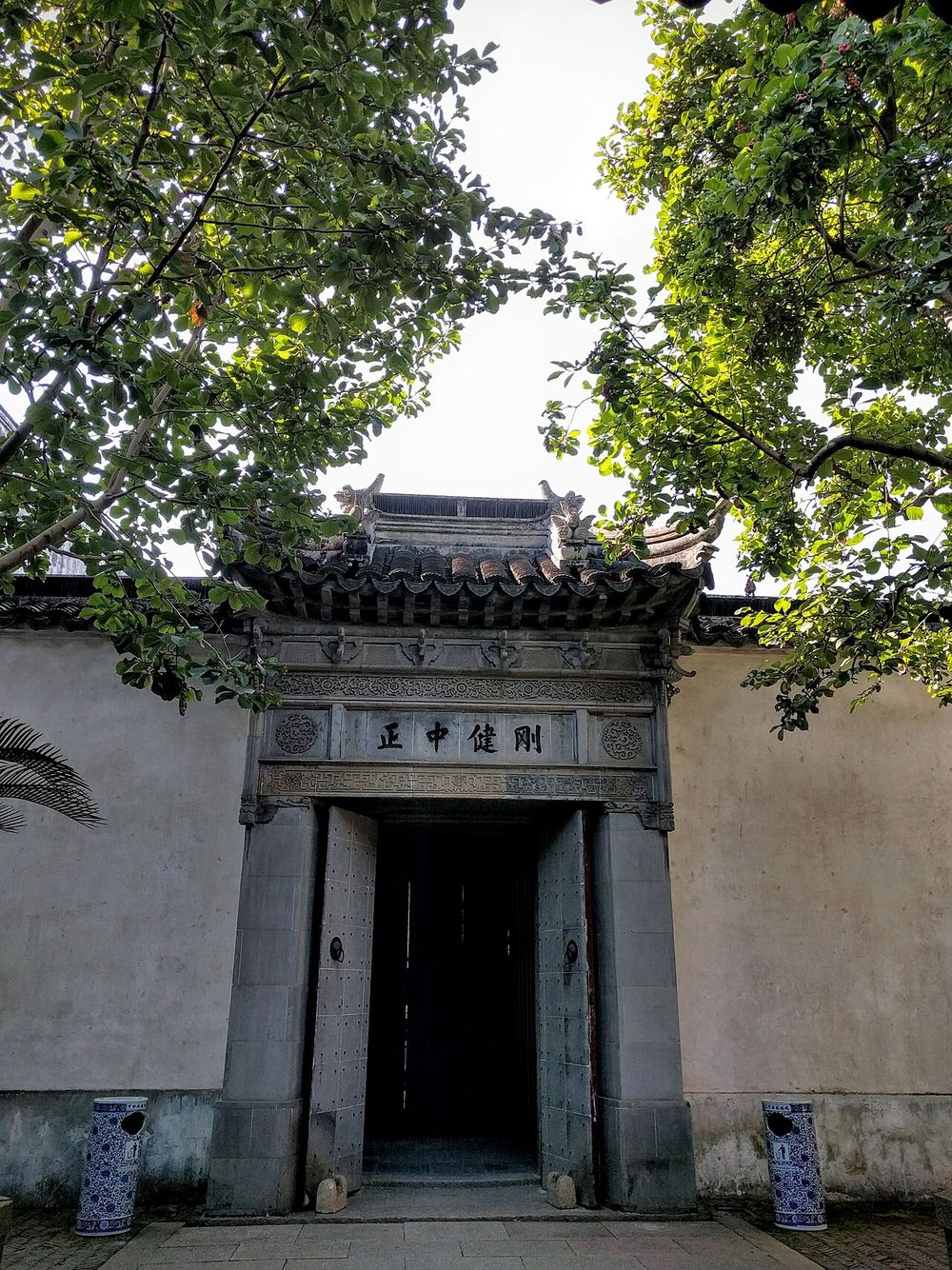
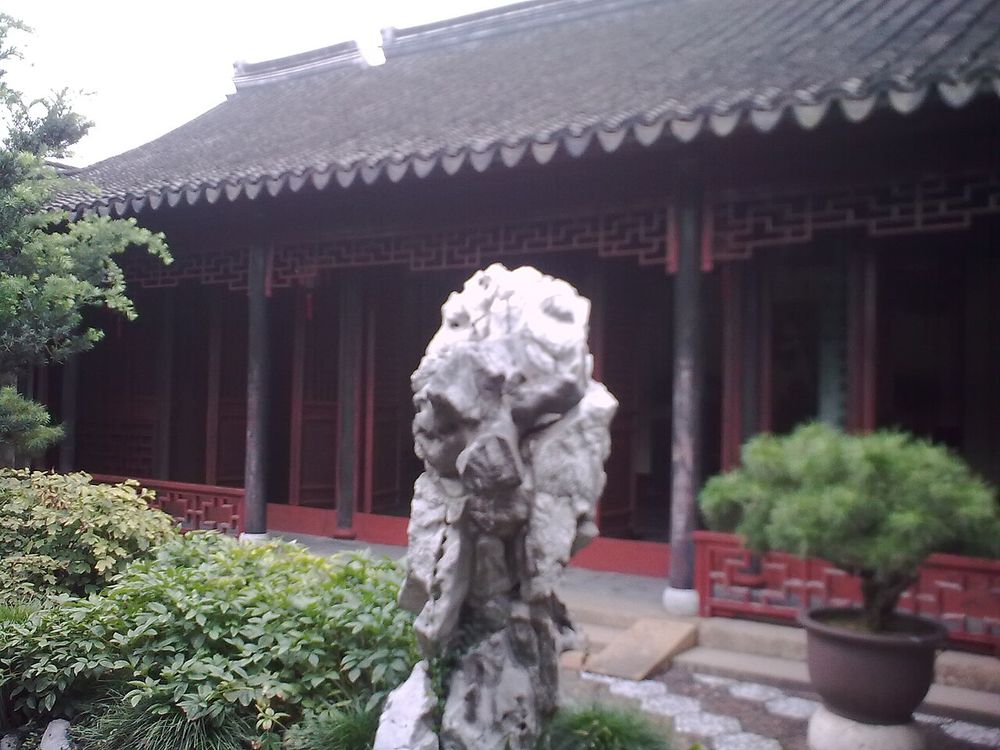
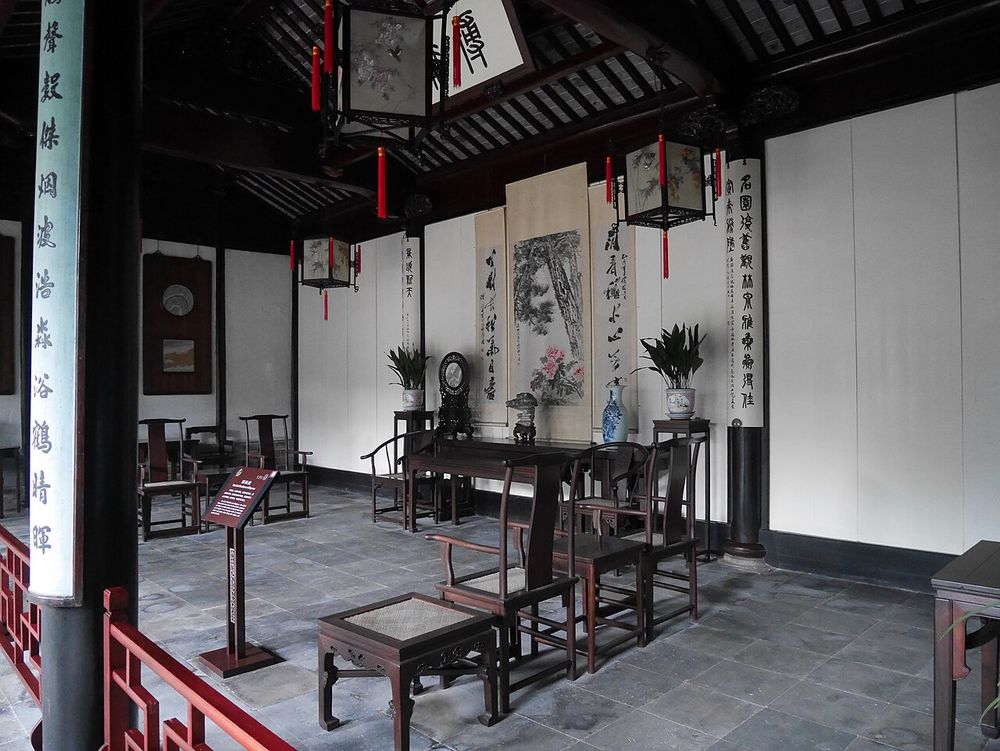
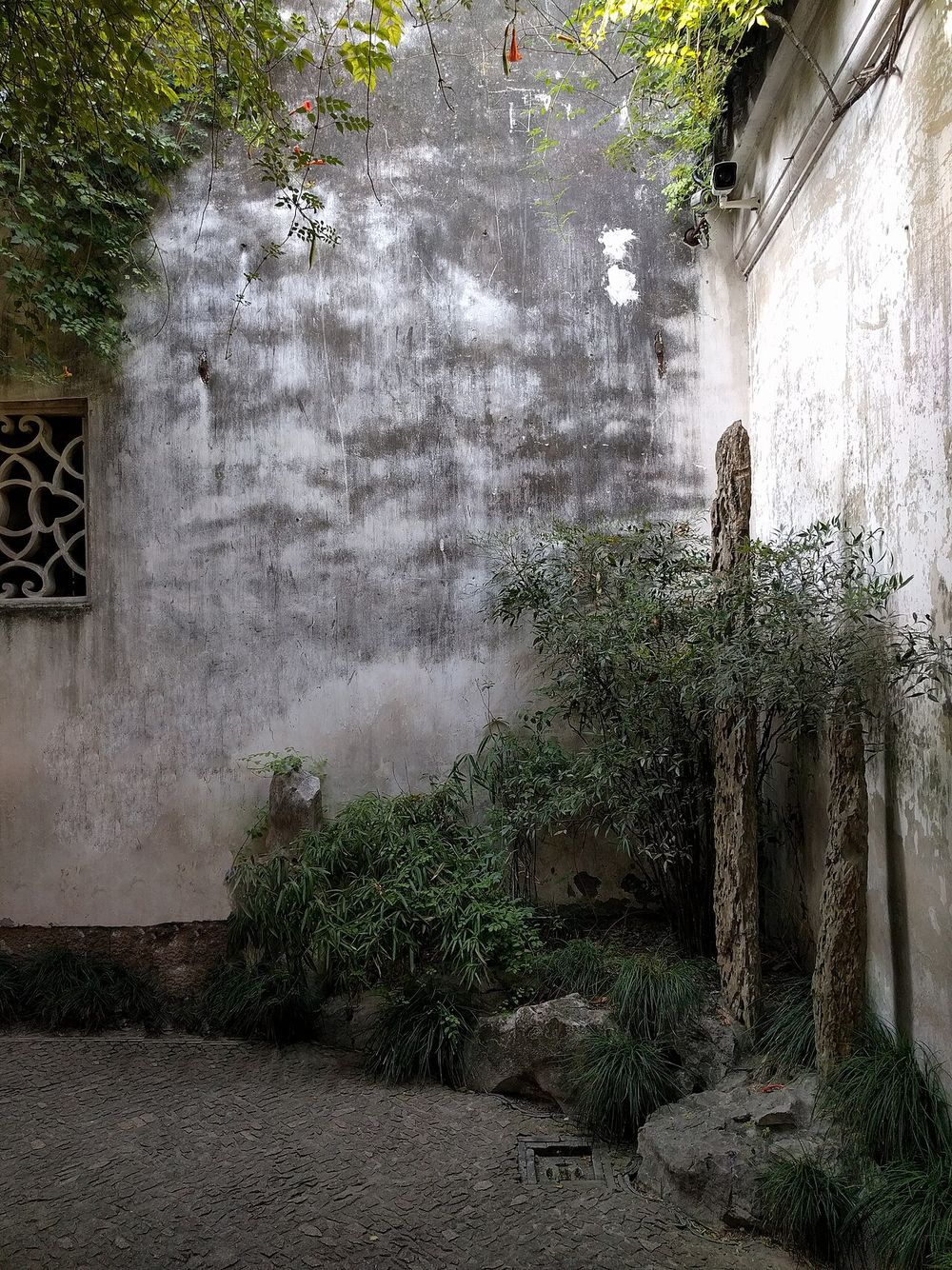
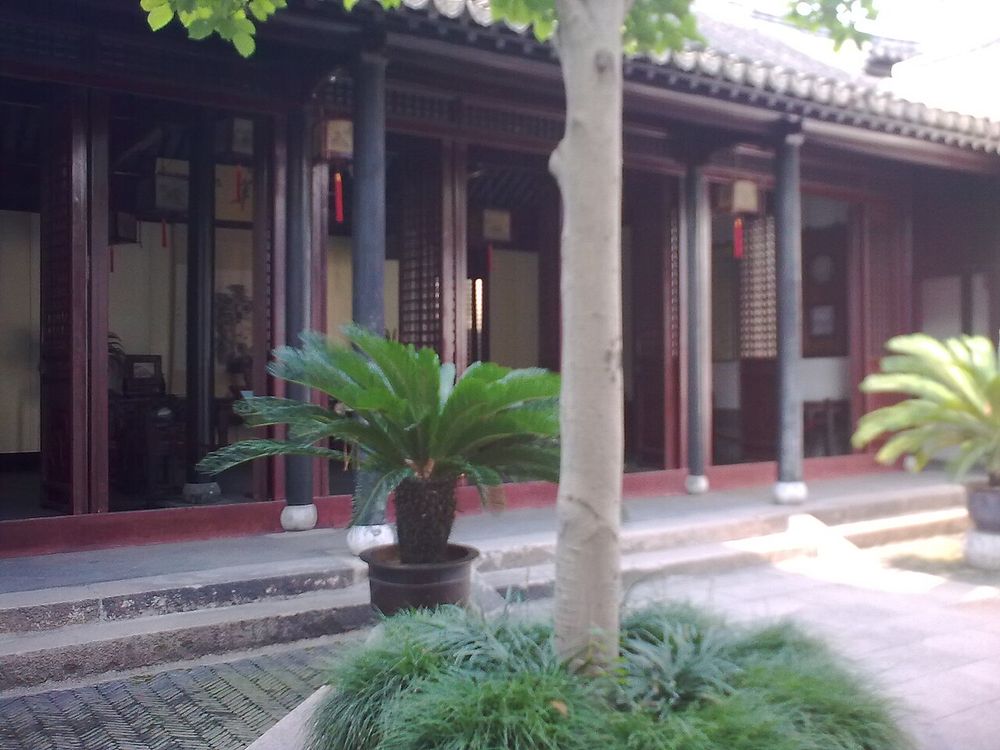
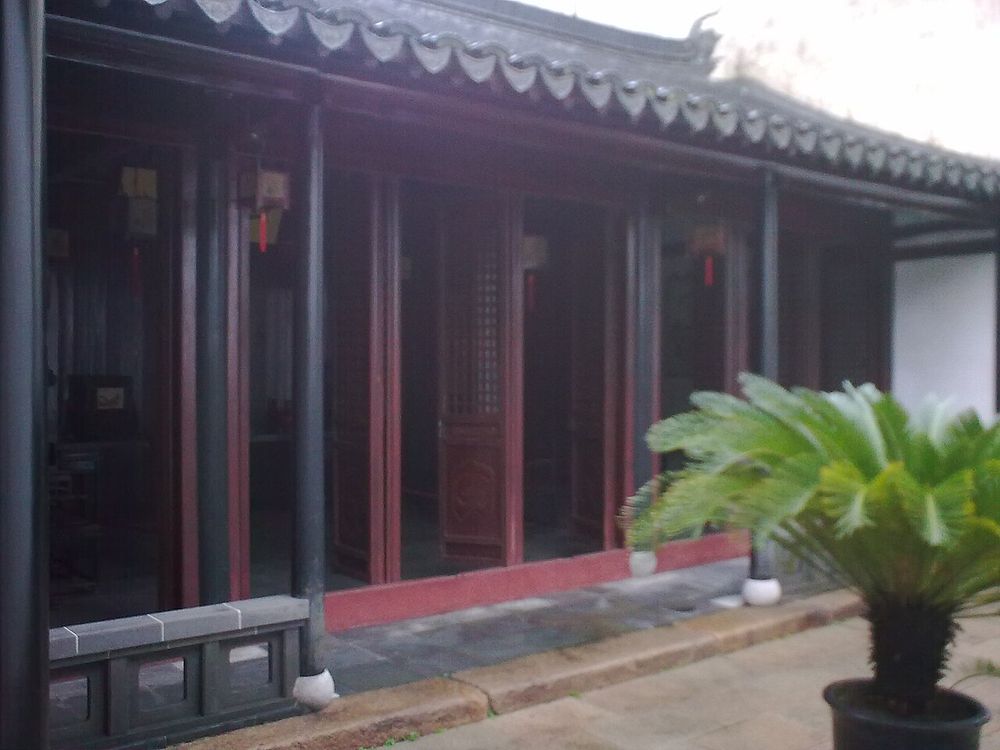
The main hall of the house faces a small court with a rock. Its beams and brackets keep a simple Ming style.
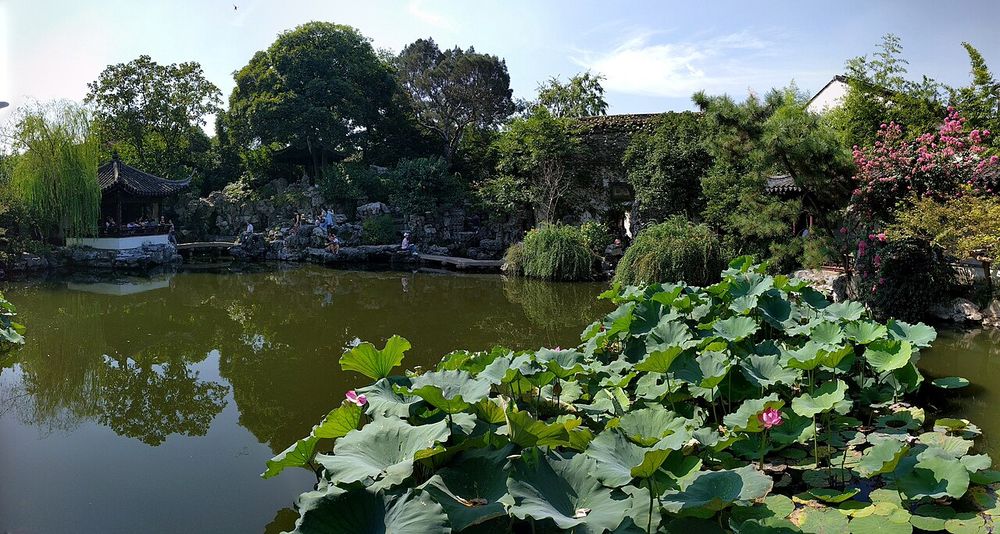
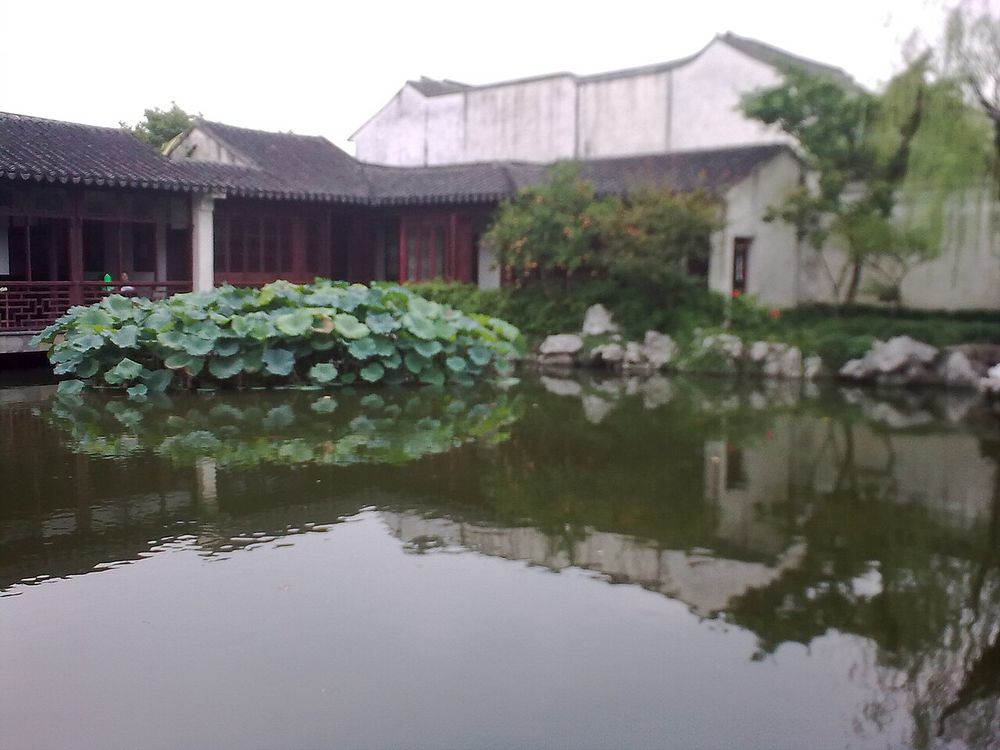
Five bays long, it lies flat across the water. Sit at a window table. The tea is plain and the view is the garden's whole design.
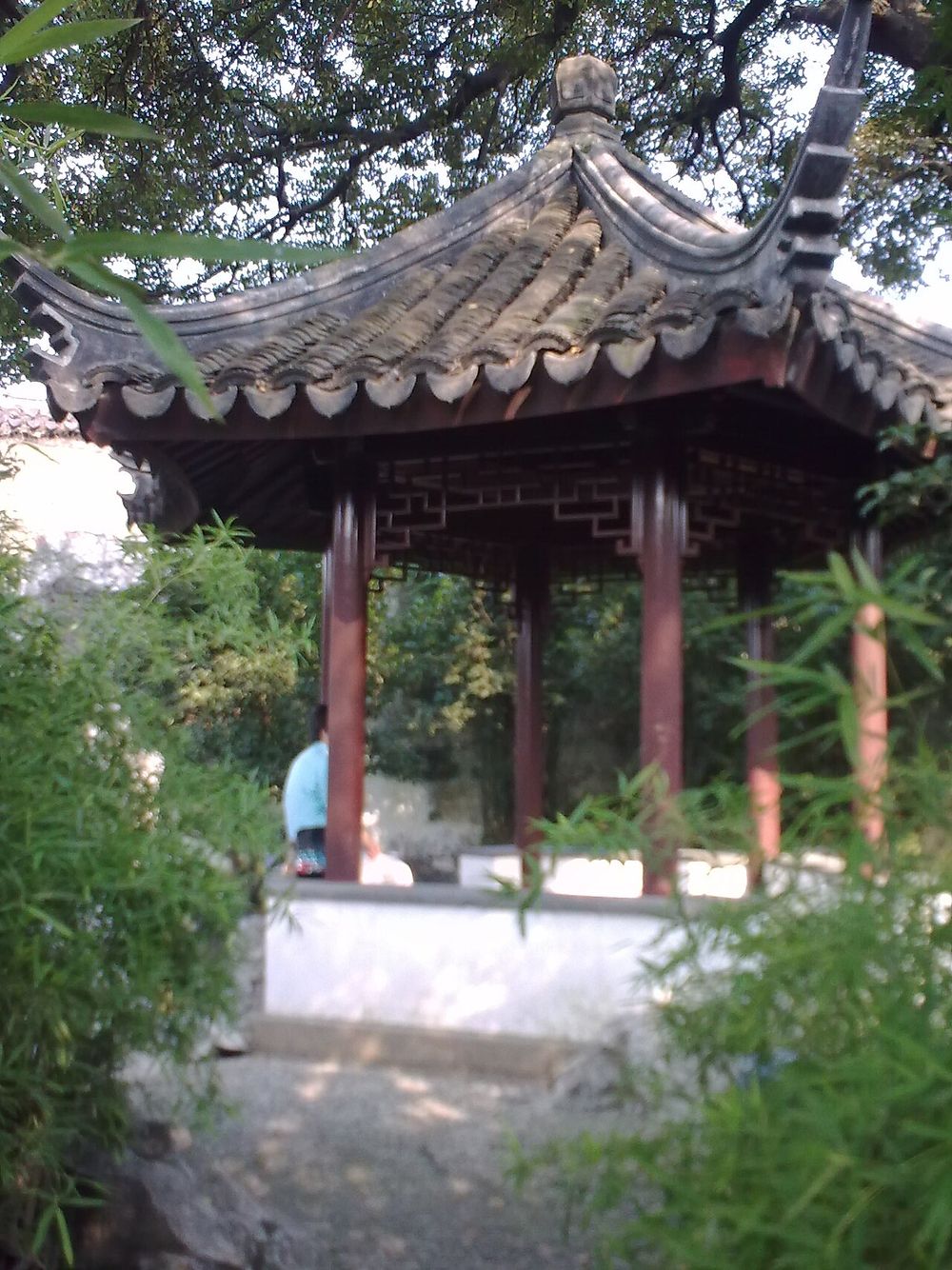
A small square pavilion at the corner of the pond is one of the few Ming buildings left in a Suzhou garden. Look up at the painted beams, faded, four hundred years old.
Nearby, a low stone bridge of a few slabs lies just above the water. Walk it and the pond seems to rise to your feet.
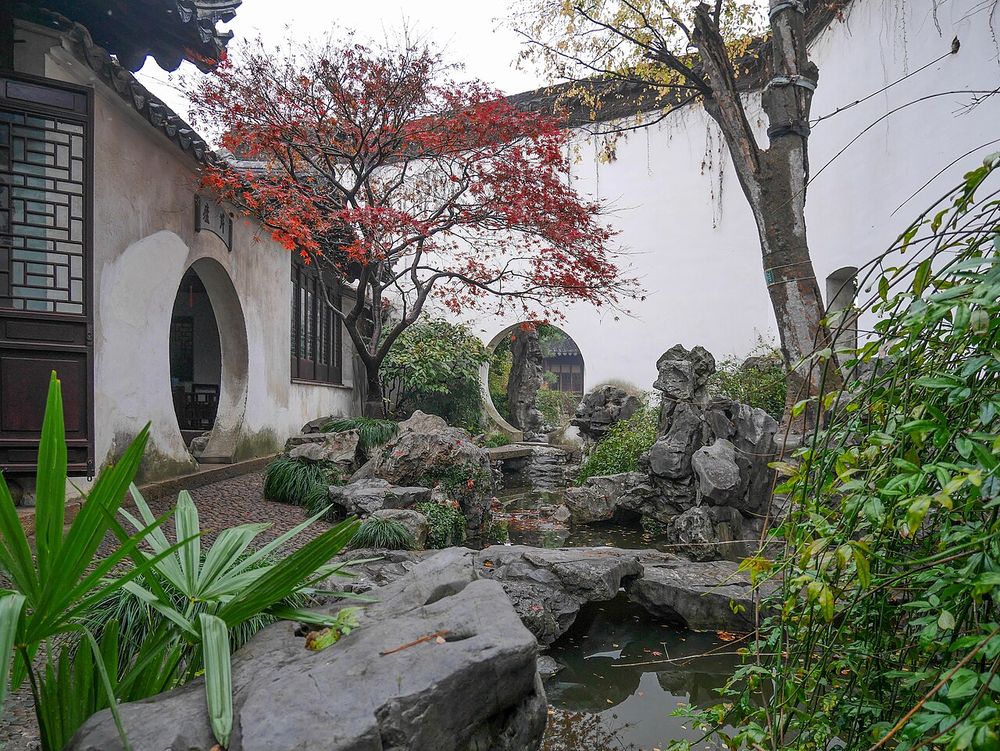
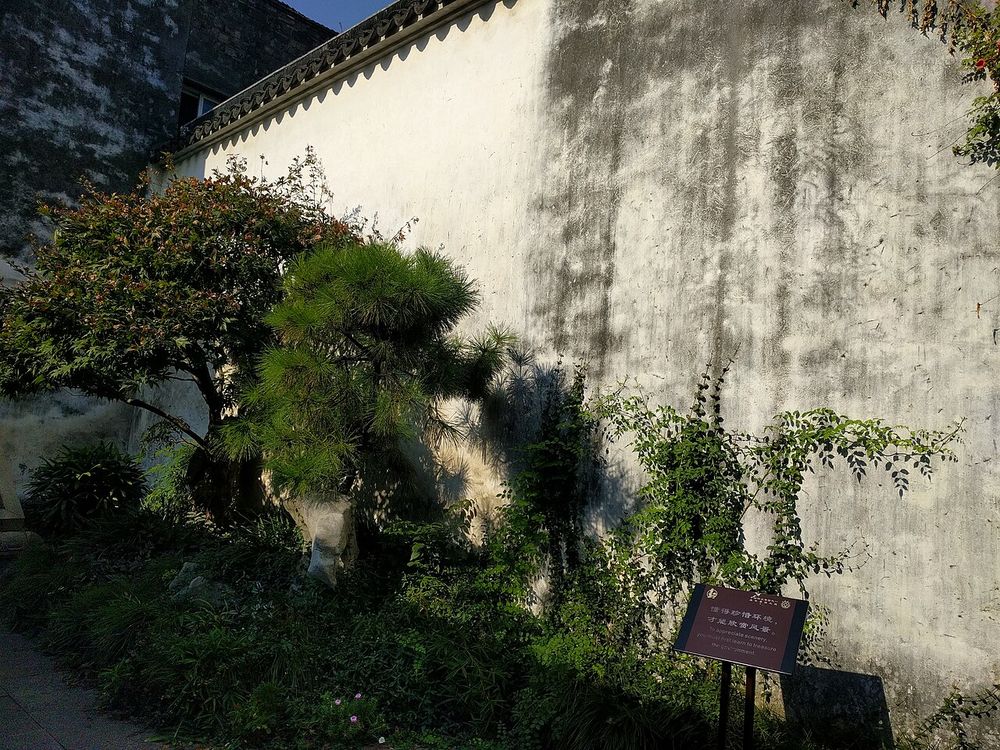
The hill on the south side is earth with yellow stone. A narrow ravine runs into it from the pond. At the top stands a small pavilion that catches the morning.
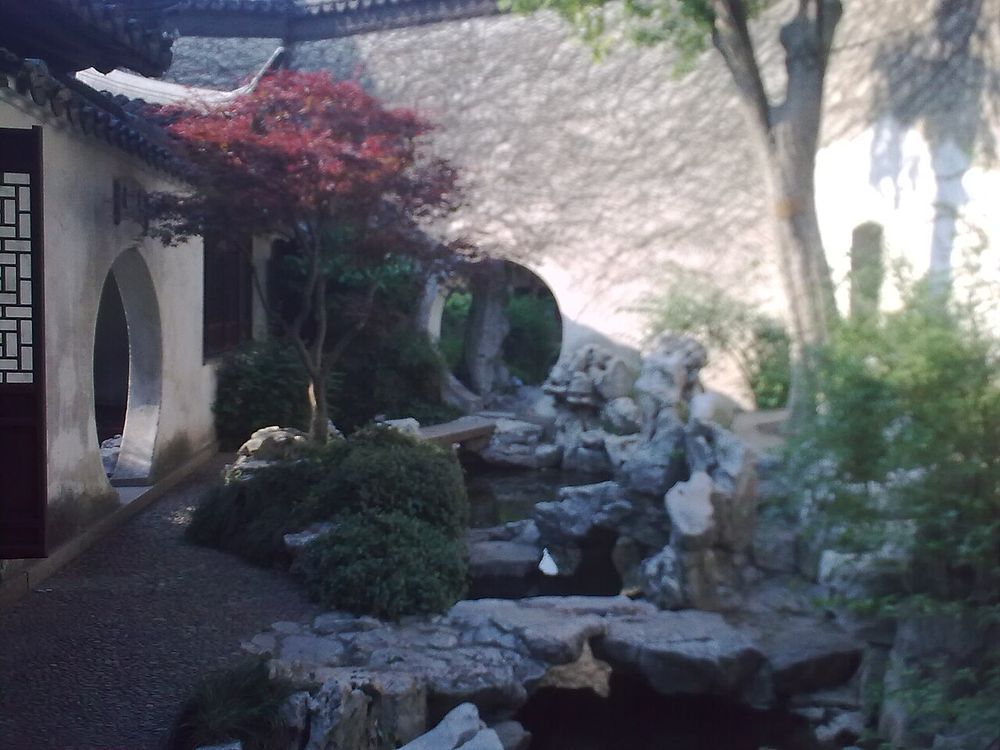
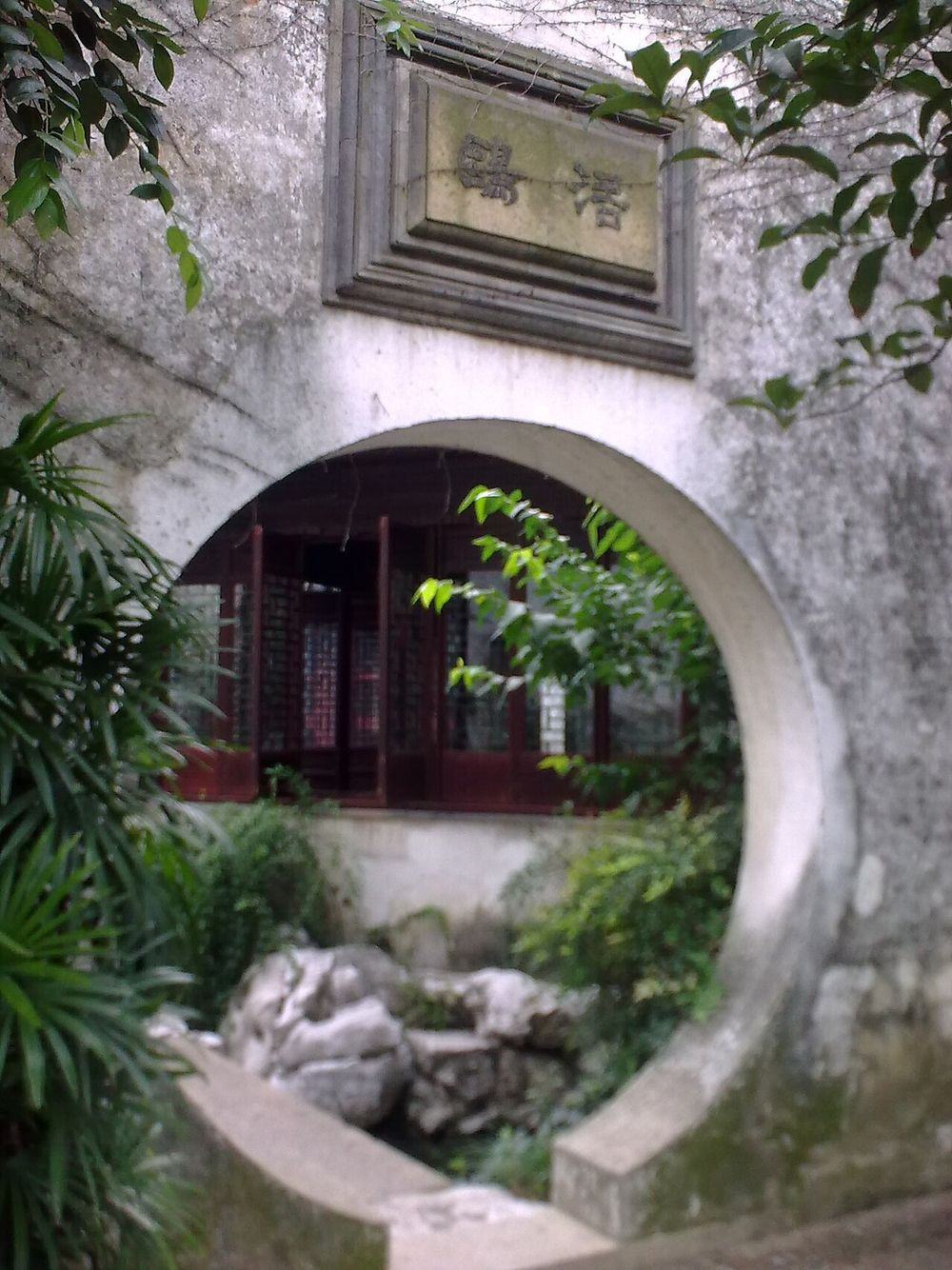
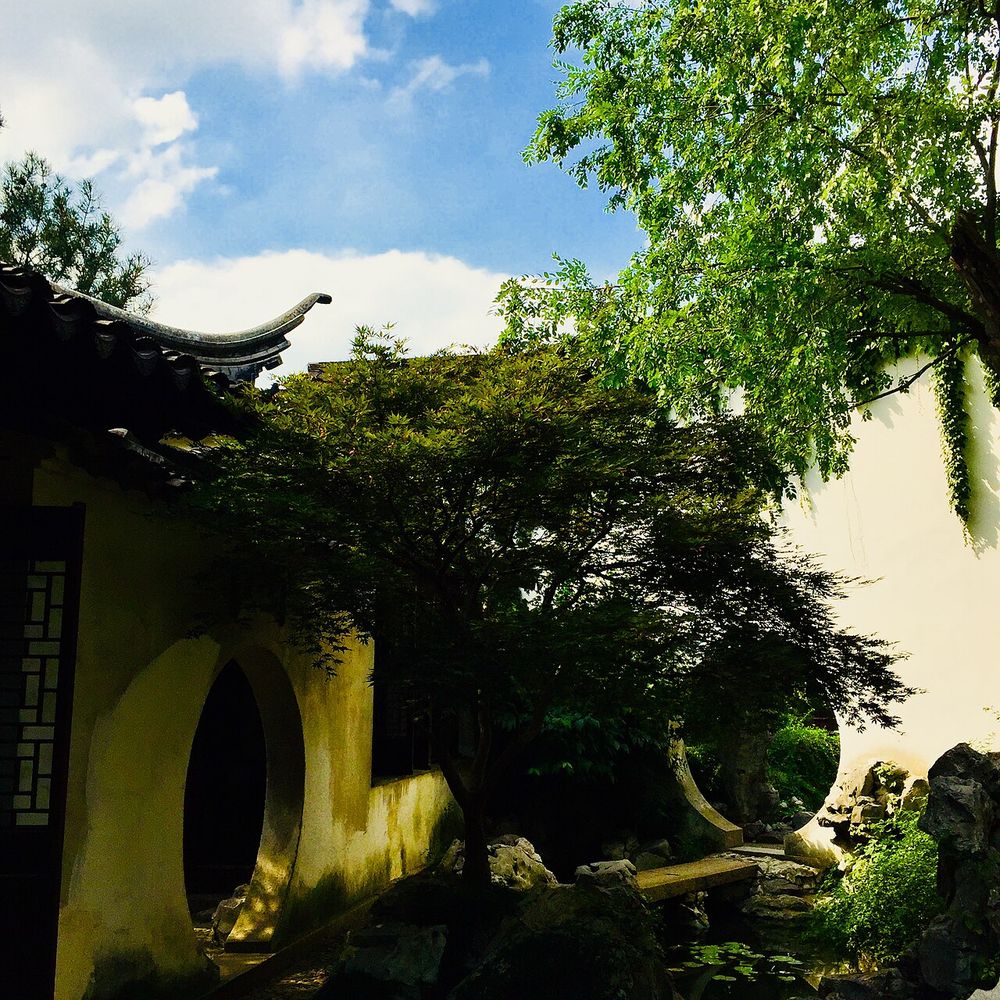
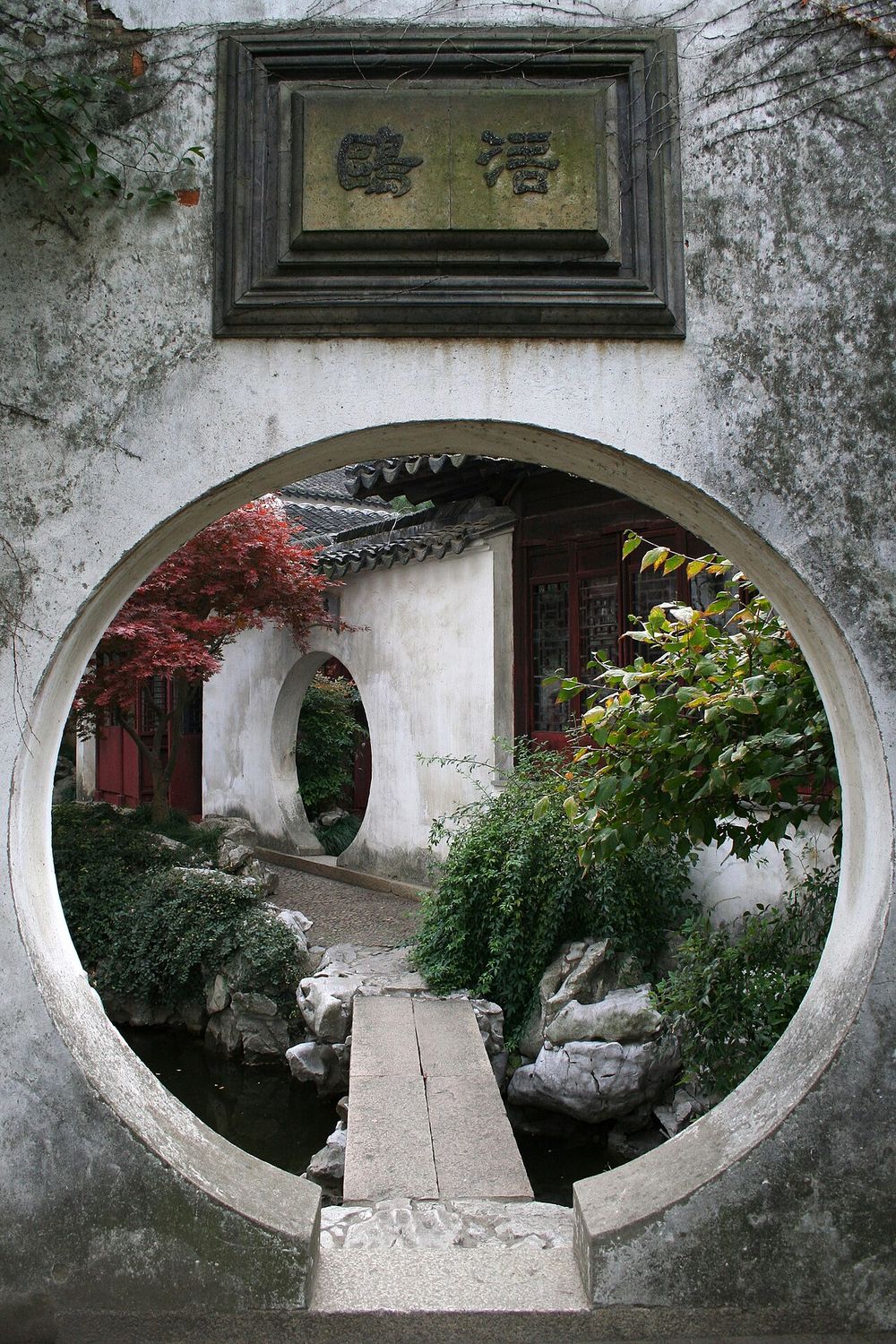
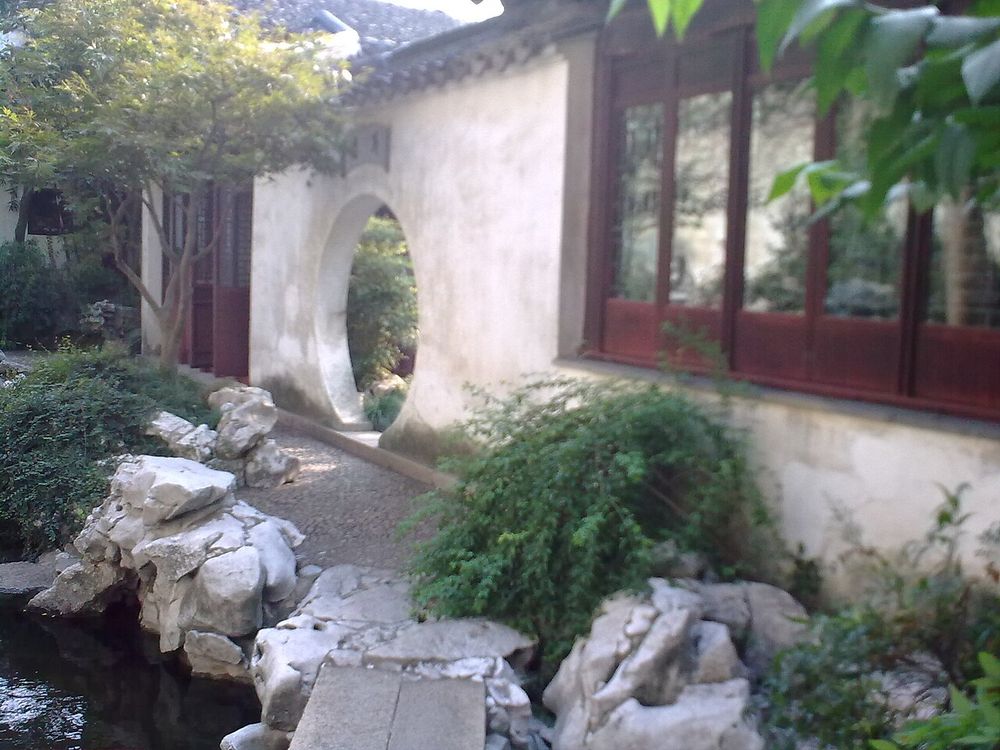
Behind a moon gate in the south-west is a tiny garden inside the garden: a pool, a bridge and a few plants. The name comes from gulls, birds that the old poets envied for their freedom.
Wen Zhenmeng came first in the palace examination in 1622, two years after the Mayflower sailed. Jiang Cai died in 1673, the year Molière died on stage in Paris.
| Year | Here | Elsewhere |
|---|---|---|
| 1622 | Wen Zhenmeng comes first in the palace examination | The Mayflower settlers' first years |
| 1645 | Wen Zhenheng starves himself rather than submit | The English Civil War |
| 1673 | Jiang Cai dies | Molière dies |
| 2000 | Added to the World Heritage list | The Millennium |
One line to remember: a Ming pond, a cup of tea.
These are stories people tell about this place. They are legends, not history, and each one says where it comes from.
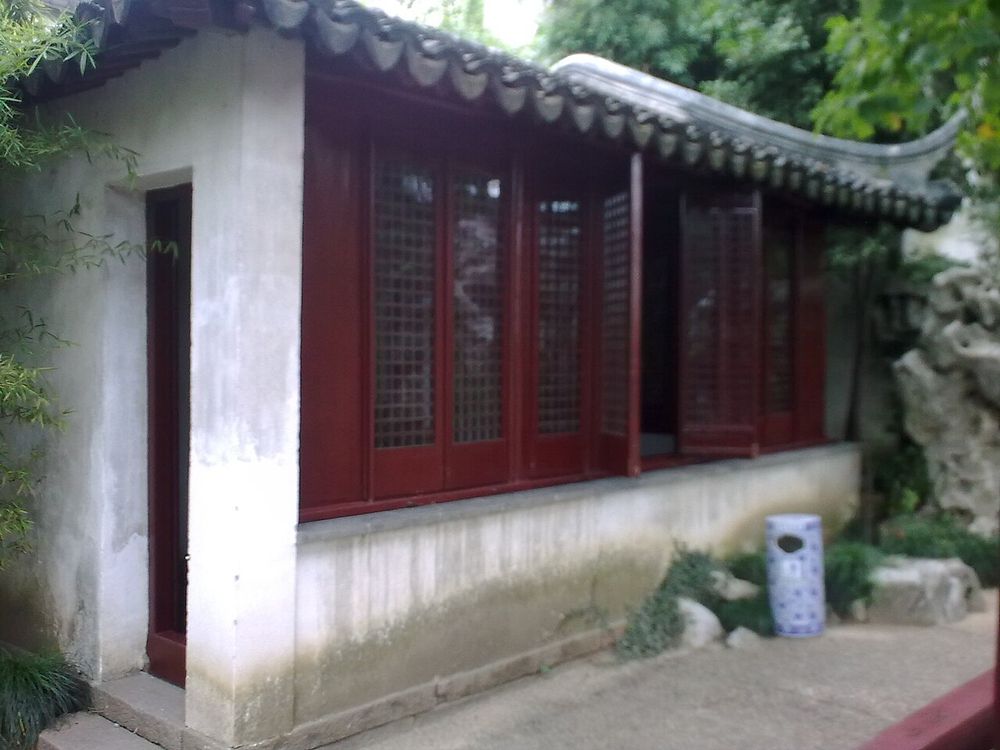
Jiang Cai loved jujubes. After his death his son named a room the Pavilion of Remembered Tastes, with a jujube tree beside it, in his memory.
Source: Told in the garden's own records
Later, people who live here will be able to add the stories they grew up with, and say which of these they have heard.
Checked 2026-11-12 Suzhou Municipal Administration of Gardens.
Last checked 2026-11-12. Suzhou Municipal Administration of Gardens, published prices and opening hours; travel reports of 2026.
Checked 2026-11-12
Opening hours are given in the local time of the place. Prices are in the local currency. The figure after ≈ is approximate, at exchange rates checked on 9 November 2026, in .
Stand at the site, sign in, press the button, and collect its stamp. Your browser will ask to use your location. It is sent to us once to confirm that you are at the site; we keep how far you were from it, not the spot where you stood.
Your stamps are saved to your account, so they follow you to any device. Checking from a browser cannot rule out every false location; stricter checks arrive with the app.
Photos here show the place, not people. Each one is credited to the visitor who took it and appears after our team has looked at it. A photo with you in it belongs under “I am here”.