LegendForty thousand cash
People say Su Shunqin got the garden so cheap because no one wanted a ruin, and that Ouyang Xiu joked he had bought the wind and the moon for nothing.
Source: The price is in Su's own record; the joke is the poem's
Suzhou, Jiangsu, China
沧浪亭 · Cānglàng Tíng
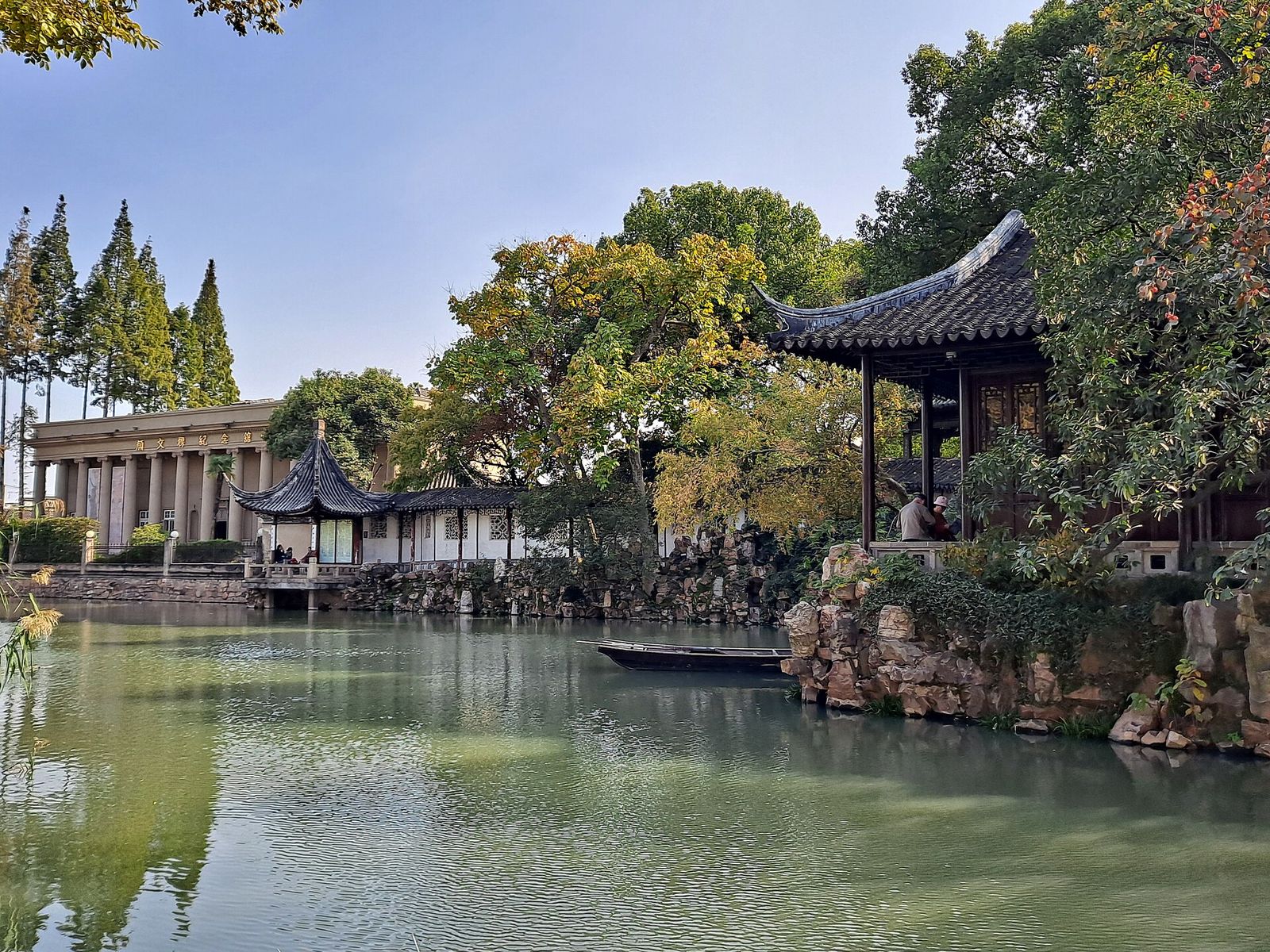
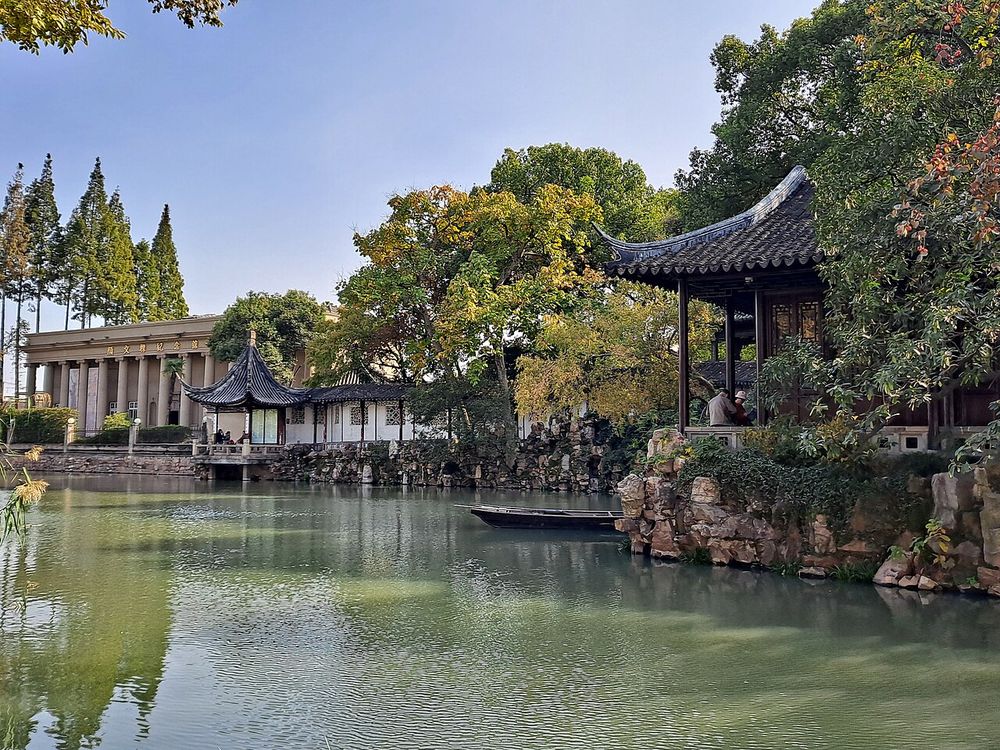
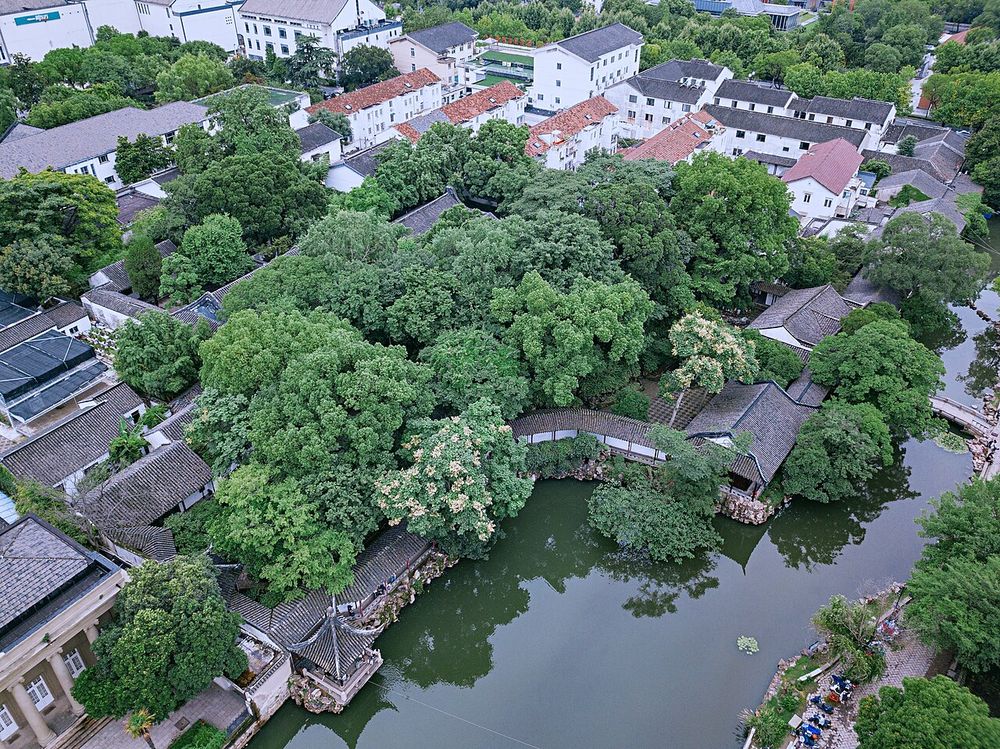
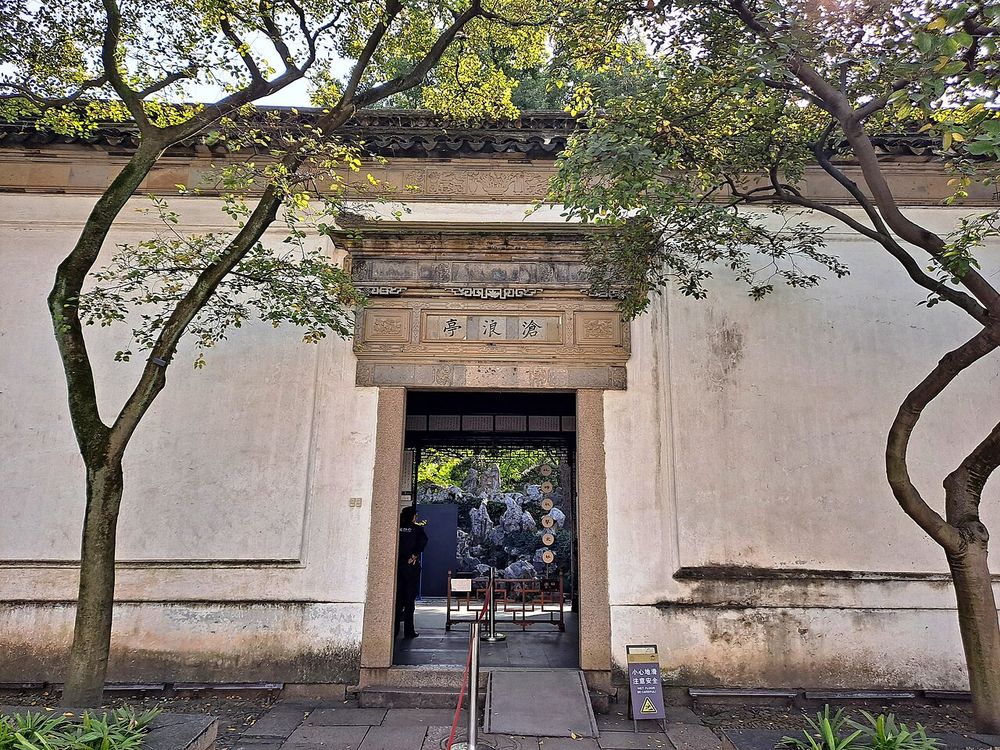
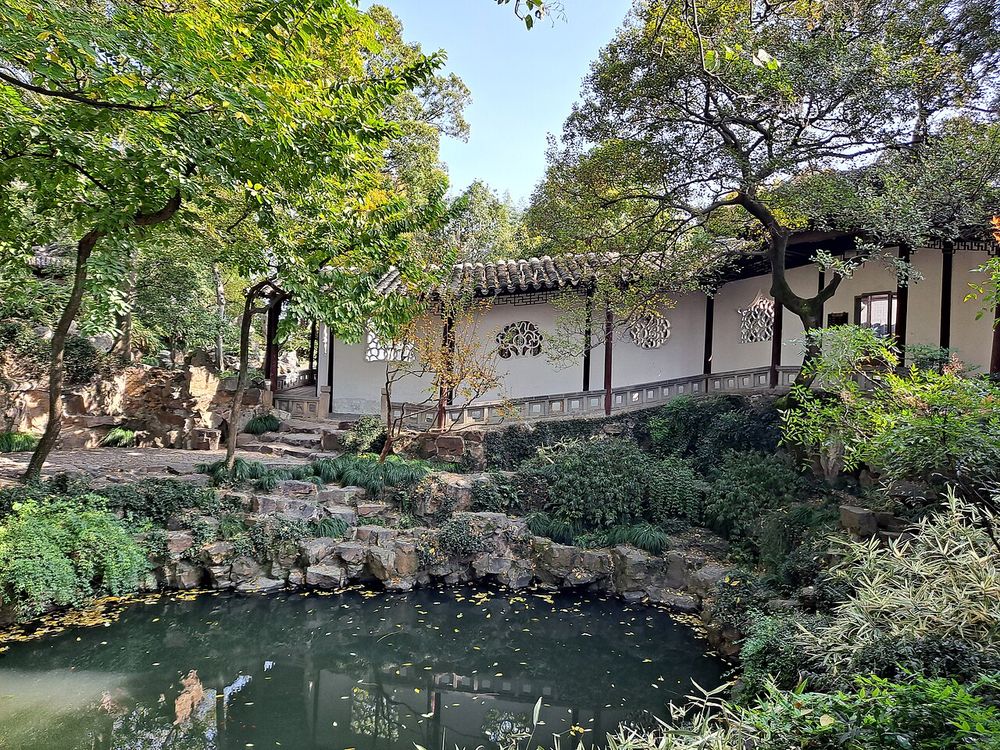
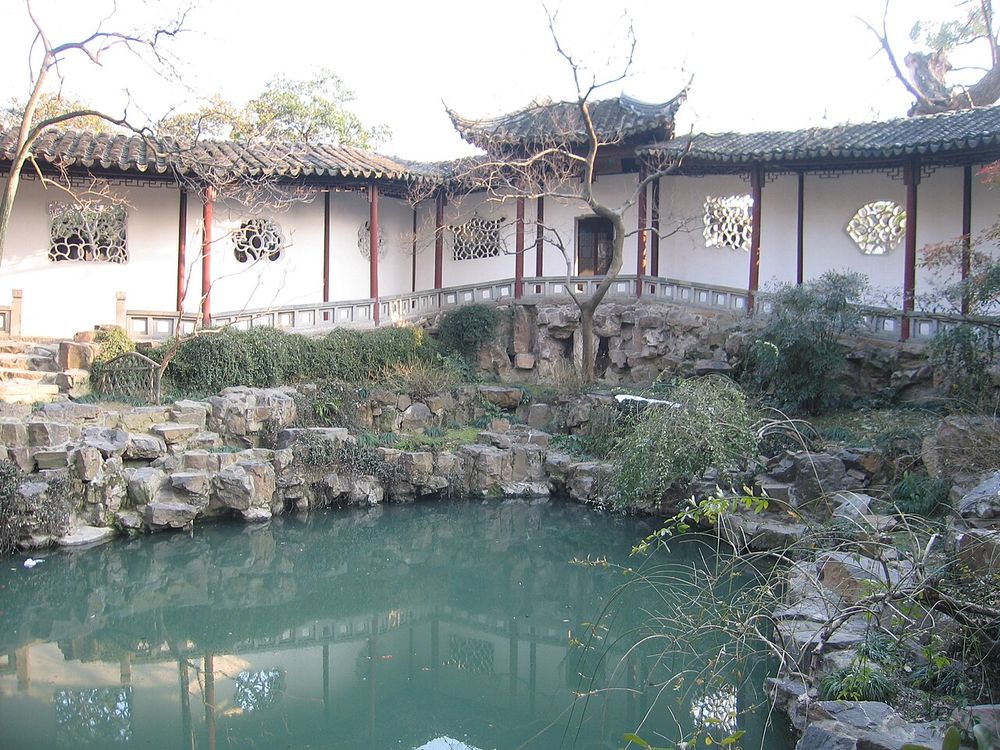
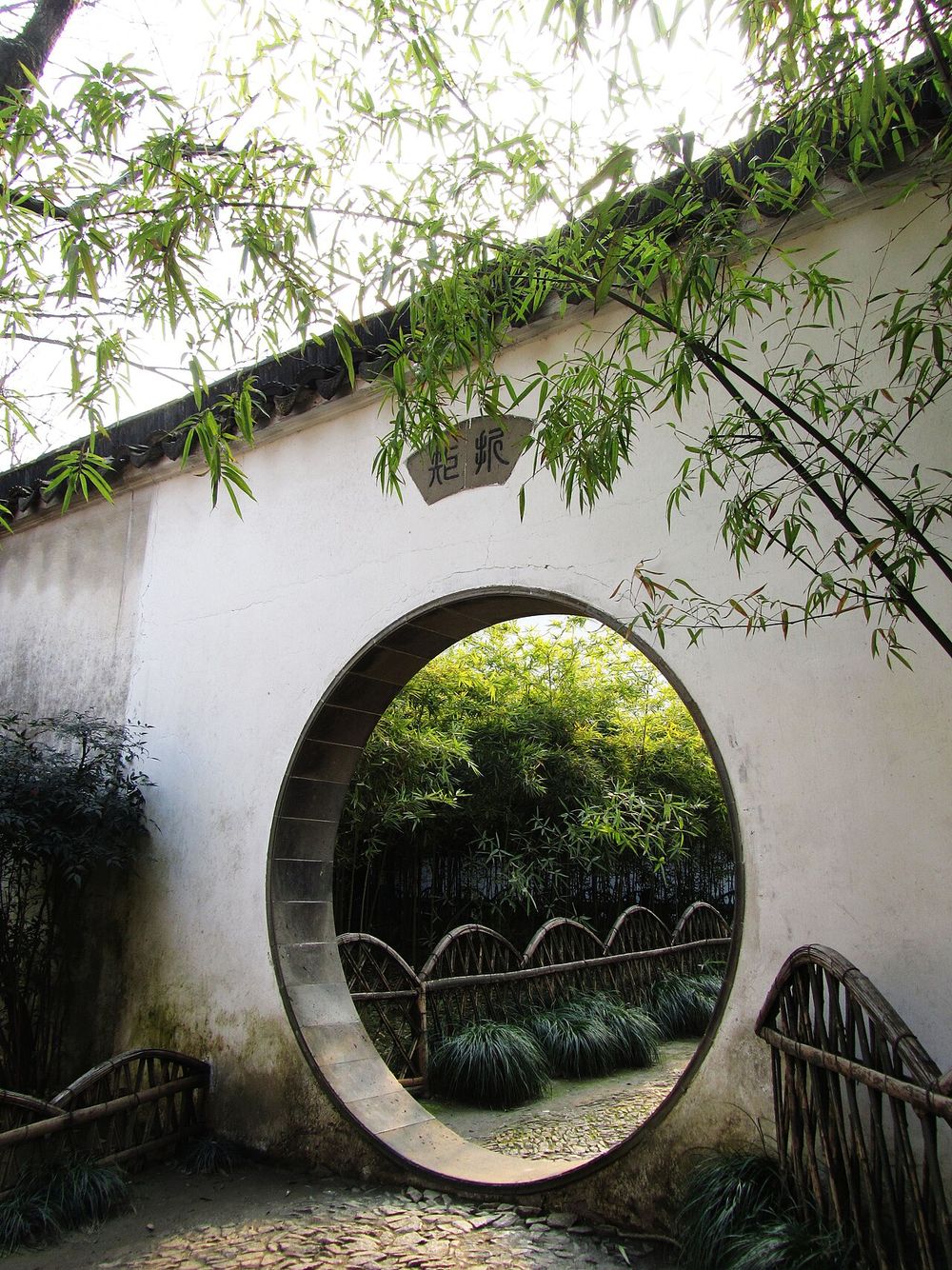
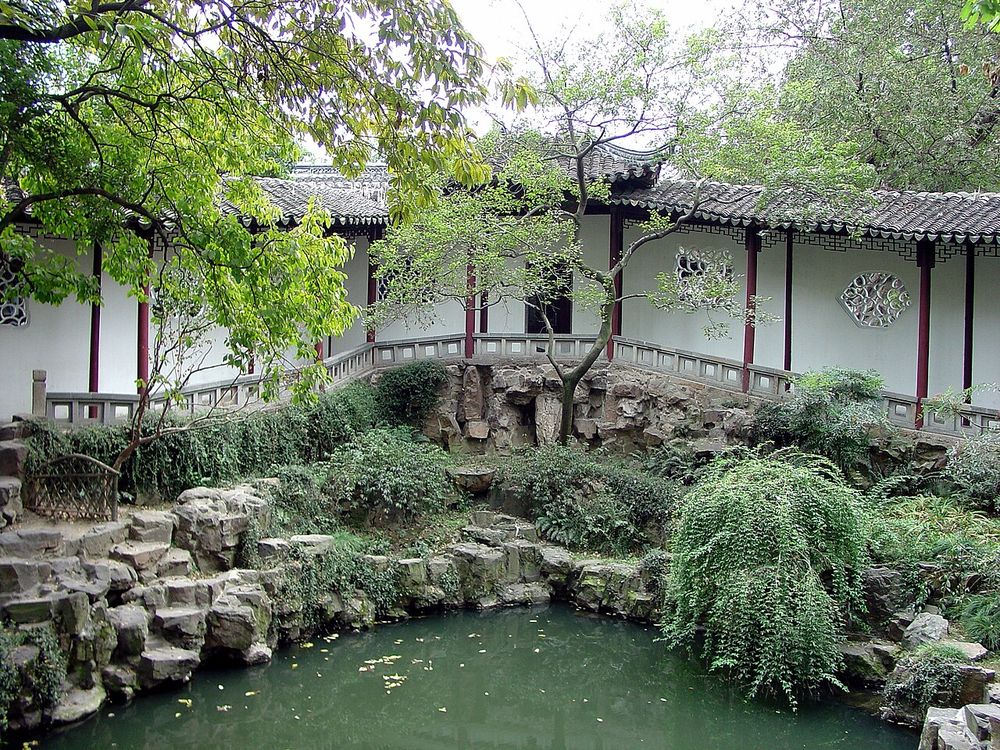
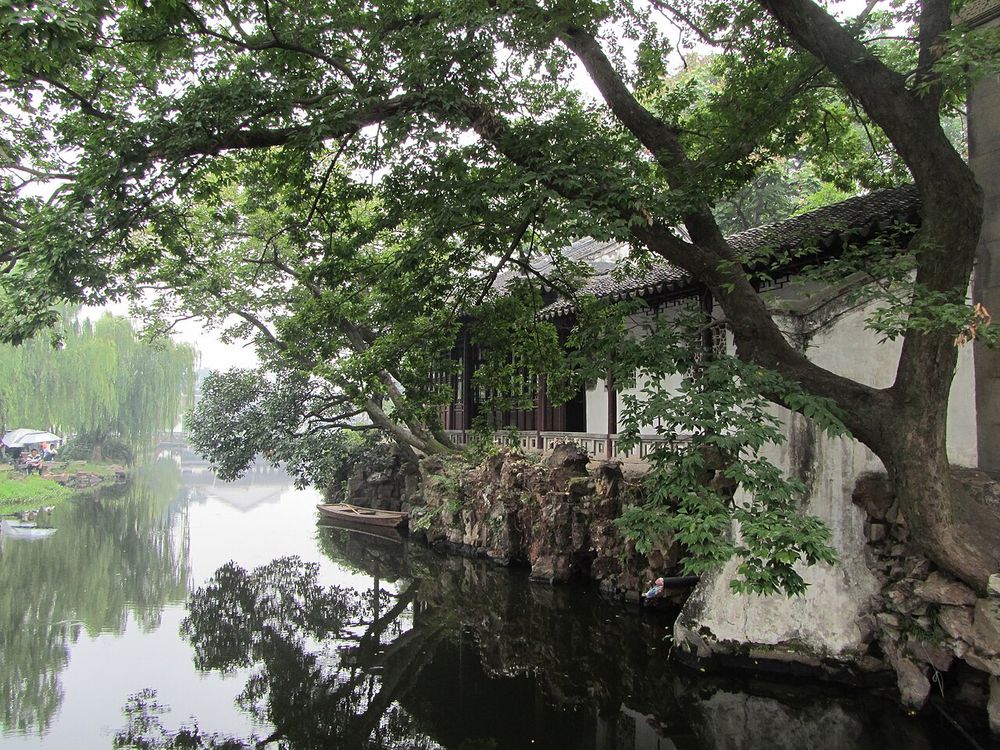
The oldest of the Suzhou gardens: a wooded hill with a stone pavilion, bought in 1045 by a dismissed poet for forty thousand cash. It has no wall on the water. A canal runs in front, and a corridor with a hundred different windows joins the water outside to the hill within.
Photo: 钉钉, CC BY-SA 4.0, Wikimedia Commons
In 1044 the young poet Su Shunqin, an official in the capital, held a party for his colleagues paid for by selling waste paper from the office. His enemies called it theft, and he was dismissed. He moved south to Suzhou, found an old overgrown garden of the Wuyue (907–978) kings by the water, and bought it in 1045 for forty thousand cash.
He built a pavilion on the hill and named it after the fisherman's song in the Songs of Chu: when the Canglang water is clear, I wash my hat tassels in it; when it is muddy, I wash my feet. Clean or dirty, the world can be lived with. He wrote a record of the garden, and died three years later, aged forty.
Part of Classical Gardens of Suzhou. Also there: Humble Administrator's Garden, Lingering Garden, Master of the Nets Garden, Lion Grove Garden, Mountain Villa with Embracing Beauty, Garden of Cultivation, Couple's Retreat Garden, Retreat and Reflection Garden.
One small ticket covers the whole garden. The opera Six Records of a Floating Life has its own ticket.
| Part | Ticket |
|---|---|
| The double corridor and the canal front | Main ticket |
| The hill and the pavilion | Main ticket |
| Shrine of Five Hundred Sages | Main ticket |
| Opera, Six Records of a Floating Life | Own ticket |
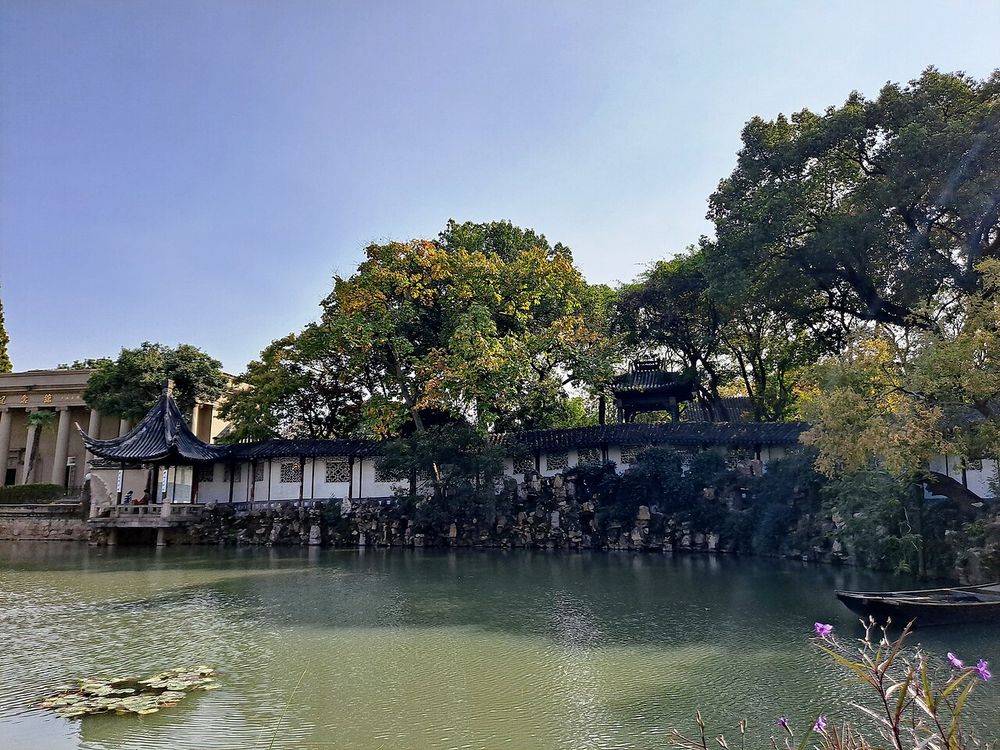
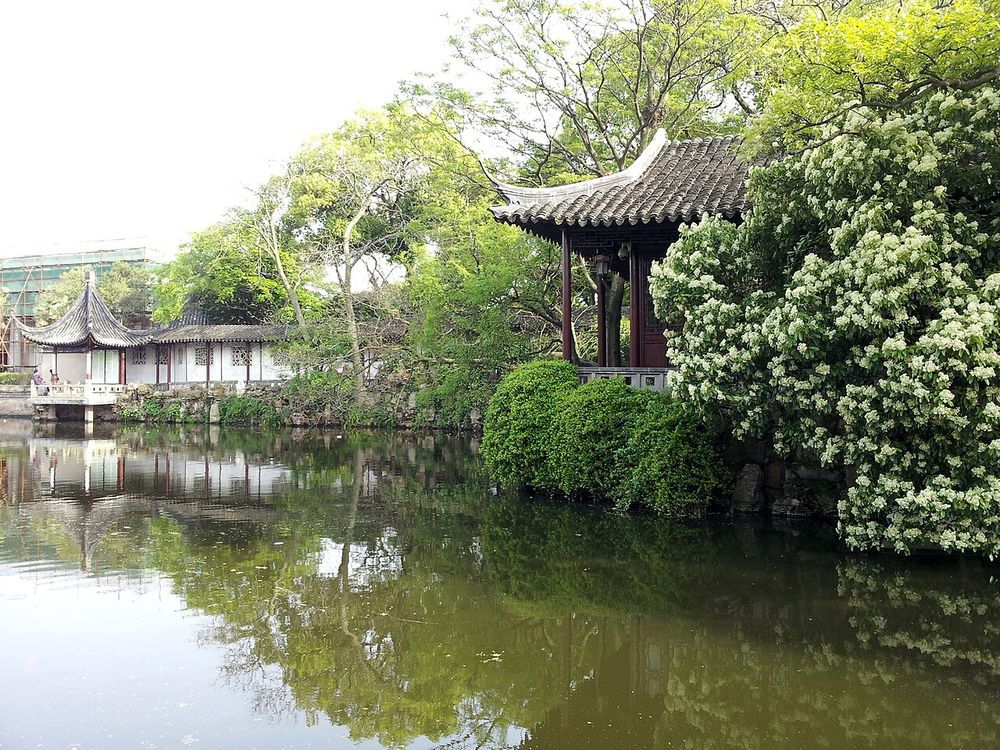
Every other Suzhou garden hides behind a high wall. This one begins with water: a canal, a bridge, and on the far side a corridor open to the river. It invites the view in before you have even paid.
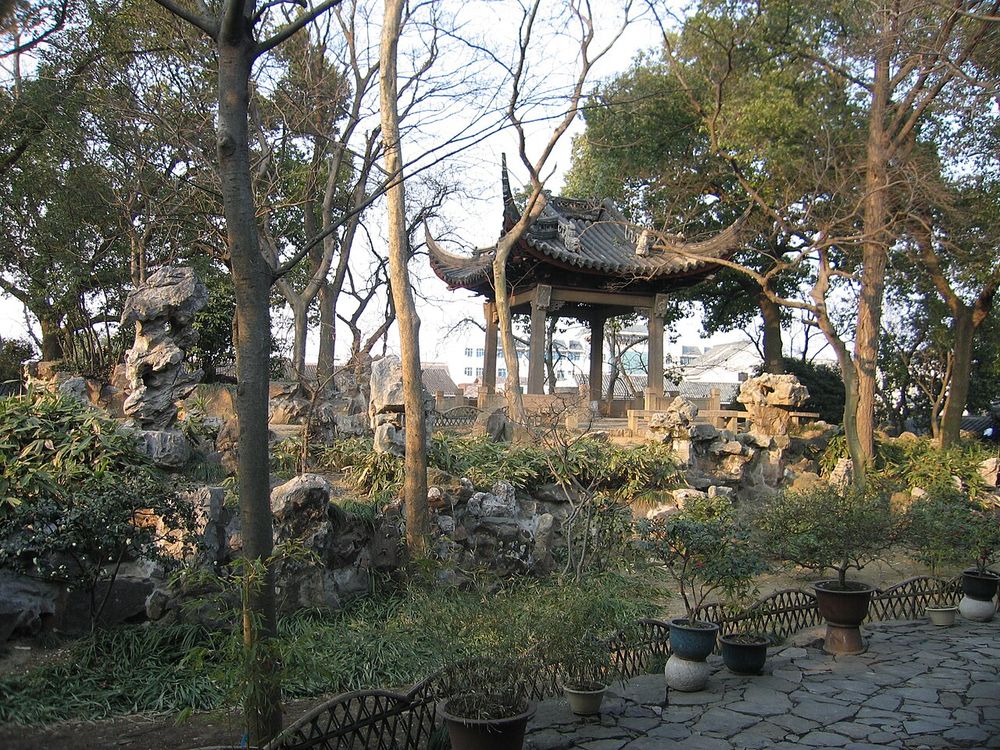
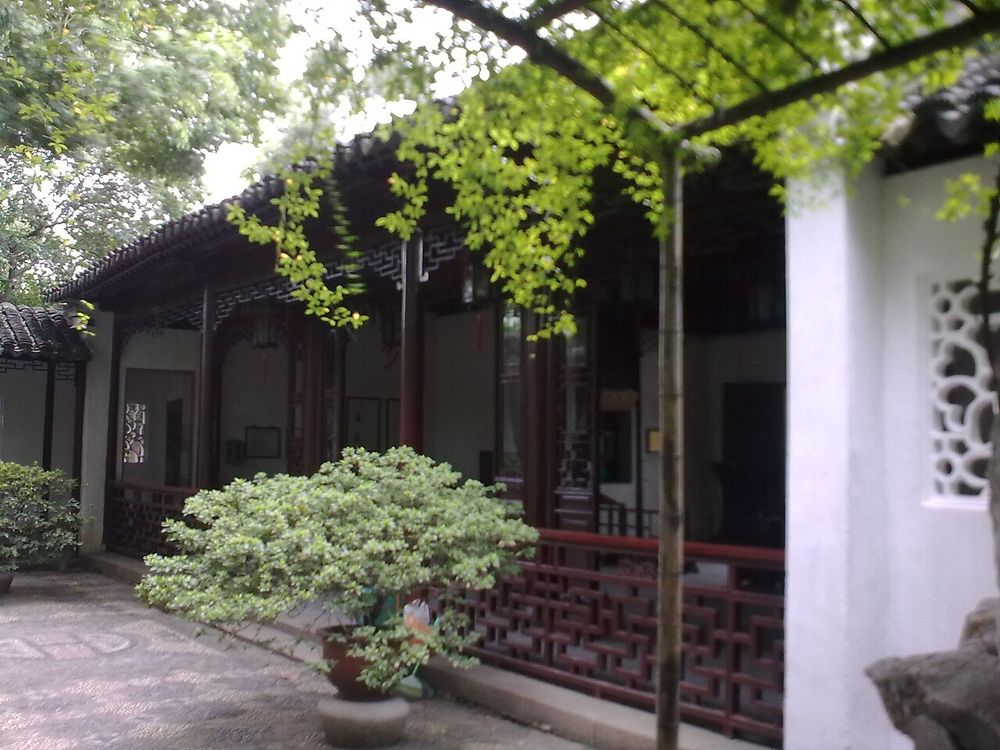
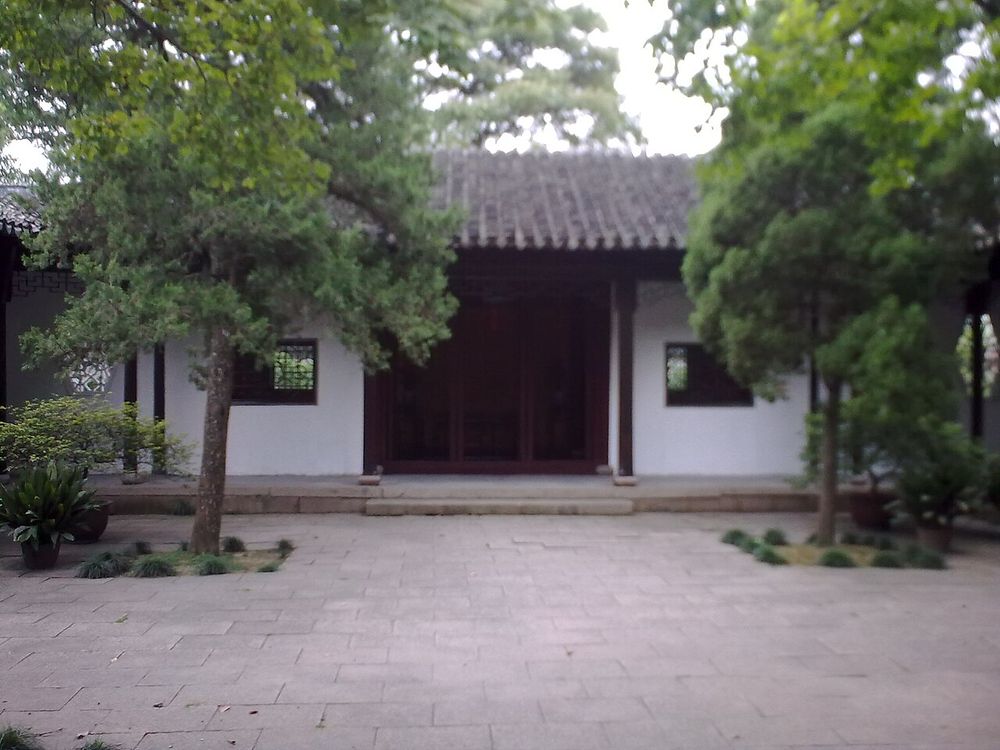
Inside, the garden is a hill, not a lake. Old trees, bamboo and rocks cover it, and the square stone pavilion stands on top. The buildings stand round the edge, looking in at the hill.
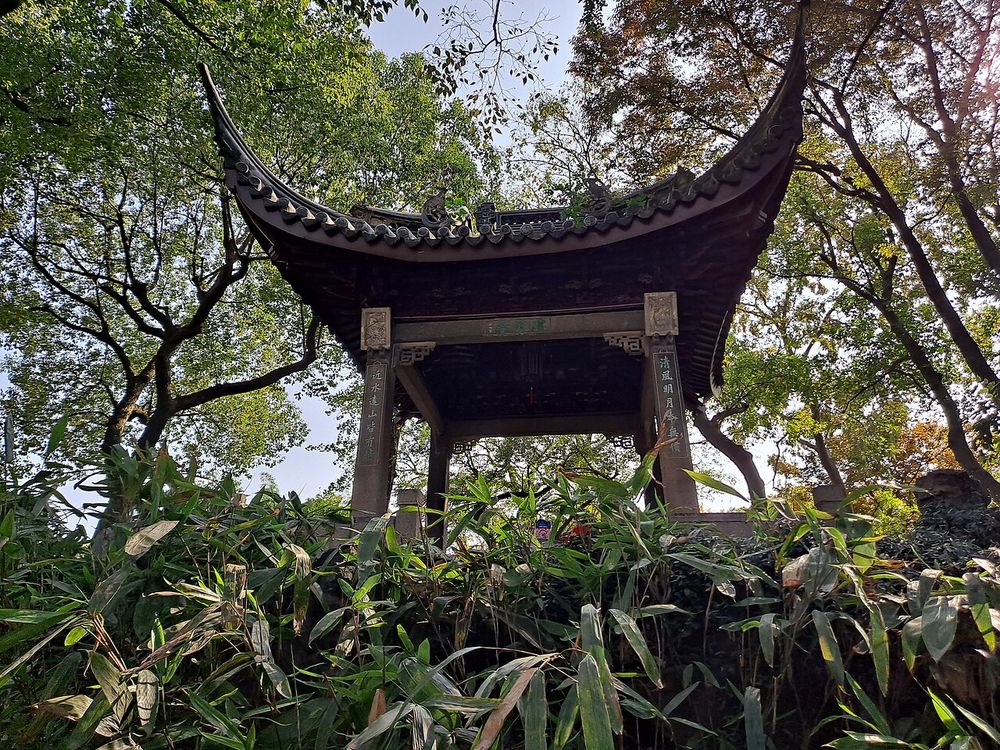
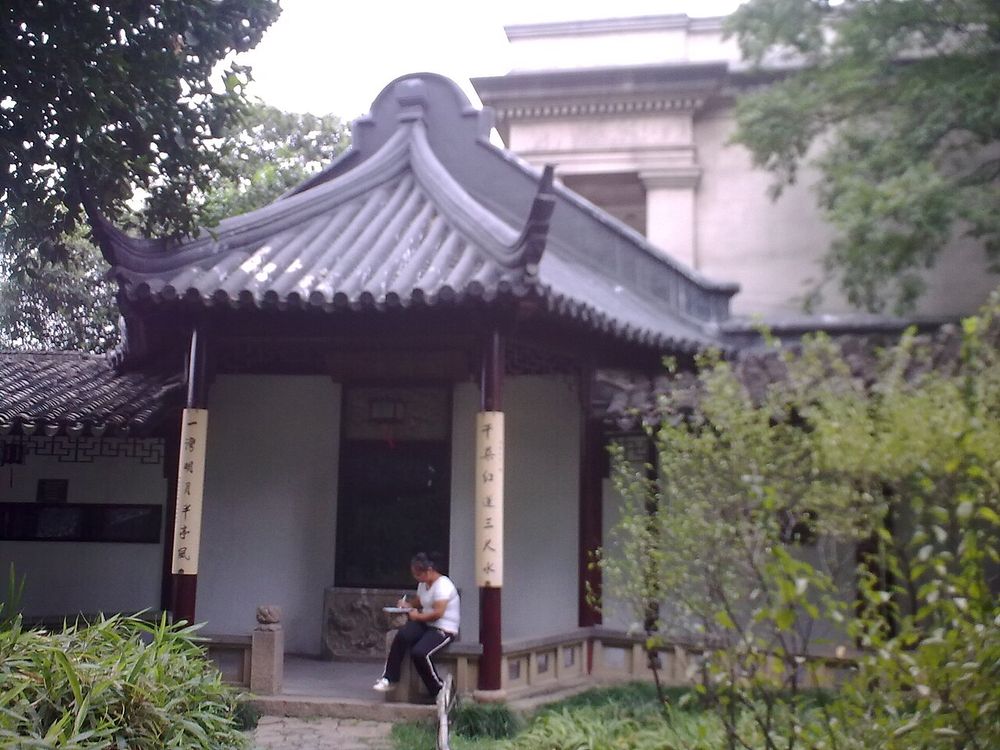
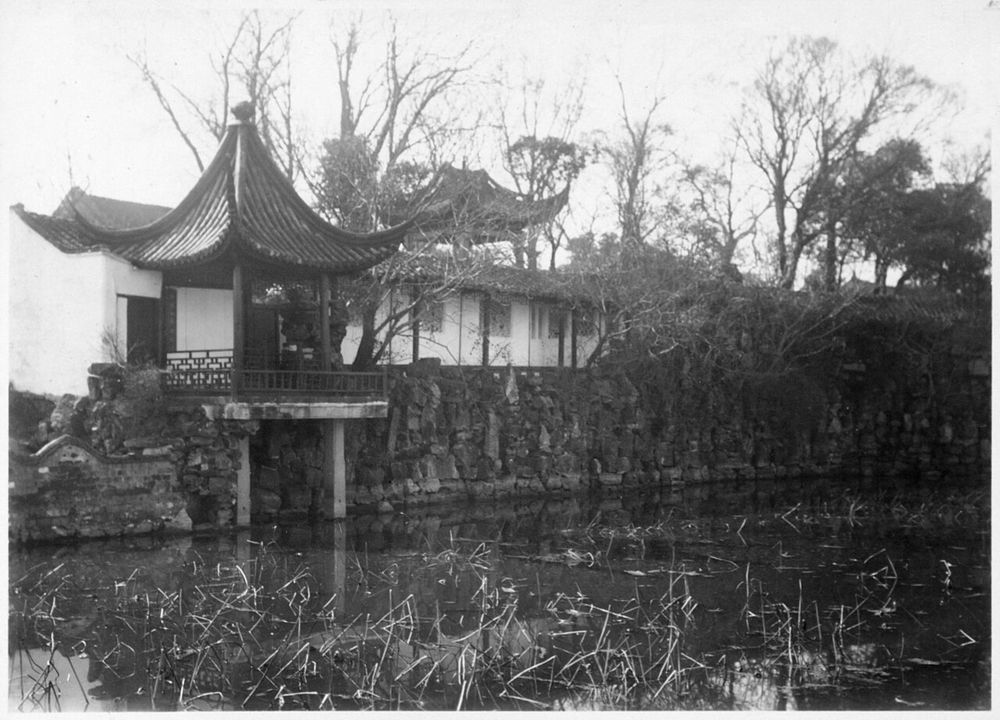
The pavilion has been moved and rebuilt many times. The present one dates from the Qing (1644–1912). On its columns hangs the most famous couplet in the Suzhou gardens.
清风明月本无价 近水远山皆有情
The clear wind and bright moon have no price the near water and far hills all have feeling
Couplet on the pavilion, put together by Liang Zhangju from a poem by Ouyang Xiu and a poem by Su Shunqin
Ouyang Xiu, Su's friend, wrote the first line in a poem about the garden, and went on: what a pity it sold for only forty thousand.
"Canglang is the name of a place in Suzhou." It is the name of a river in an old song, perhaps a stretch of the Han River. Su Shunqin took the name, not the place.
"It is a Song garden." The plan and the idea are Song. The buildings are Qing, rebuilt after the war of the 1860s.
"There is nothing to see because it is quiet." It is quiet because the tour groups go elsewhere. That is the reason to come.
We searched Chinese sources first for this list, then English ones.
Cross the bridge, walk the double corridor first, then climb the hill, then go round the halls. One hour.
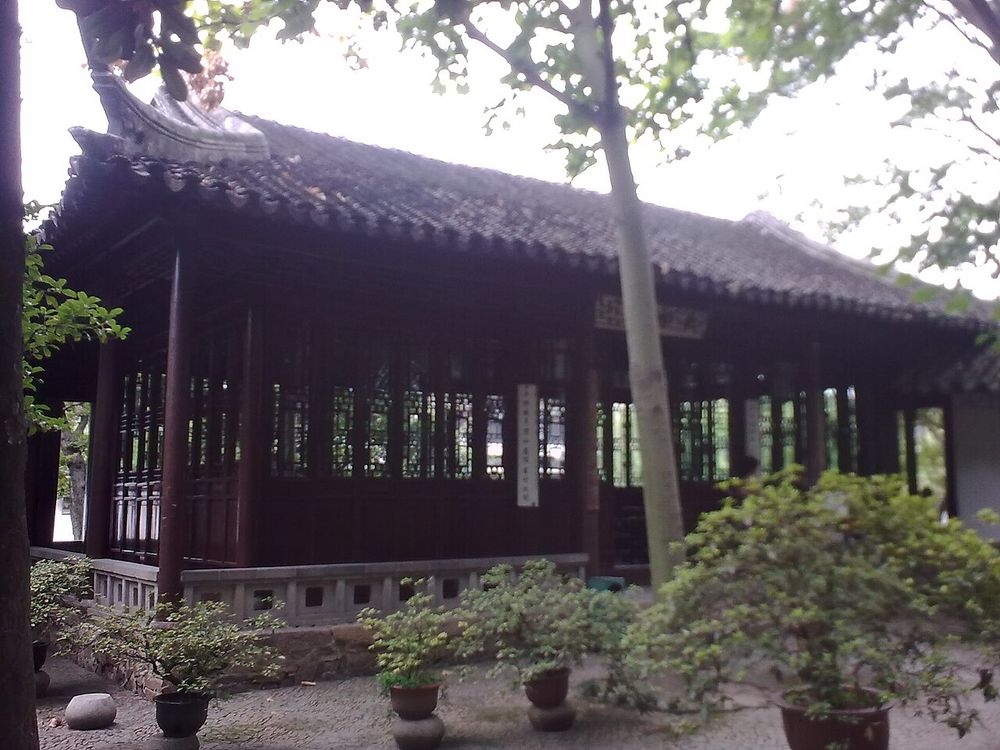
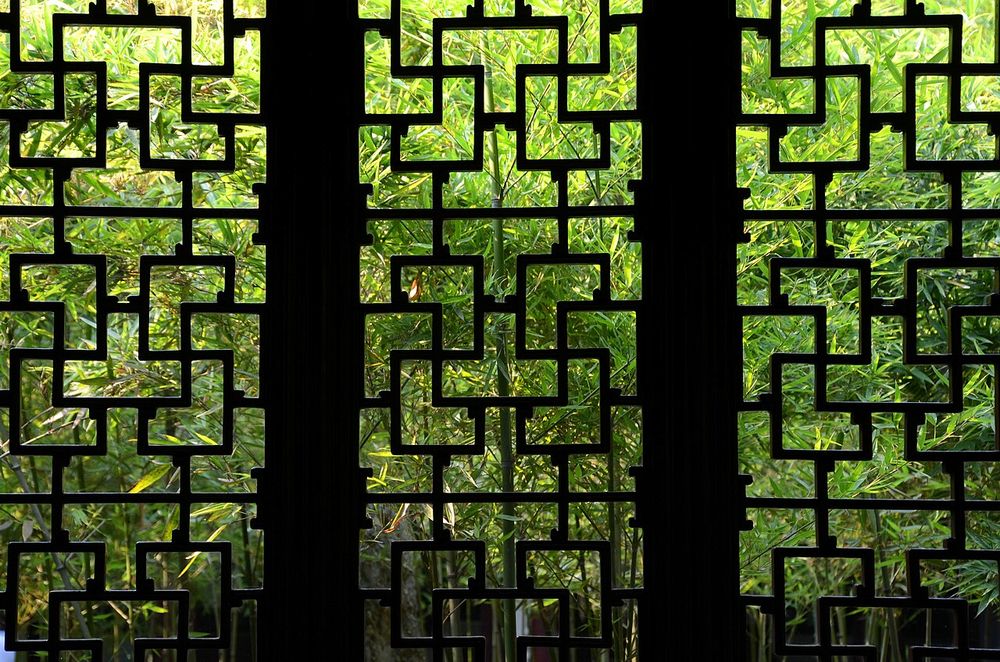
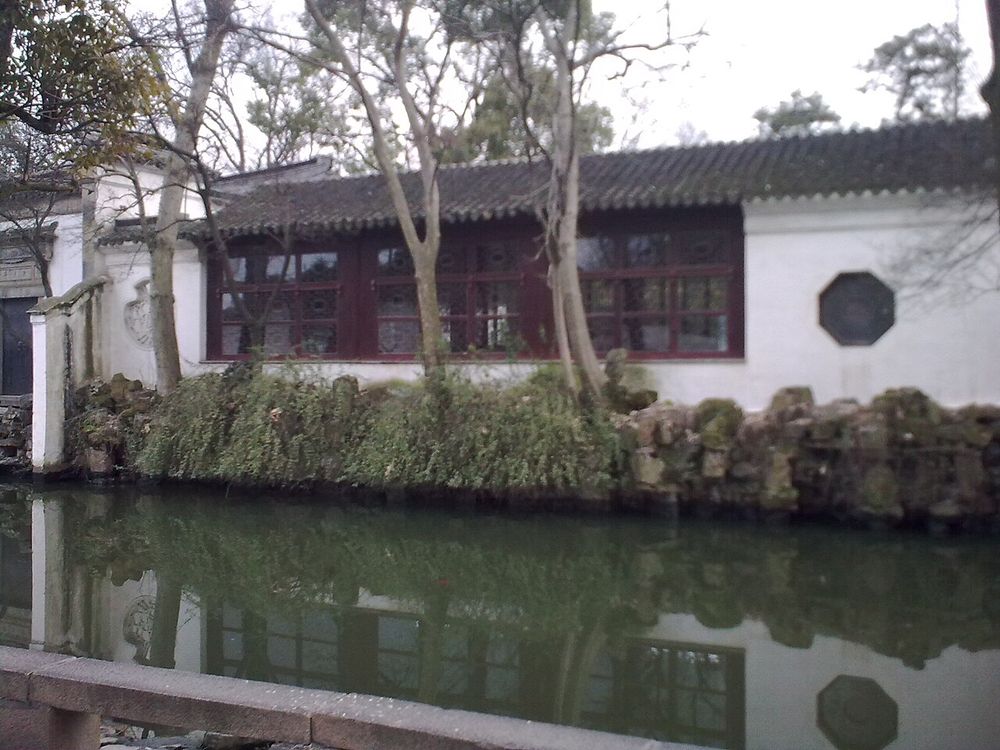
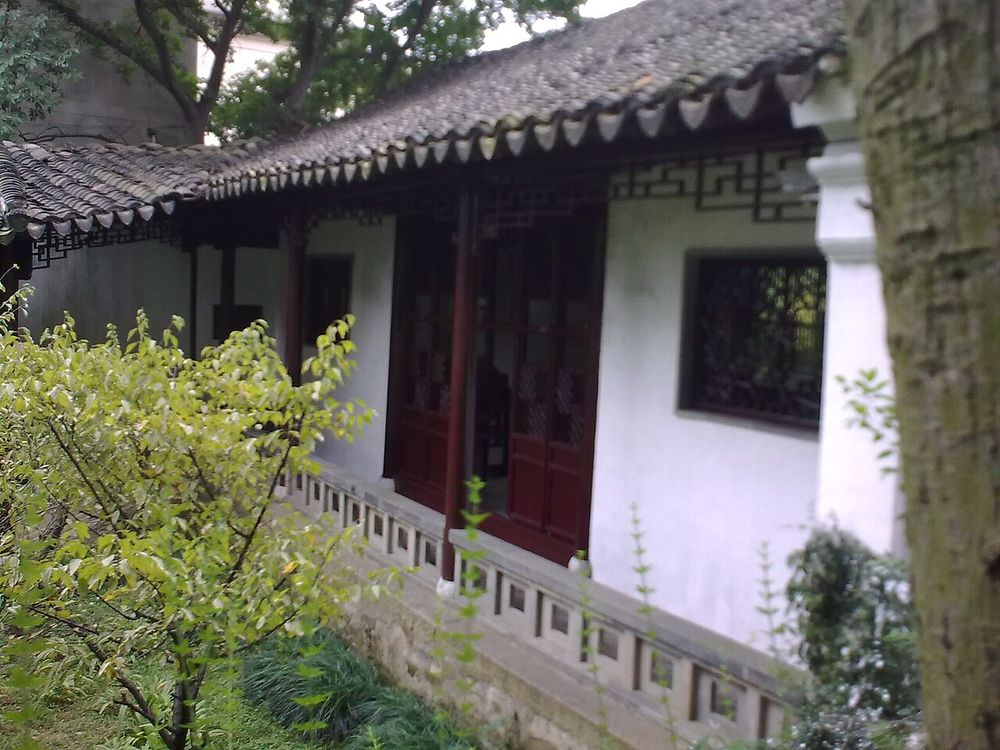
The corridor along the canal is double: one wall down the middle, pierced with windows, and a walk on each side. On one side you walk with the water, on the other with the hill. Through the windows each sees the other.
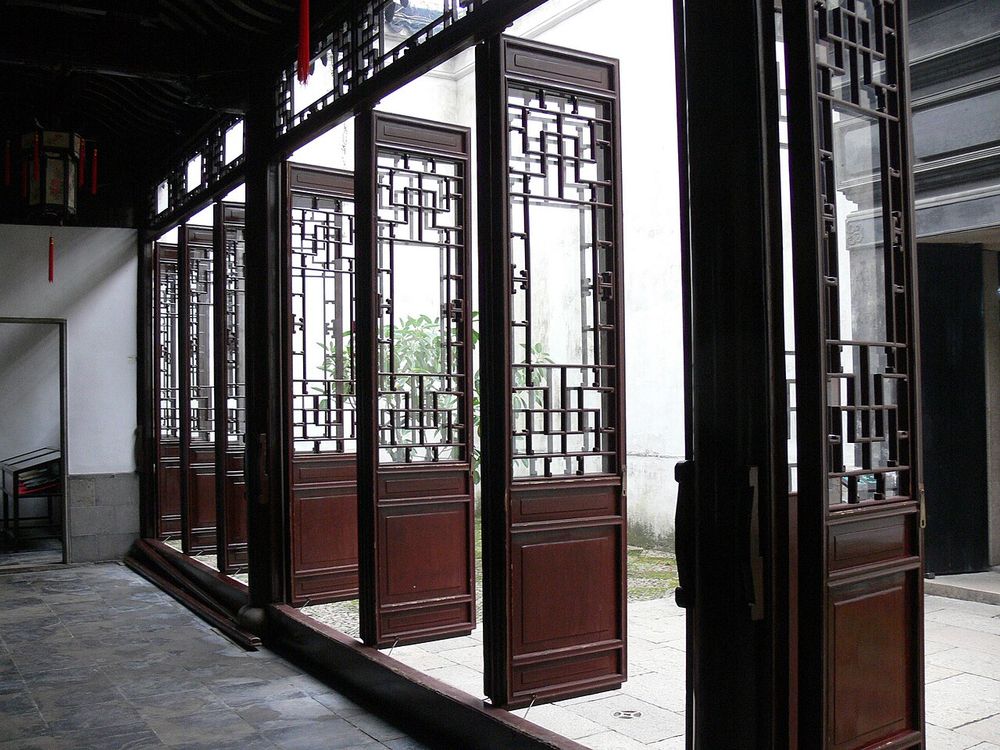
The garden is said to have 108 lattice windows, no two alike. Pick three and compare them.
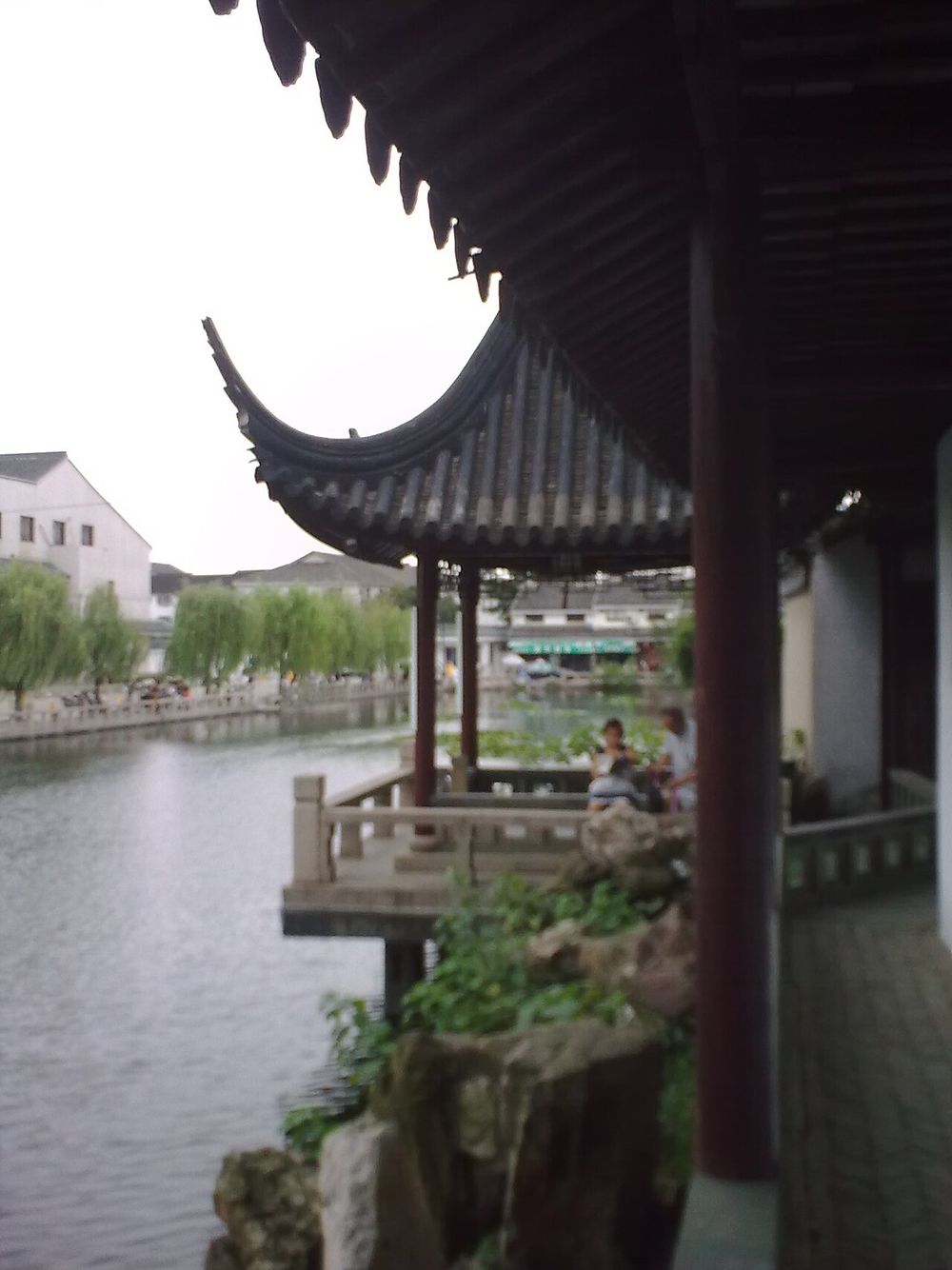
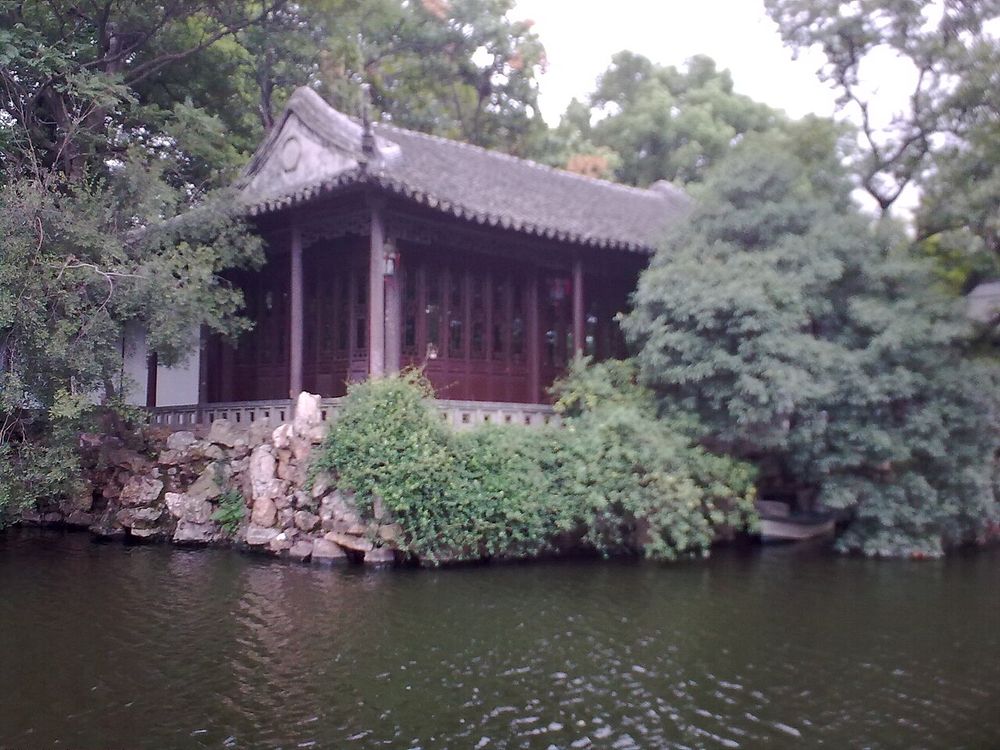
At the end, the Fish-Watching Place stands over the canal itself.
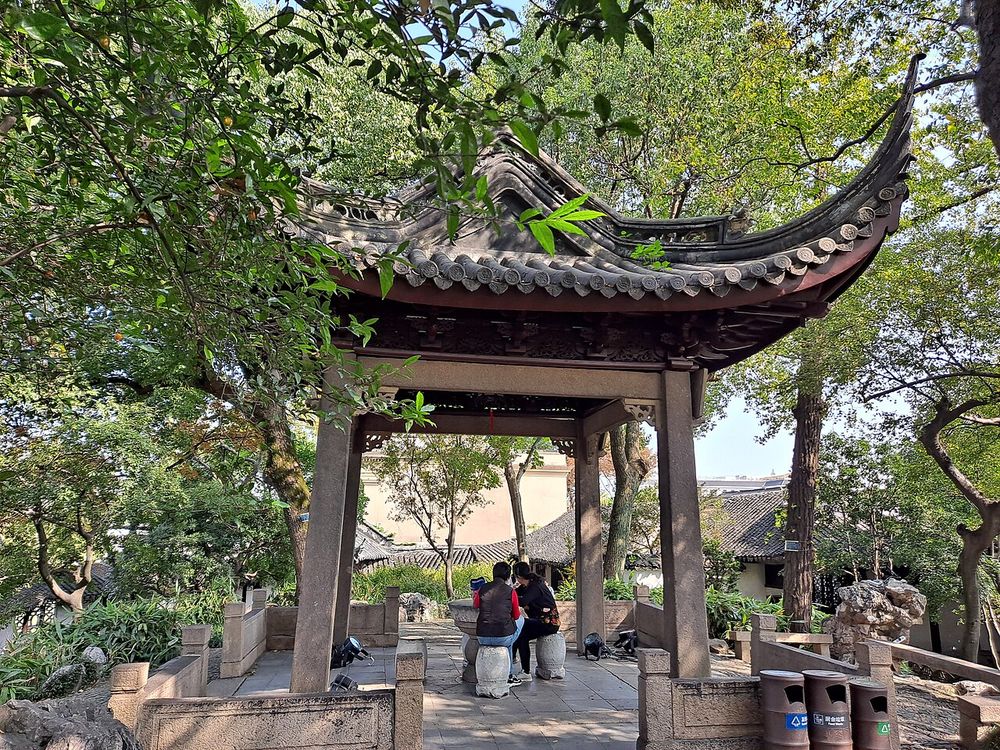
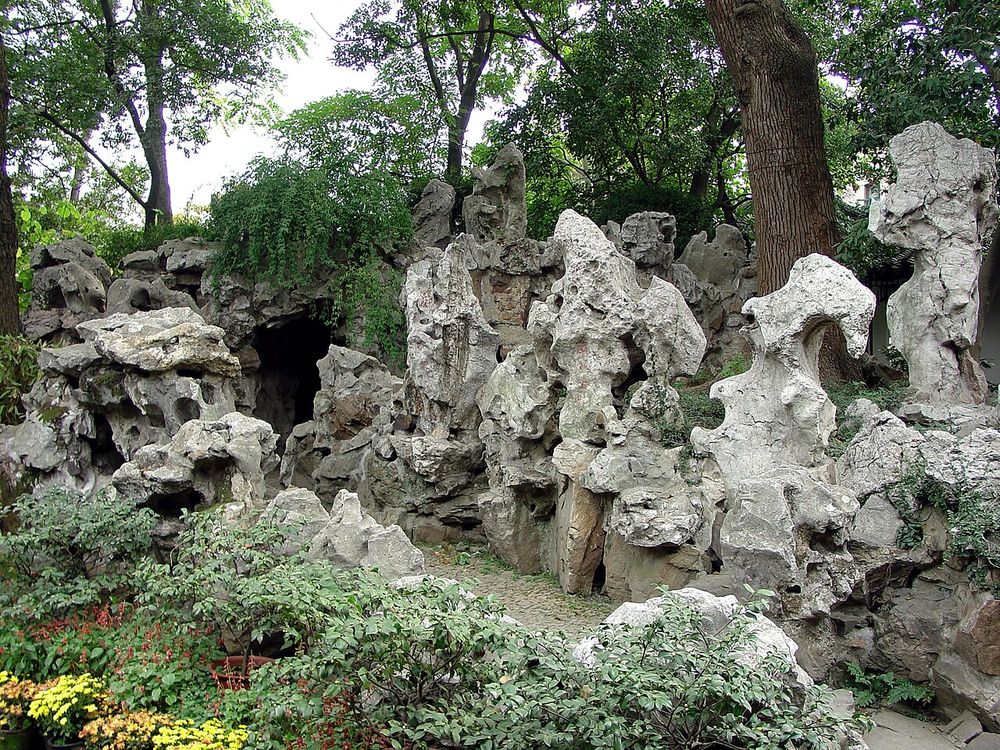
The hill is earth faced with yellow stone and lake rock, a mix of the old and the later. Paths climb through bamboo and old trees to the pavilion at the top.
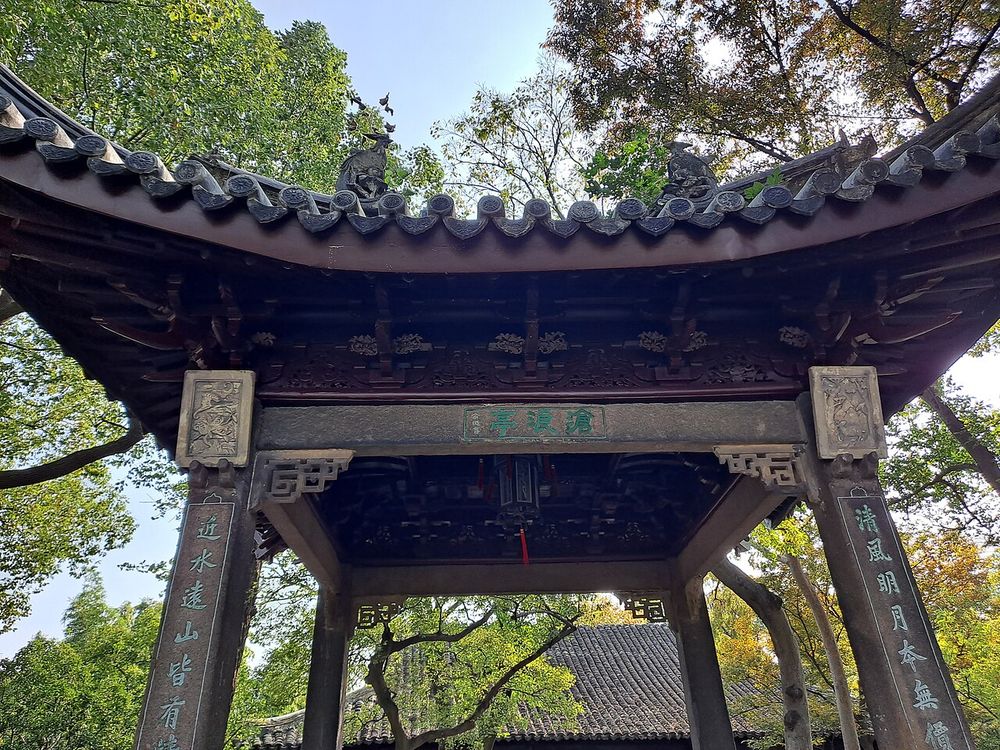
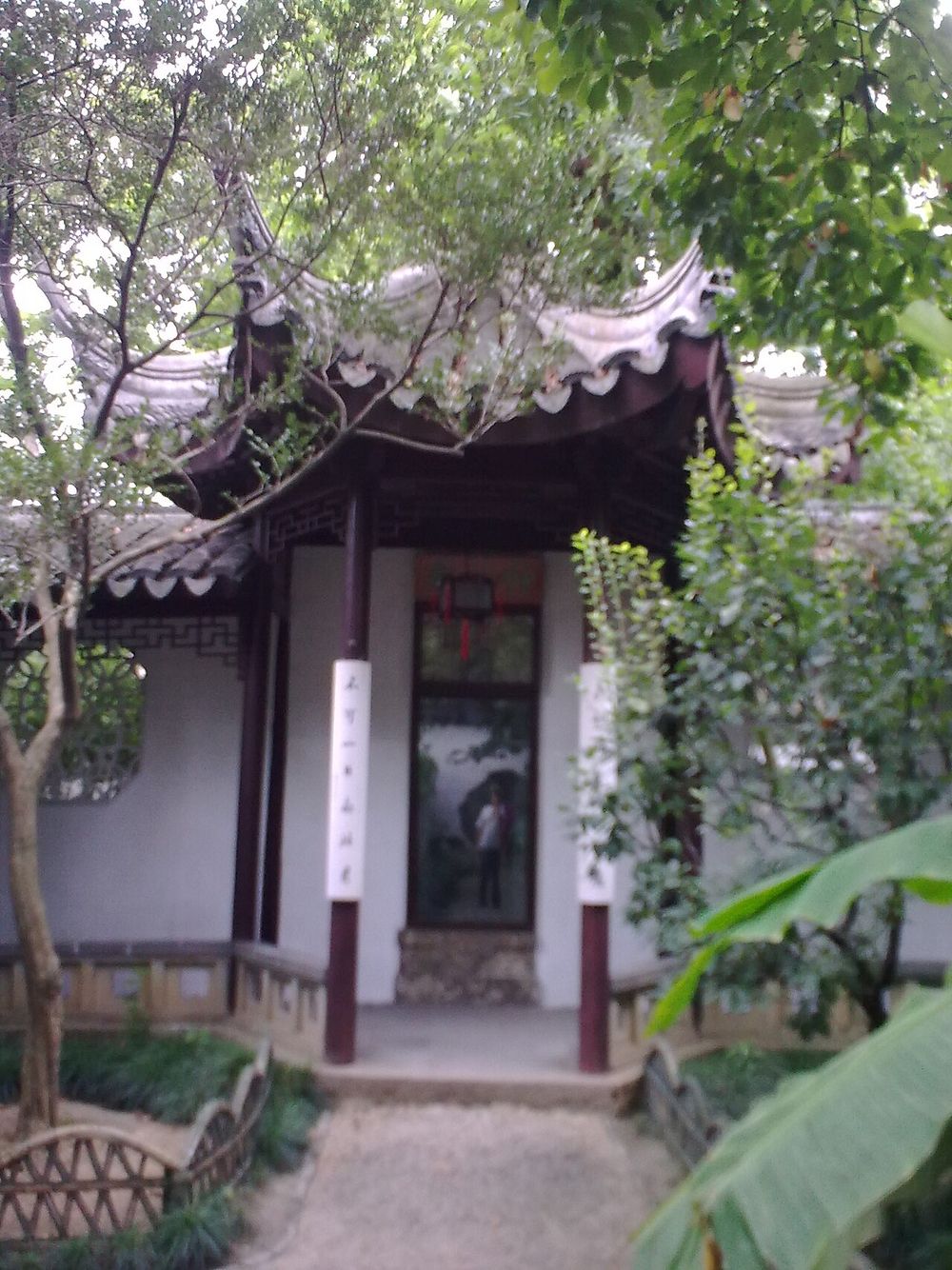
Read the couplet on the columns, then look at the eaves: it is a stone pavilion, square, with no walls.
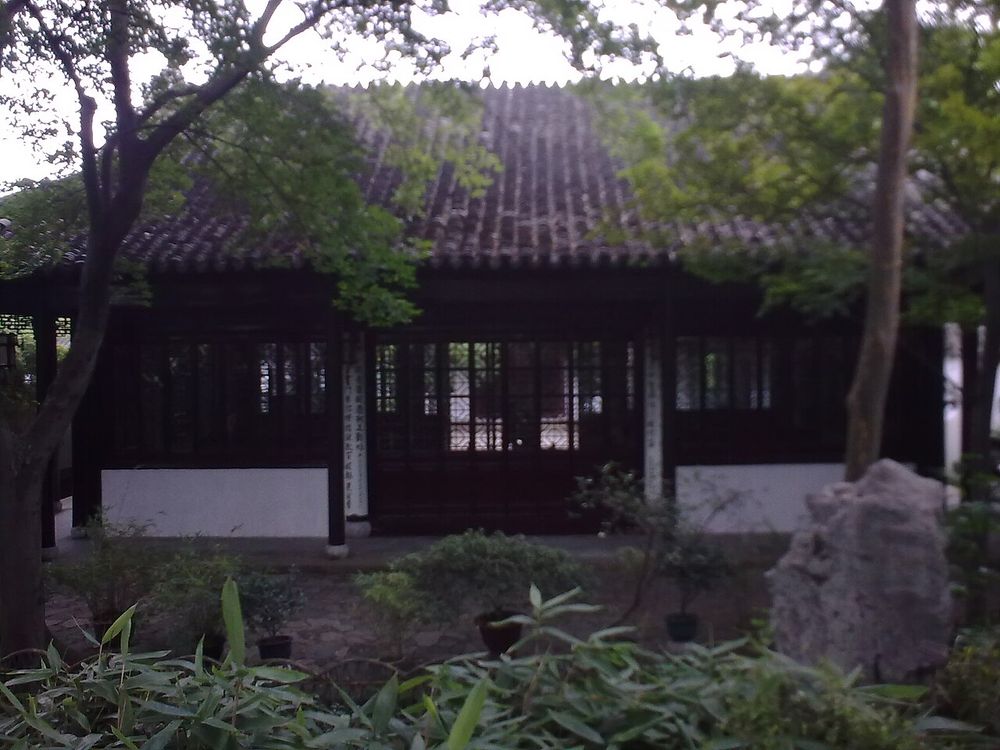
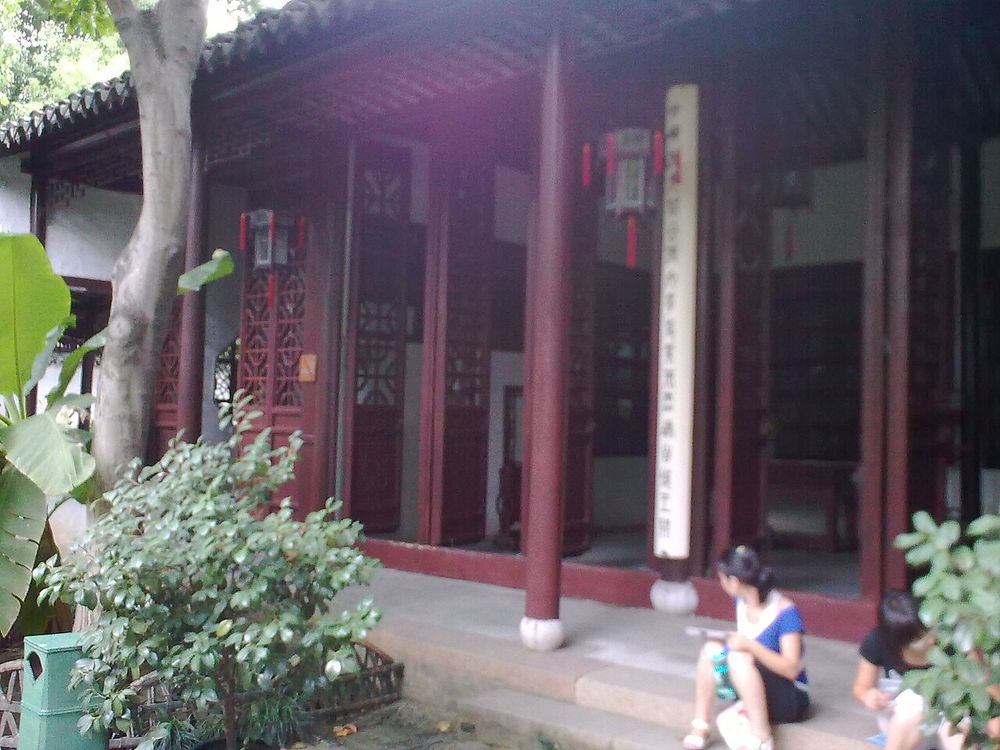
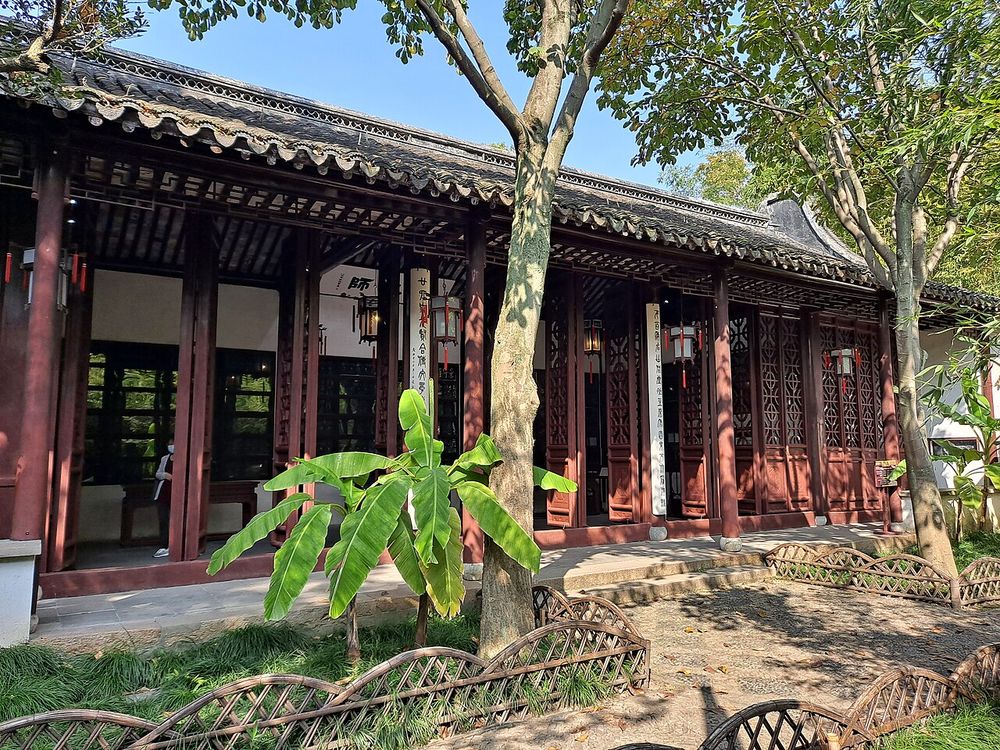
The largest hall, south of the hill. Its name comes from Su Shunqin's record, where he says that here the way became clear to him. In the Ming and Qing it was used for lectures.
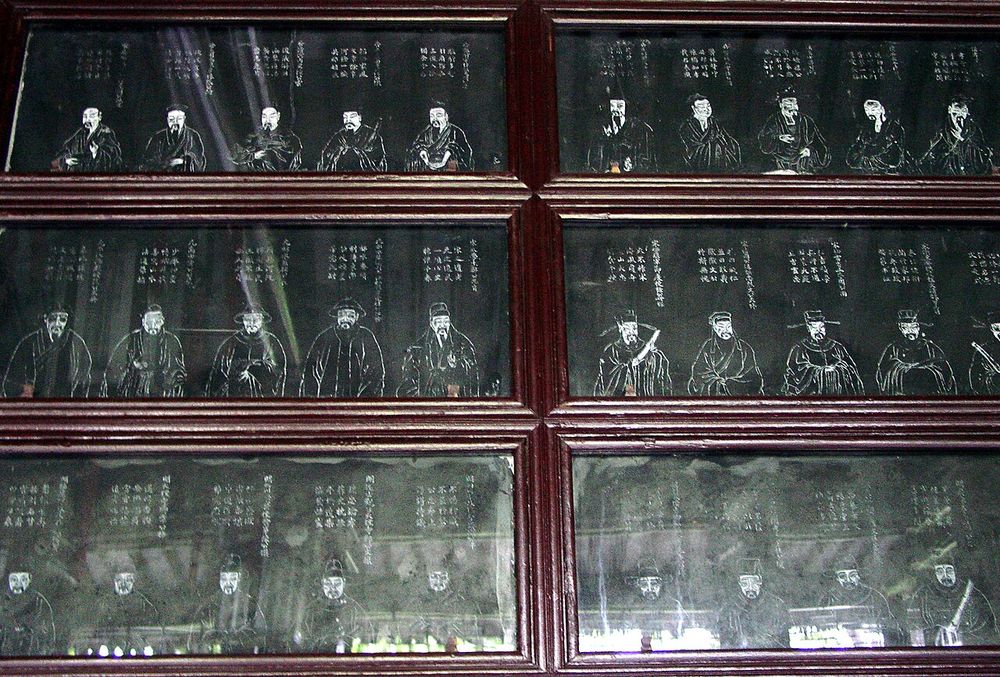
In 1827 the governor Tao Shu built a shrine and set into its walls nearly six hundred small stone portraits of worthy men connected with Suzhou, from the age of Wu to the Qing, each with a four-character verse.
Read a few of the verses, and look for a name you know from Chinese history.
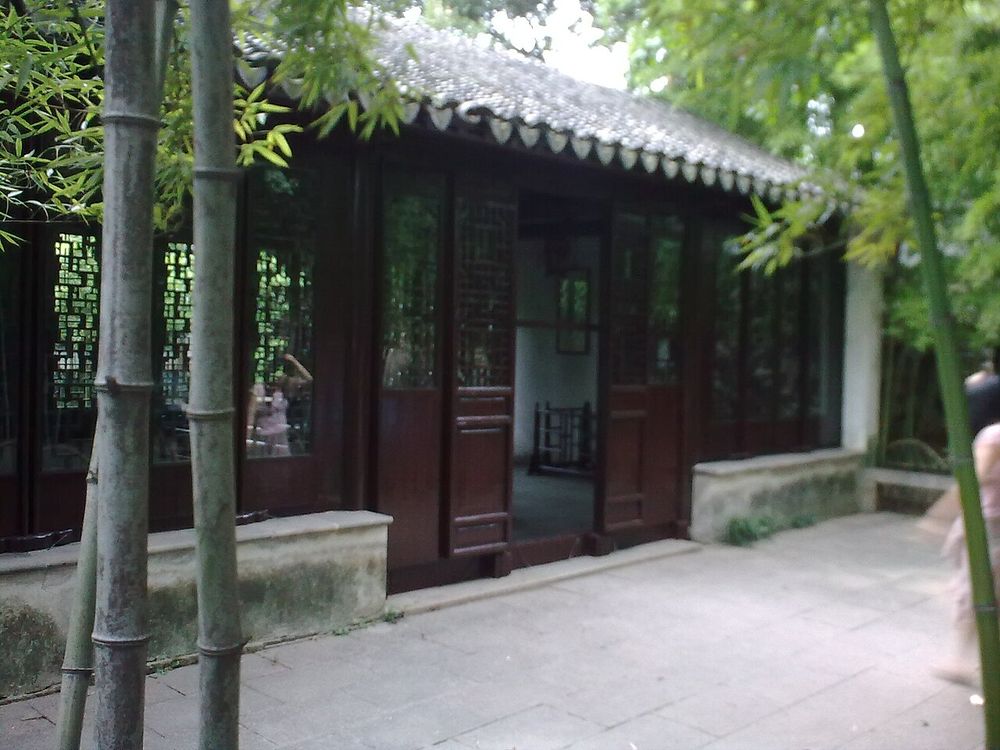
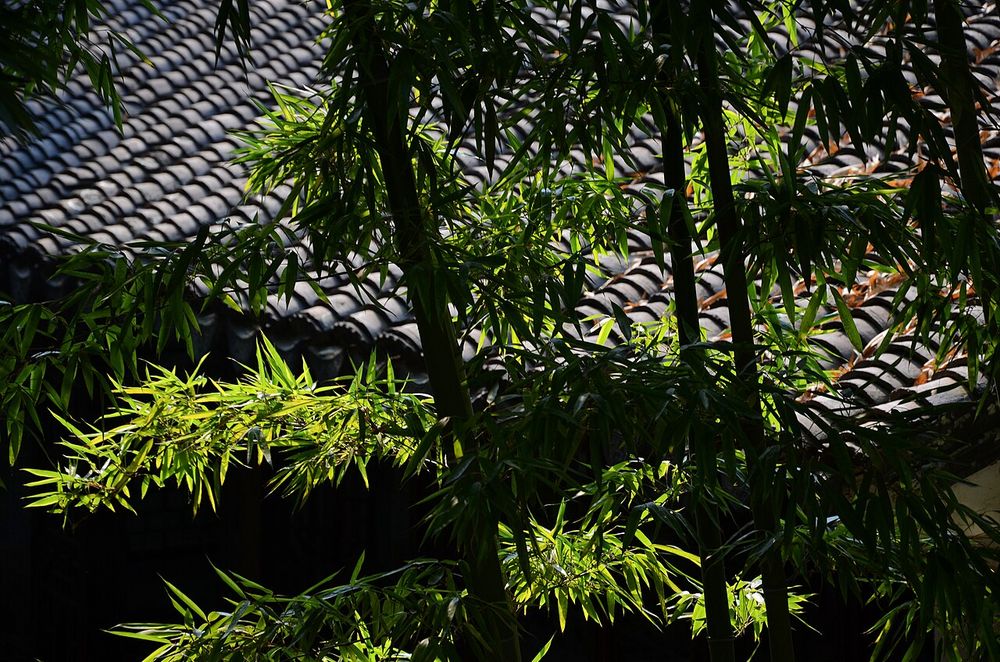
Three small rooms set at angles among bamboo. The name comes from a line of Su Shunqin: sunlight passing through bamboo, emerald and exquisite. Stand inside and the walls seem green.
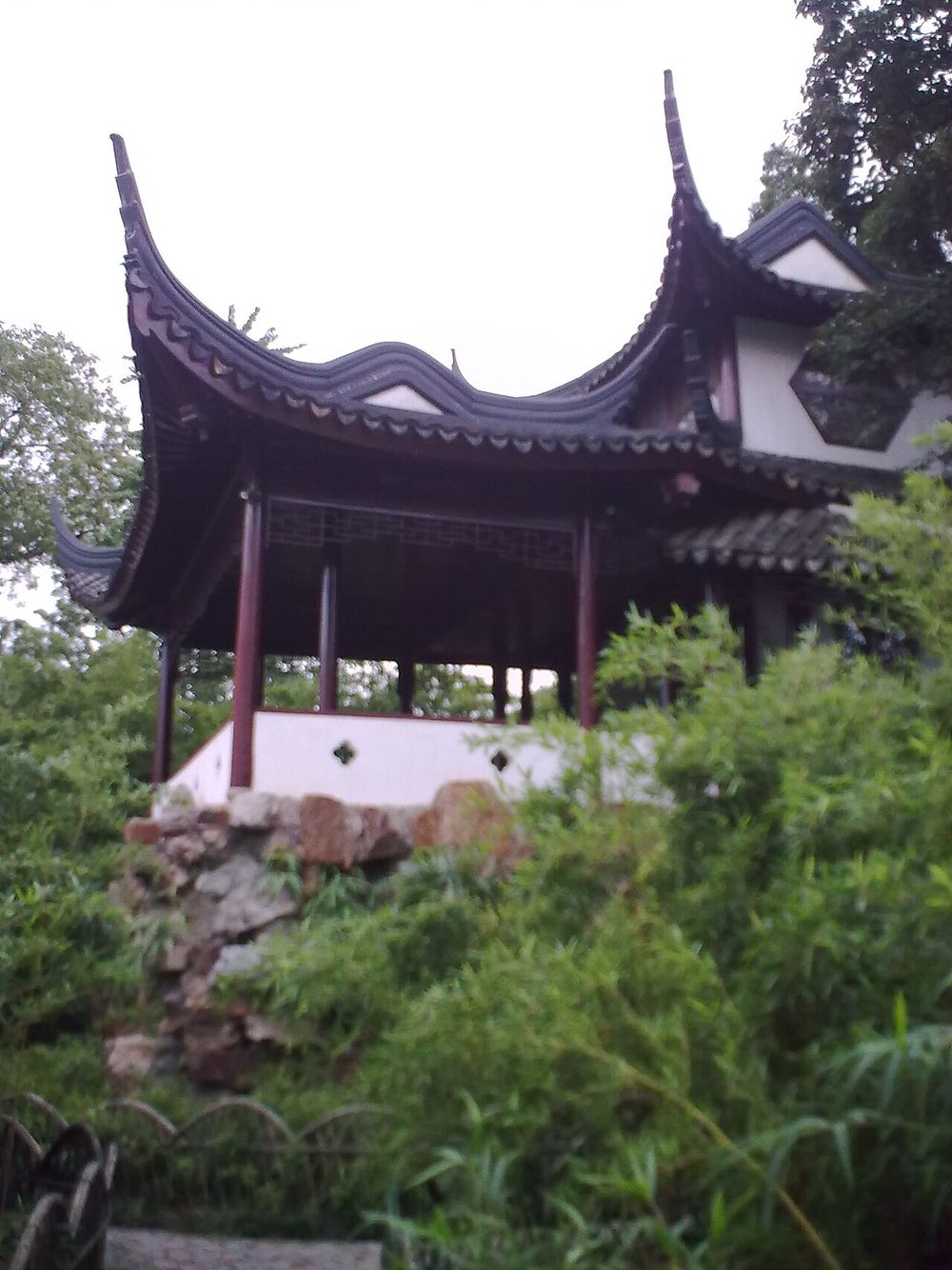
The tower stands on a stone cave in the south of the garden. From the top, people once saw the hills west of Suzhou. Now you see roofs; imagine the hills.
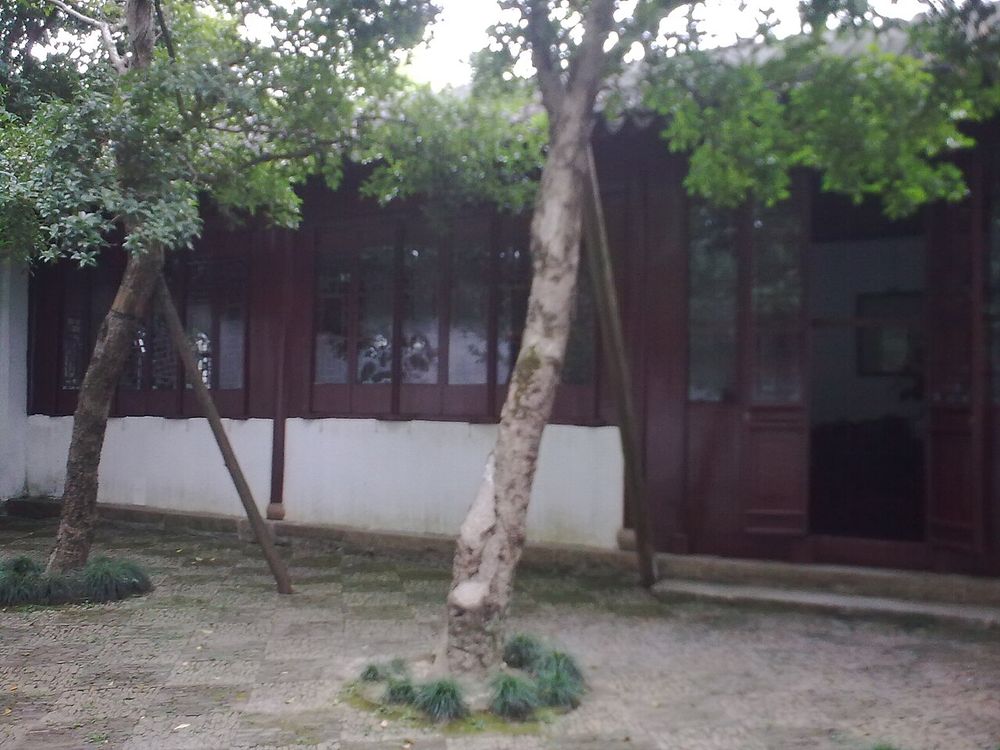
The Pure Fragrance Hall is named for osmanthus. In September the whole garden smells of it.
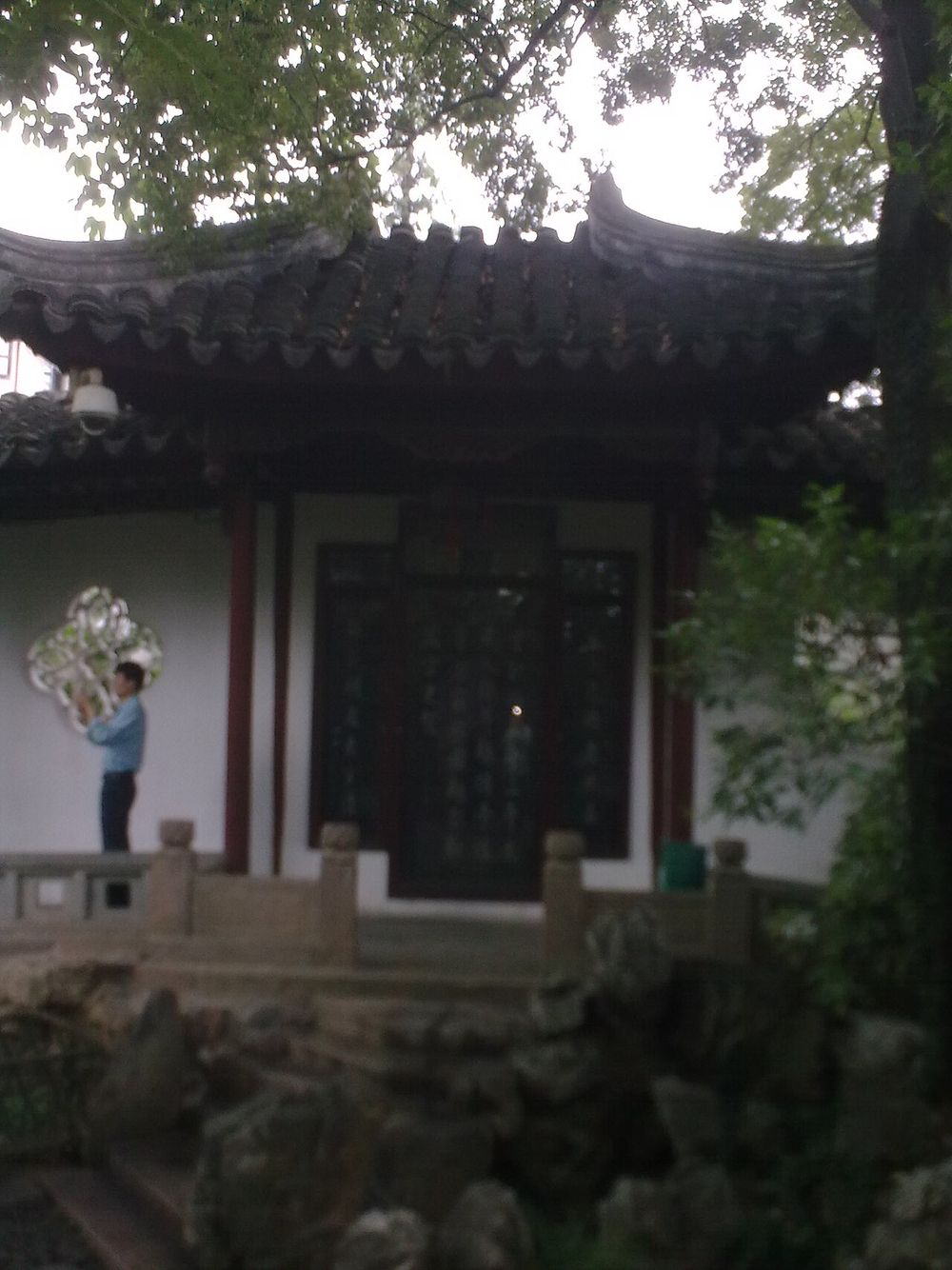
A small pavilion keeps a stele with words by the Kangxi emperor, who came to Suzhou on his southern tours.
Su Shunqin bought the garden in 1045. Twenty-one years later William of Normandy crossed to England. In the Qing, Shen Fu wrote of this garden in 1808, three years after Trafalgar.
On some evenings an opera made from Six Records of a Floating Life is played in the garden itself, and the audience walks with the actors from room to room.
| Year | Here | Elsewhere |
|---|---|---|
| 1045 | Su Shunqin buys the garden | Edward the Confessor rules England |
| 1808 | Shen Fu writes Six Records of a Floating Life (about this year) | Beethoven's Fifth Symphony |
| 1827 | Tao Shu builds the Shrine of Five Hundred Sages | Beethoven dies |
| 1873 | Rebuilt after the Taiping war | Jules Verne's Around the World in Eighty Days |
| 2000 | Added to the World Heritage list | The Millennium |
One line to remember: clean water for the hat, muddy water for the feet.
These are stories people tell about this place. They are legends, not history, and each one says where it comes from.
People say Su Shunqin got the garden so cheap because no one wanted a ruin, and that Ouyang Xiu joked he had bought the wind and the moon for nothing.
Source: The price is in Su's own record; the joke is the poem's
Later, people who live here will be able to add the stories they grew up with, and say which of these they have heard.
Checked 2026-11-12 Suzhou Municipal Administration of Gardens. Tickets are sold through its WeChat account, 苏州园林旅游.
Last checked 2026-11-12. Suzhou Municipal Administration of Gardens, published prices; travel reports of 2026.
Checked 2026-11-12
Opening hours are given in the local time of the place. Prices are in the local currency. The figure after ≈ is approximate, at exchange rates checked on 9 November 2026, in .
Stand at the site, sign in, press the button, and collect its stamp. Your browser will ask to use your location. It is sent to us once to confirm that you are at the site; we keep how far you were from it, not the spot where you stood.
Your stamps are saved to your account, so they follow you to any device. Checking from a browser cannot rule out every false location; stricter checks arrive with the app.
Photos here show the place, not people. Each one is credited to the visitor who took it and appears after our team has looked at it. A photo with you in it belongs under “I am here”.