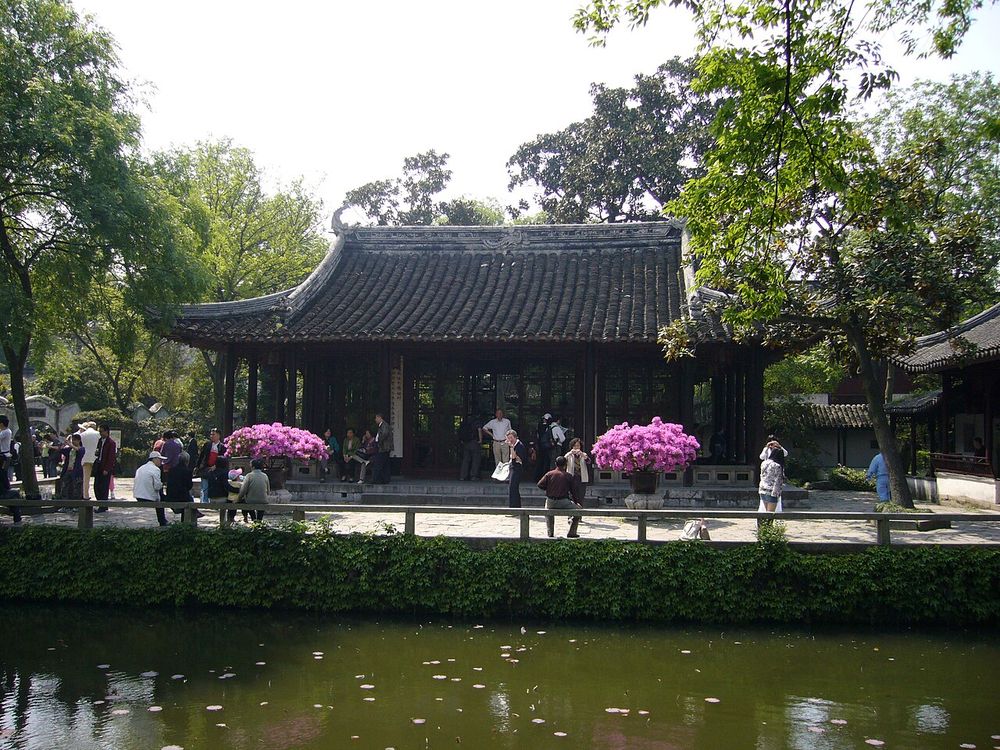
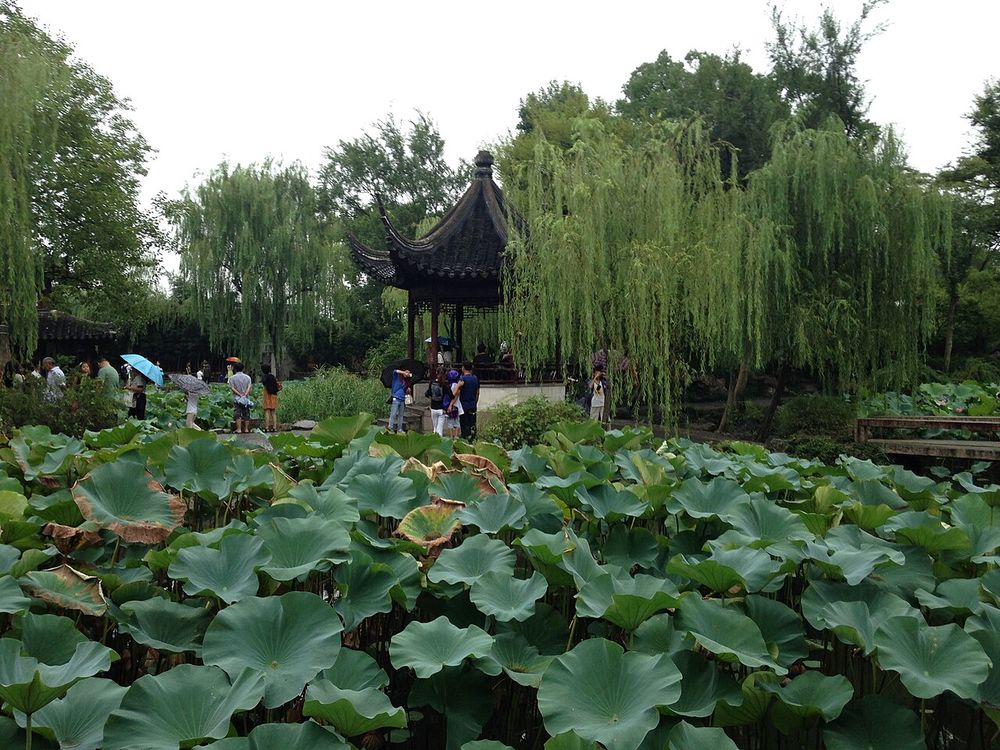
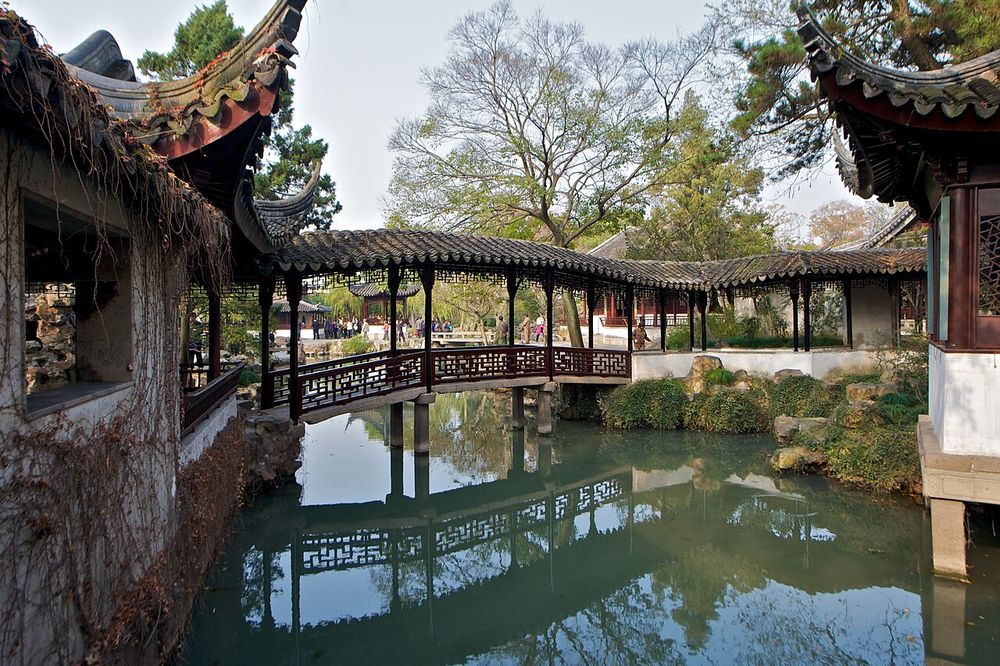
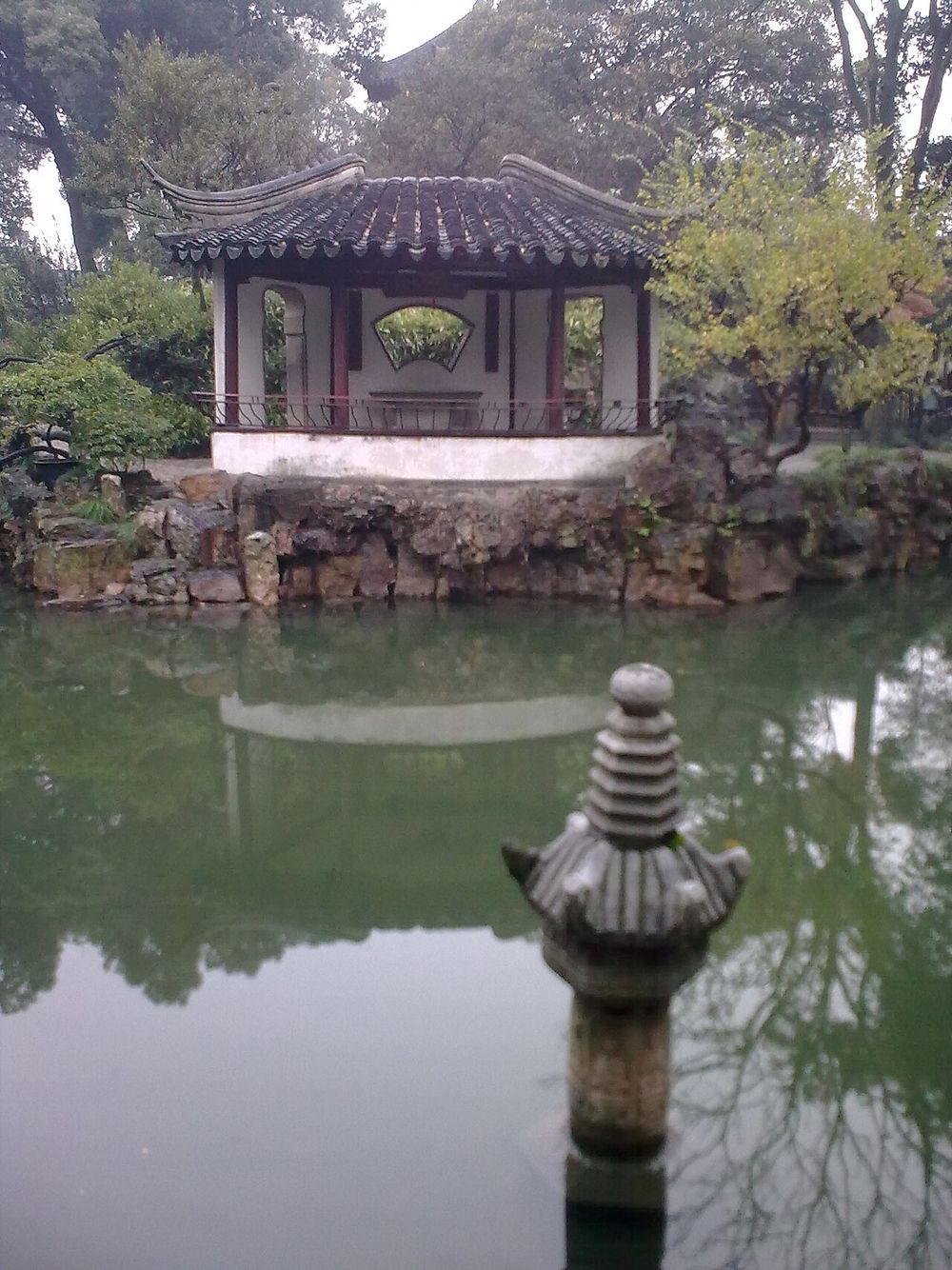
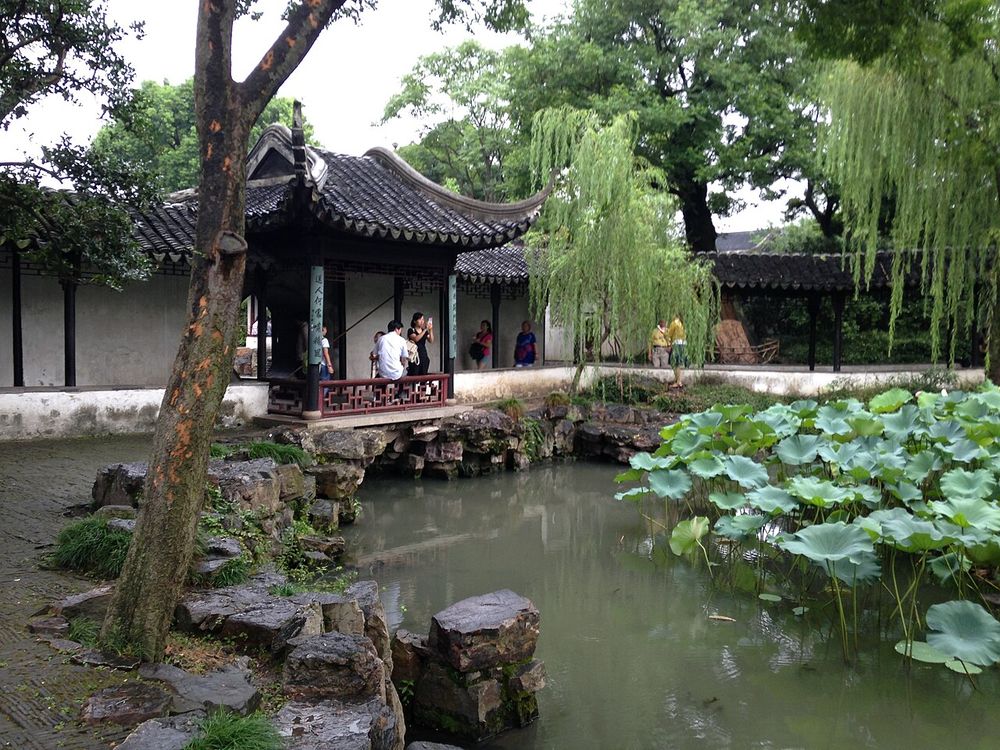
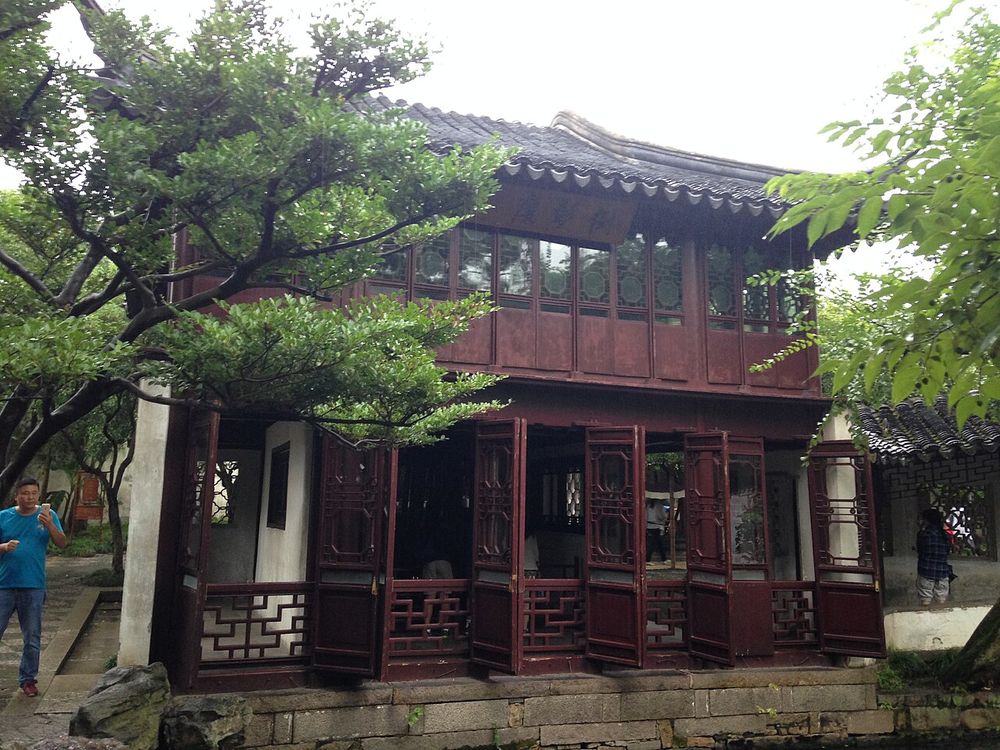
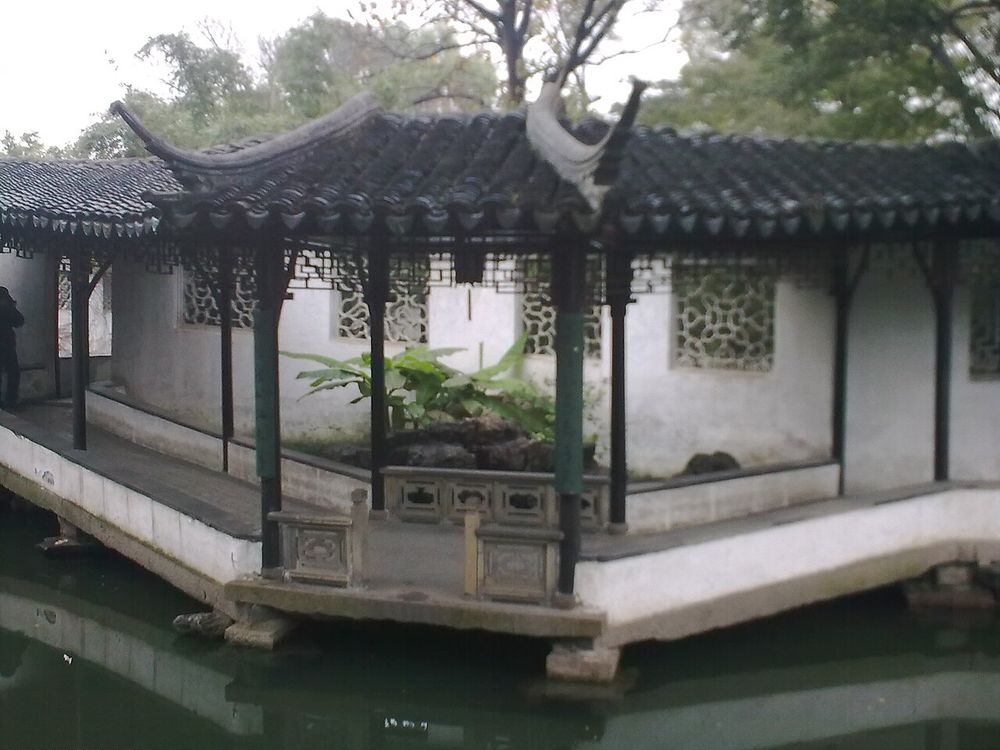
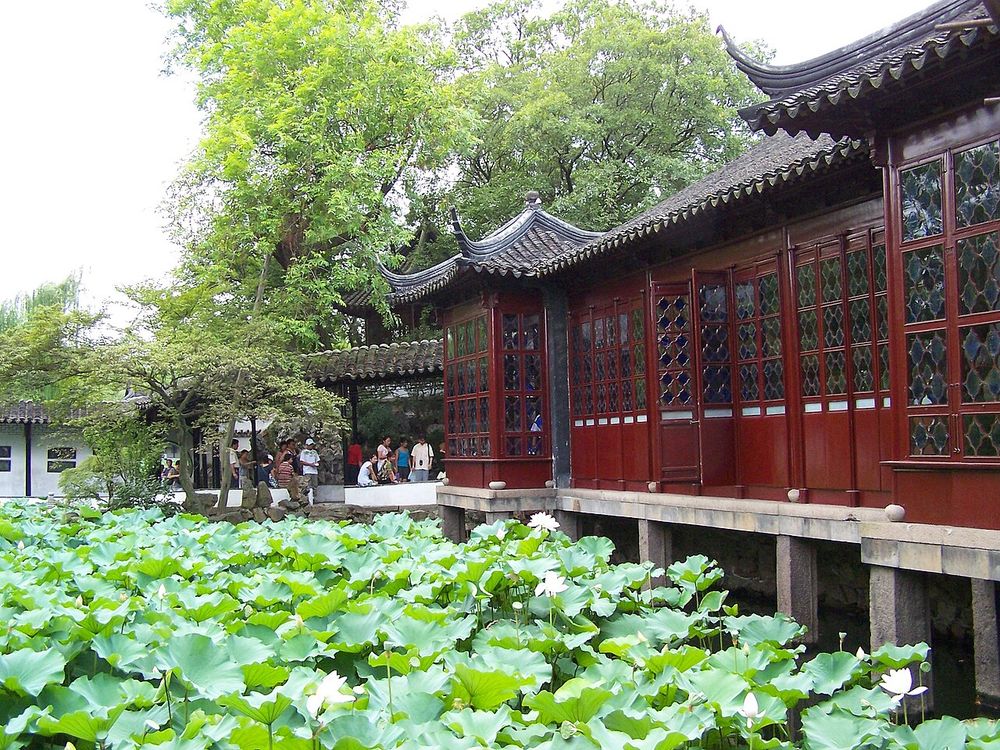
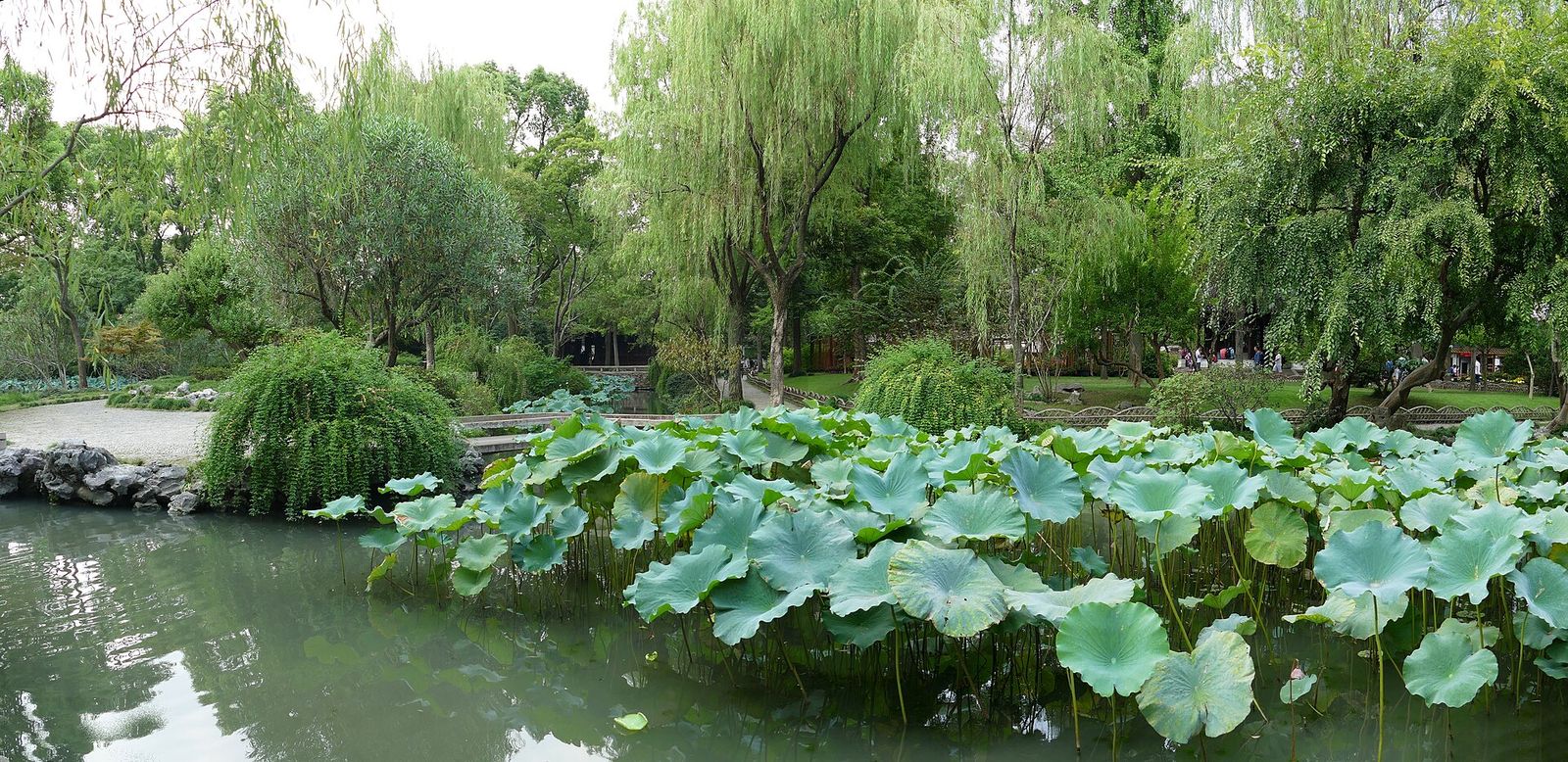
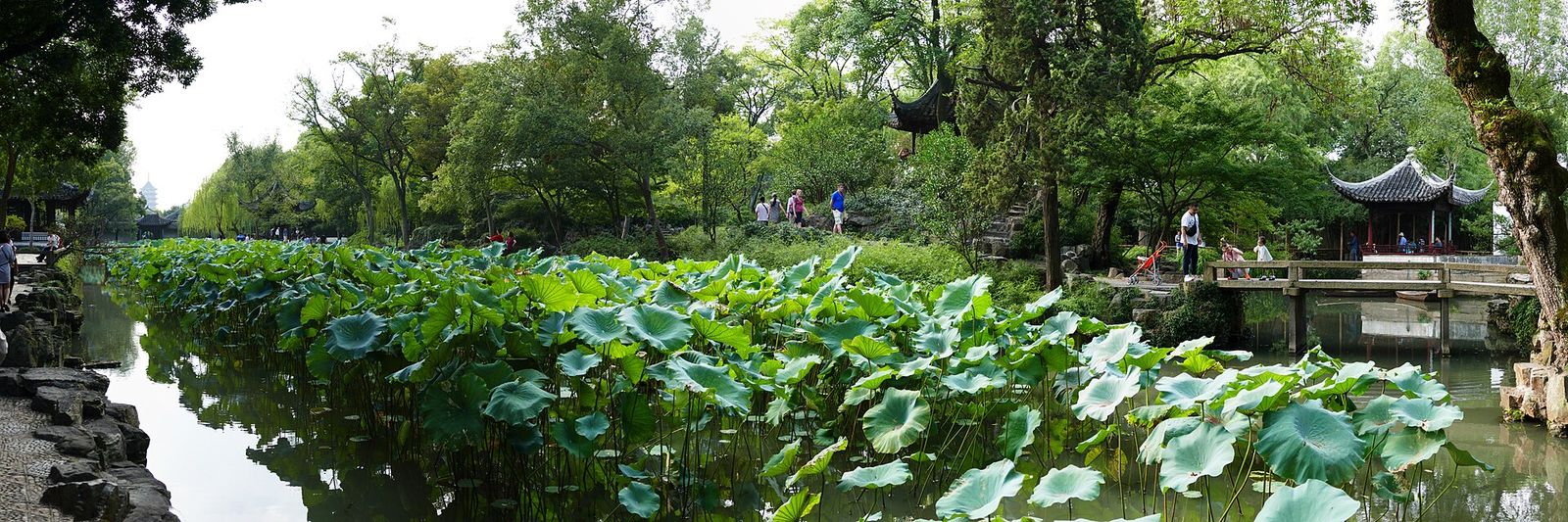
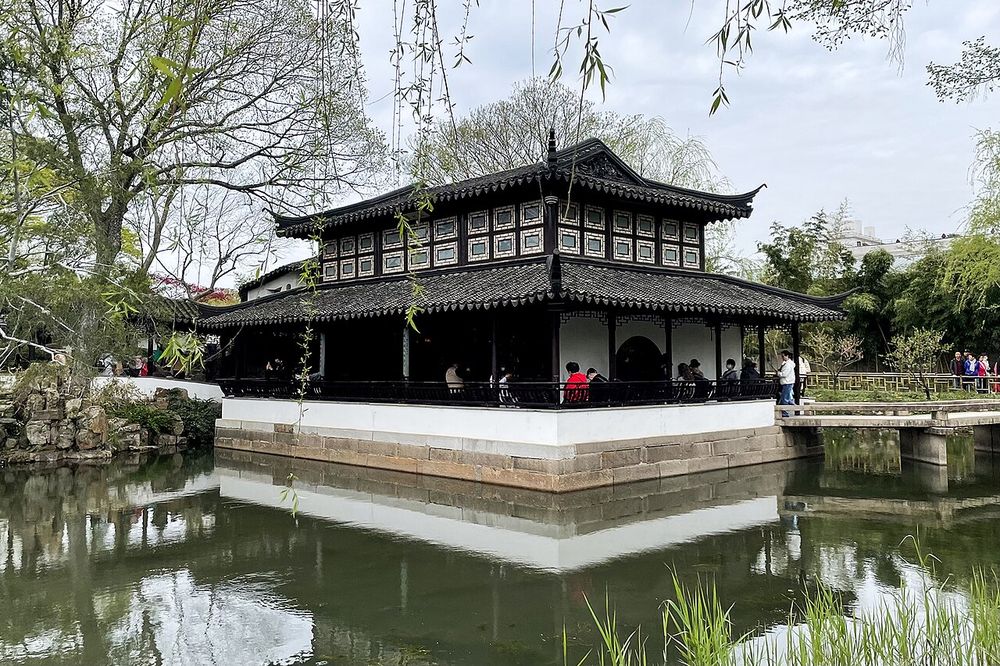
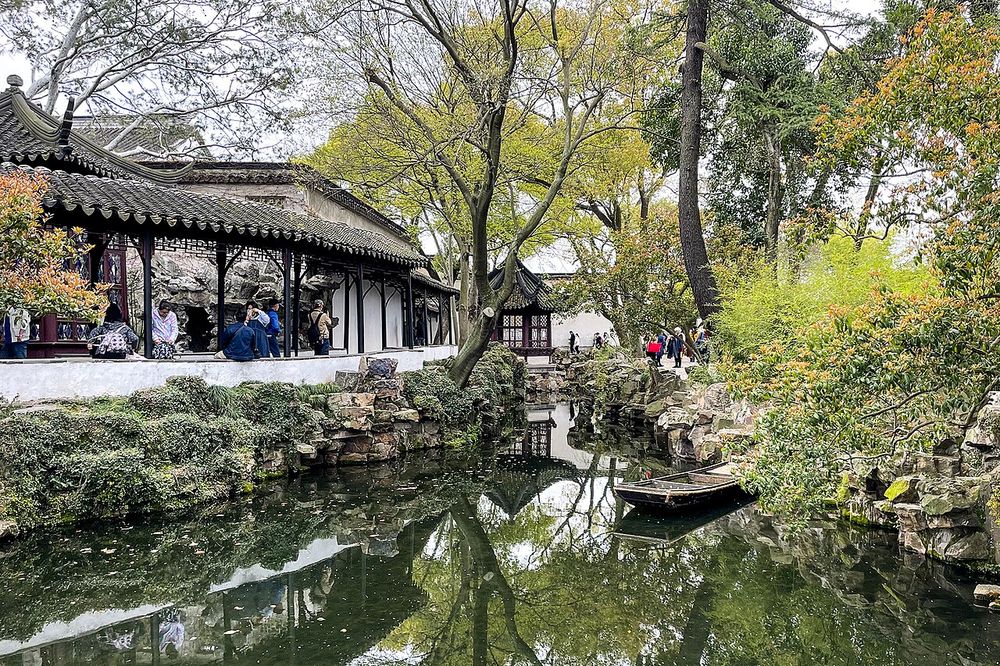
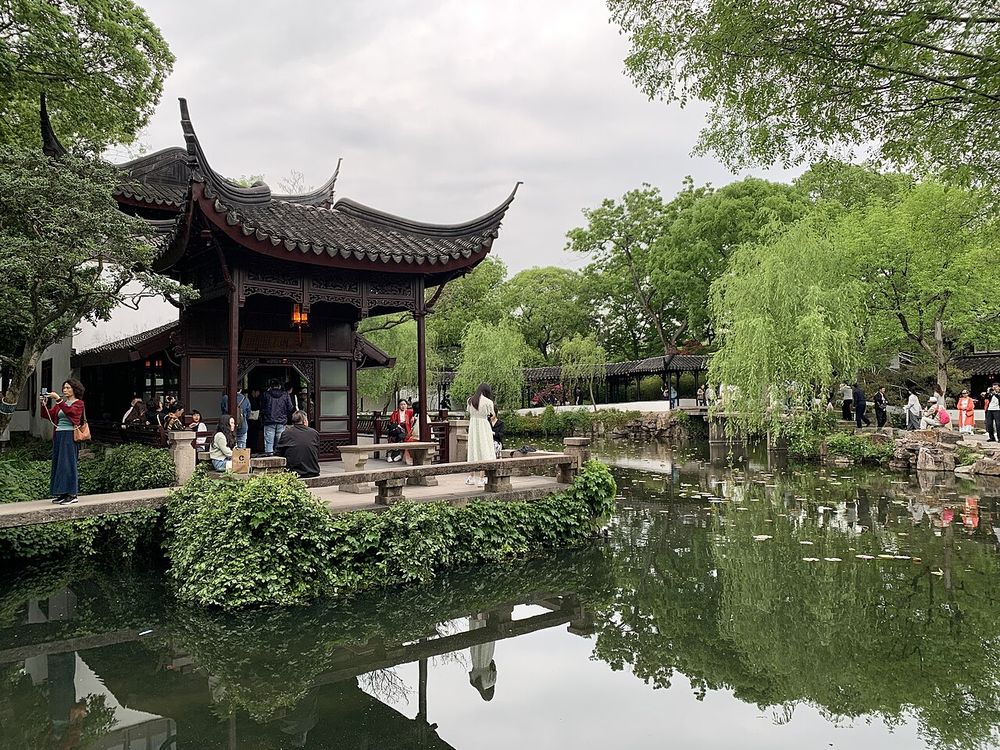
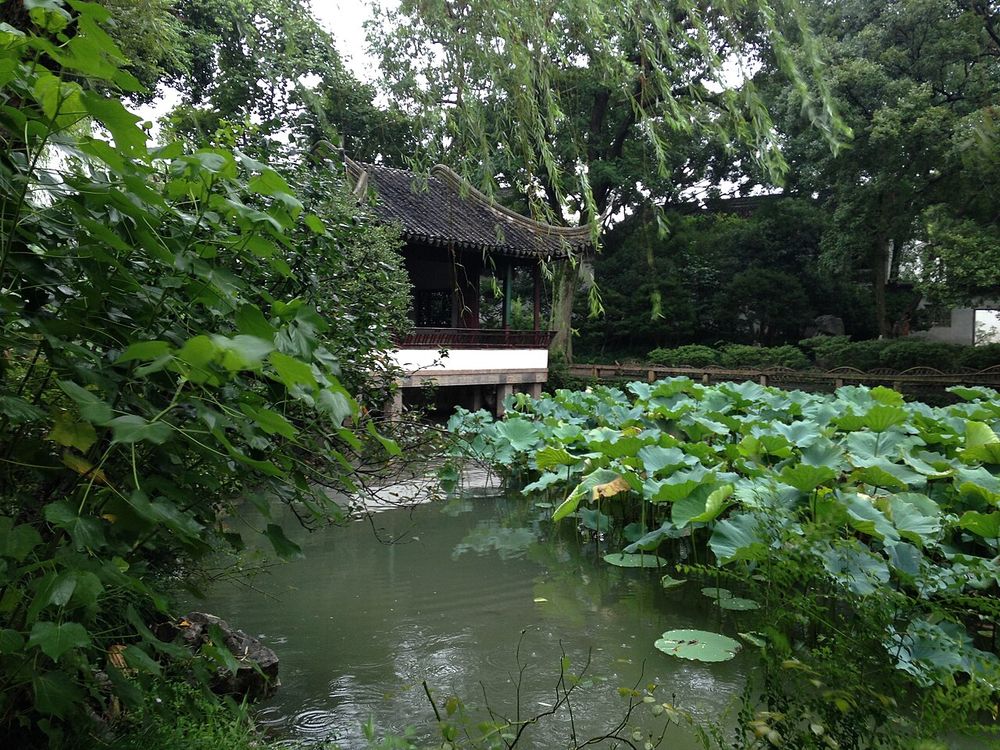
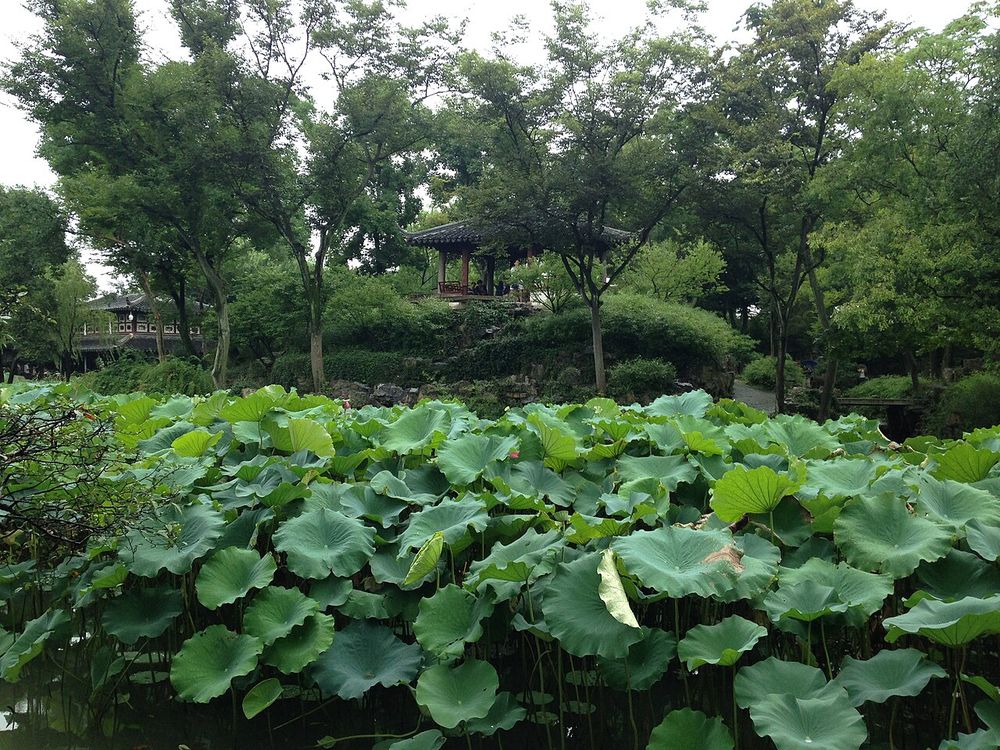
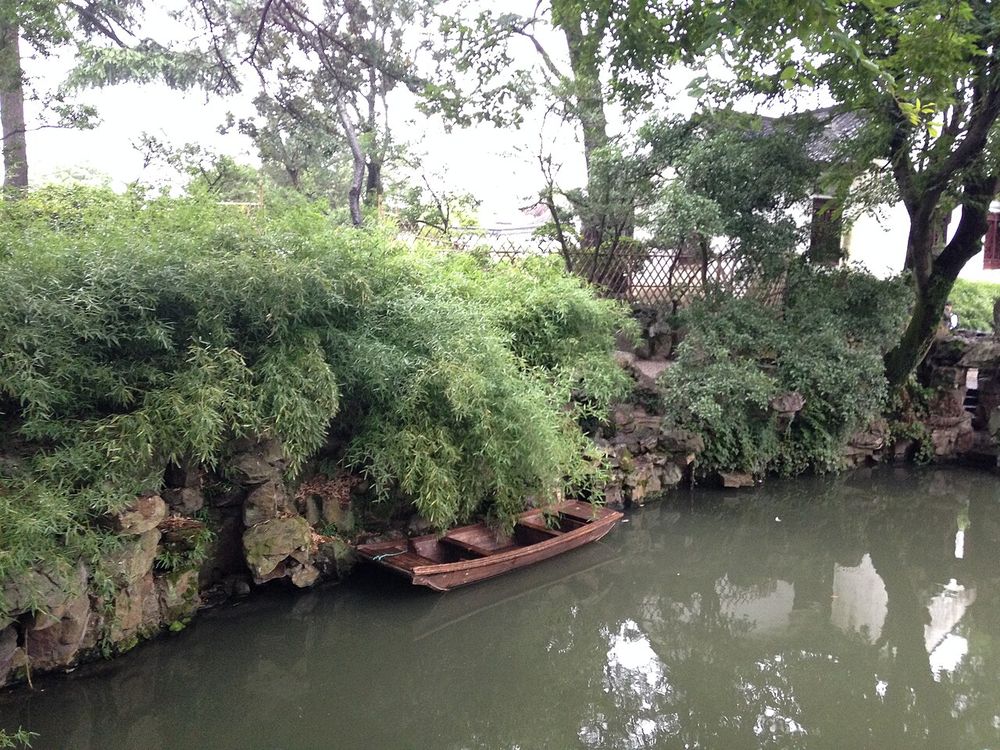
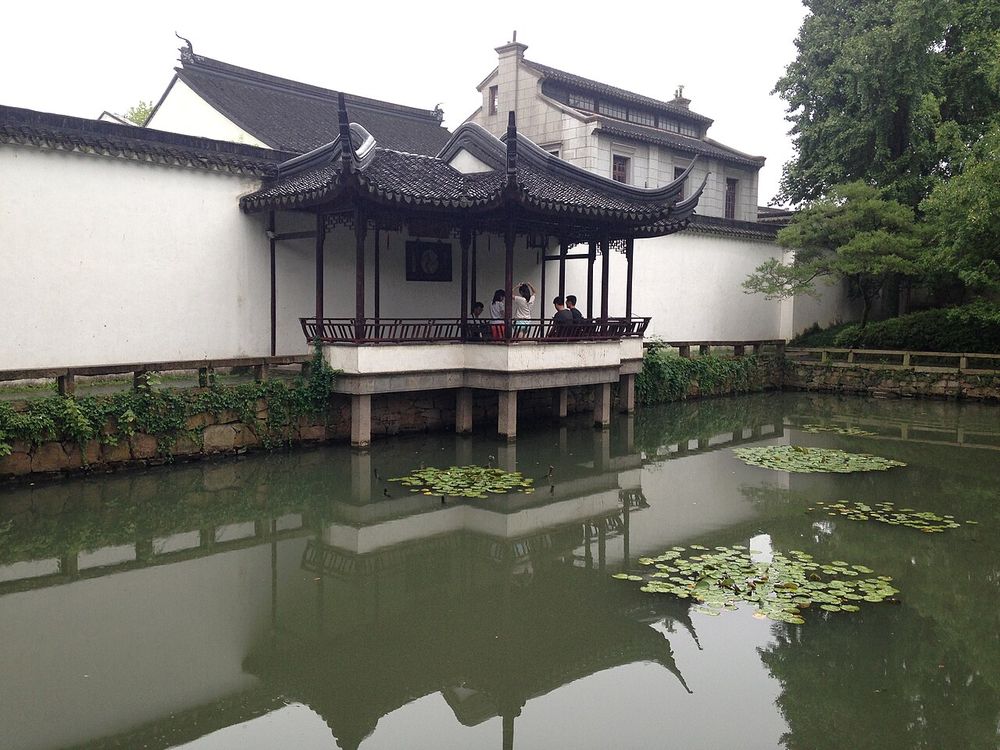
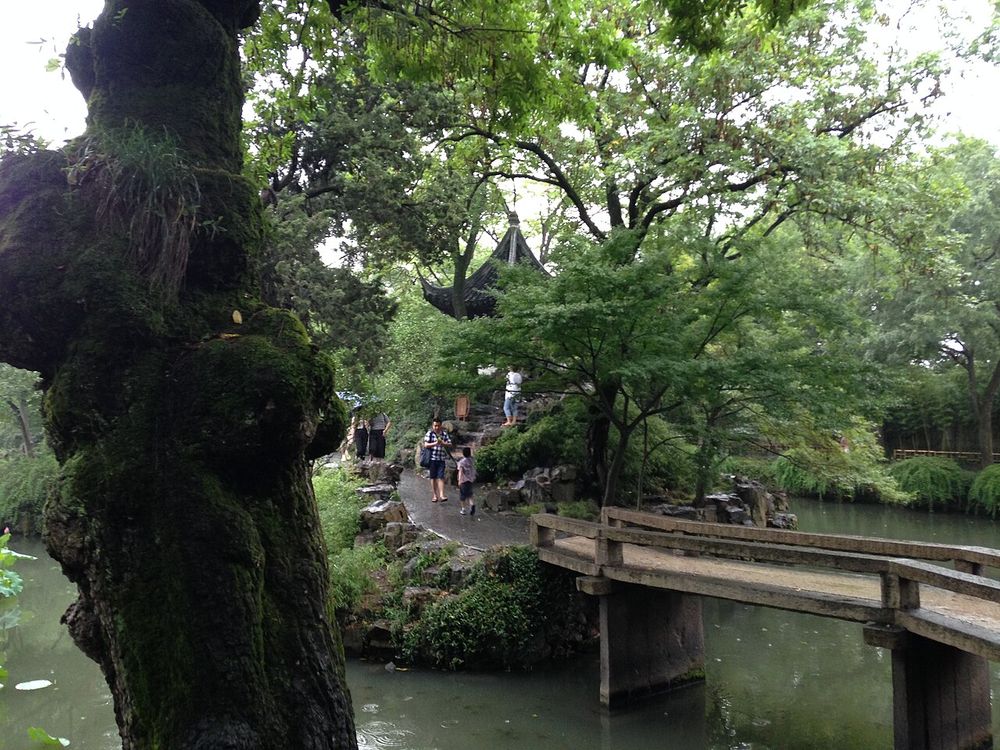
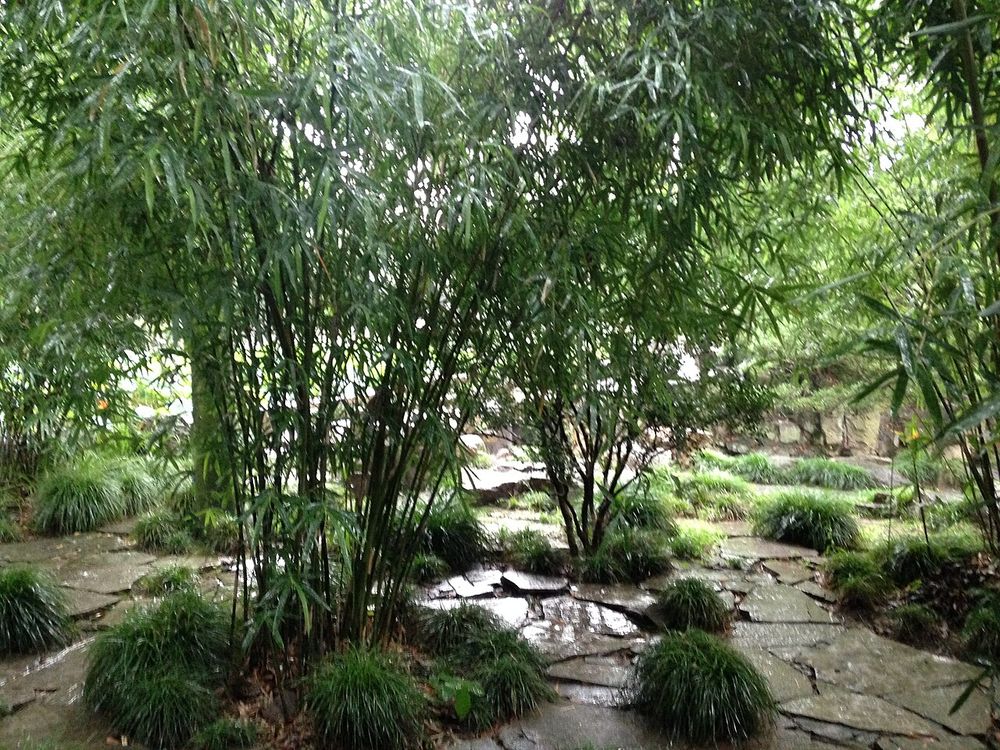
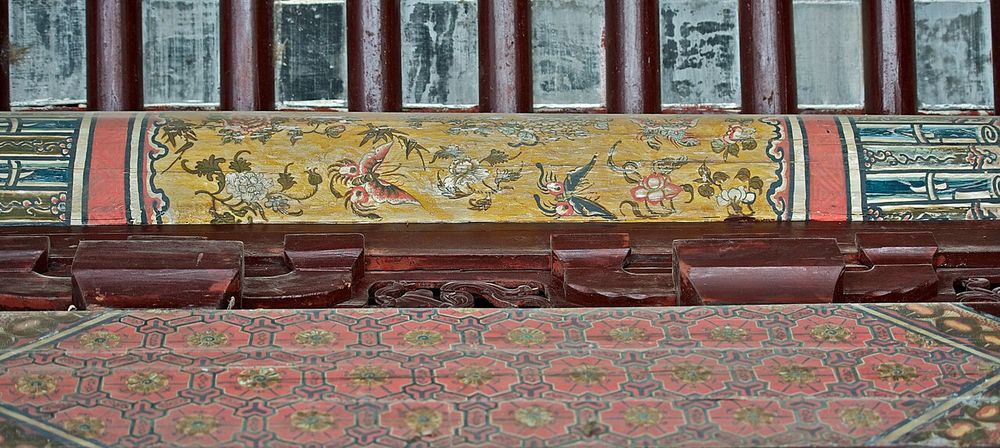
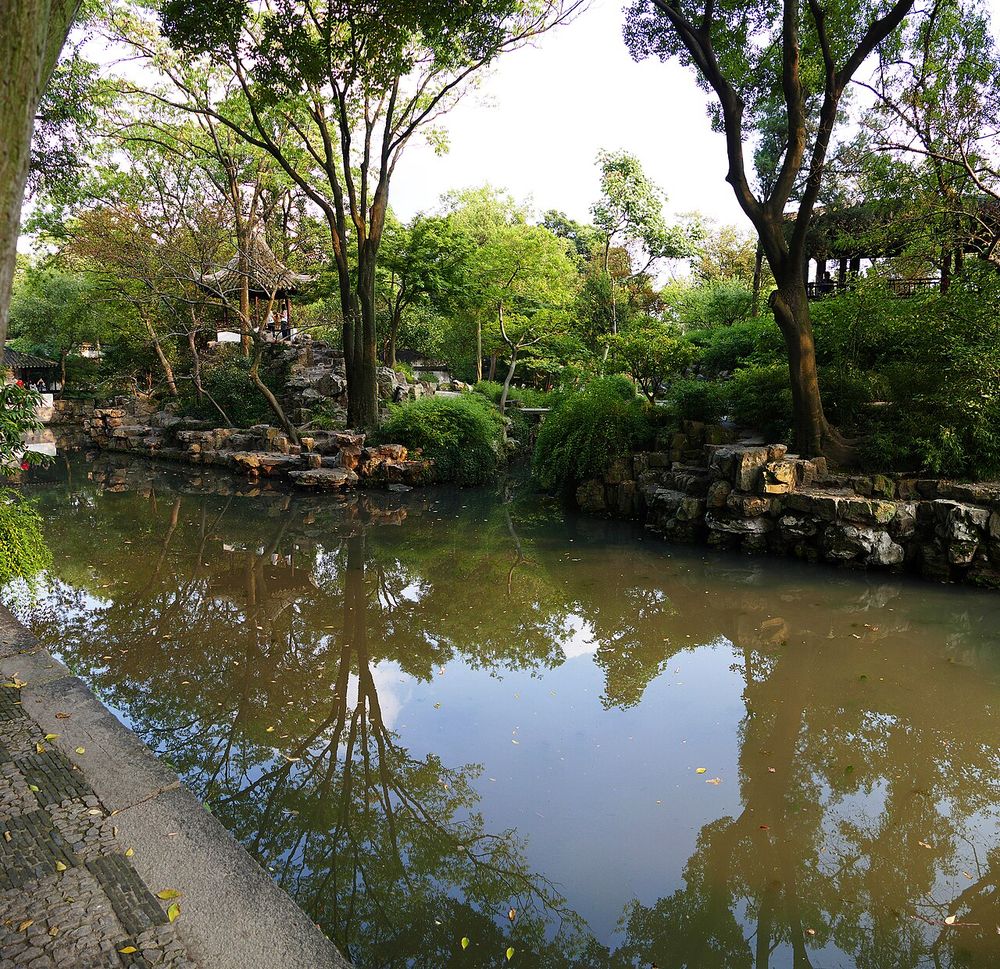
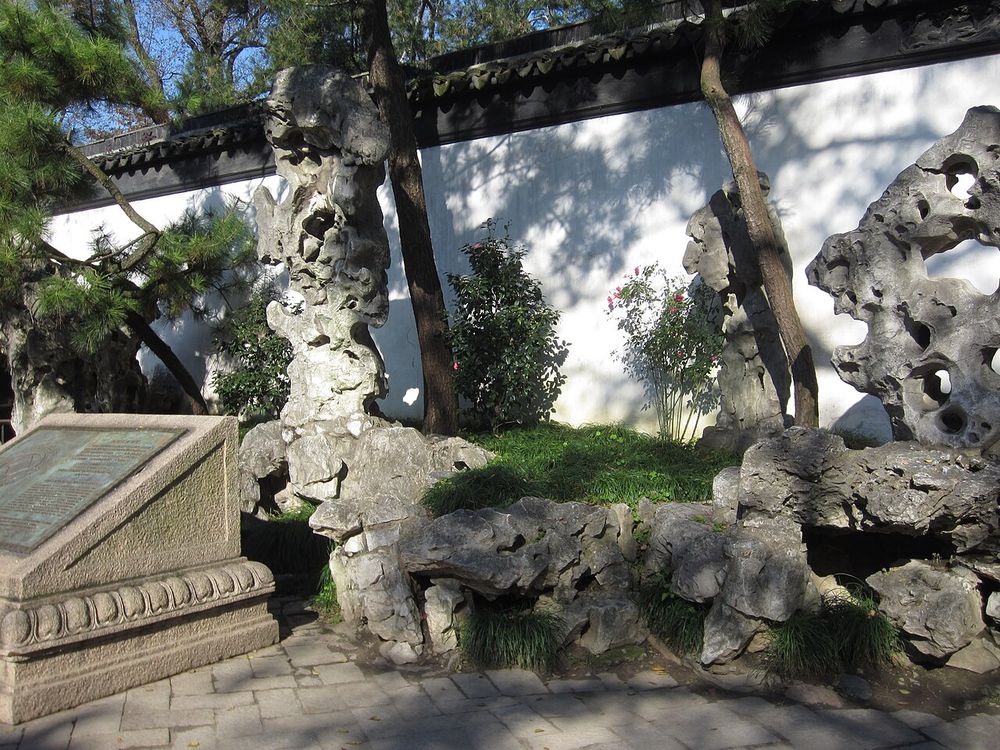
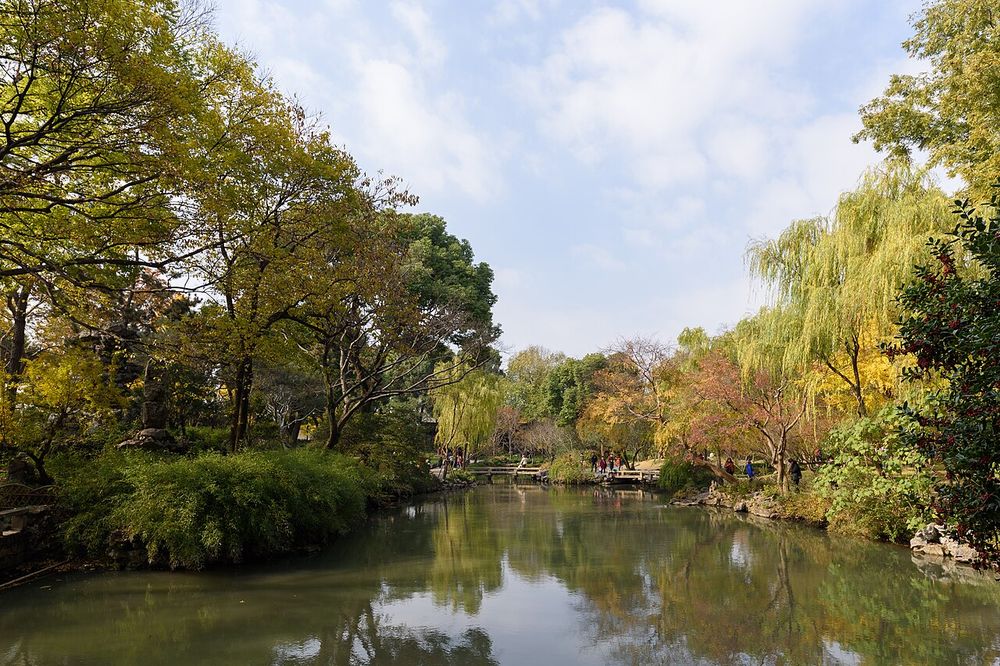
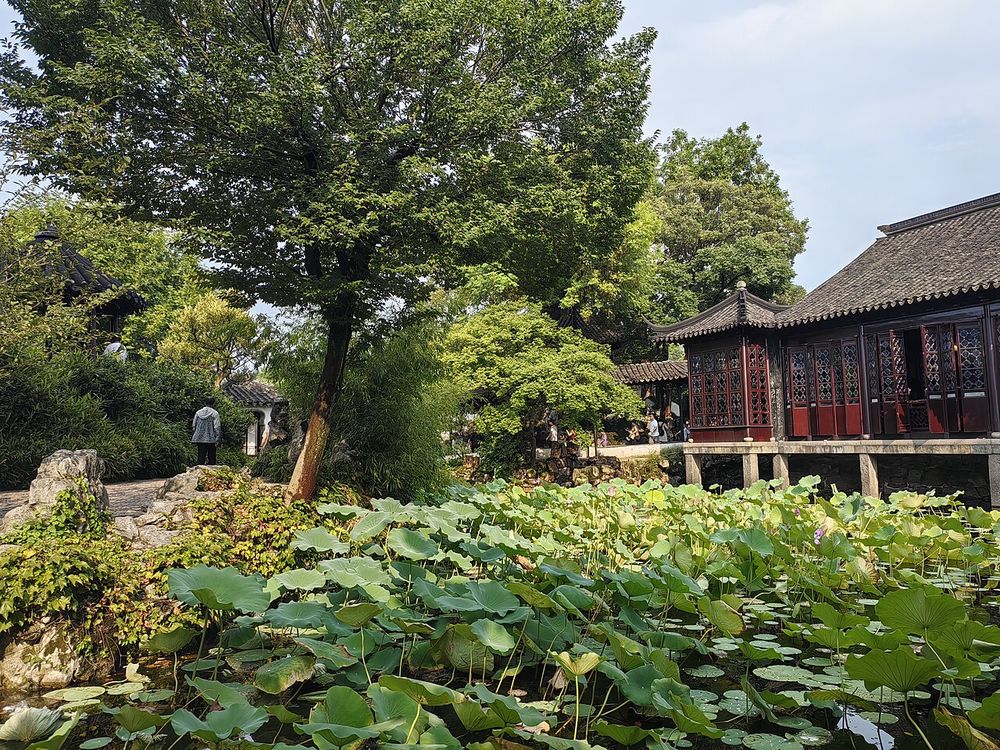
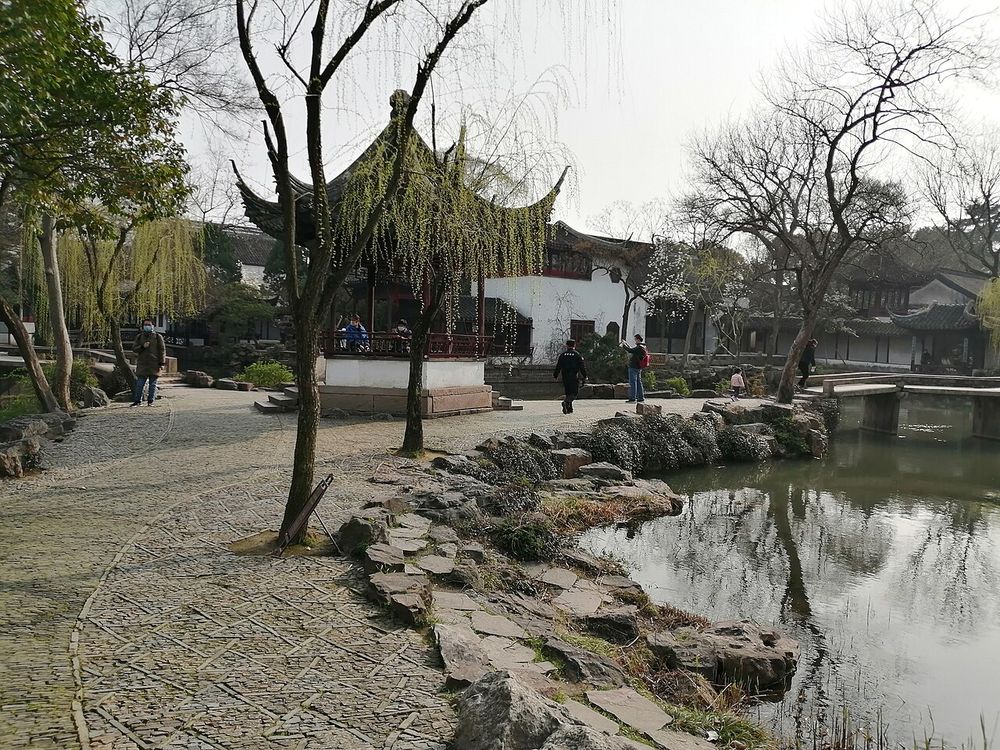
The largest of the classical gardens of Suzhou: a lake with islands, halls and bridges inside a city wall, begun about 1509 by an official who had given up on his career. Five hundred years of owners have split it, sold it, gambled it and joined it again.
Photo: Zossolino, CC BY-SA 4.0, Wikimedia Commons
The story
In the first years of the Zhengde emperor of the Ming dynasty (1368–1644), about 1509, the censor Wang Xianchen came home to Suzhou after years of quarrels at court. On the ground of a ruined temple he dug a pond, planted trees and called the place the Garden of the Humble Administrator.
The name was a joke against himself. A poet of the Jin dynasty, Pan Yue, had written that to water his garden and sell his vegetables was "the government of a clumsy man". Today the garden covers about five hectares, a third of it water, and is the largest of the nine Suzhou gardens on the World Heritage list.
One ticket covers the east, central and west gardens and the Garden Museum. The Suzhou Museum next door is free but must be booked separately. The evening tour has its own ticket.
The North Temple Pagoda, borrowed into the garden, 2023Windmemories, CC BY-SA 4.0
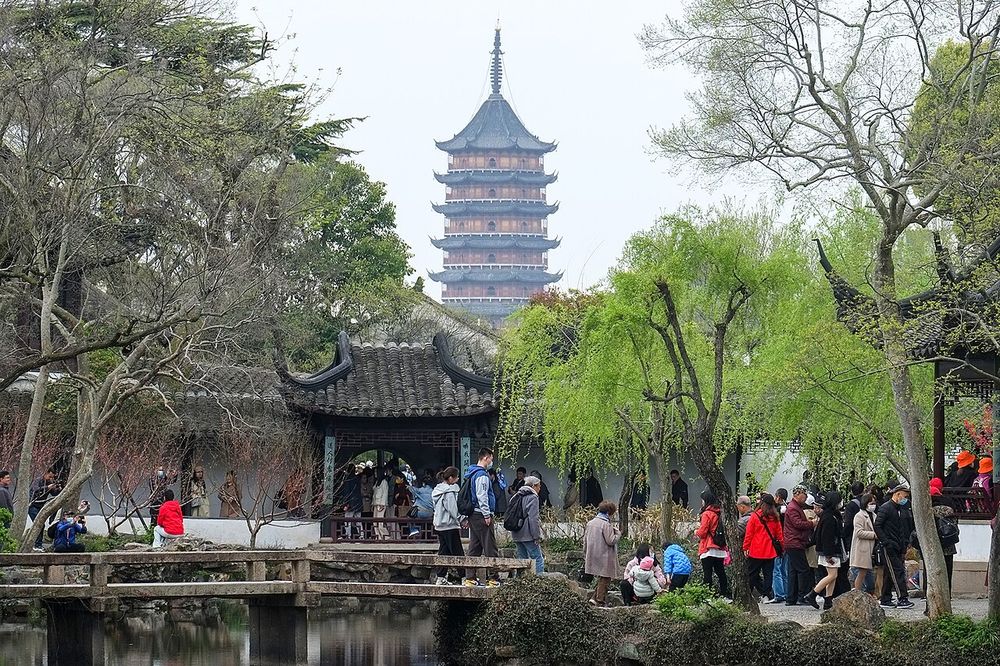
Look west along the water. Above the trees rises a nine-storey pagoda. It is the North Temple Pagoda, about a kilometre away and outside the wall, but from here it seems to stand in the garden. Garden makers call this borrowing a view.
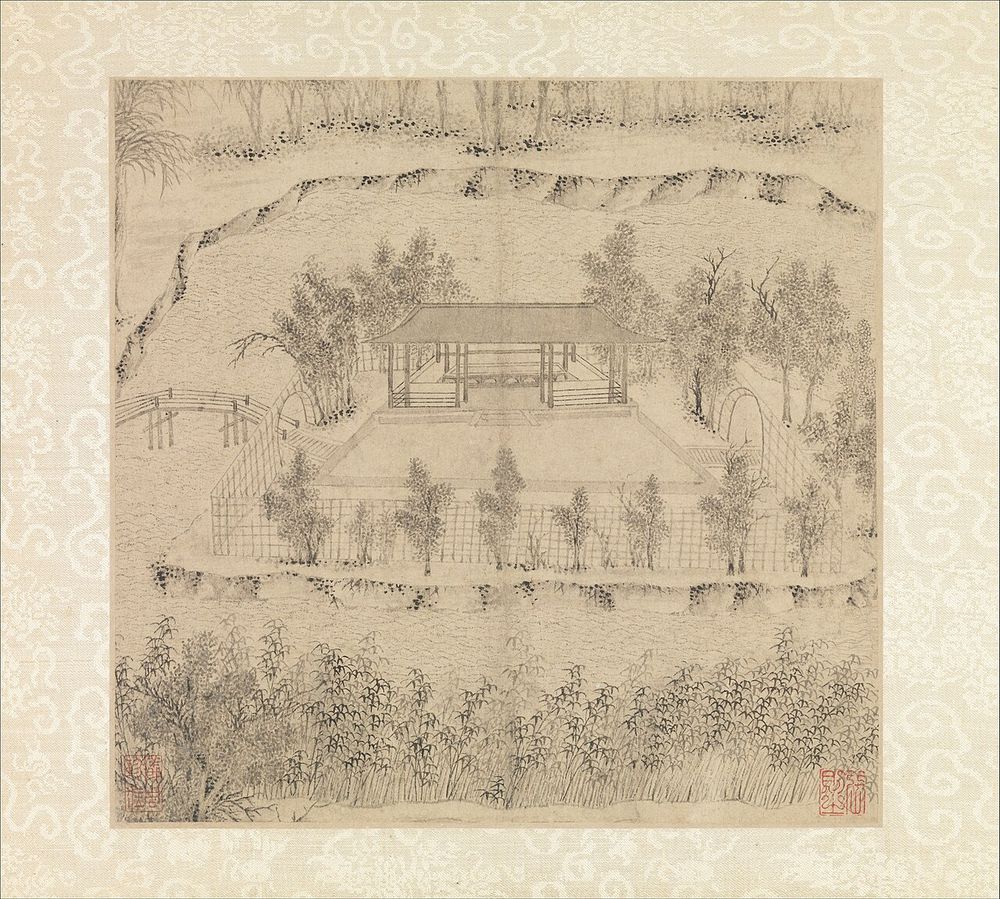
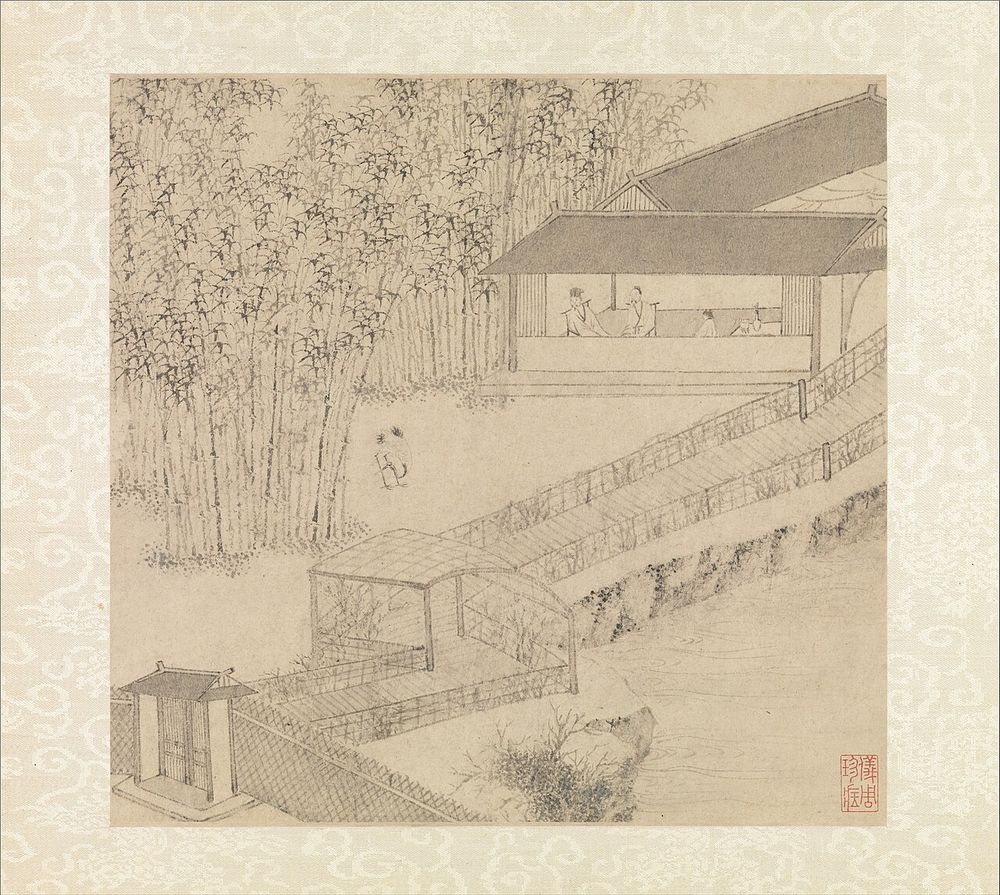
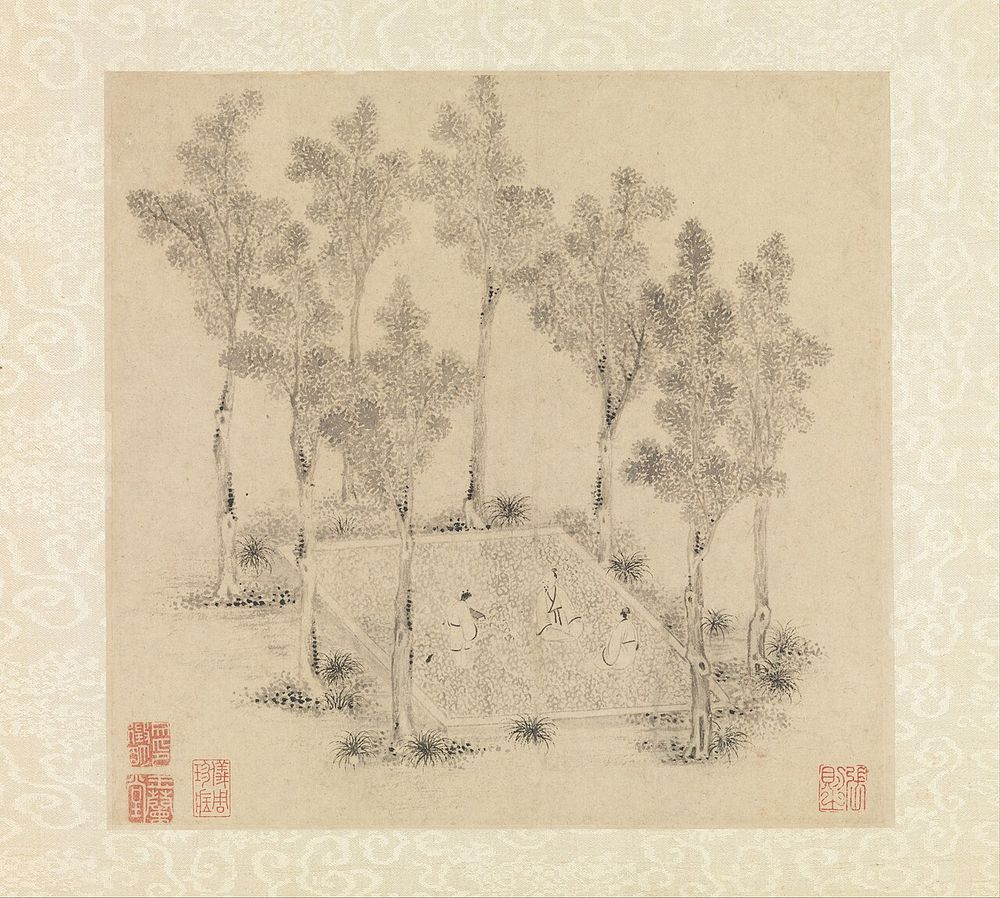
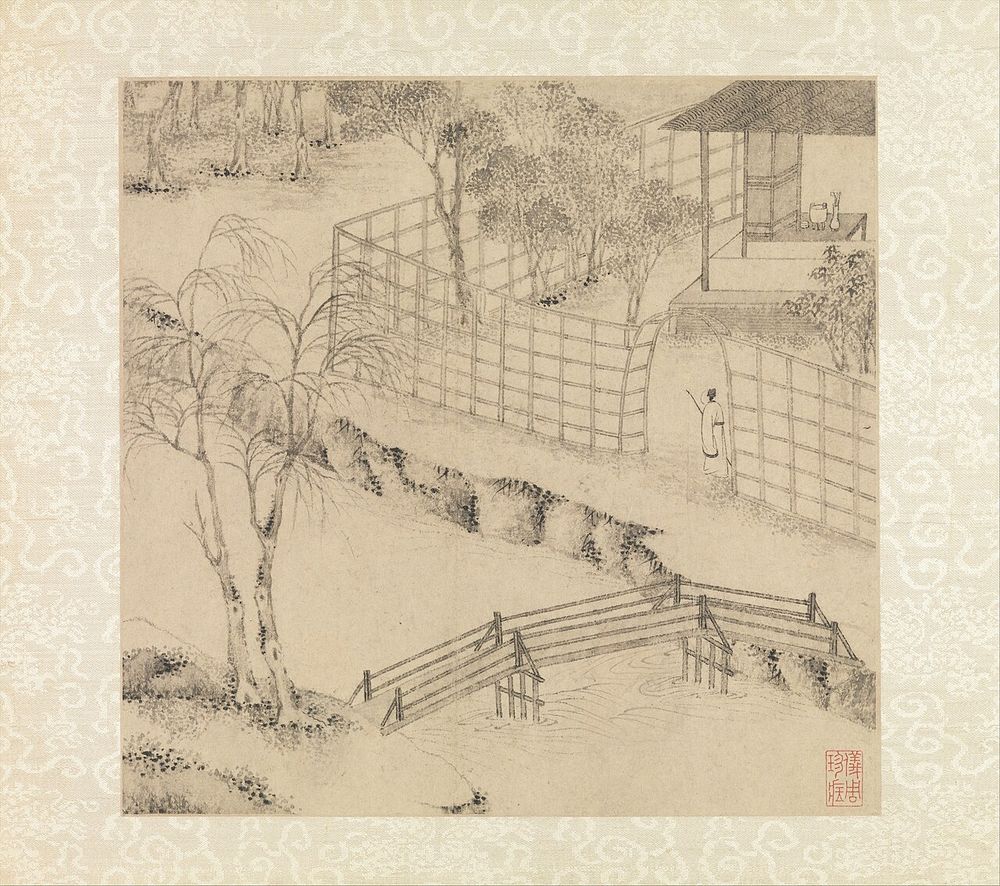
Nothing here is in a straight line. Paths bend, corridors climb and fall, and every few steps a window or a gate frames a new picture. Wen Zhengming, the painter who was Wang Xianchen's friend, counted thirty-one views in 1533 and painted every one.
Wen Zhengming, album of the garden, 1551, leaf aWen Zhengming, Public domain
Wang's son, the story goes, lost the garden in one night at the gambling table. After that it was split three ways. The east part became the Dwelling on Return to the Fields, the west became the Supplementary Garden of a Qing merchant, and the centre passed through officials, a Taiping prince and a provincial guild. Only in 1952 were the three parts joined again and opened to the public.
Things people often get wrong
"Humble Administrator means the owner was modest." It means the opposite: a proud man saying that a clumsy official like him is good only for growing vegetables.
灌园鬻蔬,以供朝夕之膳……此亦拙者之为政也
I water my garden and sell my vegetables to pay for my meals... this too is the government of a clumsy man
Pan Yue, Rhapsody on Living in Idleness, 3rd century
"It is all Ming." The plan of water and islands goes back to the Ming, but most buildings you see are Qing, many rebuilt in the nineteenth century, and the east garden was largely laid out again in the 1950s.
"It is one of the Four Great Gardens because it is the oldest." It is called one of China's four great gardens with the Lingering Garden, the Summer Palace and the Chengde Mountain Resort, for its quality, not its age. The Canglang Pavilion is older.
People who stood here
We searched Chinese sources first for this list, then English ones.
Wang Xianchen (Ming censor, builder of the garden)He was jailed and demoted more than once for offending powerful eunuchs, and came home to build. He took the name Huaiyu, "rain in the locust trees".
Wen Zhengming (painter and calligrapher, 1470–1559)He is said to have helped plan the garden. He painted its thirty-one views in 1533 with a poem for each, and wrote its record. Next door, in the Suzhou Museum, a wisteria said to be planted by him still flowers.
Wang Xinyi (Ming official and landscape painter)In 1631 he bought the overgrown east part and made it his Dwelling on Return to the Fields, finished in 1635.
Xu Can (poet, 17th century)Wife of the official Chen Zhilin, who owned the garden in the early Qing (1644–1912). She was one of the finest women poets of her age, and her poems carry the garden's name. In 1658 the family was exiled to the far north-east.
Li Xiucheng (Taiping general, the Loyal King)In 1860 the Taiping army took Suzhou, and his palace took in the garden. Its rooms next door are now part of the Suzhou Museum.
Zhang Lüqian (Qing merchant)In 1877 he bought the west part and made it his Supplementary Garden, building the hall of Thirty-Six Pairs of Mandarin Ducks. He loved Kunqu opera, and the hall was made to carry sound.
Chen Congzhou (garden scholar, 1918–2000)His short essays On Gardens taught a generation how to read Suzhou gardens: "a garden has views to be looked at while still, and views to be looked at while walking".
Go deeper: eight stops through east, centre and west
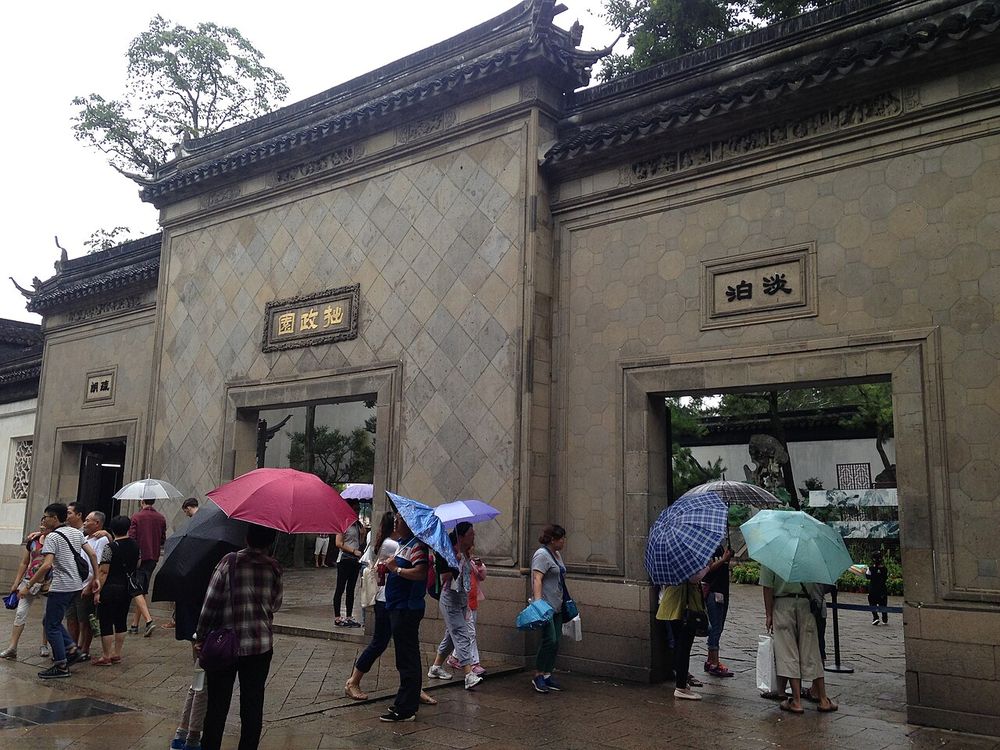
Enter from Dongbei Street. The usual way runs east garden, central garden, west garden, and out through the Garden Museum. Allow two hours, more in lotus season.
1. The east garden: Lanxue Hall
The gate on Dongbei Street on a rainy dayそらみみ (Soramimi), CC BY-SA 4.0
This was Wang Xinyi's Dwelling on Return to the Fields. Its name comes from the poet Tao Yuanming, who left office to farm. The hall is named from a line of Li Bai, "the spring wind scatters orchid and snow".
Most of what you see here, lawns and pine and open water, was laid out again in 1959. Inside the hall a lacquer screen shows the whole garden. Find the pond where you are standing on it.
The Celestial Spring Pavilionkevinmcgill from Den Bosch, Netherlands, CC BY-SA 2.0
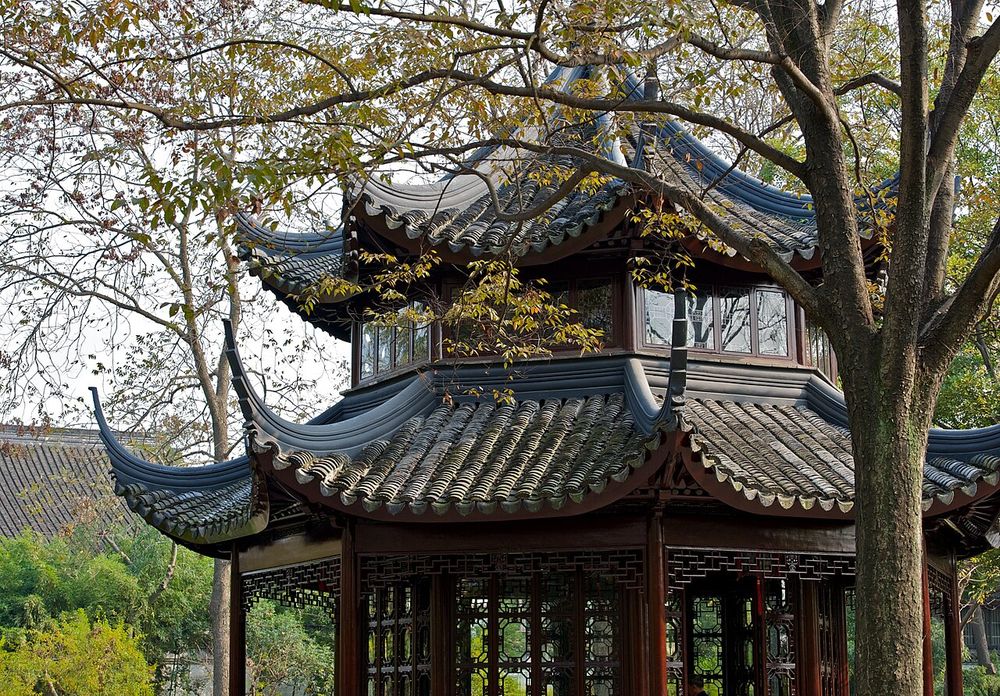
The Celestial Spring Pavilion stands over an old well. Its double roof makes it look like a two-storey building from far off.
2. The Hall of Distant Fragrance
The Hall of Distant FragrancePvt pauline, CC BY-SA 3.0
The main hall of the central garden faces north over the lotus pond. Its name comes from Zhou Dunyi's essay on the lotus: the farther its fragrance goes, the purer it is.
It has windows on all four sides and no inner pillars, so that from the middle you see the garden turning round you like a scroll. This is the view Chen Congzhou called looking while still.
The Lotus Breeze pavilionそらみみ (Soramimi), CC BY-SA 4.0
In front, two islands rise from the water with a pavilion each: the Snow Fragrance and Luxuriant Cloud pavilion for plum blossom, and the Waiting for Frost pavilion, named for tangerines that sweeten only after the first frost.
3. Little Flying Rainbow and the Fragrant Isle
Little Flying Rainbowkevinmcgill from Den Bosch, Netherlands, CC BY-SA 2.0
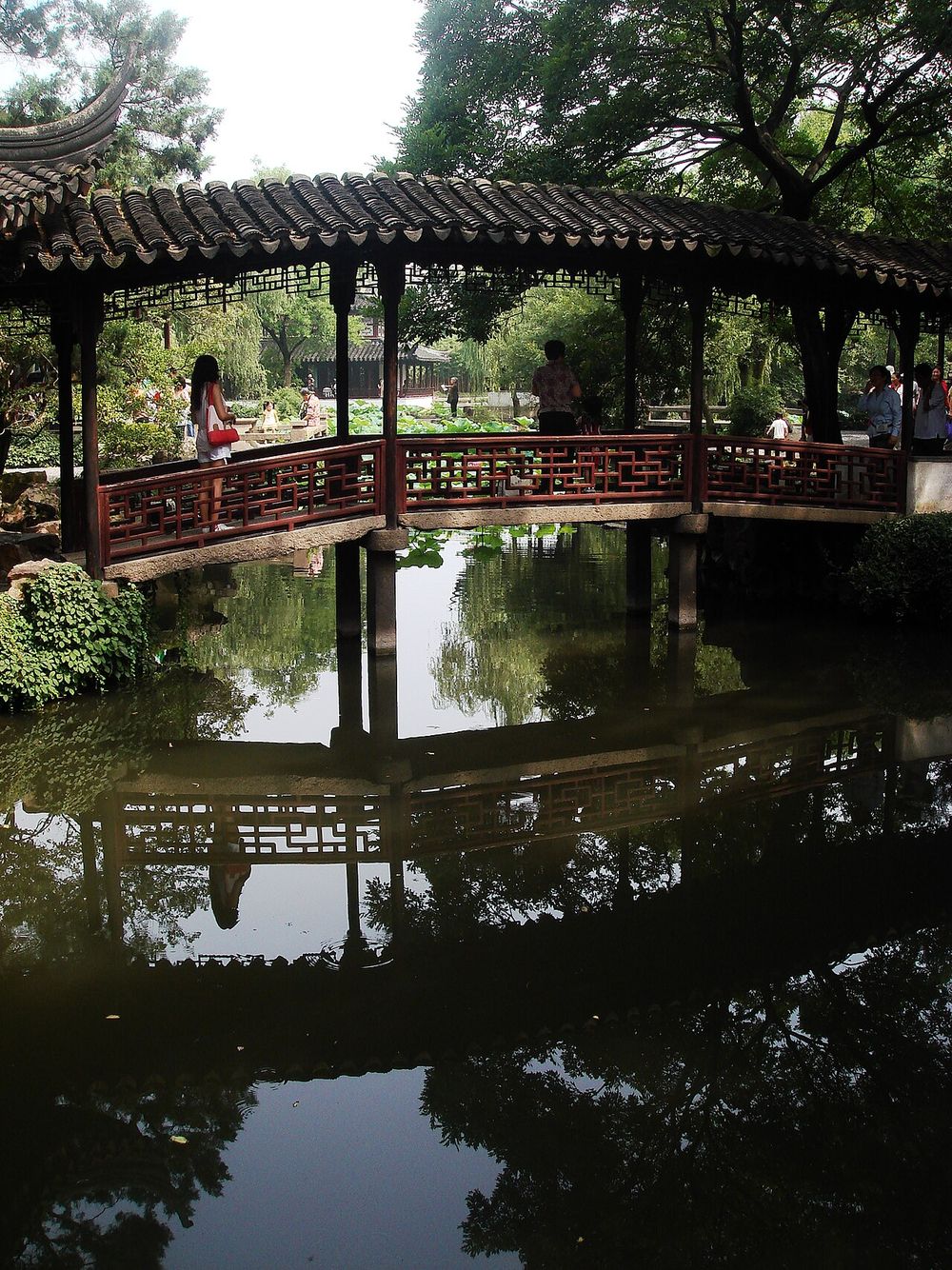
Little Flying Rainbow is a covered bridge of three spans, its roof and red railings reflected in the water. It is often called the only covered bridge in the Suzhou gardens.
The covered bridge from the water's edge韩笃一, Public domain
Beyond it the Fragrant Isle is a stone boat that never sails: a pavilion built like a boat moored at the water's edge. Look into the big mirror inside. It was put there to bring the pond indoors.
4. The Pavilion with Whom to Sit
The Pavilion with Whom to SitLamassu Design Gurdjieff (talk), CC BY-SA 3.0
A small pavilion shaped like an open fan. Its name is a line by Su Shi: "With whom shall I sit? The bright moon, the clear breeze, and I."
Look at the window, the table, the lamp: they are all fan-shaped too. Sit, and the view of the water opens like a fan.
5. The undulating corridor and the Reflection Tower
A gateway in the wall between two gardensそらみみ (Soramimi), CC BY-SA 4.0
Between the central and west gardens runs a wall. Pass through and a corridor rises and falls along the water, as if floating, the whole way to the Reflection Tower at its end.
The Reflection Towerそらみみ (Soramimi), CC BY-SA 4.0
Small window openings in the wall are all different. Count how many shapes you can see.
A pavilion over the water in the west gardenLamassu Design Gurdjieff (talk), CC BY-SA 3.0
6. The Hall of Thirty-Six Pairs of Mandarin Ducks
The Hall of Thirty-Six Pairs of Mandarin Ducks外史公 Liu Runen, CC BY-SA 3.0
The great hall of Zhang Lüqian's Supplementary Garden is two halls back to back: the north half for summer, facing the water where mandarin ducks swim, the south half for winter, facing the camellias.
Its ceiling is curved so that a voice singing Kunqu carries to every corner. Look at the corners of the building, where small rooms were made for the musicians and servants to wait.
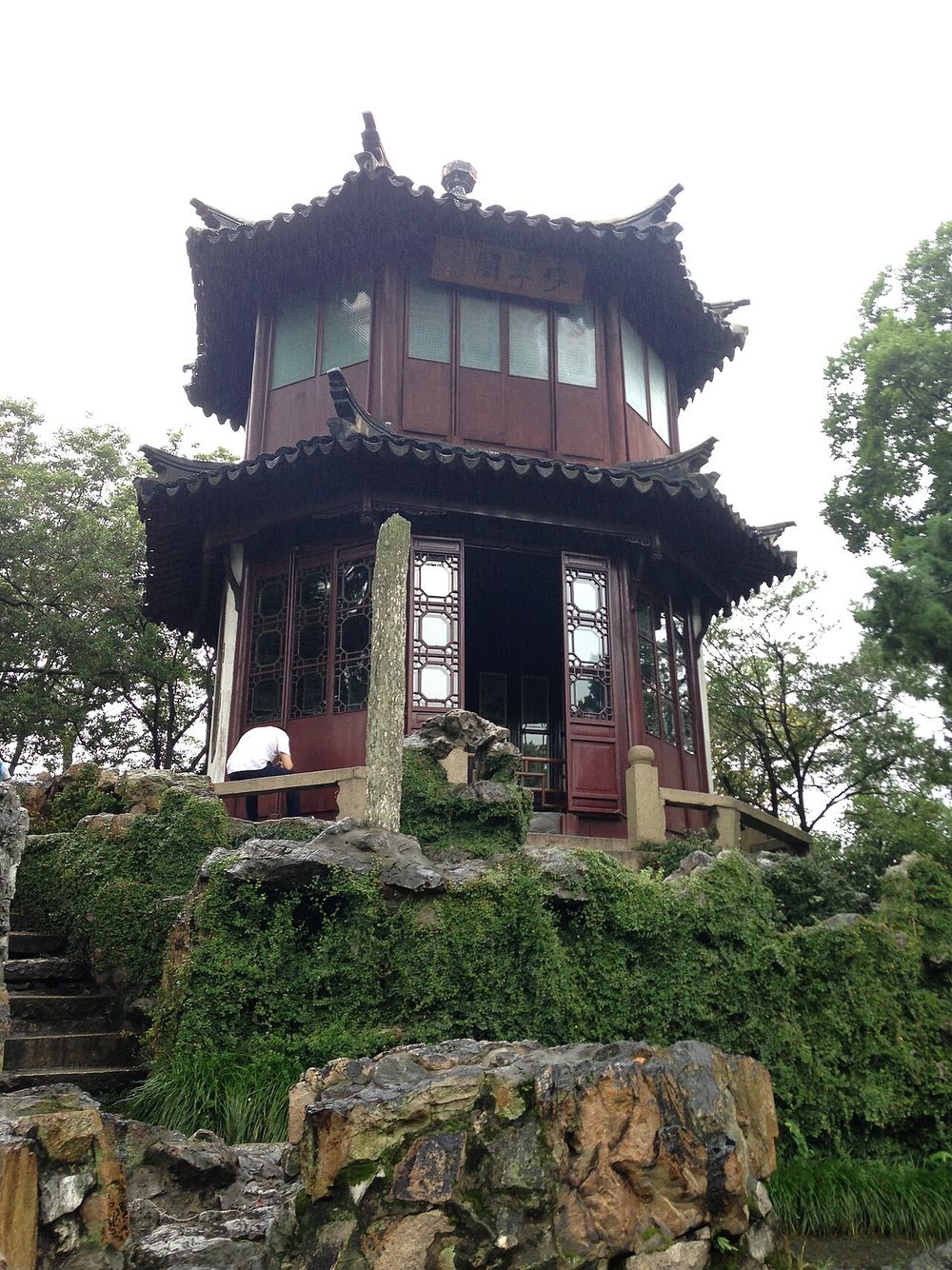
The Floating Green Pavilion on its hillそらみみ (Soramimi), CC BY-SA 4.0
Up on the hill, the Floating Green Pavilion is the highest point of the west garden. Nearby, the Pavilion for Listening to the Rain is named after Li Shangyin: leave the withered lotus, to listen to the rain.
7. The Pavilion of Two Pleasures: borrowing from the neighbours
A pavilion on the hill by the wallkevinmcgill from Den Bosch, Netherlands, CC BY-SA 2.0
On a small hill against the wall stands a pavilion that looks over into the central garden. When the garden was split, the west owner built it to borrow his neighbour's view, and the neighbour could see it too: a pleasure for two.
8. The Garden Museum and the bonsai
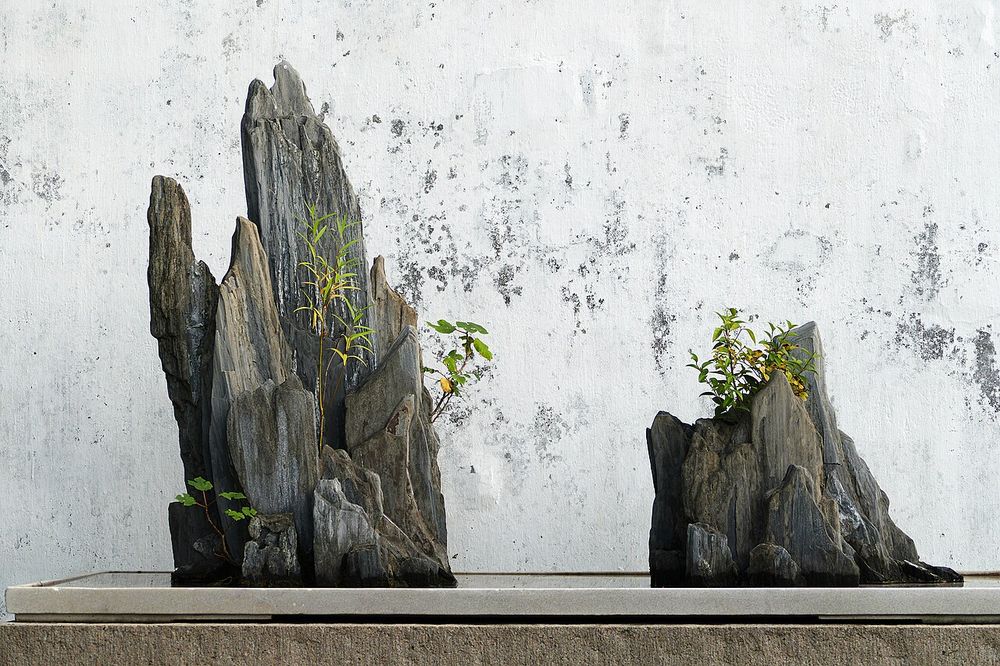
PenjingZossolino, CC BY-SA 4.0
South of the garden, the old residence is now the Suzhou Garden Museum. It explains how a garden is made, from the choosing of rocks to the laying of pebble floors.
In the west there is a garden of penjing, the miniature landscapes of trees and stones in pots that Suzhou is famous for.
The garden and the same years elsewhere
Wang Xianchen began building about 1509, the year Henry VIII became king of England. Wen Zhengming painted the garden in 1533; that year Ivan the Terrible became grand prince of Moscow, aged three. When the garden was joined together again and opened in 1952, the People's Republic was three years old.
Meanwhile in the world
Year
Here
Elsewhere
1509
Wang Xianchen begins the garden (about this year)
Henry VIII becomes king of England
1533
Wen Zhengming paints the thirty-one views
Ivan the Terrible becomes grand prince of Moscow
1635
Wang Xinyi finishes the east garden
The Académie française is founded
1860
The Taiping take Suzhou; the garden joins the Loyal King's palace
Lincoln is elected president
1877
Zhang Lüqian makes the west part his Supplementary Garden
Edison invents the phonograph
1952
The three parts are joined and opened to the public
Elizabeth II comes to the throne
1997
World Heritage
Hong Kong returns to China
One line to remember: a garden named for clumsy government, made with great skill.
Then and now
Lotus in the central garden, 2015Zossolino, CC BY-SA 4.0, Wikimedia CommonsThe central pond in one sweepZossolino, CC BY-SA 4.0, Wikimedia CommonsThe North Temple Pagoda, borrowed into the garden, 2023Windmemories, CC BY-SA 4.0, Wikimedia CommonsHalls by the water in spring, 2023Windmemories, CC BY-SA 4.0, Wikimedia CommonsRocks, trees and water, 2023Windmemories, CC BY-SA 4.0, Wikimedia CommonsA pavilion over the pond, 2024Chainwit., CC BY 4.0, Wikimedia CommonsThe gate on Dongbei Street on a rainy dayそらみみ (Soramimi), CC BY-SA 4.0, Wikimedia CommonsThe Hall of Distant FragrancePvt pauline, CC BY-SA 3.0, Wikimedia CommonsThe Lotus Breeze pavilionそらみみ (Soramimi), CC BY-SA 4.0, Wikimedia CommonsThe Hibiscus Pavilion in the east gardenそらみみ (Soramimi), CC BY-SA 4.0, Wikimedia CommonsLotus leaves by the Waiting for Frost pavilionそらみみ (Soramimi), CC BY-SA 4.0, Wikimedia CommonsThe Celestial Spring Pavilionkevinmcgill from Den Bosch, Netherlands, CC BY-SA 2.0, Wikimedia CommonsLittle Flying Rainbowkevinmcgill from Den Bosch, Netherlands, CC BY-SA 2.0, Wikimedia CommonsThe covered bridge from the water's edge韩笃一, Public domain, Wikimedia CommonsThe Pavilion with Whom to SitLamassu Design Gurdjieff (talk), CC BY-SA 3.0, Wikimedia CommonsA gateway in the wall between two gardensそらみみ (Soramimi), CC BY-SA 4.0, Wikimedia CommonsThe Reflection Towerそらみみ (Soramimi), CC BY-SA 4.0, Wikimedia CommonsA pavilion over the water in the west gardenLamassu Design Gurdjieff (talk), CC BY-SA 3.0, Wikimedia CommonsThe Hall of Thirty-Six Pairs of Mandarin Ducks外史公 Liu Runen, CC BY-SA 3.0, Wikimedia CommonsThe Floating Green Pavilion on its hillそらみみ (Soramimi), CC BY-SA 4.0, Wikimedia CommonsA pavilion on the hill by the wallkevinmcgill from Den Bosch, Netherlands, CC BY-SA 2.0, Wikimedia CommonsA boat moored in the west gardenそらみみ (Soramimi), CC BY-SA 4.0, Wikimedia CommonsA waterside pavilionそらみみ (Soramimi), CC BY-SA 4.0, Wikimedia CommonsA bridge across a streamそらみみ (Soramimi), CC BY-SA 4.0, Wikimedia CommonsBambooそらみみ (Soramimi), CC BY-SA 4.0, Wikimedia CommonsPainted beamskevinmcgill from Den Bosch, Netherlands, CC BY-SA 2.0, Wikimedia CommonsStill water and old trees, 2015Zossolino, CC BY-SA 4.0, Wikimedia CommonsA rockeryAnother Believer, CC BY-SA 4.0, Wikimedia CommonsThe pond in autumn, 2017King of Hearts, CC BY-SA 4.0, Wikimedia CommonsSummer, 2024Yumeto, CC BY-SA 4.0, Wikimedia CommonsThe garden empty of visitors, March 2020Shwangtianyuan, CC BY-SA 4.0, Wikimedia CommonsPenjingZossolino, CC BY-SA 4.0, Wikimedia CommonsWen Zhengming, album of the garden, 1551, leaf aWen Zhengming, Public domain, Wikimedia CommonsWen Zhengming, album of the garden, 1551, leaf cWen Zhengming, Public domain, Wikimedia CommonsWen Zhengming, album of the garden, 1551, leaf hWen Zhengming, Public domain, Wikimedia CommonsWen Zhengming, album of the garden, 1551, leaf bWen Zhengming, Public domain, Wikimedia Commons
Local legends
These are stories people tell about this place. They are legends, not history, and each one says where it comes from.
LegendThe garden lost in a night
Wang Xianchen's son is said to have lost the whole garden to a Mr Xu in a single night of gambling.
Source: Told in Suzhou garden histories; the transfer to the Xu family is recorded, the night of gambling is the story
LegendChen Yuanyuan in the garden
In the early Qing the garden belonged for a time to Wang Yongning, son-in-law of the general Wu Sangui. People say Wu's famous concubine Chen Yuanyuan lived here.
Source: There is no evidence she ever came to Suzhou in those years
Later, people who live here will be able to add the stories they grew up with, and say which of these they have heard.
Not certain, and where accounts conflict
When was the garden begun?
Sources say "early in the Zhengde years". 1509 is the year most often given; others give 1510 or 1513.
How big is the "real" garden?
The whole site is usually given as about 78 mu, some five hectares. The central and west gardens that keep the old plan are less than half of that; the east garden was largely remade in the 1950s.
Checked 2026-11-12 Suzhou Municipal Administration of Gardens. Tickets are sold through its WeChat account, 苏州园林旅游, not on this site.
Tickets and hours
80 yuan in April, May and July to October; 70 yuan in January to March, June, November and December.
March to October 7:30–17:30, last entry 17:00. November to February 7:30–17:00, last entry 16:30. Open later on some holidays.
The evening tour Zhuozheng Wenya runs Tuesday to Sunday from 18:30, in small groups with Kunqu in the garden; it has its own ticket.
Last checked 2026-11-12. Suzhou Municipal Administration of Gardens, published prices and opening hours; travel reports of 2026.
Booking without WeChat
International booking platform International travel sites such as Trip.com sell the same timed tickets with a passport, for a little more.
WeChat or Alipay Tickets are sold only in advance, for a date and a time, through the "苏州园林旅游" (Suzhou Garden Tourism) WeChat account. Choose passport as the document and enter the number exactly; show the same passport at the gate.
Ticket window on site Since 2019 there are no tickets at the gate.
Note Book a few days ahead in spring, in the lotus season and in holidays, when tickets sell out.
Checked 2026-11-12
Where to start
Metro Line 6 to Zhuozhengyuan Subo station; the gate is on Dongbei Street.
Come at opening time, or late in the afternoon, to avoid the tour groups.
The Suzhou Museum by I. M. Pei and the Lion Grove Garden are a few minutes' walk away.
Before you go
Bring your passport itself; a photo of it is not accepted at the gate.
Chinese payment apps are the easy way to pay in Suzhou; Alipay and WeChat Pay now accept many foreign cards.
The lotus is best from late June to August; the azaleas in spring.
Customs and manners
Paths and bridges are narrow. Do not stop on a bridge for long photographs when people are waiting.
Do not climb on rocks or lean on carved railings.
Read the boards over the doors: every name is a line of poetry, and Chinese visitors will often read them aloud.
Opening hours are given in the local time of the place. Prices are in the local currency. The figure after ≈ is approximate, at exchange rates checked on 9 November 2026, in .
Look for these
From the east end of the central pond, find the North Temple Pagoda.
Count the shapes of the windows in the west garden wall.
In the Pavilion with Whom to Sit, find four fan shapes.
In the Fragrant Isle, find the mirror.
Compare one of Wen Zhengming's leaves with what is in front of you.
In autumn, look for withered lotus and listen for rain.
I am here
Stand at the site, sign in, press the button, and collect its stamp. Your browser will ask to use your location. It is sent to us once to confirm that you are at the site; we keep how far you were from it, not the spot where you stood.
Your stamps are saved to your account, so they follow you to any device. Checking from a browser cannot rule out every false location; stricter checks arrive with the app.
Messages
Share your photos
Photos here show the place, not people. Each one is credited to the visitor who took it and appears after our team has looked at it. A photo with you in it belongs under “I am here”.