LegendThe dragon of the spring
As at Black Dragon Pool, people say a dragon lives in the Jiuding spring and keeps the water flowing, and the temples by the spring were built to honour it.
Source: A belief shared across the Lijiang plain
Lijiang, Yunnan, China
束河 · Shùhé
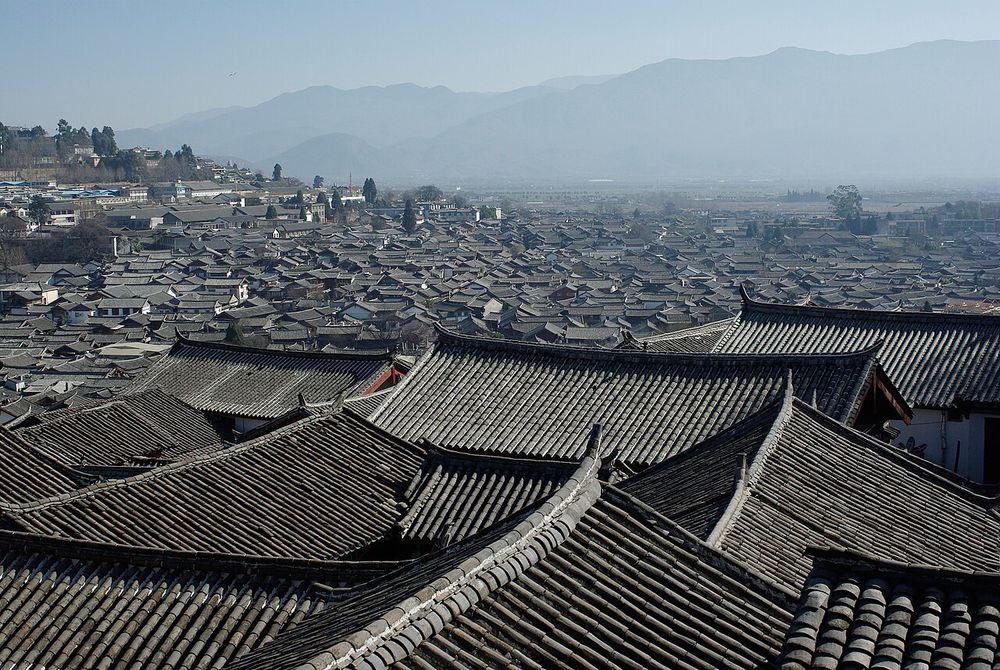
A Naxi village four kilometres north-west of Lijiang's old town, built where a clear spring comes out under a hill. It was a stop on the tea and horse roads to Tibet and a village of leather workers. Its stone Qinglong Bridge was put up by the Mu chiefs in the Wanli years of the Ming.
Photo: Xiaoding413, CC0, Wikimedia Commons
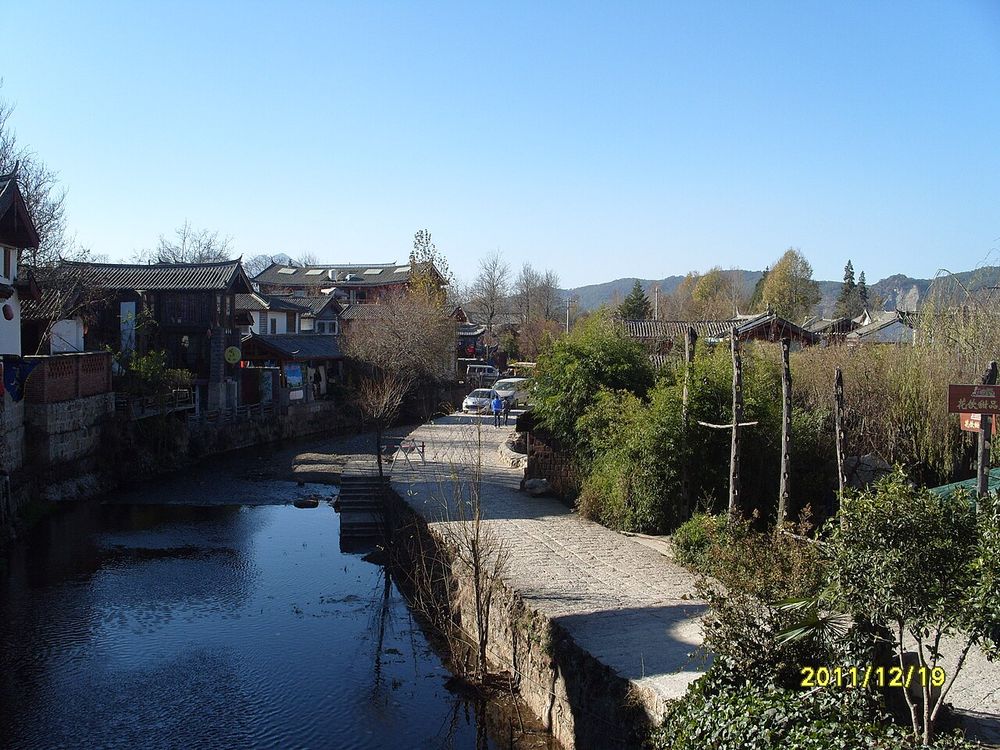
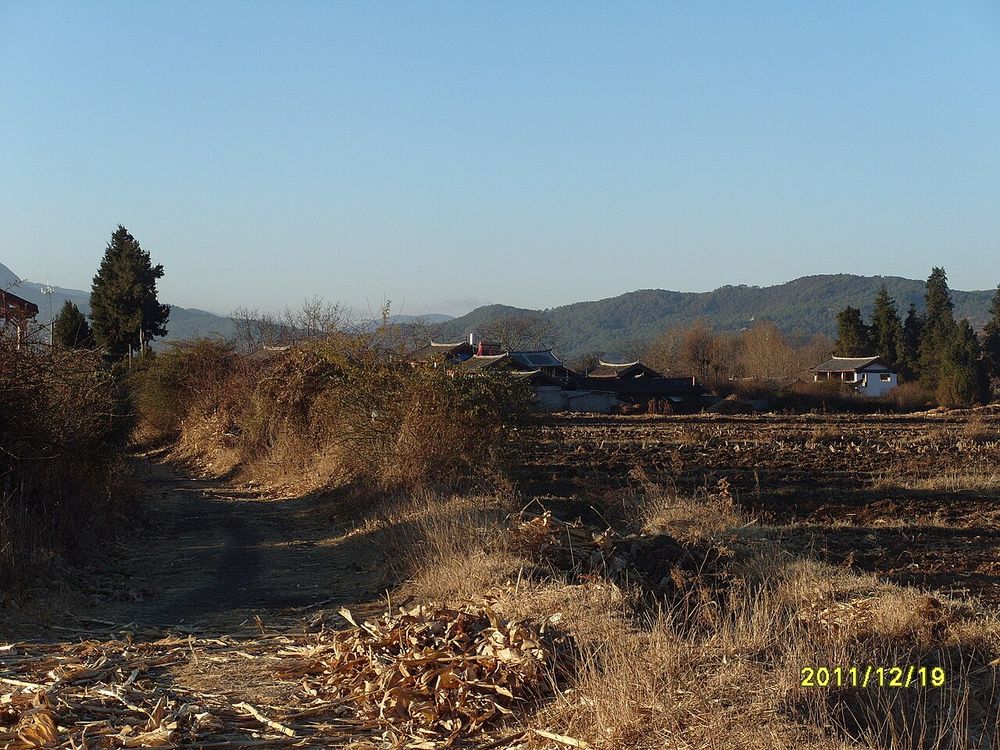
Shuhe lies under Jubao Hill, where the Jiuding Dragon Pool spring rises and runs through the village in clear channels. Its Naxi name is usually given as Shaowu, the village under the high peak. It is one of the three parts of the Old Town of Lijiang on the World Heritage list, with Dayan and Baisha.
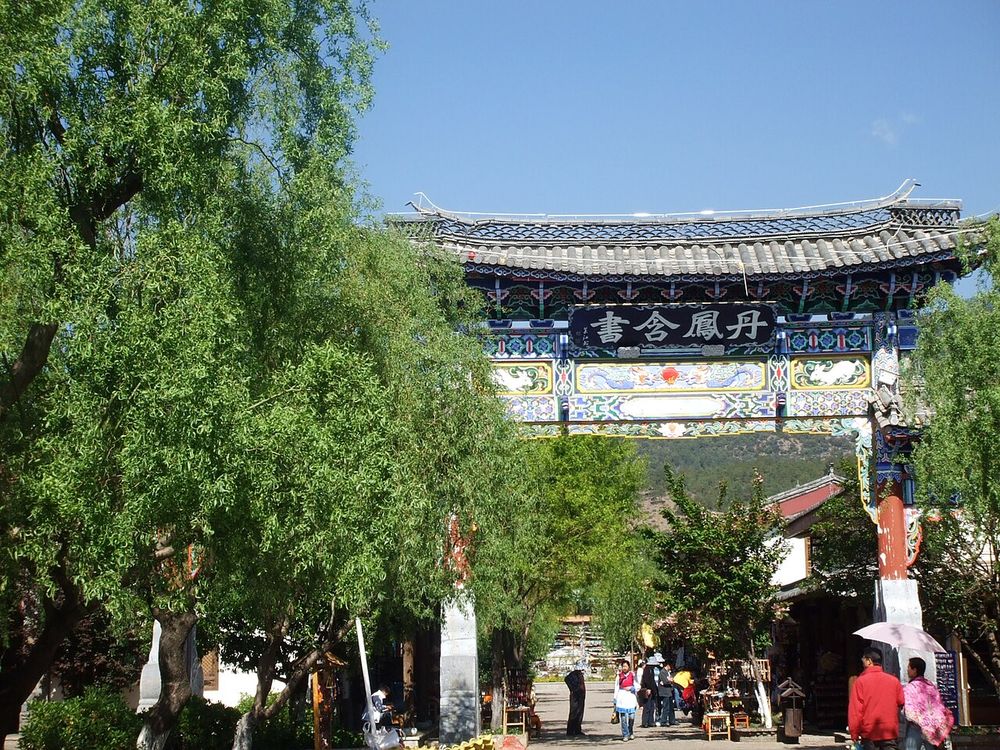
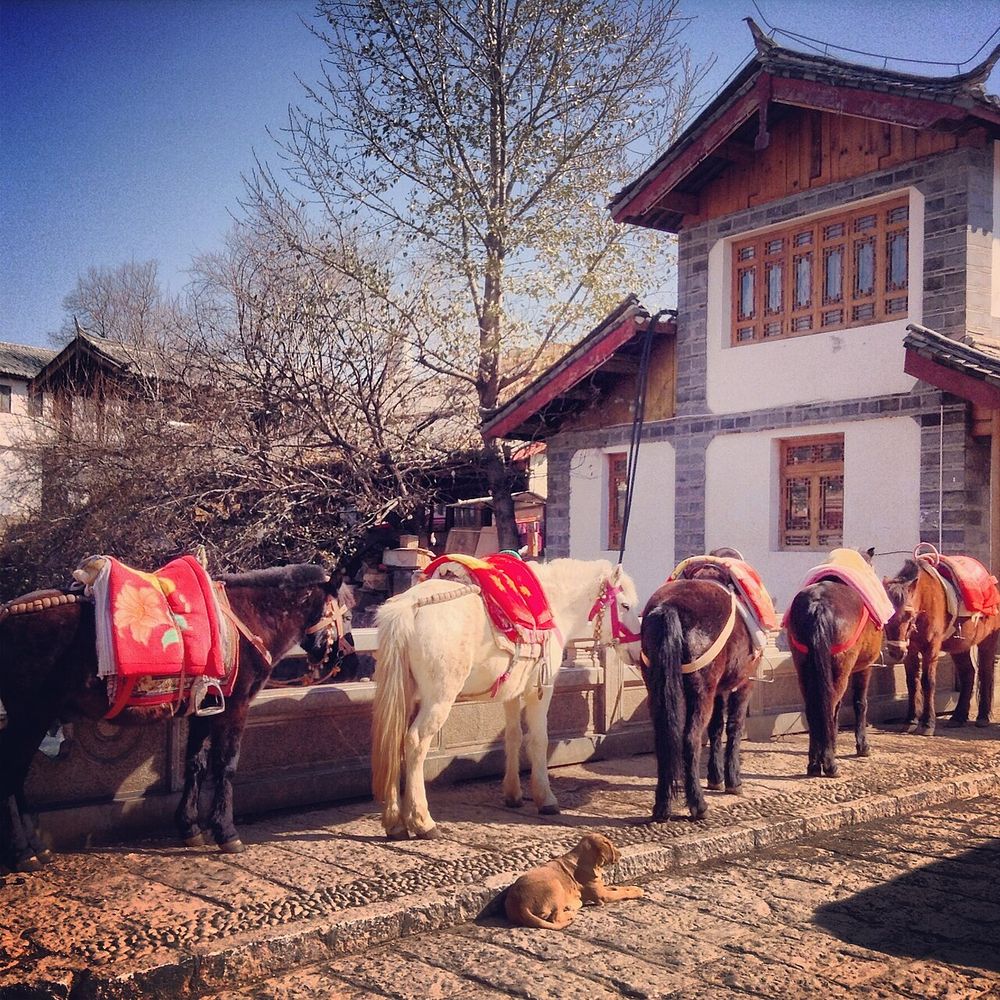
Caravans on the tea and horse roads, carrying tea from Yunnan to Tibet and bringing back horses and wool, rested here. Shuhe's men were famous leather workers, making saddles, harness and boots for the caravans. Its small market square, like the one in Dayan, is called Sifang Street.
Part of Old Town of Lijiang. Also there: Black Dragon Pool, Mu Mansion, Baisha.
Shuhe is free and open all day. Some temples and small museums inside may charge.
| Part | Ticket |
|---|---|
| The old square and Qinglong Bridge | Free |
| Longquan Temple and the Hall of the Three Sages | Free or small fee |
| Jiuding Dragon Pool | Free |
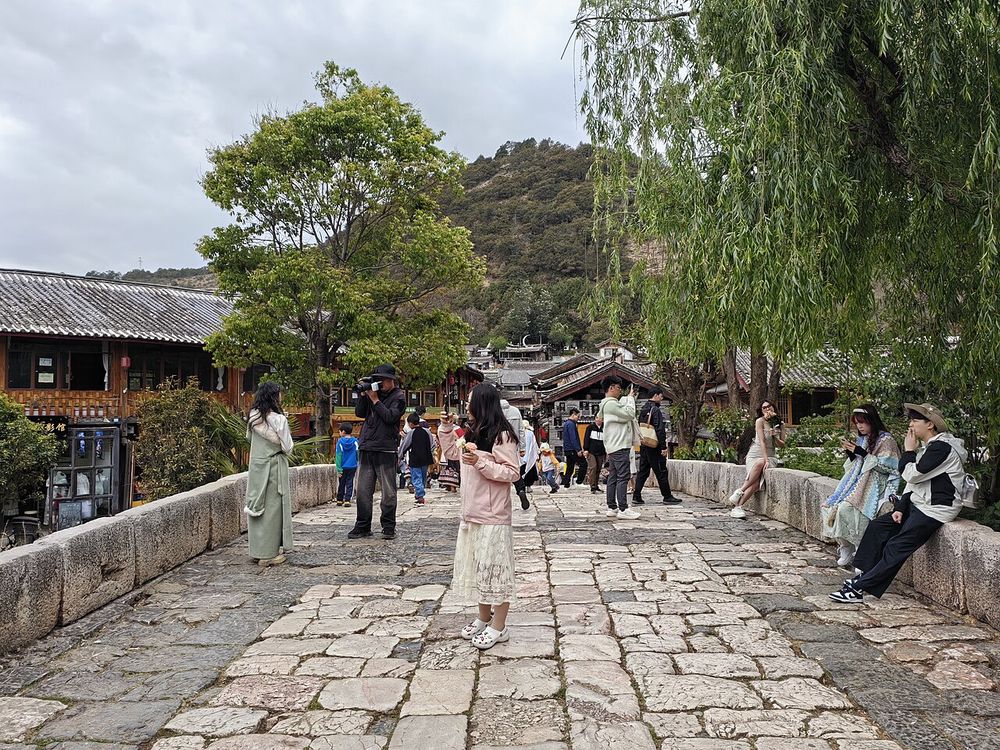
This single stone arch over the Qinglong River was built by the Mu chiefs in the Wanli years (1573–1620) and is often called the largest old stone bridge in the Lijiang area. Its steps are worn smooth by four centuries of feet and hooves.
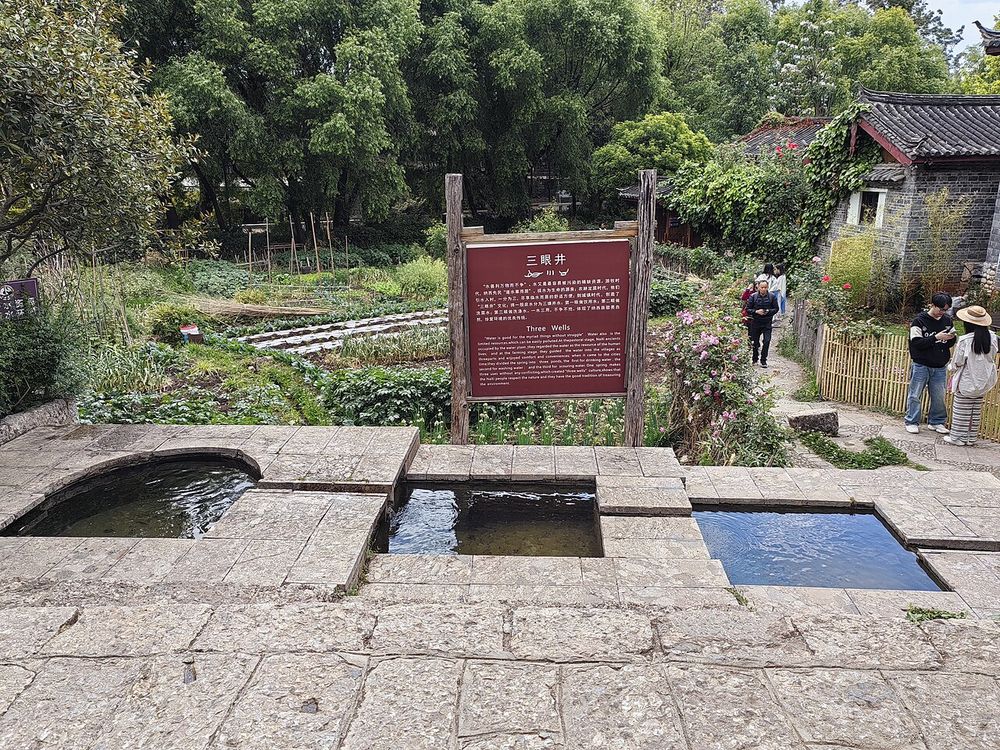
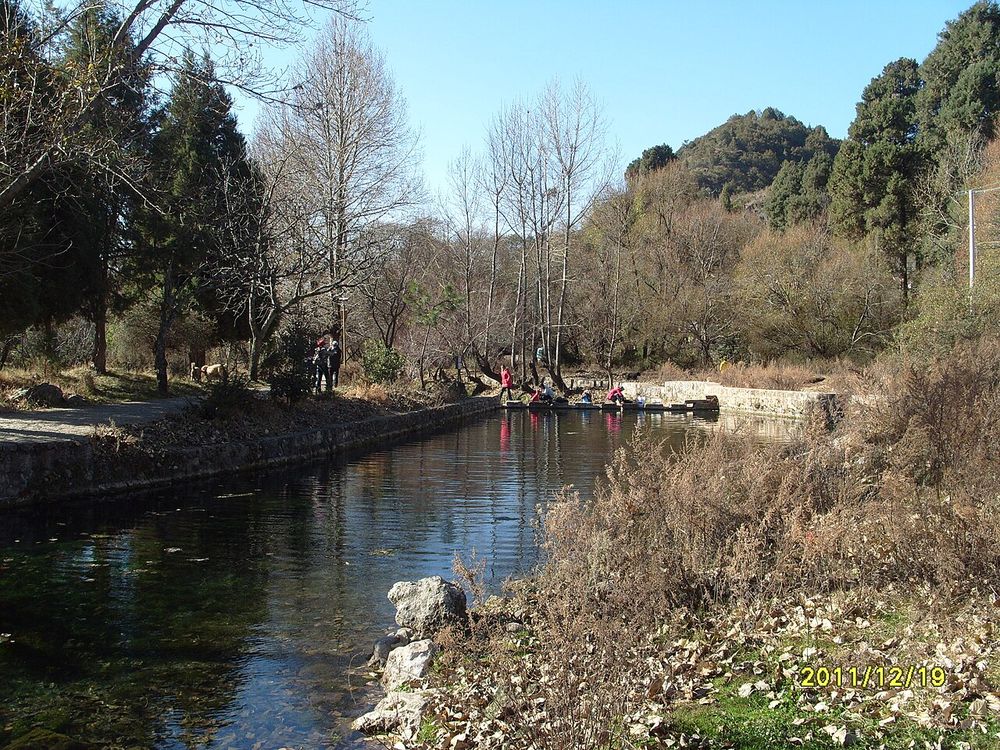
Look down at the water. In Shuhe, as in Dayan, the people kept three pools for each spring: the first for drinking, the second for washing vegetables, the third for washing clothes. Find the three-eyed well.
"Shuhe is a quiet, untouched village." Since the early 2000s a large new town of shops and inns has been built around the old village. Walk north past the bridge to find the older, quieter part.
"The Tea Horse Road was one road." It was a network of mule and horse tracks between Yunnan, Sichuan and Tibet.
We searched Chinese sources first for this list, then English ones.
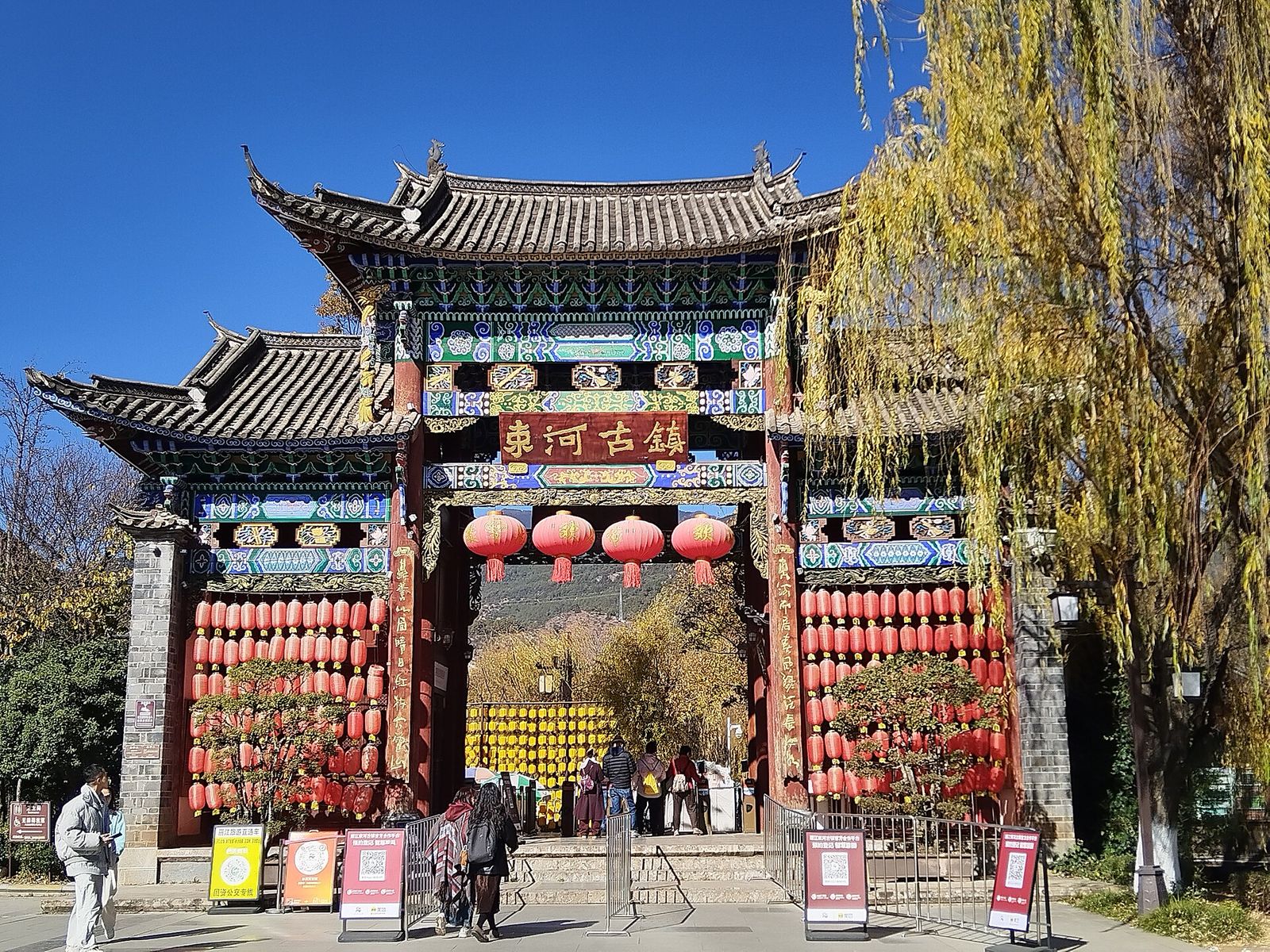
Enter from the arch at the east, walk up through the new town to the old square and the bridge, and on to the spring. Two hours.
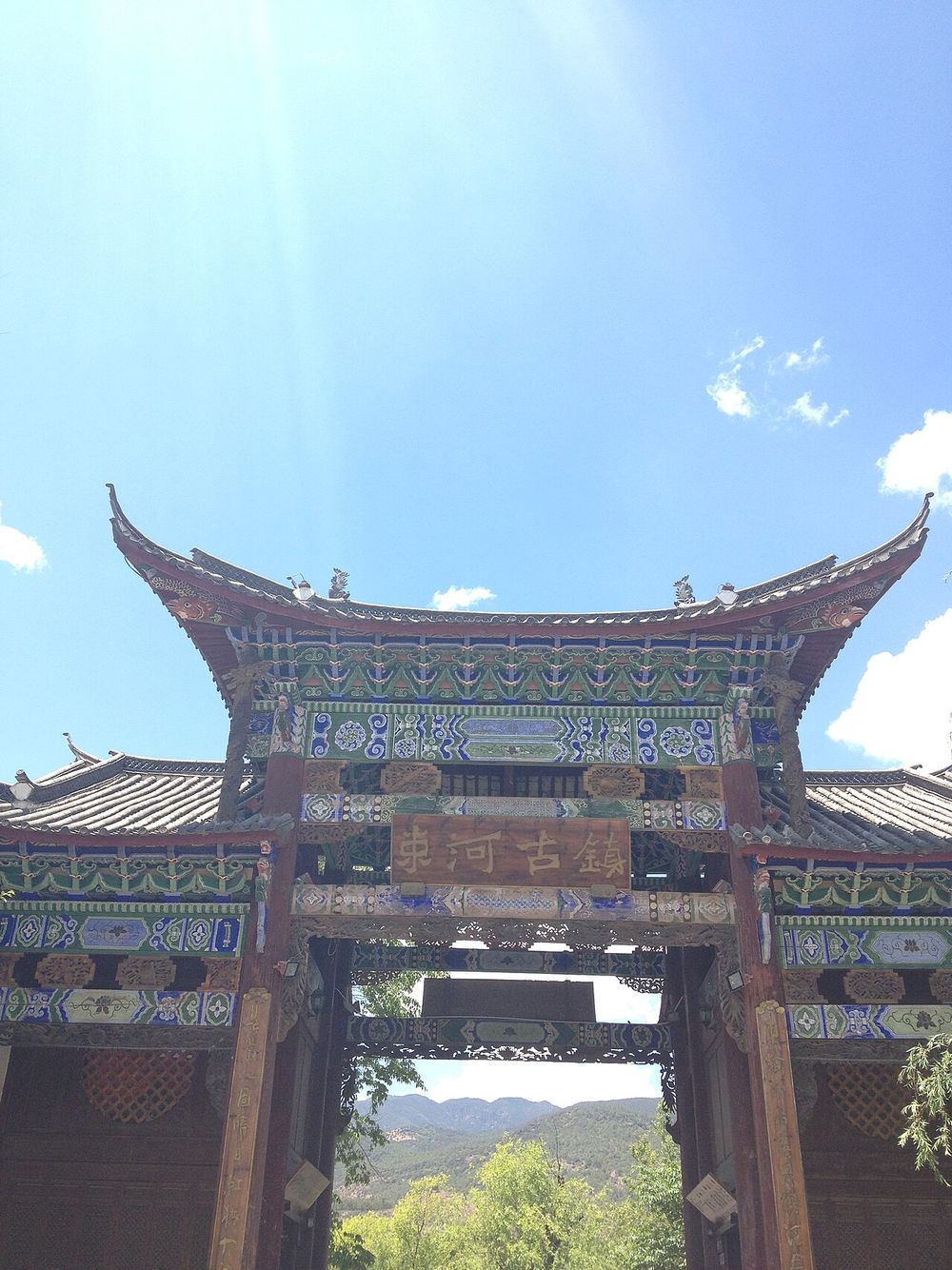
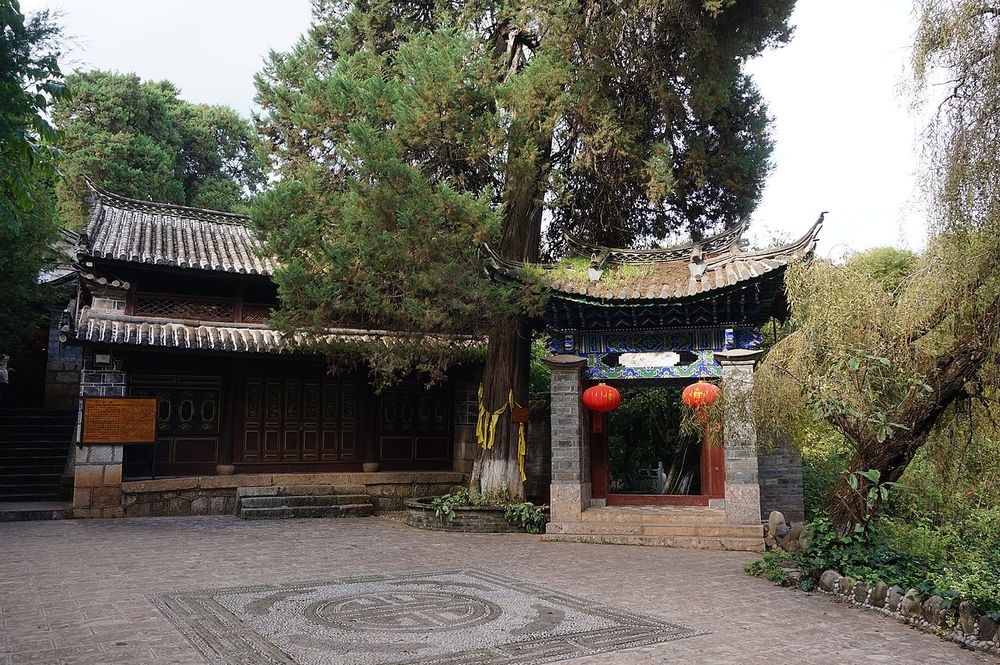
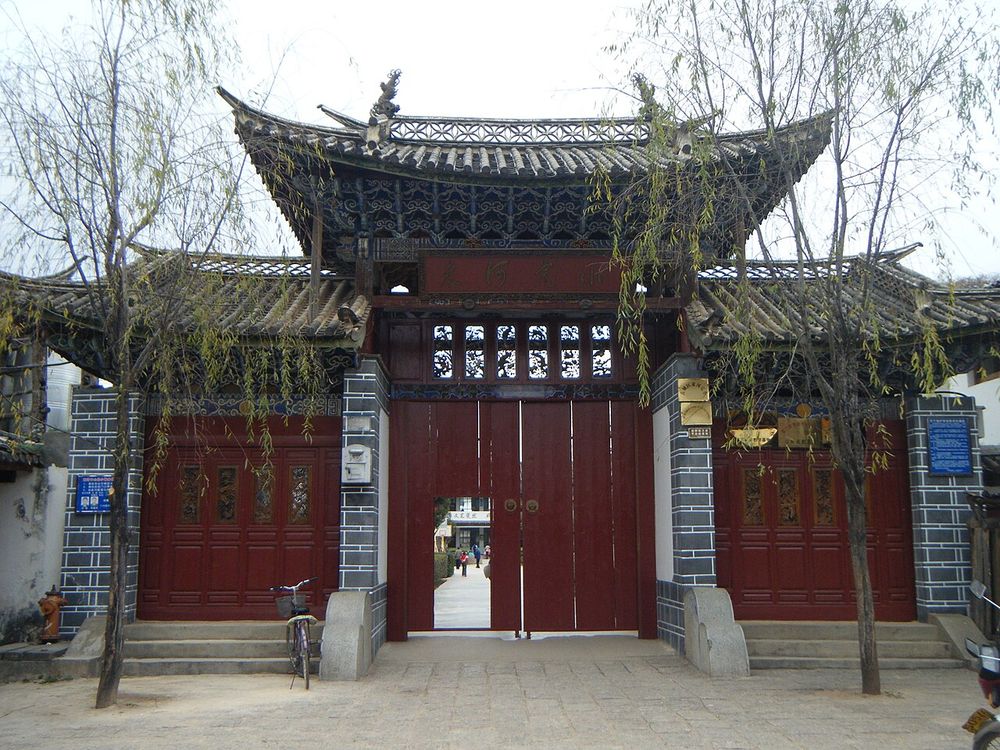
The painted arch at the entrance is modern, like the streets just inside. Keep walking; the old village is ahead.
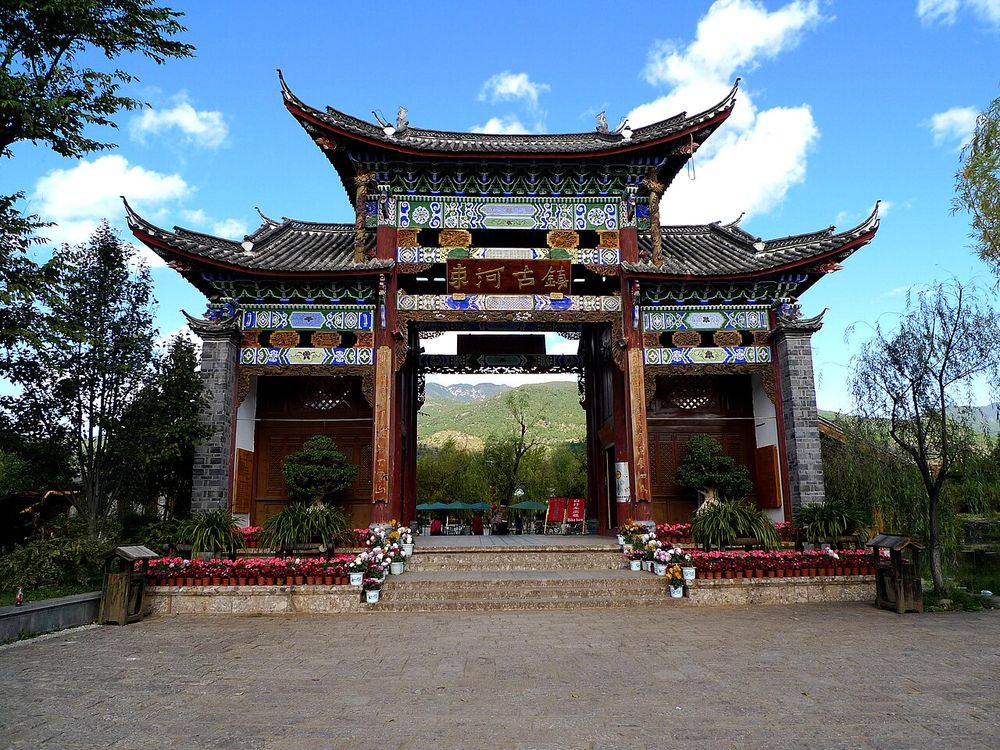
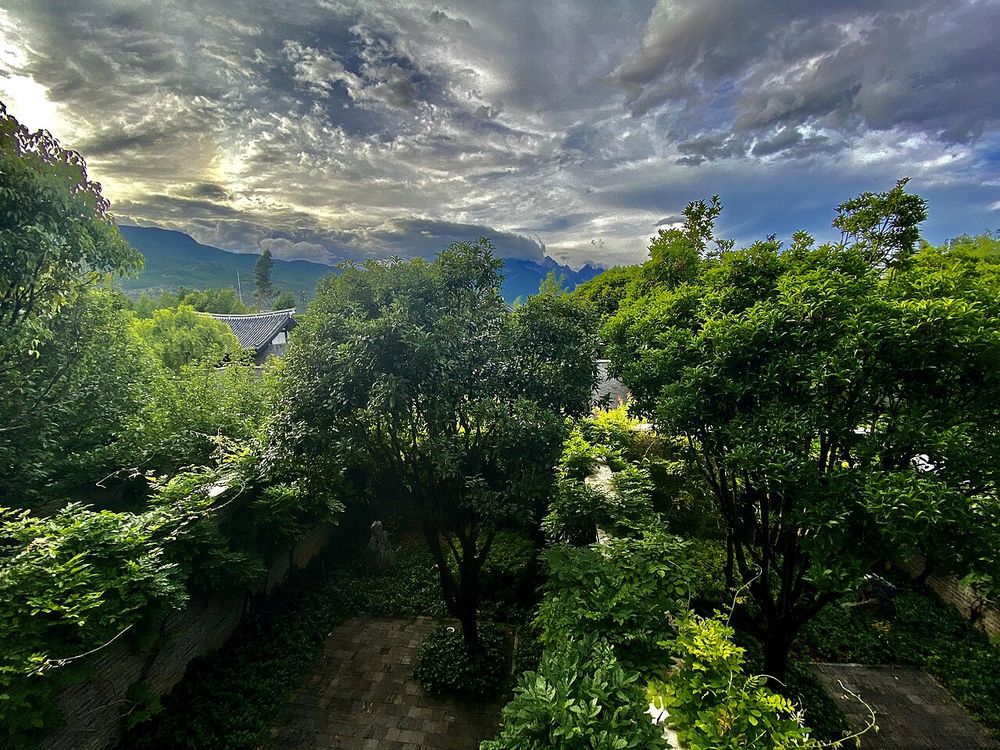
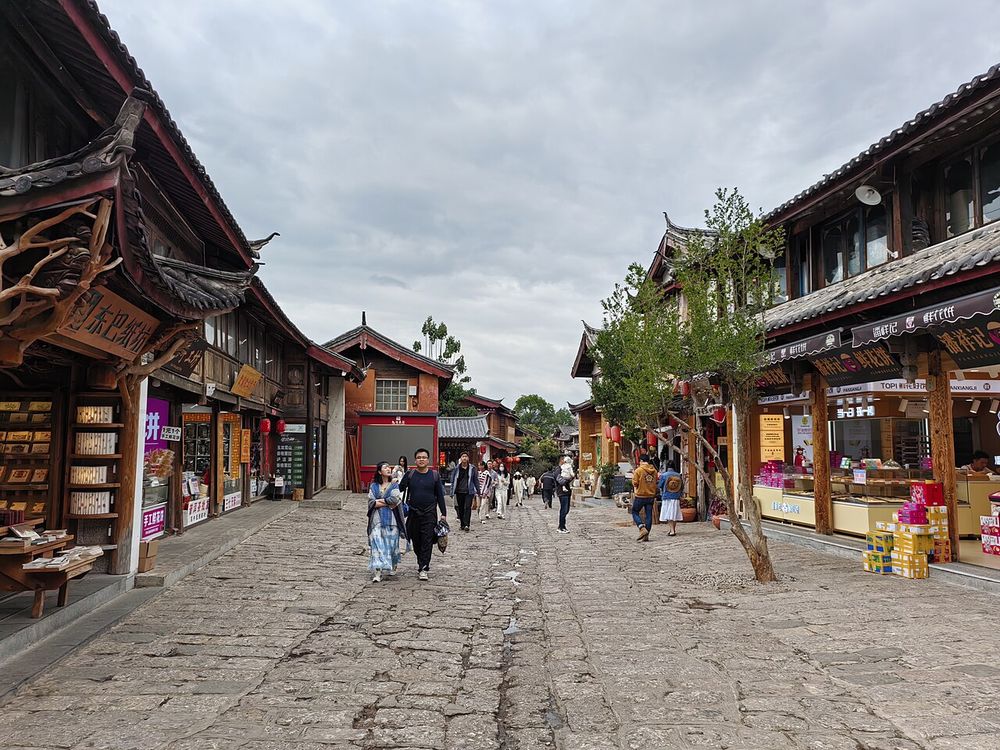
The old square where caravans once traded. Around it, shops sell leather goods, the old craft of the village.
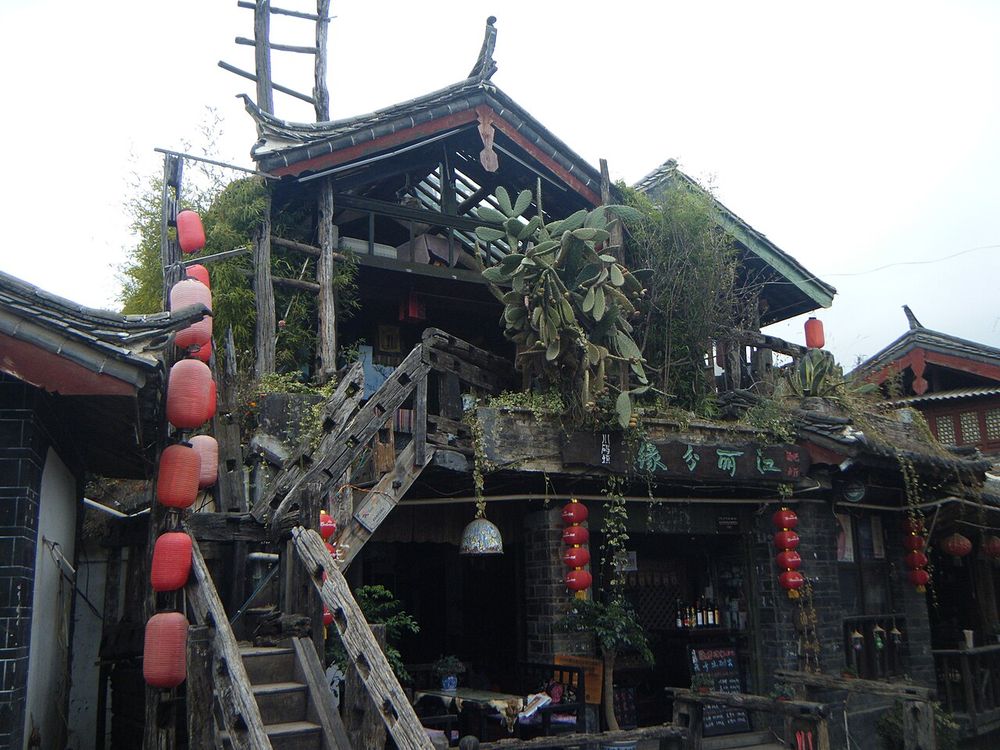
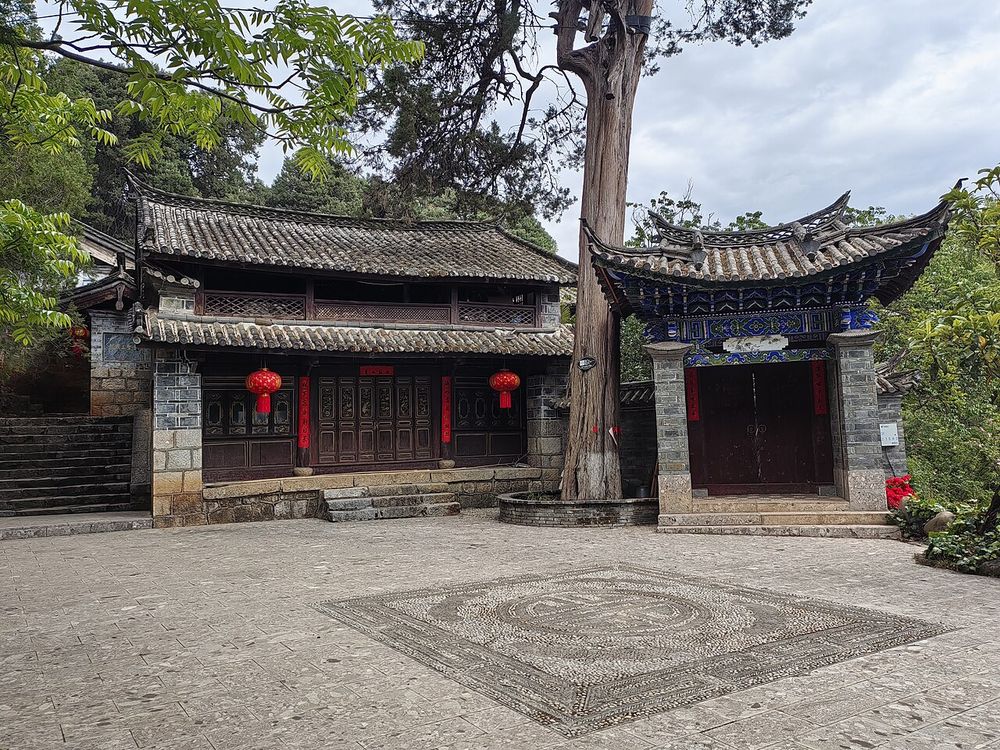
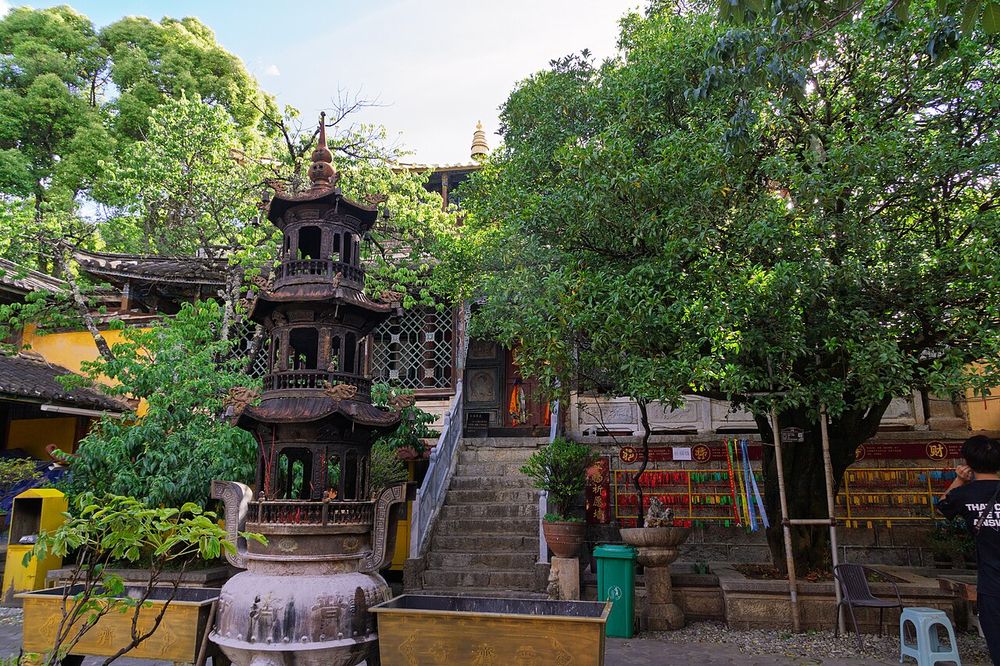
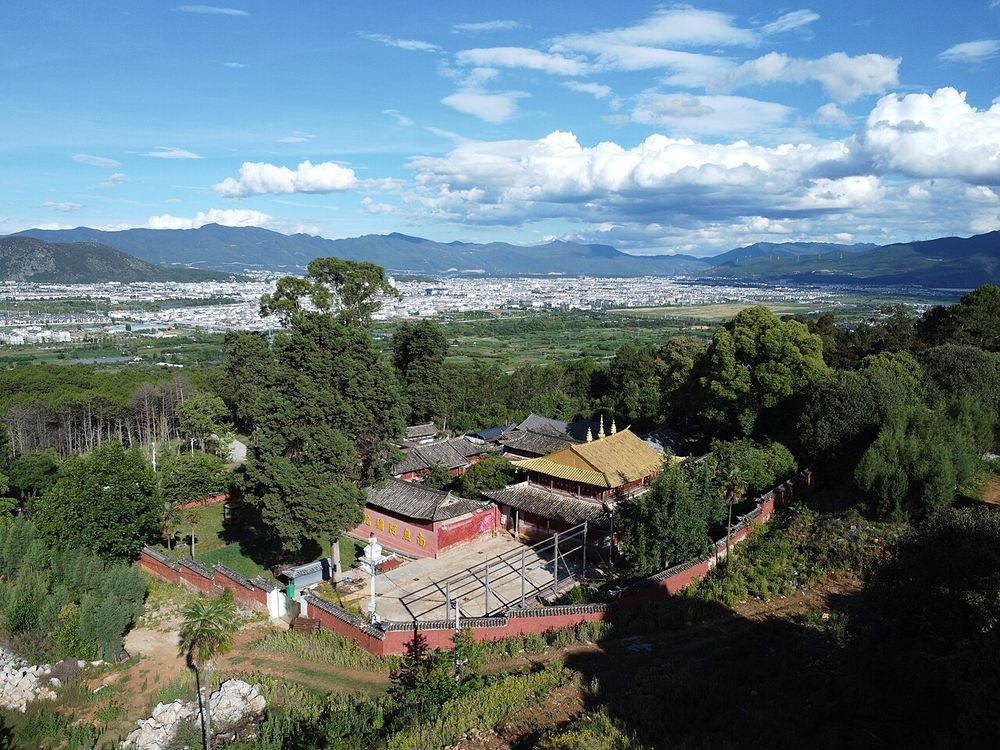
At the north of the village, by the springs, stand the Longquan Temple and the Hall of the Three Sages, Ming and Qing temples of the Mu family's time.
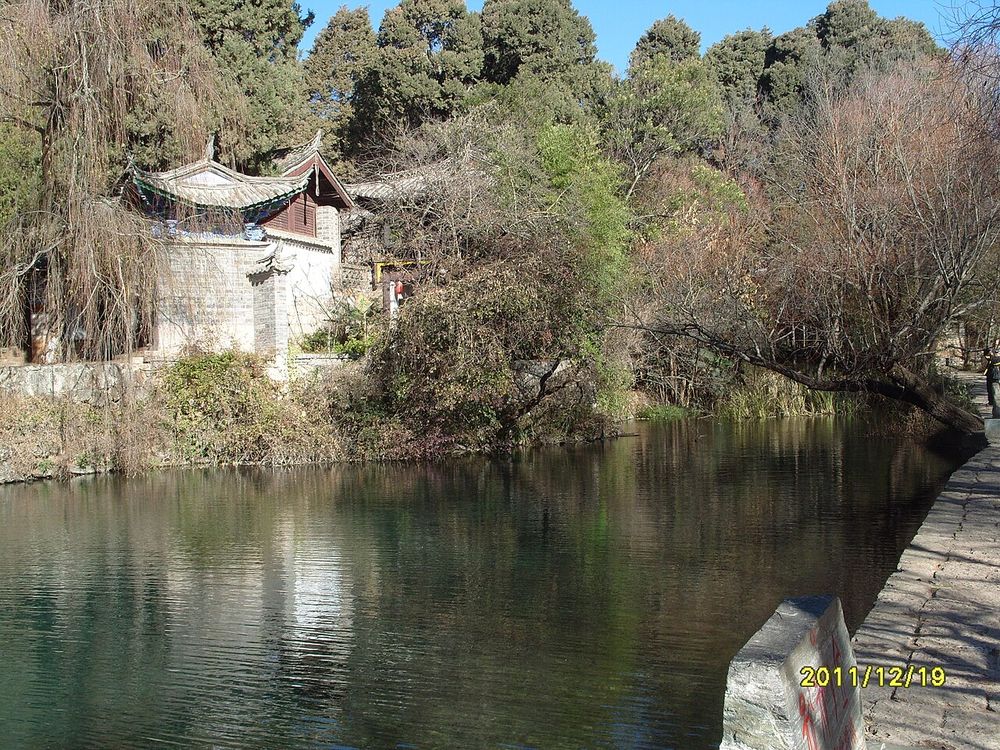
The spring under the hill, the beginning of Shuhe's water. Its clear pool feeds the channels you followed through the village.
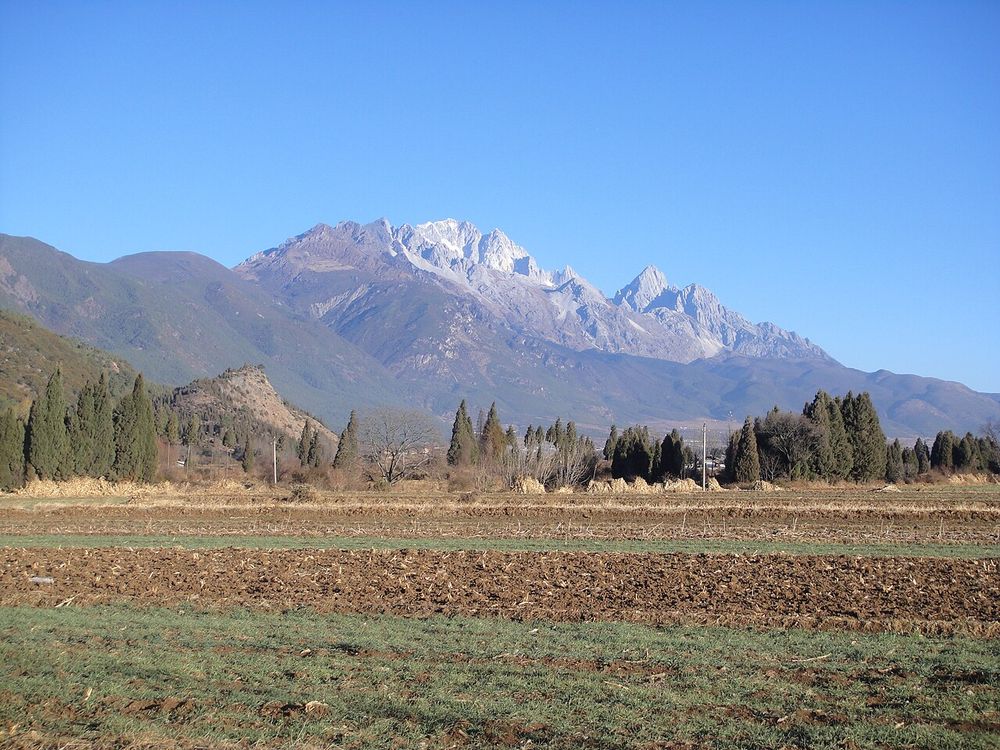
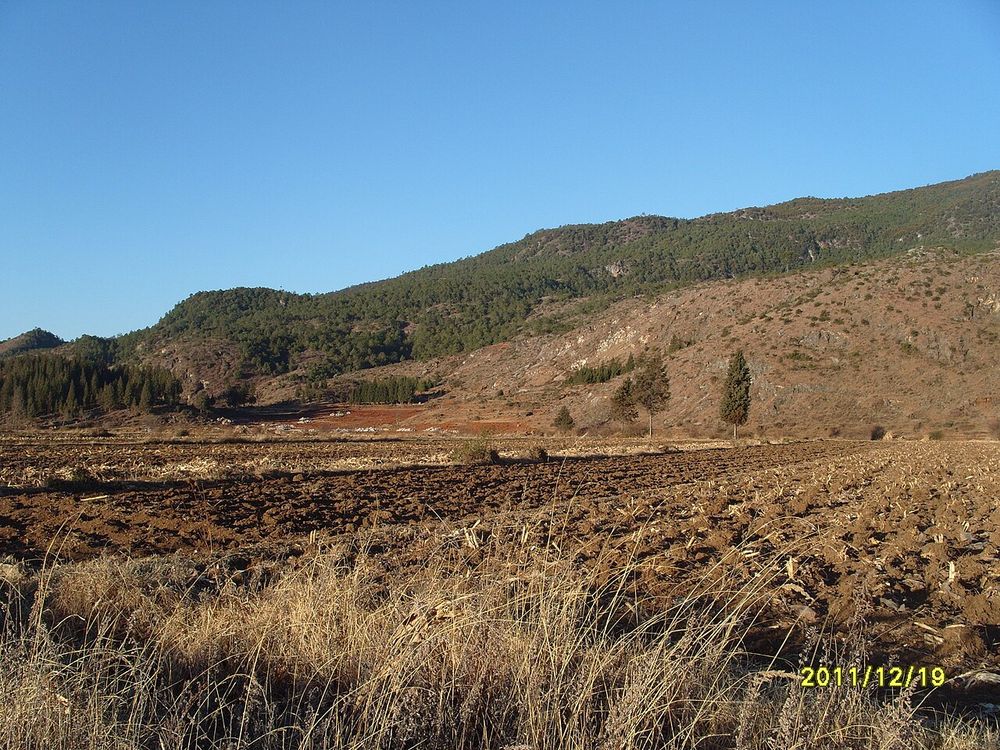
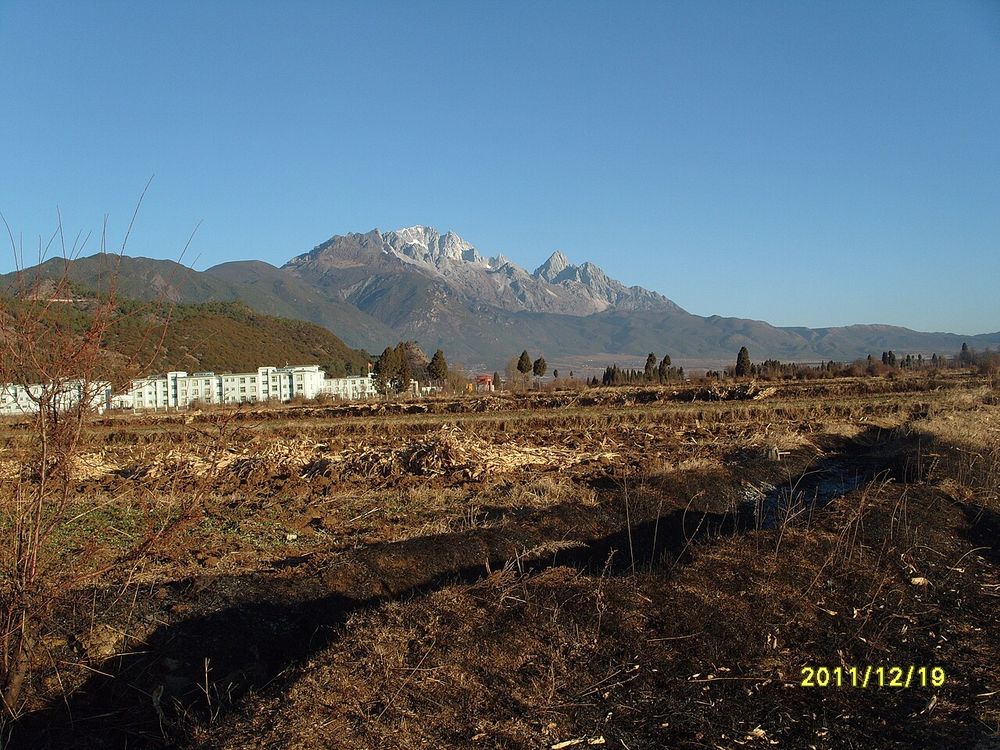
Walk out of the village to the east and the fields open toward Jade Dragon Snow Mountain. In winter they are bare and gold, and the peak stands white above them.
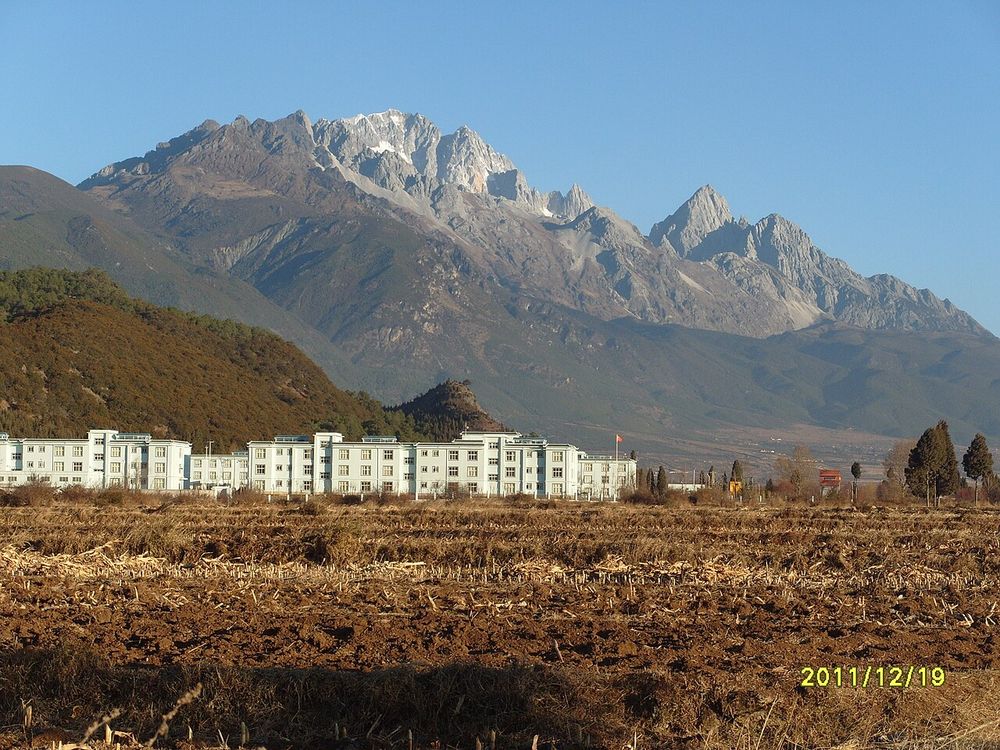
The Qinglong Bridge was built in the Wanli years, when the Jesuit Matteo Ricci reached Beijing in 1601.
| Year | Here | Elsewhere |
|---|---|---|
| 1601 | The Qinglong Bridge stands by these years | Matteo Ricci reaches Beijing |
| 1941 | Peter Goullart arrives in Lijiang | Pearl Harbor |
| 1997 | Shuhe is listed with the Old Town of Lijiang | Hong Kong returns to China |
One line to remember: a spring, a bridge and the bells of the caravans.
These are stories people tell about this place. They are legends, not history, and each one says where it comes from.
As at Black Dragon Pool, people say a dragon lives in the Jiuding spring and keeps the water flowing, and the temples by the spring were built to honour it.
Source: A belief shared across the Lijiang plain
Later, people who live here will be able to add the stories they grew up with, and say which of these they have heard.
Last checked 2026-11-12. Travel reports of 2026 (free entry, open all day).
Checked 2026-11-12
Opening hours are given in the local time of the place.
Stand at the site, sign in, press the button, and collect its stamp. Your browser will ask to use your location. It is sent to us once to confirm that you are at the site; we keep how far you were from it, not the spot where you stood.
Your stamps are saved to your account, so they follow you to any device. Checking from a browser cannot rule out every false location; stricter checks arrive with the app.
Photos here show the place, not people. Each one is credited to the visitor who took it and appears after our team has looked at it. A photo with you in it belongs under “I am here”.