LegendWhy Lijiang has no wall
People say the Mu would not build a city wall, because the character for their name, 木, inside a square wall, 口, makes 困: trapped.
Source: A favourite Lijiang story; historians give other reasons, such as trade
Lijiang, Yunnan, China
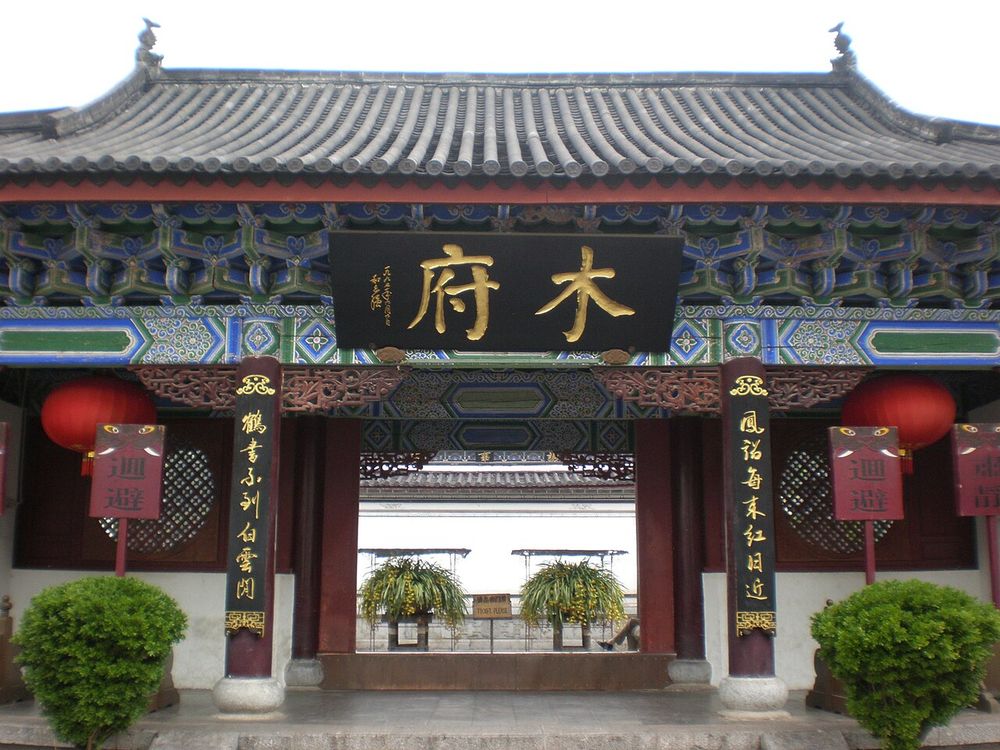
木府 · Mù Fǔ
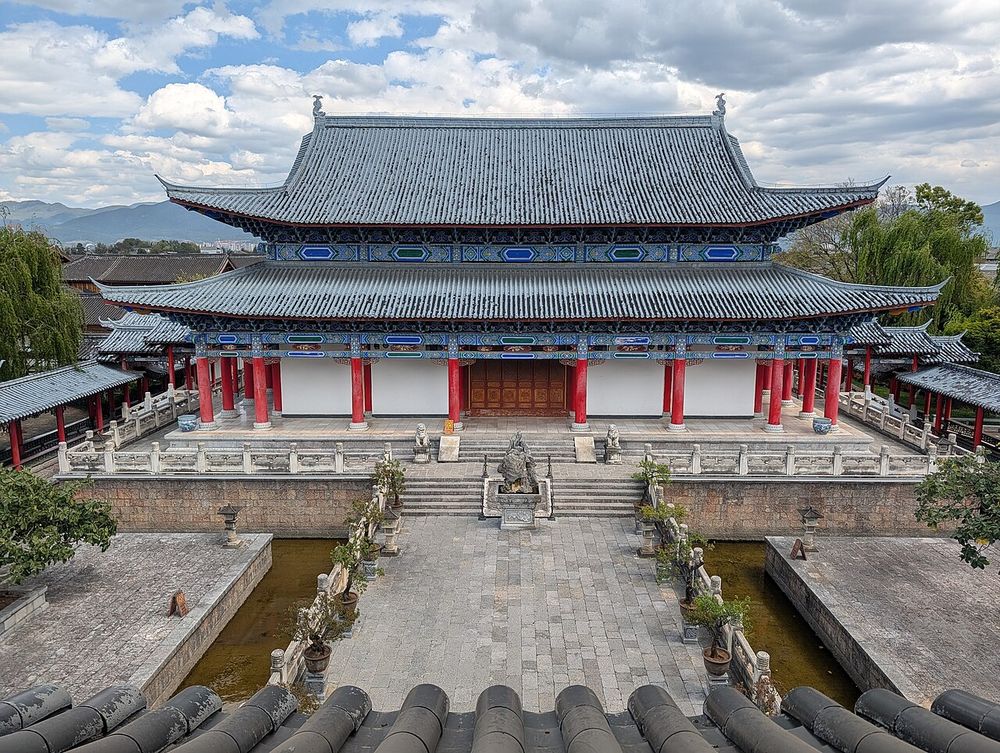
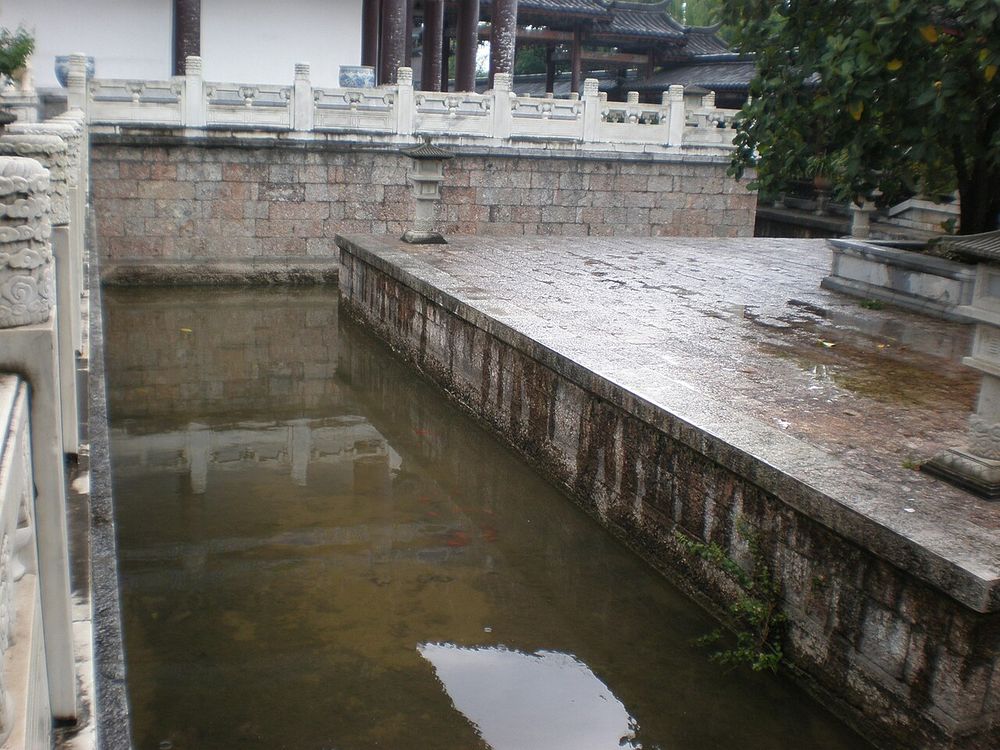
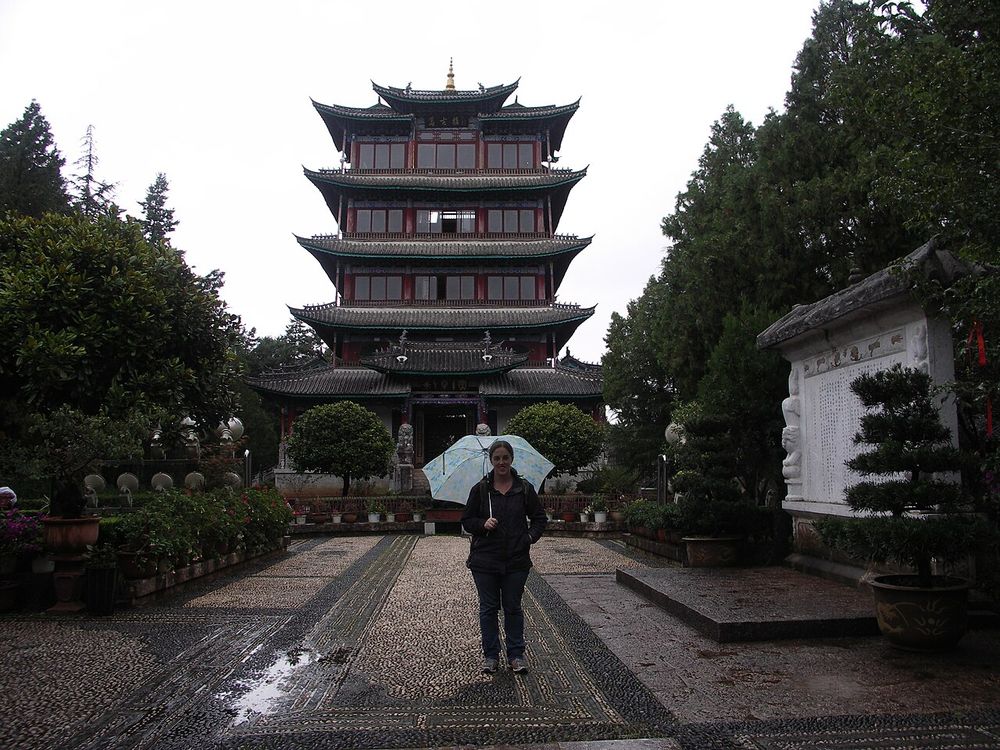
The palace of the Mu family, Naxi chiefs who ruled Lijiang for the emperors of China for some 470 years, from 1382 until 1723. A traveller of the Ming wrote that its halls were as fine as a king's. Ruined in war and shaken by the earthquake of 1996, it was rebuilt on its old ground and is now the museum of the old town.
Photo: Roller Coaster Philosophy, CC BY 4.0, Wikimedia Commons
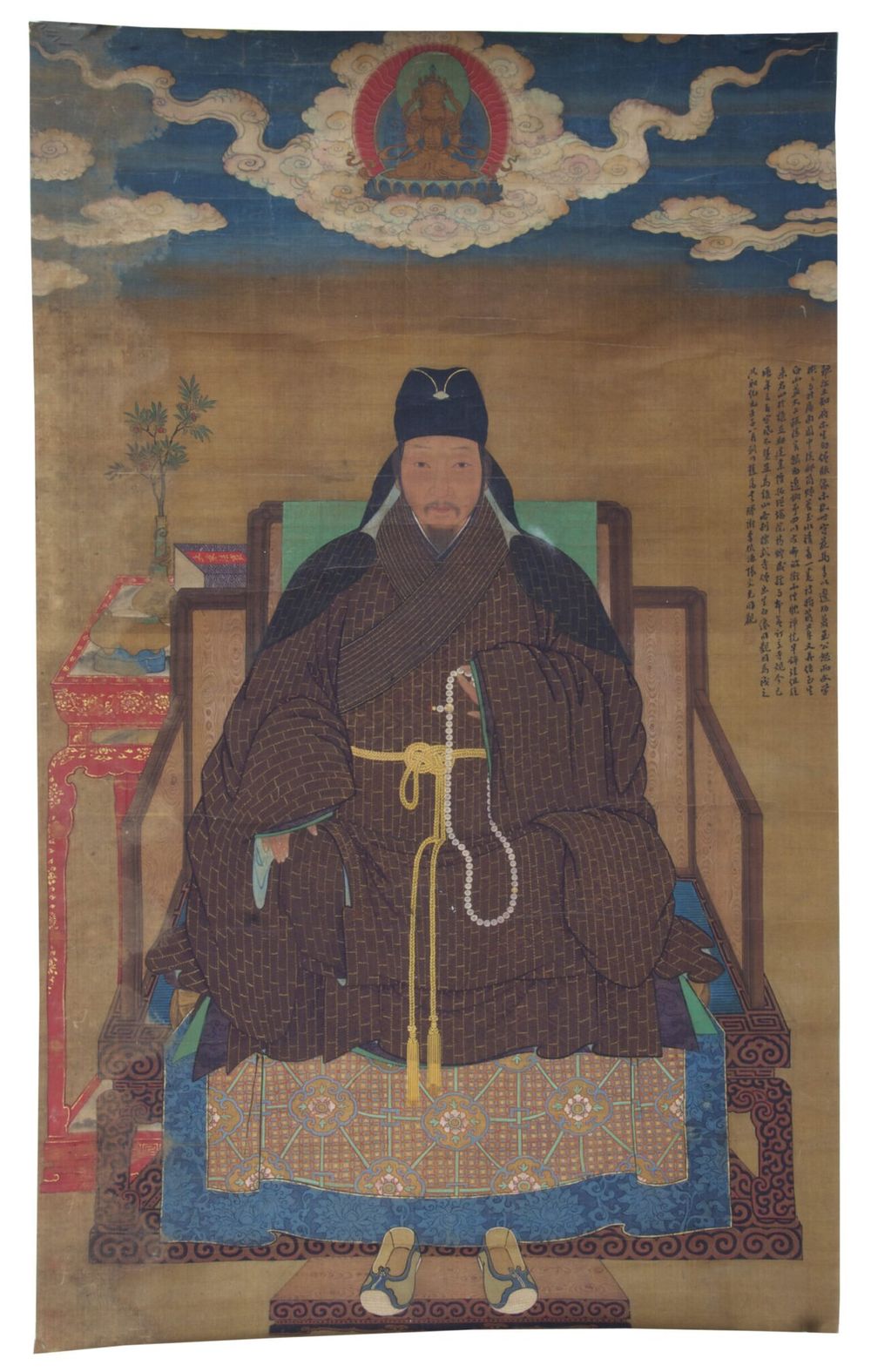
In 1382 the Naxi chief Ajia Ade submitted to the new Ming dynasty. The founding emperor gave him a Chinese surname, Mu, "wood", and made his family hereditary prefects of Lijiang. For twenty-two generations the Mu ruled the Naxi and guarded this corner of the empire, until the Qing replaced them with regular officials in 1723.
The Mu loved Chinese books and poetry. Their palace stood at the foot of Lion Hill, its halls laid along a single axis like a small Forbidden City. In 1639 the traveller Xu Xiake came as the guest of Mu Zeng and wrote that its palaces were as fine as a king's.
Part of Old Town of Lijiang. Also there: Black Dragon Pool, Baisha, Shuhe.
One ticket covers the mansion and its museum. Lion Hill and the Wangu Tower have their own ticket.
| Part | Ticket |
|---|---|
| The archway and Council Hall | Main ticket |
| The Wanjuan Tower | Main ticket |
| The towers and Sanqing Hall | Main ticket |
| Lion Hill and the Wangu Tower | Own ticket |
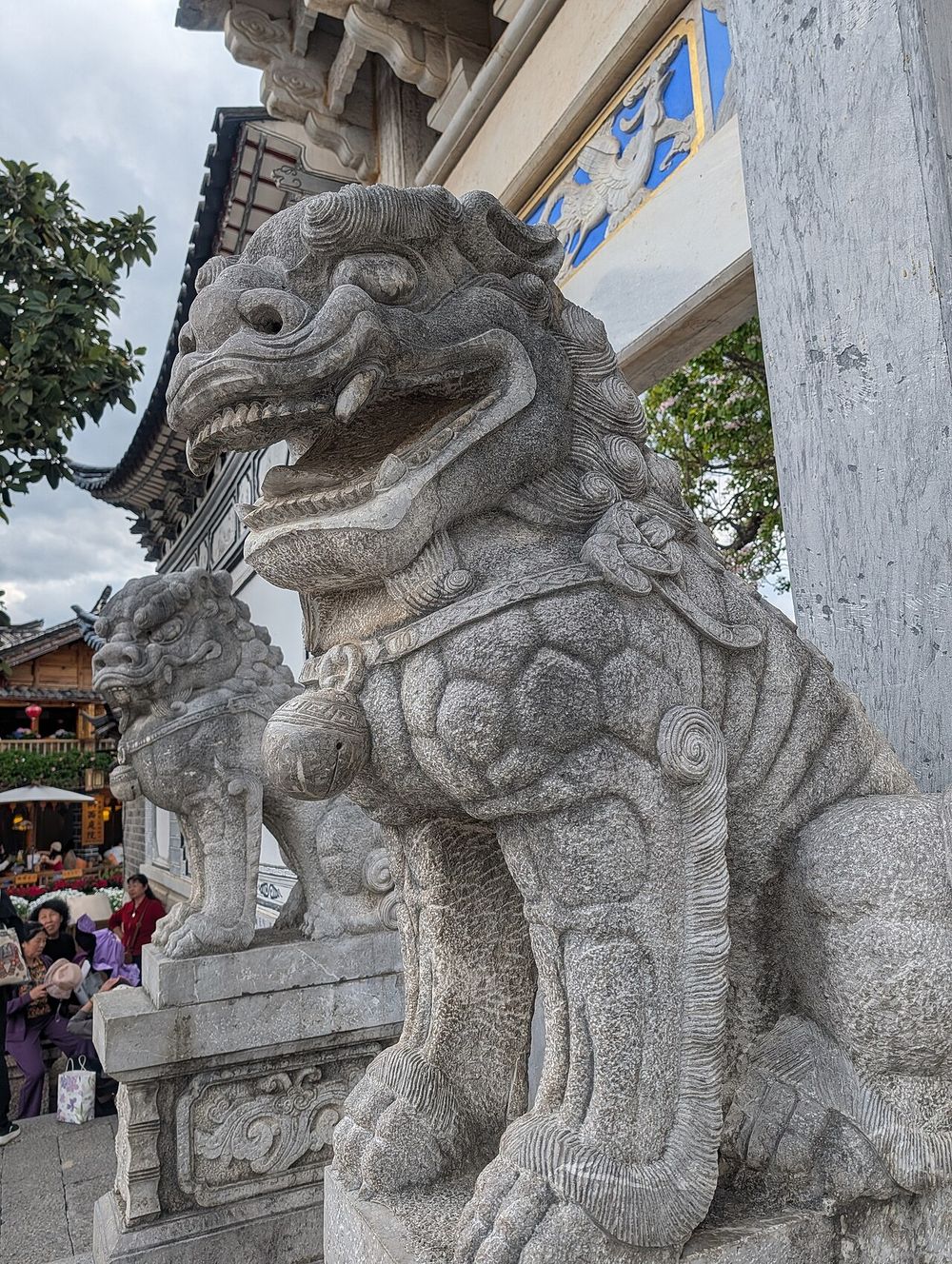
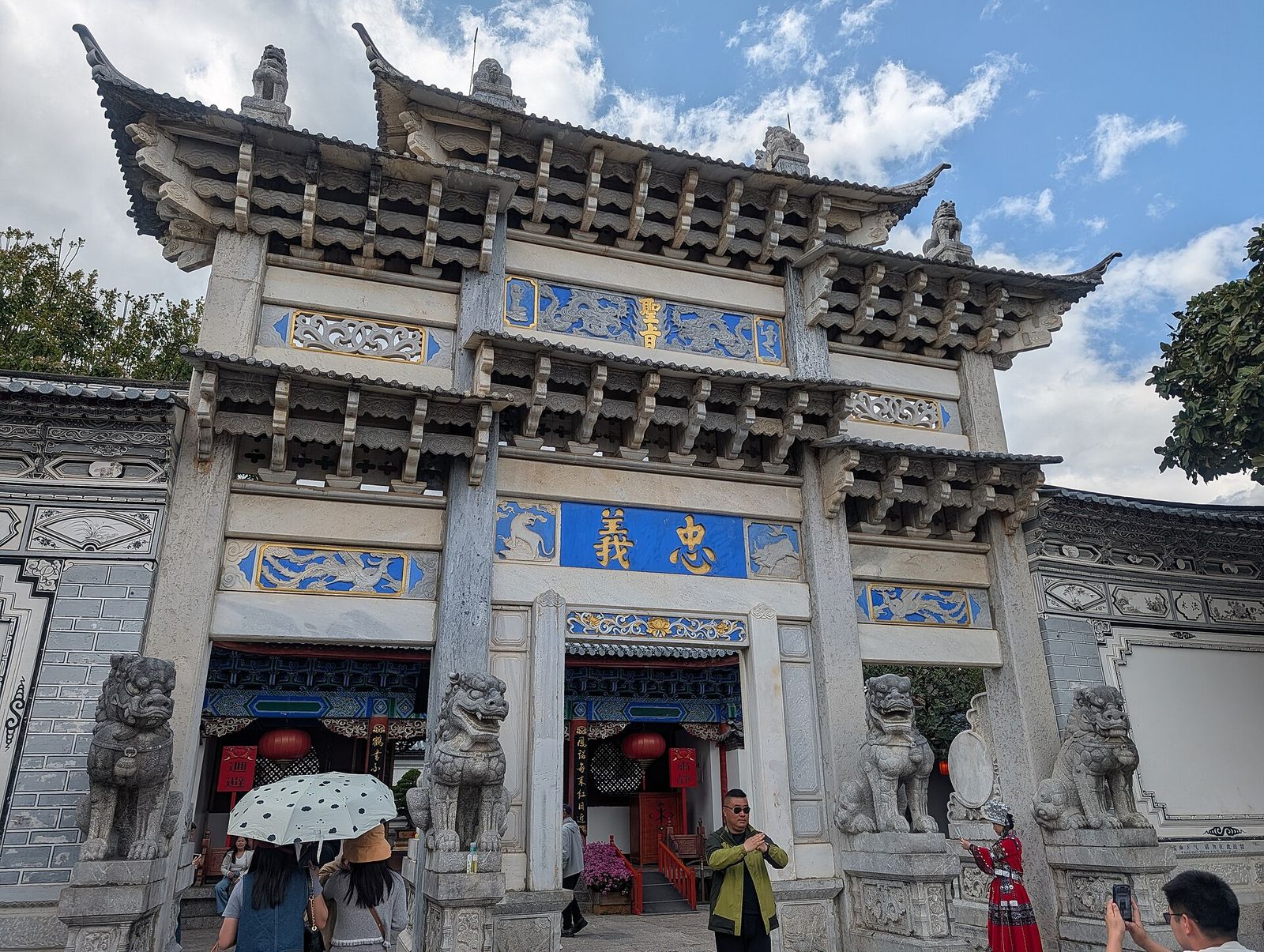
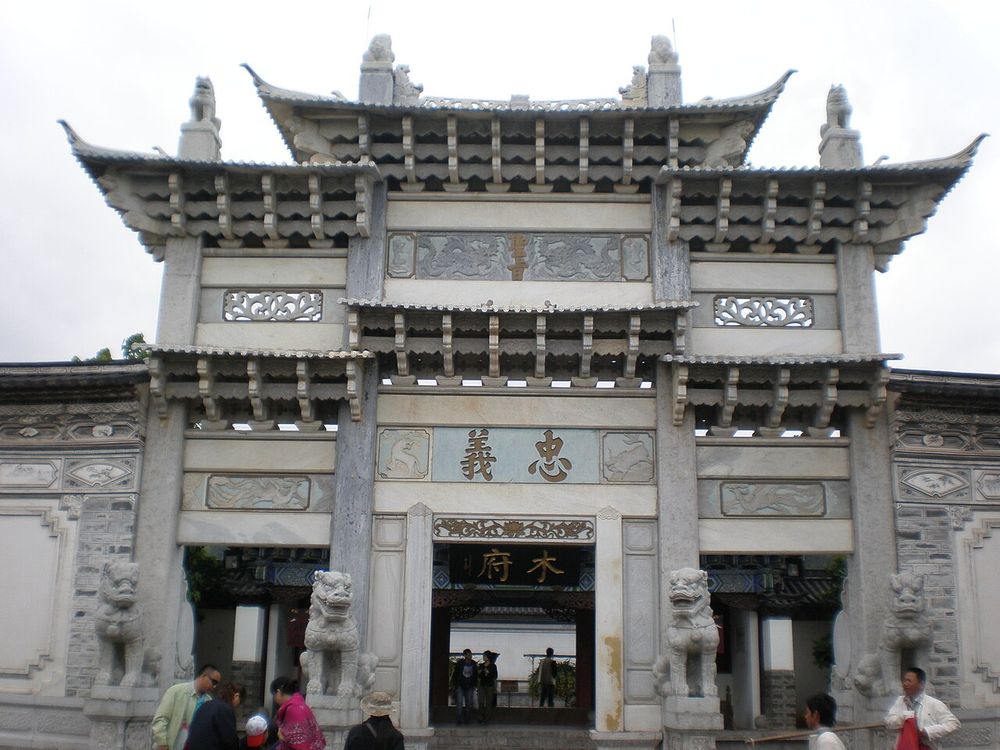
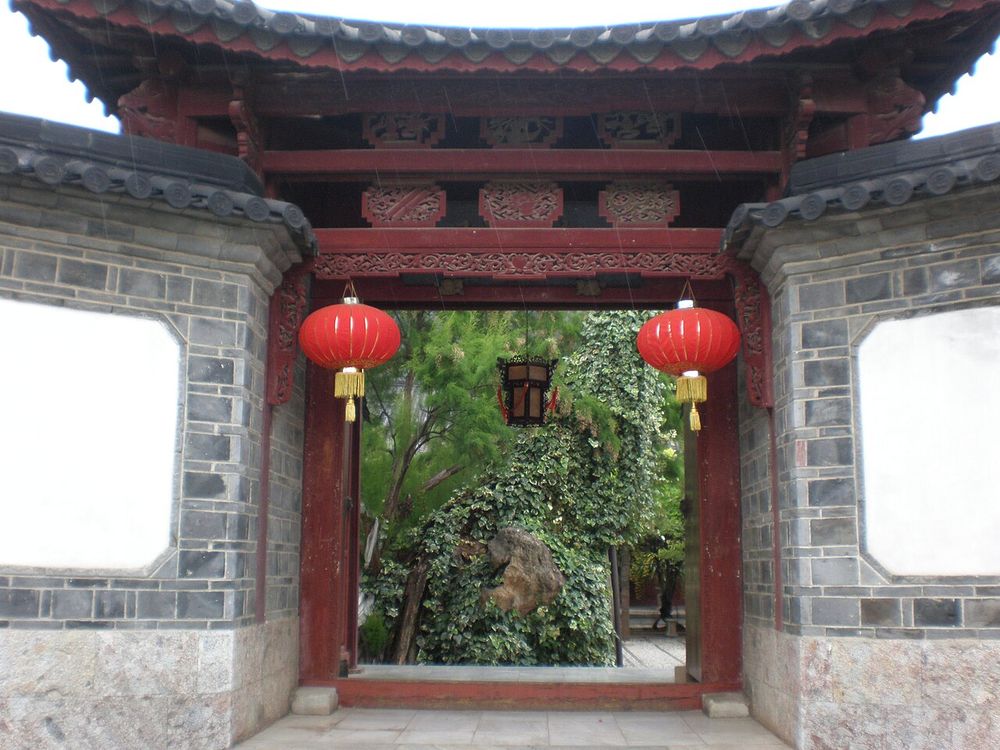
The stone archway in front of you carries two words, loyalty and righteousness: the Mu family's promise to the emperors. Behind it a straight axis runs about 370 metres up to Lion Hill, past the council hall, the library and the temples.
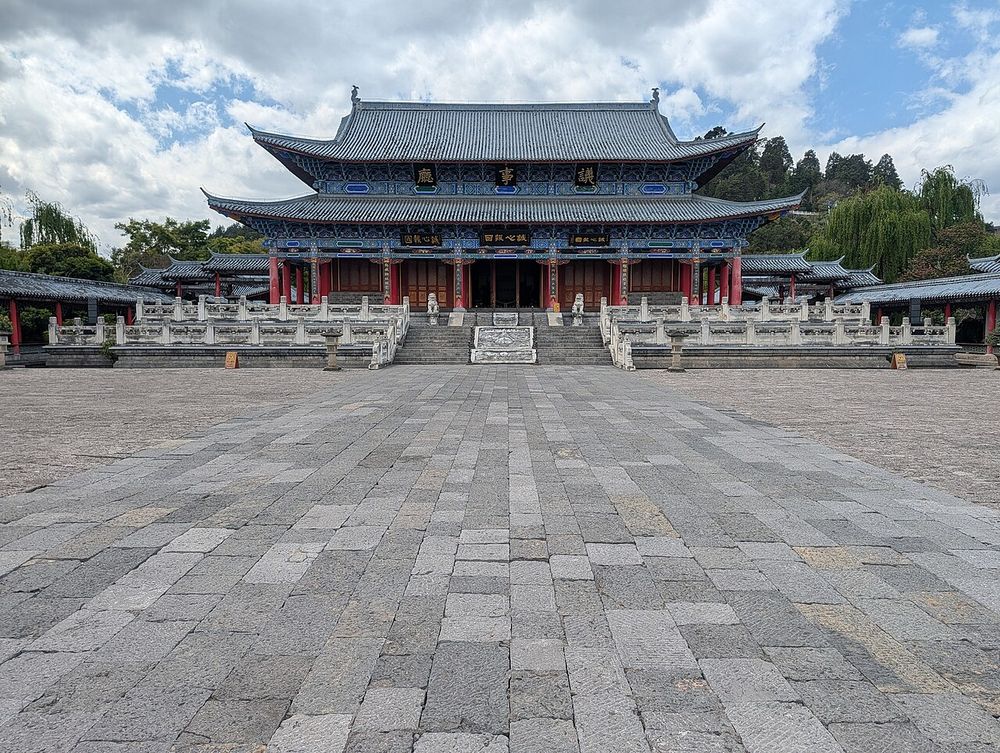
Almost everything you see was rebuilt between 1996 and 1999. The old palace had been burned in the wars of the 1860s, and what remained was ruined by the earthquake of February 1996. With help from a World Bank loan, craftsmen from Lijiang's peoples rebuilt it on the old ground, following the late-Ming plan.
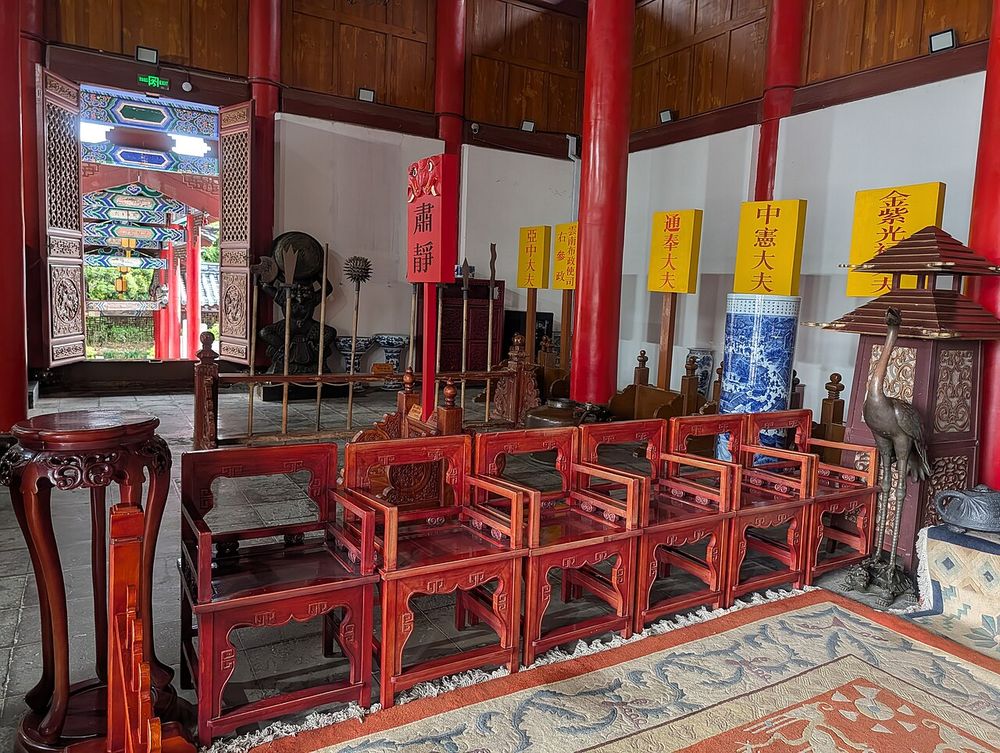
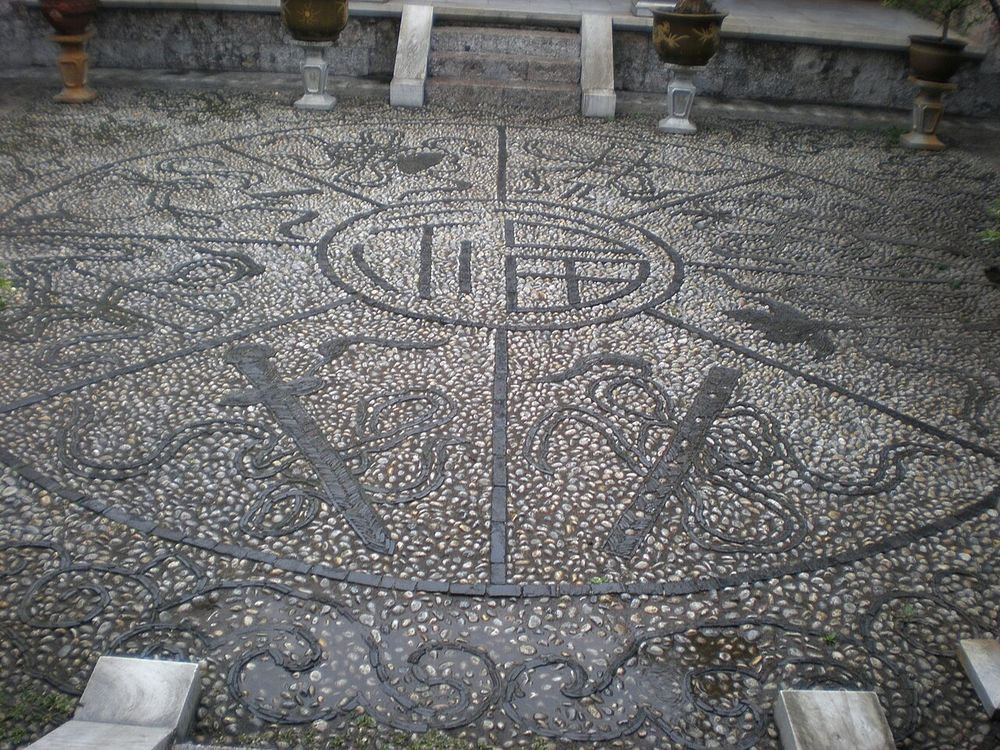
The Mu ruled from here, but they were also Naxi. Inside, Han Chinese halls stand next to Naxi, Bai and Tibetan carving, and Daoist and Buddhist shrines next to dongba writing.
"This is the original Ming palace." It is a careful rebuilding of 1999 on the old site.
"The Mu were kings." They were hereditary officials of the Chinese empire, with great local power.
We searched Chinese sources first for this list, then English ones.
Walk up the axis from the archway to the top of the slope. One to two hours. Guides in Naxi dress lead tours in Chinese.
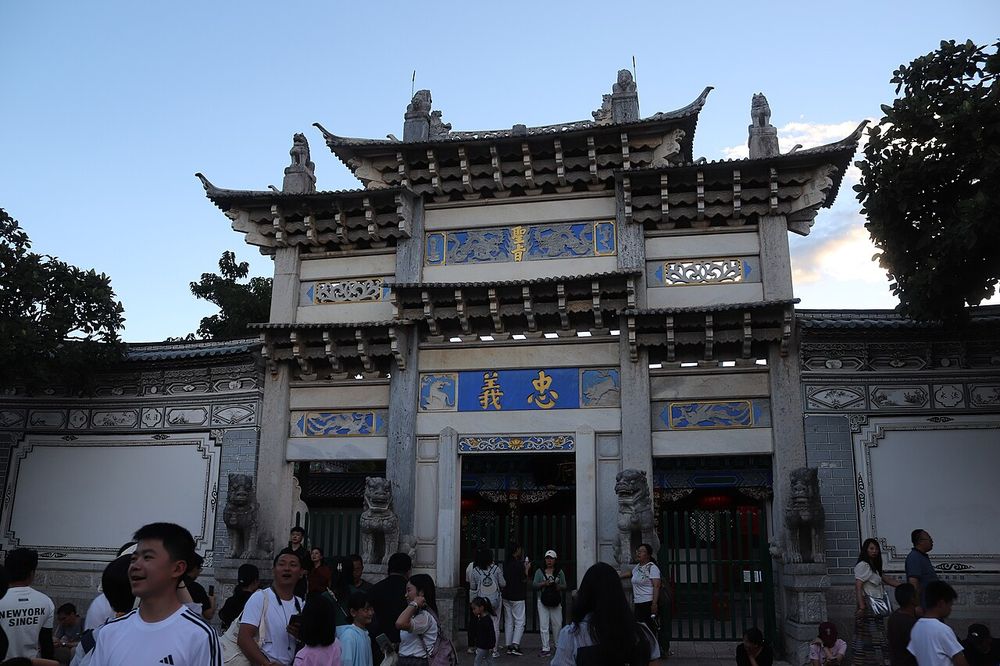
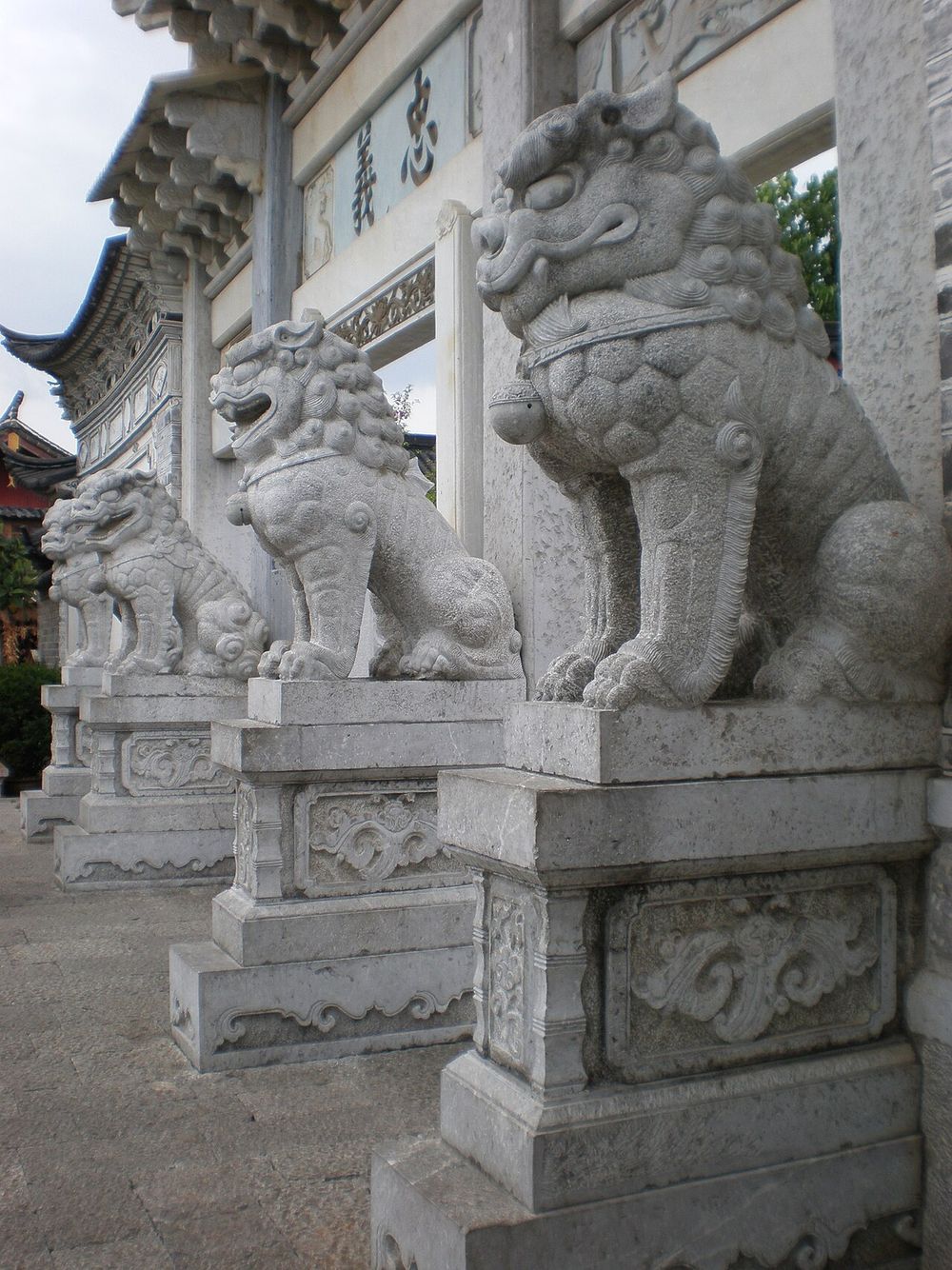
A stone archway of three bays with lions in front. The original was put up with the emperor's permission to honour the family's loyalty.
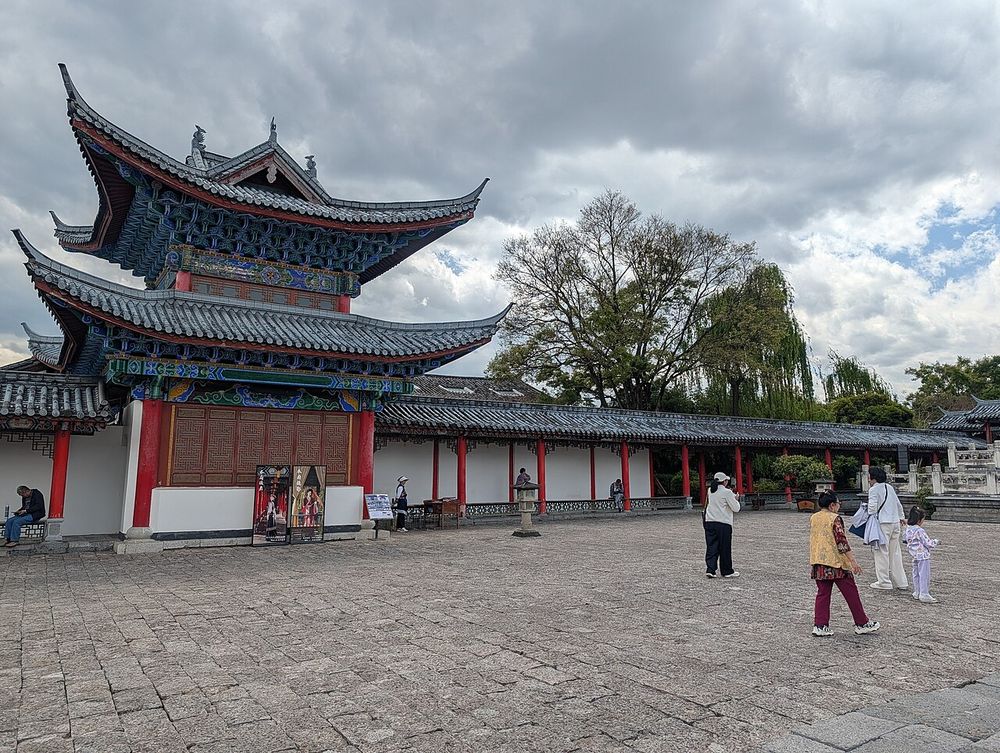
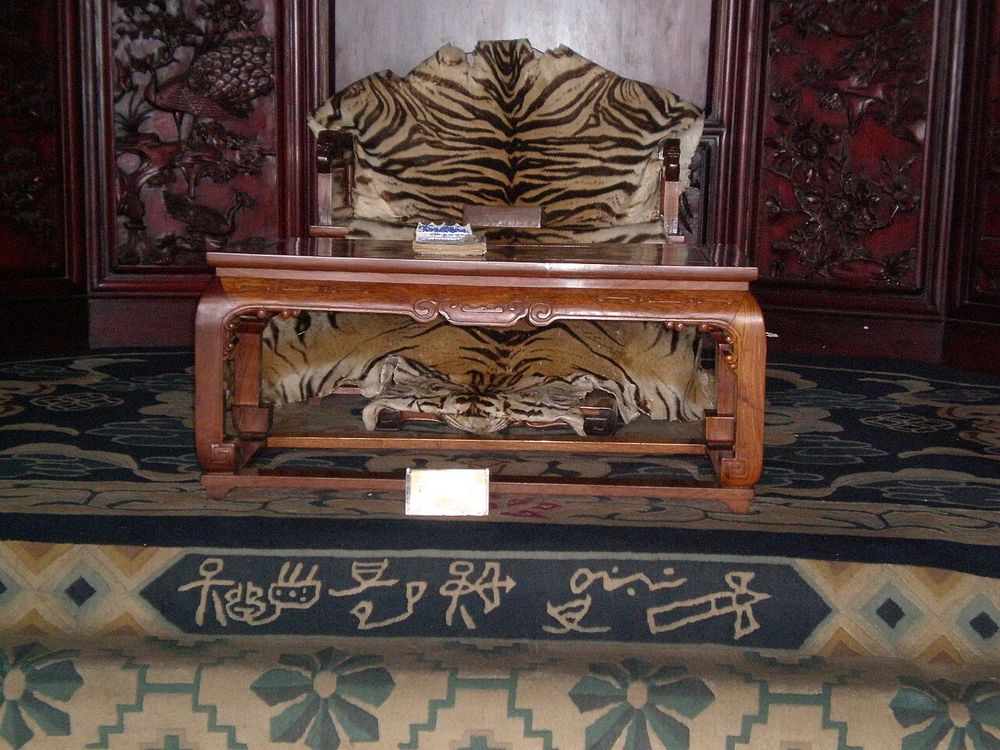
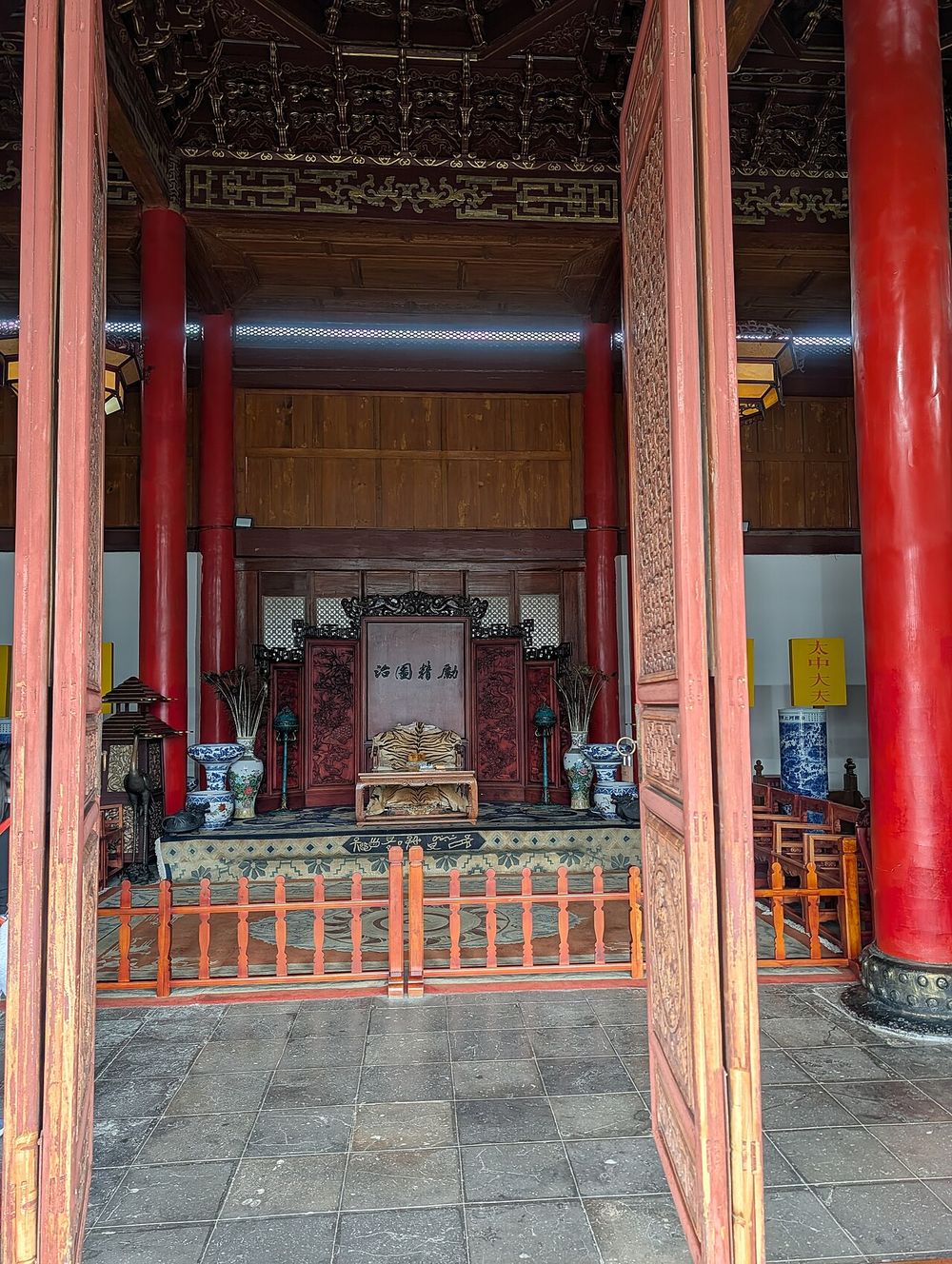
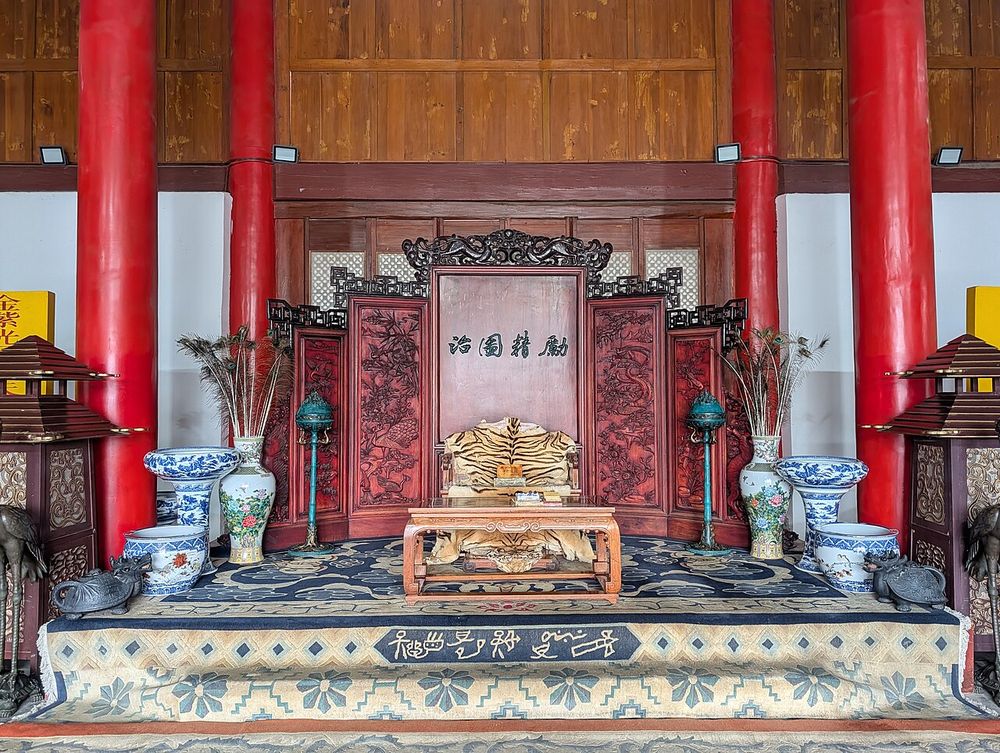
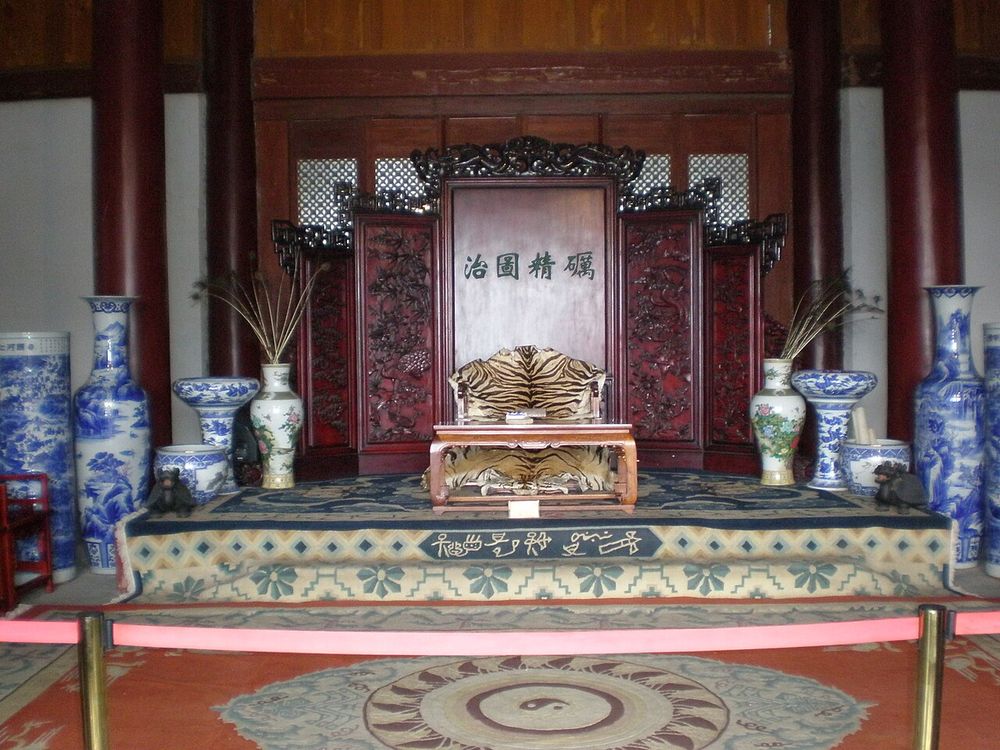
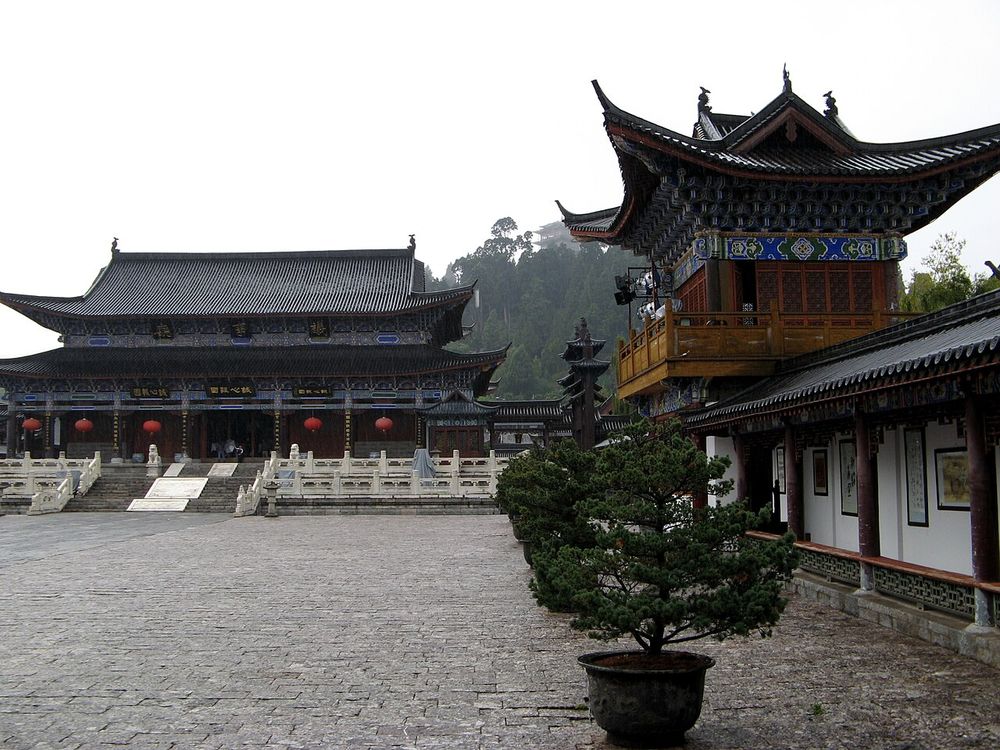
The great hall where the Mu received officials and judged cases. Look at the chair at the far end, covered in a tiger skin.
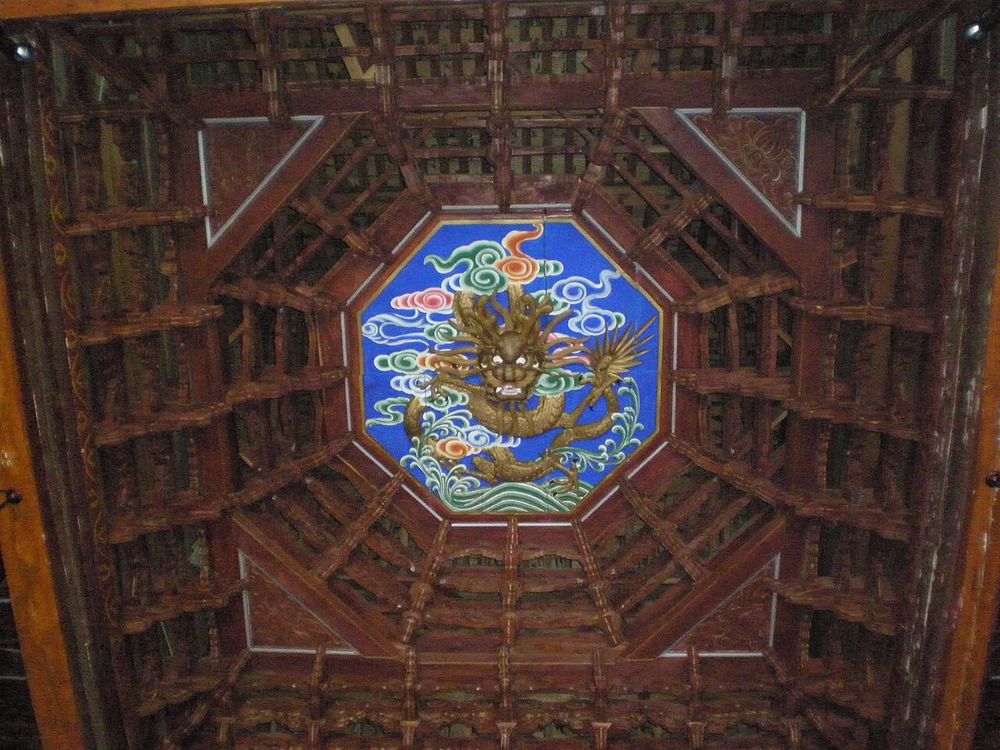
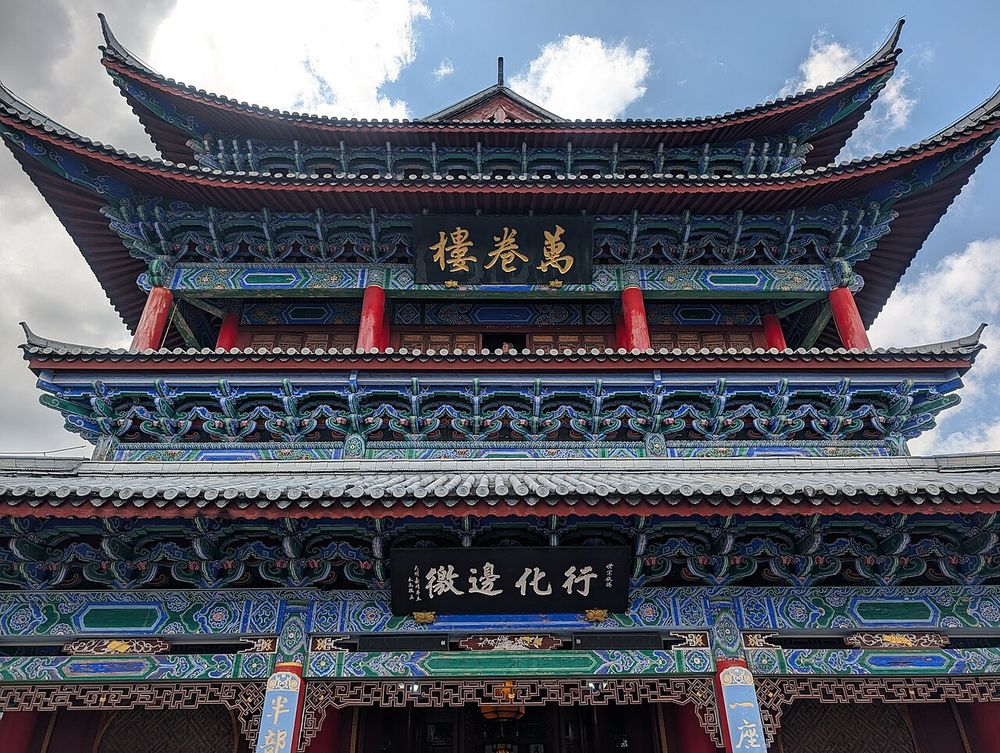
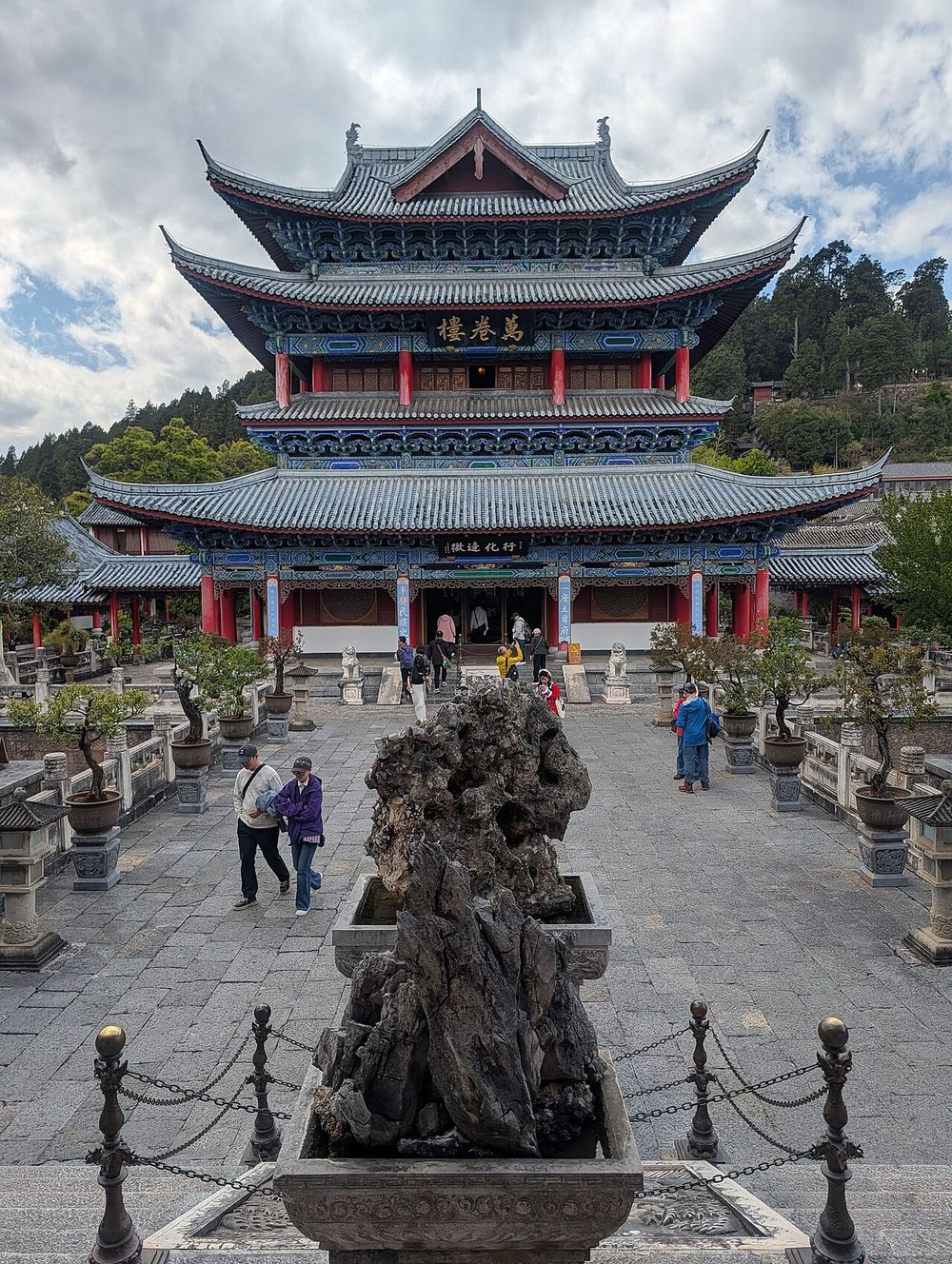
The "tower of ten thousand volumes", the family library, was first built in 1530. It held Chinese classics, Buddhist scriptures, dongba books and the Mu chiefs' own poems. After 1723 the books were scattered.
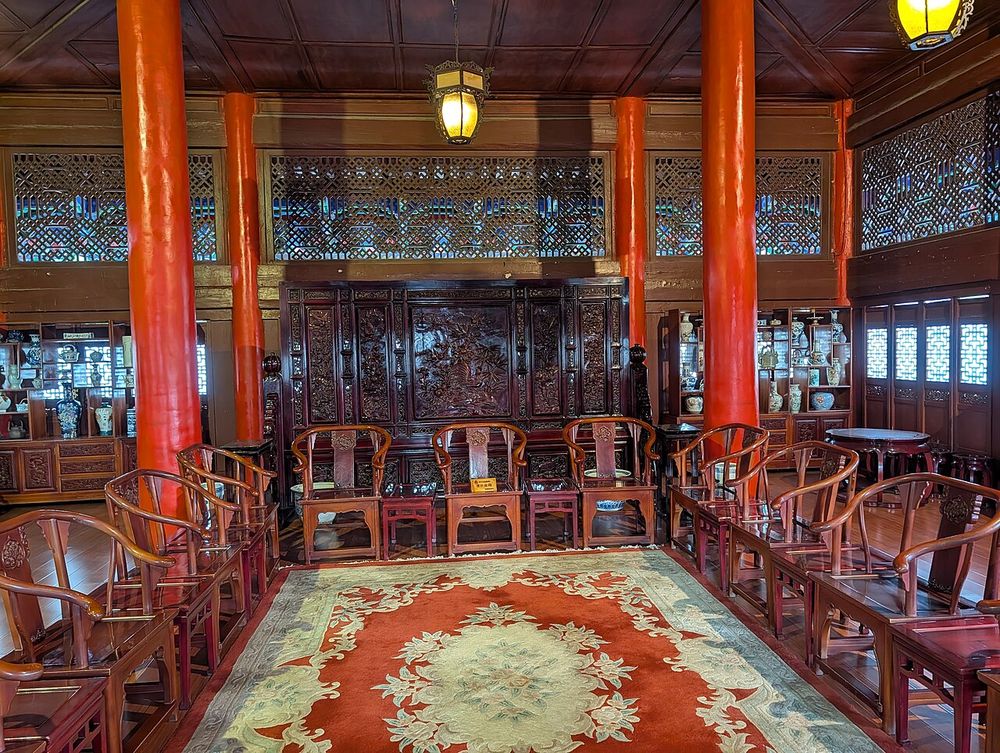
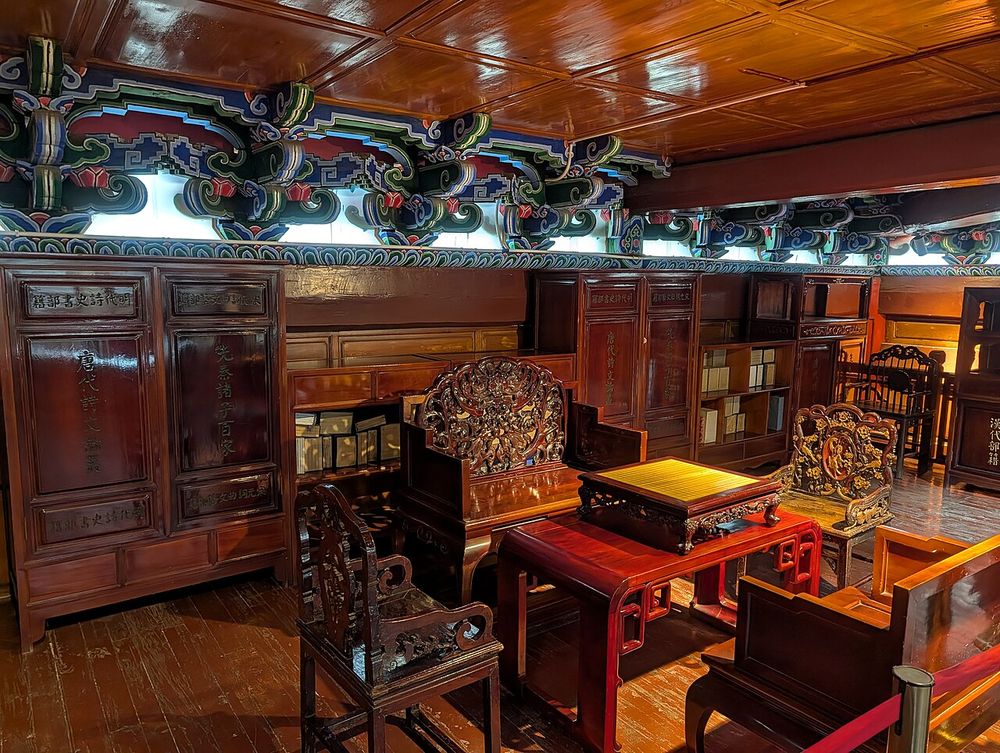
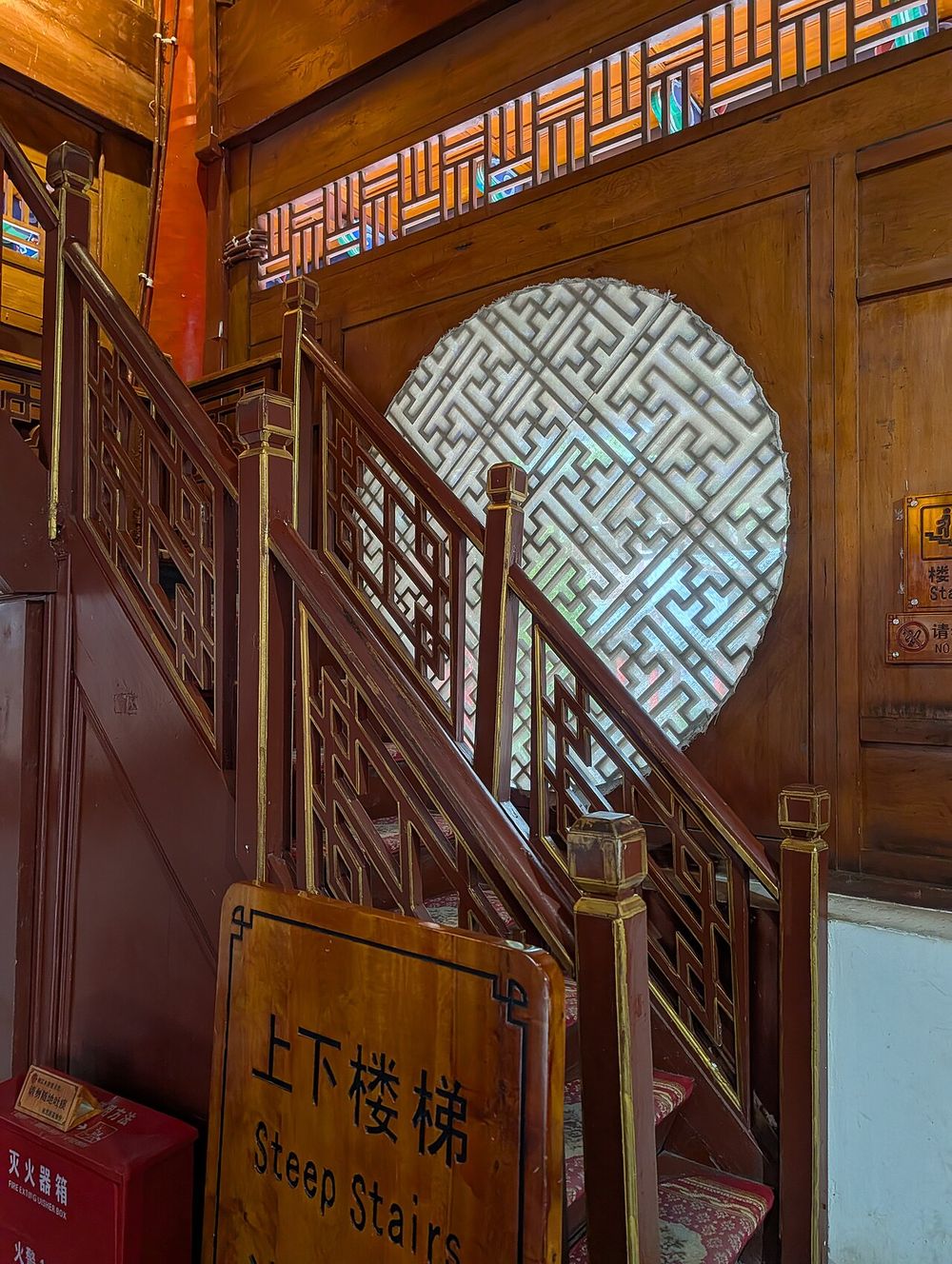
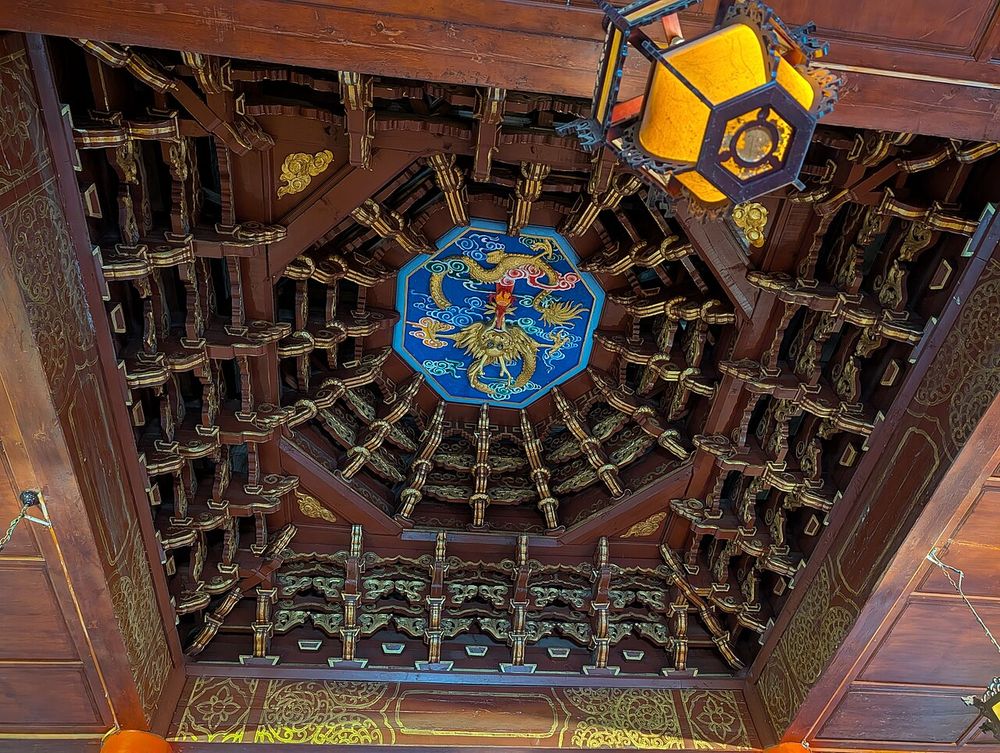
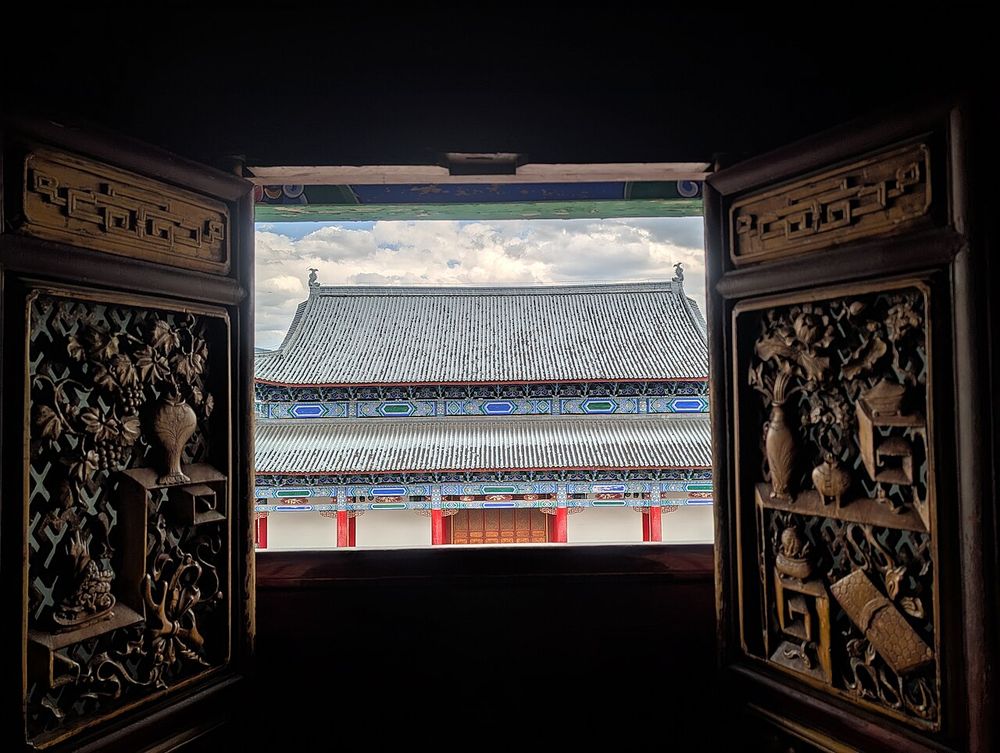
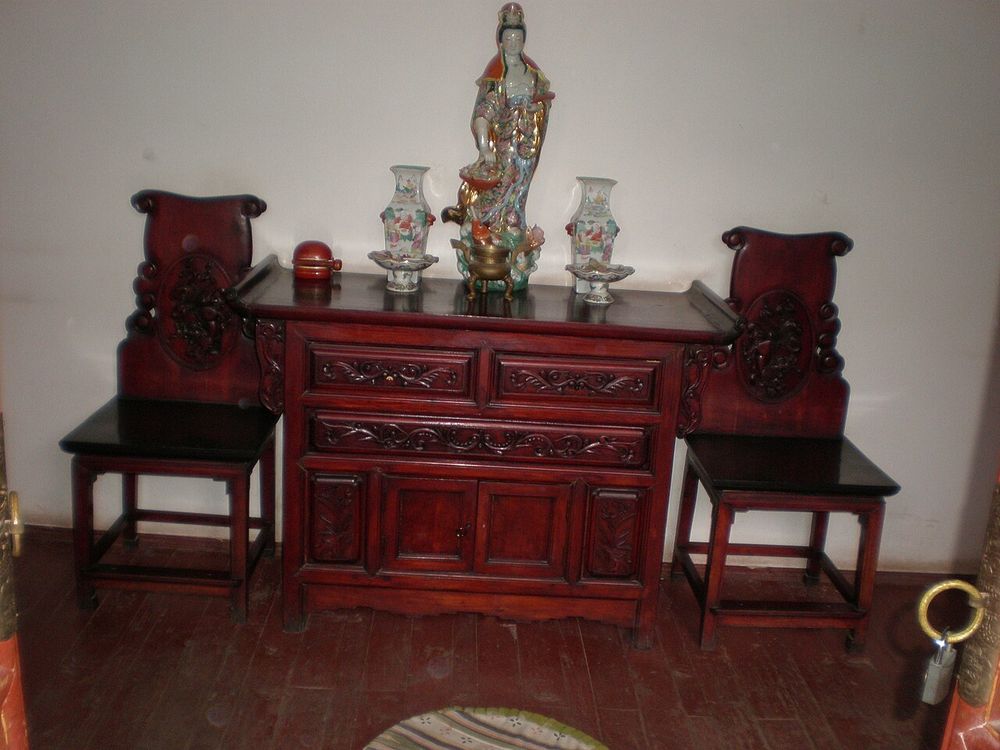
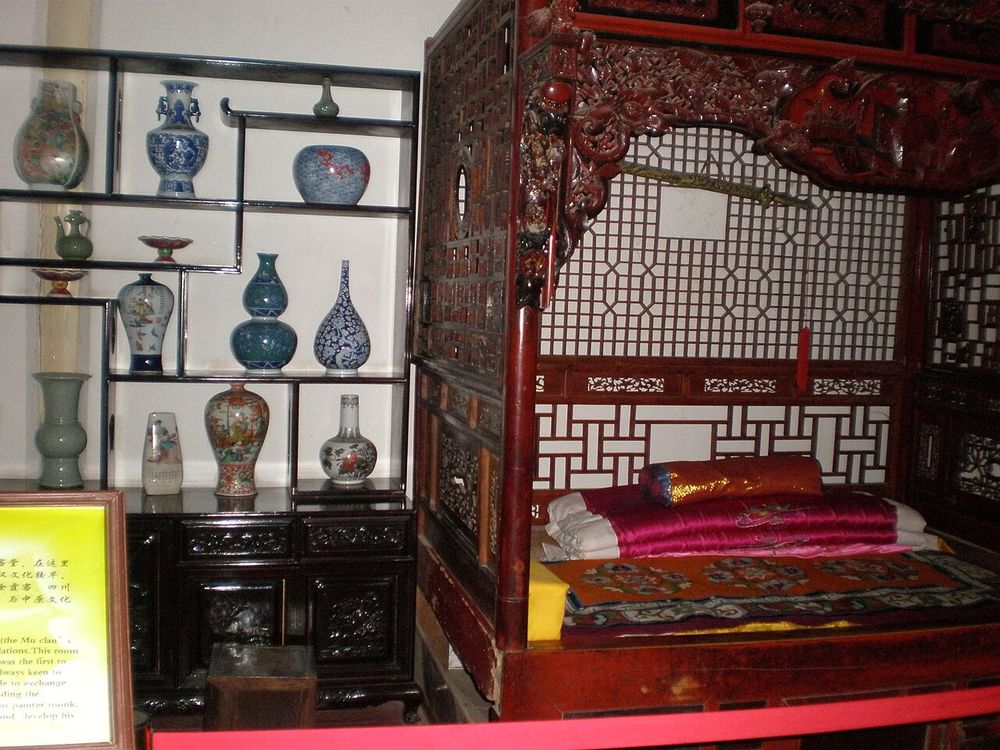
Behind the library are halls for family affairs and the rooms where the family lived. The carved doors and windows mix Han, Bai and Naxi patterns.
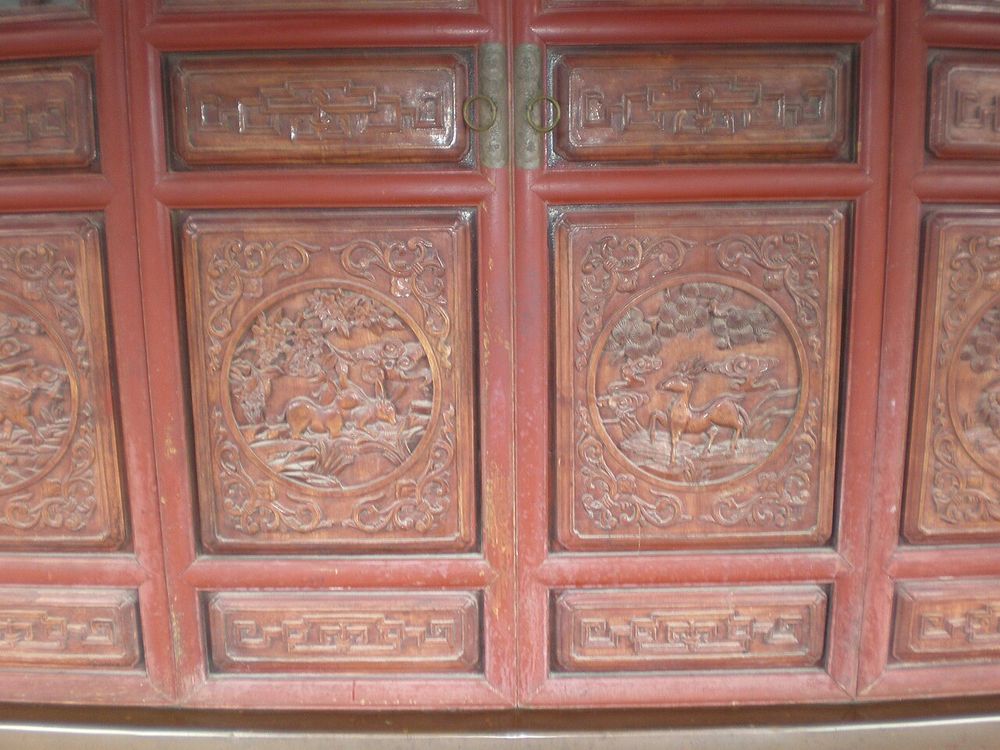
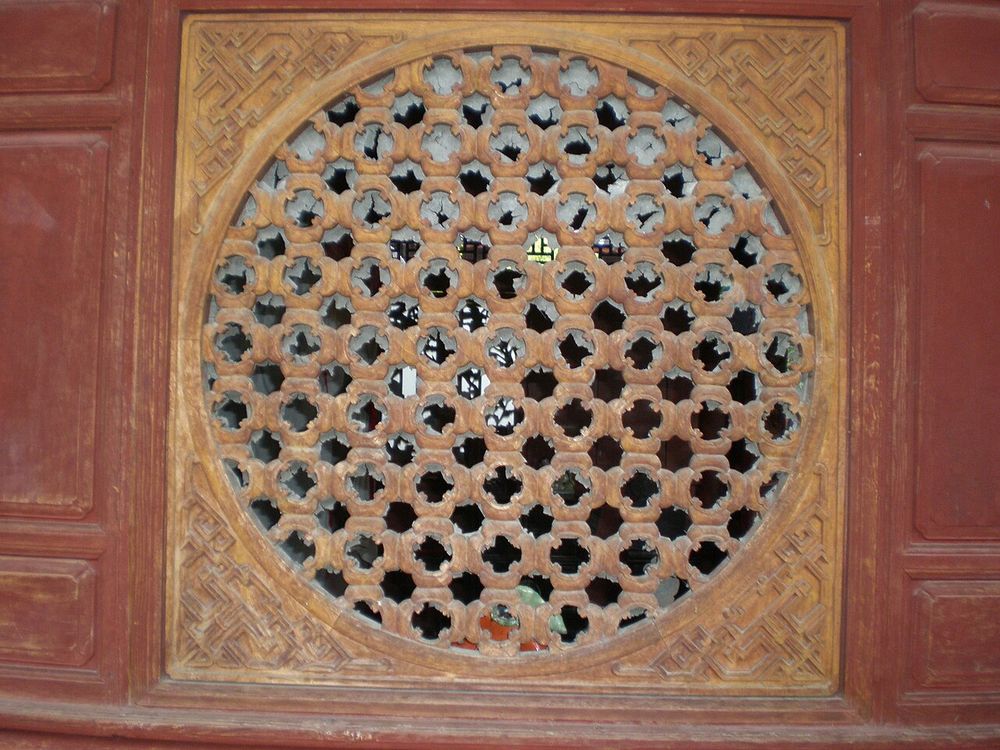
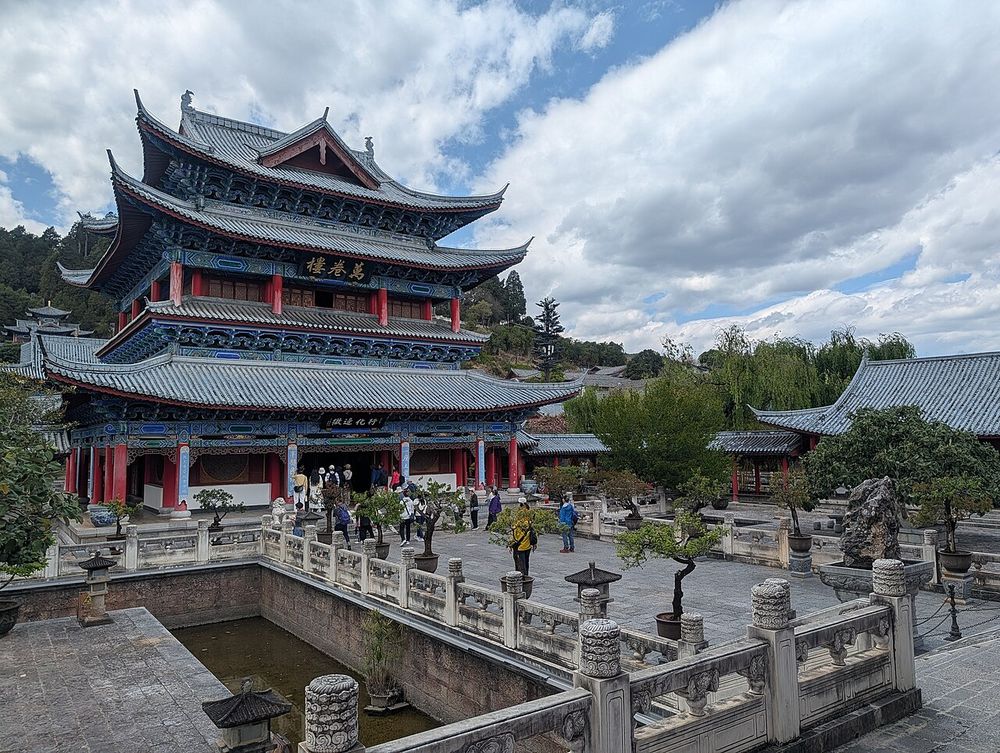
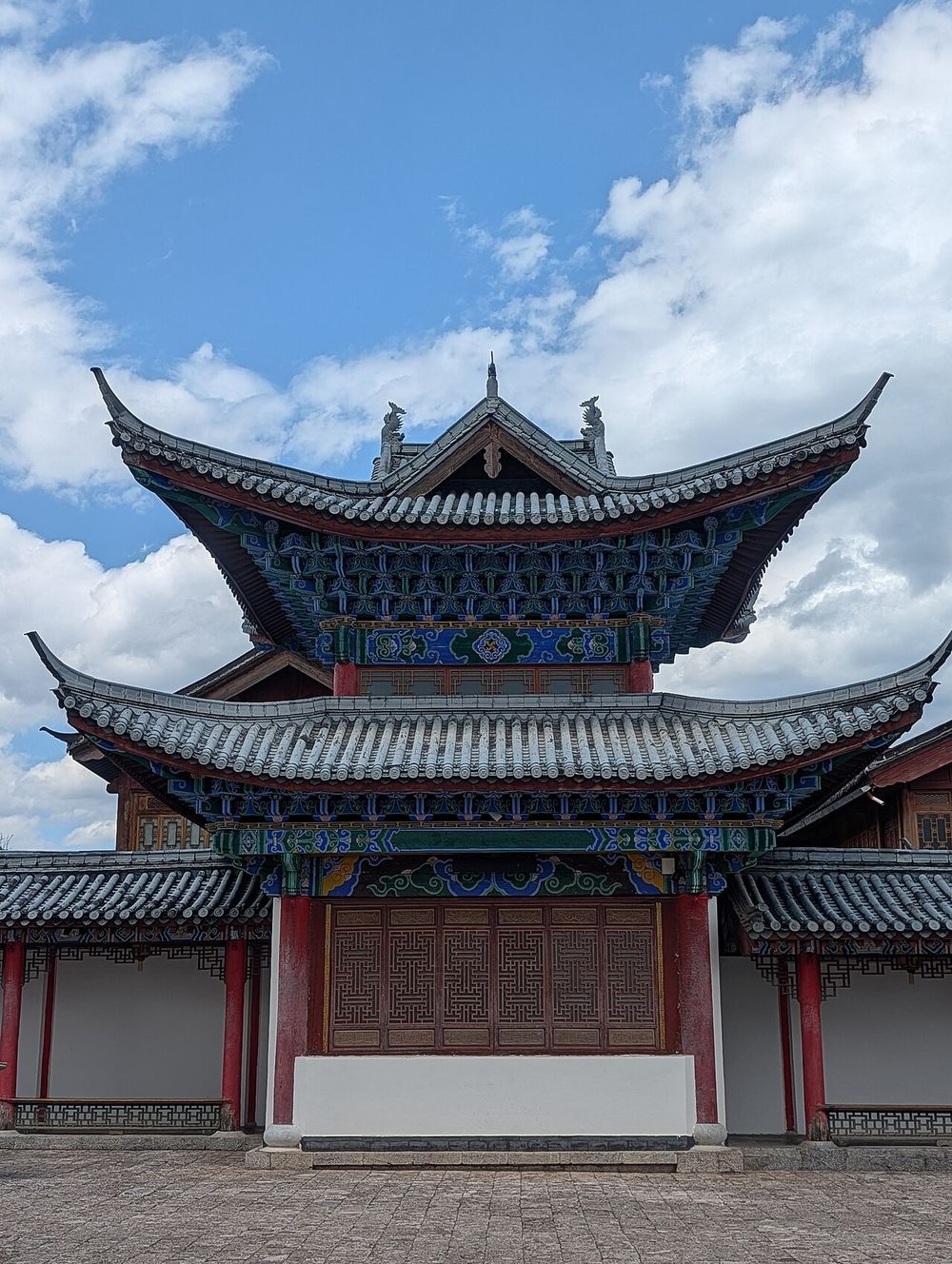
Two towers climb the slope. The Yuyin Tower was built to receive the emperor's edicts: here the family knelt to hear the words from Beijing.
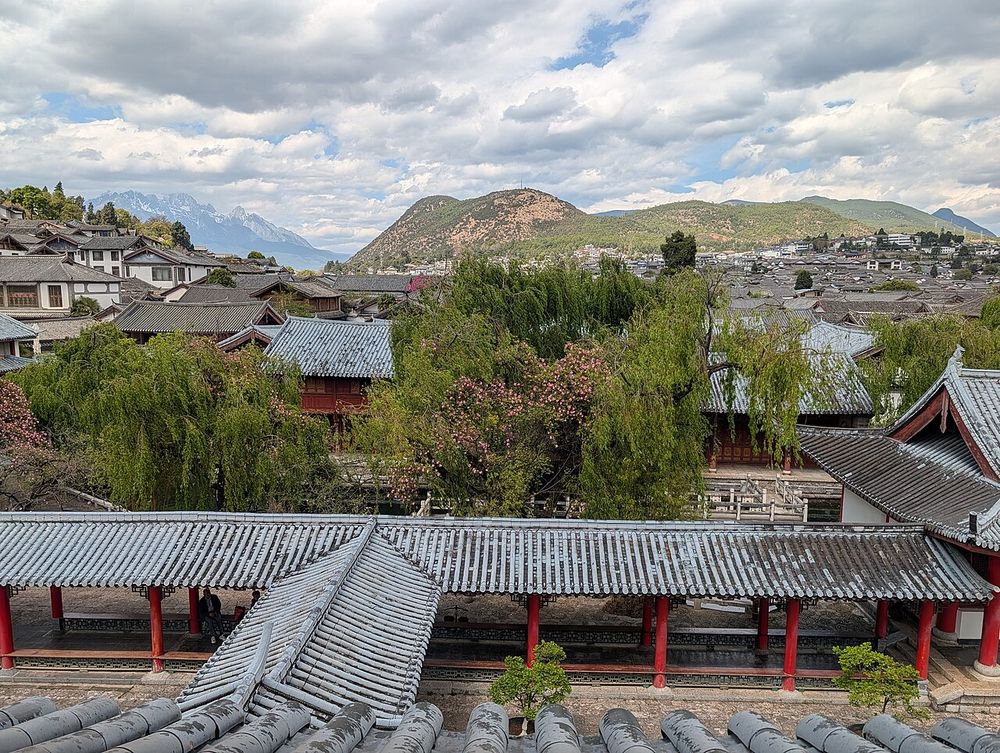
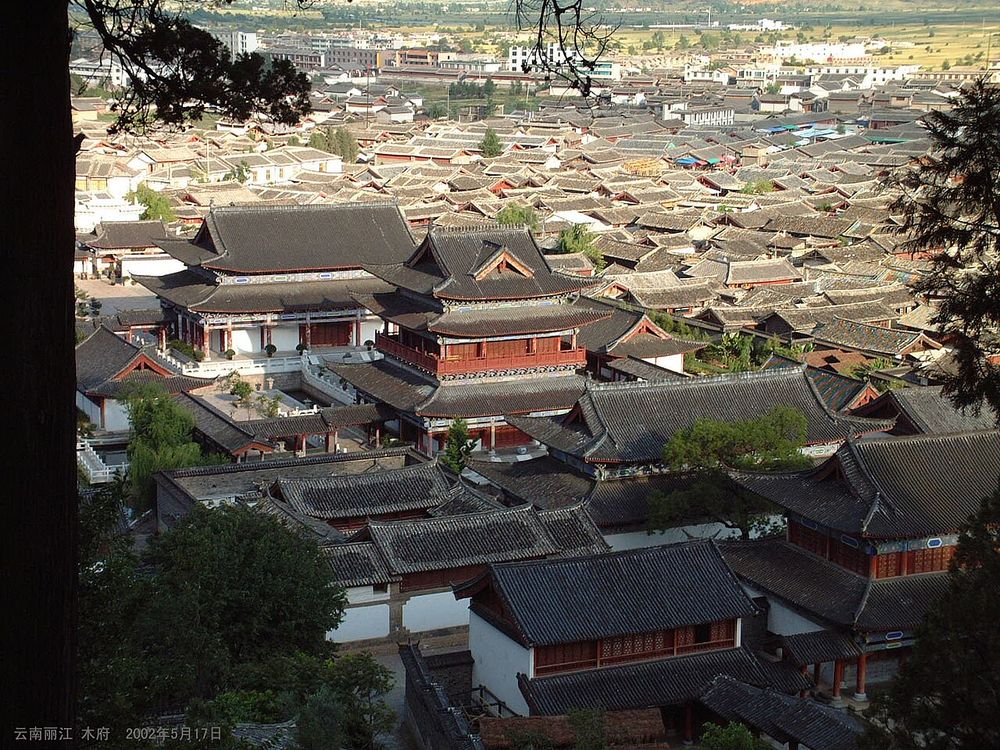
At the top of the axis stands a Daoist hall to the Three Pure Ones. Beyond it, Lion Hill rises over the old town, with the tall Wangu Tower on top. From up here the grey roofs of Lijiang spread to the foot of the snow mountain.
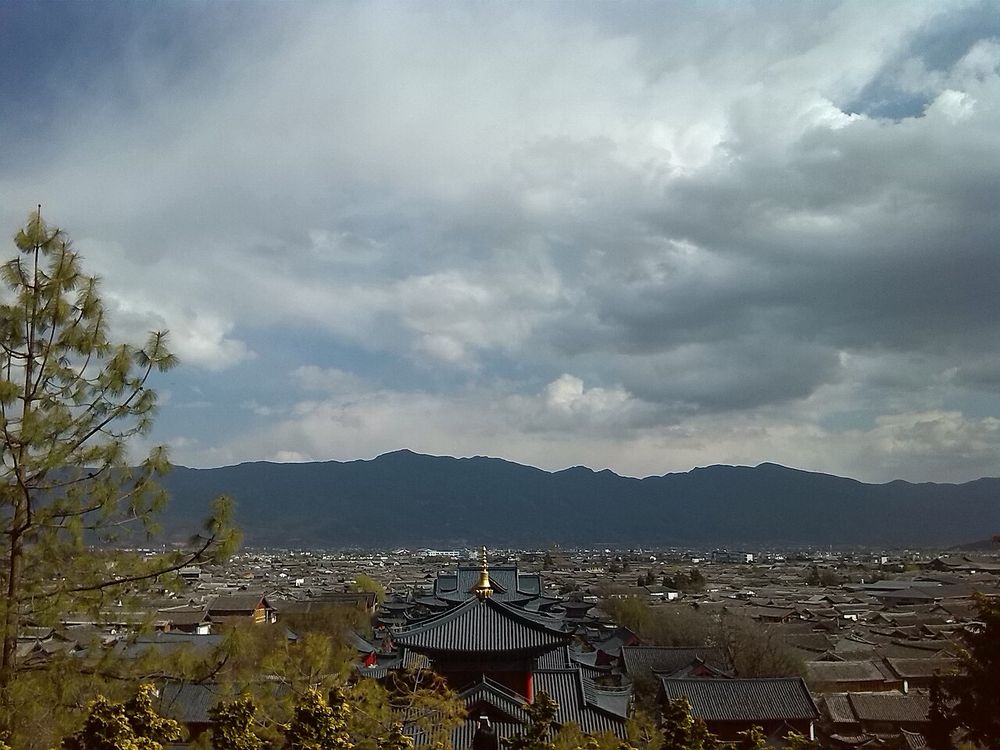
The Mu received their name in 1382, the year the Ming took Yunnan. Their rule ended in 1723, the year after the Kangxi emperor died, when the Yongzheng emperor began replacing hereditary chiefs across the south-west.
| Year | Here | Elsewhere |
|---|---|---|
| 1382 | Ajia Ade submits to the Ming and is named Mu | The Ming conquer Yunnan; Wycliffe's Bible in England |
| 1530 | The Wanjuan Tower is built | The Augsburg Confession |
| 1639 | Xu Xiake visits Mu Zeng | Madras is founded by the English |
| 1723 | The Mu lose their hereditary rule | Bach moves to Leipzig |
| 1996 | The Lijiang earthquake | Dolly the sheep is born |
| 1999 | The rebuilt mansion opens | The euro is introduced |
One line to remember: a Naxi family with a Chinese name, and a palace rebuilt after an earthquake.
These are stories people tell about this place. They are legends, not history, and each one says where it comes from.
People say the Mu would not build a city wall, because the character for their name, 木, inside a square wall, 口, makes 困: trapped.
Source: A favourite Lijiang story; historians give other reasons, such as trade
Later, people who live here will be able to add the stories they grew up with, and say which of these they have heard.
Last checked 2026-11-12. Reports on the Mu Mansion ticket price (40 yuan since October 2018) and opening hours; Xinhua 2025.
Checked 2026-11-12
Opening hours are given in the local time of the place. Prices are in the local currency. The figure after ≈ is approximate, at exchange rates checked on 9 November 2026, in .
Stand at the site, sign in, press the button, and collect its stamp. Your browser will ask to use your location. It is sent to us once to confirm that you are at the site; we keep how far you were from it, not the spot where you stood.
Your stamps are saved to your account, so they follow you to any device. Checking from a browser cannot rule out every false location; stricter checks arrive with the app.
Photos here show the place, not people. Each one is credited to the visitor who took it and appears after our team has looked at it. A photo with you in it belongs under “I am here”.