LegendMore iron than the Eiffel Tower
The station holds 12,000 tonnes of metal, more than the Eiffel Tower.
Source: Repeated by the museum's own guides; the tower's iron frame weighs about 7,300 tonnes
Left bank of the Seine, Paris, France
Musée d'Orsay · myoo-ZAY dor-SAY
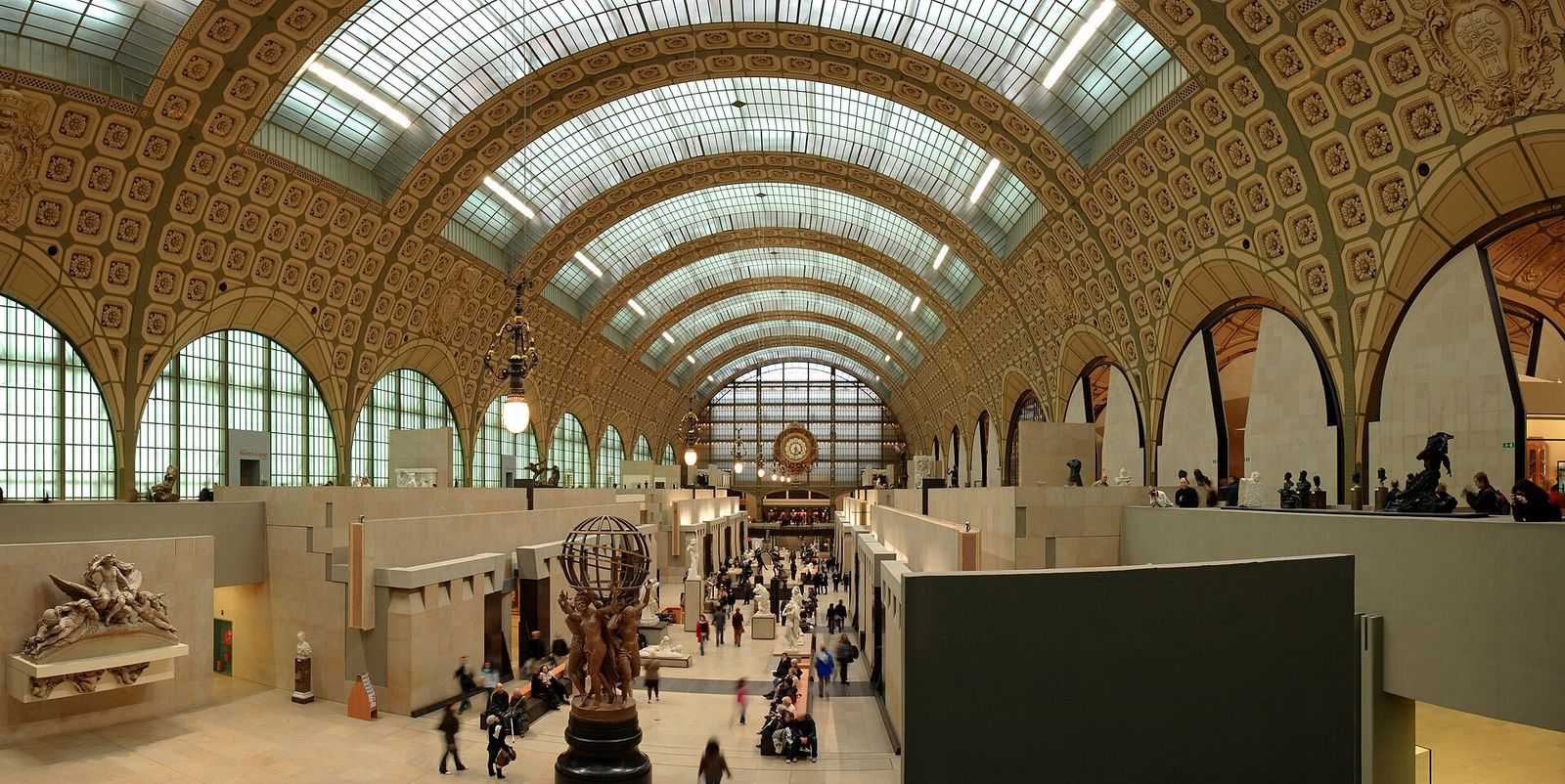
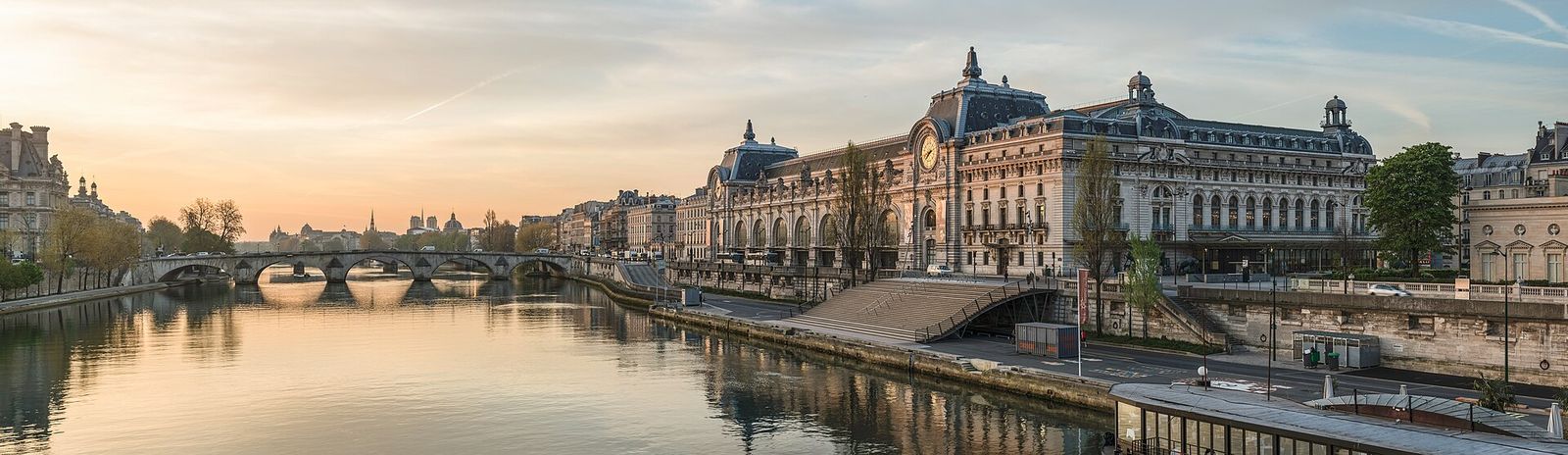
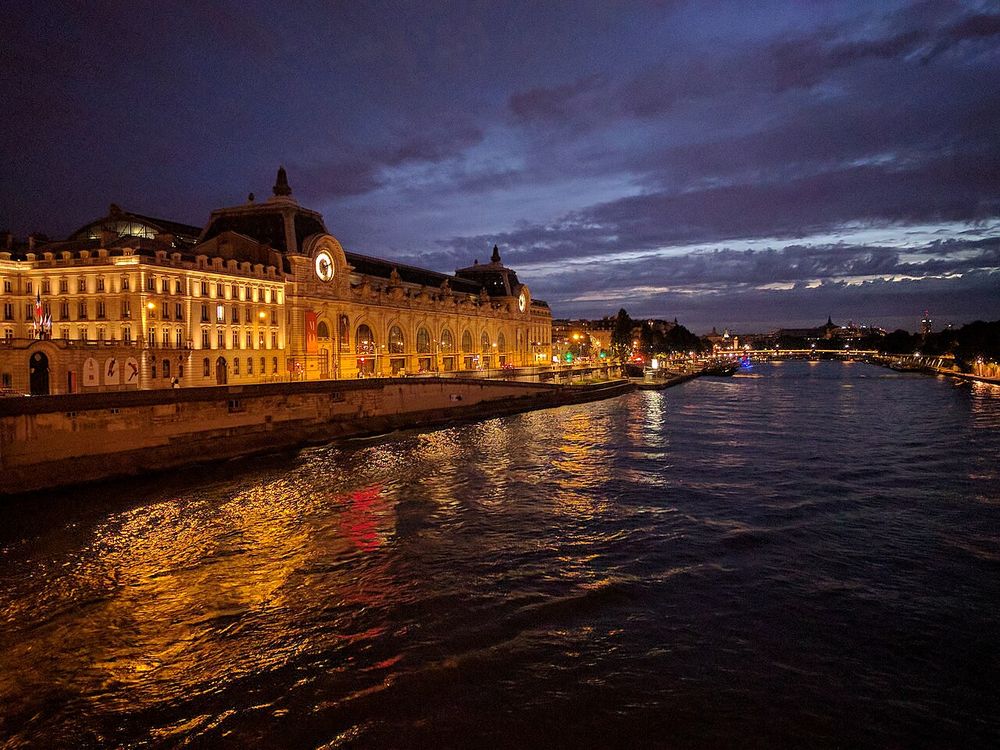
A railway station that became a museum. Trains ran under this glass roof for thirty-nine years. Now it holds the art of 1848 to 1914, and the largest collection anywhere of the painters who were laughed at in their own day: Manet, Monet, Renoir, Degas, Cézanne, Van Gogh.
Photo: Benh, CC BY 2.5, Wikimedia Commons
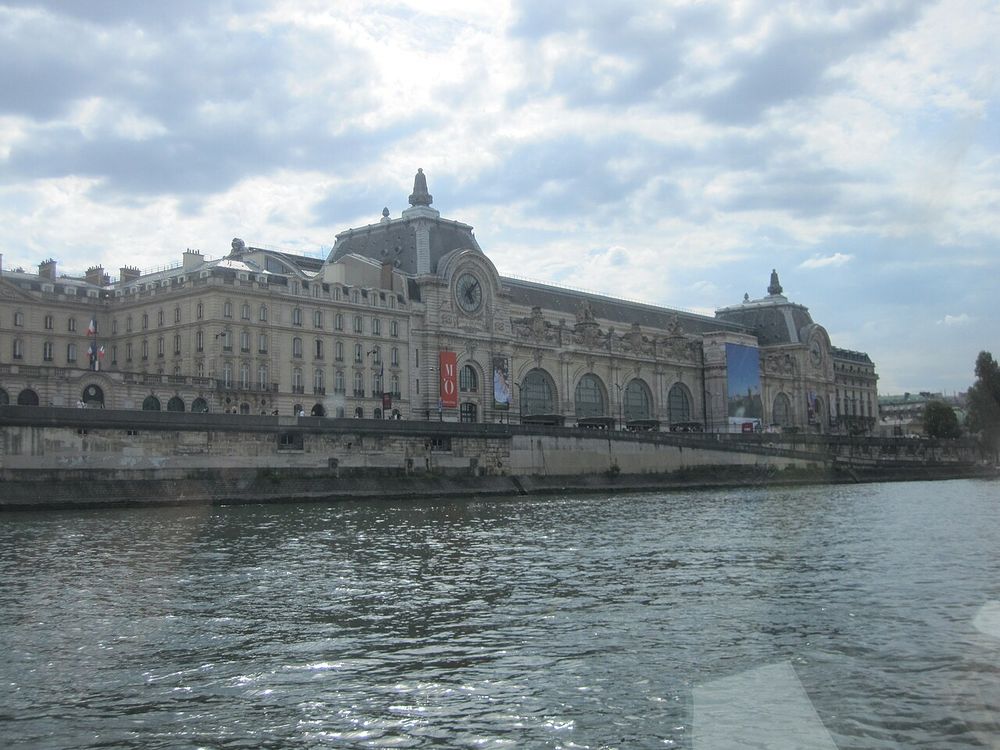
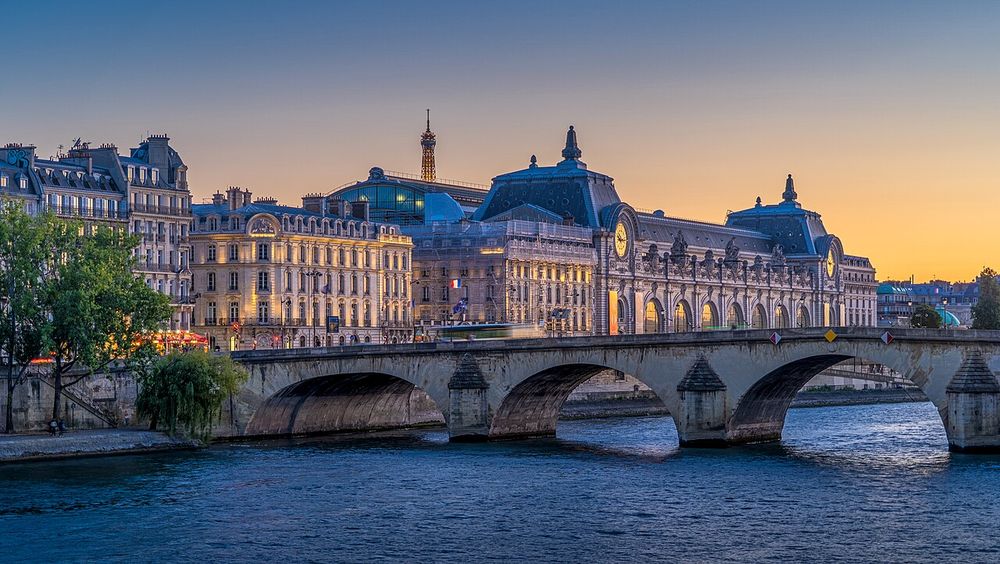
The building opened on 14 July 1900 as the Paris terminus of the railway to Orléans and the south-west. It was the first big city station in the world built for electric trains, so it needed no open shed for smoke, and its architect hid the iron behind a stone front as grand as the Louvre across the river.
In China 1900 is the twenty-sixth year of Guangxu of the Qing dynasty (1644–1912), the year of the Boxer rising. The art inside runs from the years of the Taiping war to the first years of the Republic.
Close by, with a page of its own: The Louvre, Arc de Triomphe, Sacré-Cœur.
One ticket covers the whole museum and its exhibitions.
| Part | Ticket |
|---|---|
| The hall and its sculpture | Museum ticket |
| Ground floor rooms: Manet, Courbet, Millet | Museum ticket |
| Top floor: the Impressionists | Museum ticket |
| Van Gogh and Gauguin | Museum ticket |
| The clocks and the ballroom | Museum ticket |
| The forecourt and the river front | Free |
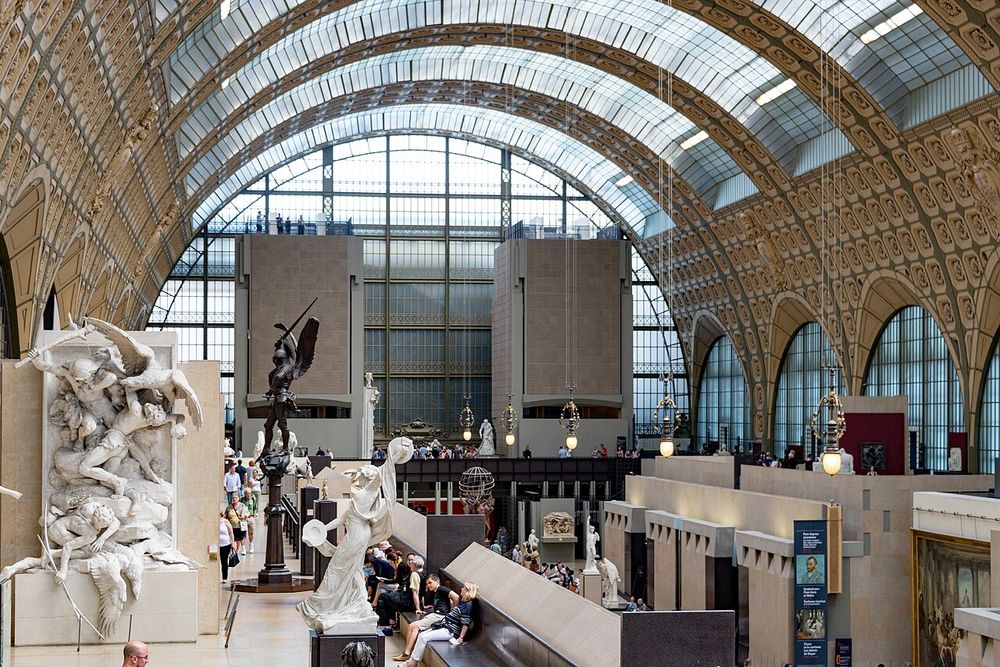
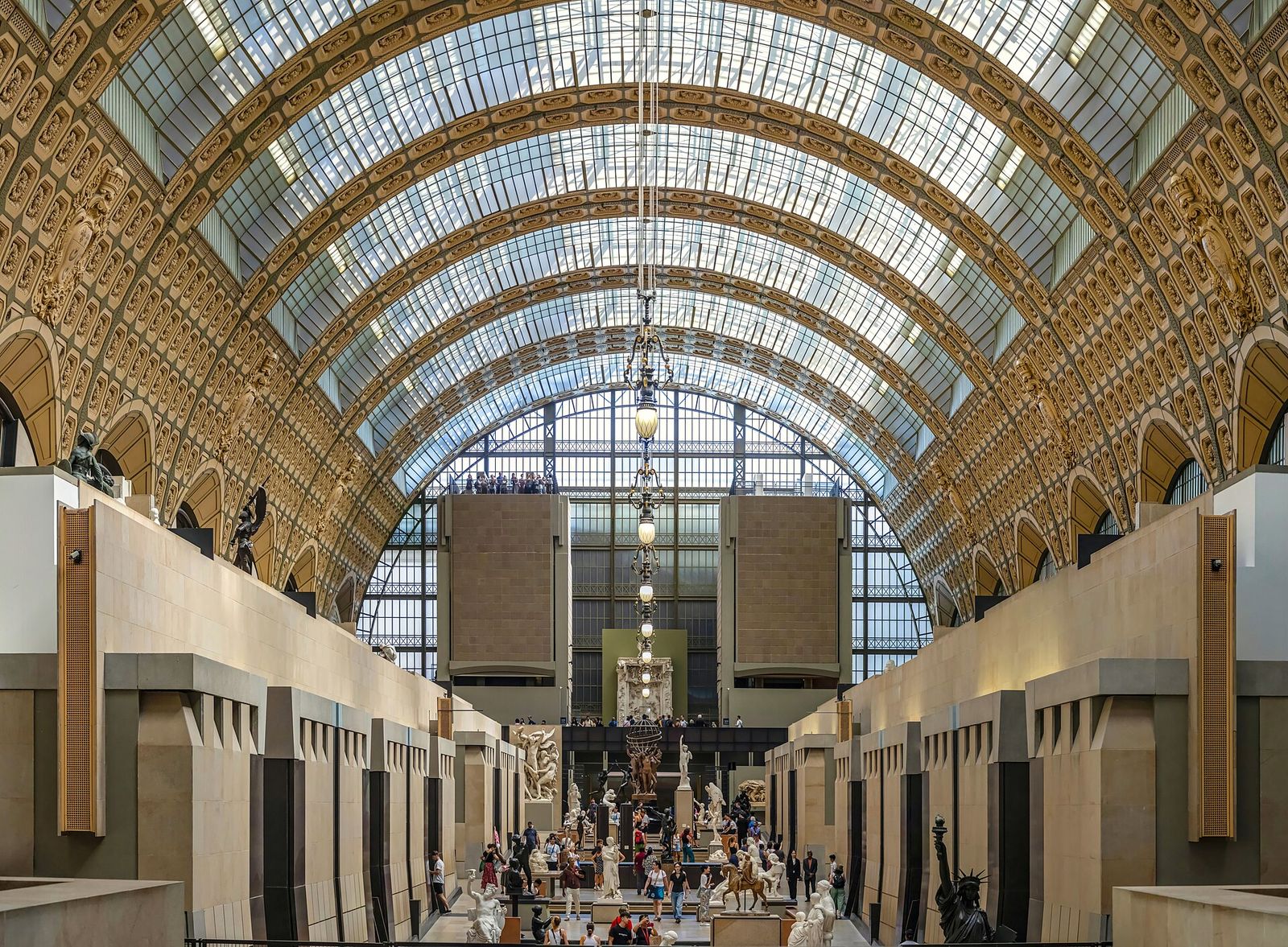
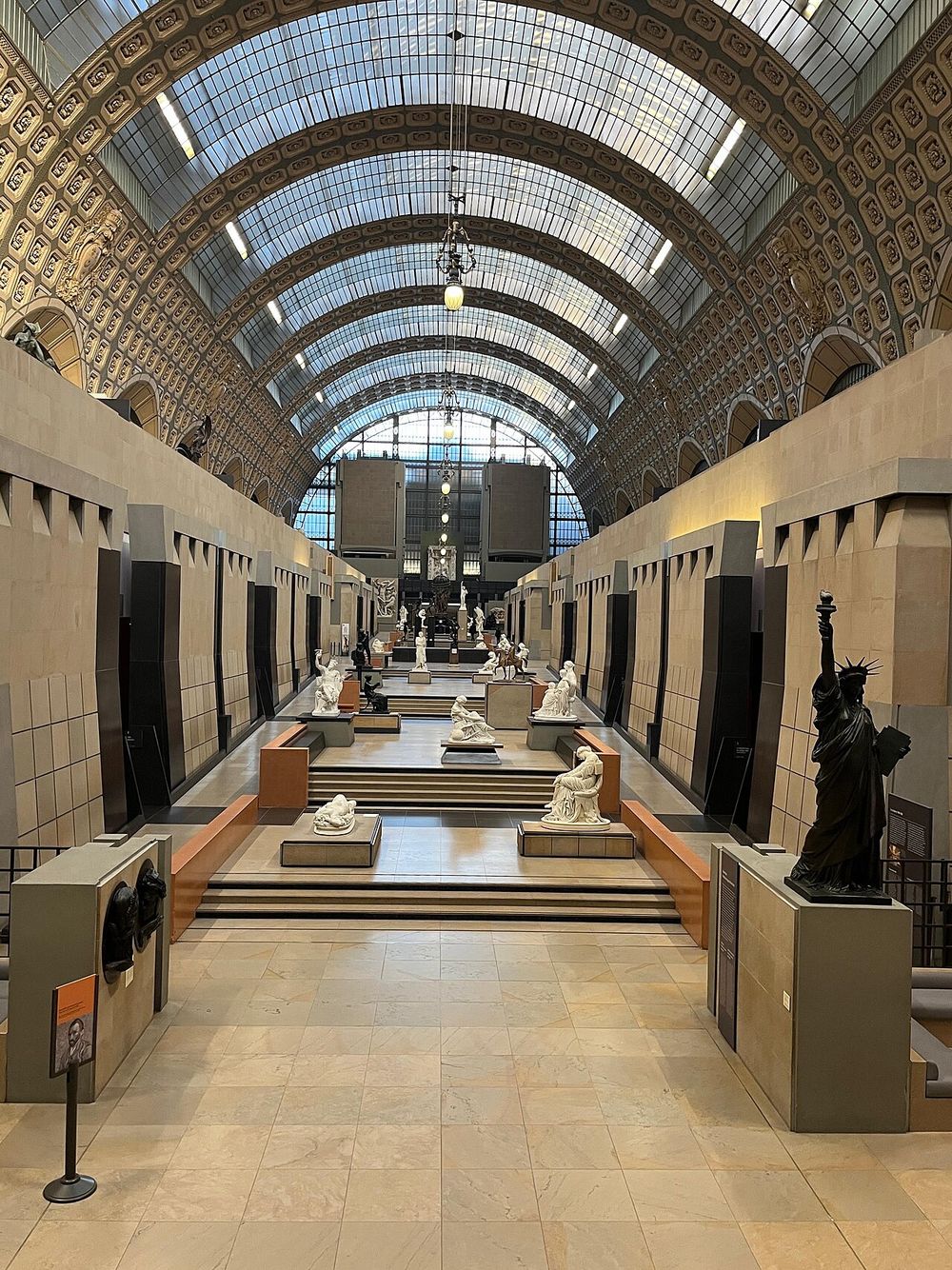
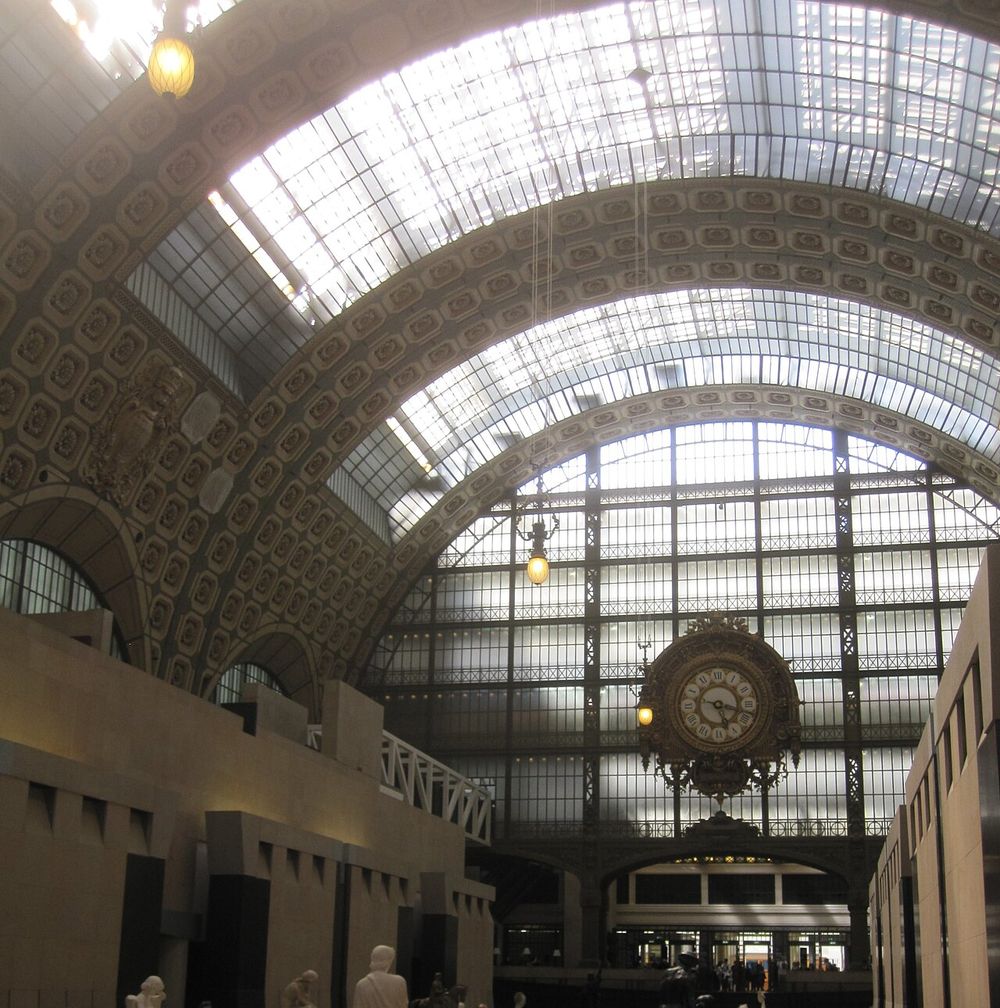
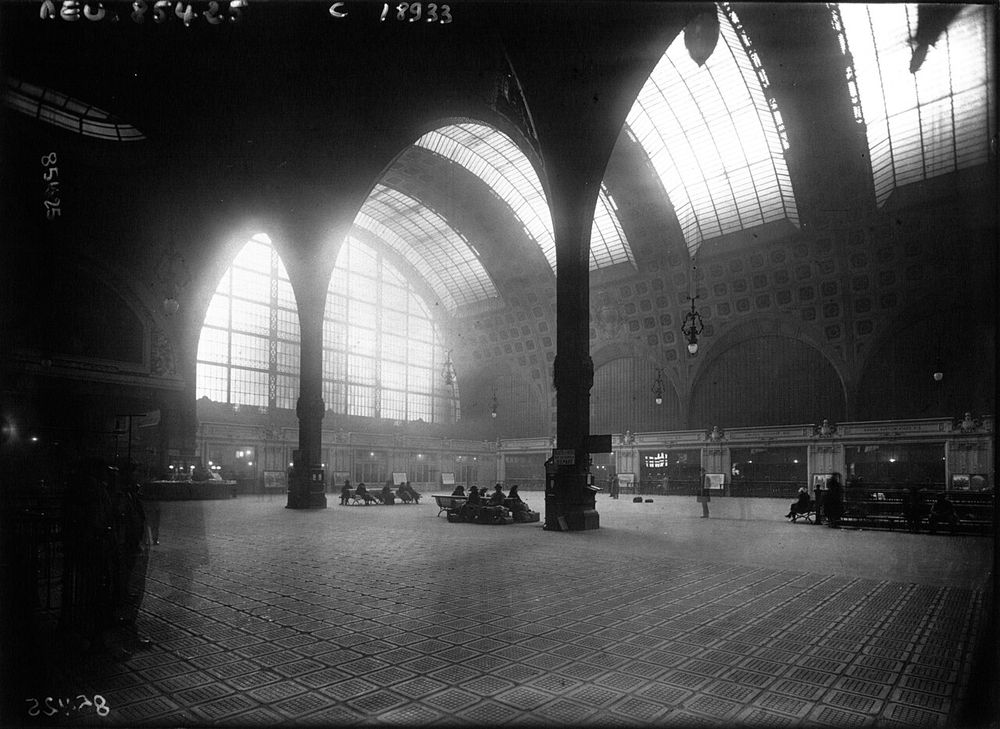
You are standing where the tracks ended. The hall is 138 metres long and 32 high. The trains came in at the foot of these steps, and the passengers walked out the way you came in.
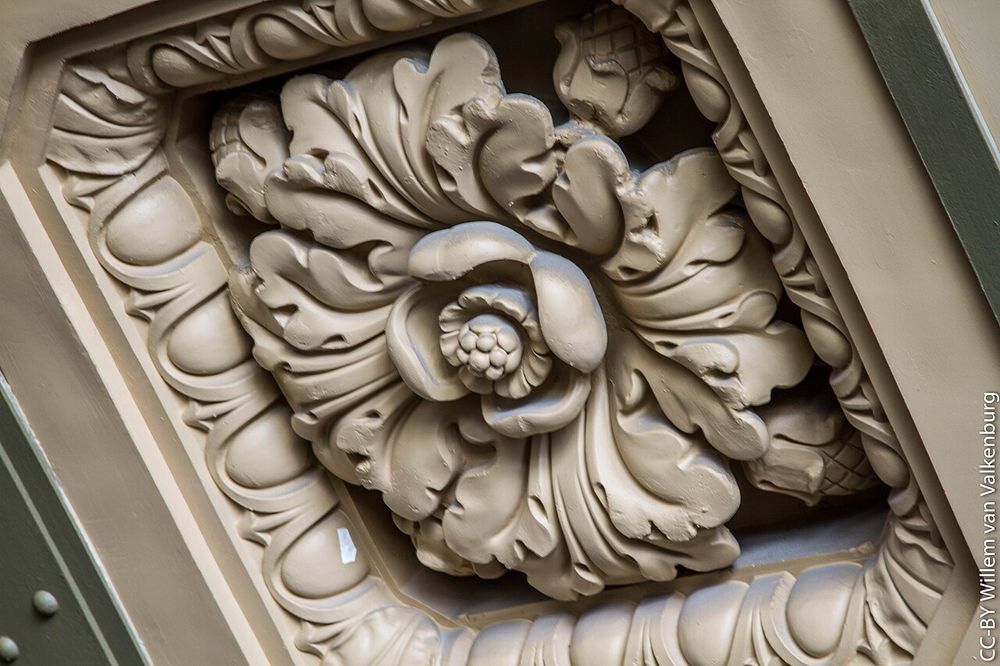
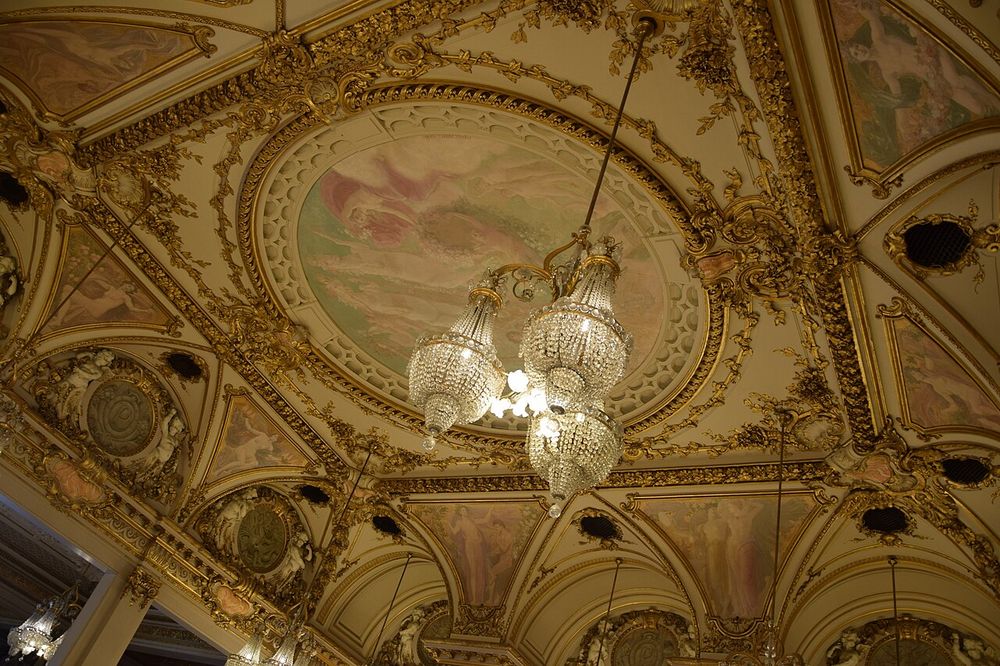
Look up. The roof is iron and glass, but every panel of the vault is filled with a plaster rose, hundreds of them. A station was not supposed to look like a factory.
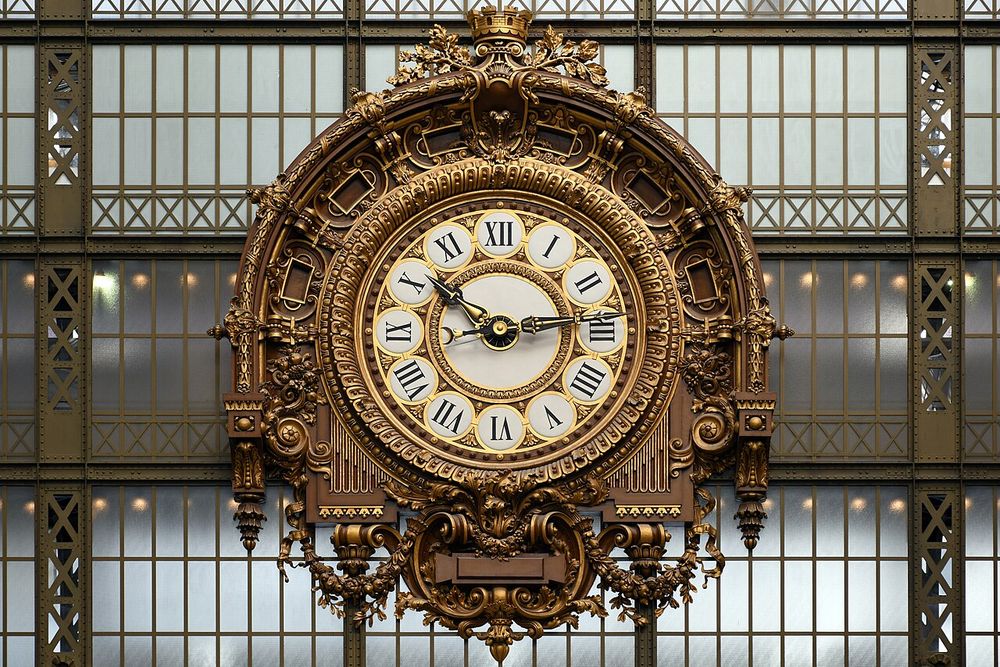
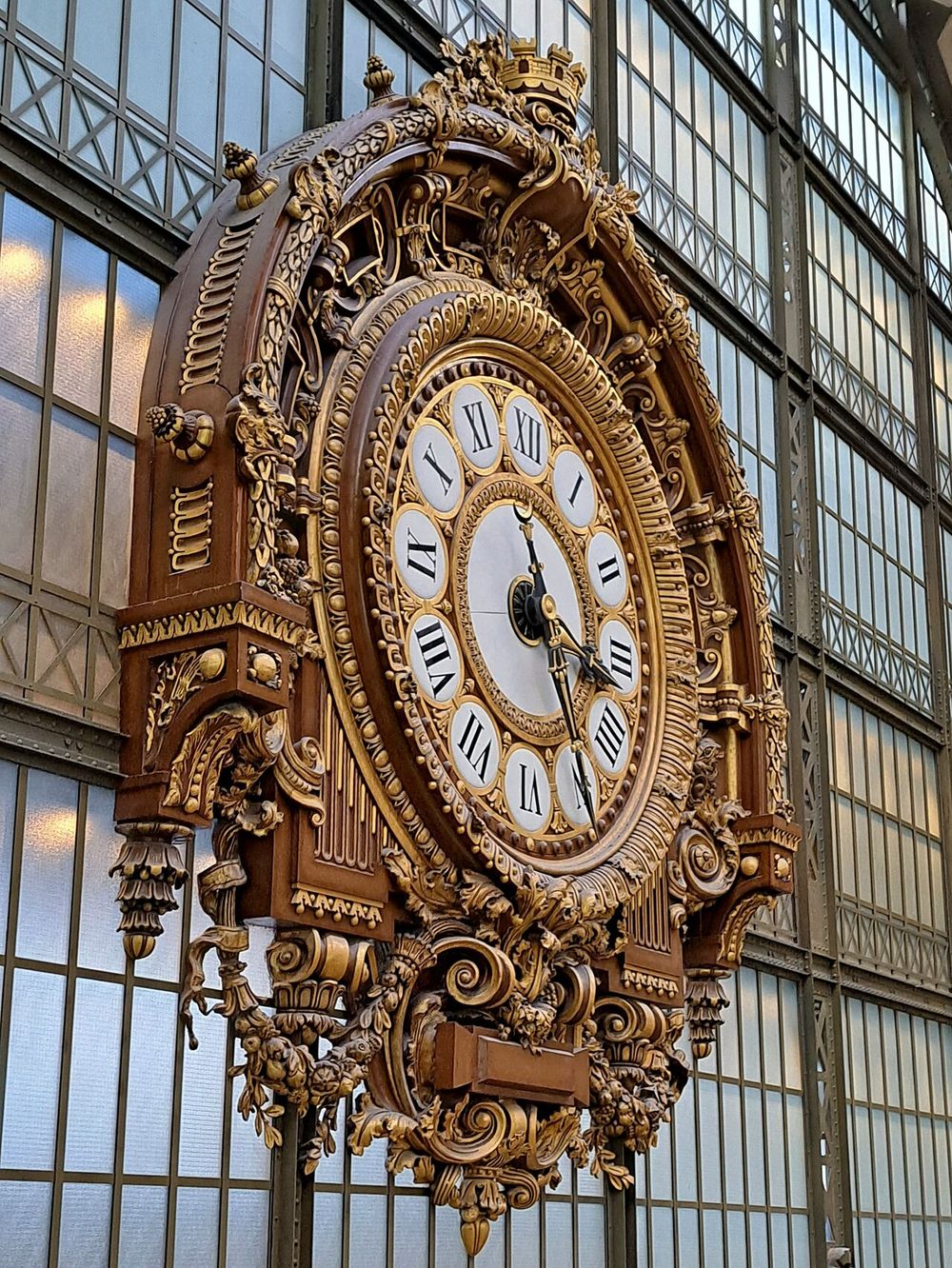
Turn round. The great gilt clock above the entrance still keeps time. It told passengers how long they had.
The pictures everyone comes for are not in this hall. They are at the very top, under the roof on the river side, where the light is best. Go there first.
"The Impressionists were loved from the start." The word was an insult, coined by a critic in 1874 to mock one painting by Monet. In 1894 a painter left the state sixty-odd of their pictures in his will, and the state refused nearly half.
"Monet's huge water lilies are here." Those eight great panels are in the Orangerie, across the river. This museum has smaller ones.
"It is a small museum, good for an hour." It has about 4,000 works on show. Two hours is the least for the top floor and the hall.
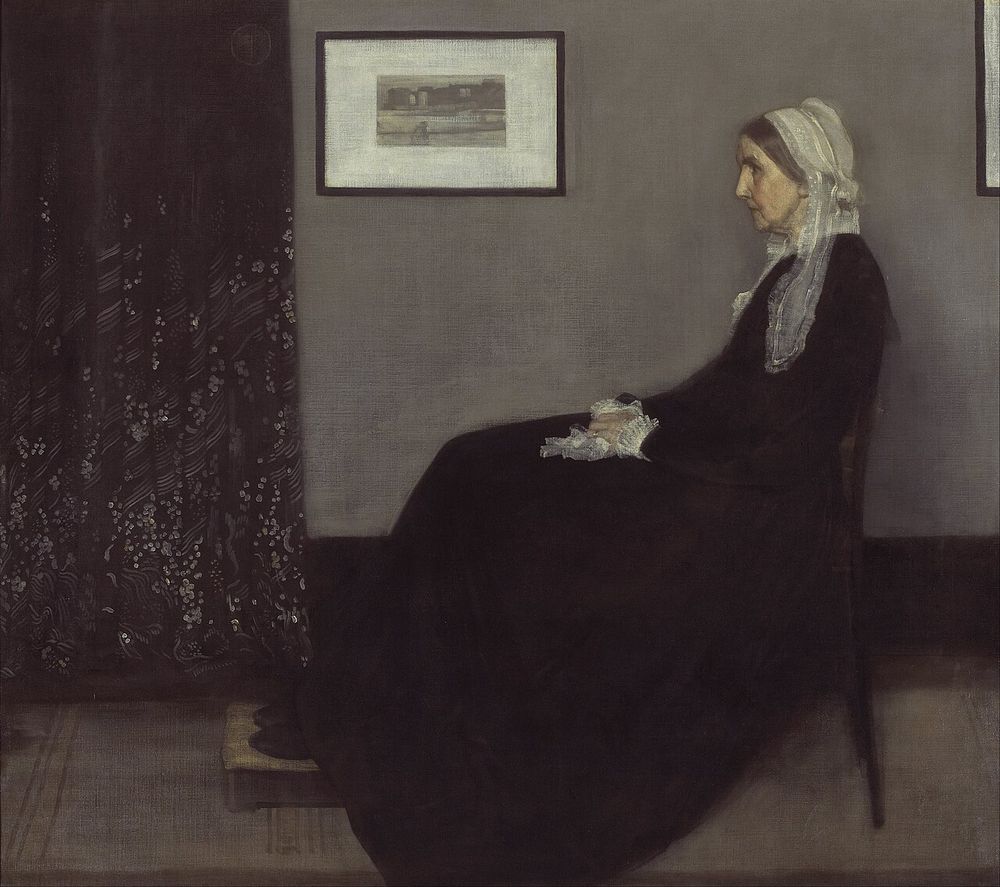
"Everything in it is French." It holds one of the best-known American paintings, Whistler's portrait of his mother, and work by Van Gogh, who was Dutch, and by Munch and others.
The rooms are being rearranged during building works that run to 2027. Take the free plan at the entrance; the works named below are in the museum, but their rooms may have moved.
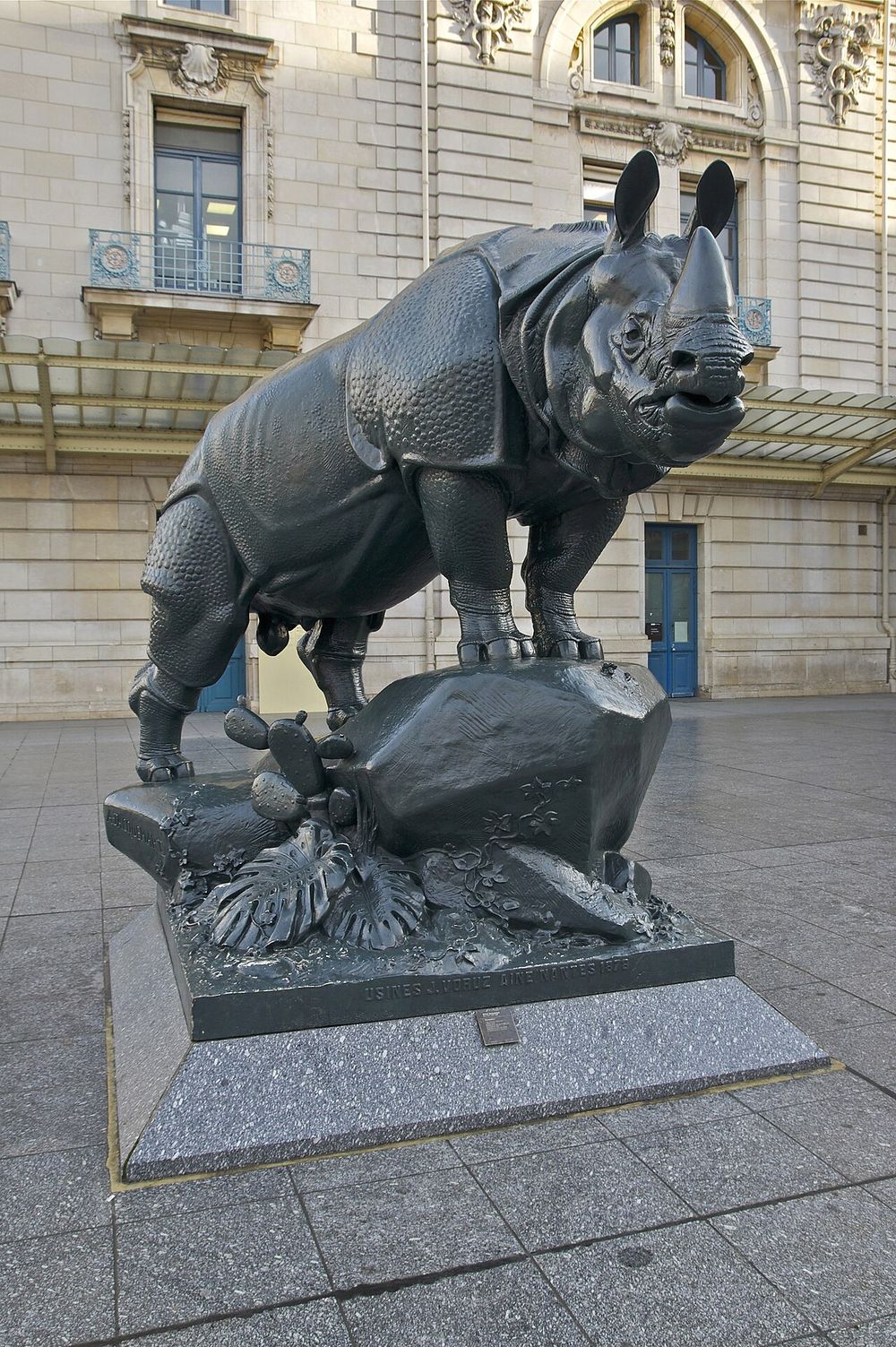
Before you go in, look at the bronze animals: a rhinoceros, a horse and a young elephant. They were made for the World's Fair of 1878. Next to them six women stand for the continents.
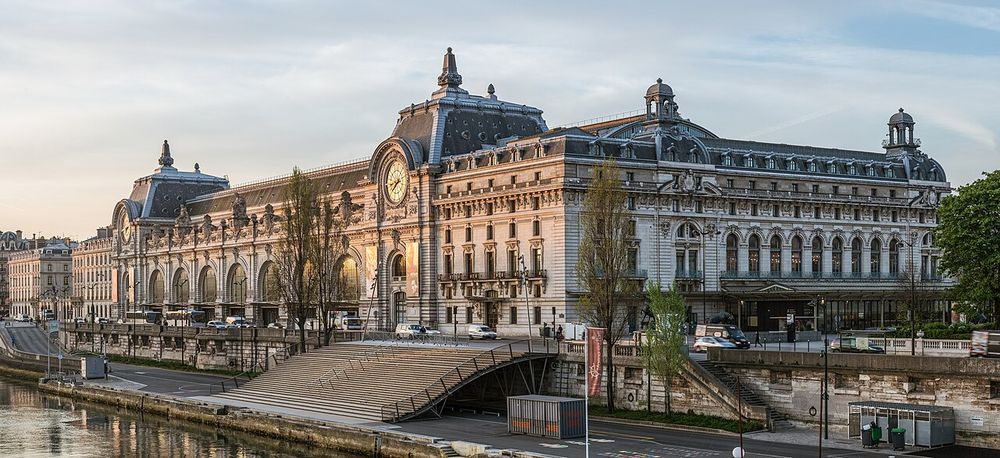
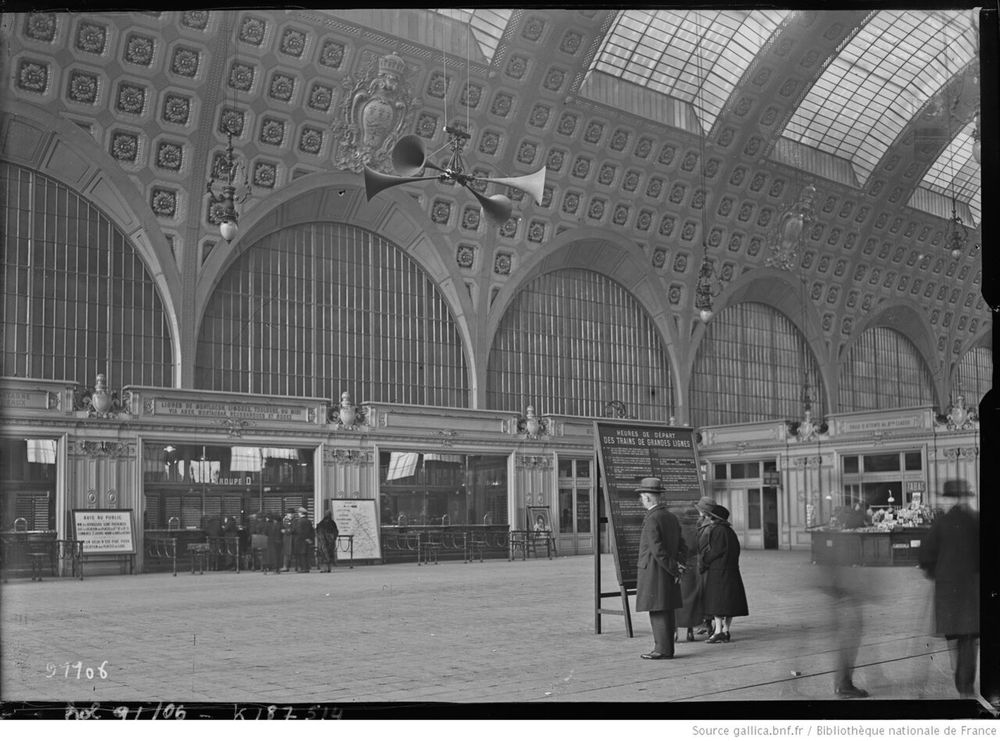
Now walk to the river side. Along the top of the front are the names of the towns the trains went to, Bordeaux, Toulouse, Nantes, and the letters PO, for Paris–Orléans.
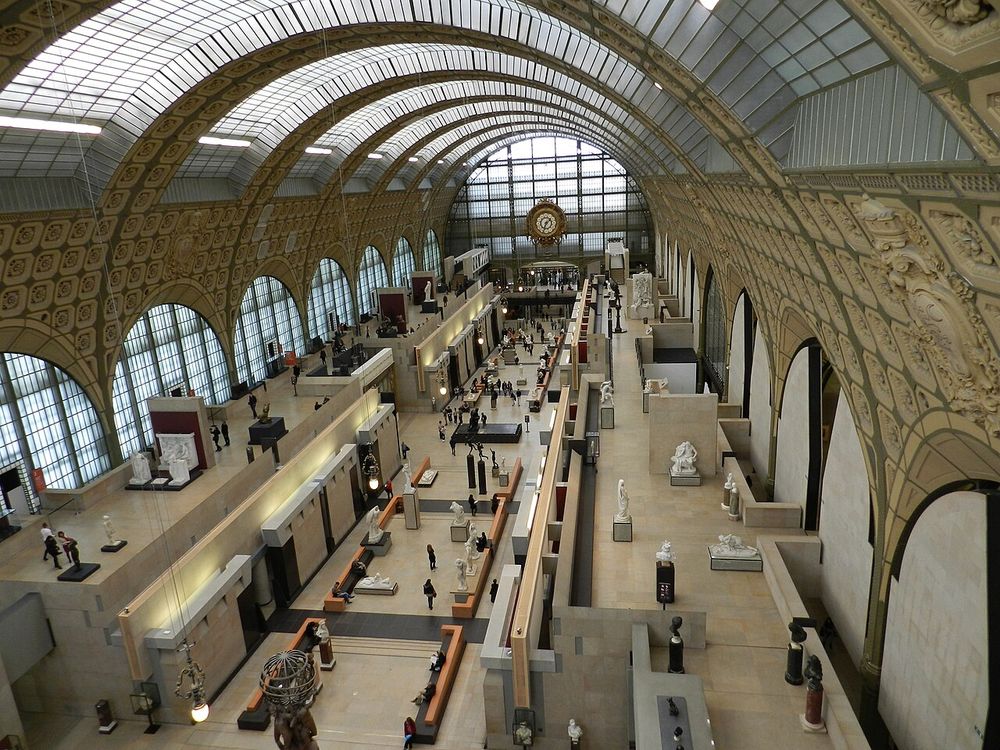
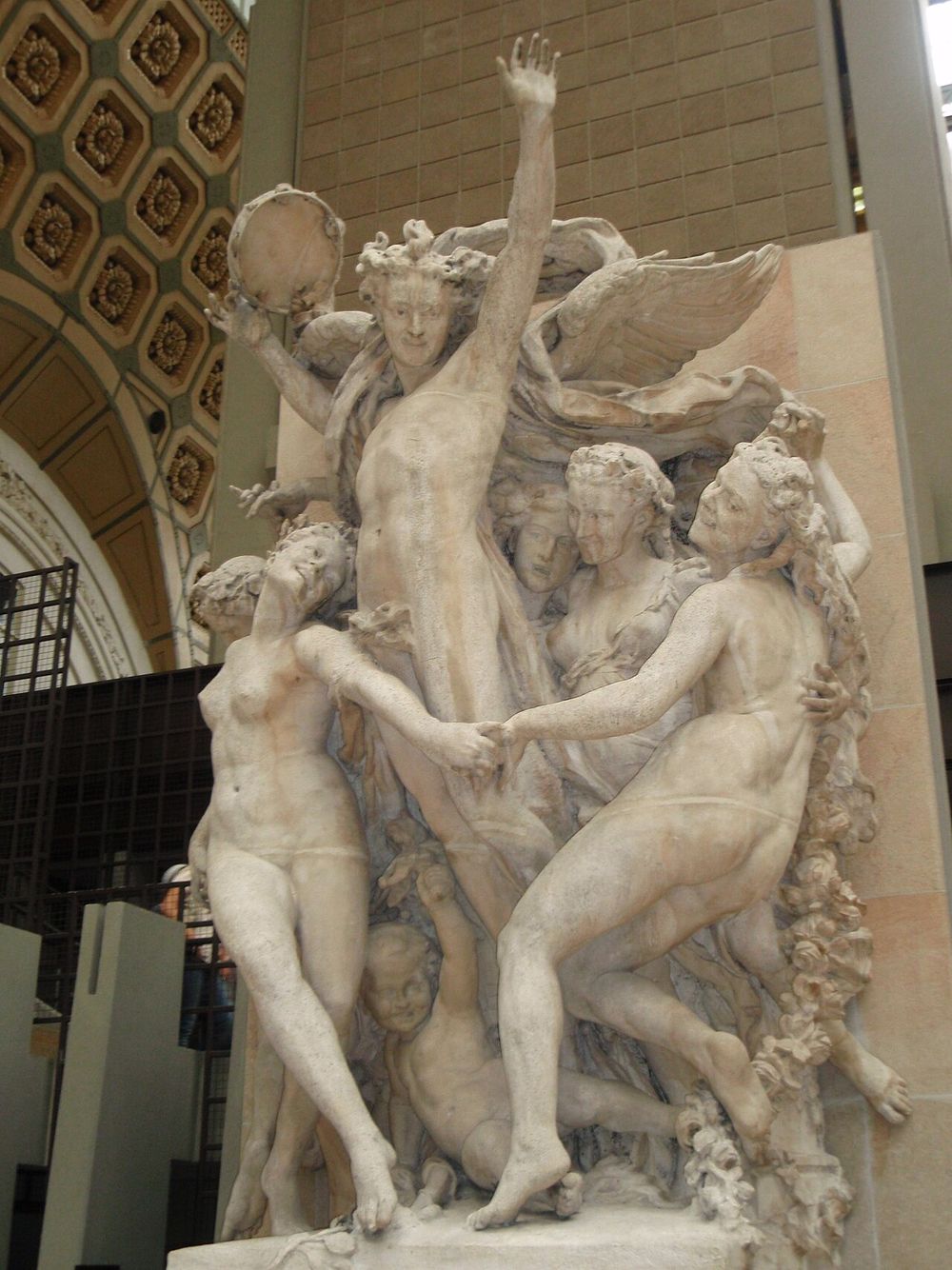
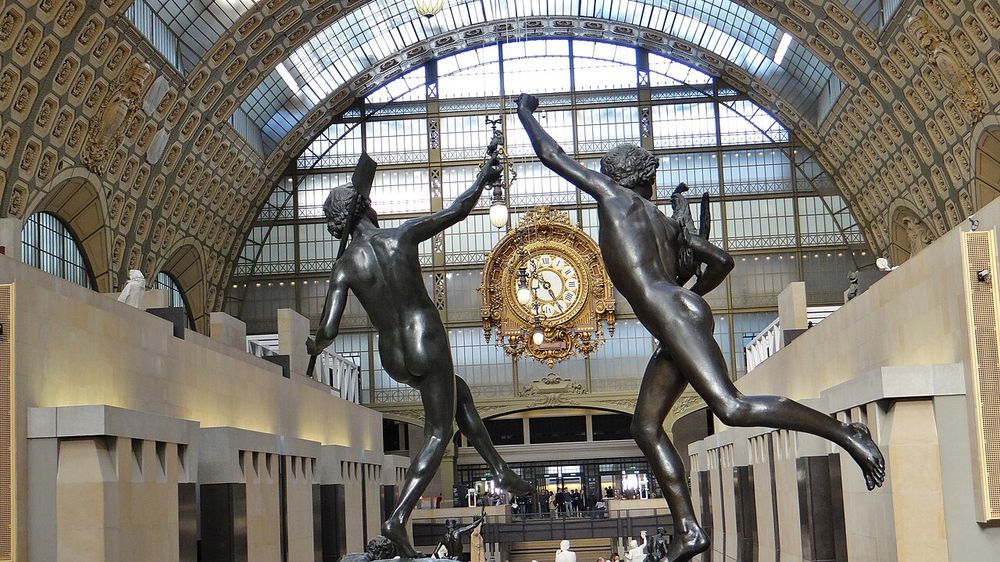
The centre of the hall is a walk of sculpture. Look for a group of naked dancers whirling round a boy with a tambourine. It was carved for the front of the Paris opera house in 1869. One night someone threw a bottle of ink at it.
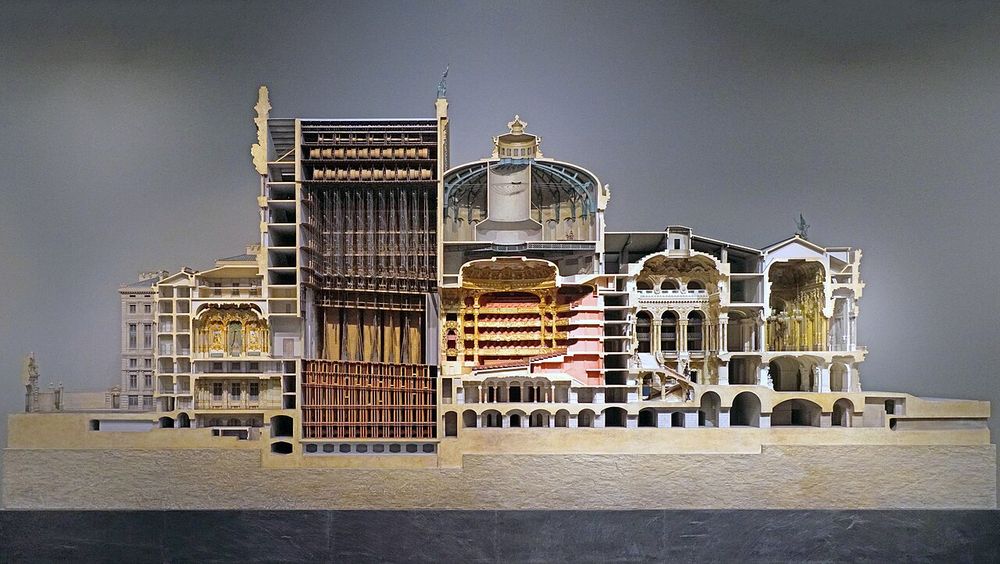
At the far end, under the floor, is a model of the opera district, and a cut-away model of the opera house itself, so that you can see the stage is as big as the hall.
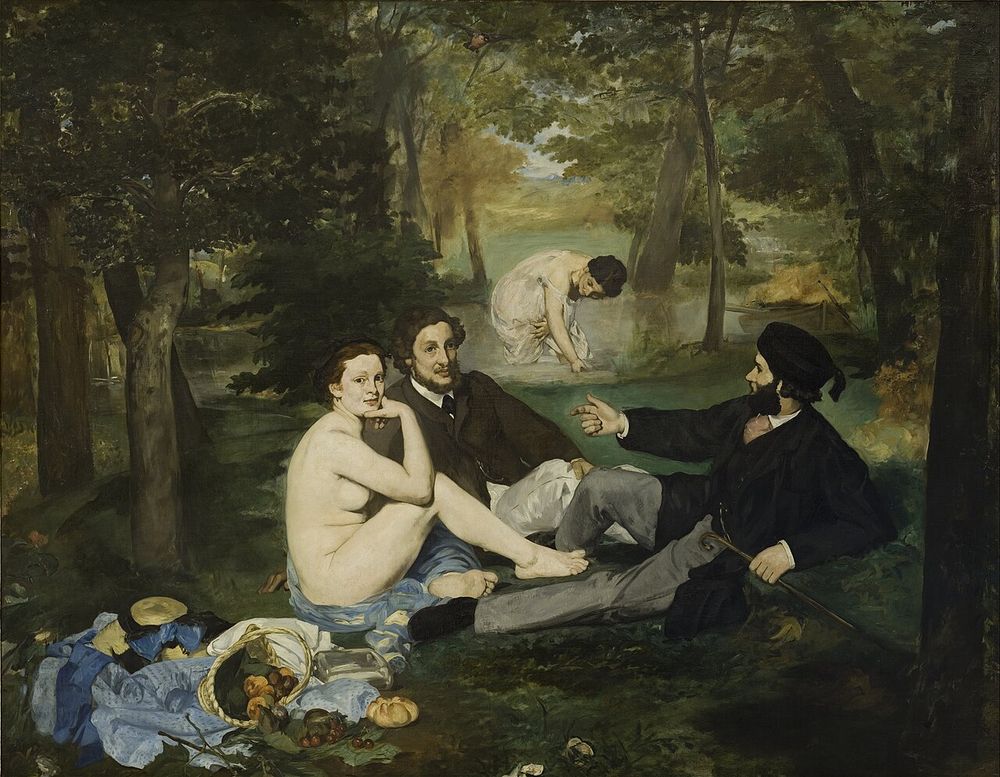
In 1863 the jury of the official exhibition refused so many pictures that the emperor ordered a second show for the rejects. This was the one people came to laugh at: two men in modern coats at a picnic with a naked woman who looks straight at you. Manet took the group from an engraving after Raphael. Nobody minded nudes. They minded that she was not a goddess.
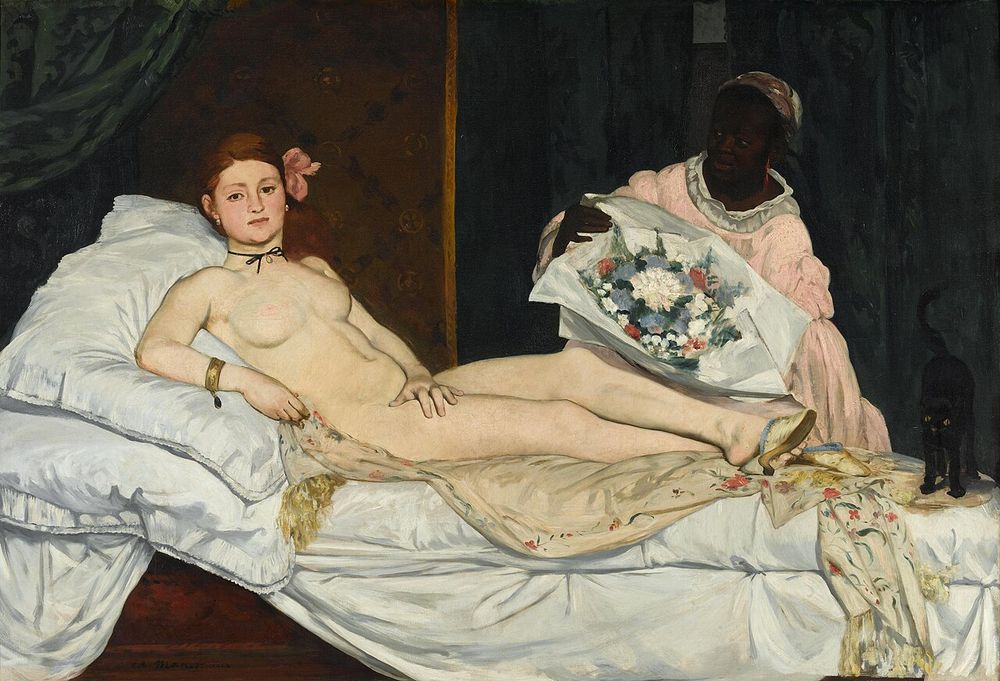
Two years later he showed Olympia. The pose is Titian's Venus. But the model is a Paris woman with a ribbon round her neck and one slipper off, a servant brings flowers from a client, and a black cat arches its back. Look at how flat the paint is. That shocked people too.
Entre tant de beautés que partout on peut voir, Je comprends bien, amis, que le désir balance ; Mais on voit scintiller en Lola de Valence Le charme inattendu d'un bijou rose et noir.
Among so many beauties to be seen on every side, I understand, my friends, that desire is in doubt; but in Lola of Valencia there glitters the unexpected charm of a jewel, rose and black.
Charles Baudelaire, lines written in 1862 for Manet's painting Lola de Valence, which hangs in this museum; our translation
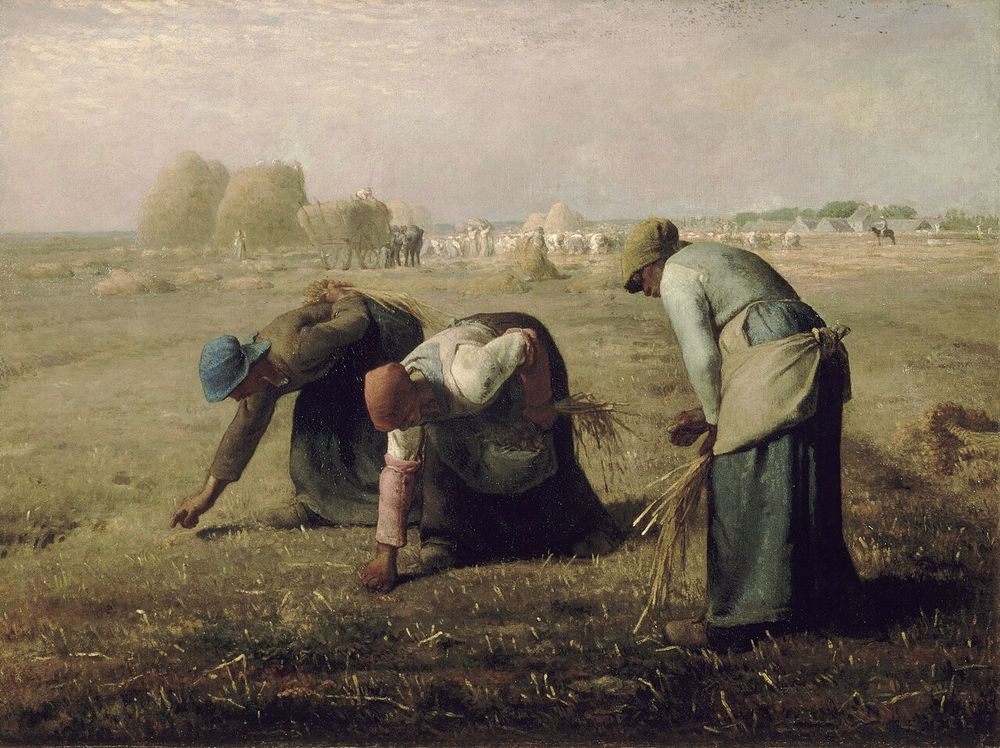
Three women bend to pick up the ears of wheat the harvesters have left. It was the right of the poorest. In 1857 critics saw in them a threat of revolution. Behind, small and golden, is the real harvest, with an overseer on a horse.
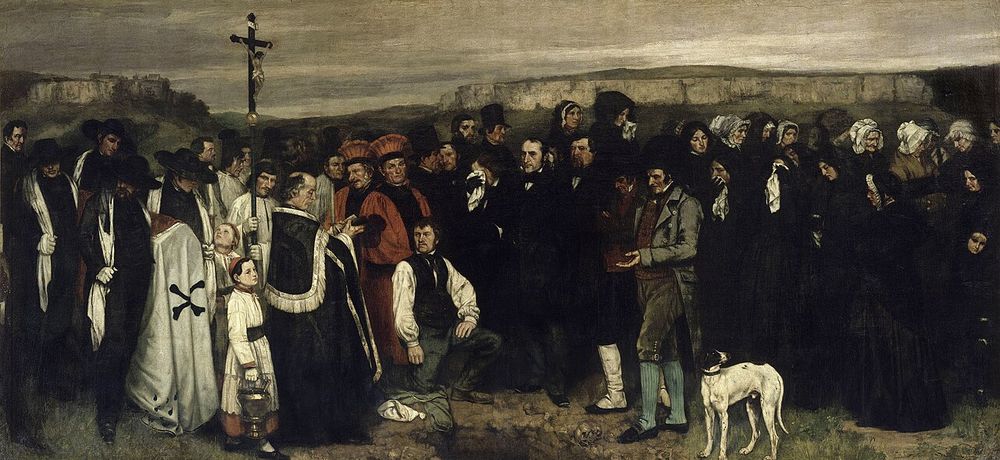
Courbet painted a village funeral on a canvas more than six metres wide, the size kept for kings and battles. The mourners are his neighbours, life size, and not one is handsome.
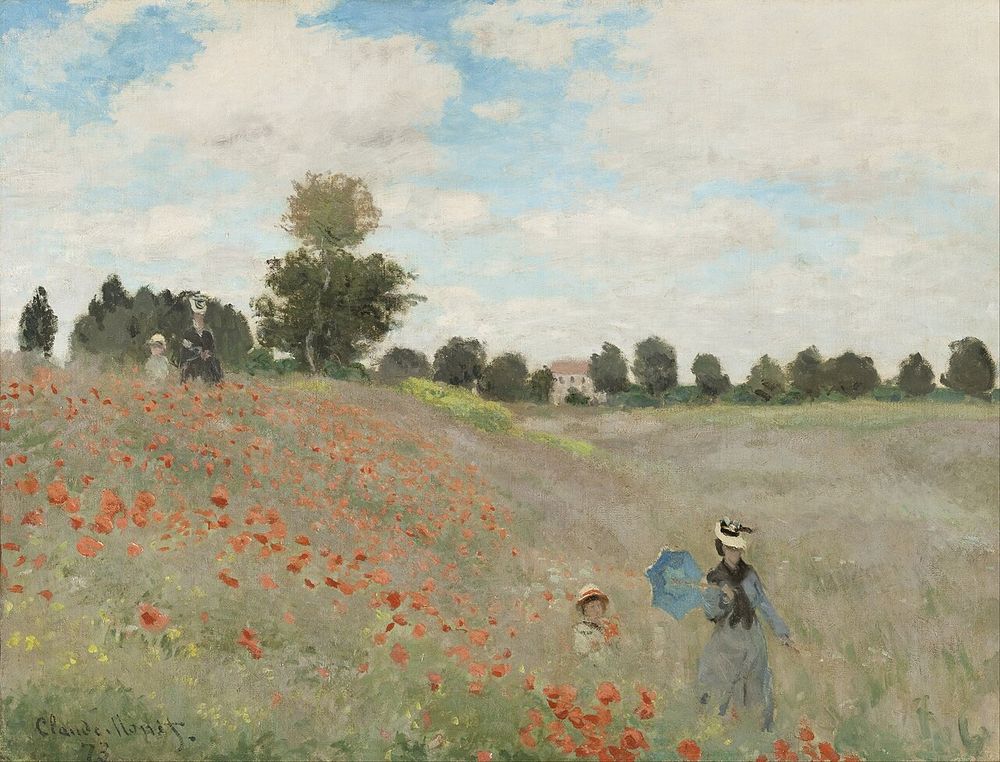
Monet's field of poppies is 50 centimetres high. Go close: the poppies are single dabs of red. Step back and they are flowers. The woman and child appear twice, at the top of the slope and at the bottom, like two frames of a film.
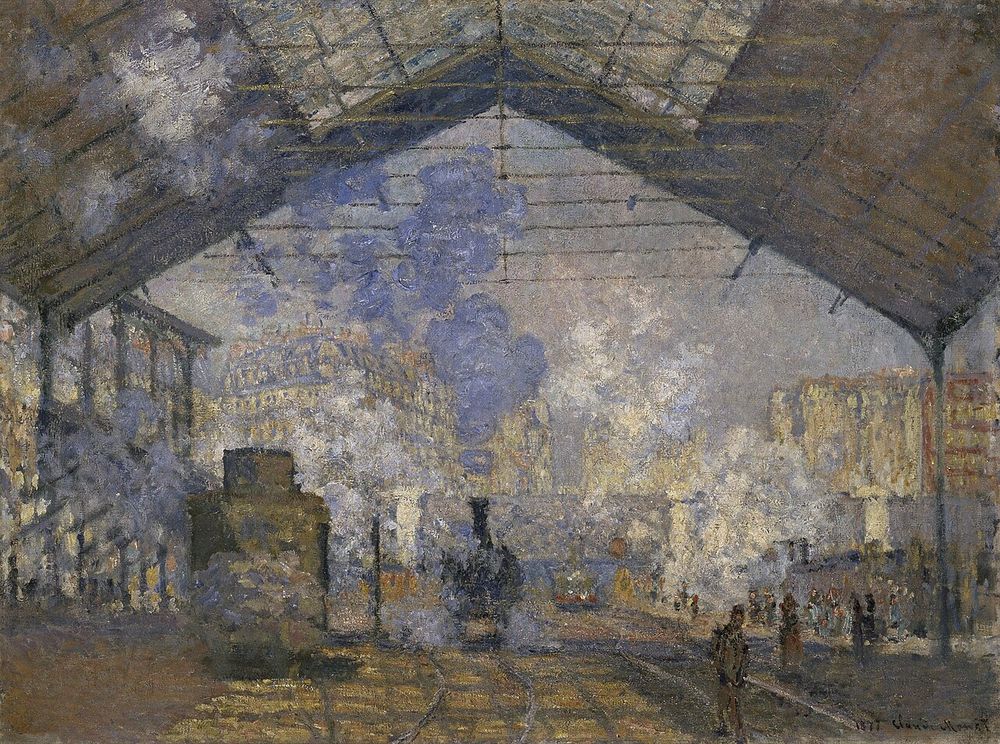
He also painted a railway station, in 1877, for the steam. He is said to have asked the station master to hold the trains and stoke the engines so there would be more of it.
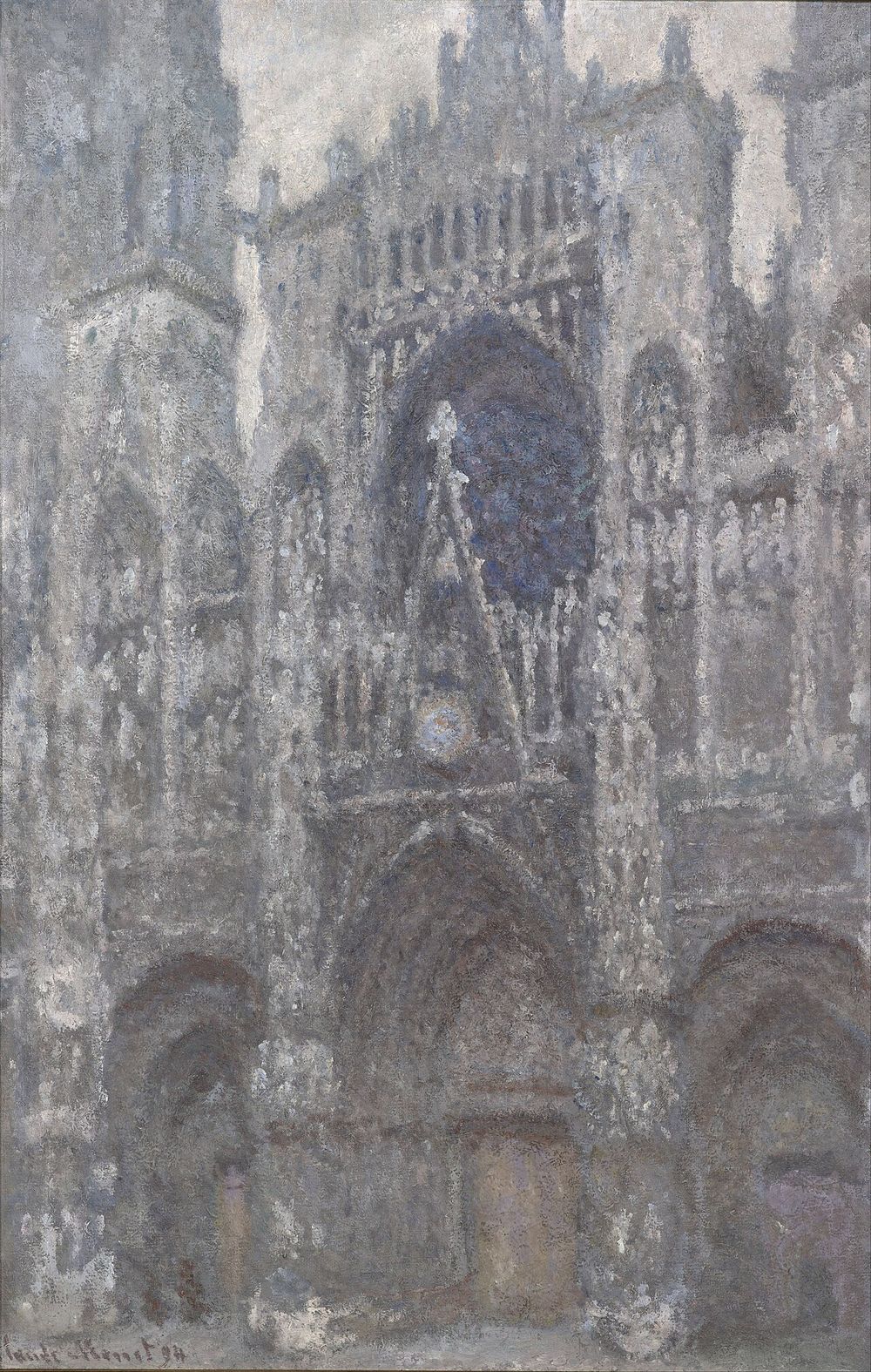
Later he painted one cathedral front more than thirty times, at different hours. Several hang side by side. The stone is the same. Only the light has changed.
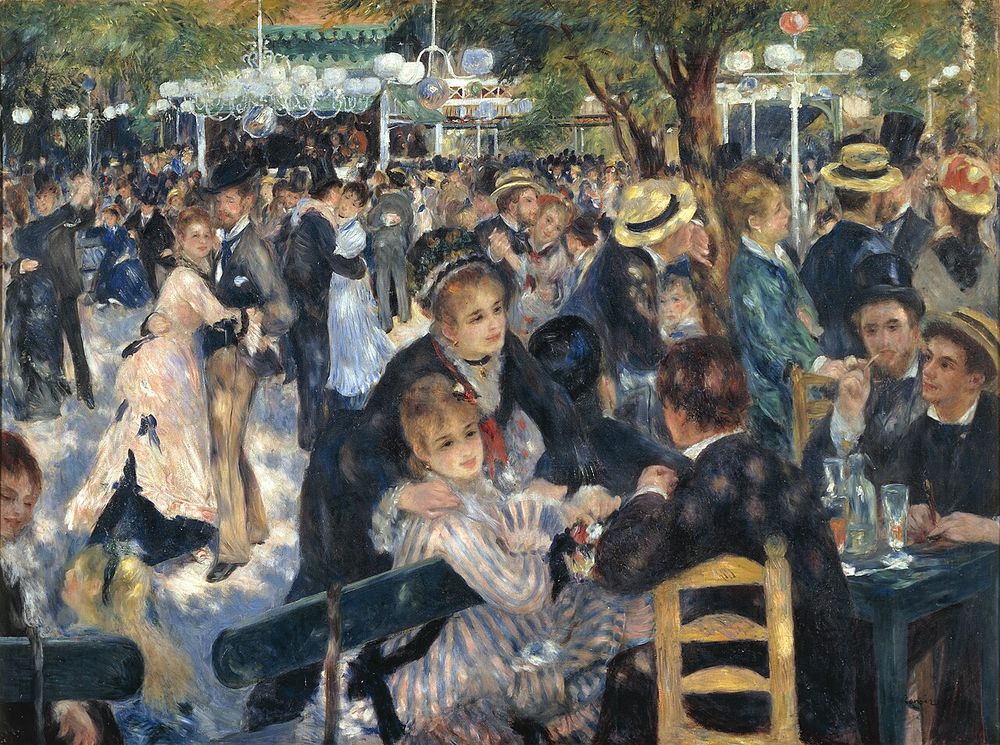
Renoir's dance is a Sunday afternoon in 1876 at an open-air dance hall on the hill of Montmartre. The spots of light on the coats and the ground are sunlight coming through the trees. The dancers are his friends and local working girls.
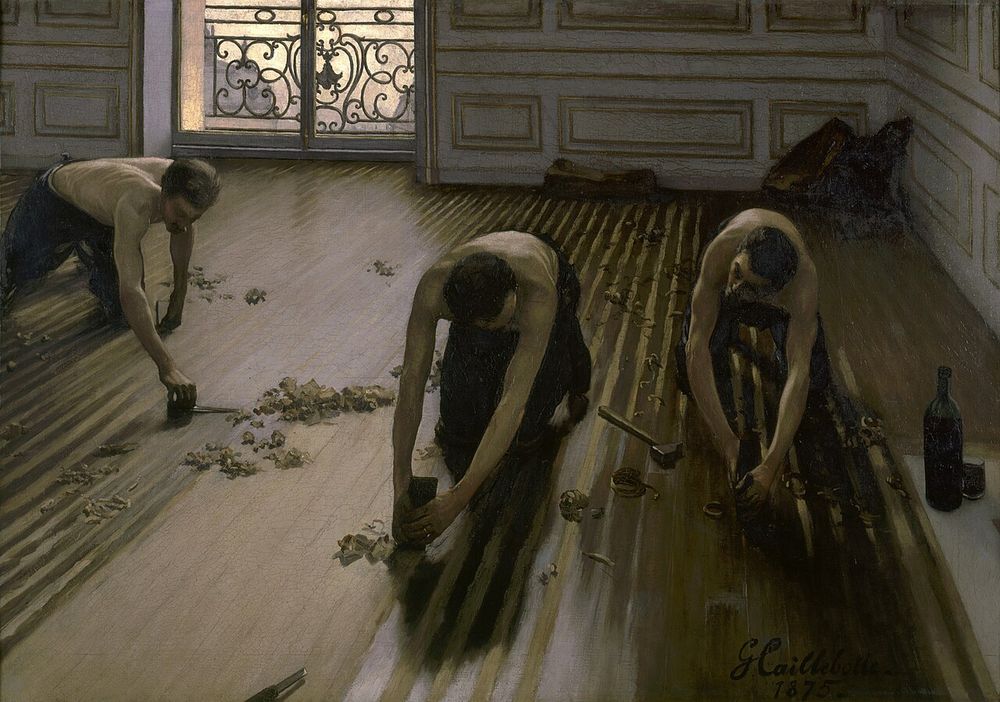
Caillebotte painted three men scraping a wooden floor. The jury of 1875 refused it as vulgar. It is one of the first pictures of city workers at work.
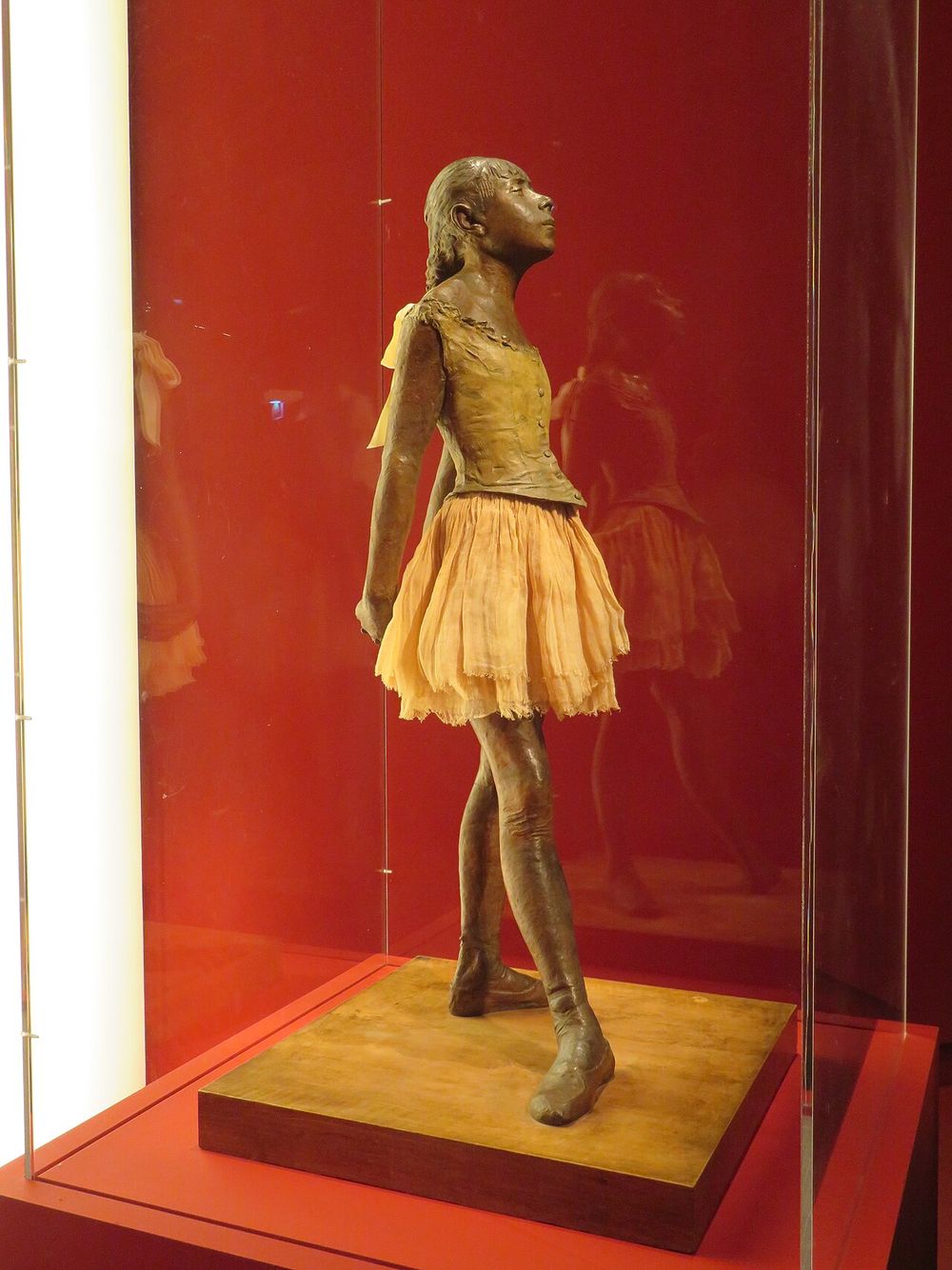
Degas showed his little dancer in 1881 in wax, with a real skirt and real hair. People called her ugly. The bronze here was cast after his death.
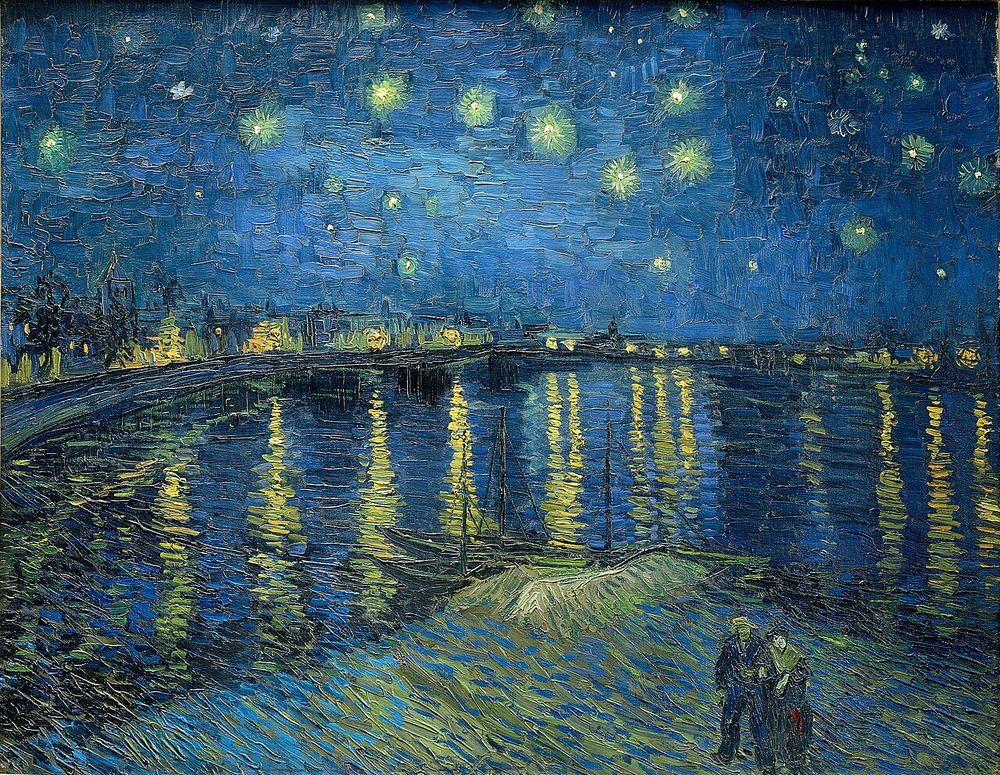
This is the night sky over the river at Arles in September 1888, painted out of doors by gaslight. The stars are the Plough. It is not the more famous swirling sky, which is in New York.
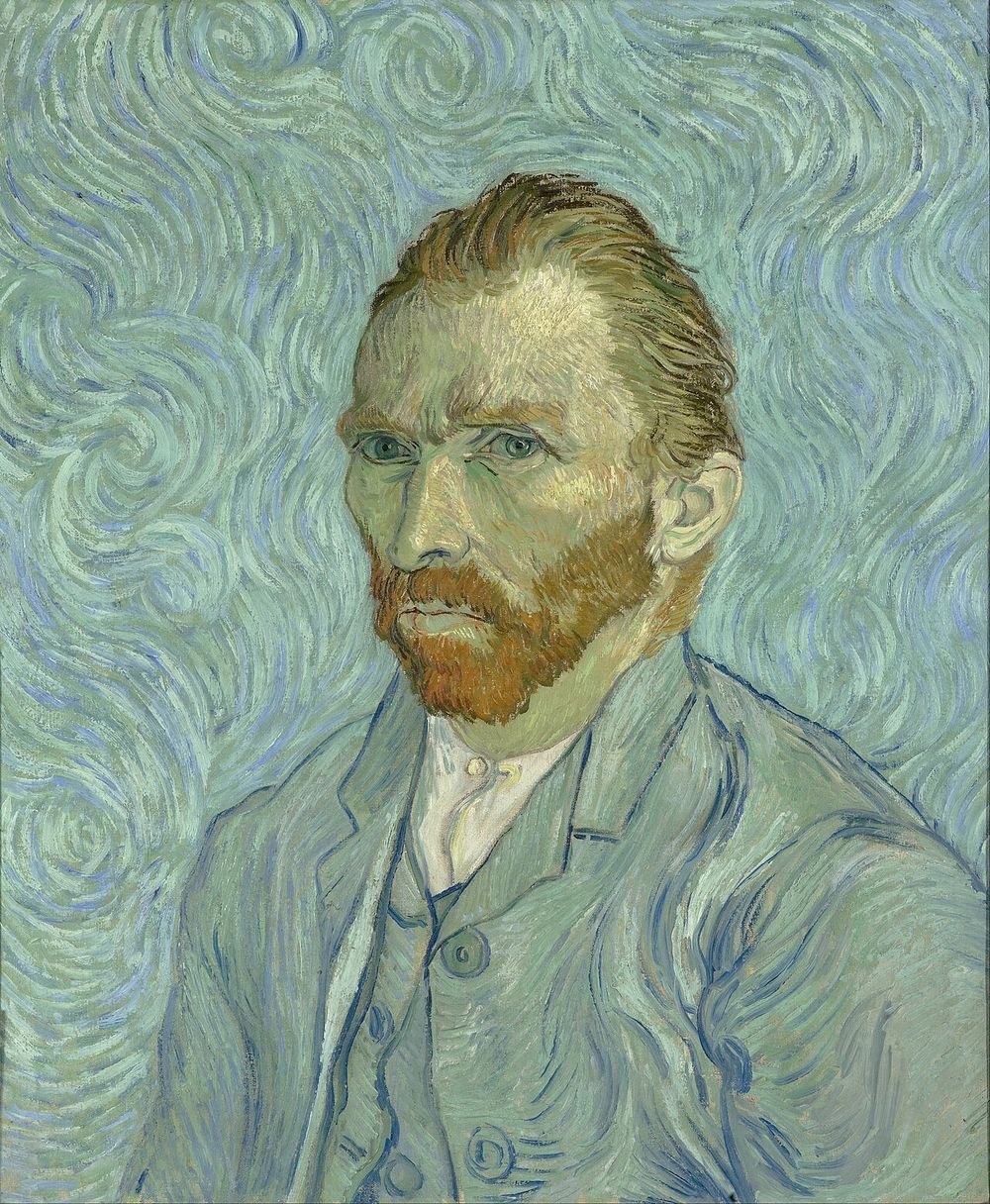
He painted this portrait of himself in September 1889, in the asylum. The background turns like the sky in his landscapes. He sent it to his brother to show that he was better.
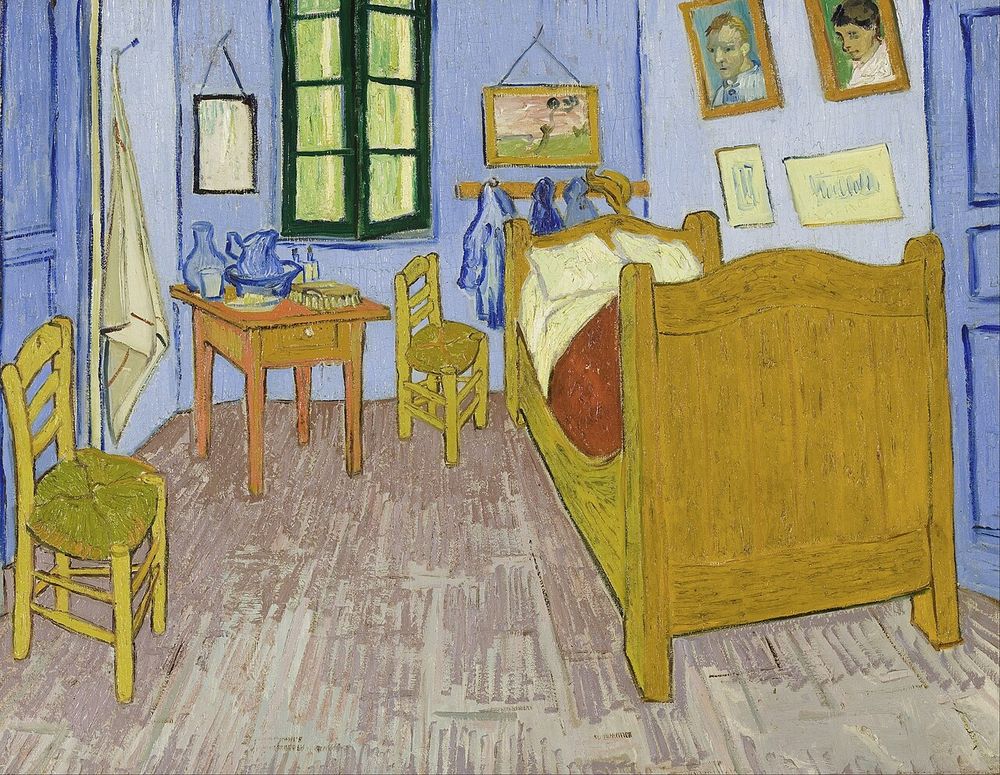
And this is his bedroom at Arles. He wanted it to suggest rest. Look at the floor: it tips towards you. He painted it three times; this is the small one he made for his mother and sister.
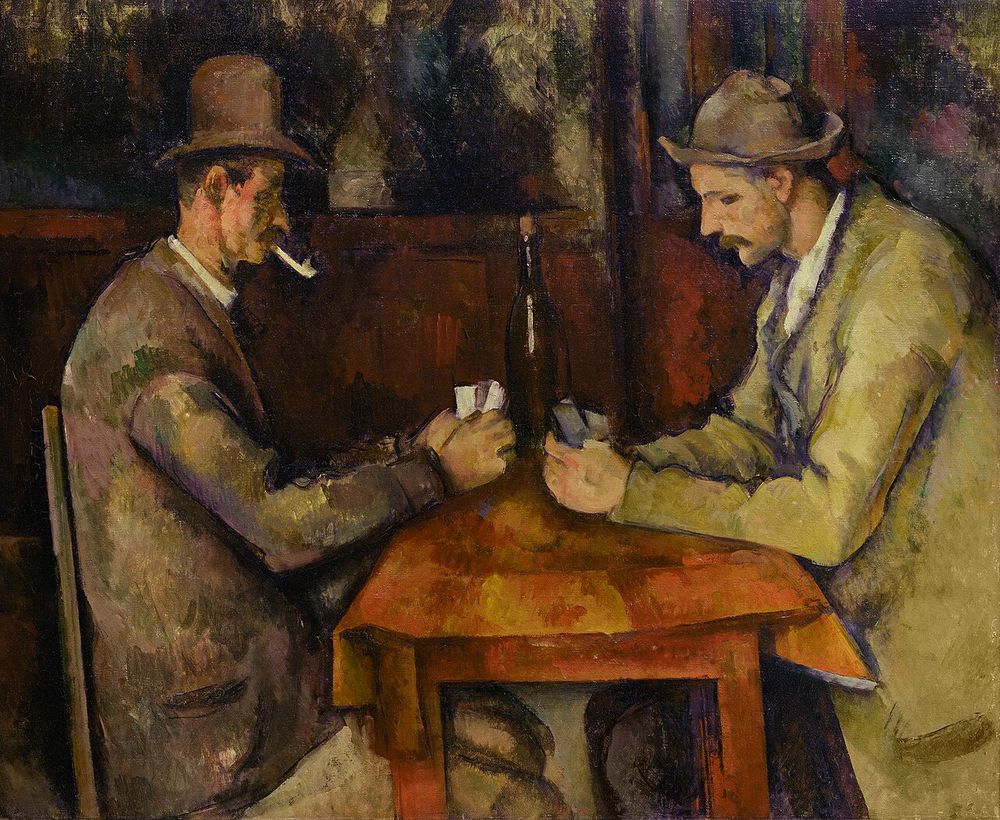
Cézanne's two card players are peasants from his family's farm. Nothing happens. The bottle stands exactly between them. He painted the subject five times, each time with fewer people.
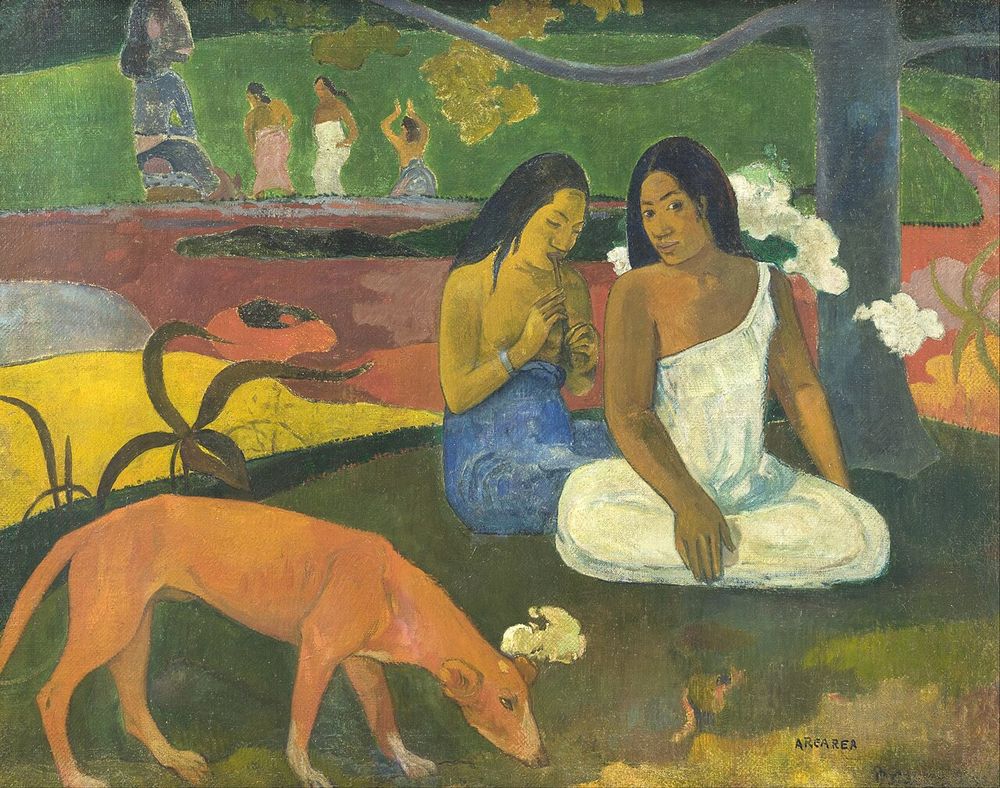
Gauguin painted this in Tahiti in 1892. The dog is orange. He said he wanted colour to work like music.
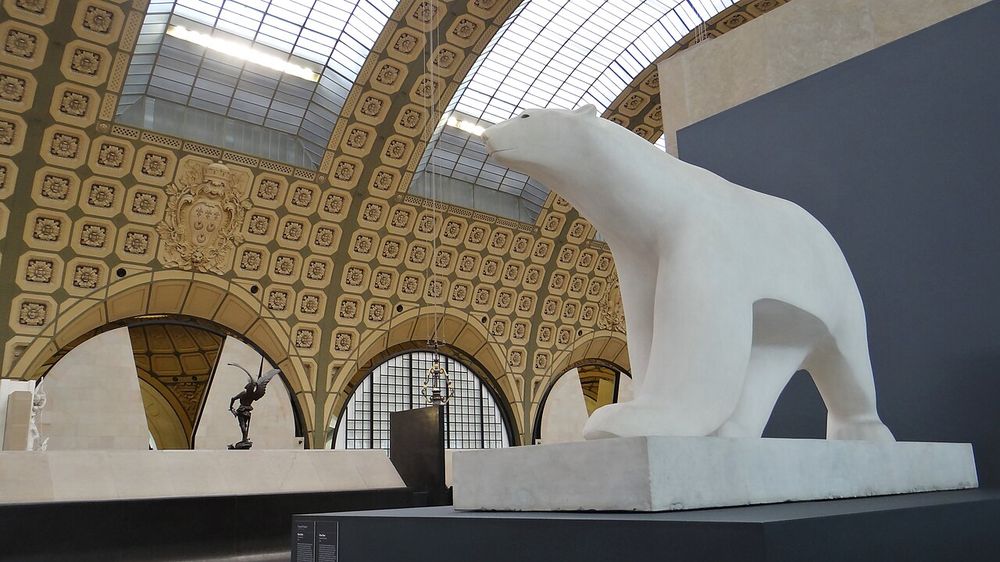
Downstairs again, find the white bear. Pompon was nearly seventy when he showed it in 1922. He polished away the fur and kept only the walk.
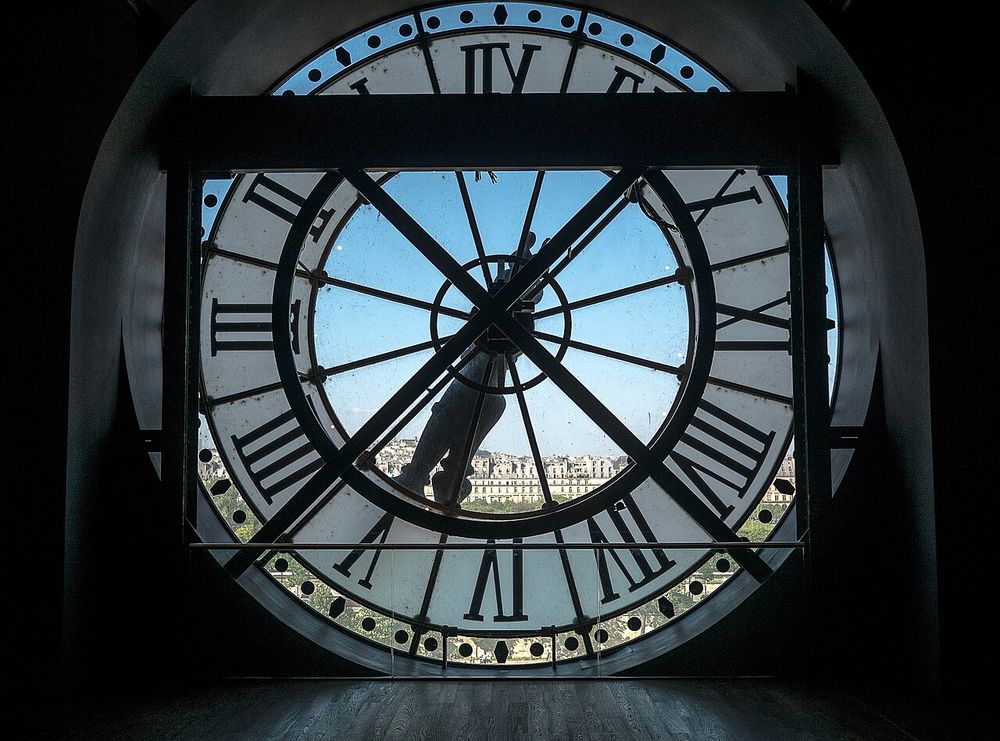
On the top floor two great glass clock faces look out over the river. Stand behind one. Through the numbers you can see the Louvre, and on the hill to the north the white domes of the Sacré-Cœur.
The same shot: the picture of a figure in silhouette against the clock is taken at the glass clock in the gallery, not the one inside the café. Stand three metres back and expose for the sky. In the morning the queue for this picture is short.
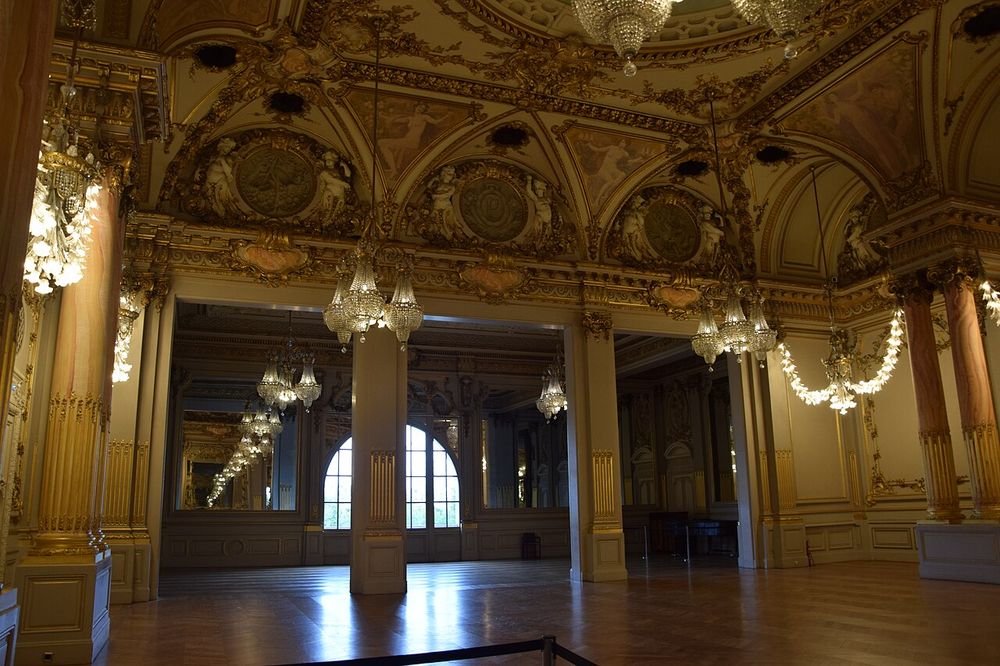
On the middle level is the ballroom of the old hotel, all gilding and mirrors. This is where de Gaulle spoke in 1958.
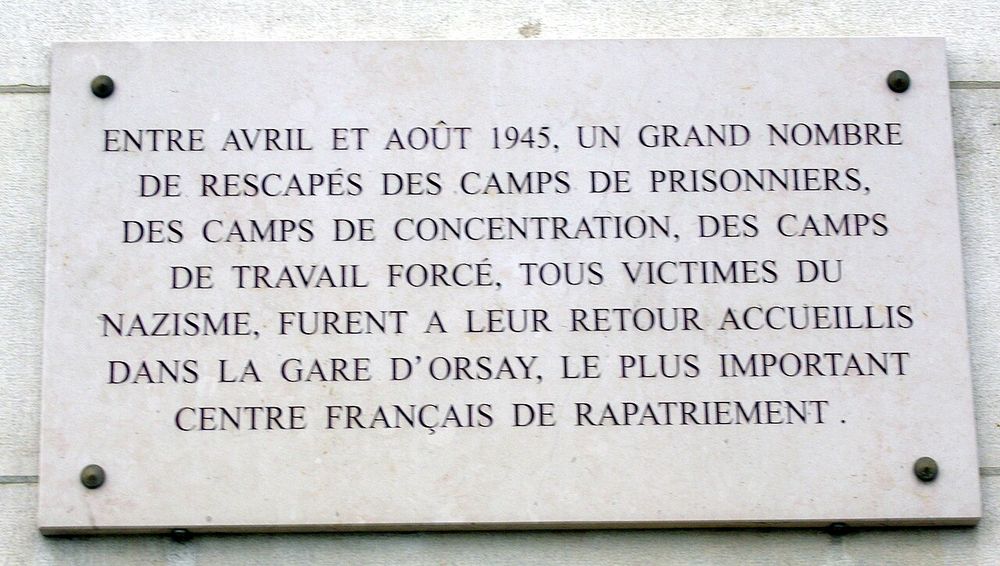
Outside, a plaque on the wall remembers 1945. From April to August that year the station was the place where prisoners of war and survivors of the camps came home, and where families waited with photographs.
| Year | Here | Elsewhere |
|---|---|---|
| 1863 | Manet's picnic is refused by the jury | Lincoln frees the slaves of the rebel states |
| 1874 | The first Impressionist exhibition | The first typewriters go on sale in America |
| 1888 | Van Gogh paints the stars at Arles | The first Kodak camera is sold |
| 1900 | The station opens for the World's Fair | The first Paris metro line opens five days later |
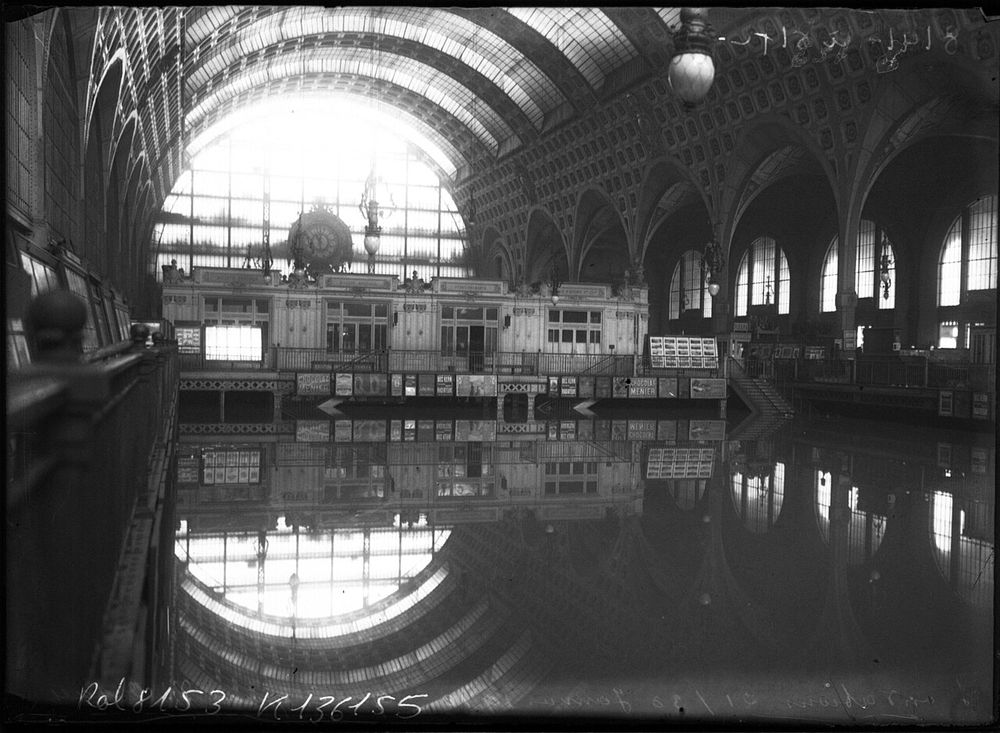
| 1920 | The station at its busiest, as in the old photograph | Women in the United States win the vote |
| 1939 | Long-distance trains stop: the platforms are too short | The Second World War begins |
| 1958 | De Gaulle speaks in the ballroom | The European Economic Community begins work |
| 1986 | The museum opens | The reactor at Chernobyl explodes |
One line to remember: the pictures the Louvre would not take, in a station the railway could not use.
These are stories people tell about this place. They are legends, not history, and each one says where it comes from.
The station holds 12,000 tonnes of metal, more than the Eiffel Tower.
Source: Repeated by the museum's own guides; the tower's iron frame weighs about 7,300 tonnes
Monet put on his best suit, announced himself to the station master of Saint-Lazare as "the painter Claude Monet", and had the trains delayed for him.
Source: Told by Renoir to his son, Jean Renoir, Renoir, My Father (1962)
Later, people who live here will be able to add the stories they grew up with, and say which of these they have heard.
Last checked 2026-11-12. Paris Region tourist office, the museum's own notice on its building works, and French listings of 2026.
Checked 2026-11-12
Stand at the site, sign in, press the button, and collect its stamp. Your browser will ask to use your location. It is sent to us once to confirm that you are at the site; we keep how far you were from it, not the spot where you stood.
Your stamps are saved to your account, so they follow you to any device. Checking from a browser cannot rule out every false location; stricter checks arrive with the app.
Photos here show the place, not people. Each one is credited to the visitor who took it and appears after our team has looked at it. A photo with you in it belongs under “I am here”.