The story
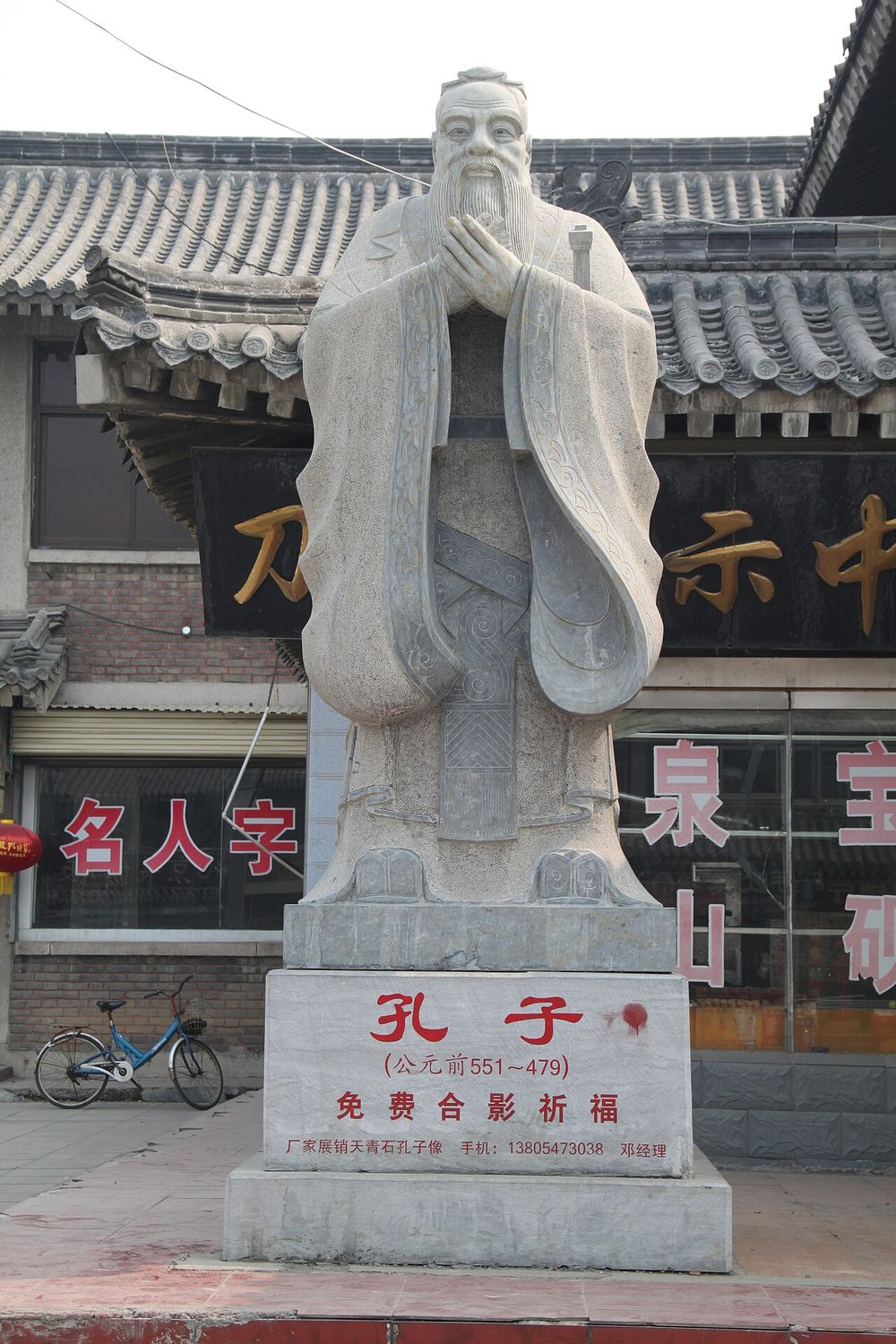
Qufu was the capital of the small state of Lu, where Confucius was born in 551 BC. He spent his life trying to persuade rulers to govern by virtue and ritual, and taught students who wrote down his sayings as the "Analects". The rulers of his time took little notice; four centuries later the Han made his teaching the learning of the state, and it remained so until 1905.
The temple, the mansion and the cemetery were listed together as a World Heritage Site in 1994. The temple and the mansion stand side by side inside the Ming city wall; the cemetery is 1.5 km north. One combined ticket covers all three.
The places inside
Each of these has its own page, with its own story, pictures and visiting notes.
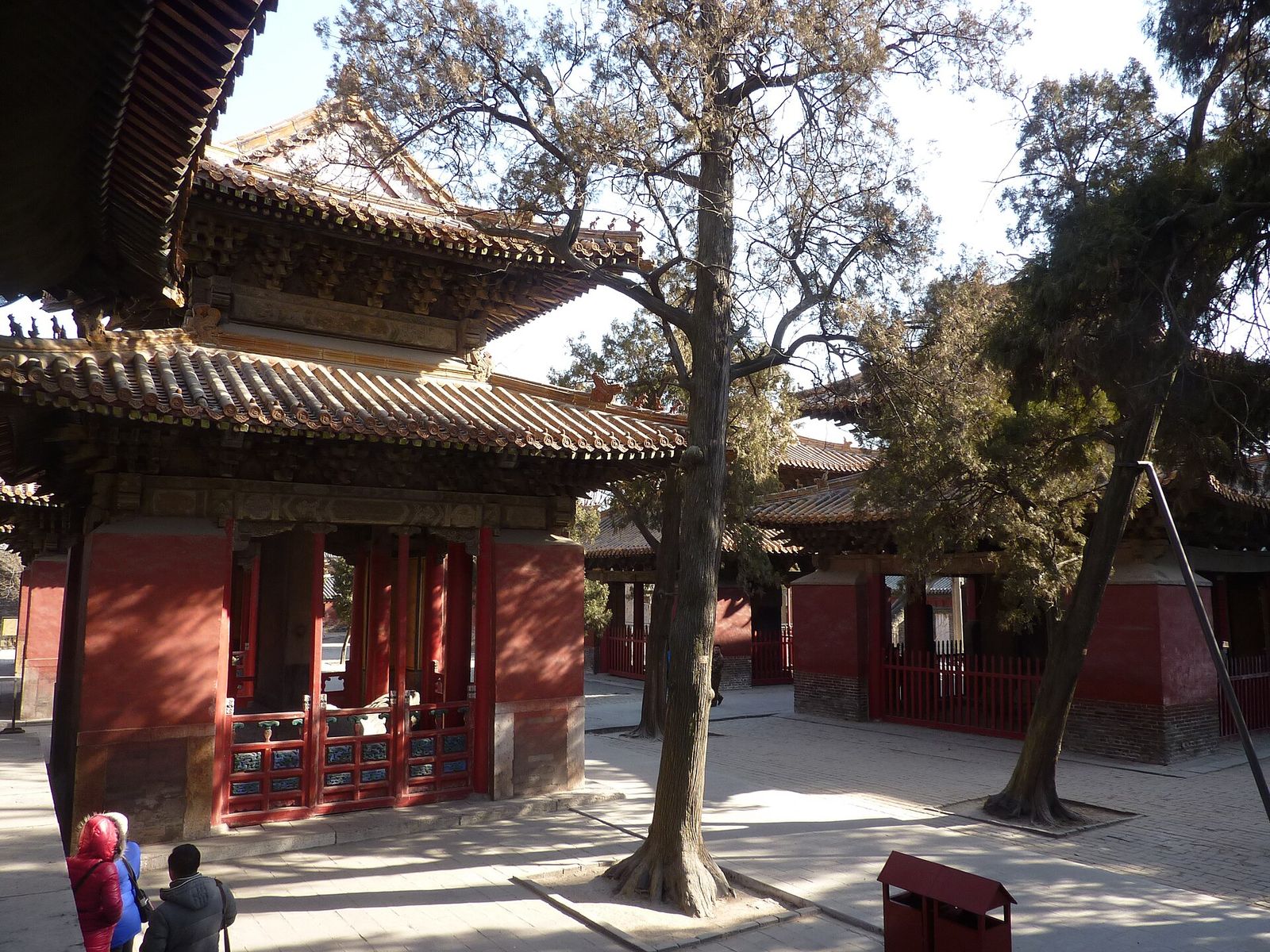
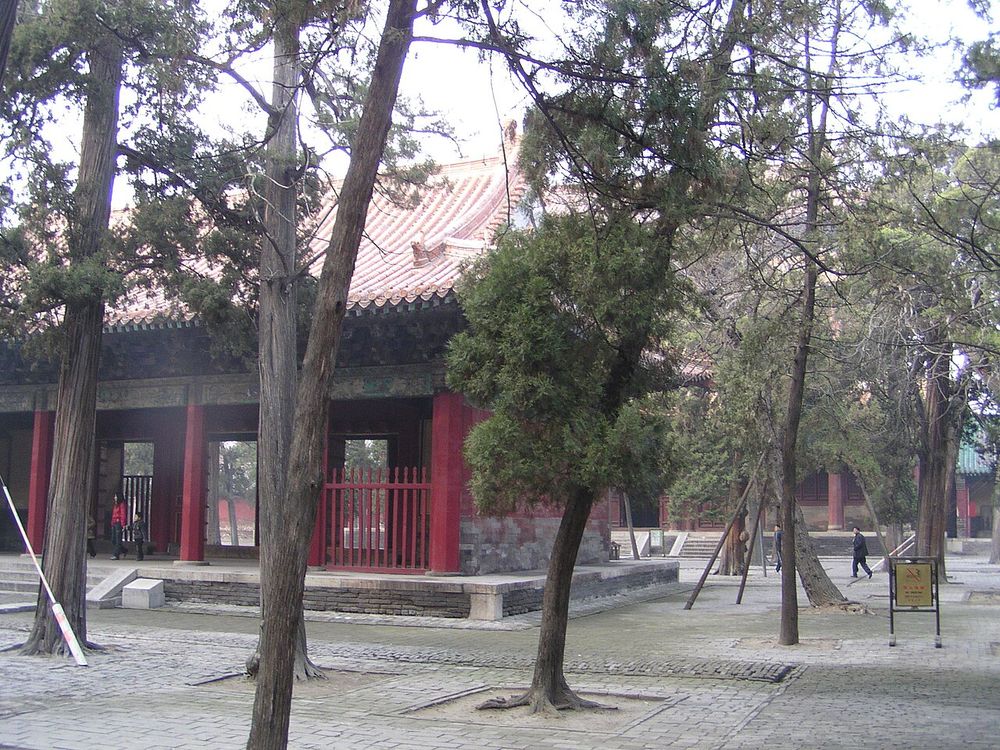
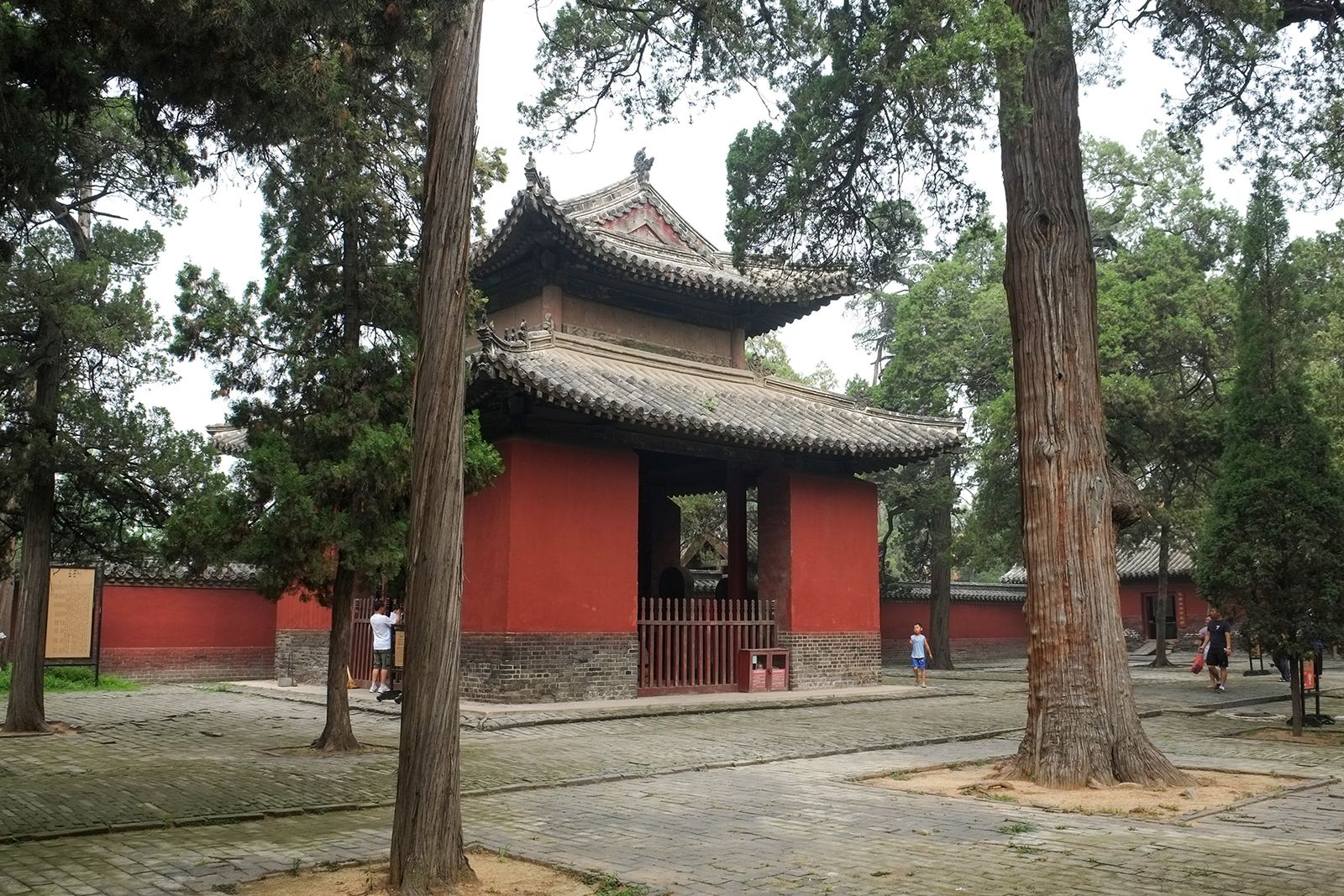
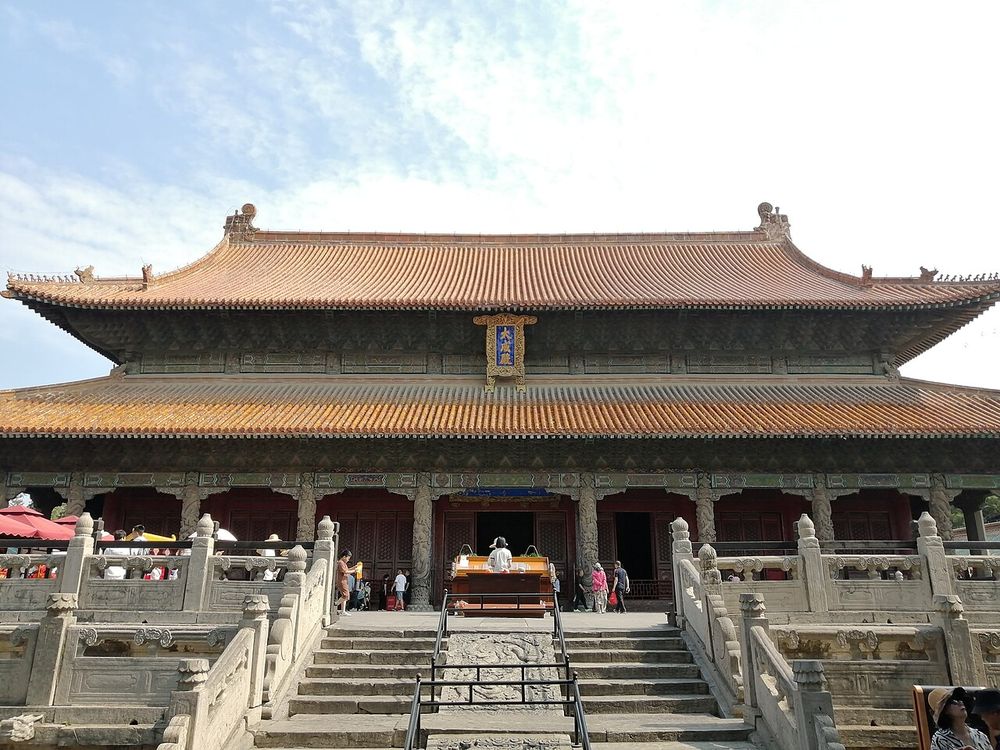
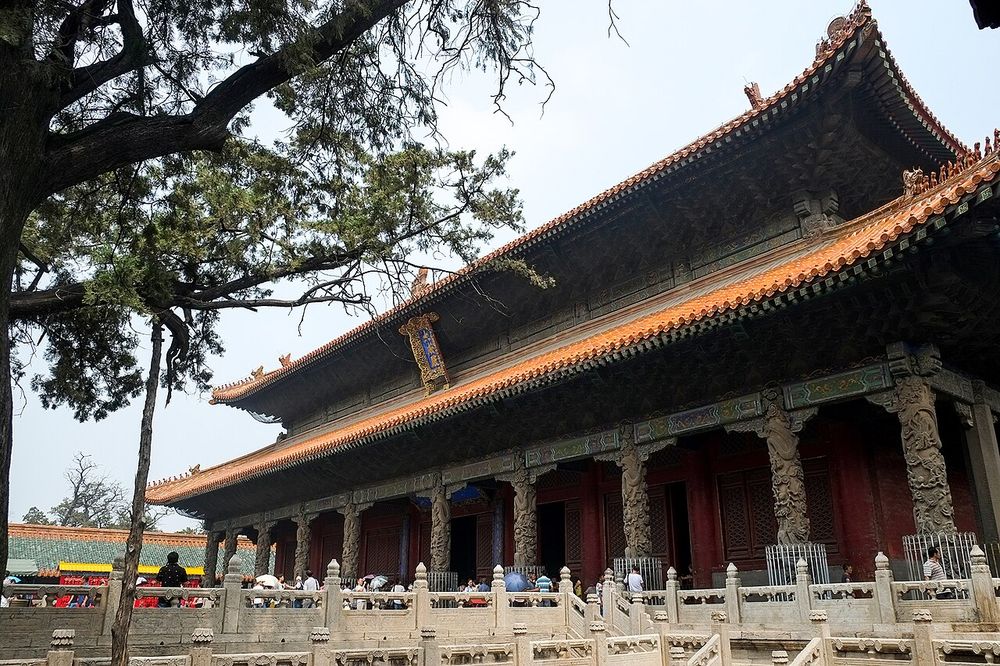
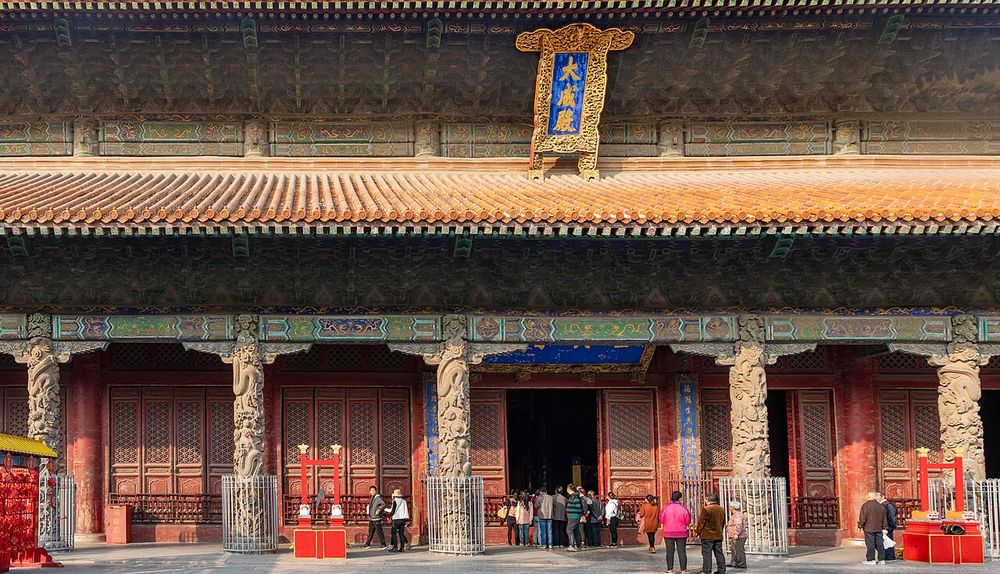
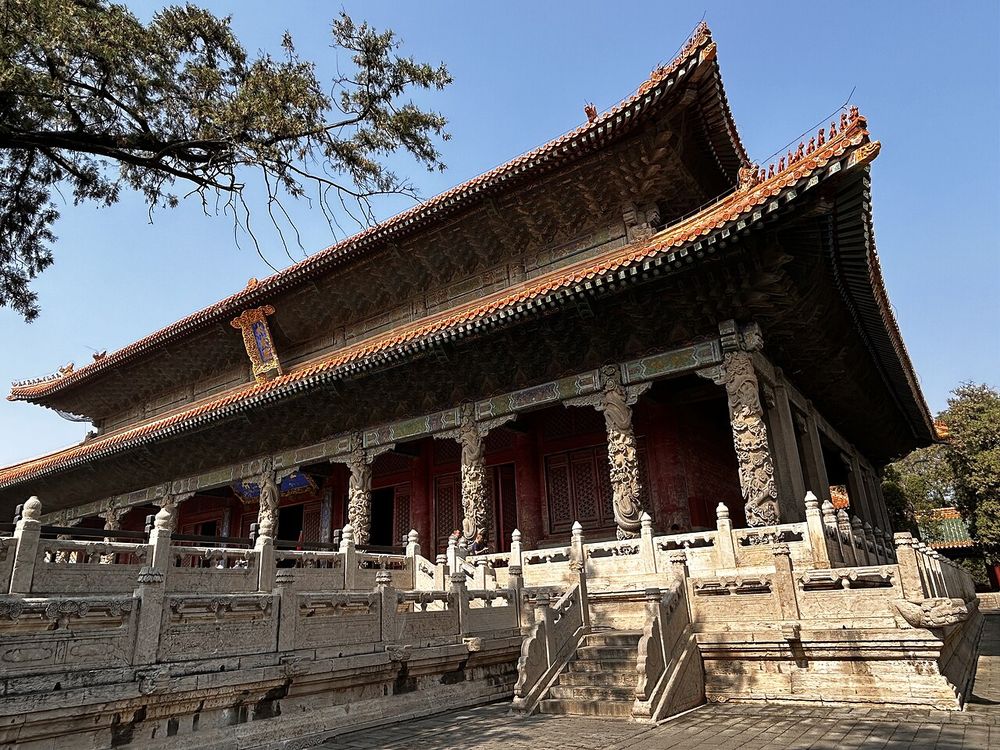
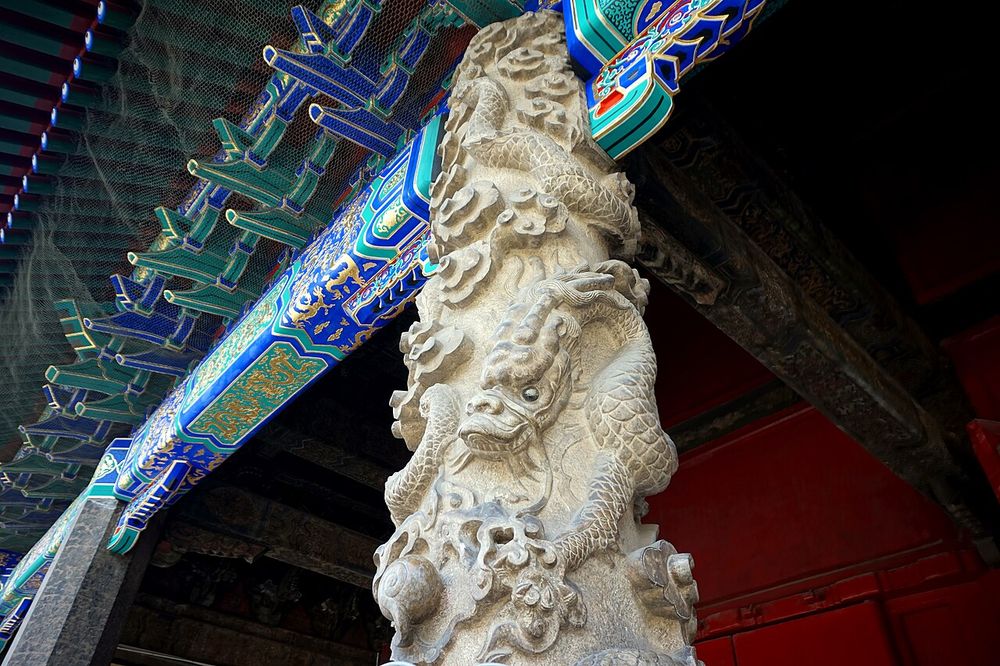
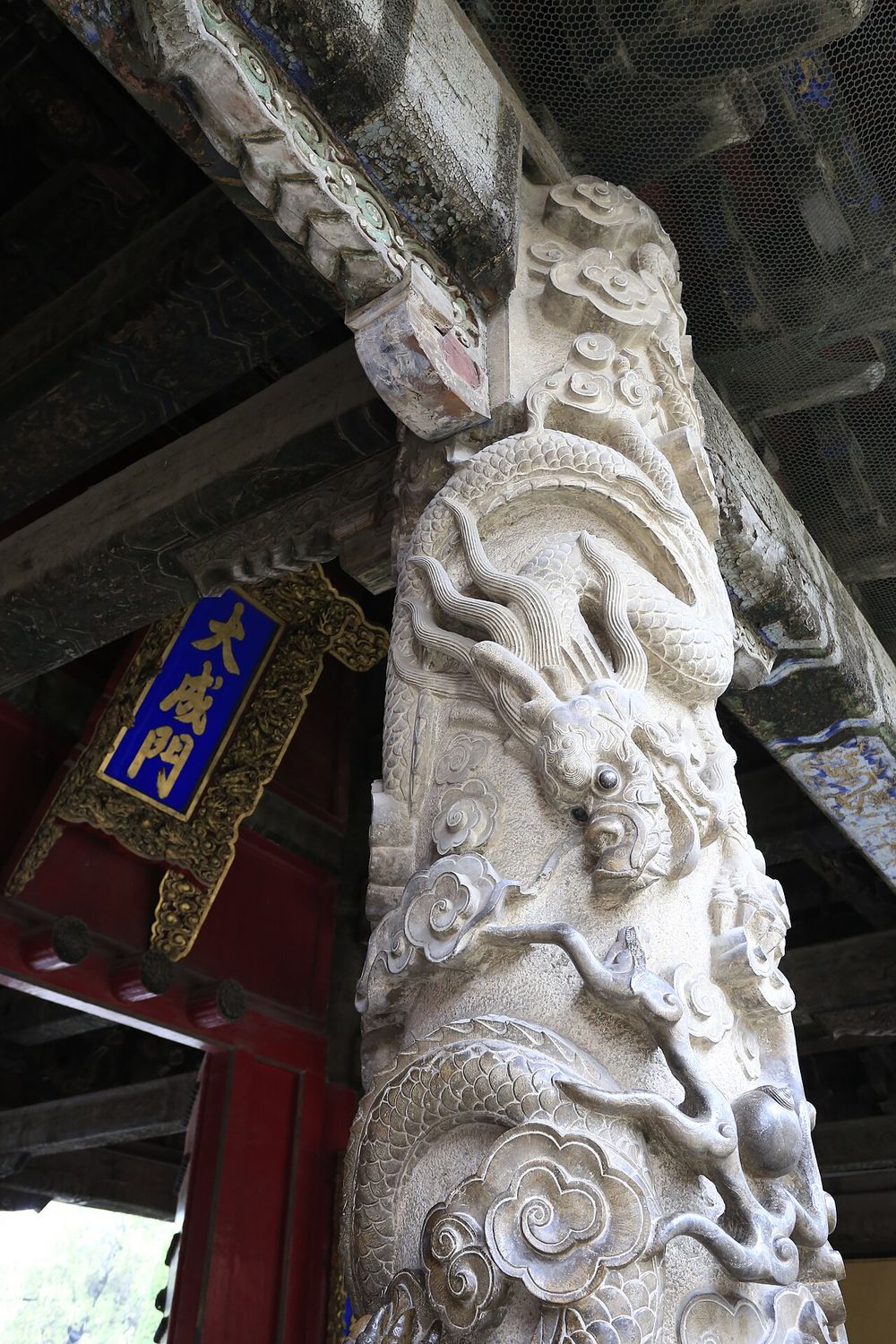
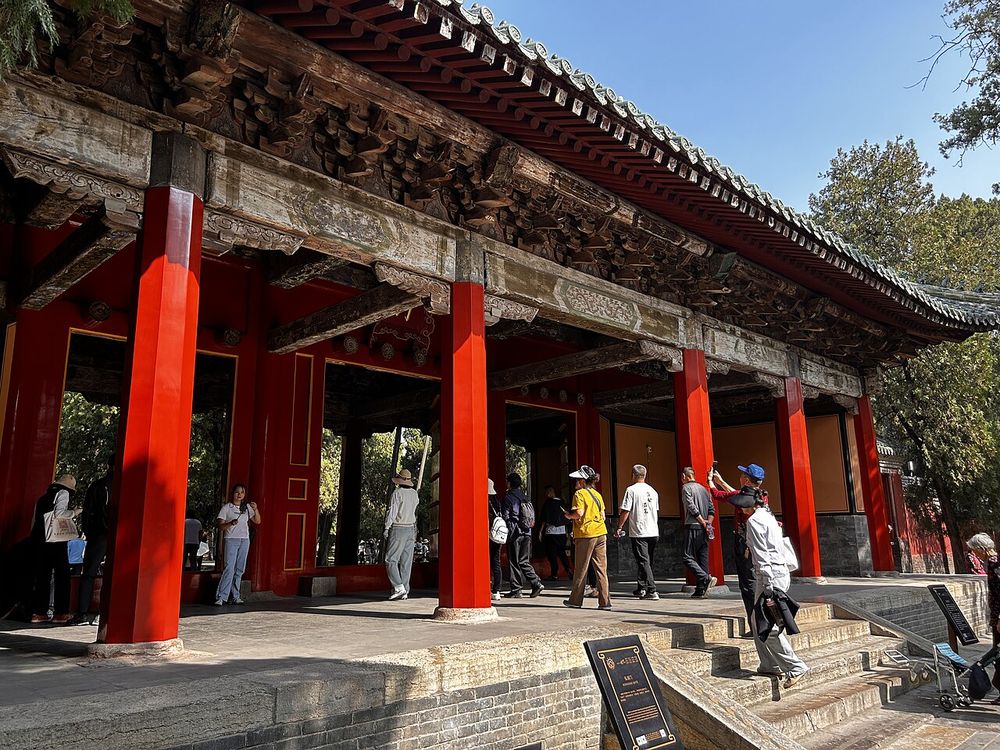
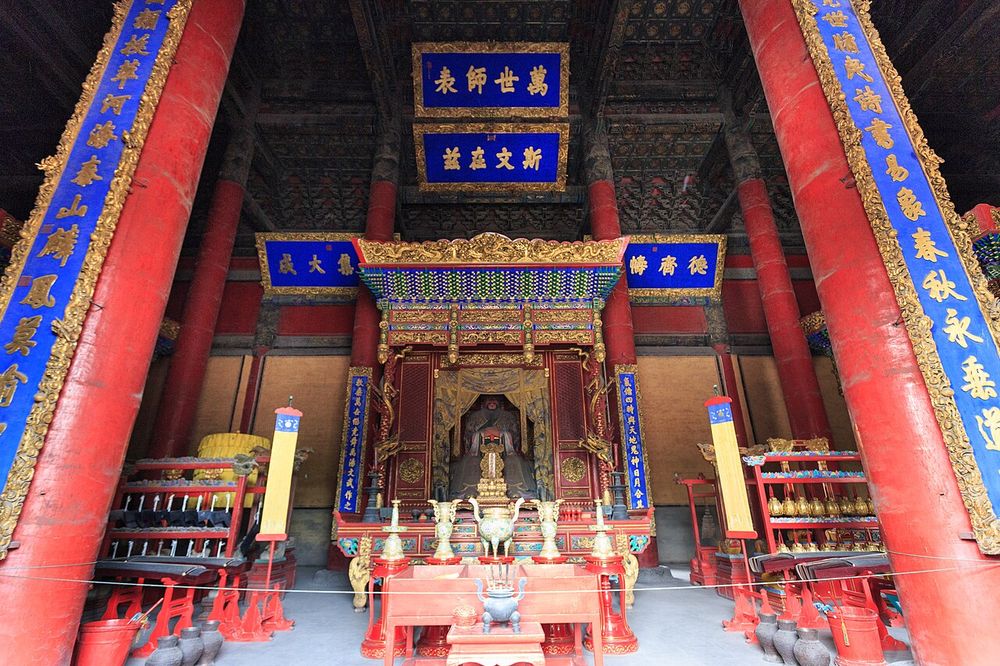
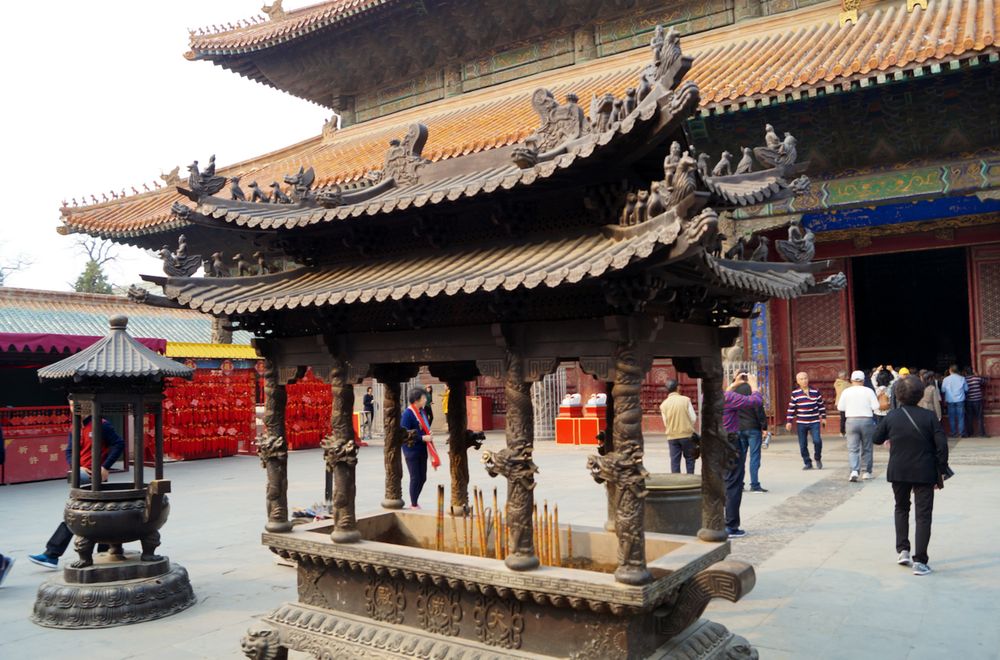
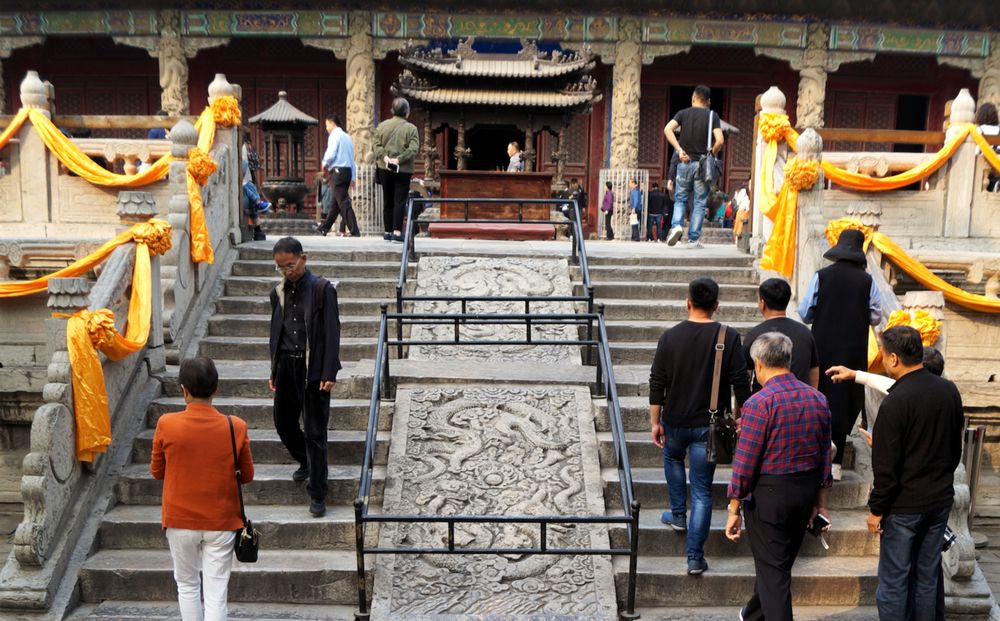
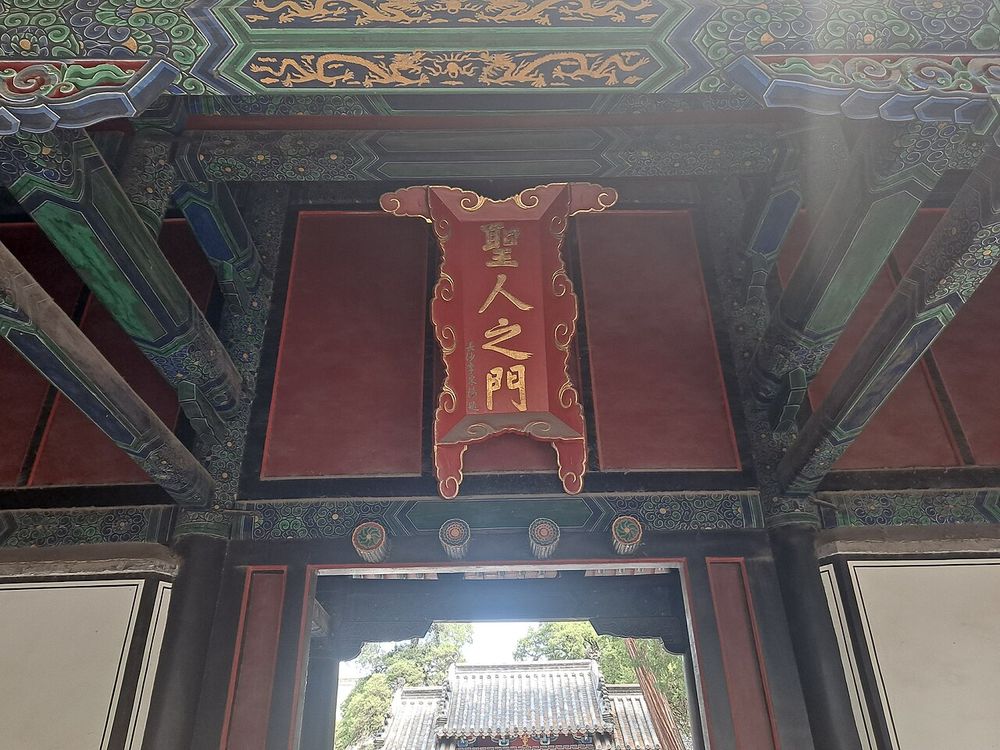
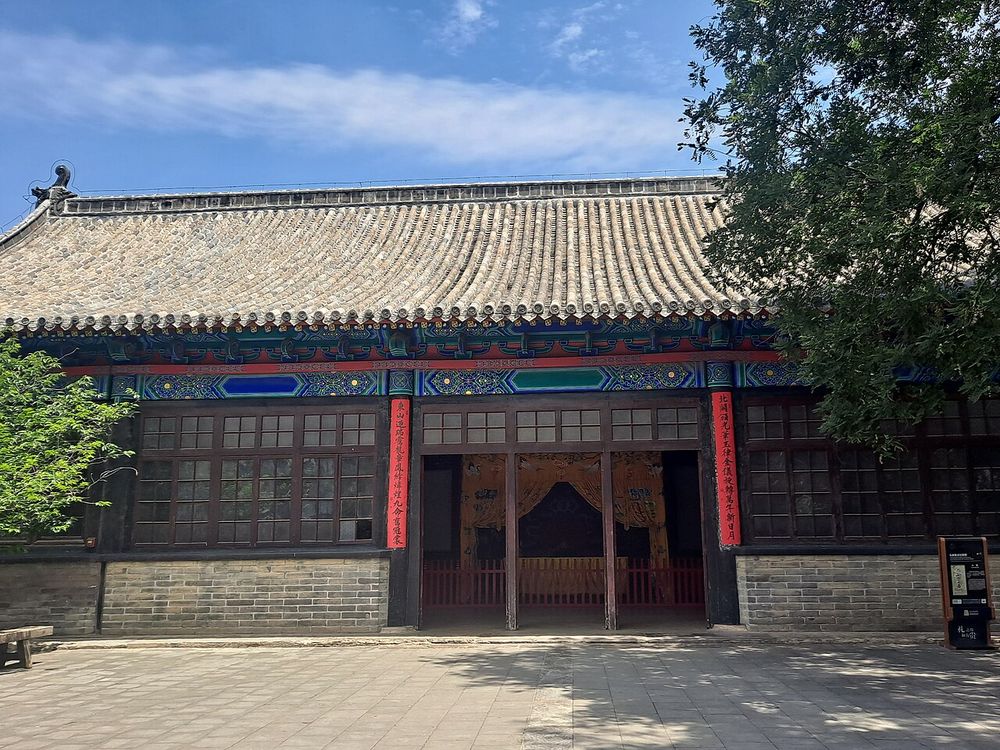
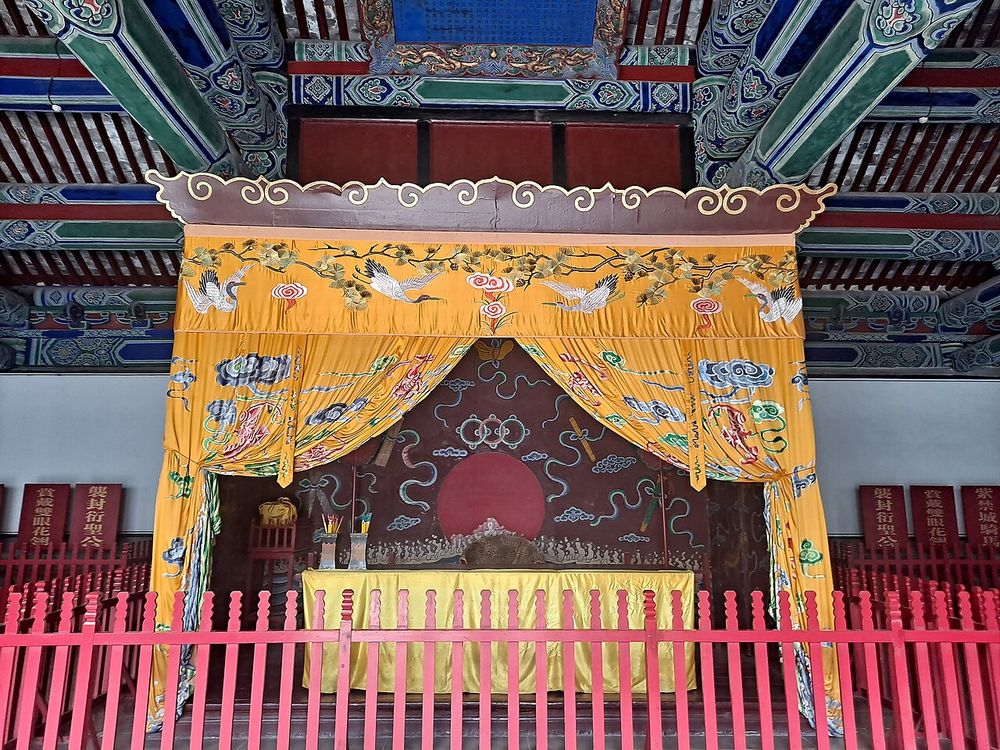
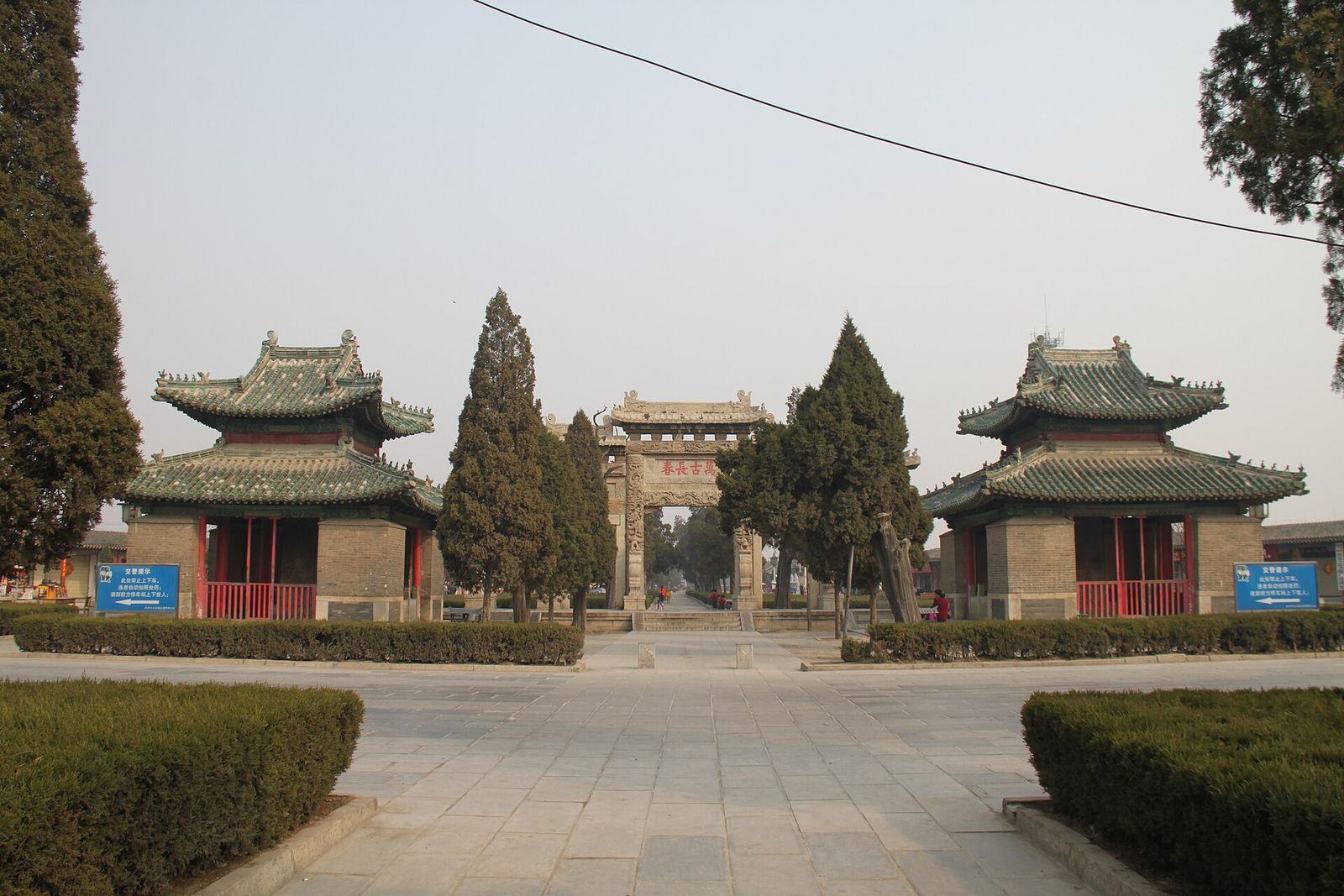
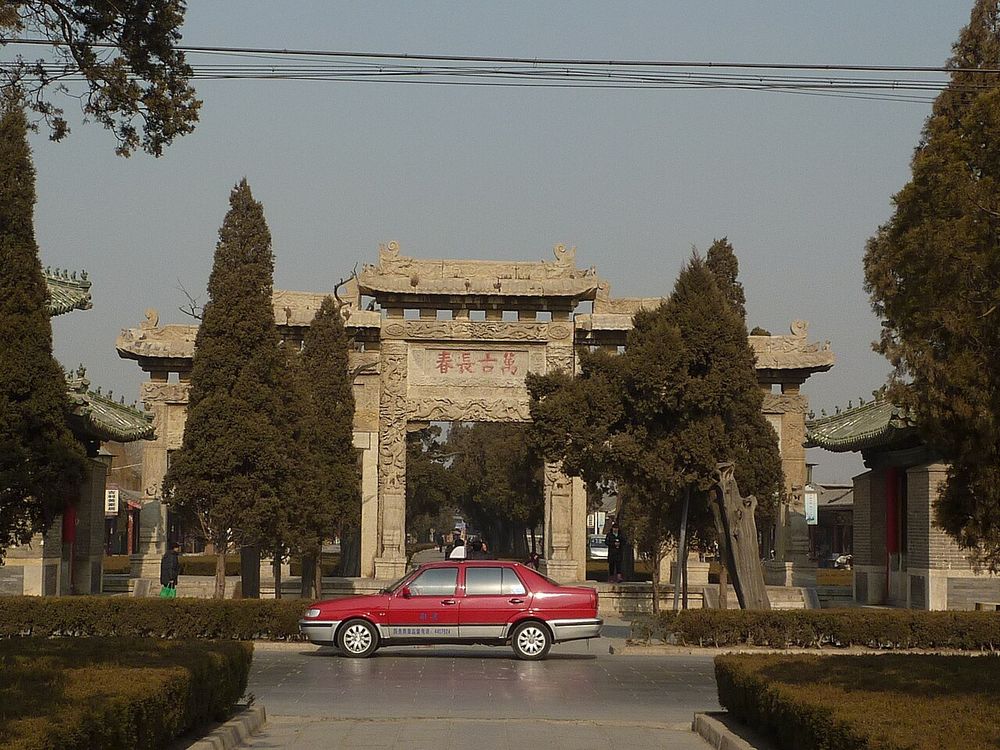
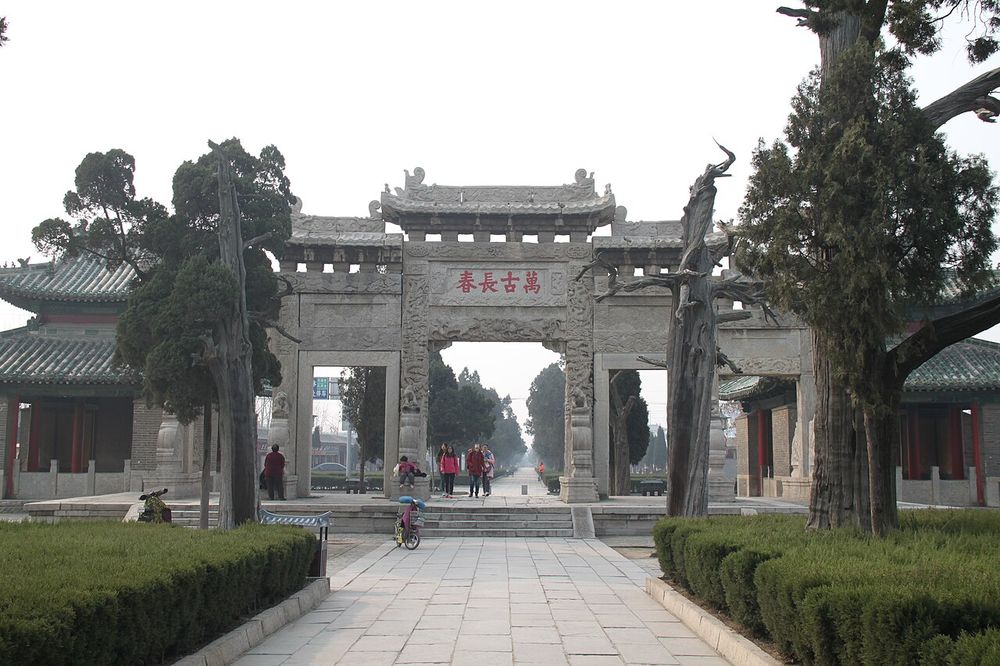
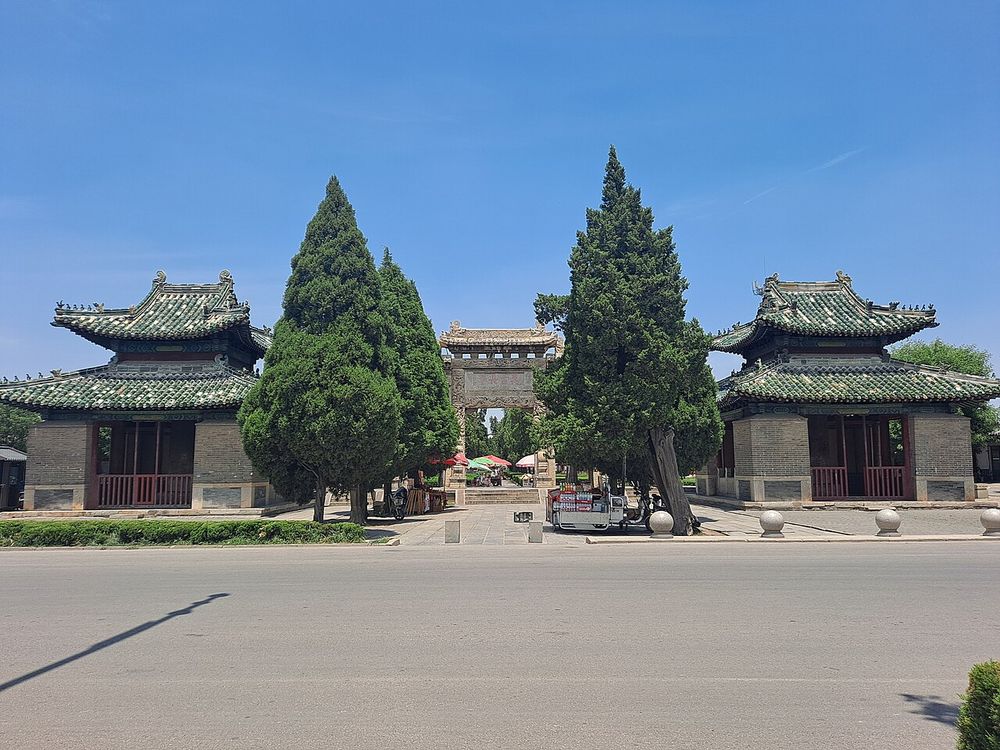
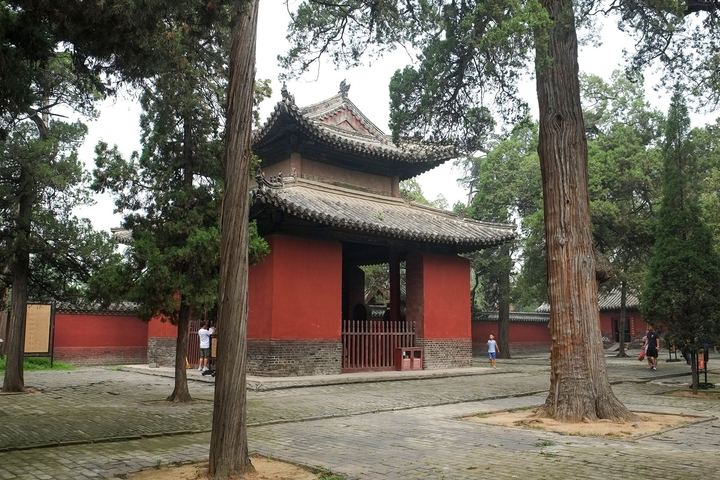 Temple of ConfuciusThe shrine at Confucius's home, enlarged by emperors for 2,500 years: nine courtyards, dragon columns and a forest of steles.
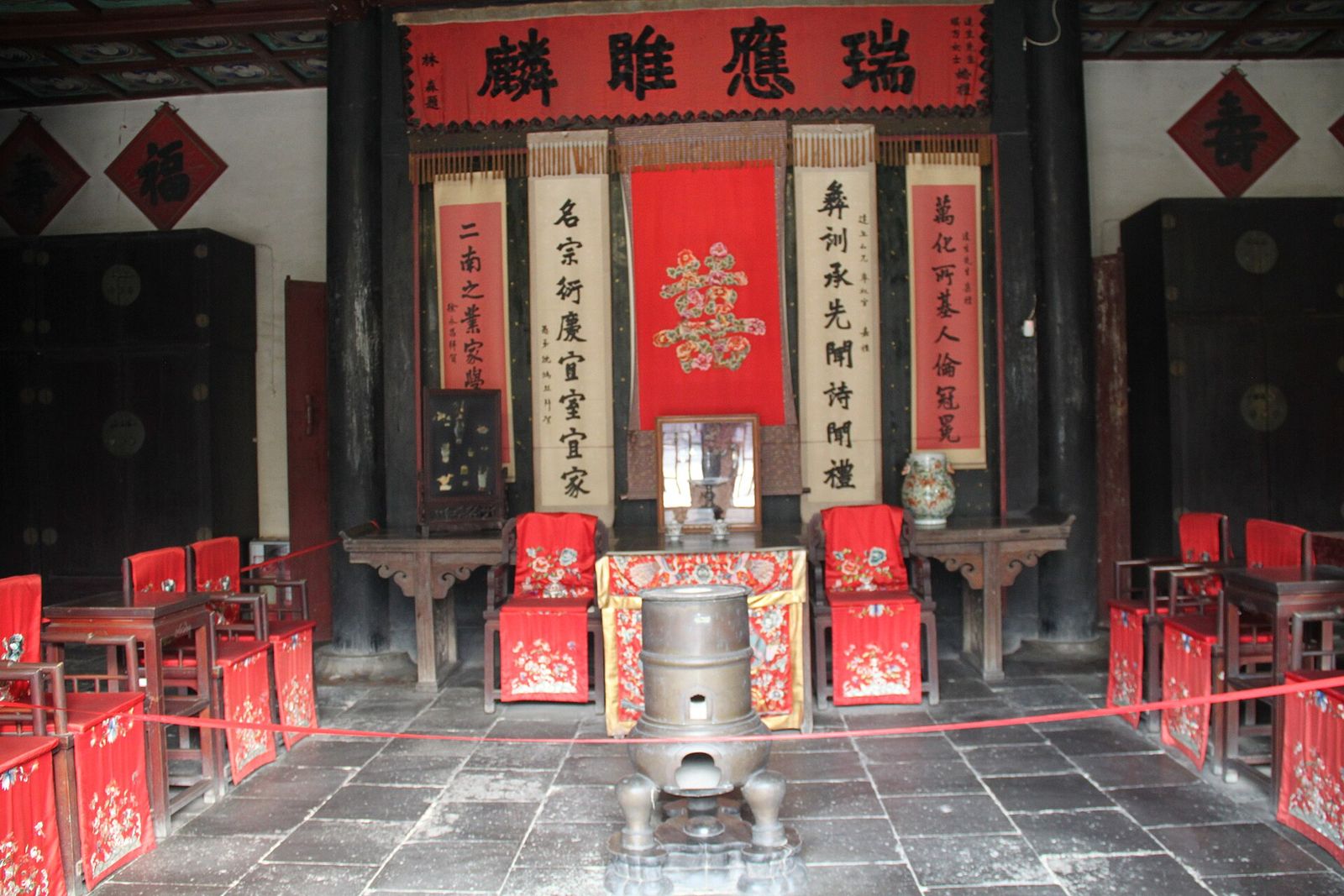
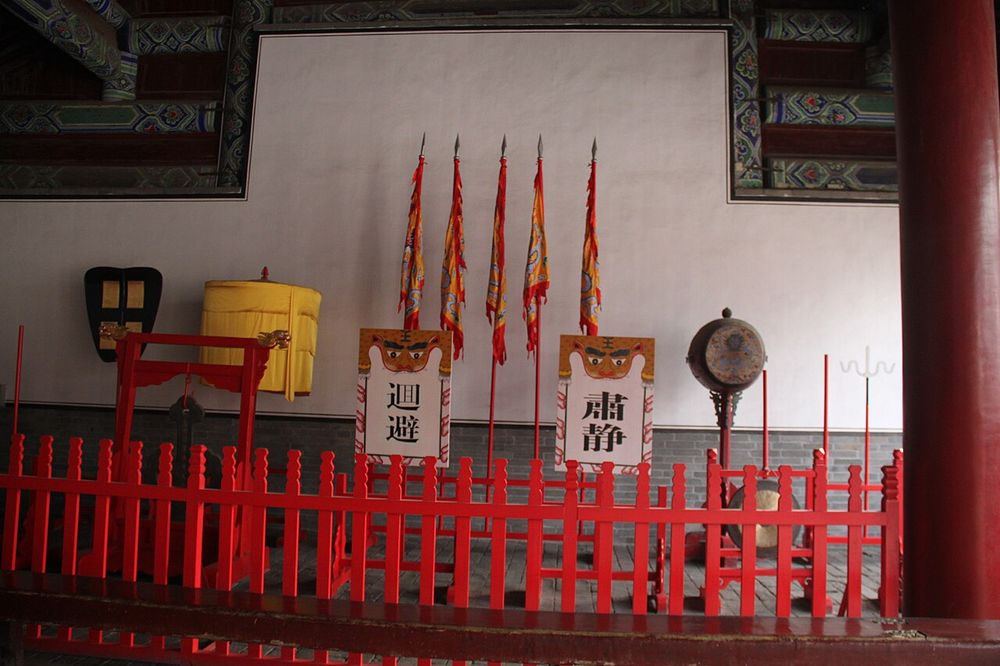
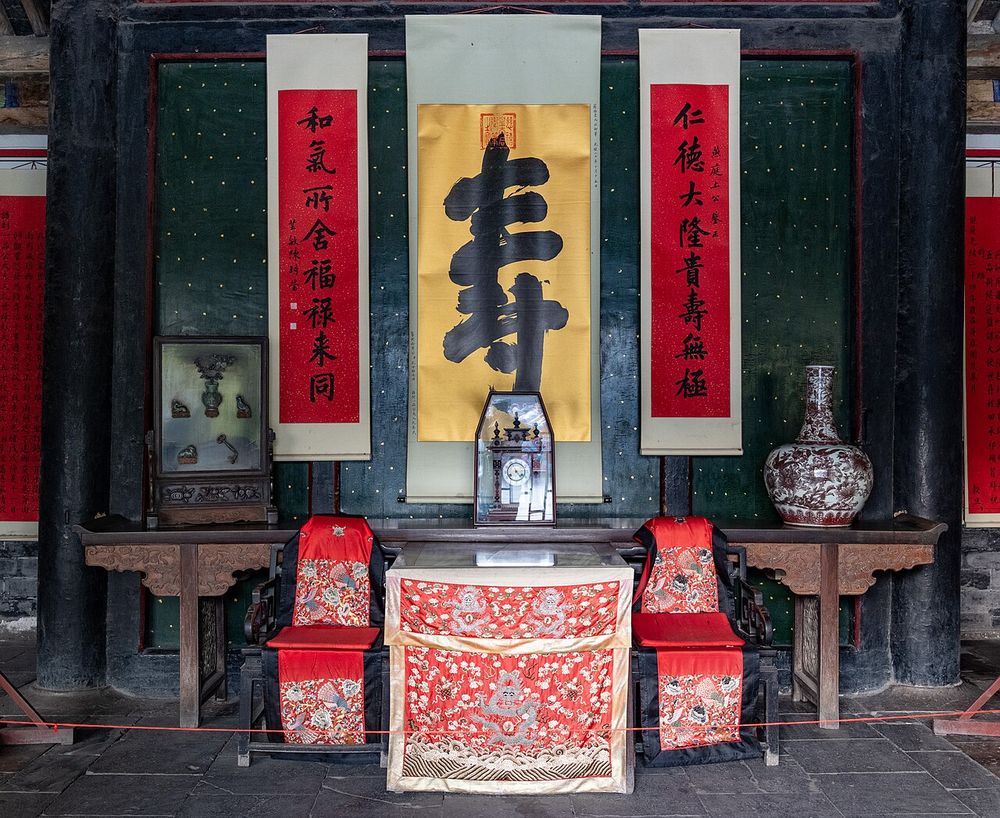
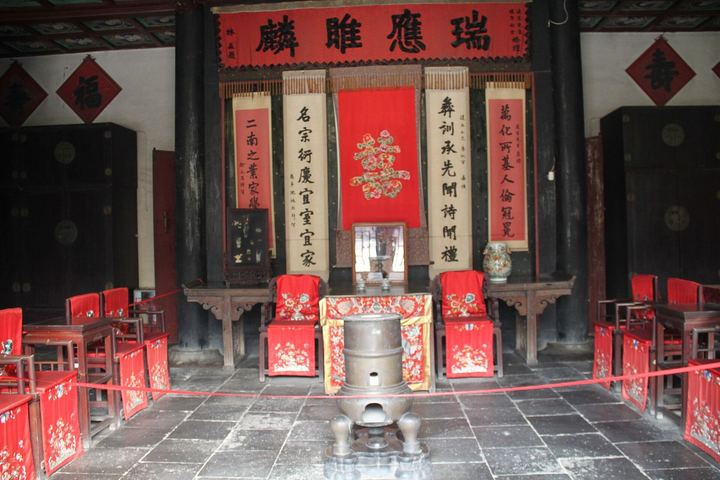 Kong Family MansionHome of Confucius's direct descendants, the Dukes Yansheng, for nearly nine centuries: an office at the front, a family house behind.
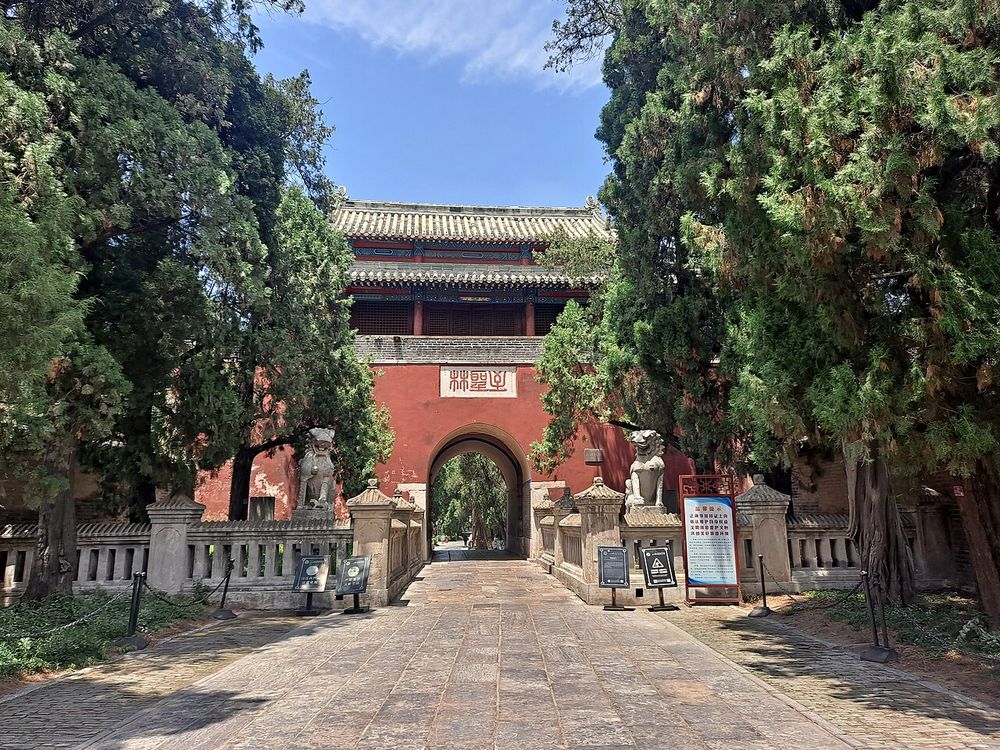
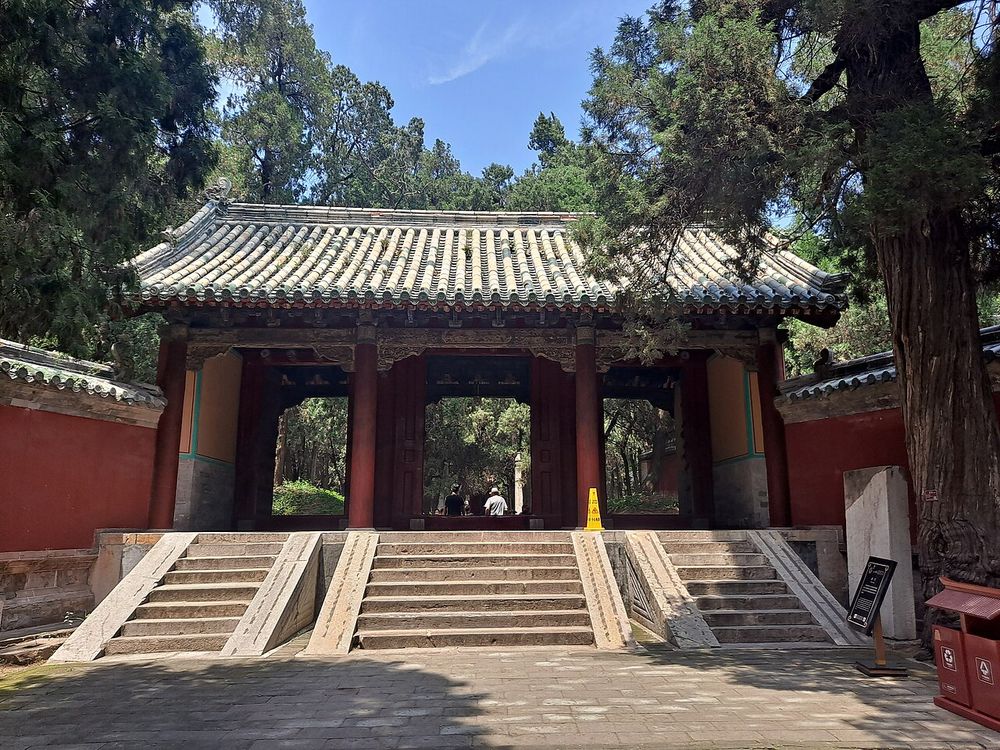
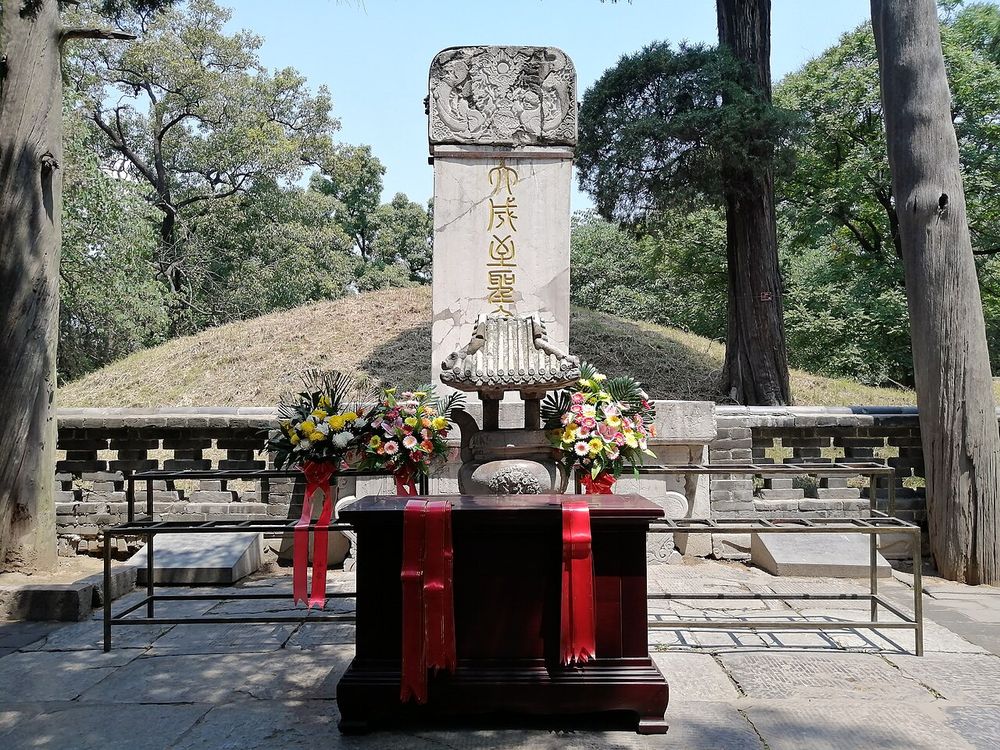
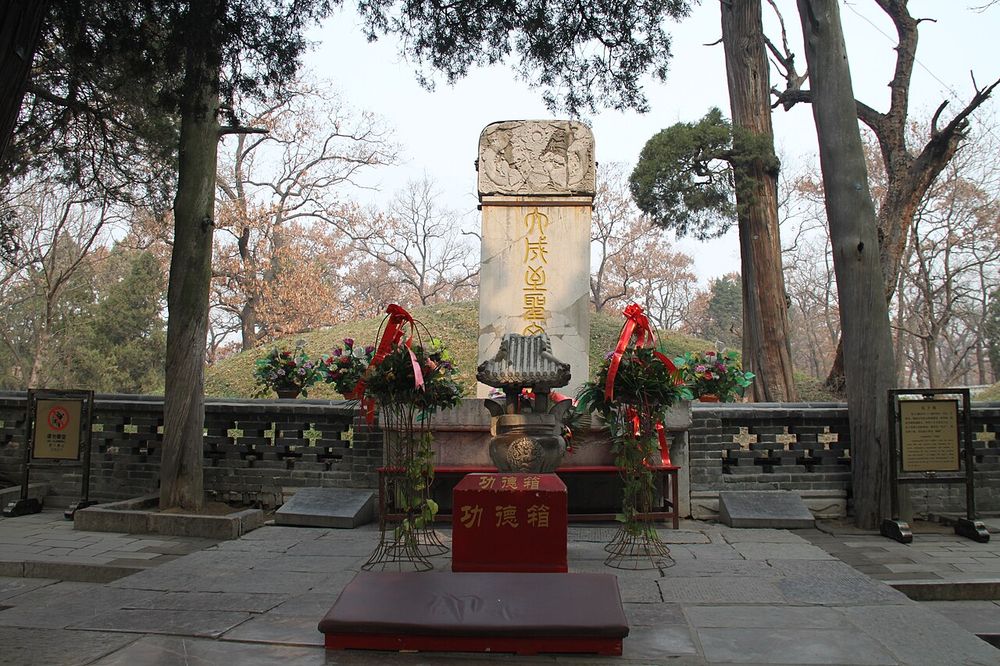
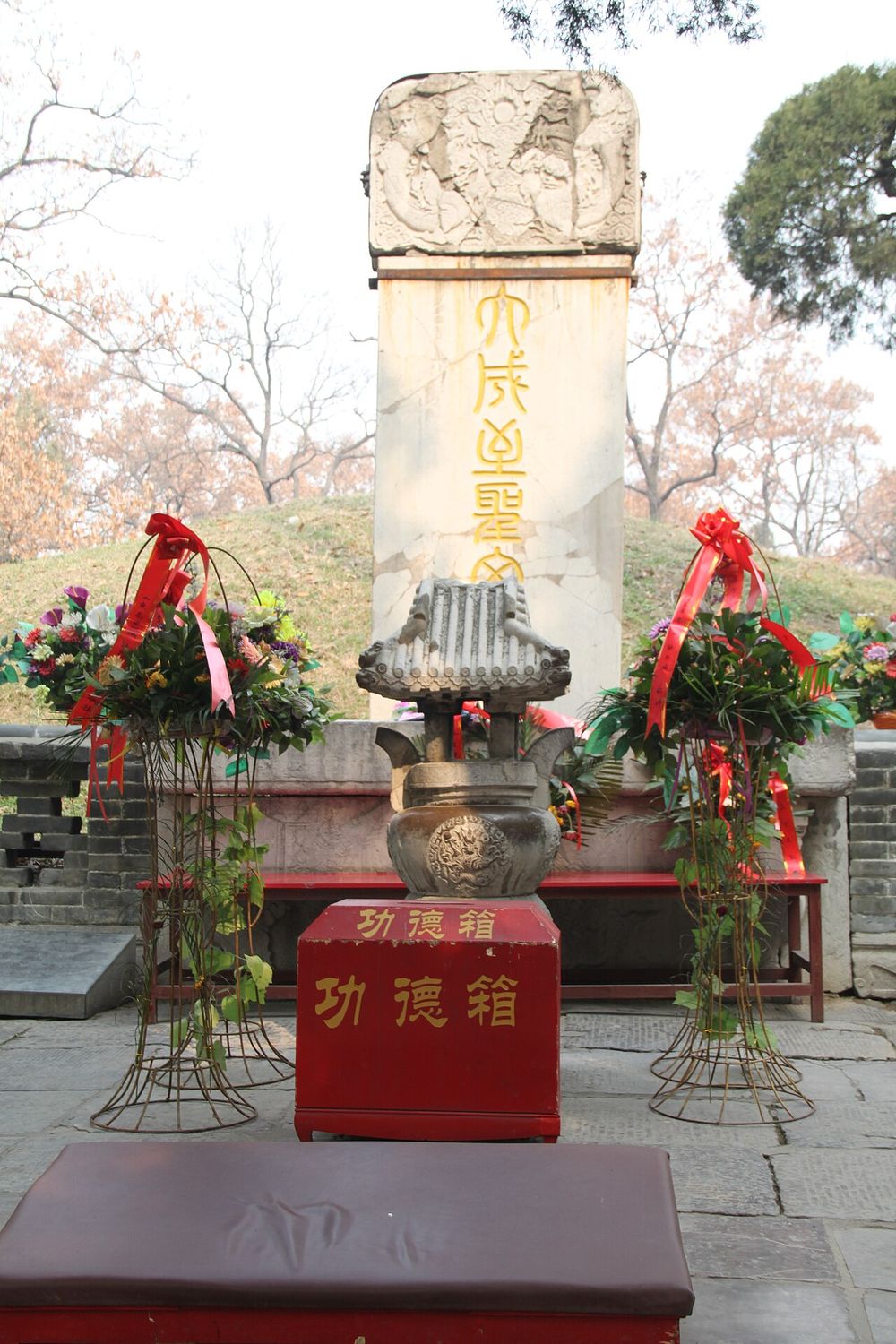
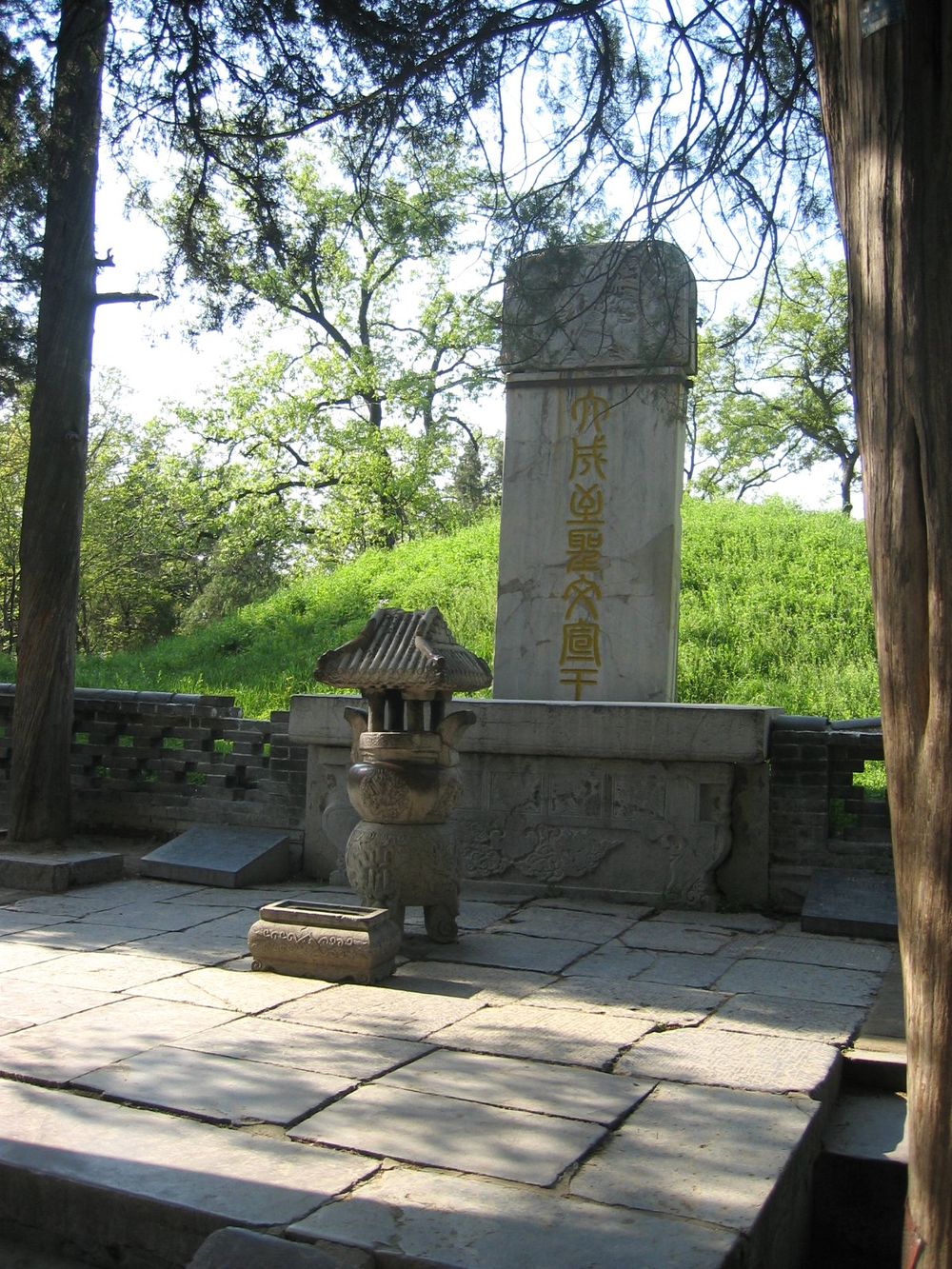
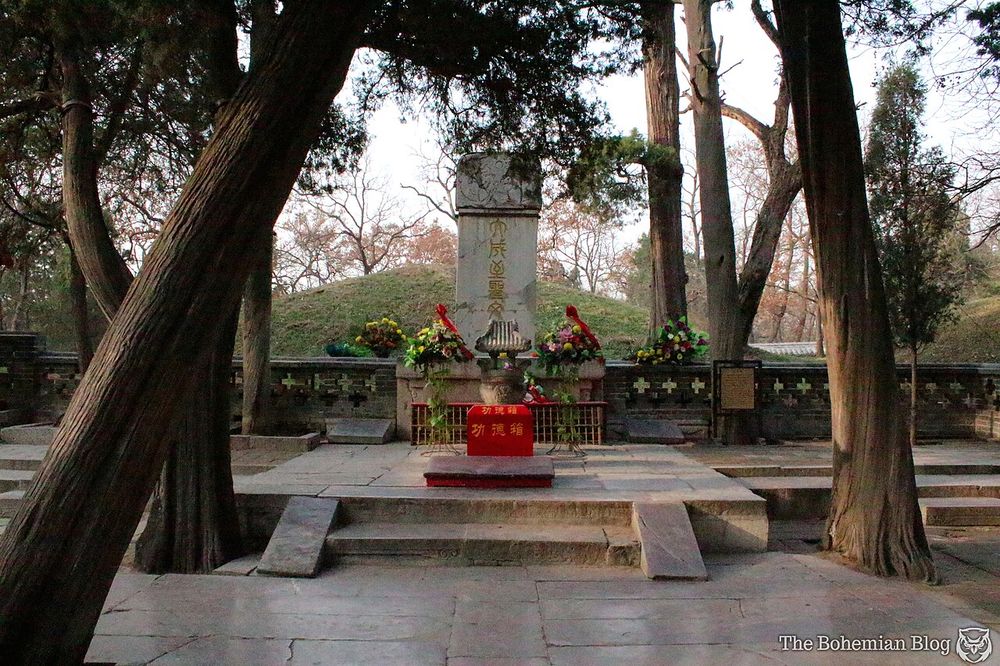
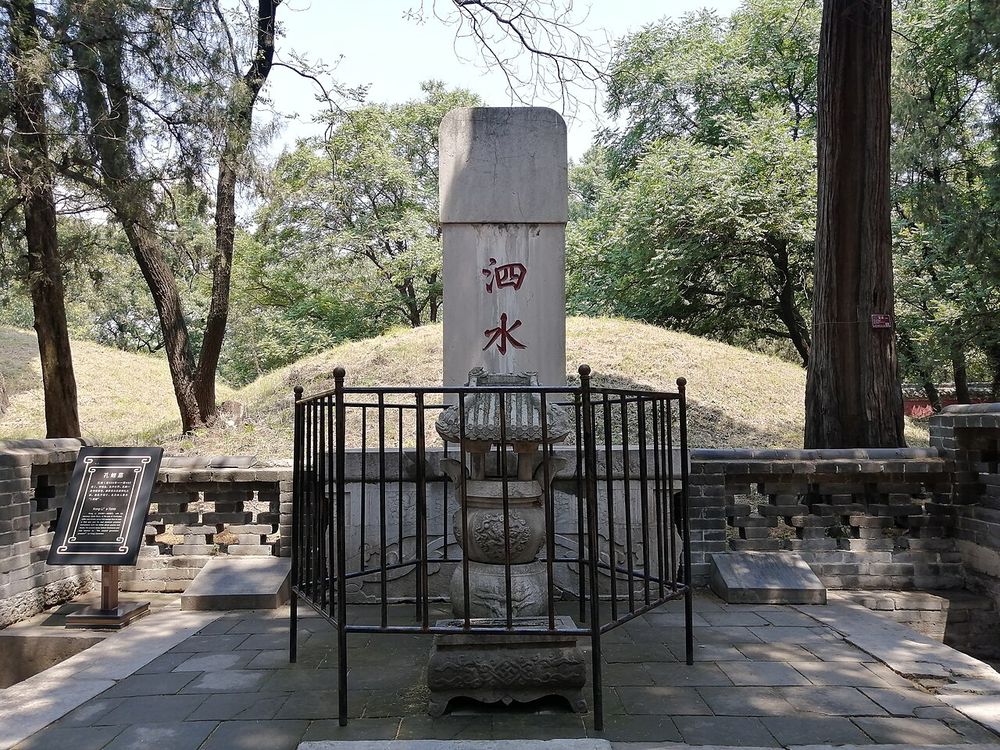
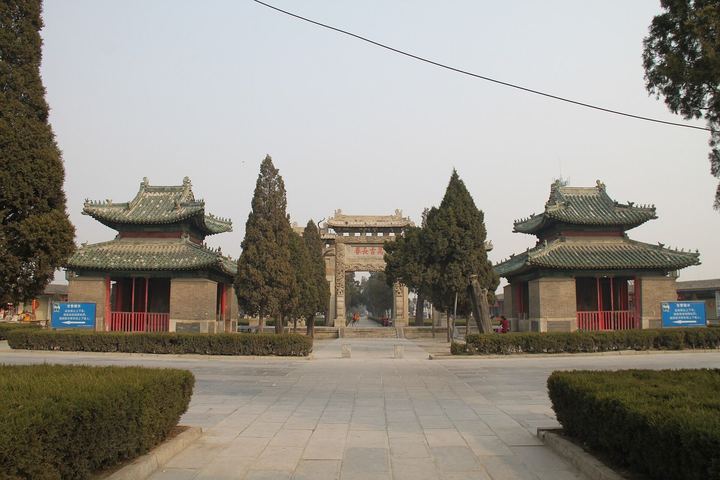 Cemetery of ConfuciusConfucius's grave and over 100,000 of his descendants' under an ancient forest, in use for 2,500 years.
What is here
One combined ticket of 140 yuan, valid for two days, covers the three sites; each can also be bought alone.
| Part | Ticket |
|---|---|
| Temple of Confucius | 80 yuan |
| Kong Family Mansion | 60 yuan |
| Cemetery of Confucius | 10 yuan |
If you have one minute
Inside the old city gate
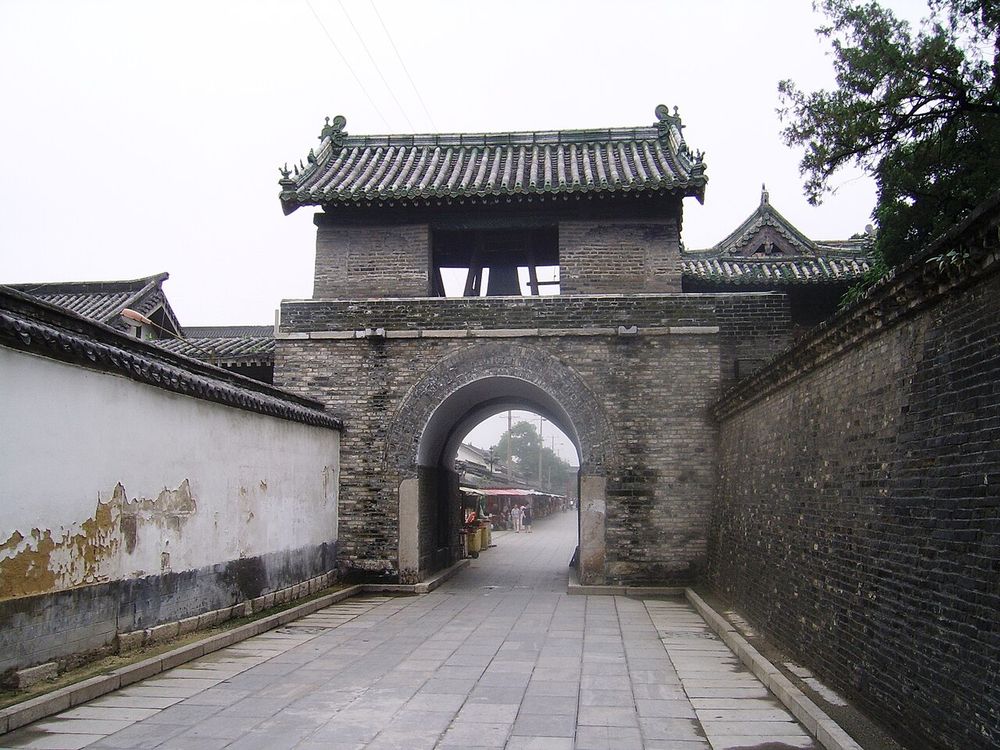
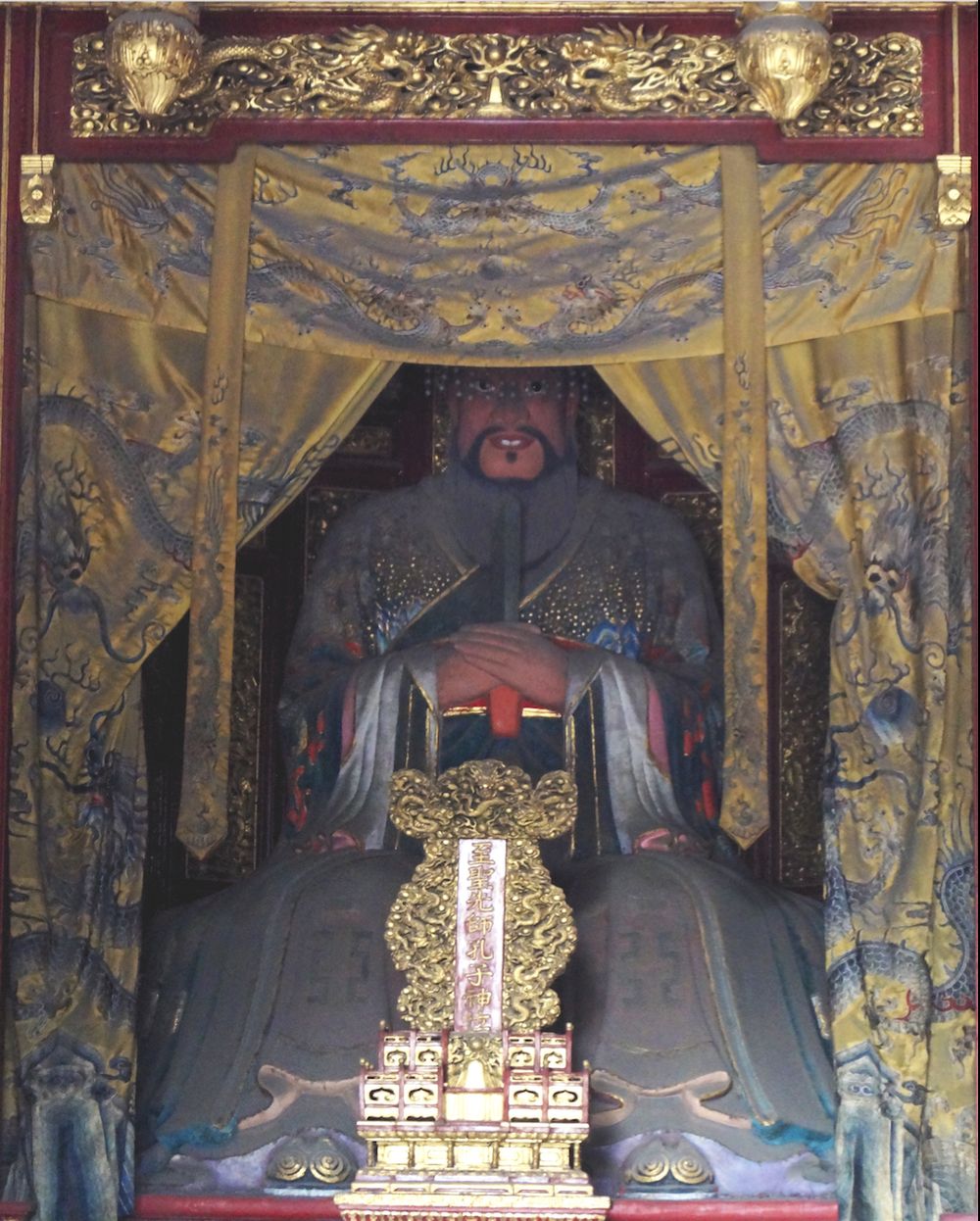
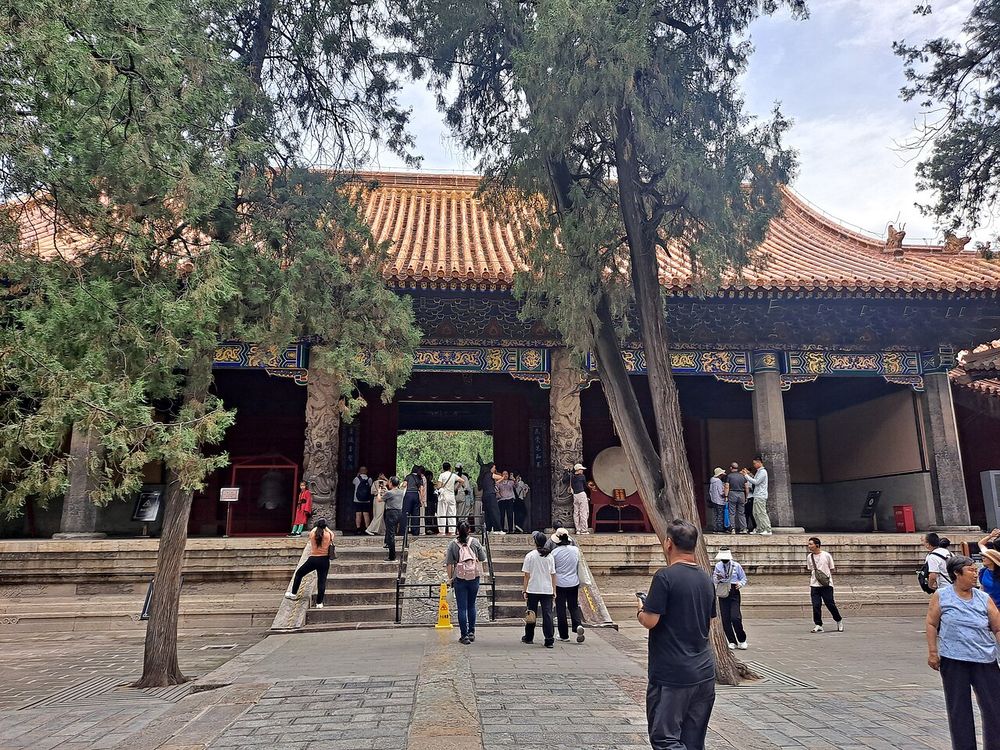
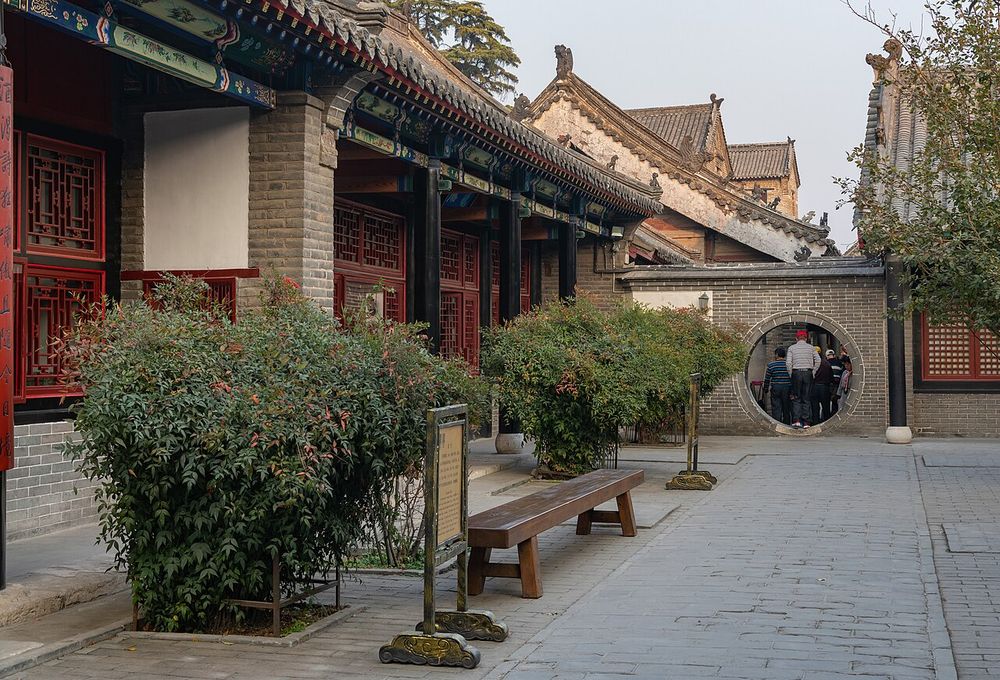
Qufu is still a walled town. Walk in through the south gate and the temple begins at once: courtyard after courtyard to the yellow-roofed hall where Confucius is honoured. Next door, behind high walls, is the house of his heirs; north of the town, his grave in the forest. In one day you can walk from the place where he taught to the place where he lies.
Things people often get wrong
"Confucianism is a religion with Confucius as a god." He was honoured with sacrifices as a great teacher and ancestor; scholars still argue whether to call Confucianism a religion.
People who stood here
We searched Chinese sources first for this list, then English ones.
- Confucius (teacher, 551–479 BC)Born, taught and buried in Qufu.
- Sima Qian (historian, about 145–86 BC)He came to Qufu to see the temple and the grave, and wrote Confucius's life in his "Records of the Grand Historian".
- The Kangxi Emperor (1654–1722)In 1684 he came to Qufu, knelt before Confucius and visited his grave.
- The Qianlong Emperor (1711–1799)He visited Qufu eight times, more than any other emperor.
- Kong Decheng (last Duke Yansheng, 1920–2008)Born in the mansion, the 77th-generation heir of Confucius led the sacrifices in the temple as a boy.
Go deeper: each of the three places has its own page3 stops · about 1 min to read
Each of the three places has its own page, with its own tour; here is the order to see them in.
1. The Temple of Confucius
Nine courtyards from the city gate to the Hall of Great Achievement, with the stele pavilions, the Apricot Altar and the Lu Wall.
2. The Kong Family Mansion
Office in front and home behind: the Great Hall, the inner gate with its painted beast, the family rooms and the garden.
3. The Cemetery of Confucius
Up the cypress avenue to the tomb of Confucius, his son and grandson, and the forest of graves beyond.