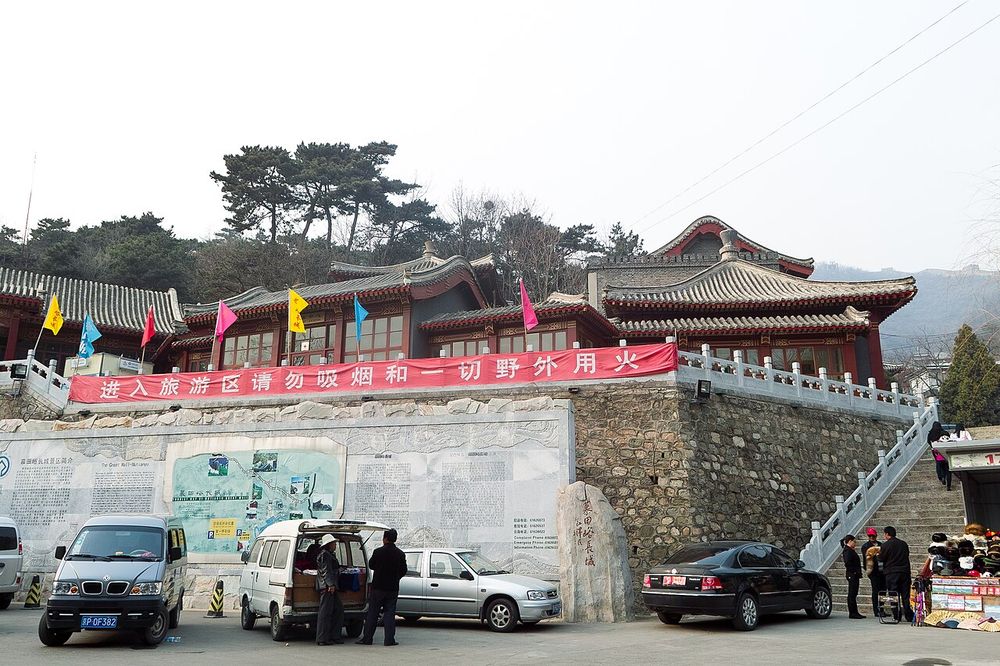
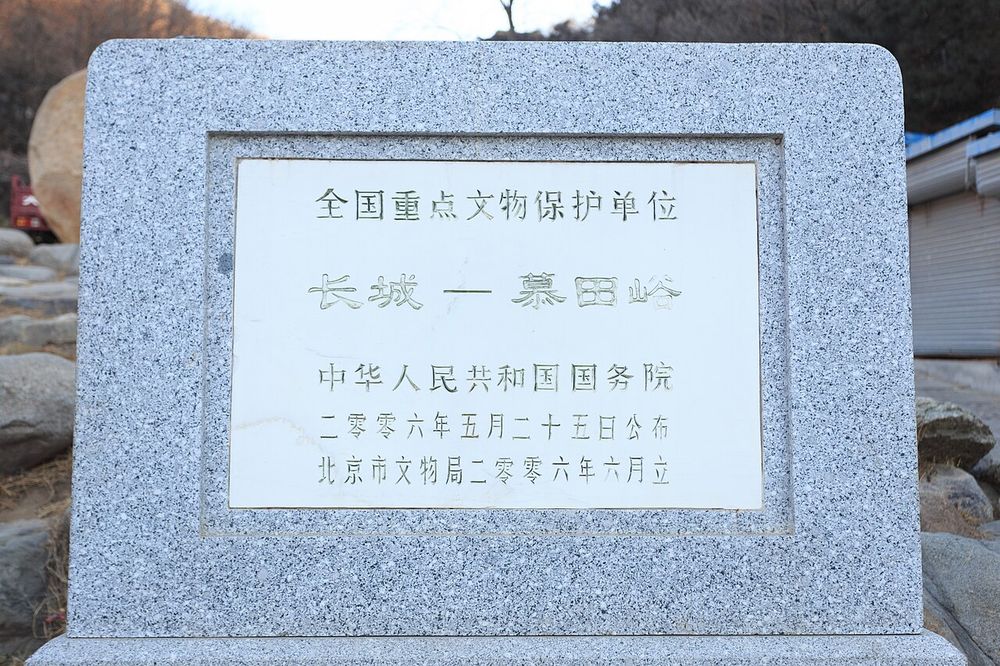
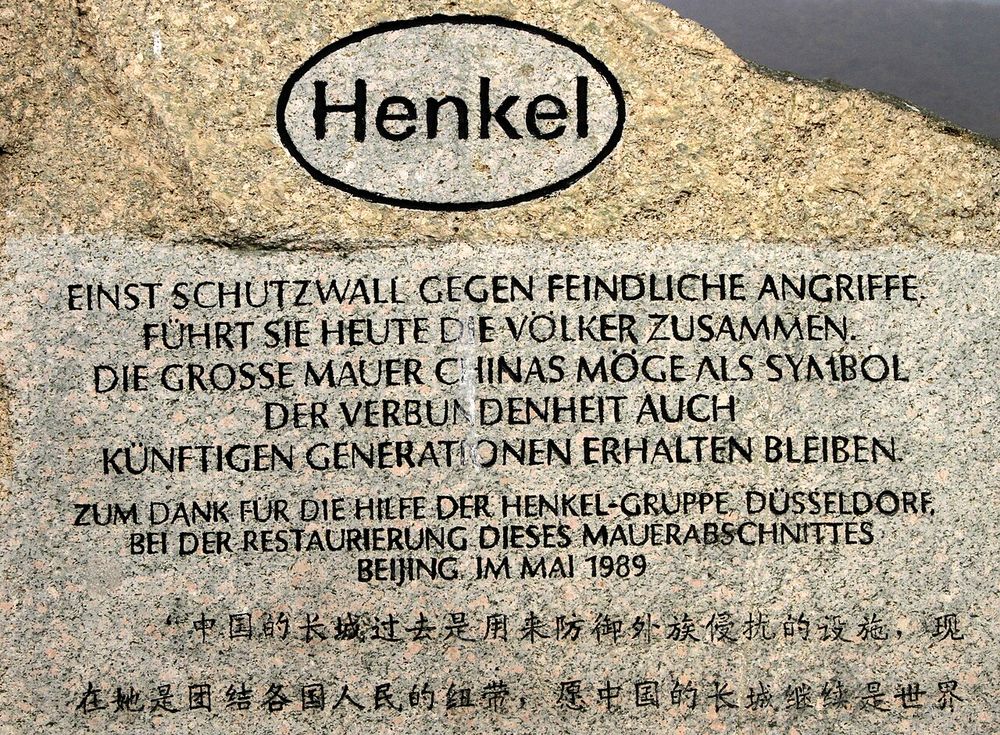
The story
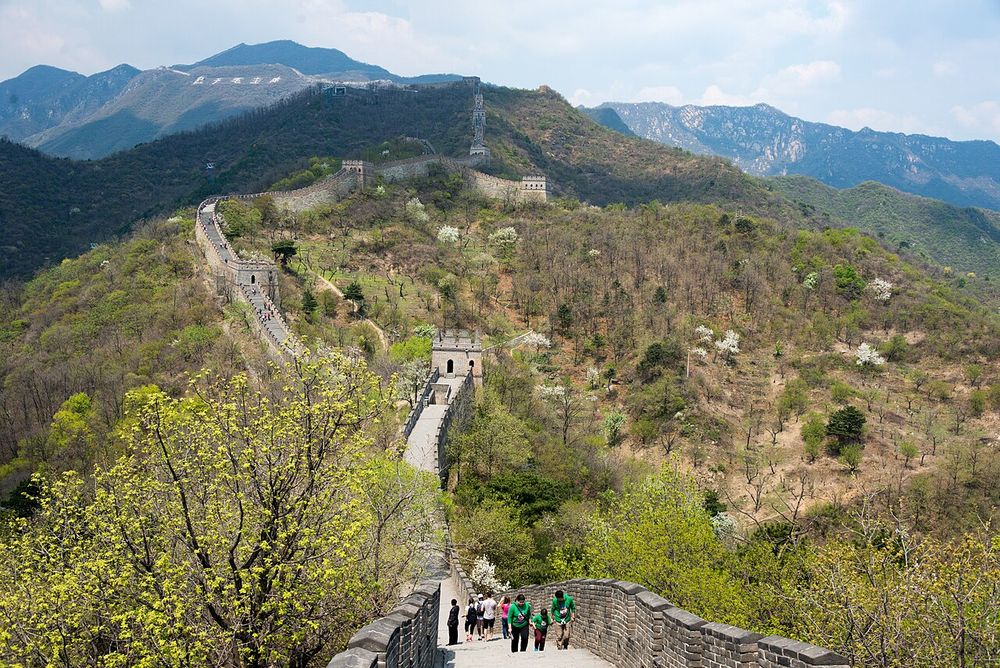
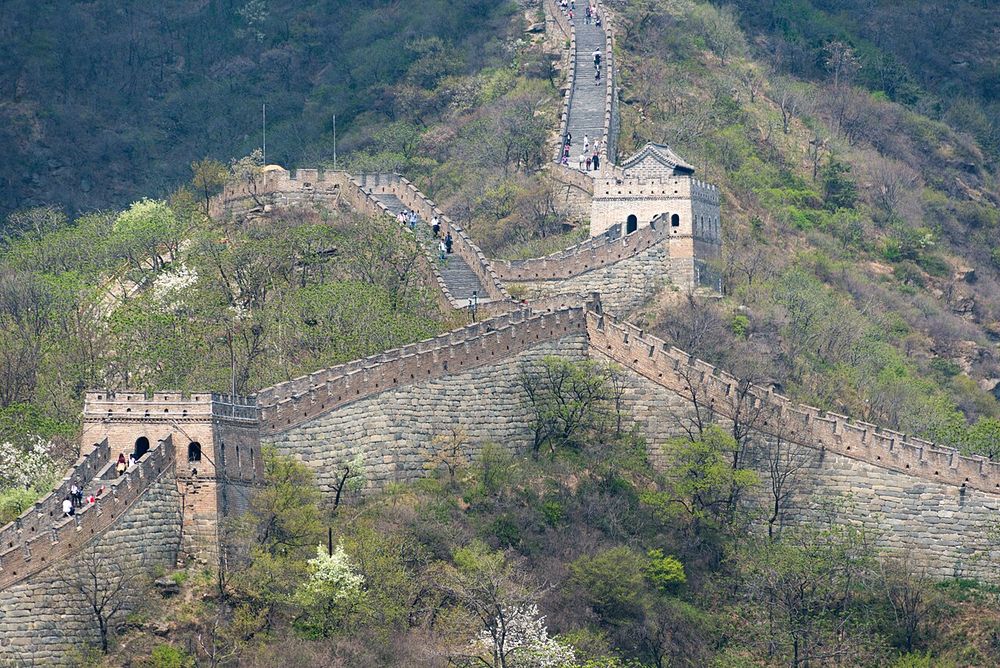
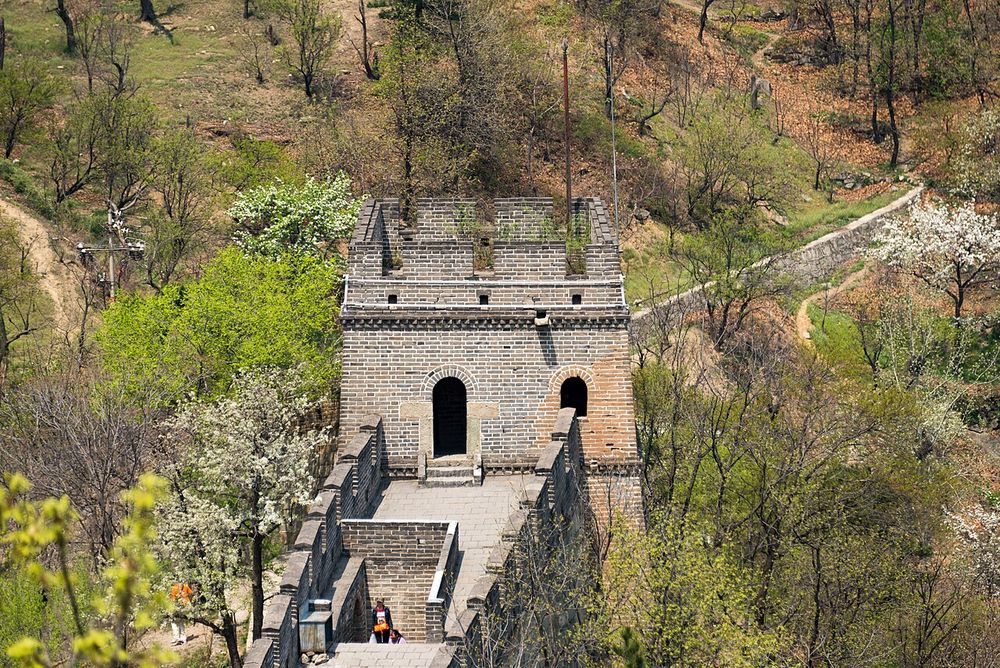
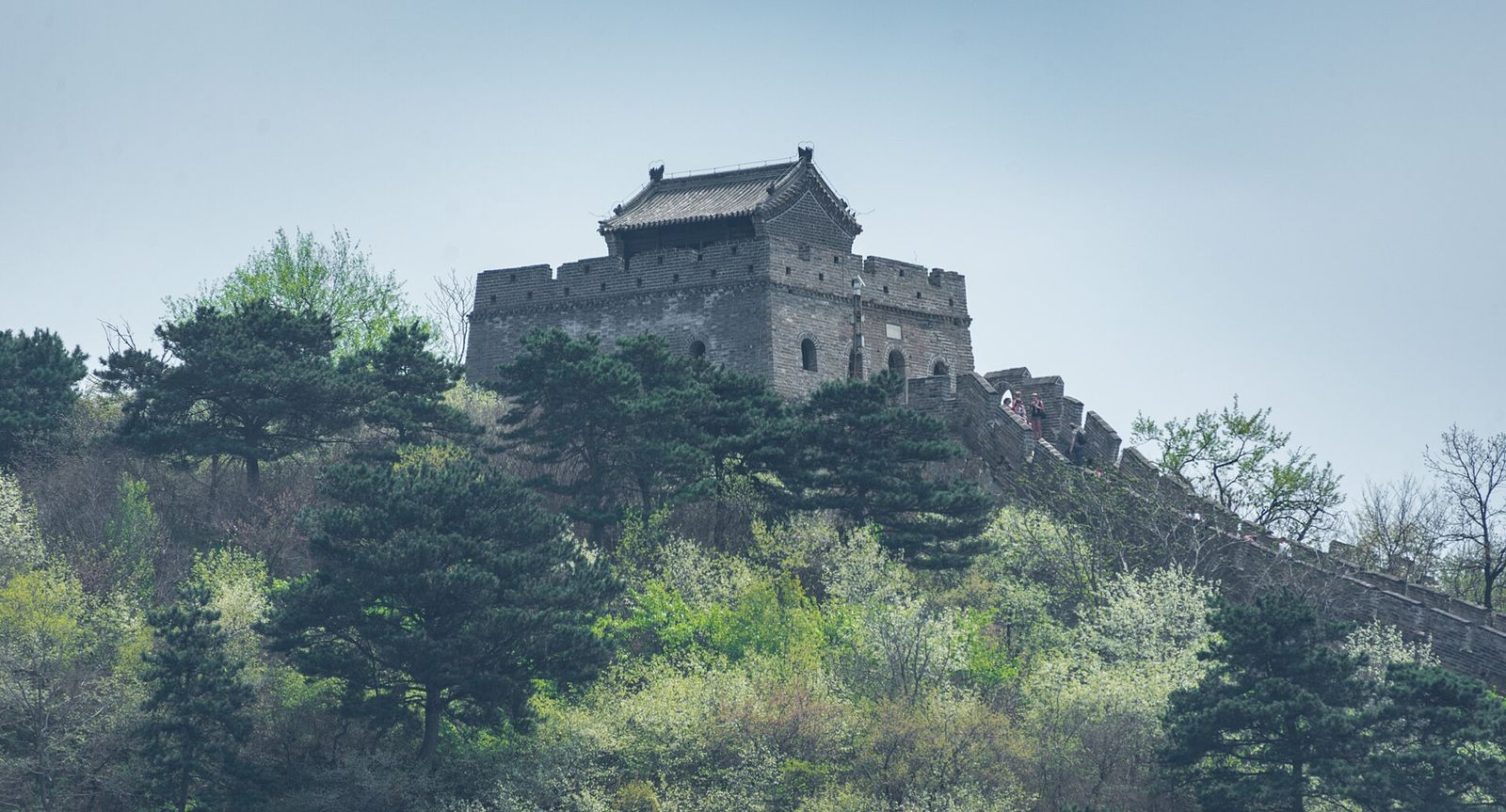
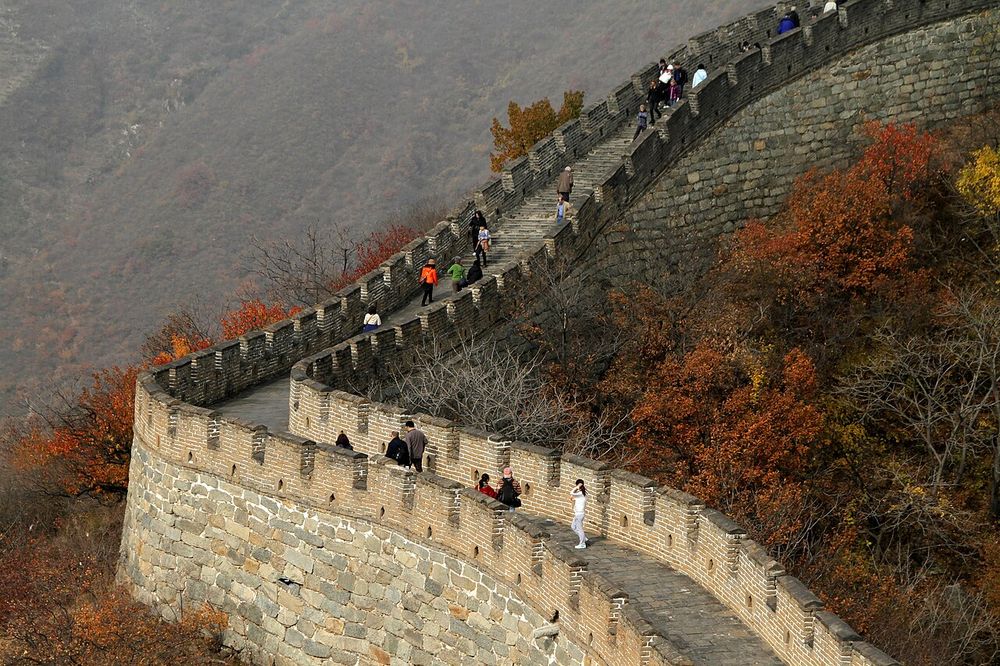
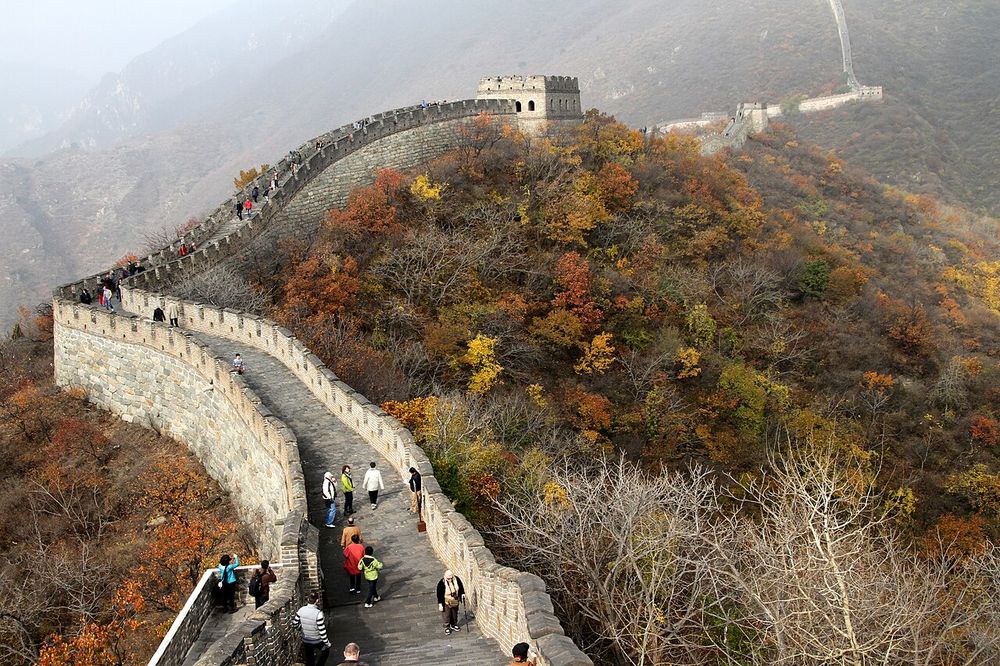
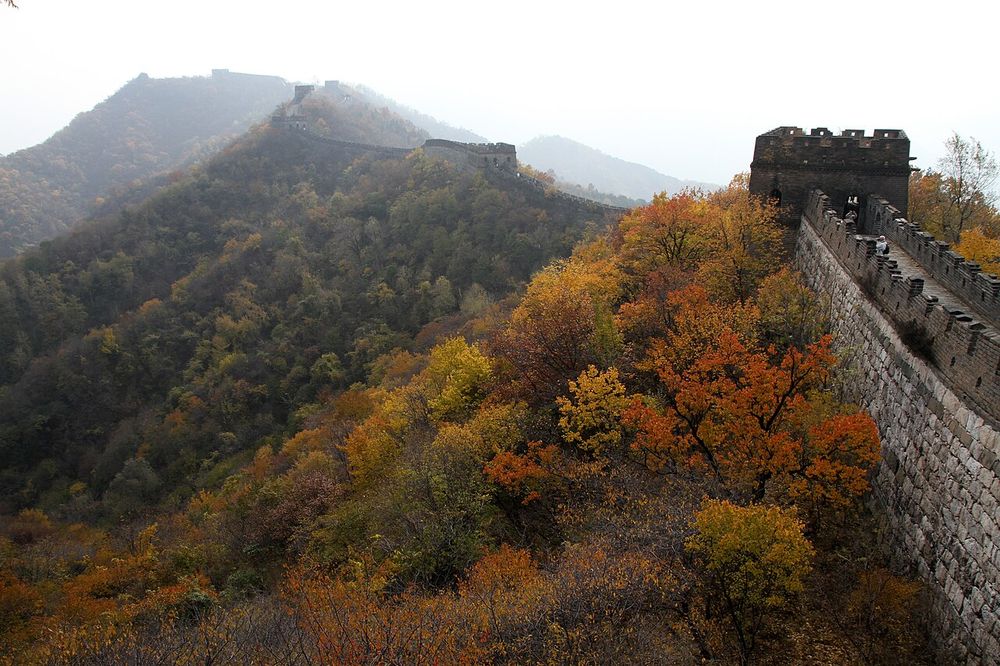
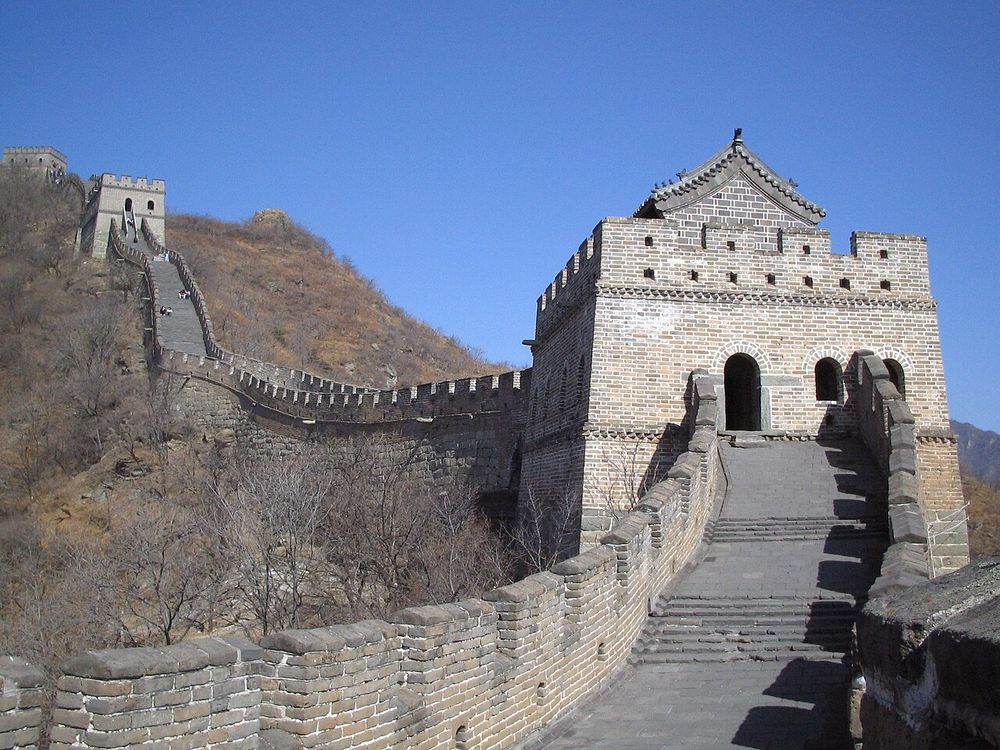
At Mutianyu, look up at the gate: three watchtowers stand side by side on one platform. It is called Zhengguantai, and nothing else on the Great Wall is built like it. Then look at the edges of the wall. There are battlements on both sides, because the garrison here had to watch two directions.
Part of The Great Wall of China. Also there: Badaling.
What is here
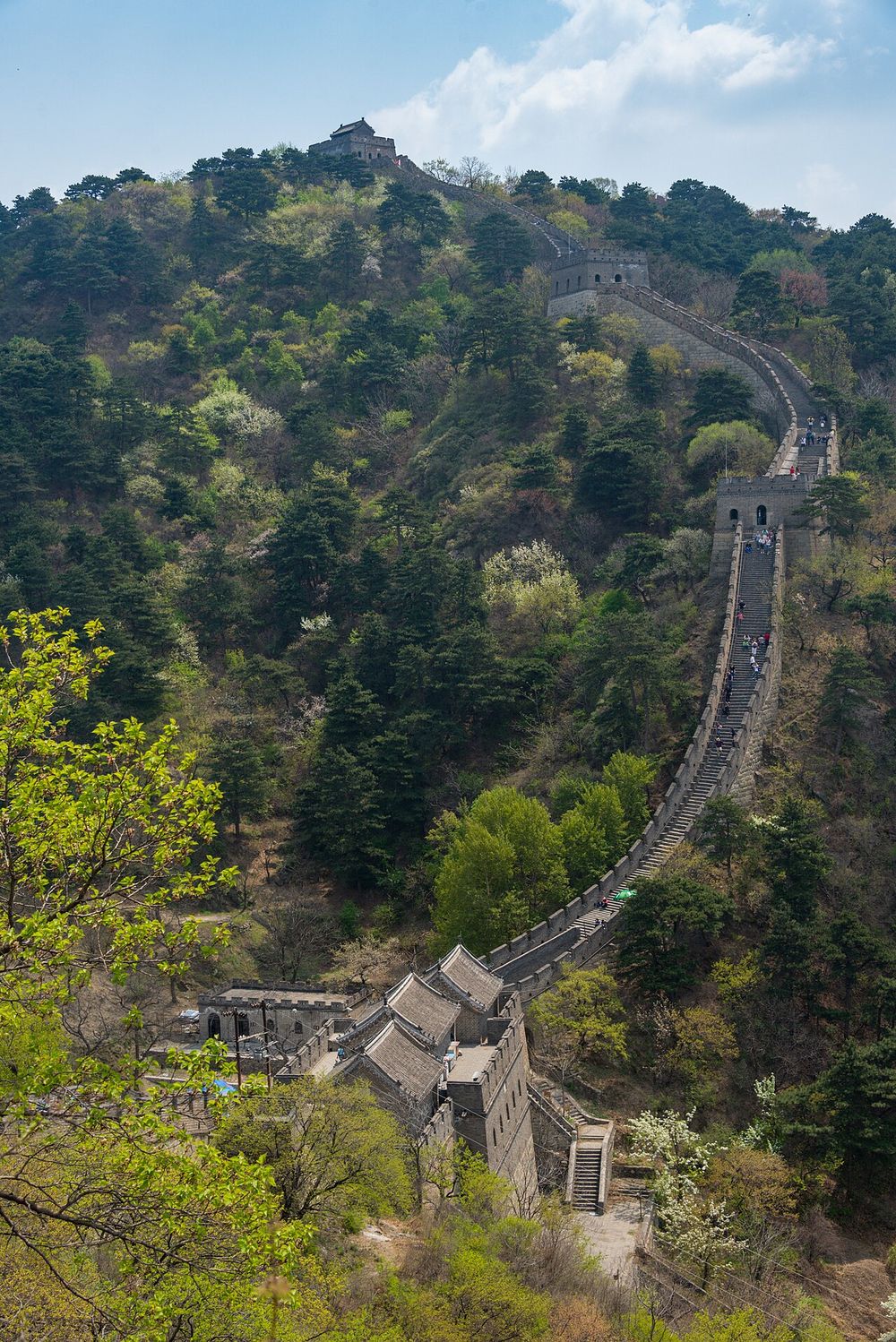
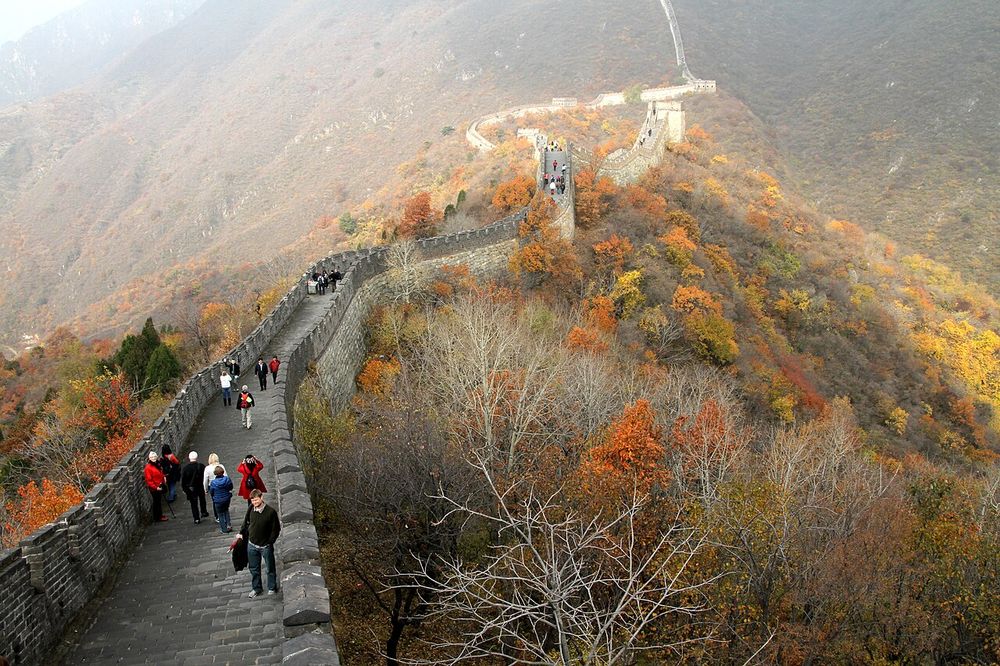
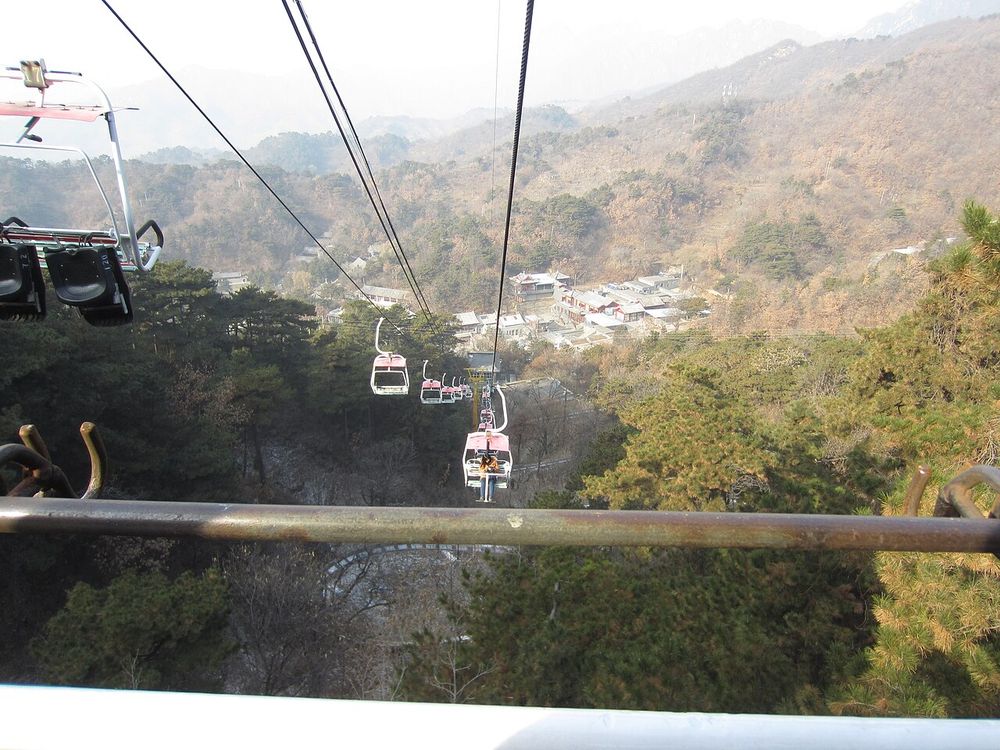
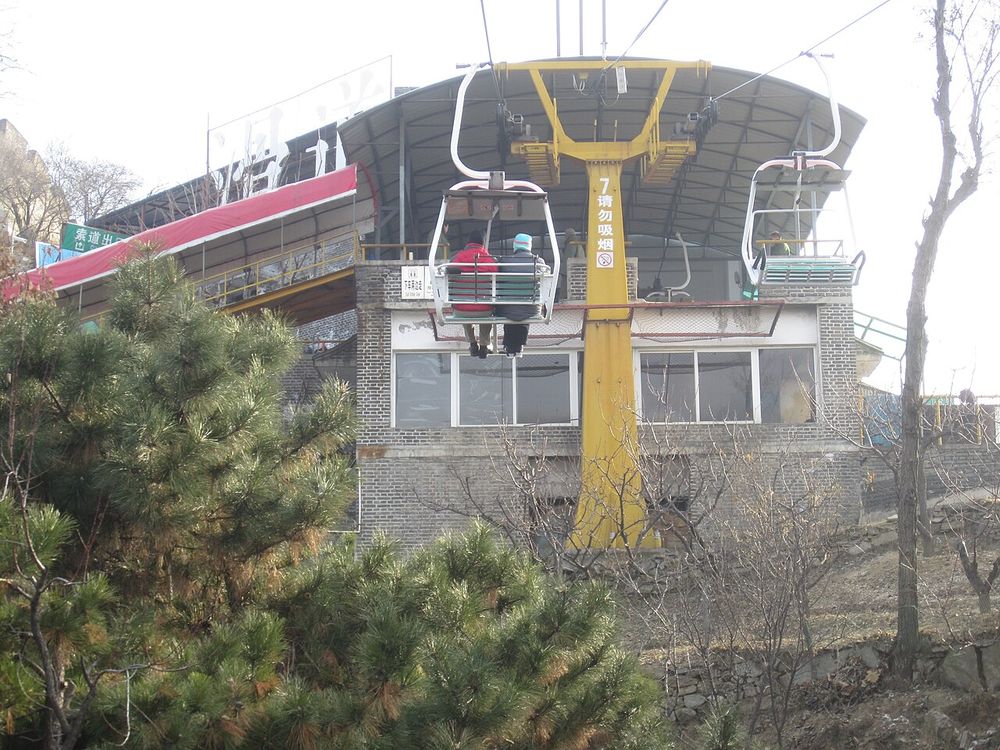
The open stretch runs from Tower 1 to Tower 20. The ticket covers the wall only. The shuttle bus from the ticket office, the cable car, the chairlift and the toboggan are all sold separately.
| Part | Ticket |
|---|---|
| Towers 1 to 20 | Included |
| Zhengguantai, the three towers on one platform (Tower 4) | Included |
| Shuttle bus, cable car, chairlift and toboggan | All extra |
| Jiankou, the wild wall to the west | Closed; seen from Tower 20 |
If you have one minute
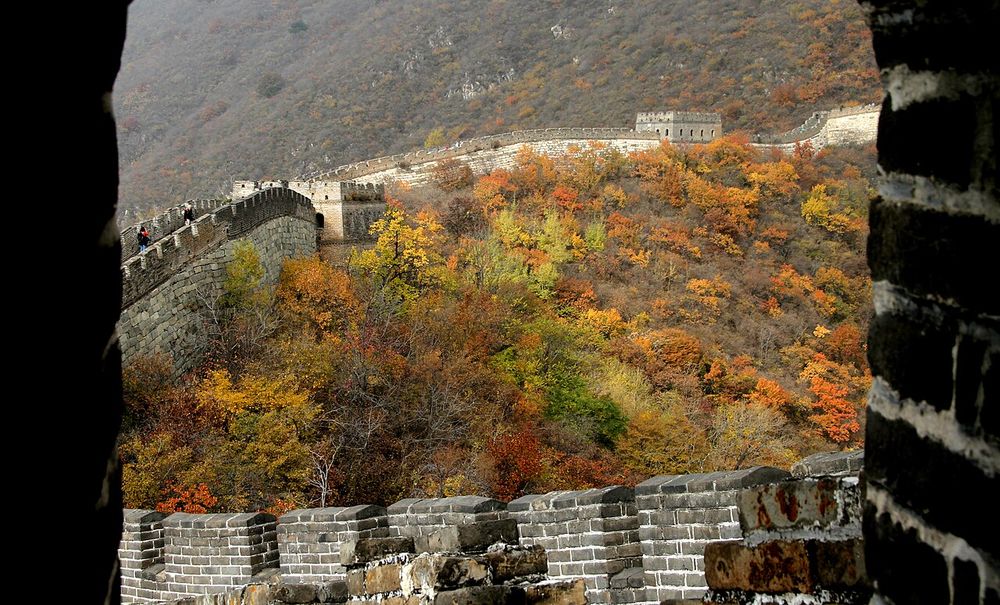
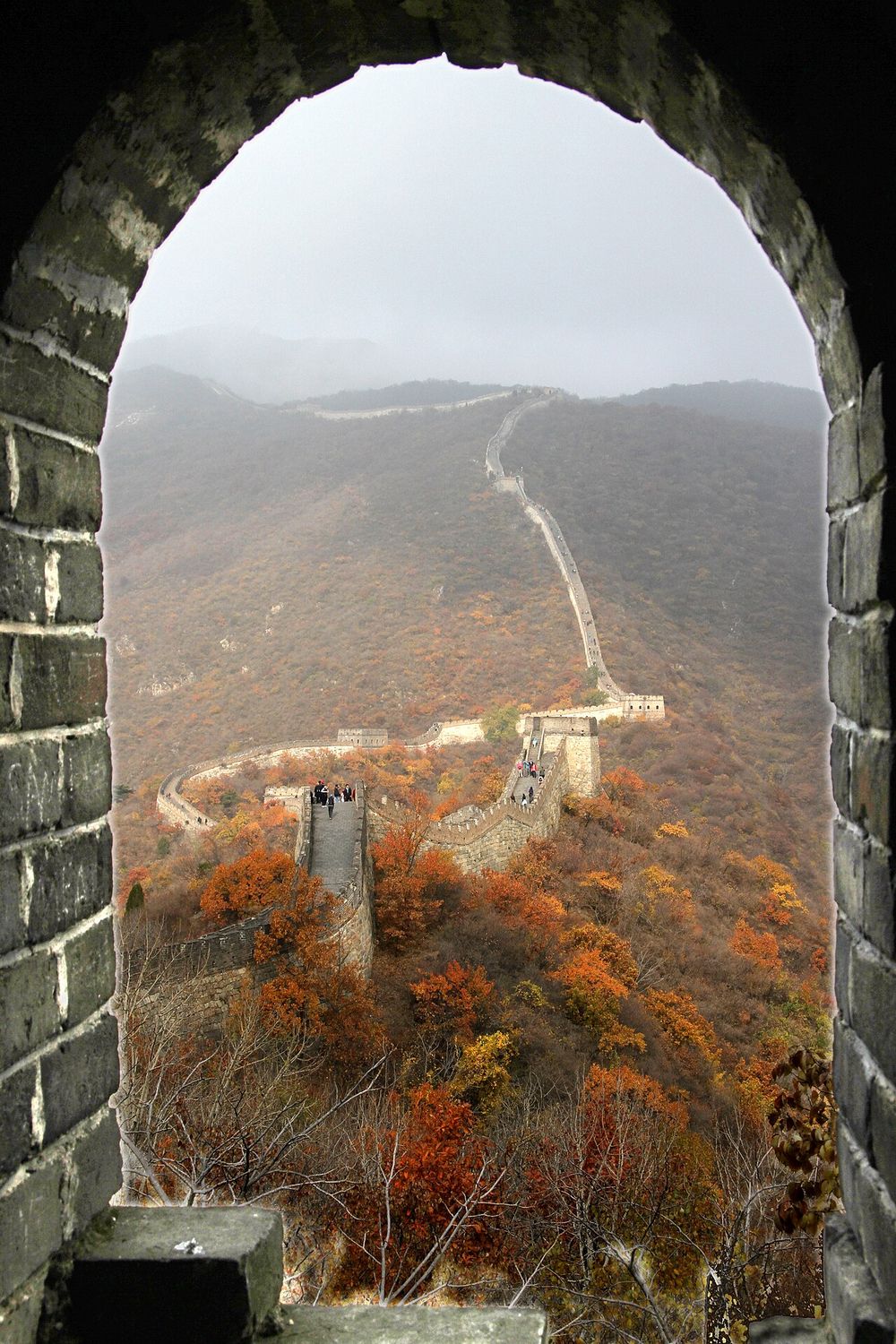
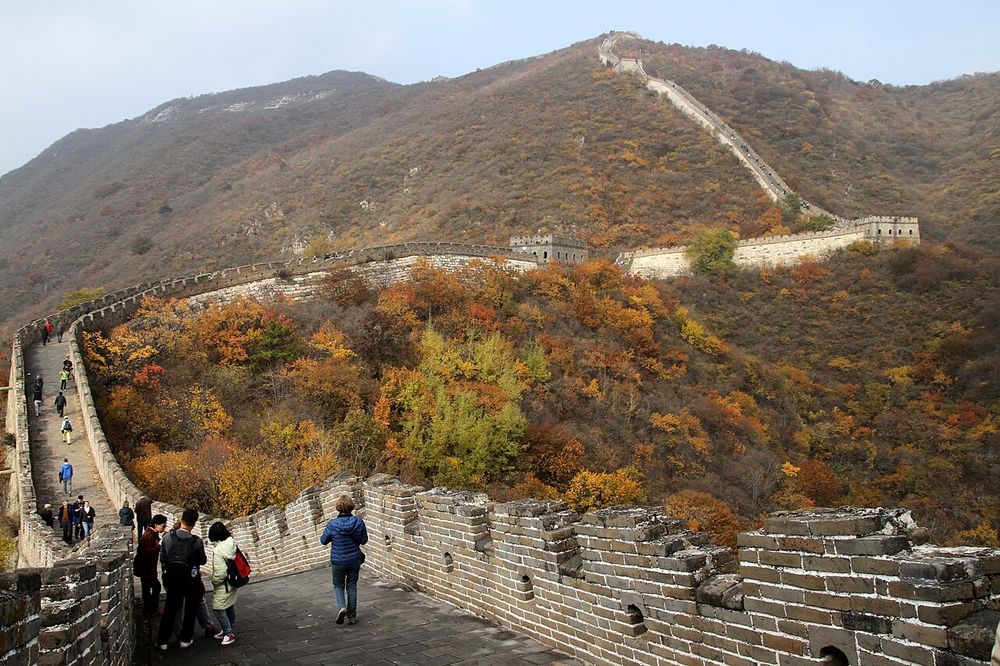
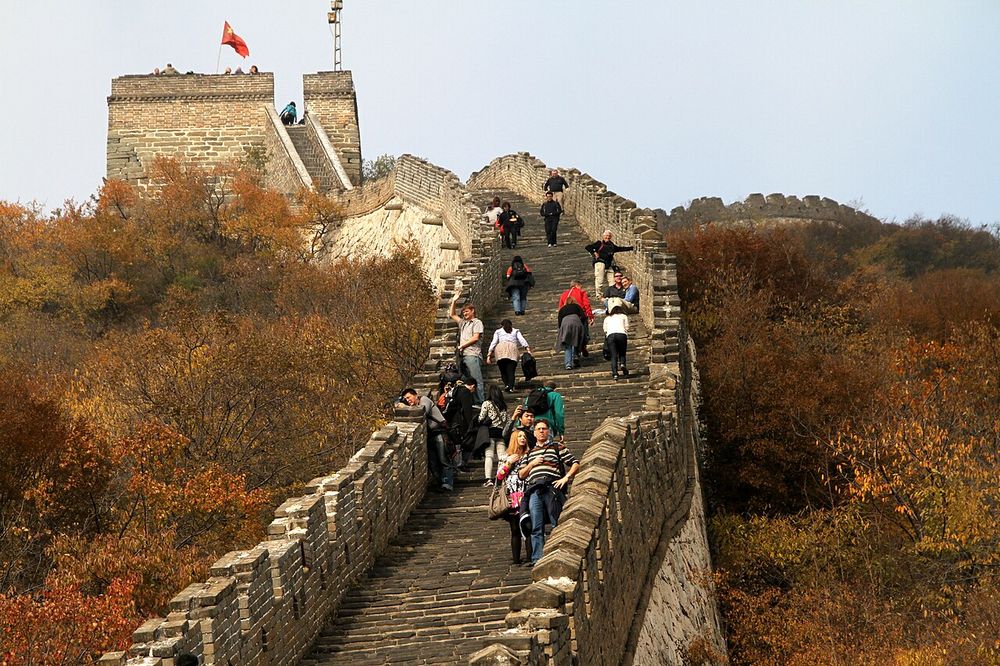
Mutianyu, from Zhengguantai
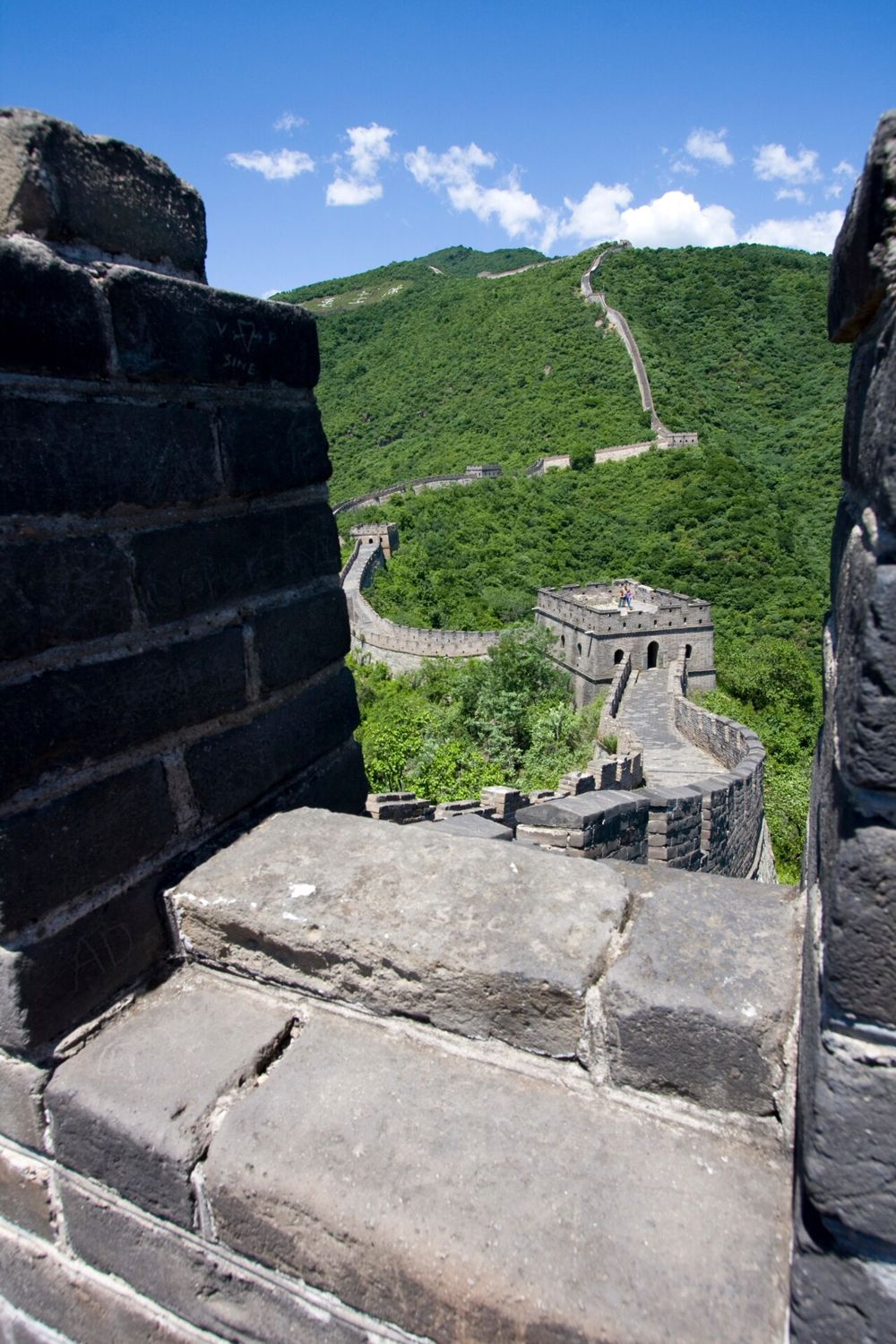
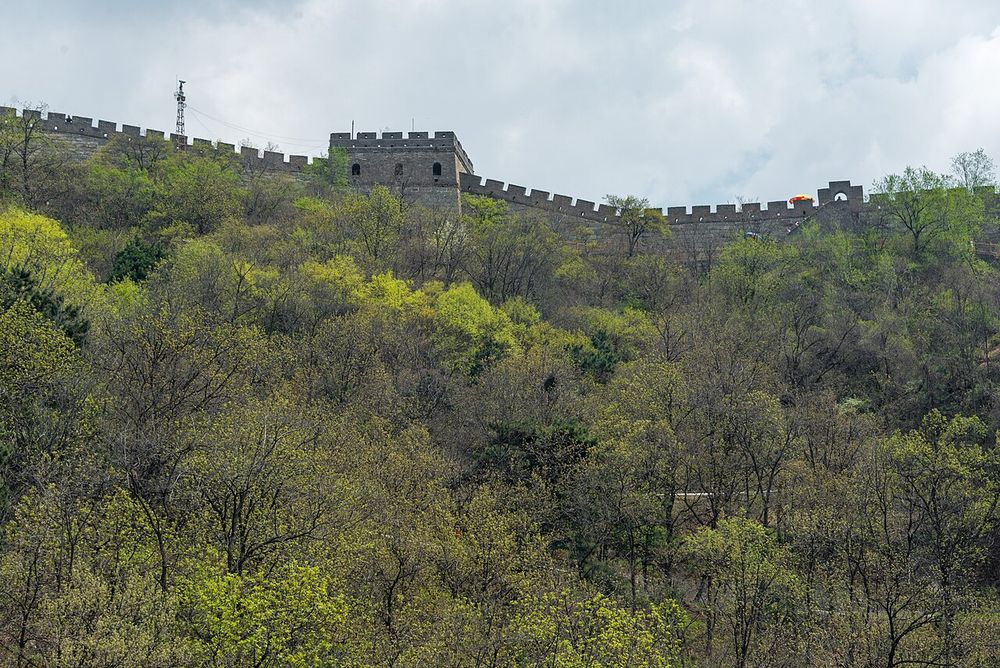
You are standing at Mutianyu Pass, only 483 m above sea level and the low point of this stretch. The builders put the gate where the gap was lowest and easiest to cross.
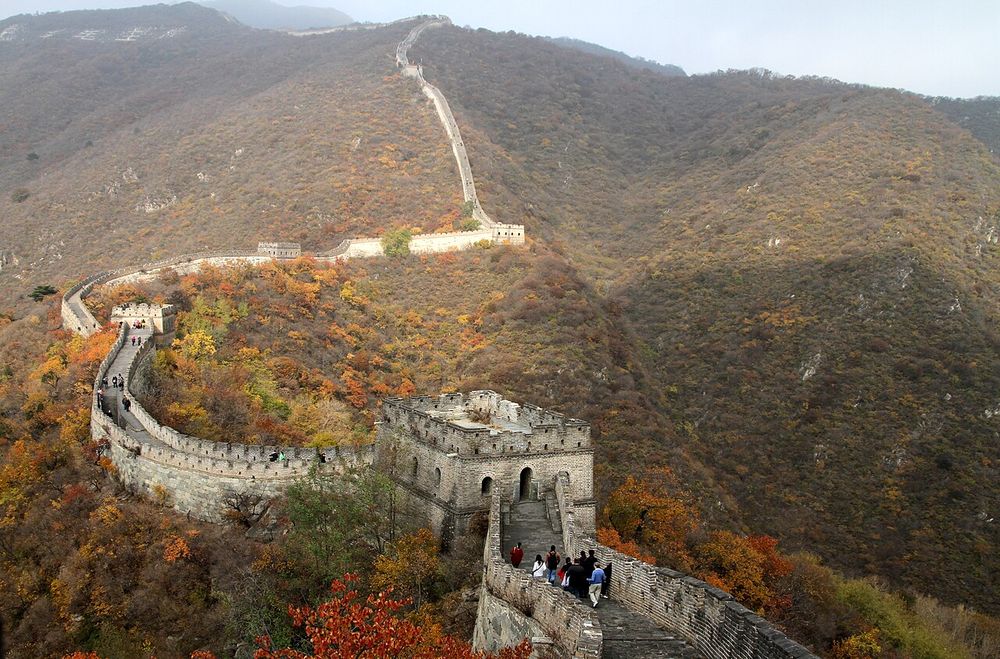
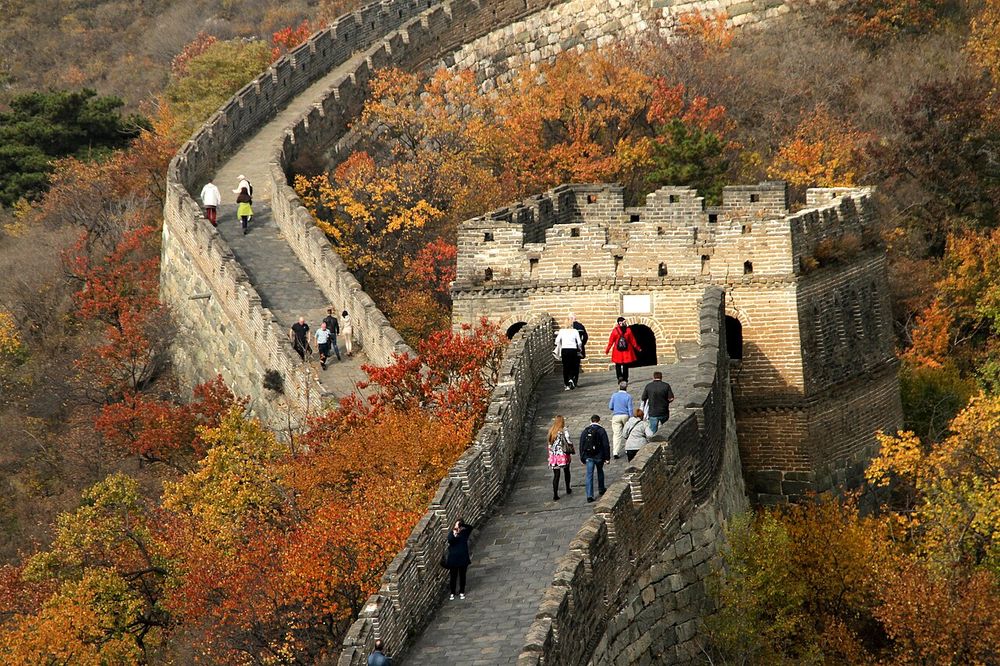
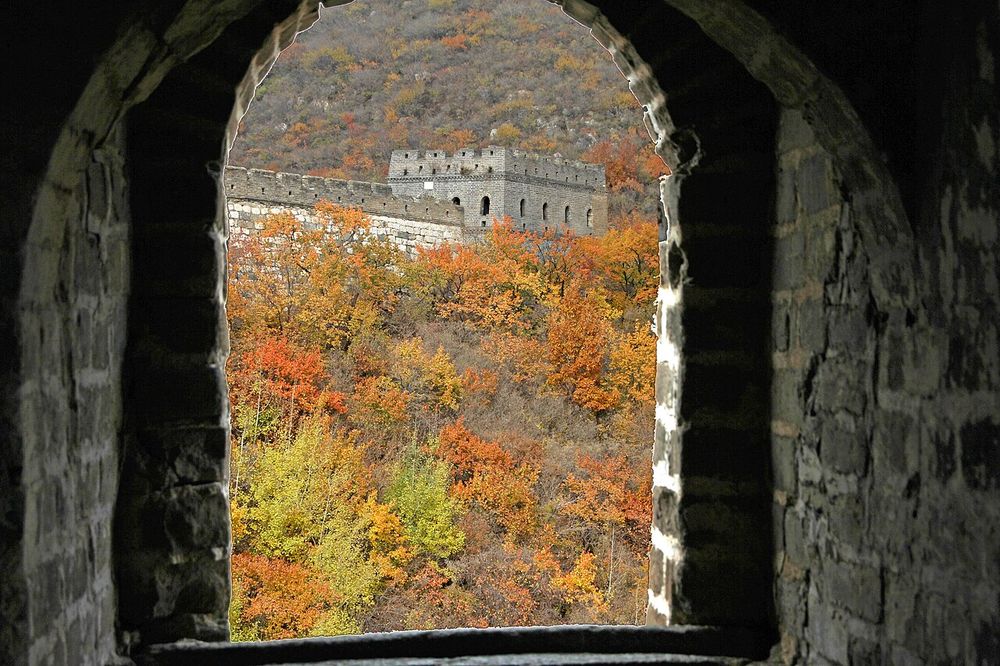
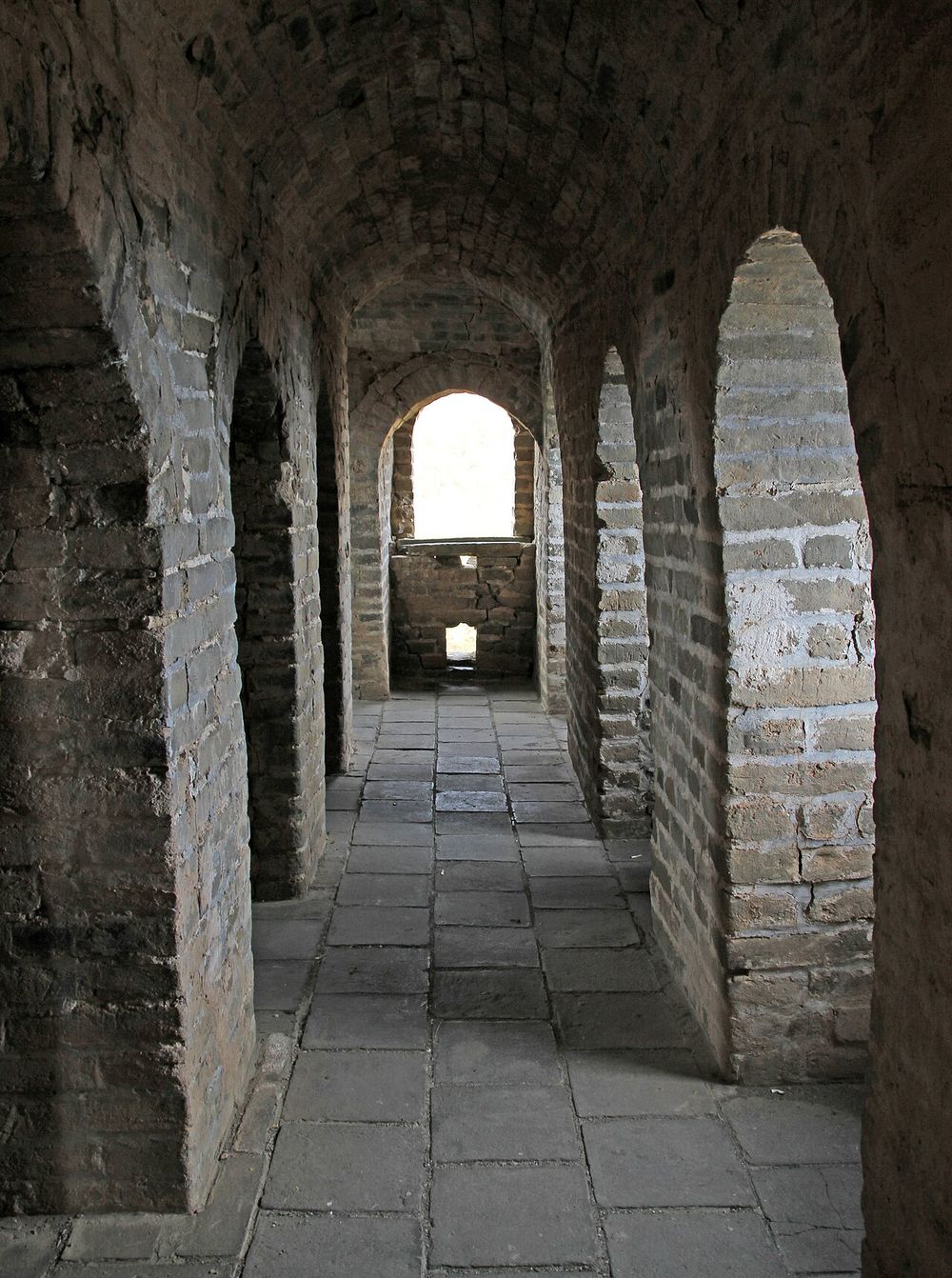
Three towers in a row: a large one in the middle, a smaller one each side, two storeys, connected inside. The lower level could hold about a hundred men.
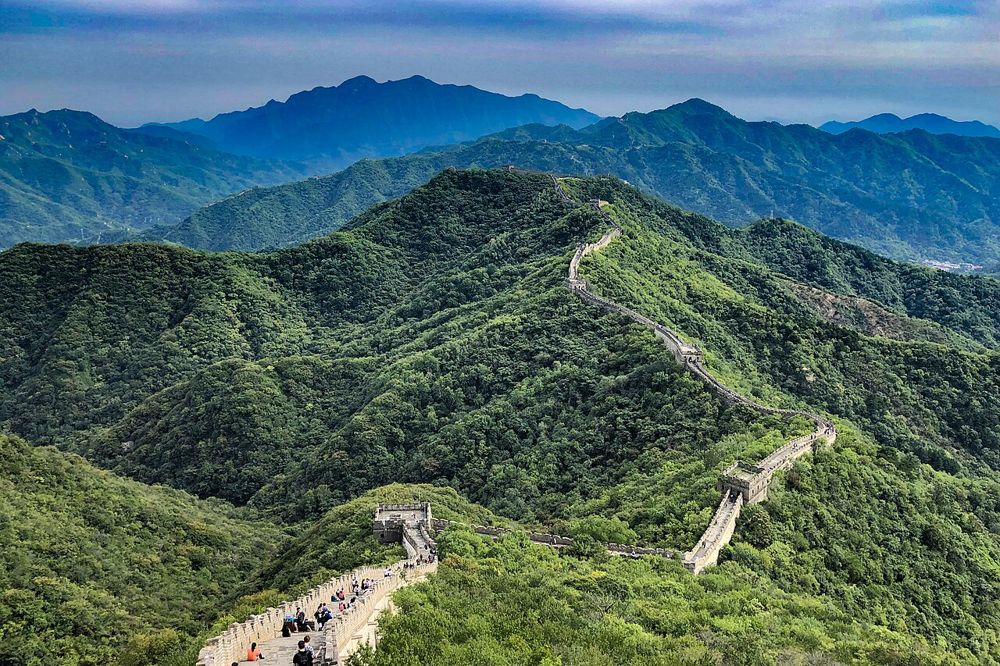
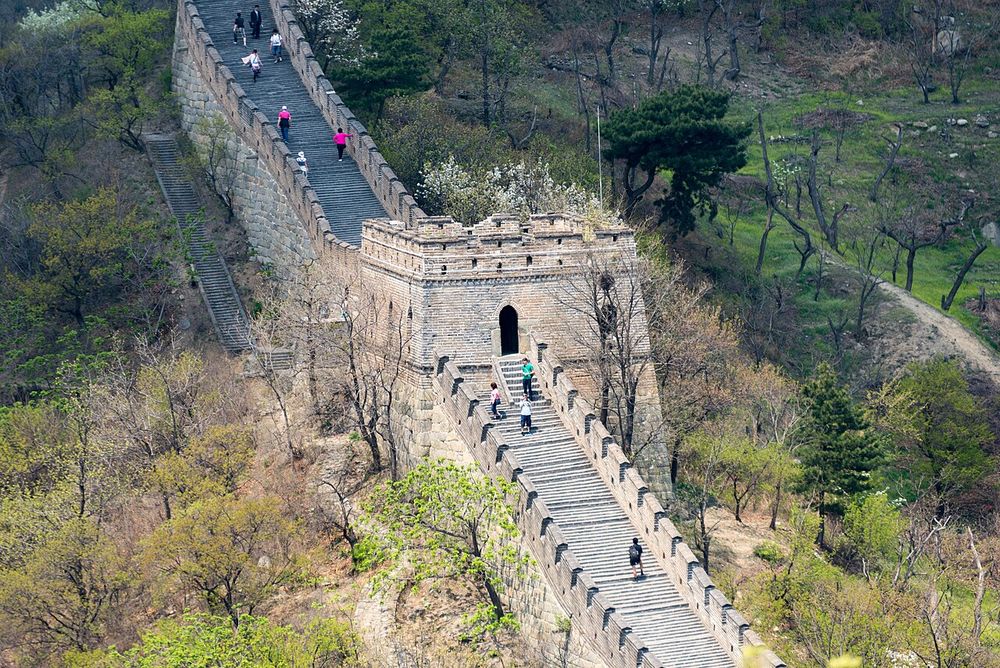
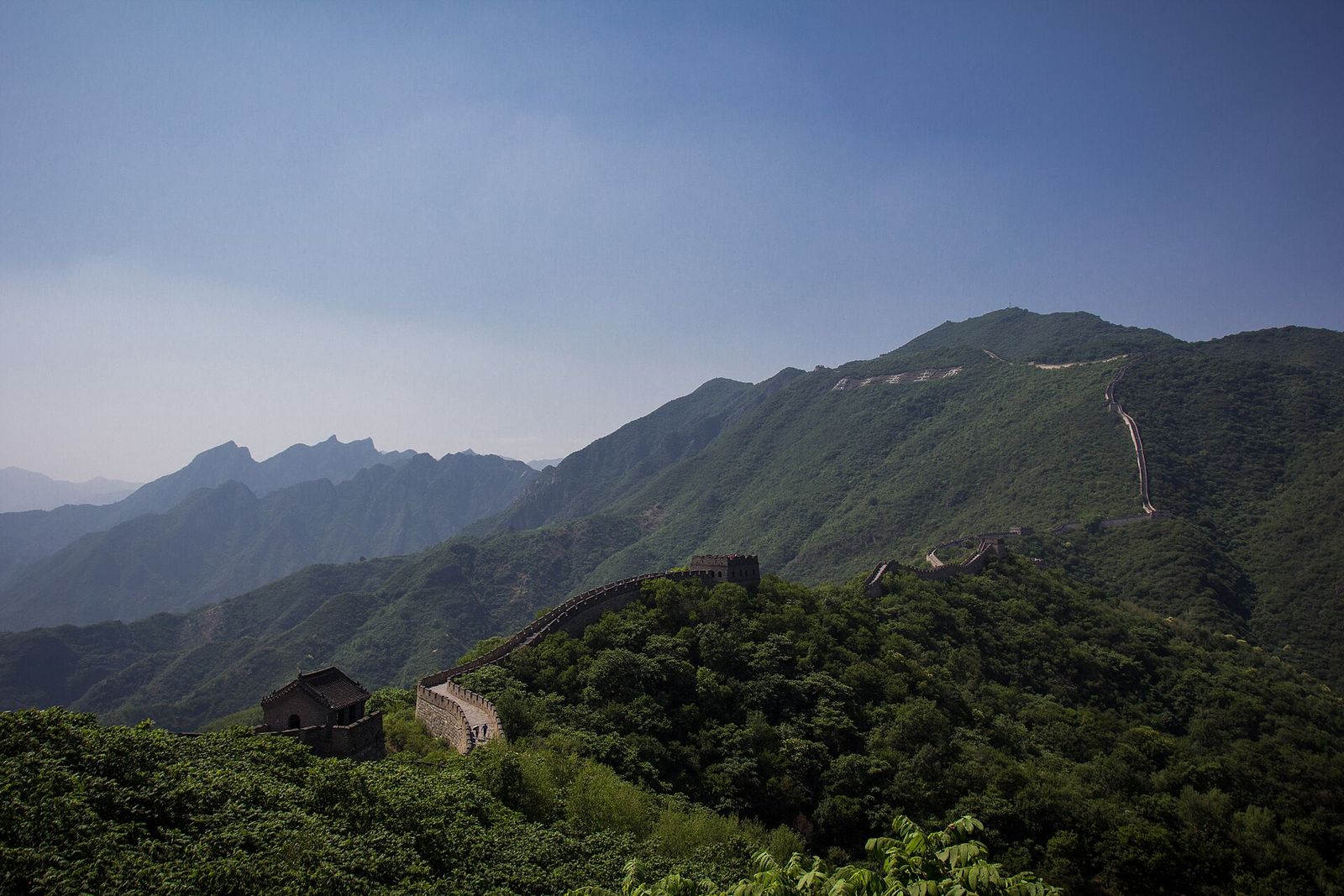
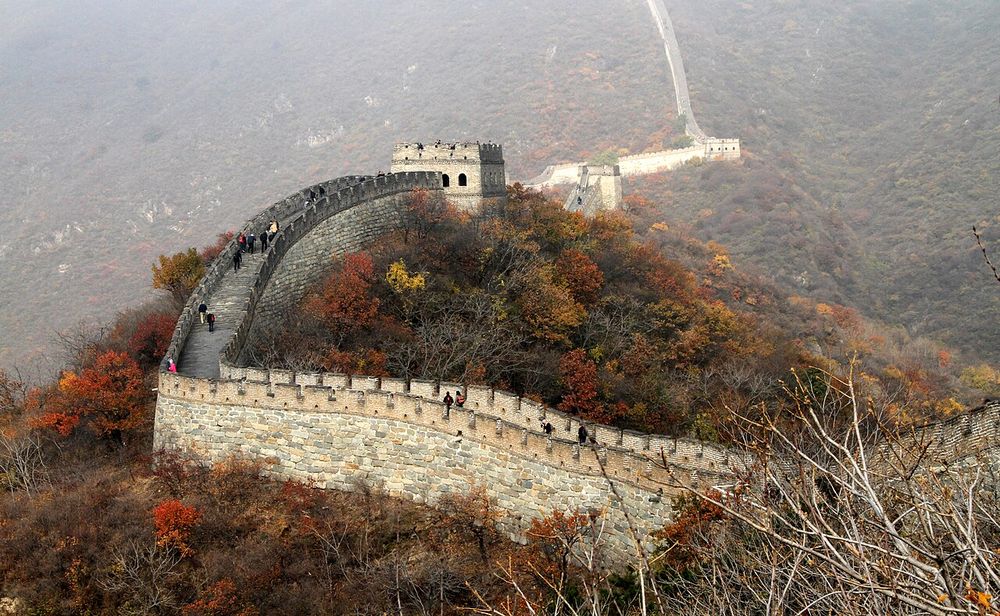
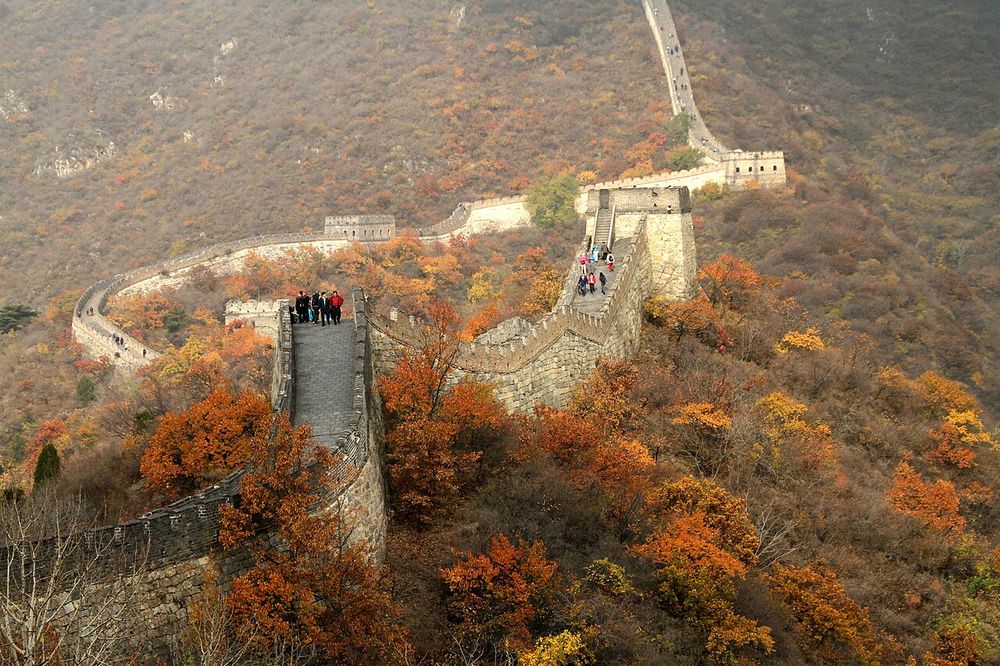
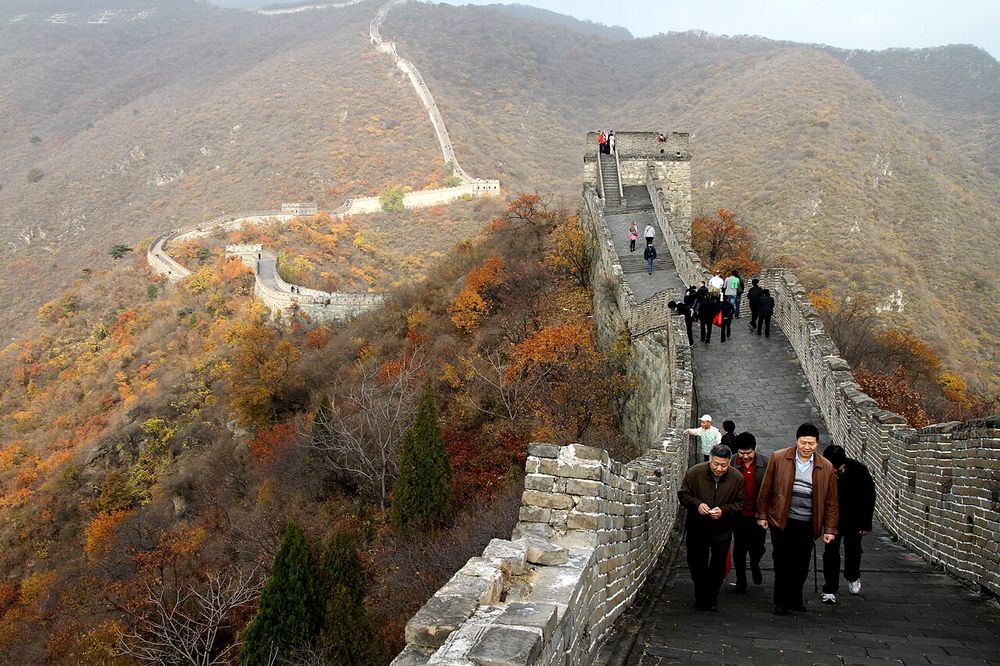
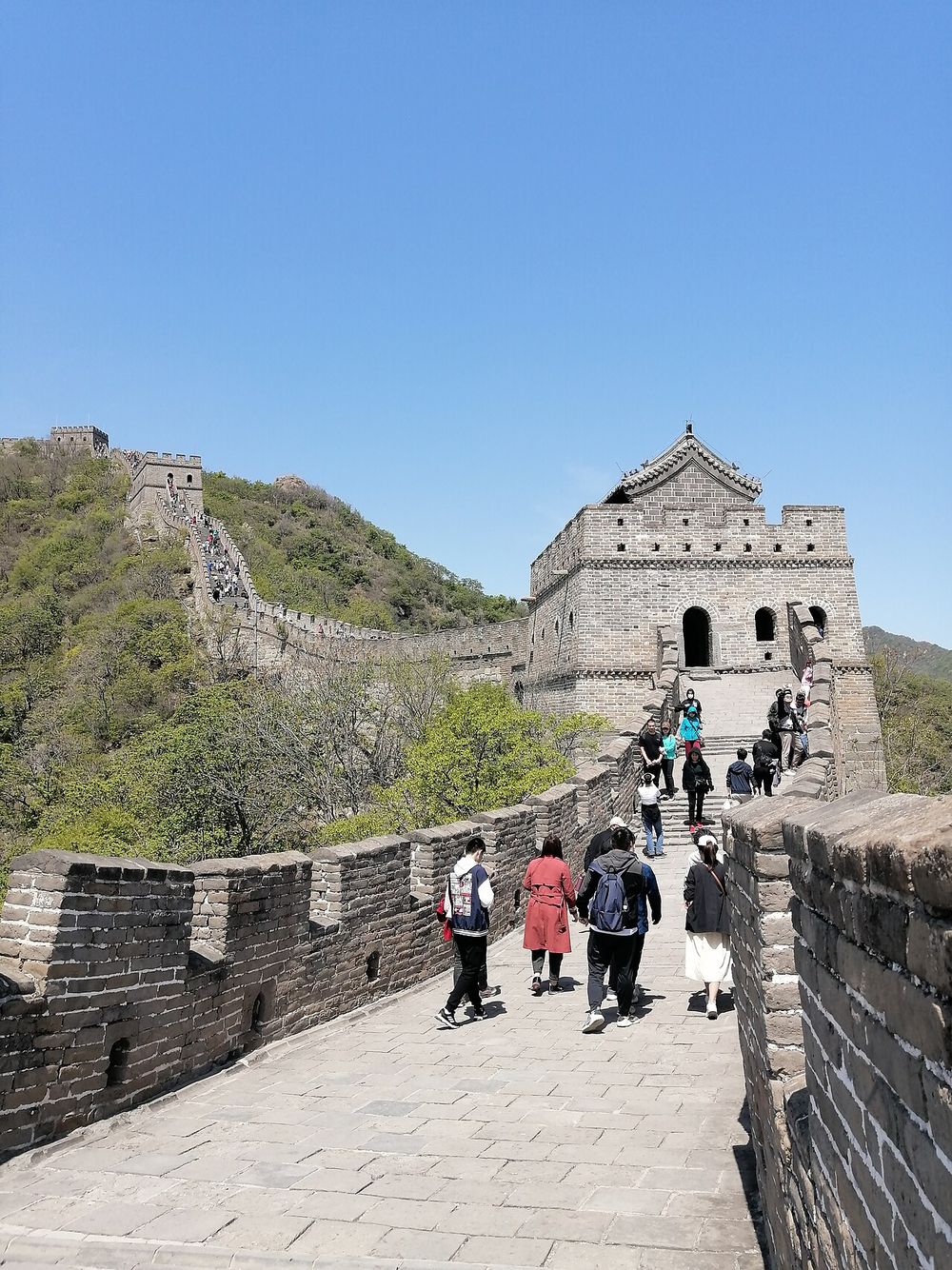
Between tower 1 and tower 20 is only about 3 km, yet there are 25 towers, platforms and guard rooms: roughly one every hundred metres.
Why so many? This section lies north of the Ming Tombs. It guarded the back door of both the capital and the imperial graves.
People who stood here
- Bill Clinton, 1998He chose Mutianyu instead.
Go deeper: three stops at Mutianyu
1. The Big Corner Tower
Three walls meet here: one runs east toward Gubeikou, one west toward Badaling, and a short spur runs south. From any side the tower looks like a corner, which gave it its name.
Mutianyu also has branch walls, built out from the main line along the ridges. The outer one joins at tower 11.
2. Zhengguantai and the two-sided battlements
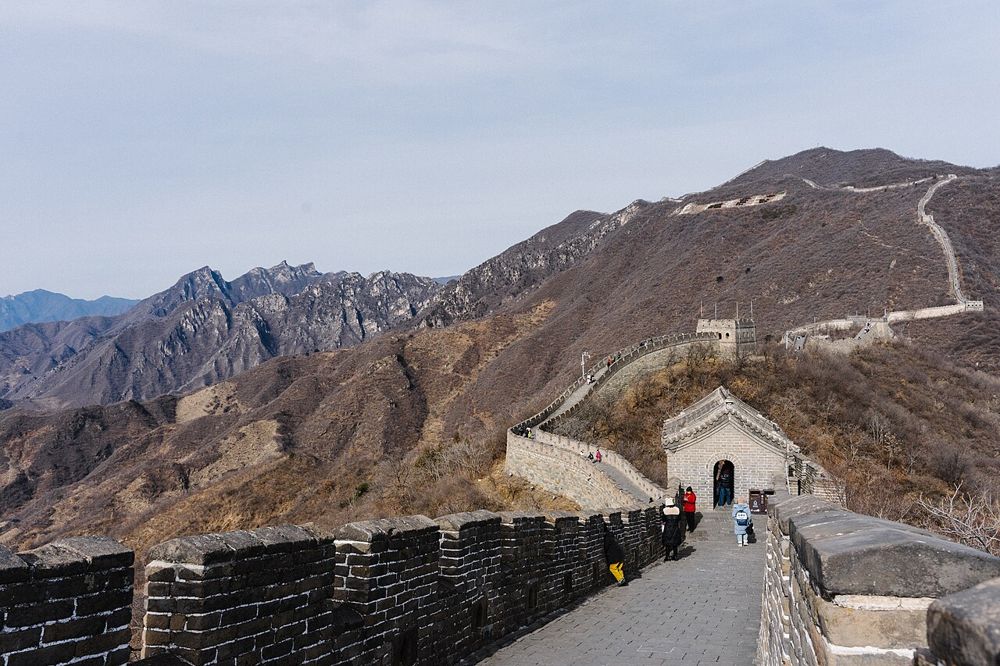
Zhengguantai is Mutianyu Pass itself, tower 4. An 18th-century record of Beijing dates the pass to 1404, when the Yongle emperor had just taken the throne and was preparing to move the capital north.
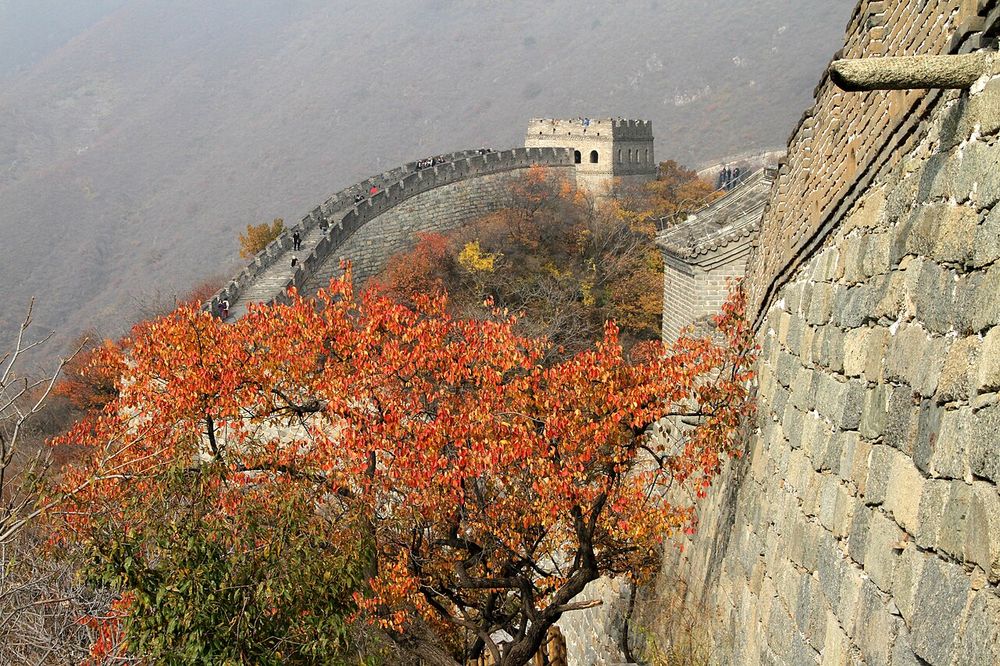
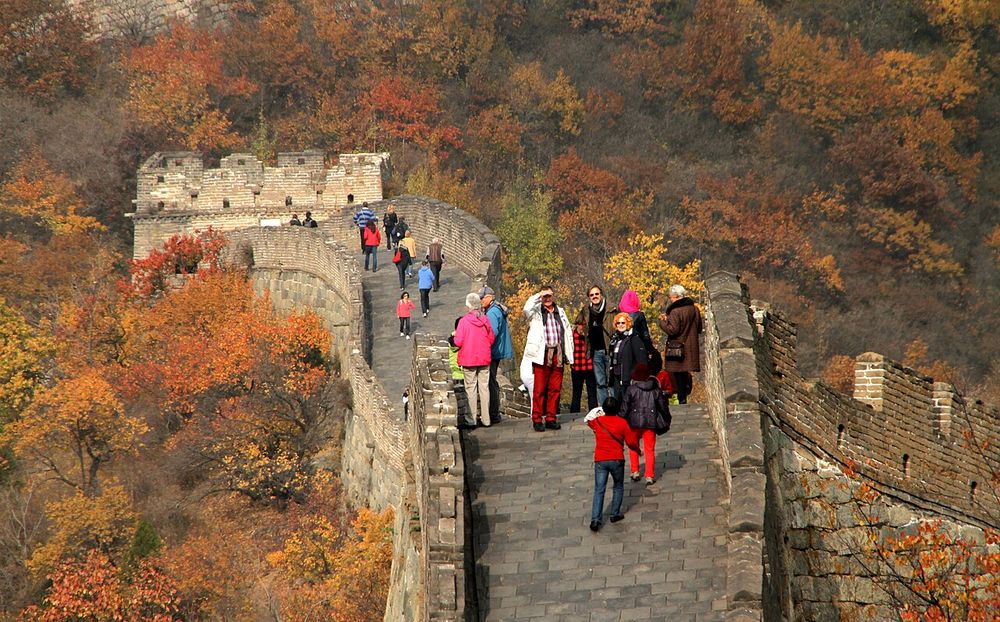
Most of the Great Wall has battlements on the outer side only. Here they run along both. The wall is mainly granite, 7 to 8.5 m high and 4 to 5 m wide on top.
3. The Ox Horn Edge and Jiankou, seen from a distance
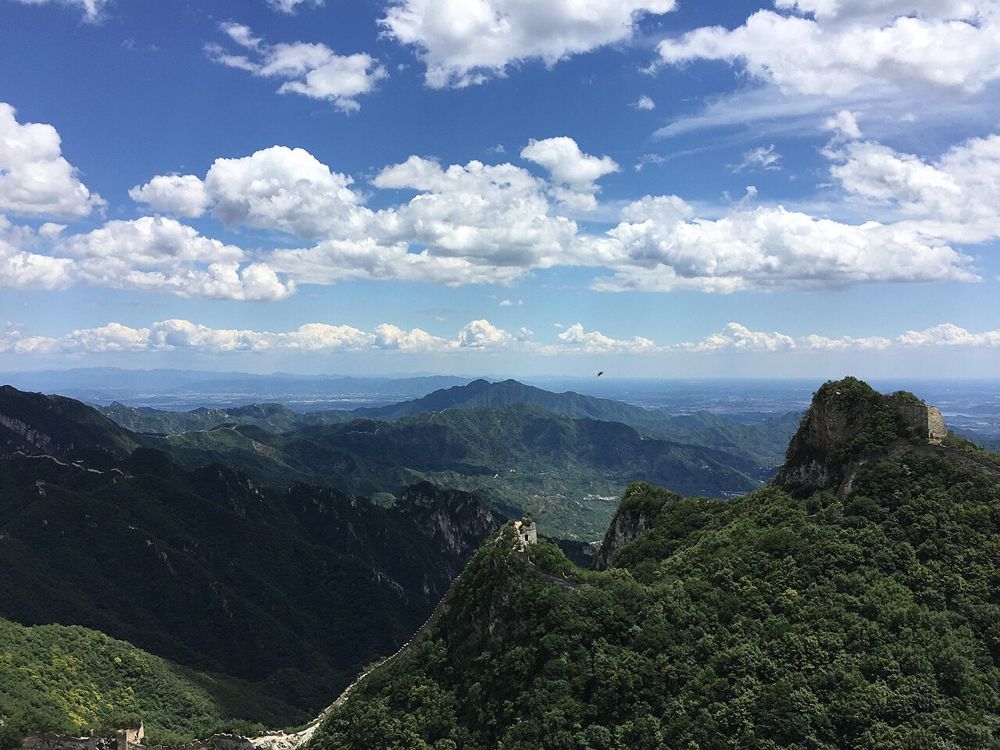
Past tower 20 the wall suddenly climbs more than 500 m to a summit at 1,039 m, plants one tower there, and doubles back along the cliff. On a map it looks like an ox horn.
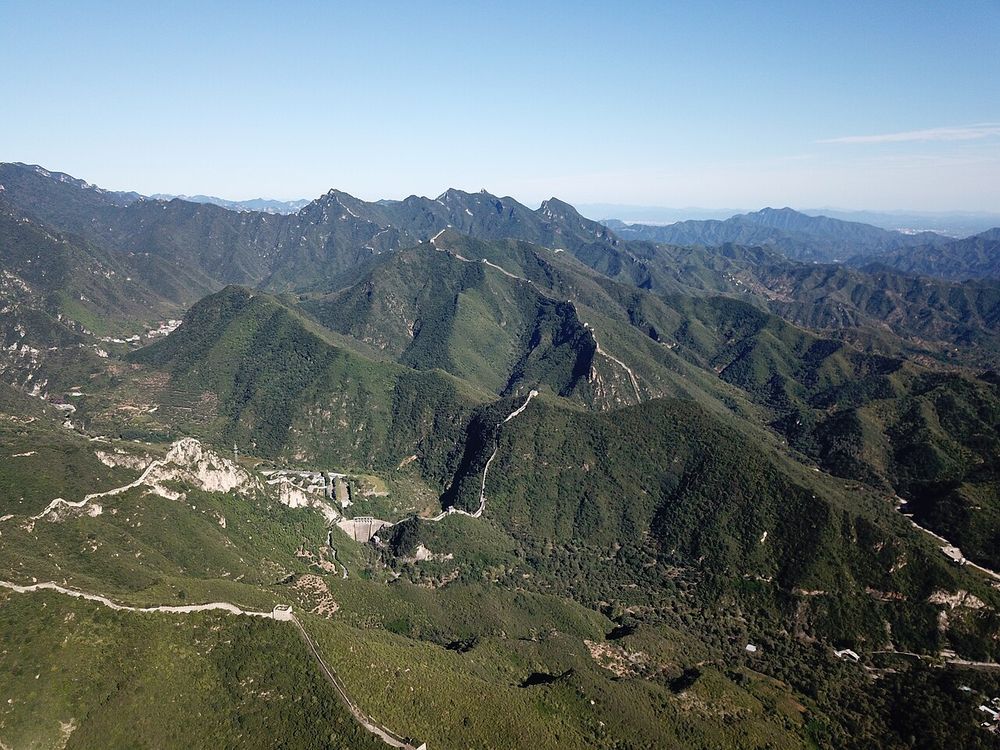
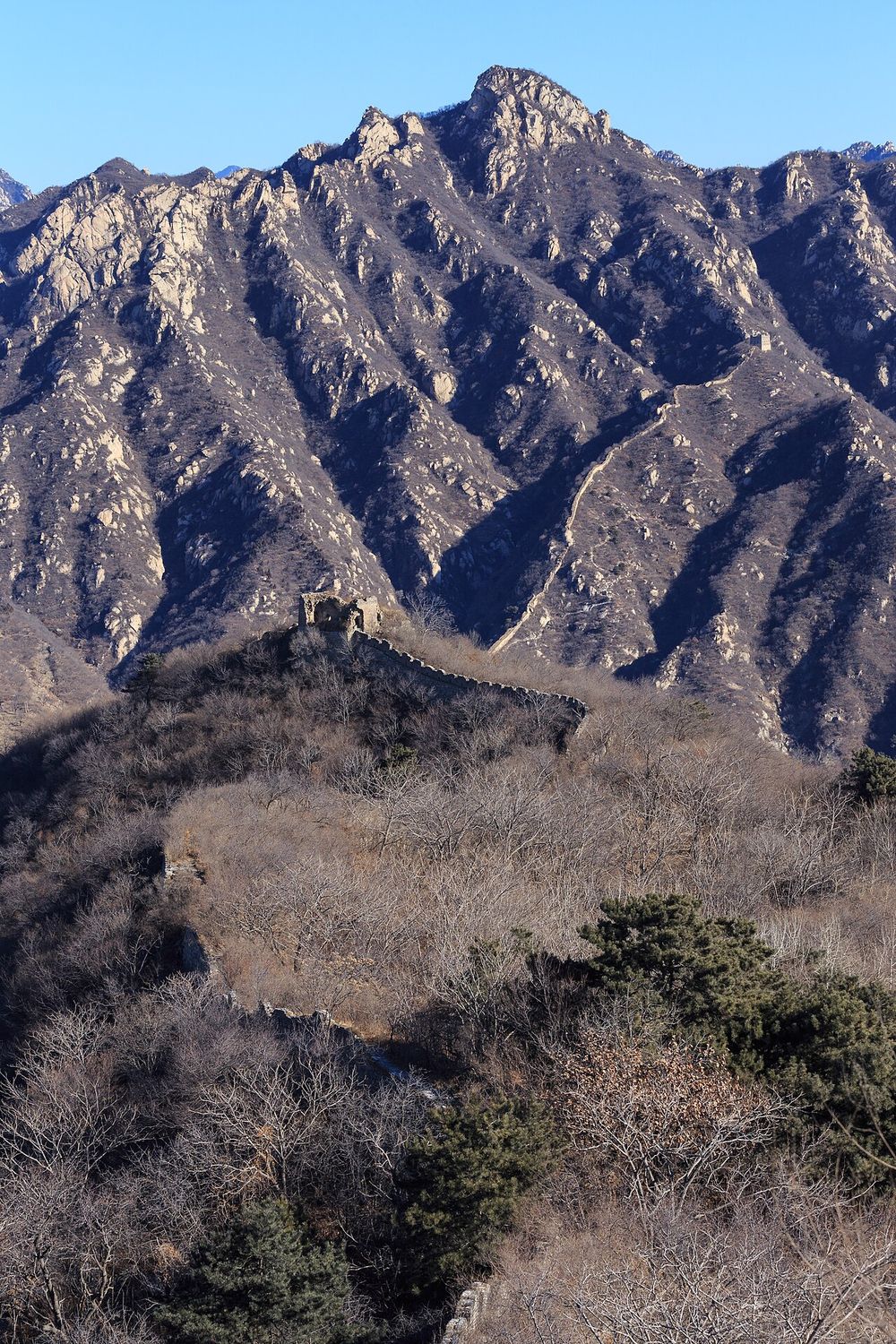
West of that is Jiankou, the broken, steep stretch that appears in most famous photographs of the wall.
Safety: most of Jiankou and the Ox Horn Edge are unrestored and closed. Do not climb them. Look from the open section.