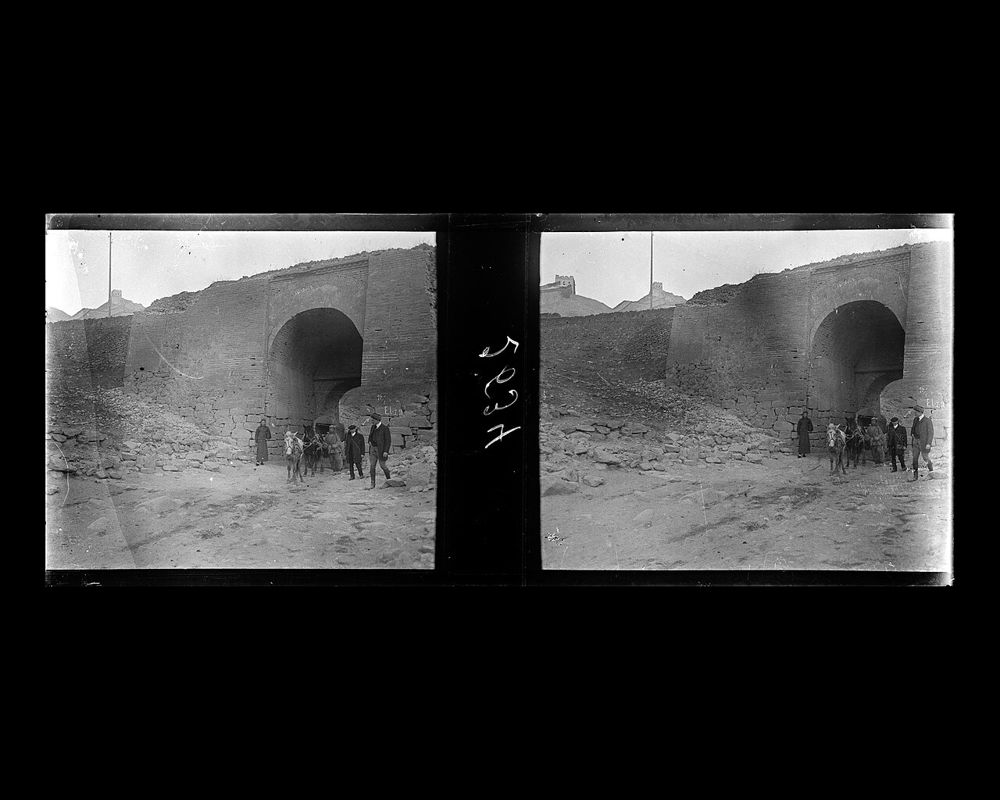
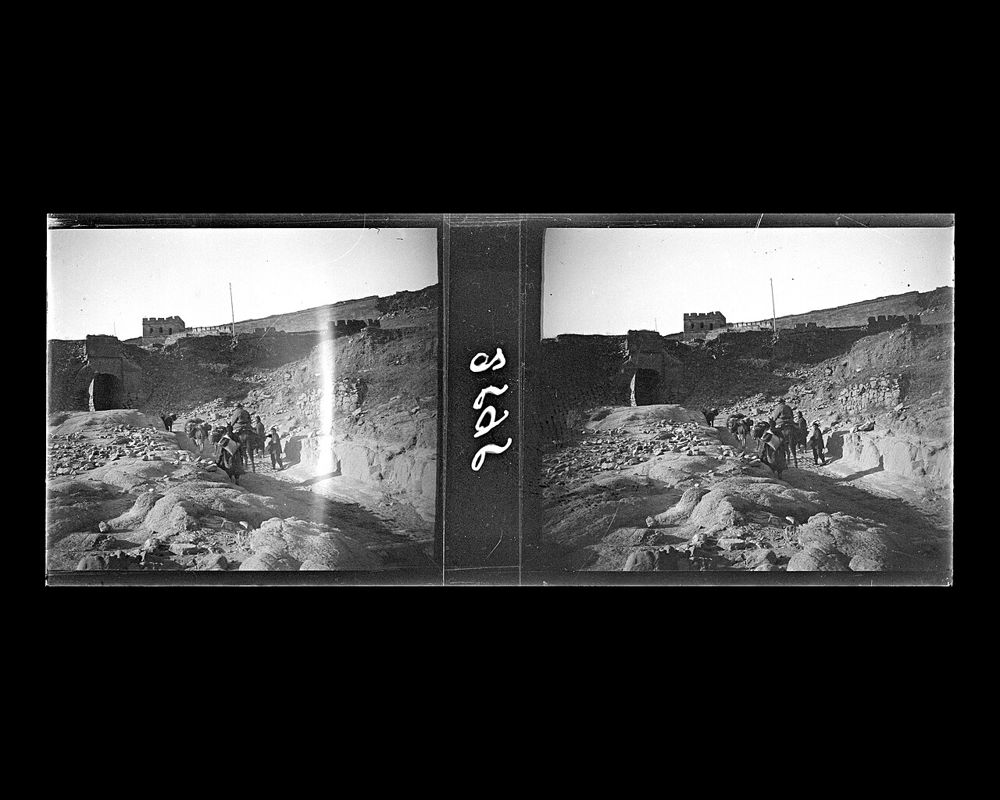
The story
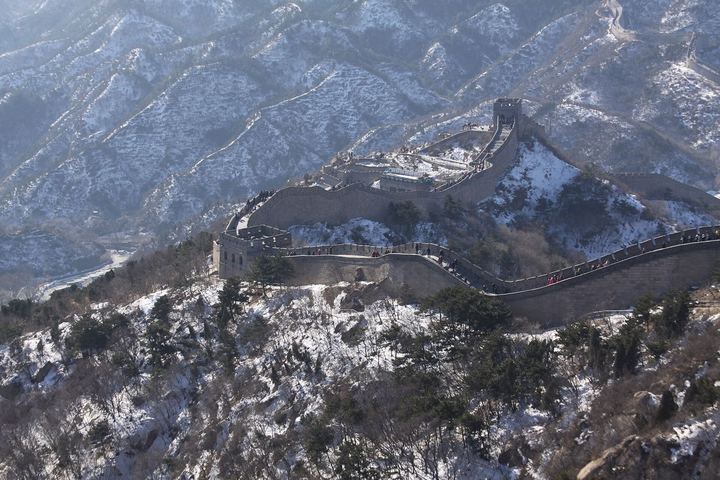
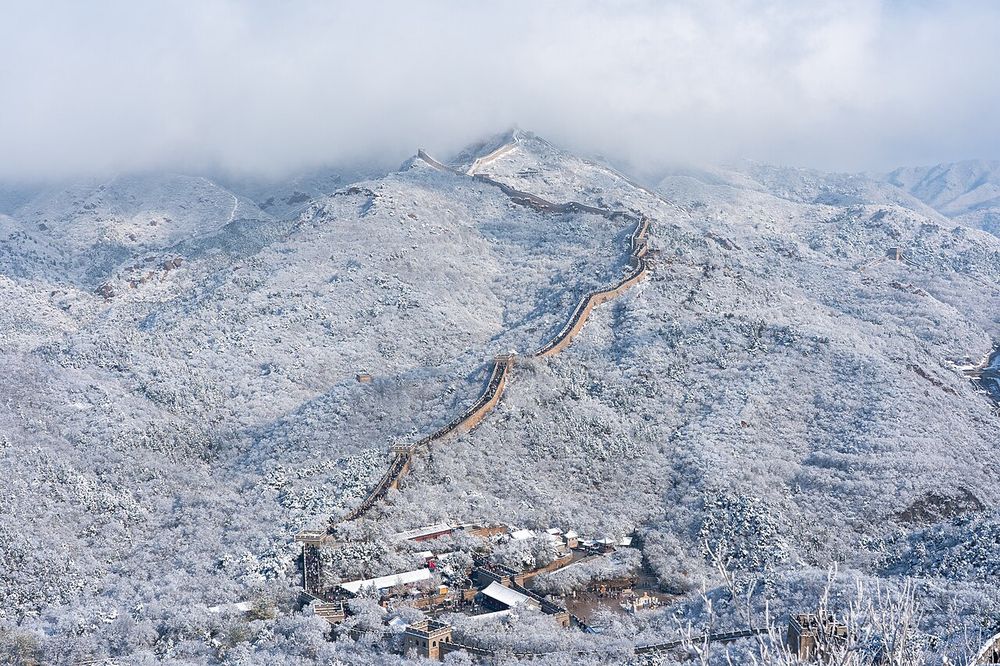
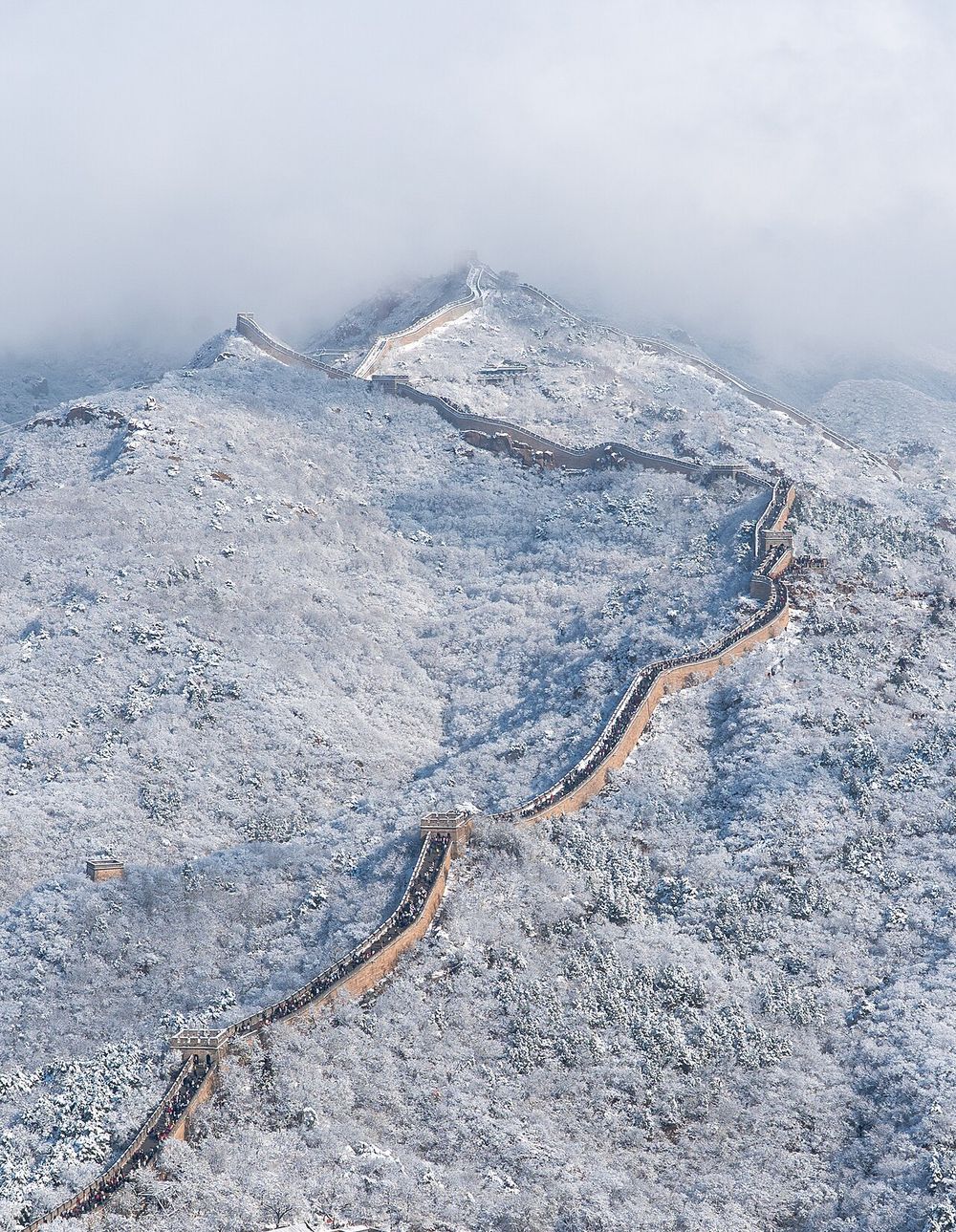
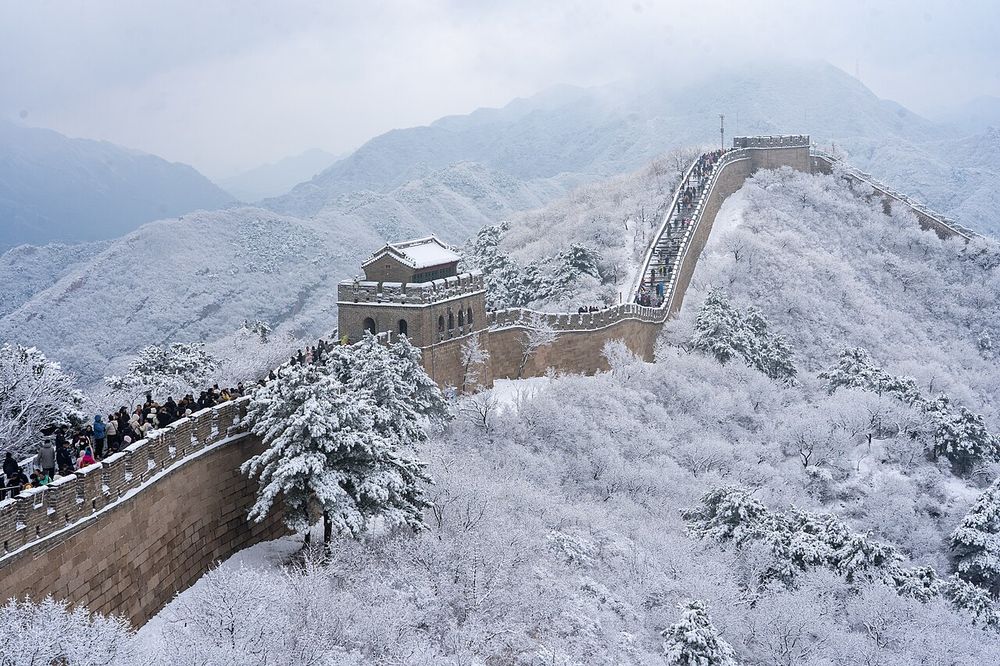
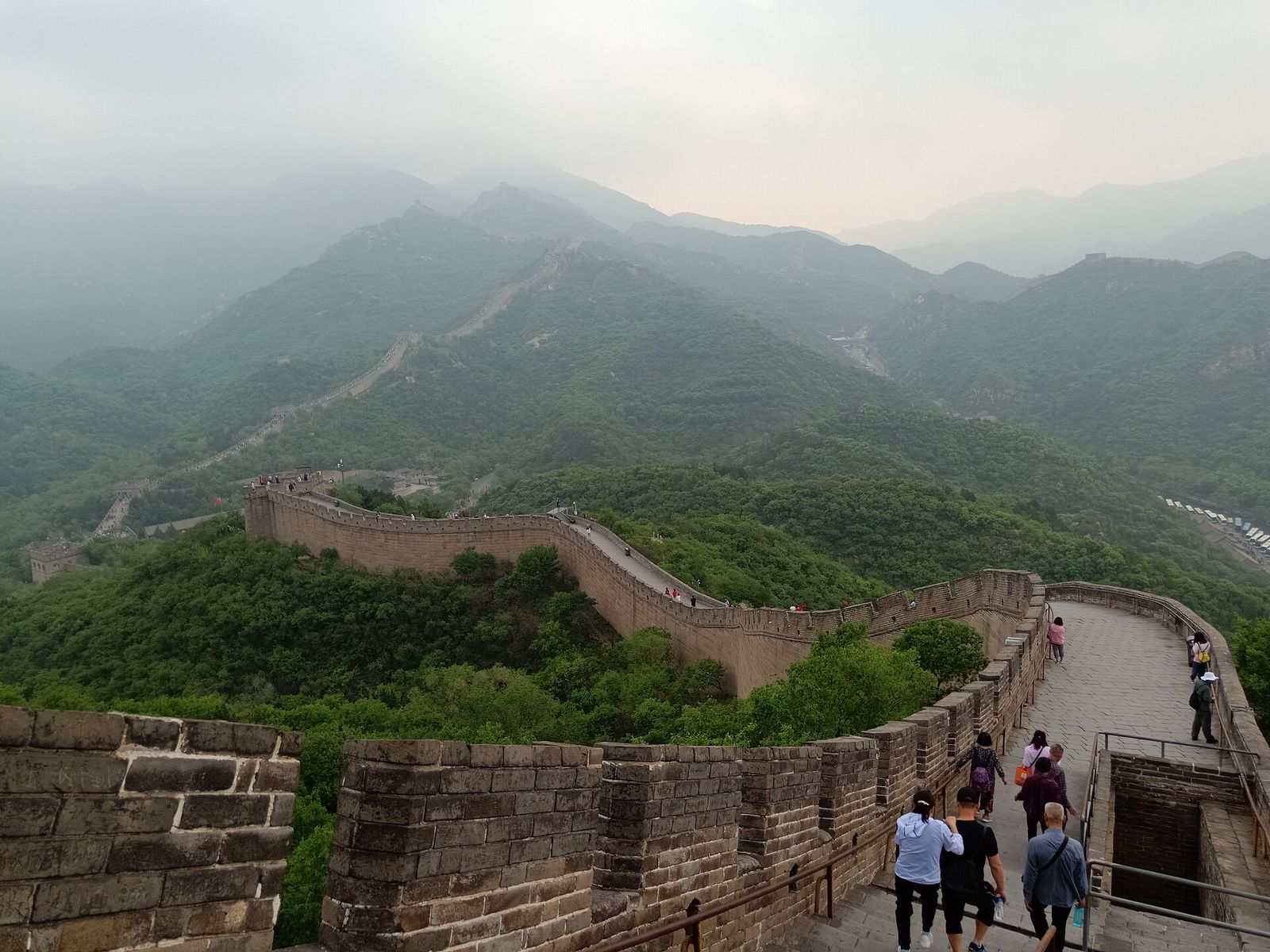
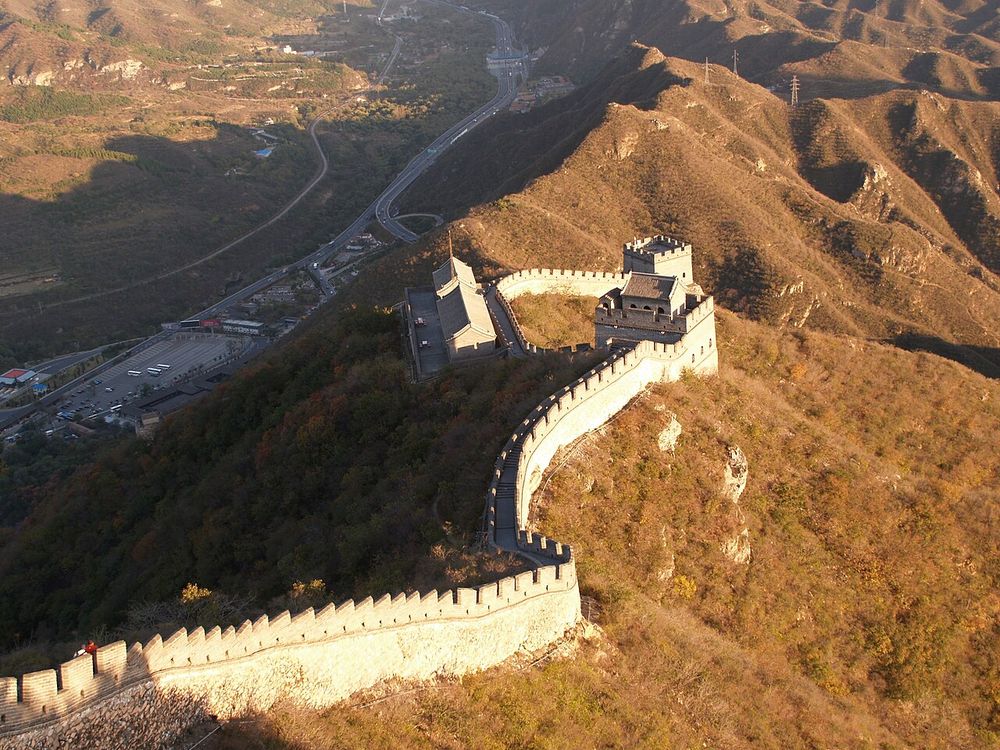
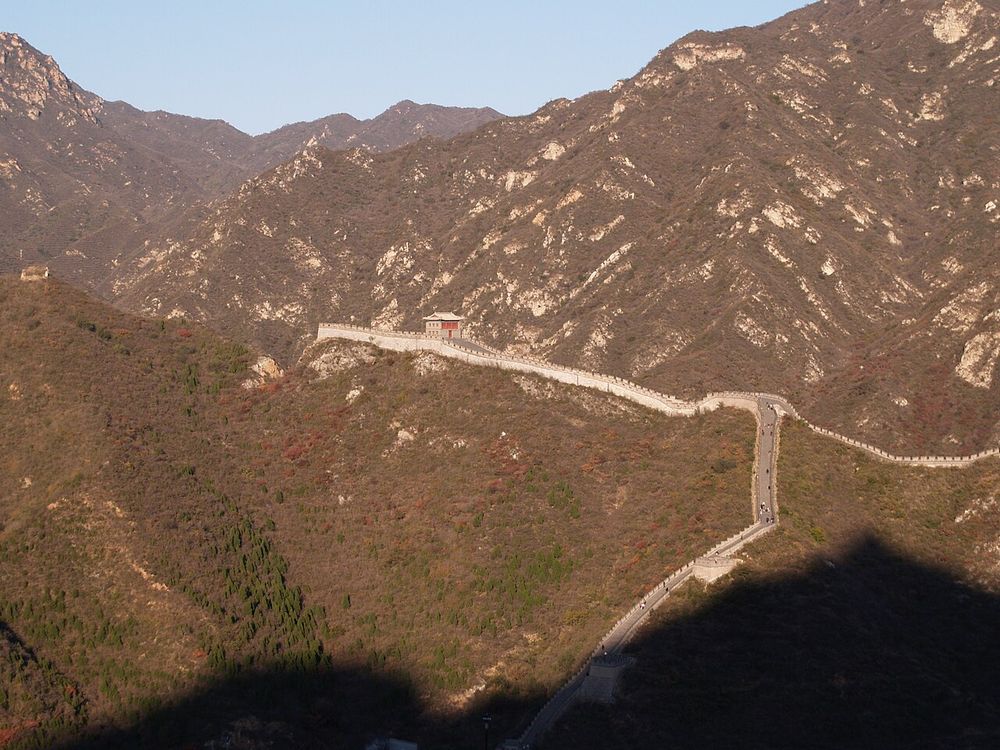
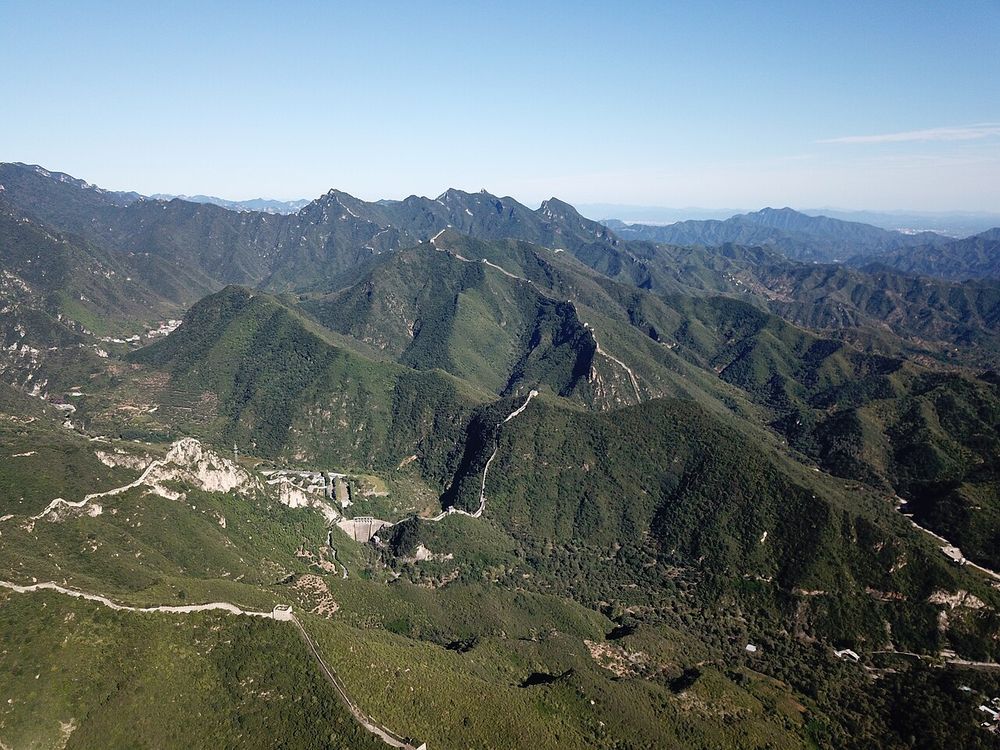
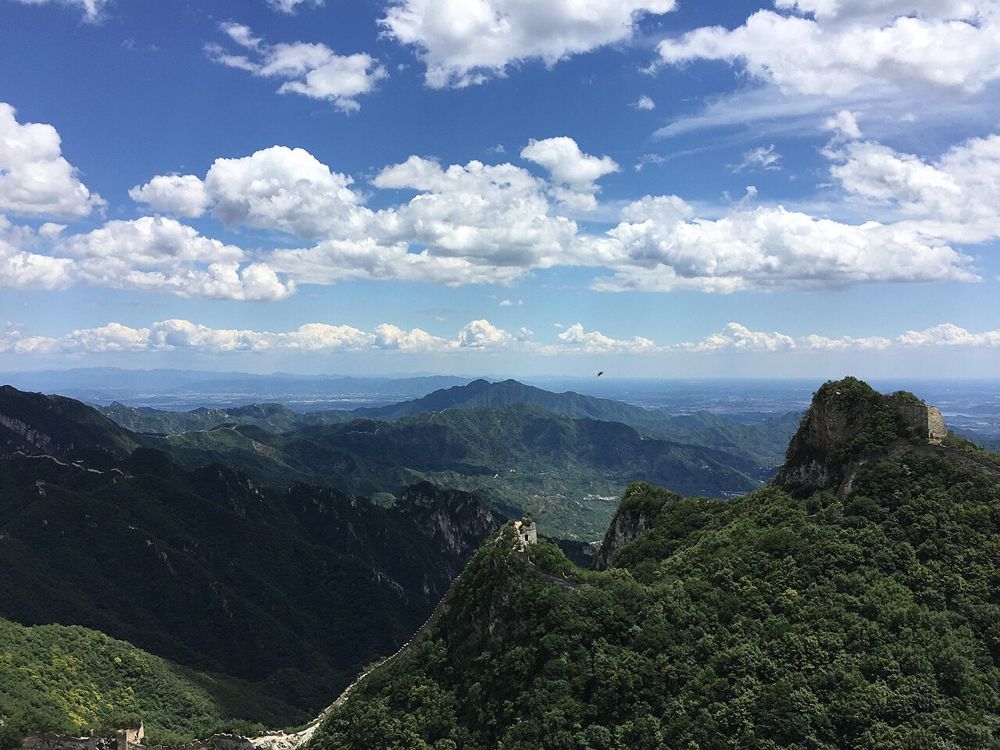
The Great Wall is not one wall. It is many walls, built by different states and dynasties between the 600s BC and the 1600s AD. A national survey finished in 2012 measured all of them together at 21,196 kilometres. The wall of brick and stone that most visitors see is the youngest. The Ming built it, and it runs for 8,851 kilometres.
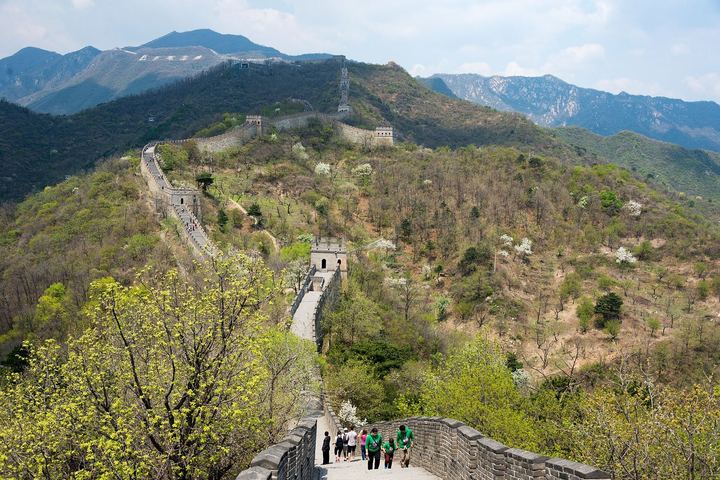
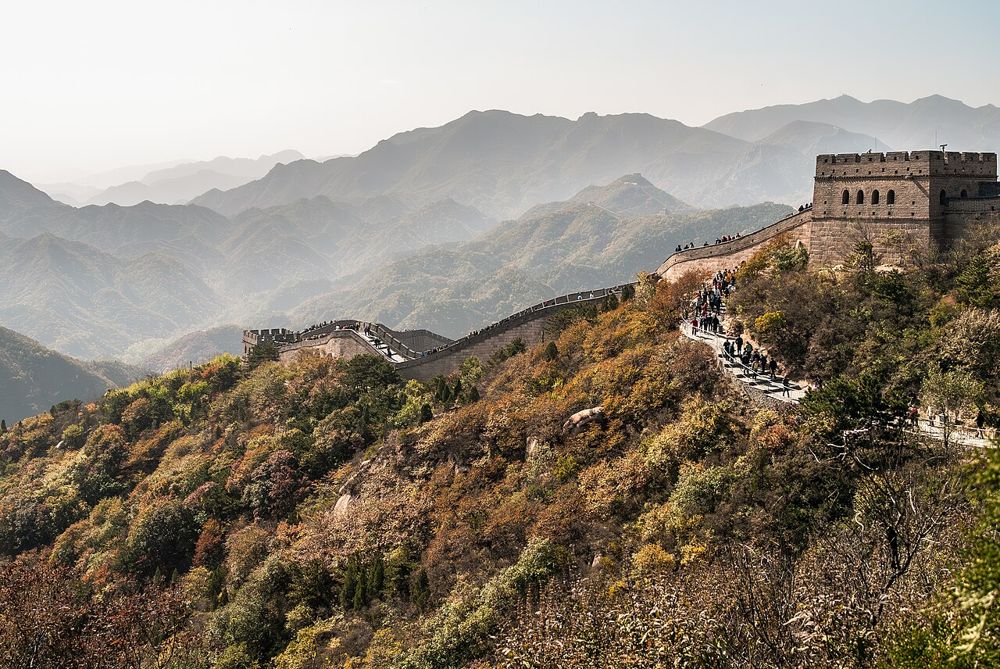
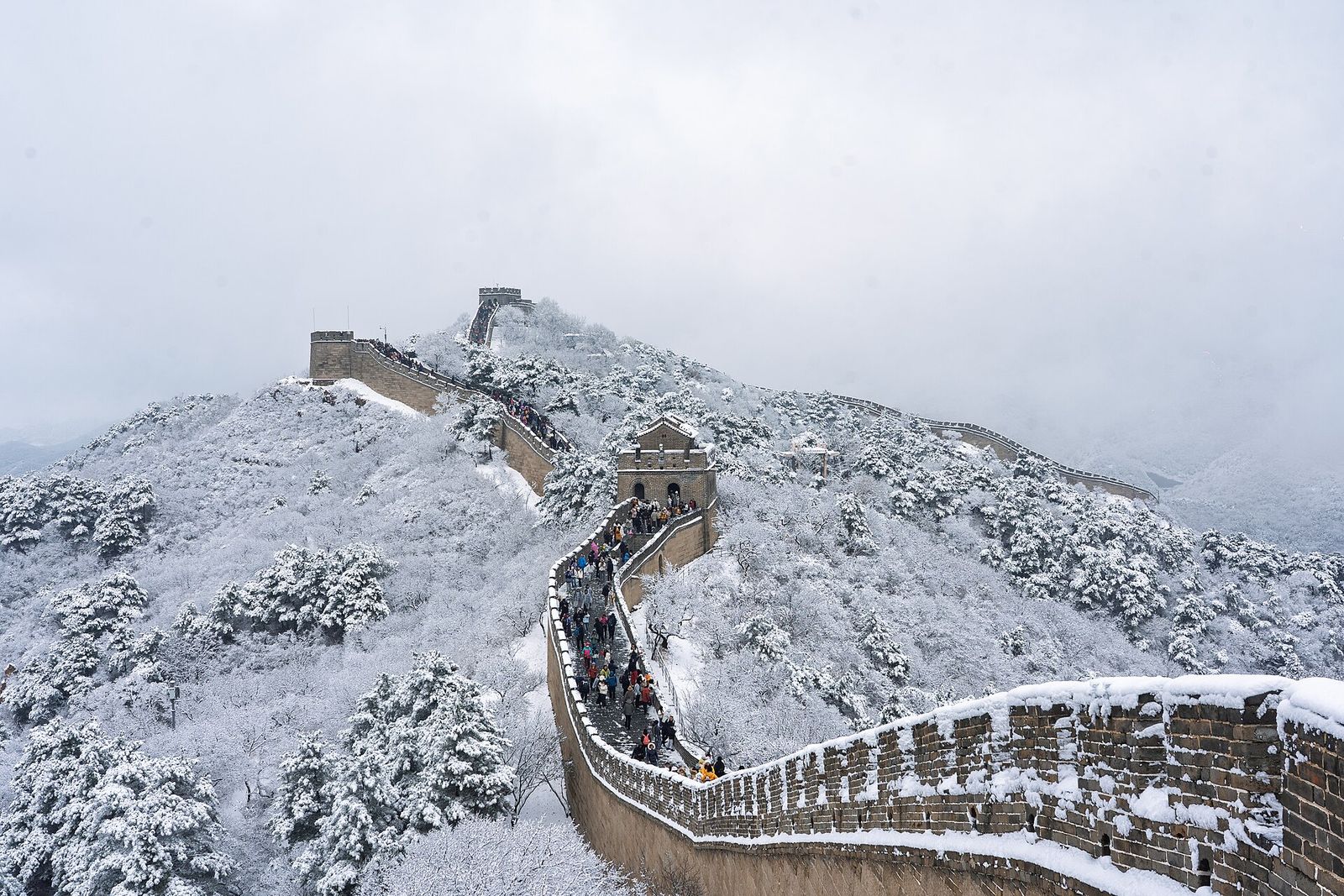
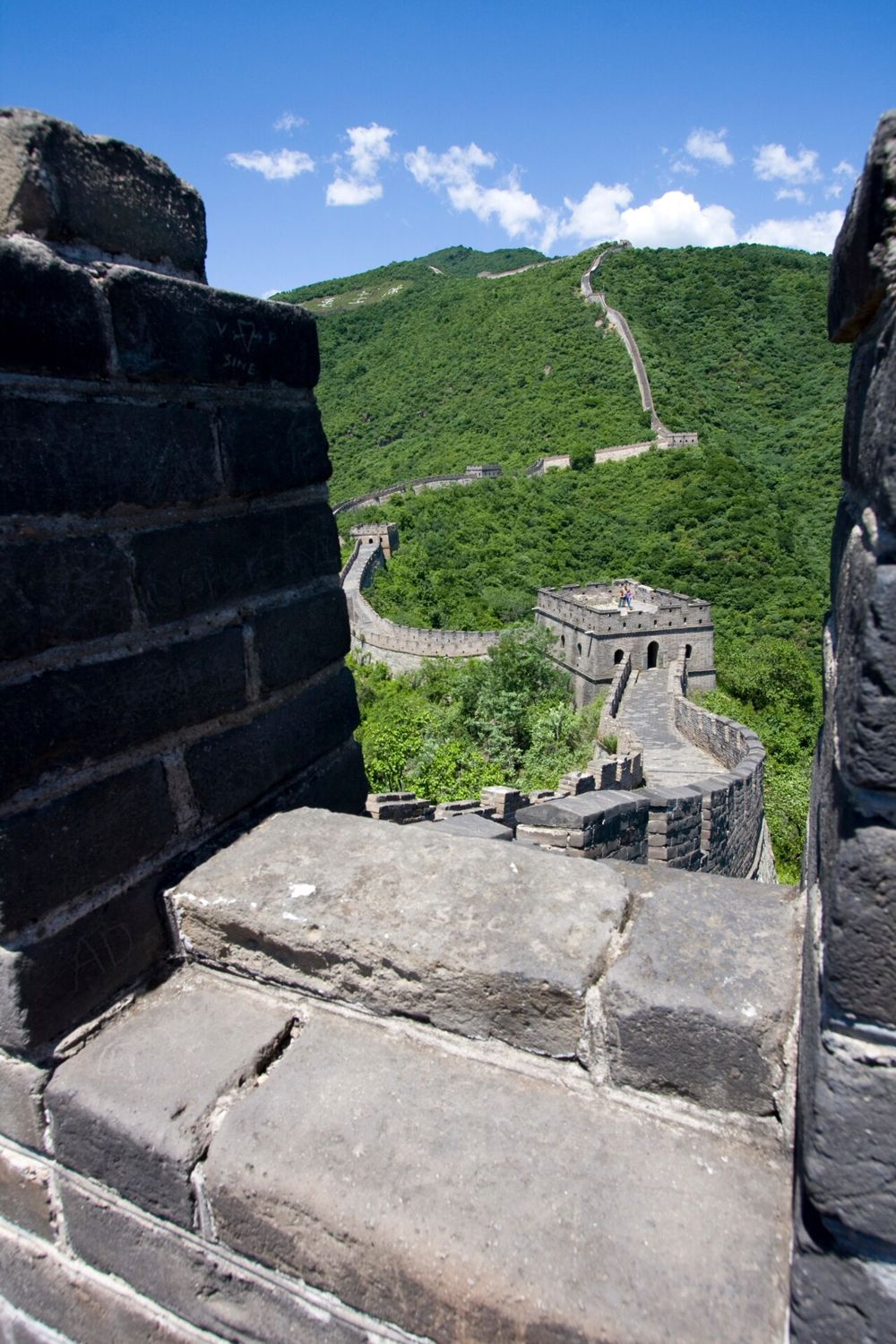
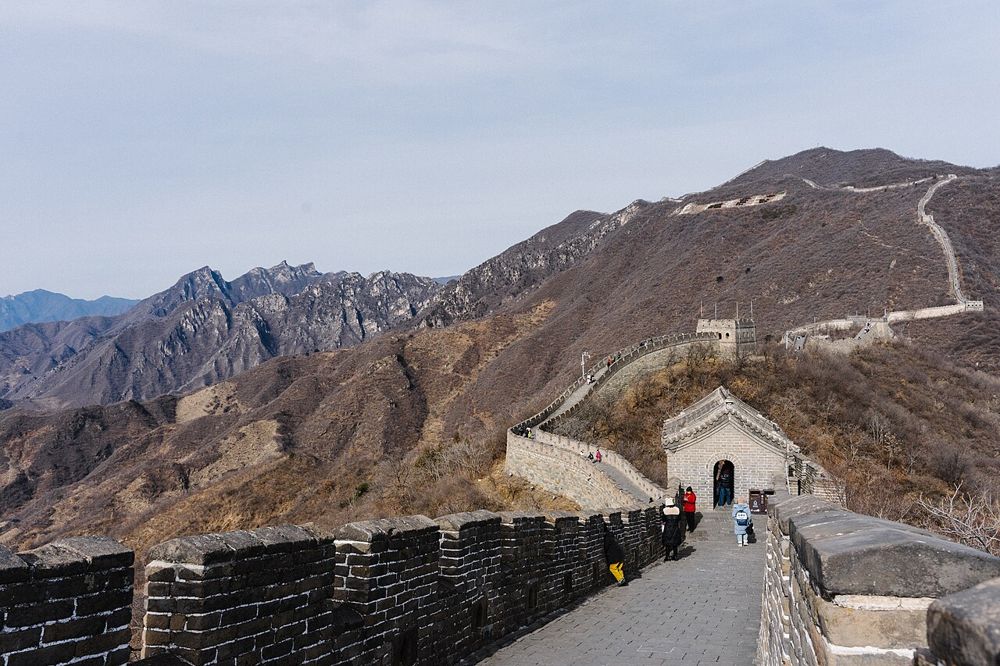
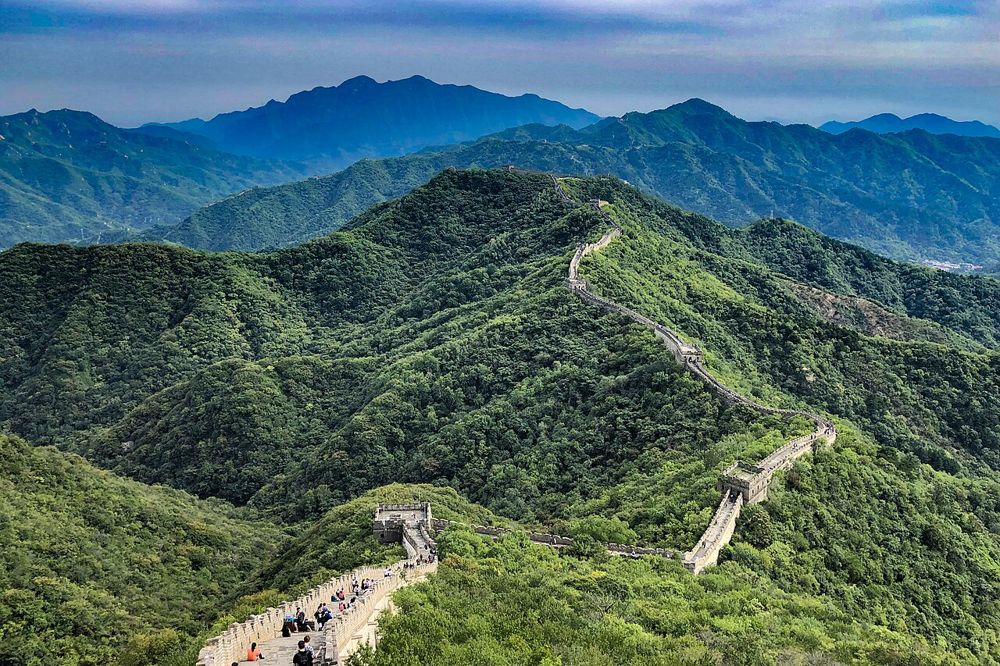
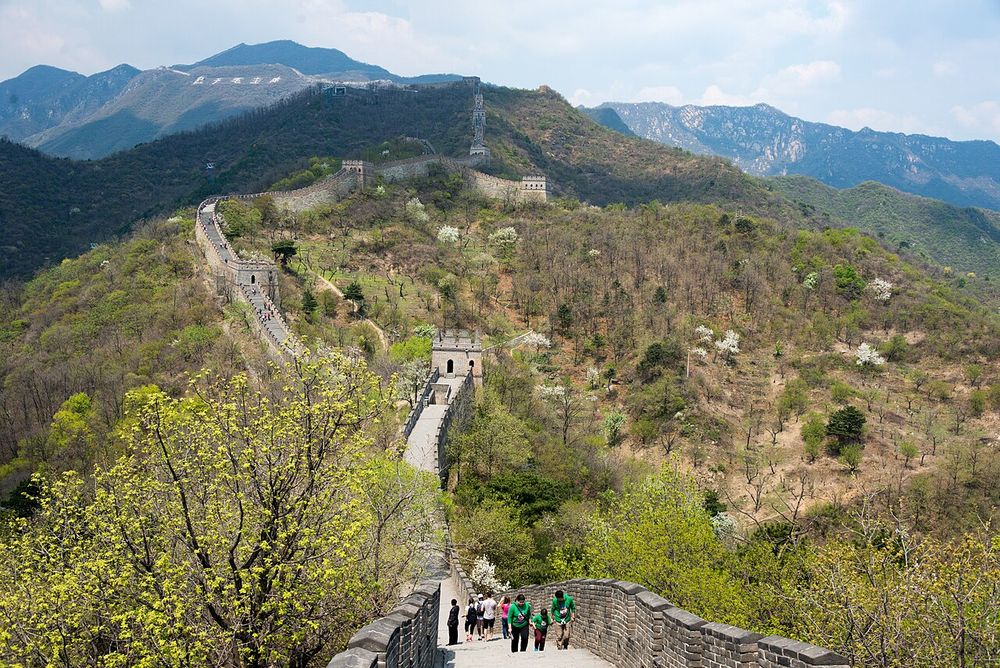
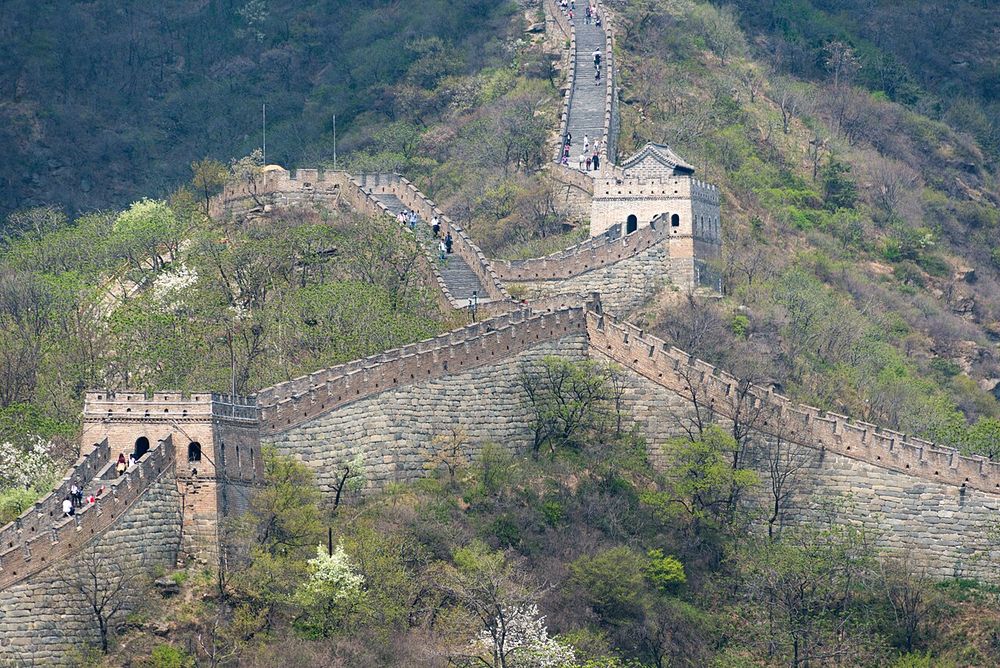
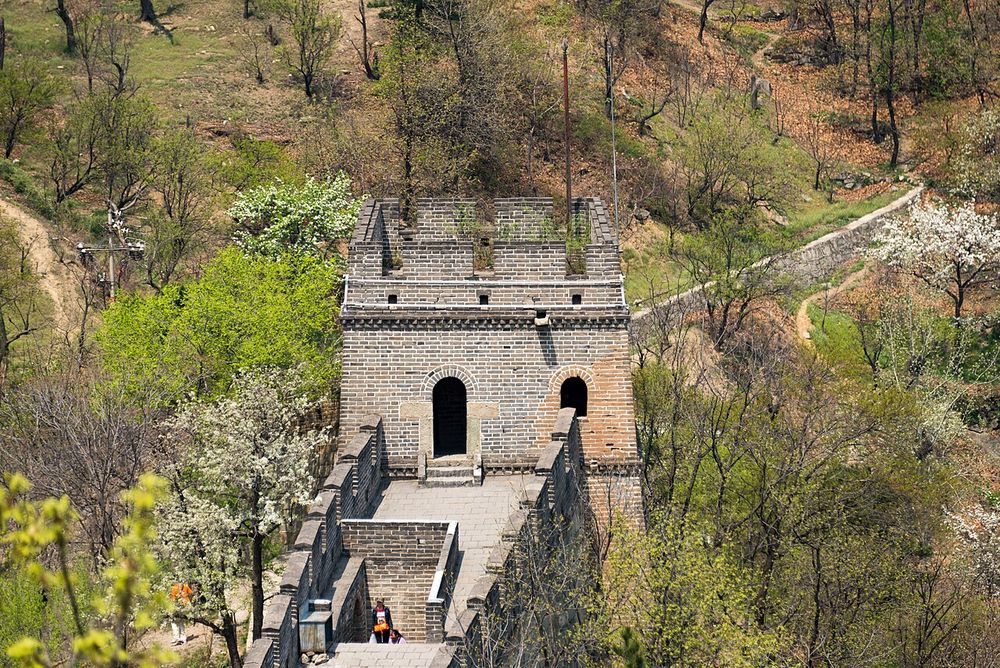
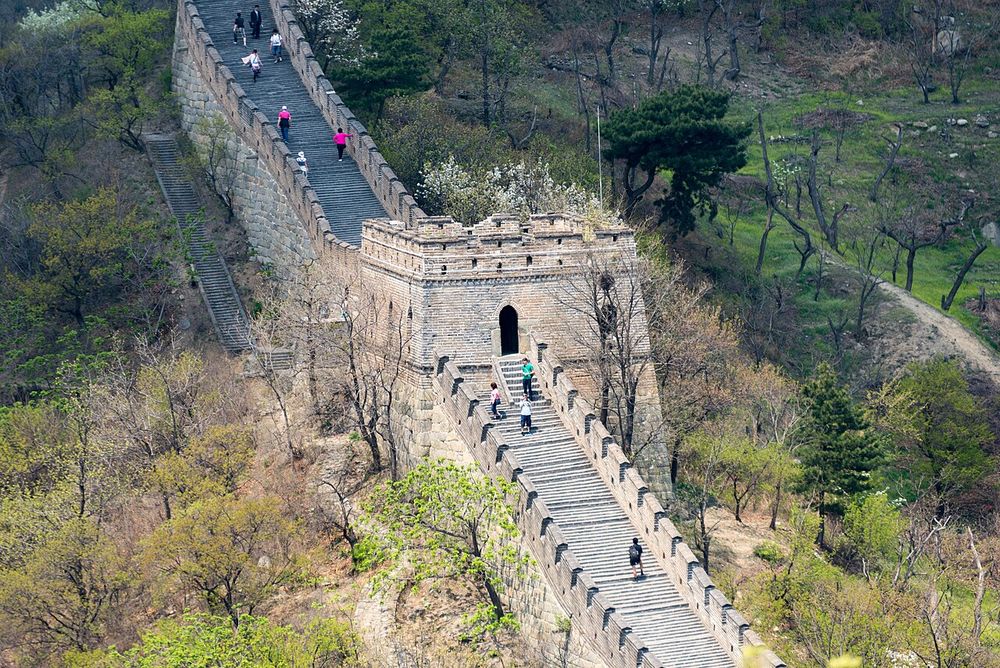
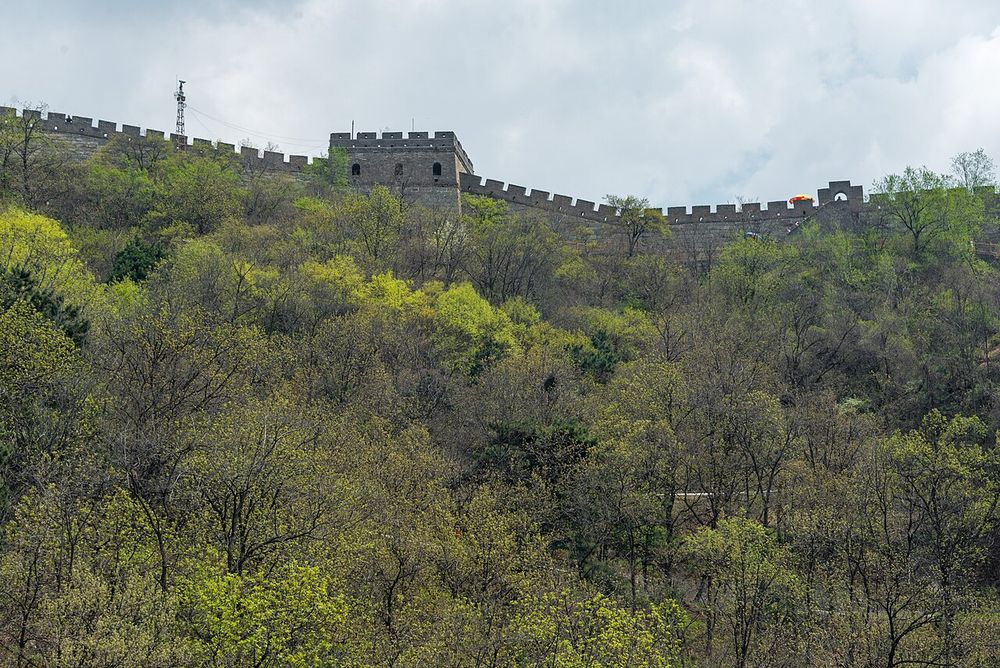
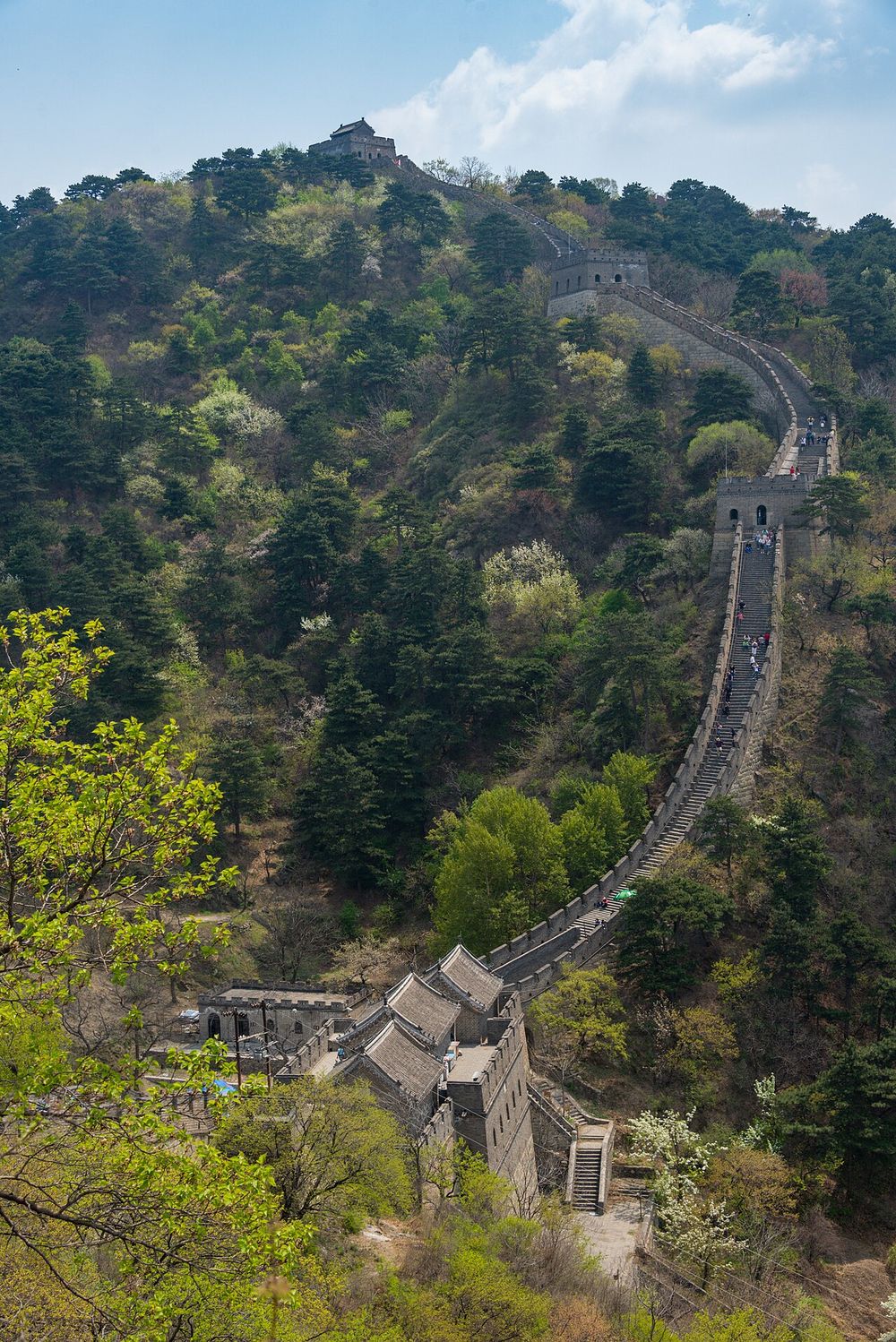
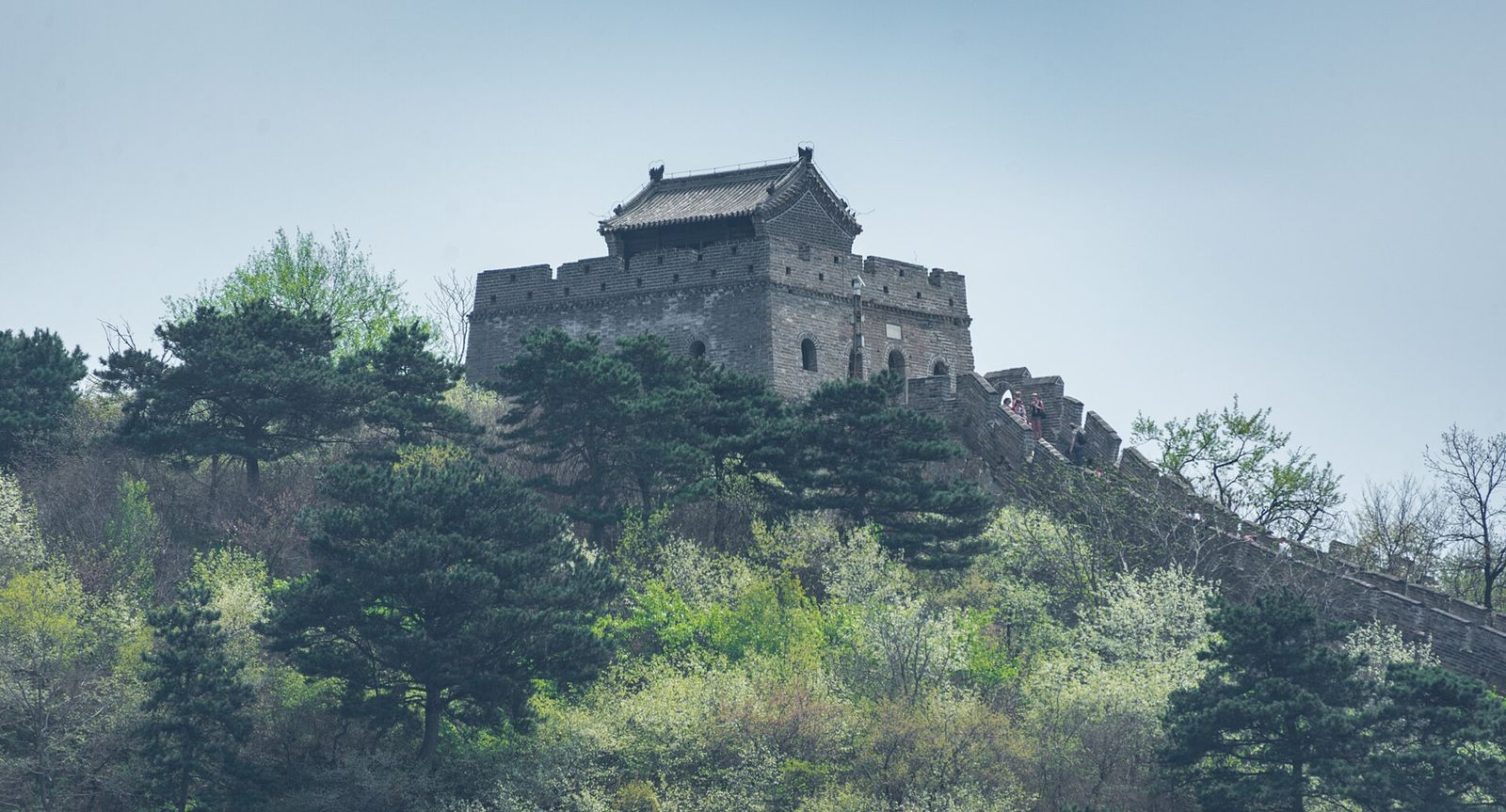
Nobody visits "the Great Wall". You visit a section of it. North of Beijing two restored sections are open and easy to reach. Badaling is the pass that guarded the road to the capital. Mutianyu is quieter and has towers found nowhere else. Each has its own page.
The places inside
Each of these has its own page, with its own story, pictures and visiting notes.
Sections near Beijing
Every section has its own gate and its own ticket. There is no ticket for the wall as a whole.
| Part | Ticket |
|---|
| Badaling | Own ticket; see its page |
|---|
| Mutianyu | Own ticket; see its page |
|---|
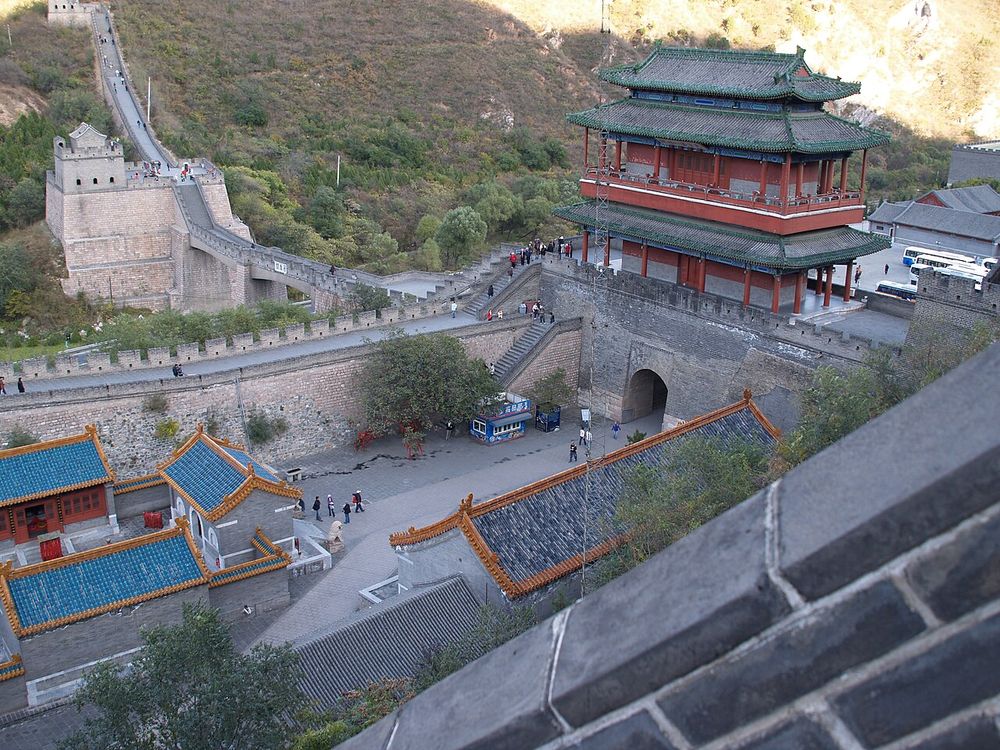
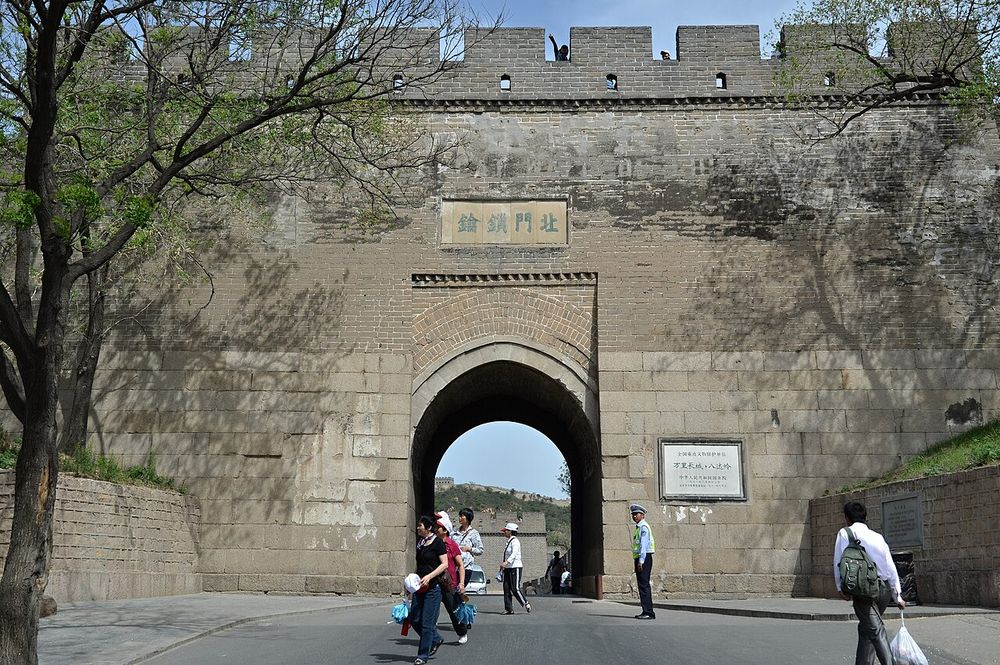
| Juyongguan, the inner pass south of Badaling | Own ticket; no page here yet |
|---|
| Simatai and Jinshanling, further north-east | Own tickets; no pages here yet |
|---|
| Jiankou and other unrestored stretches | Closed to visitors |
|---|
If you have one minute
Before you choose a section
Farming states in the south built walls against horsemen from the steppe in the north. After 221 BC the First Emperor of Qin joined the older walls into one line. That wall was rammed earth, and little of it is left. The Han pushed the line west into the desert.
The Ming rebuilt the wall in brick and stone after 1449, when a Mongol army captured their emperor in battle. Most of what stands near Beijing dates from the 1500s.
A wall is only part of the system. Towers passed signals by smoke in the day and fire at night. Gates were set in the passes, and soldiers lived along the line.
Which section? Badaling is the nearest, has a railway station, and is the most crowded. Mutianyu is about 70 kilometres north-east of the city, has fewer people, and has a cable car up and a toboggan down. The unrestored "wild wall", such as Jiankou, is closed and dangerous.
People who stood here
The pass you are walking through has been crossed by armies, rebels and heads of state. Some of them stood on these same stones.
- Marina Abramović and Ulay, 1988The two artists set out from opposite ends of the Great Wall, she from the sea and he from the Gobi, and walked for 90 days to meet in Shaanxi. They had planned to marry there. They parted instead.
- Someone who never came: Franz KafkaIn 1917 he wrote The Great Wall of China, a parable about an empire that builds its wall in separate pieces. He never left Europe.
Go deeper: the wall as a whole, and the wall in culture
The wall as a whole, and the wall in culture
How long: the national survey published in 2012 counted 21,196.18 km for all periods, of which the Ming wall is 8,851.8 km. It is not one continuous wall but the sum of walls, trenches and forts from many dynasties.
The First Emperor joined up the walls of the Warring States (475–221 BC). But the brick and stone wall you see near Beijing is almost all Ming, and has little to do with him.
Another long wall: Hadrian's Wall in Britain, begun in AD 122, about 117 km. It too was a farming empire's line against the north, and it too is World Heritage.
“He who has not climbed the Great Wall is not a true man” comes from a poem Mao Zedong wrote in 1935 on the Long March, at Liupan Mountain in Ningxia. The wall in the poem is a general image, not Badaling. Badaling carved the line on a stone anyway.
Kafka, who never went to China, wrote “The Great Wall of China” in 1917, turning the wall's piece-by-piece construction into a parable about empire and the individual.
In 1988 the artists Marina Abramović and Ulay walked toward each other from the two ends of the wall, she from the sea, he from the Gobi. After 90 days they met in Shaanxi. They had planned to marry there. They parted instead.
Visitors: Nehru was the first foreign leader on the wall at Badaling, in 1954. Nixon came on 24 February 1972, Queen Elizabeth II on 14 October 1986, Obama in 2009. Clinton, in 1998, went to Mutianyu.