LegendThe celadon that betrays poison
The sultans used Chinese celadon because it was said to crack or change colour if poisoned food was put on it.
Source: Ottoman court belief; the porcelain does no such thing
Istanbul, Türkiye
Topkapı Sarayı · TOP-kah-puh sah-rah-YUH
For four hundred years the home of the Ottoman sultans: not one great building but a walled town of courtyards, kiosks and kitchens on the point where Europe faces Asia. It holds an emerald dagger, a diamond of 86 carats, relics of the Prophet, and one of the largest collections of Chinese porcelain outside China.
Photo: Hunanuk, CC0, Wikimedia Commons
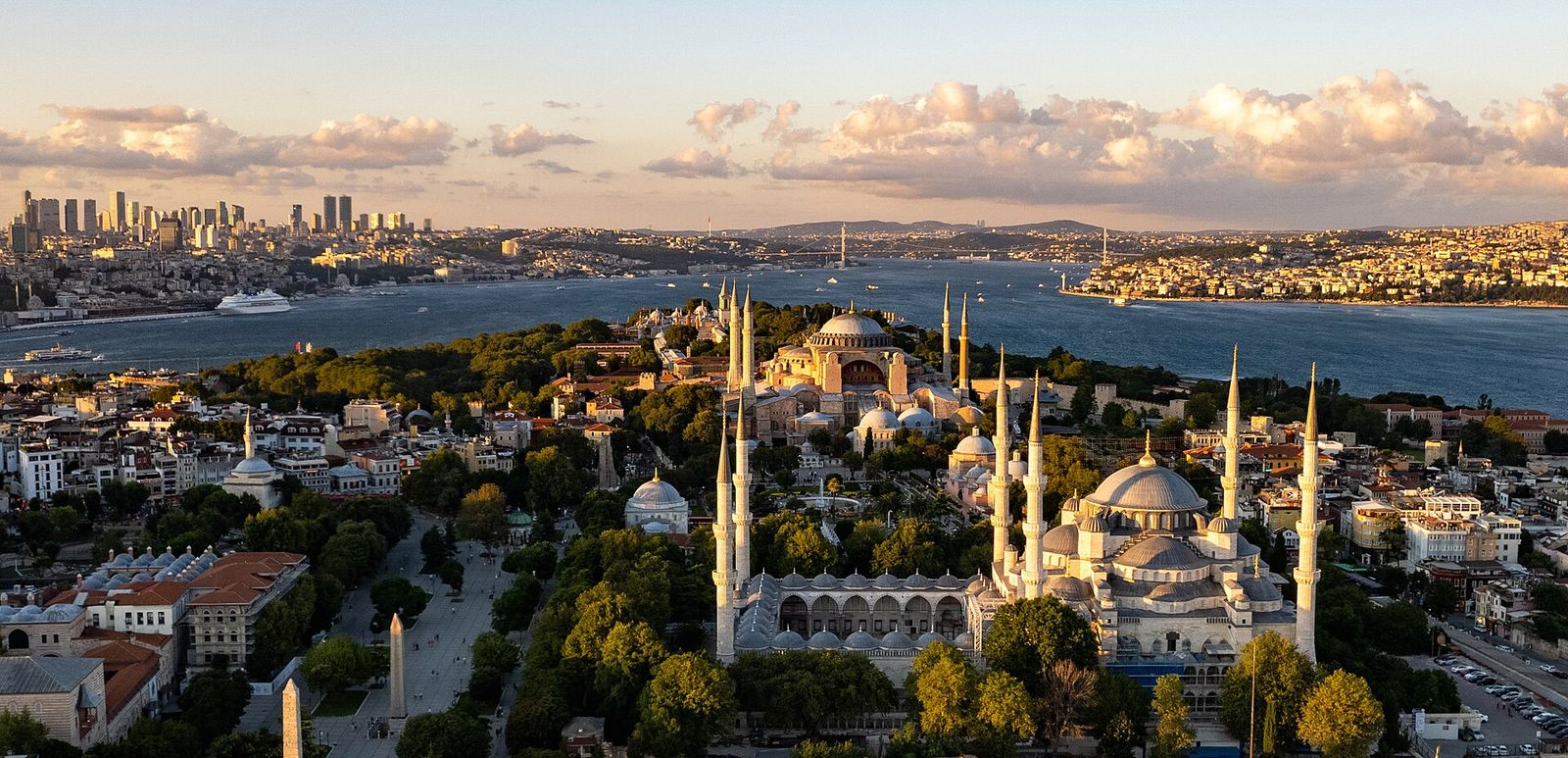
After he took Constantinople in 1453, Sultan Mehmed II built a new palace on the headland above the meeting of the Golden Horn, the Bosphorus and the Sea of Marmara. It was finished about 1465. Until 1856, when the court moved to the Dolmabahçe Palace on the Bosphorus, the empire was ruled from here.
The palace is a series of courtyards, each more private than the last. Anyone could enter the first. Officials came to the second. Only the sultan's household lived in the third and fourth. Behind them all, in the Harem, lived the sultan's mother, his wives and concubines, his children and the eunuchs who guarded them.
In 1924 the new Turkish Republic made it a museum. The name means "cannon gate palace", after a gate by the shore that is gone.
One combined ticket for foreign visitors covers the palace courtyards and buildings, the Harem and the church of Hagia Irene. The first courtyard is free. The Archaeological Museums nearby and Hagia Sophia have their own tickets.
| Part | Ticket |
|---|---|
| The first courtyard | Free |
| Hagia Irene | Included in the combined ticket |
| The Imperial Council and the kitchens | Included |
| The Treasury and the Sacred Relics | Included |
| The Harem | Included in the combined ticket |
| The fourth courtyard and the kiosks | Included |
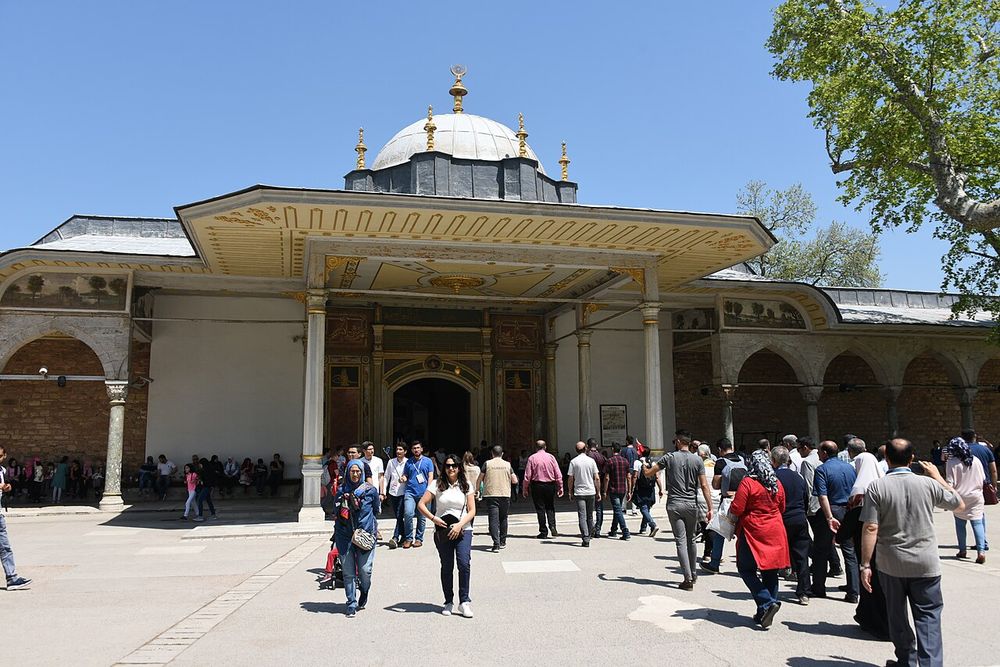
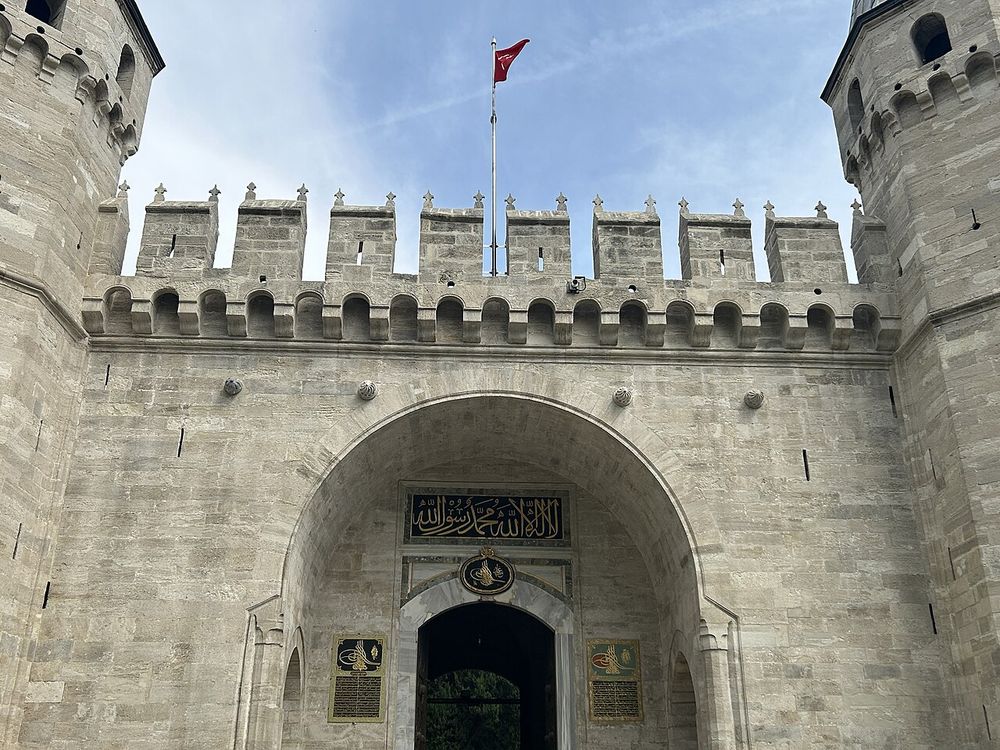
You came through the Gate of Felicity. The sultans sat on a throne in this gateway for their accession and for great feasts. Beyond it, few outsiders ever went.
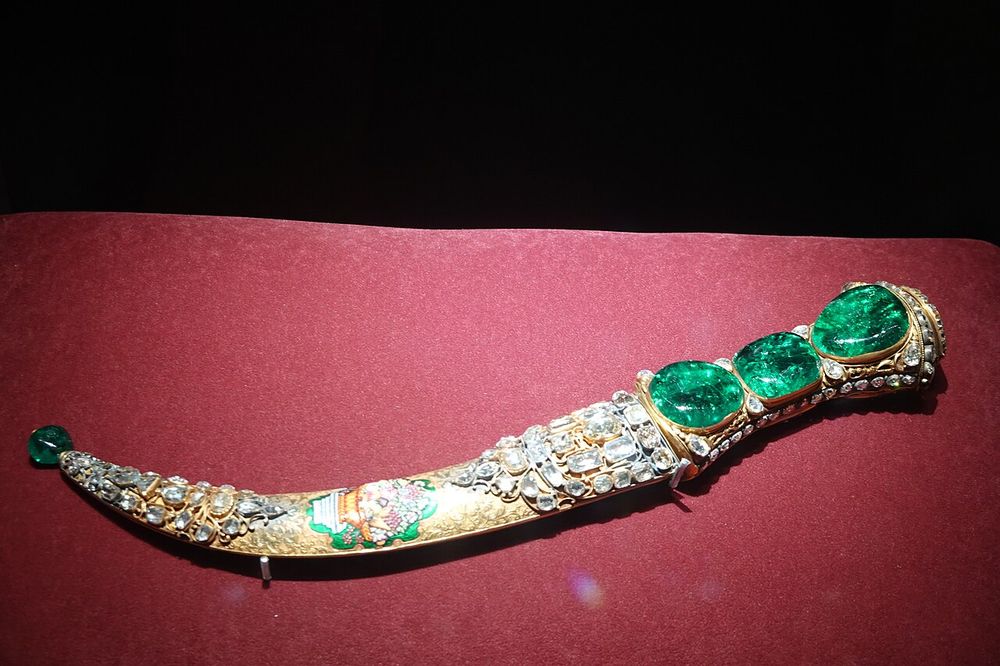
In the Treasury lies the Topkapı dagger, with three great emeralds in the handle and a watch in the end. It was made in 1747 as a gift for Nader Shah of Persia, who was murdered before it reached him, so it came back. Nearby is the Spoonmaker's Diamond, 86 carats, ringed with smaller stones.
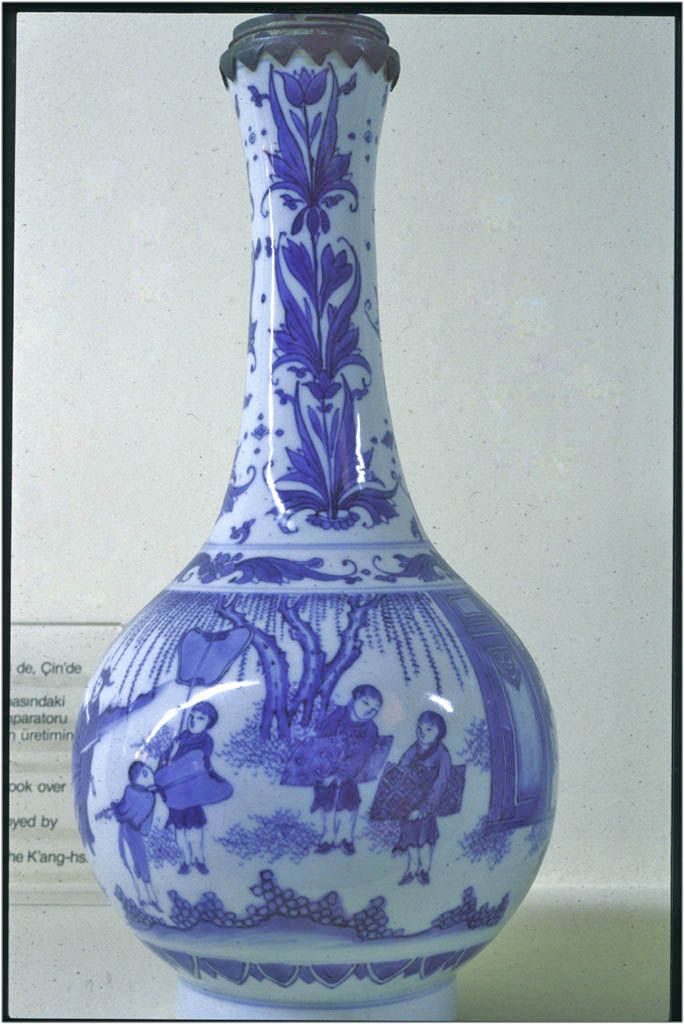
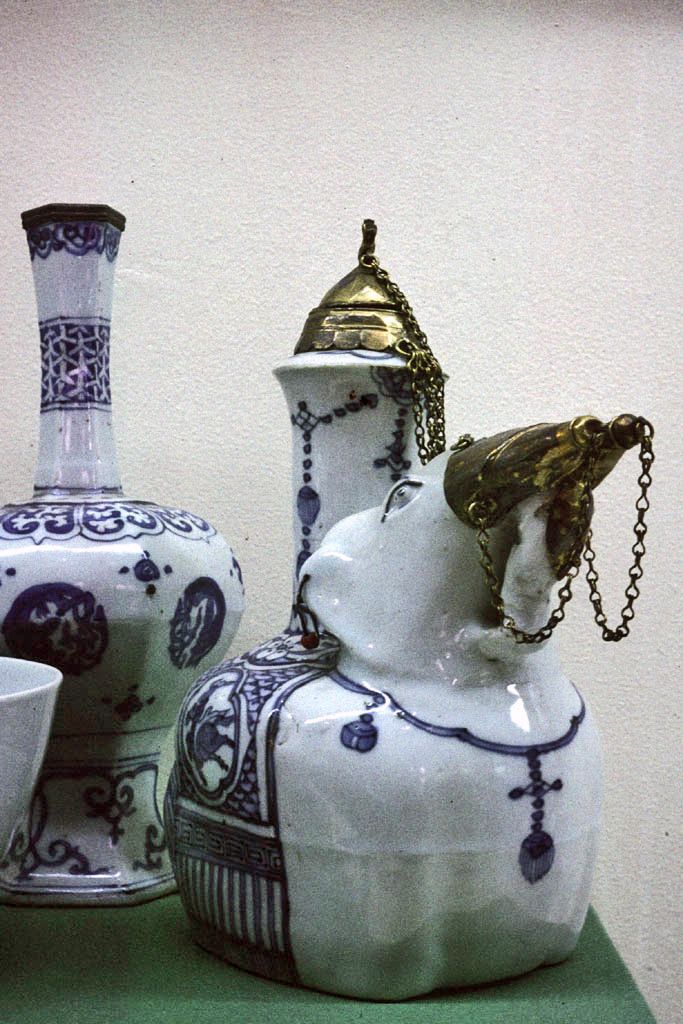
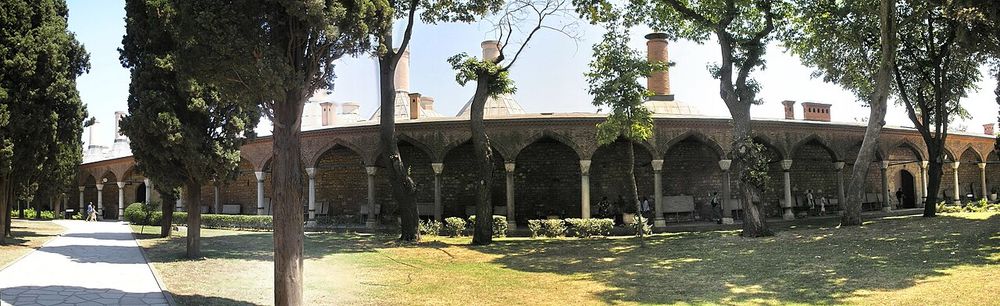
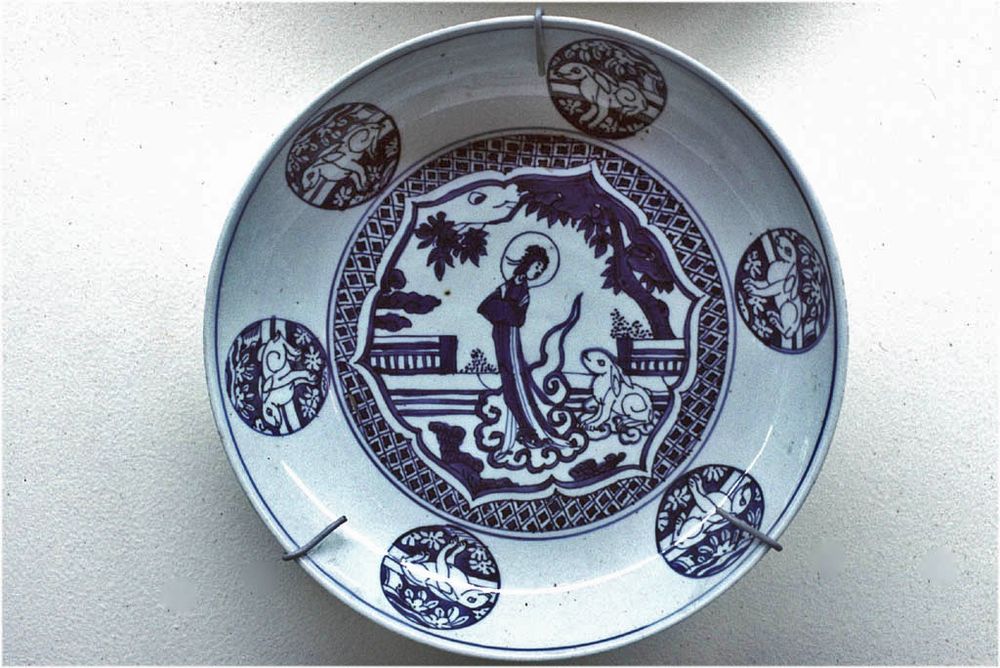
In the old palace kitchens are the sultans' Chinese porcelains: about ten thousand pieces, from Yuan (1271–1368) and Ming blue and white to green celadon. The Ottomans believed celadon would change colour if the food in it was poisoned.
"The Harem was a pleasure house." It was the sultan's family home, run by his mother, with schools, a hospital and strict rules. Women who entered as slaves could rise to great power.
"It is one building." It is four courtyards and dozens of buildings over seventy hectares. Plan half a day.
"It is open every day." It is closed every Tuesday.
"The Blue Mosque is part of it." The Blue Mosque and Hagia Sophia are next door, outside the palace walls, with their own pages.
We searched Turkish and English sources for this list.
The ticket covers the palace, the Harem and the church of Hagia Irene. Do the Harem early, before the queues. Allow three to four hours.
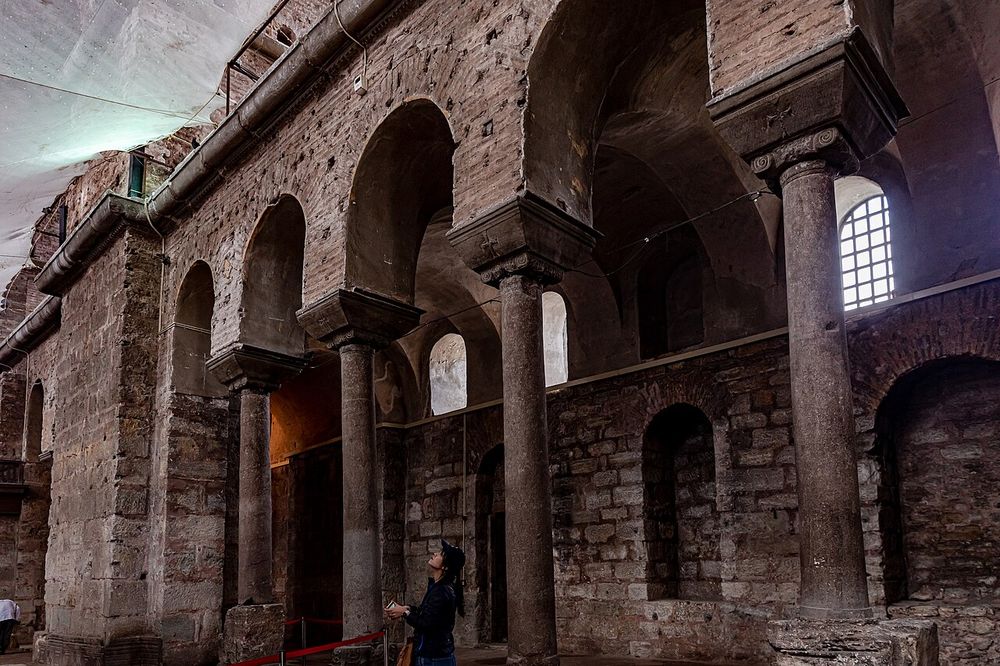
The first courtyard is a park. In it stands Hagia Irene, the church of Holy Peace, rebuilt by Justinian in the 540s. The Ottomans never made it a mosque. They used it as an arsenal, so its plain Byzantine brick survives almost untouched.
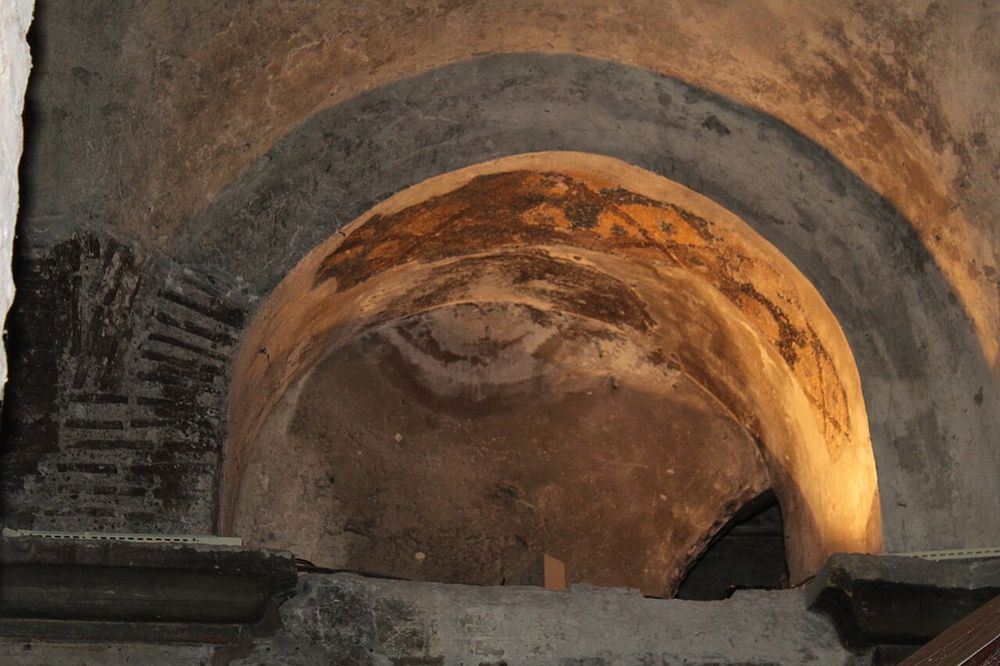
Inside, in the apse, a great black cross is painted on gold, from the years when images of people were banned. Concerts are held here for the acoustics.
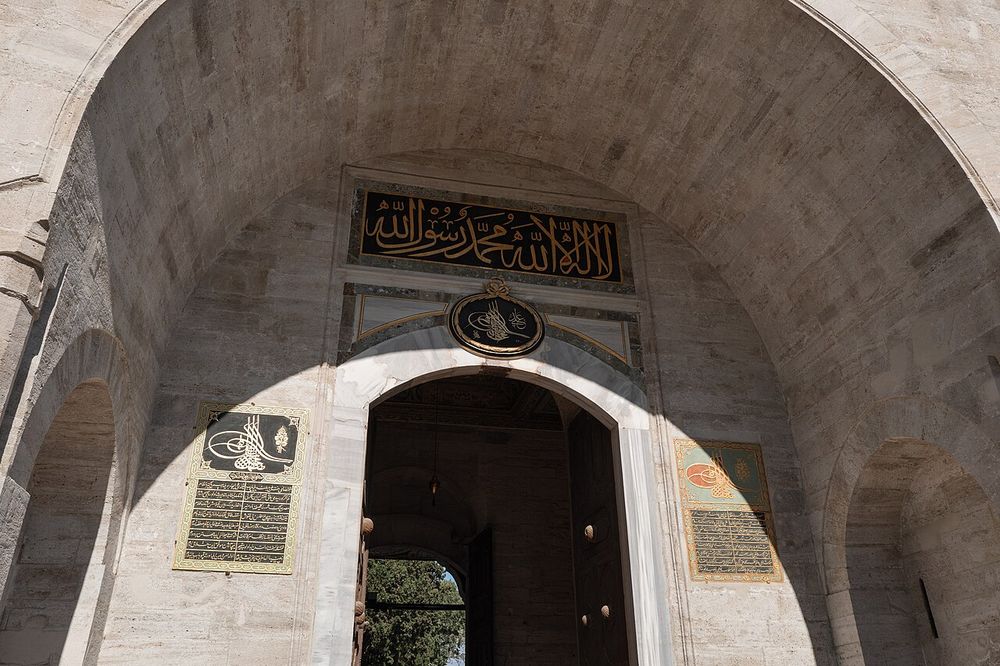
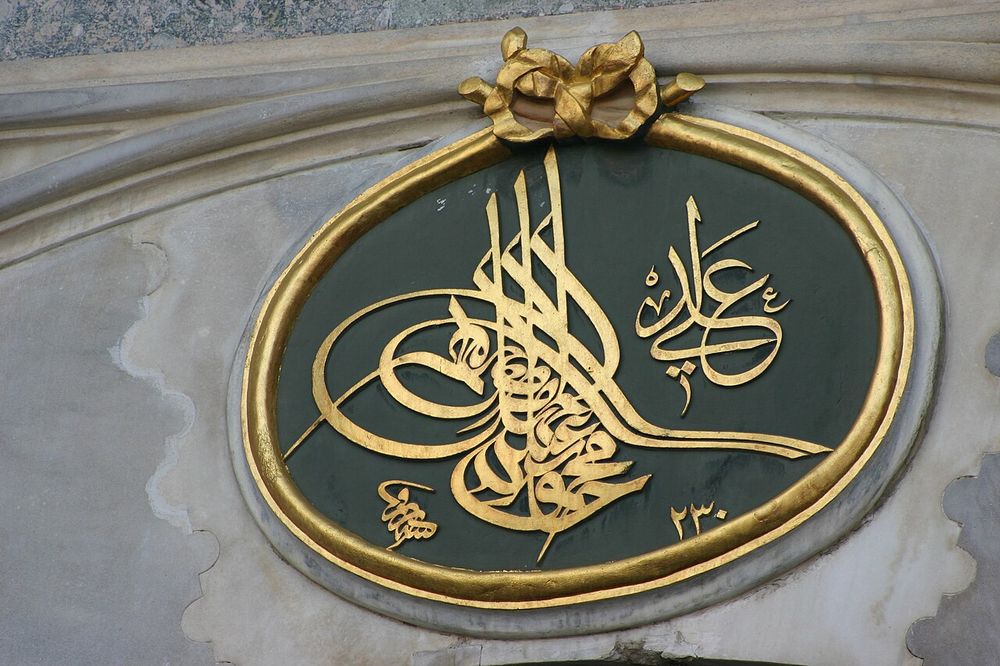
Two pointed towers flank the gate to the second courtyard. Only the sultan could ride through it. Everyone else got off their horse. Over the door is the gold monogram of Sultan Mahmud II.
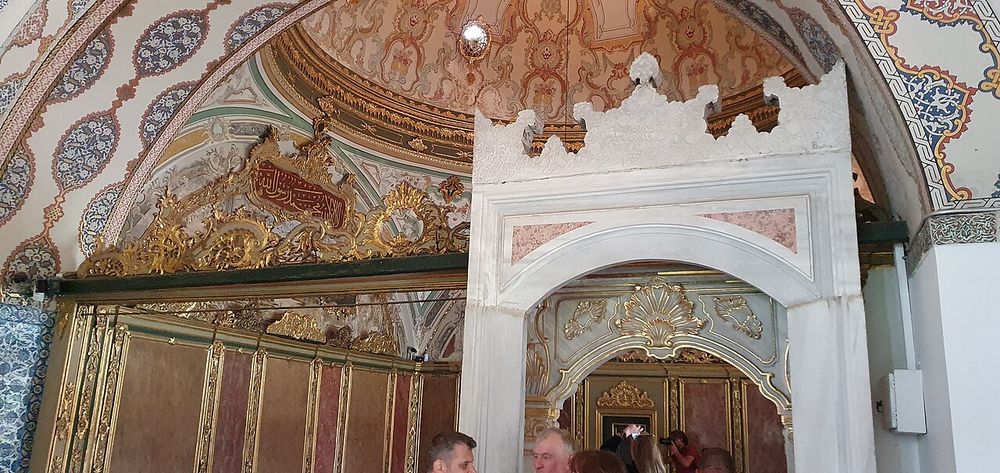
Under three domes in the corner of the second courtyard, the grand vizier and his ministers met four days a week. High in the wall is a window with a golden grille. The sultan could listen behind it without being seen. No one knew whether he was there.
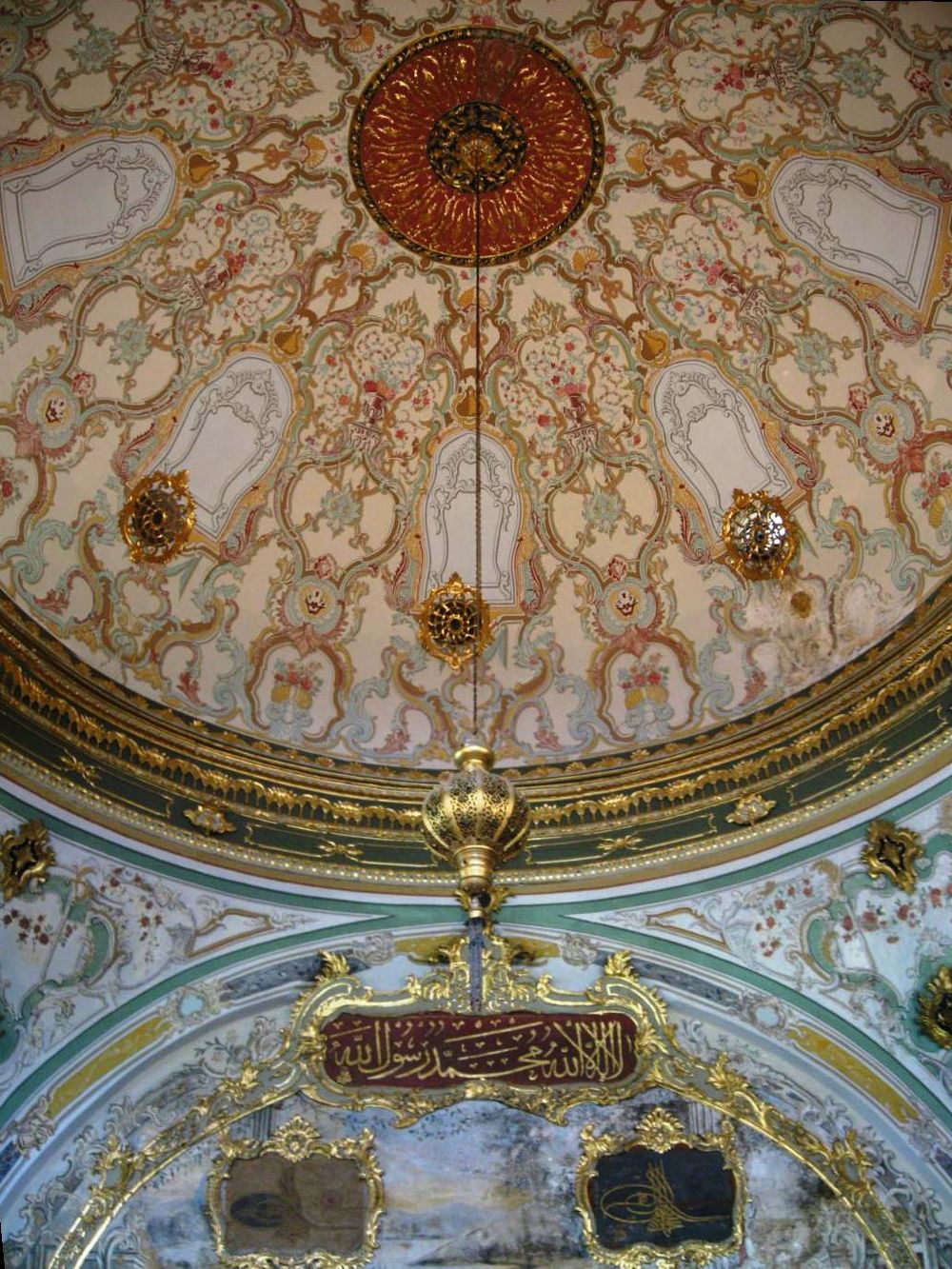
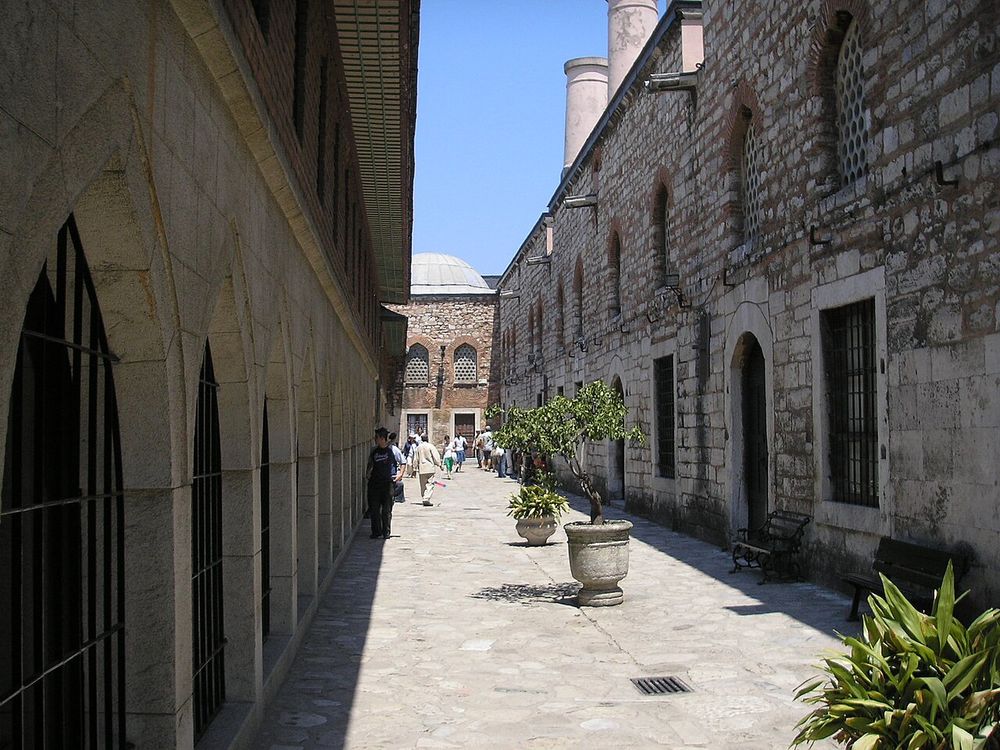
Along the right side of the second courtyard runs a row of chimneys: the kitchens, where hundreds of cooks fed some four thousand people on an ordinary day, and many more on feast days.
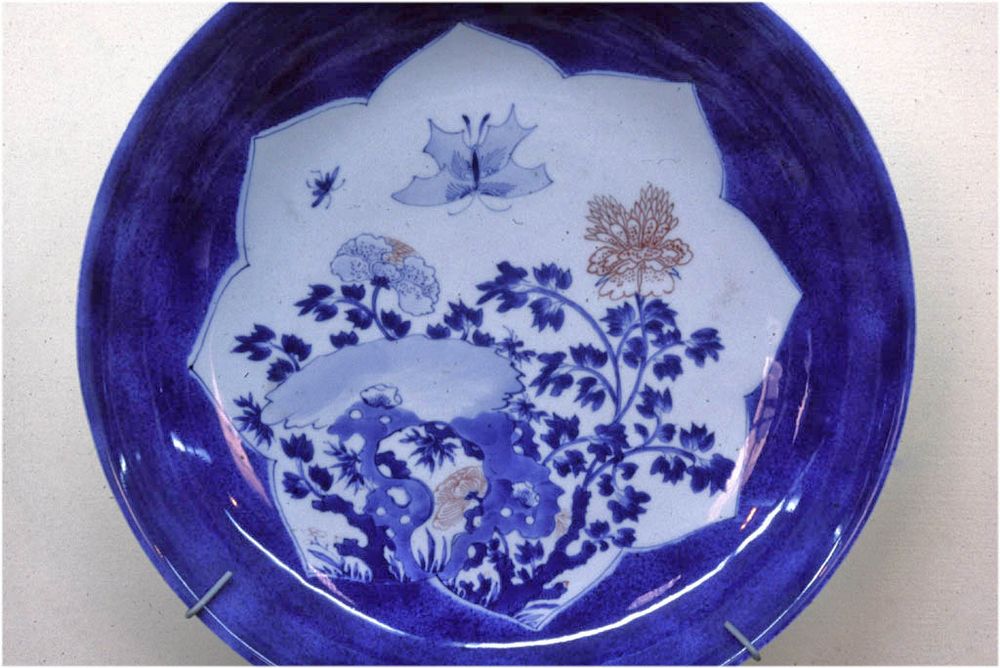
The porcelain was bought, given, and taken from the treasuries of defeated rulers. The Yuan blue and white here is among the finest in the world; some pieces are rarer than any in China itself. Some were later decorated in Istanbul with gold and set with jewels.
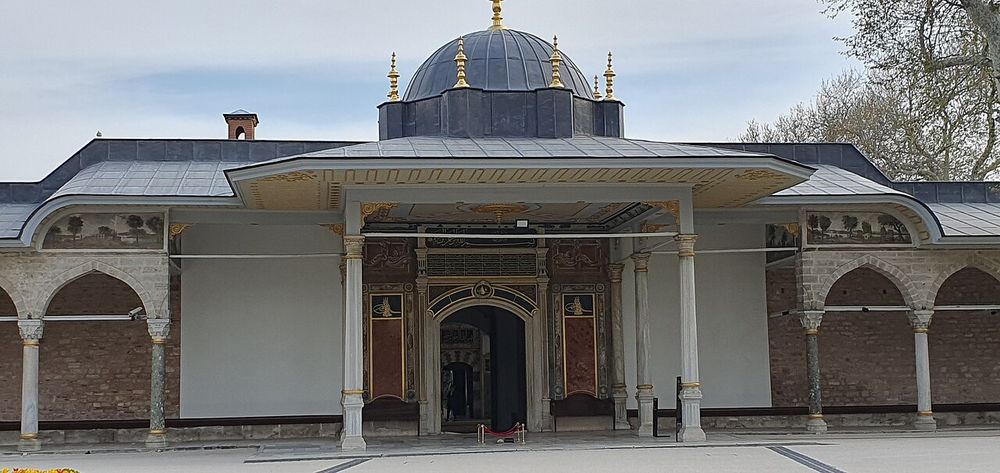
Beyond the gate is the small Audience Hall, where the sultan received ambassadors. They were held by the arms by two guards as they bowed. Gifts were passed in through a window.
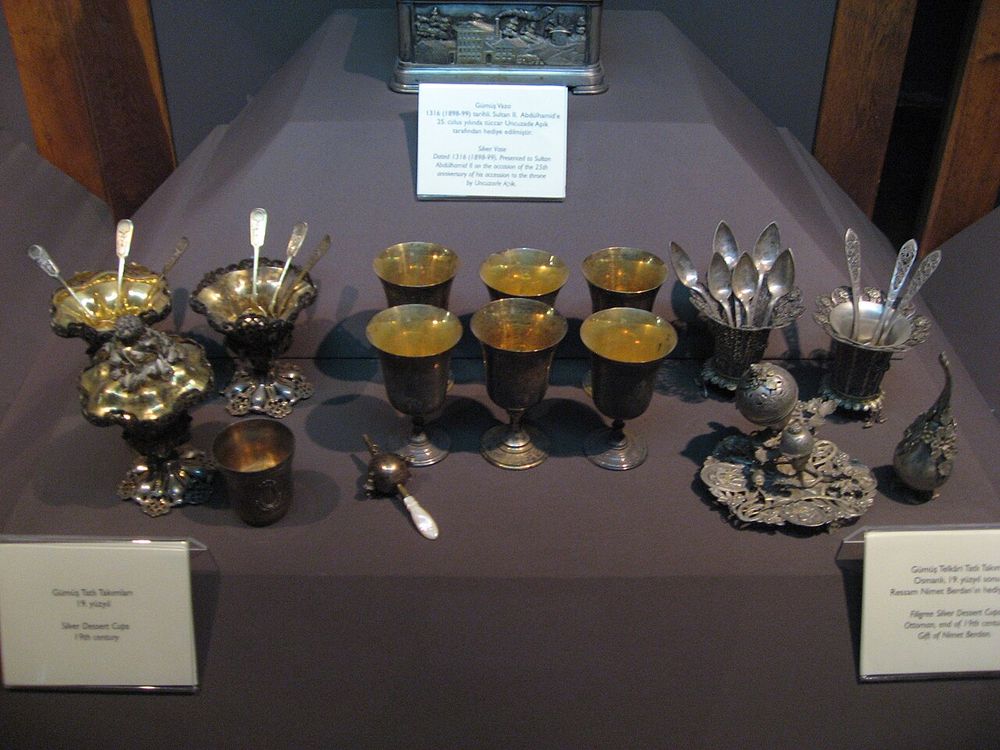
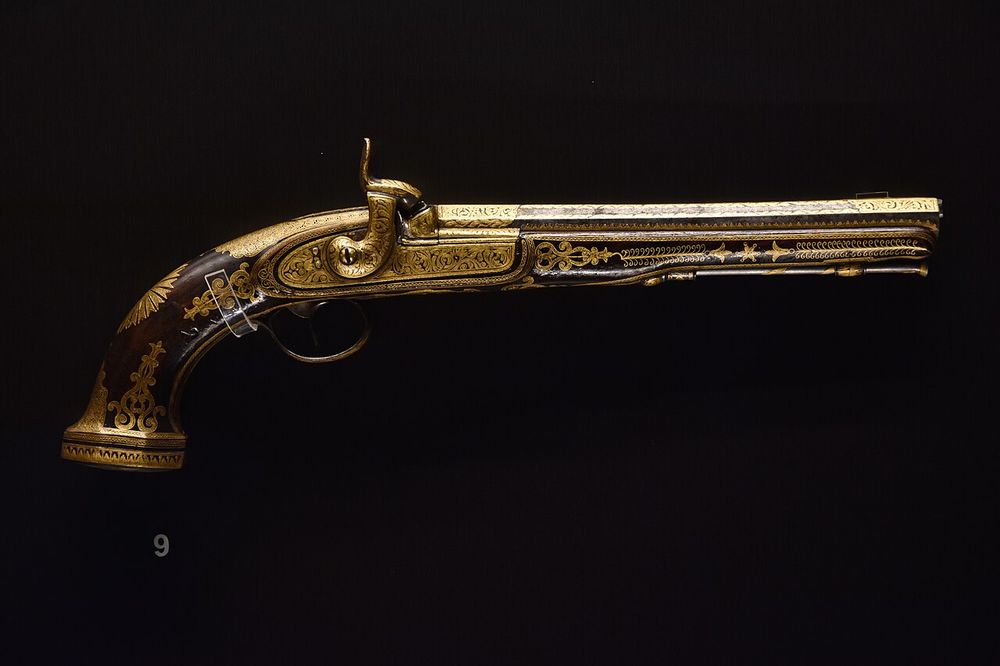
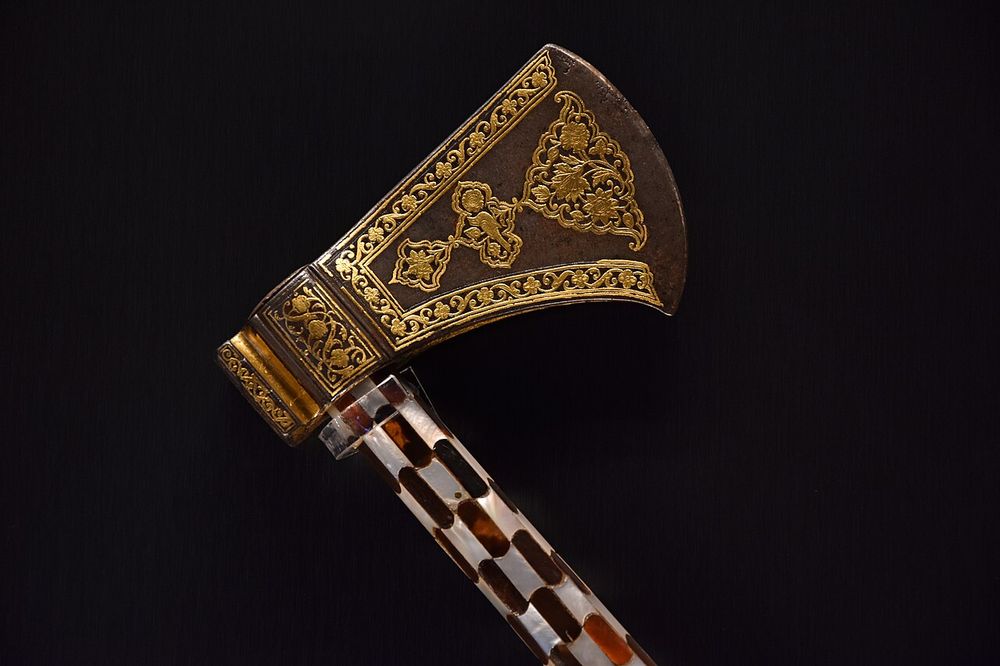
The Treasury holds thrones, jewelled armour, and gifts from shahs and emperors. In the Chamber of Sacred Relics, a reciter reads the Quran day and night. It holds a mantle and a sword believed to have belonged to the Prophet Muhammad, and keys of the Kaaba in Mecca.
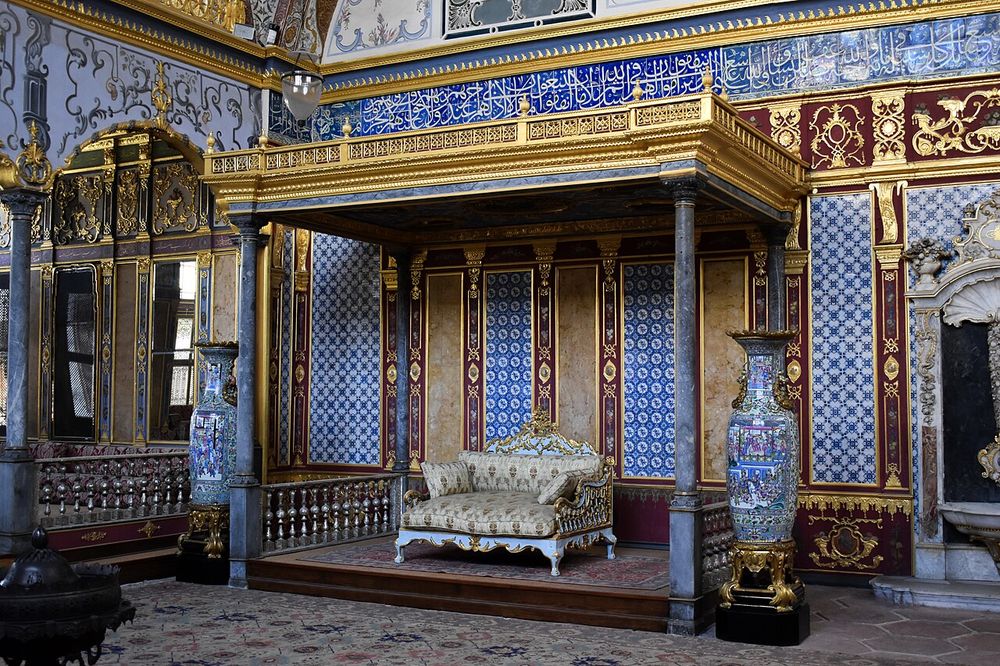
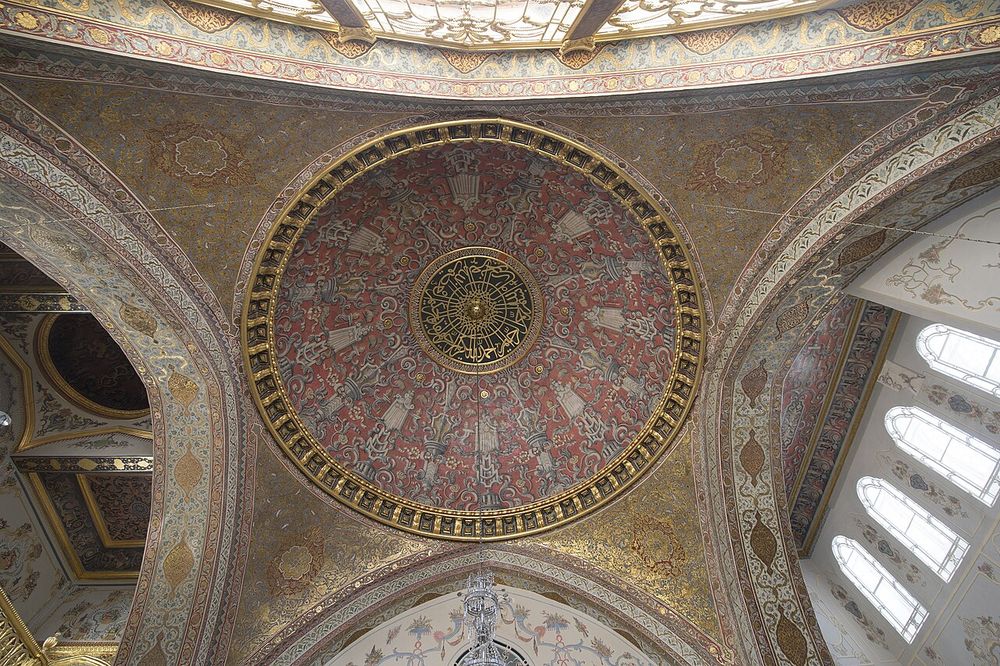
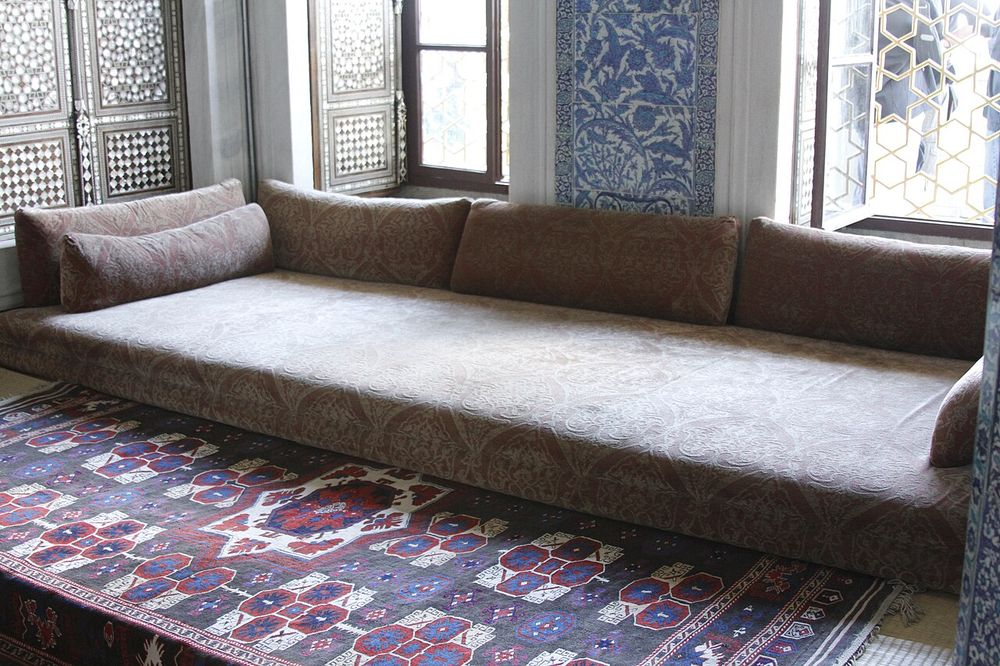
The Harem has about three hundred rooms; a few dozen are open. You pass the eunuchs' quarters, the court of the concubines, the apartments of the queen mother, and the Imperial Hall, the largest room, where the sultan's family gathered for feasts and music.
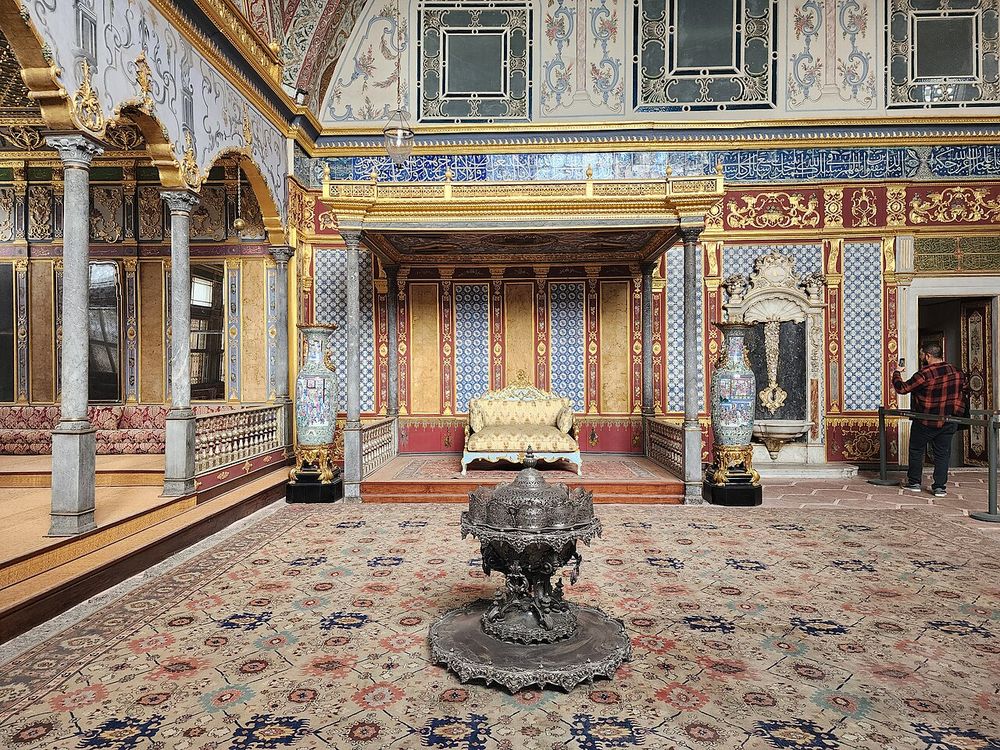
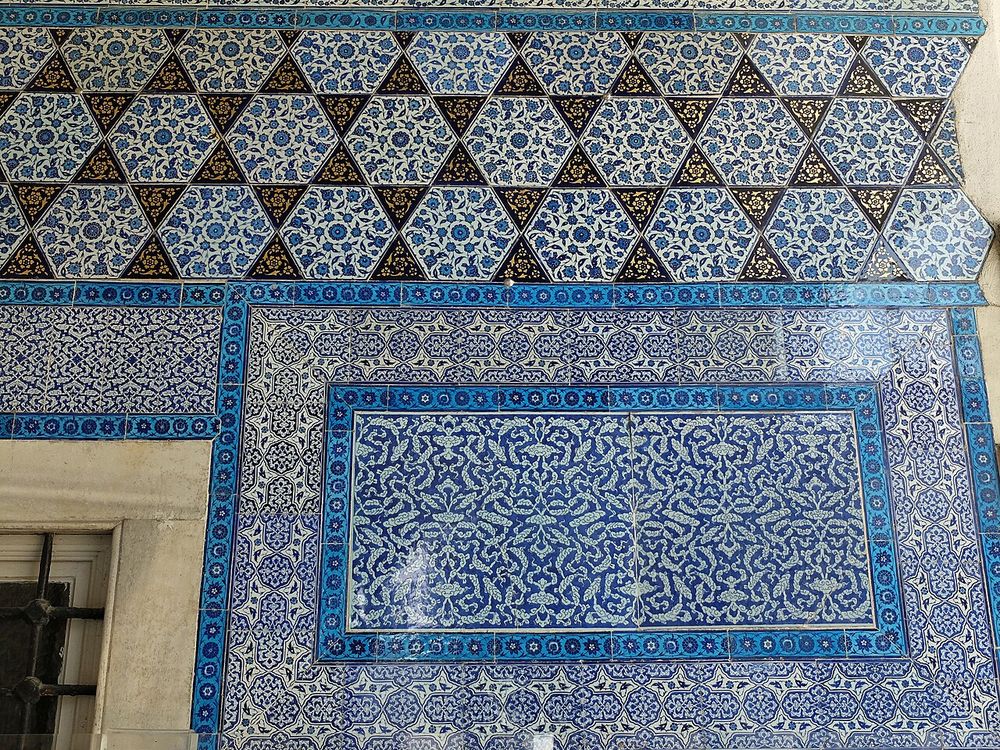
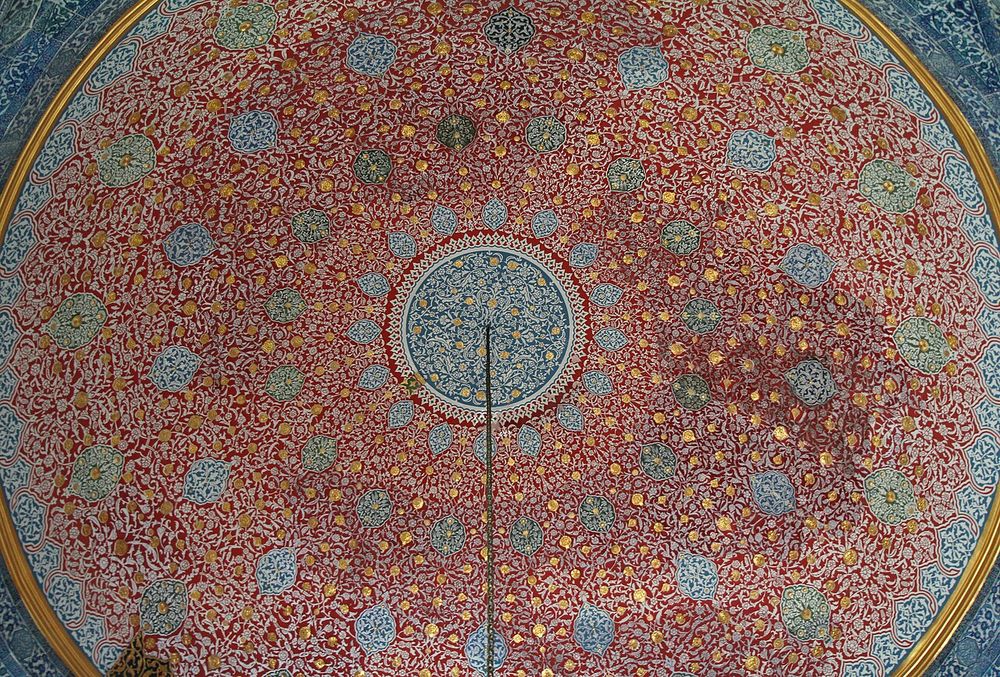
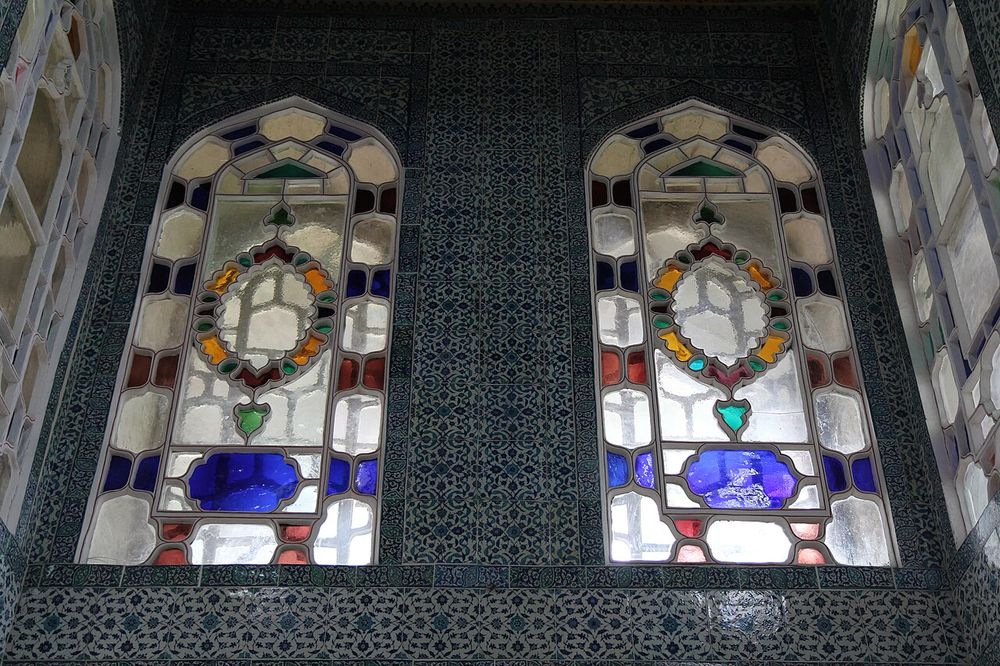
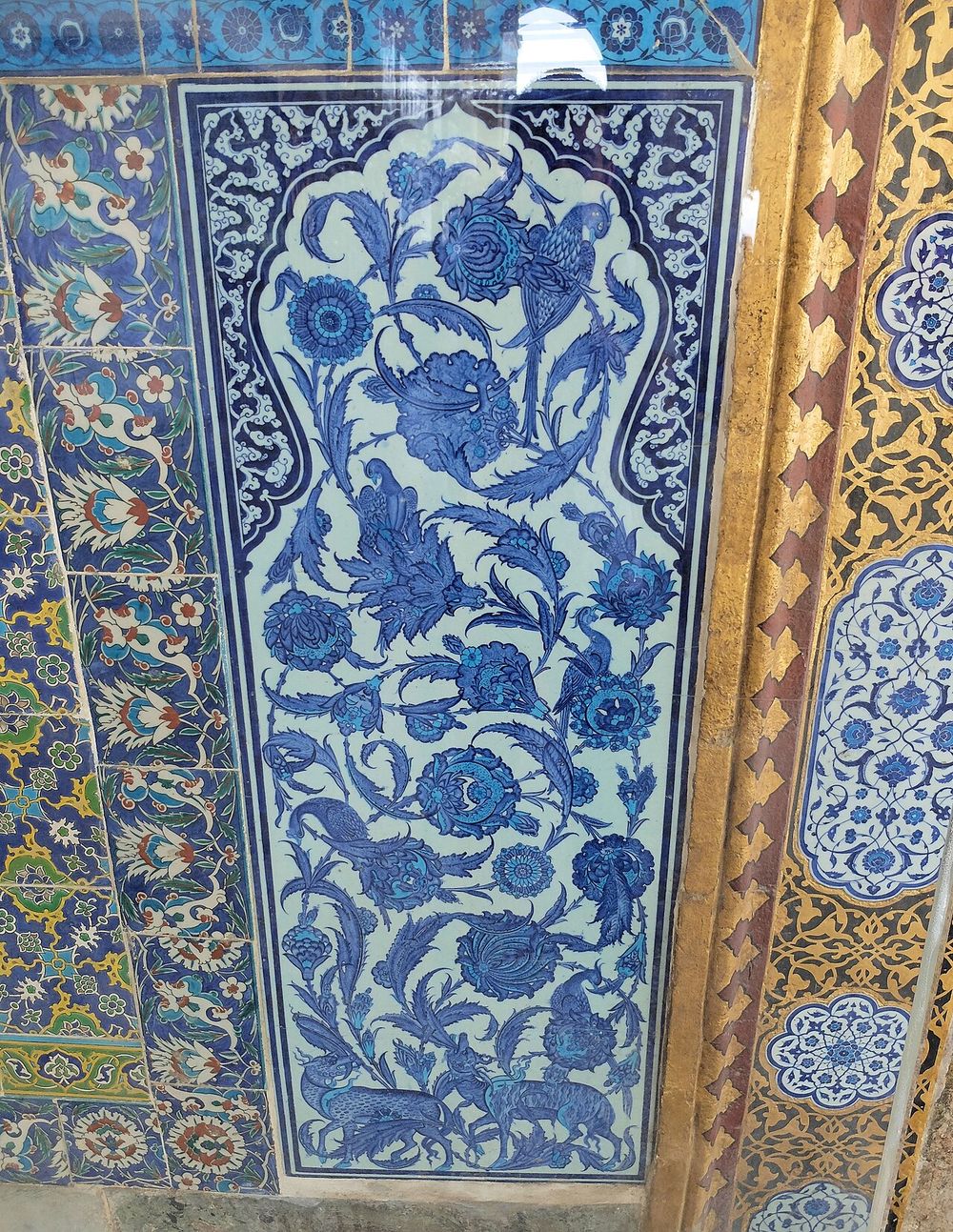
The walls are covered in Iznik tiles of blue, turquoise and red, and the tiles keep the rooms cool. Many patterns on them, the clouds and the peonies, came from Chinese porcelain.
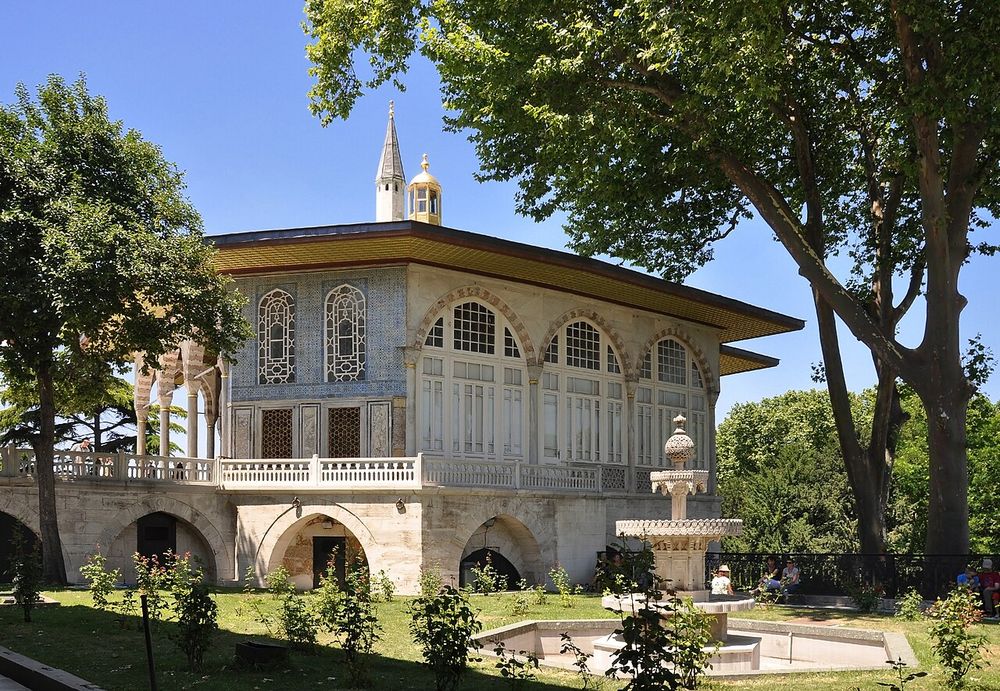
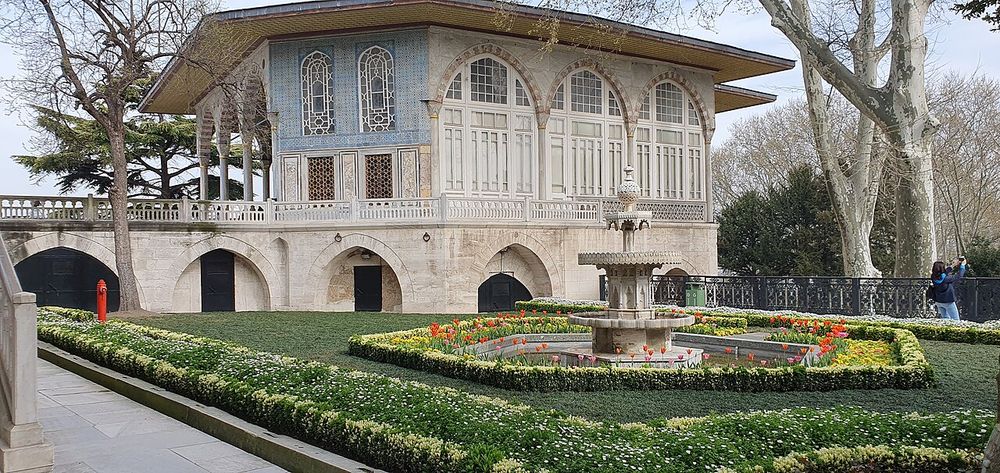
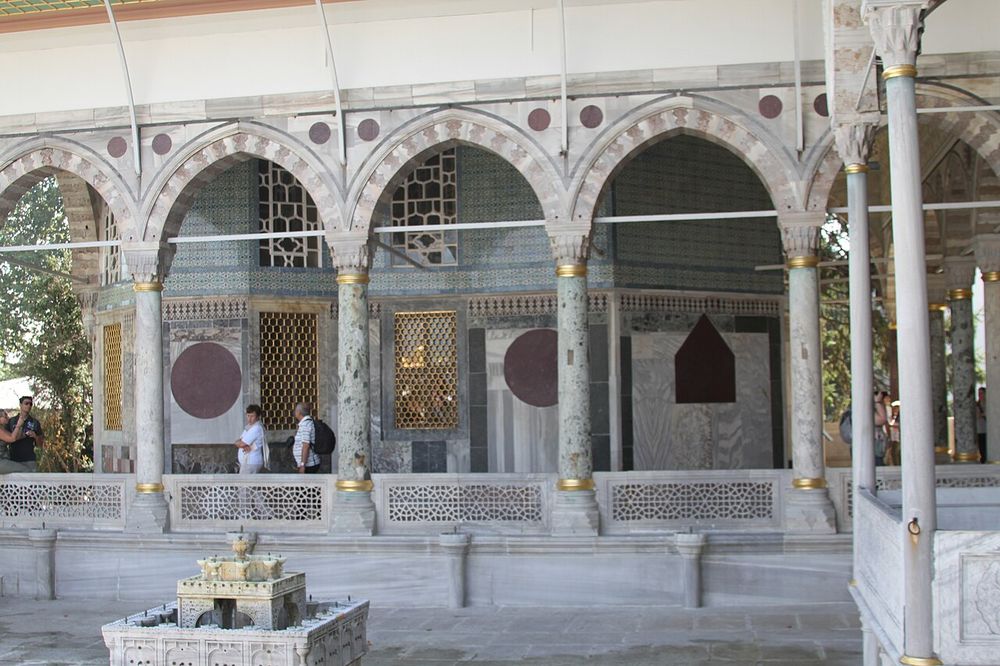
The last court is a garden of kiosks on a terrace above the water. The Baghdad Kiosk of 1639 is lined inside with tiles and mother-of-pearl. The Circumcision Room nearby has some of the finest tiles of the 1500s.
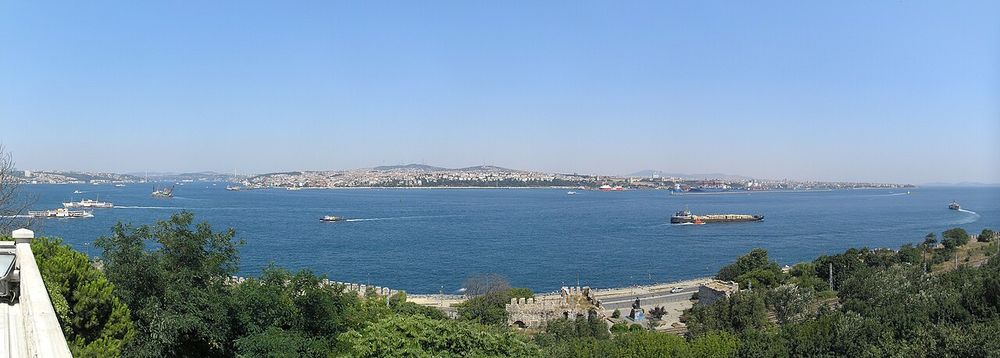
From the terrace you see Asia across the Bosphorus. When Mehmed II began this palace about 1459, the Ming (1368–1644) emperor Yingzong had just won back his throne (the Tianshun era, 1457–1464). When the sultans left it in 1856, the Second Opium War was beginning in China.
| Year | Here | Elsewhere |
|---|---|---|
| 1465 | The palace is finished | The Wars of the Roses in England |
| 1520–1566 | Suleiman the Magnificent | The Reformation in Europe |
| 1639 | The Baghdad Kiosk | Japan closes itself to the world |
| 1747 | The emerald dagger is made | Nader Shah is murdered |
| 1856 | The sultans leave for Dolmabahçe | The Crimean War ends |
| 1924 | Opens as a museum | The last caliph is sent into exile |
| 1964 | The film Topkapi | The Beatles in America |
One line to remember: four courtyards, each more secret than the last, and the sultans' Chinese porcelain in the kitchens.
These are stories people tell about this place. They are legends, not history, and each one says where it comes from.
The sultans used Chinese celadon because it was said to crack or change colour if poisoned food was put on it.
Source: Ottoman court belief; the porcelain does no such thing
A poor fisherman found a shining stone on a rubbish heap and swapped it with a spoonmaker for three wooden spoons. It passed from hand to hand until it reached the sultan's treasury.
Source: One of several Istanbul tales of the diamond's origin; its true history is unknown
Later, people who live here will be able to add the stories they grew up with, and say which of these they have heard.
Checked 2026-11-12 Run by the Directorate of National Palaces. Tickets are sold at the palace, not on this site.
Last checked 2026-11-12. Istanbul guides checked against the tariff of the Directorate of National Palaces, October 2026.
Checked 2026-11-12
Opening hours are given in the local time of the place. Prices are in the local currency. The figure after ≈ is approximate, at exchange rates checked on 9 November 2026, in .
Stand at the site, sign in, press the button, and collect its stamp. Your browser will ask to use your location. It is sent to us once to confirm that you are at the site; we keep how far you were from it, not the spot where you stood.
Your stamps are saved to your account, so they follow you to any device. Checking from a browser cannot rule out every false location; stricter checks arrive with the app.
Photos here show the place, not people. Each one is credited to the visitor who took it and appears after our team has looked at it. A photo with you in it belongs under “I am here”.