The story
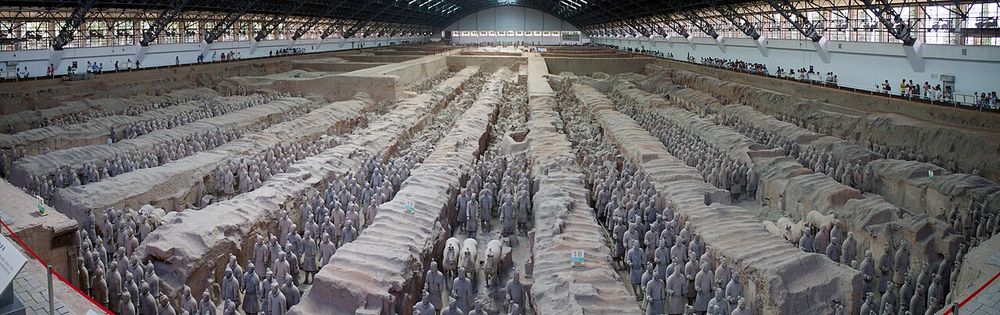
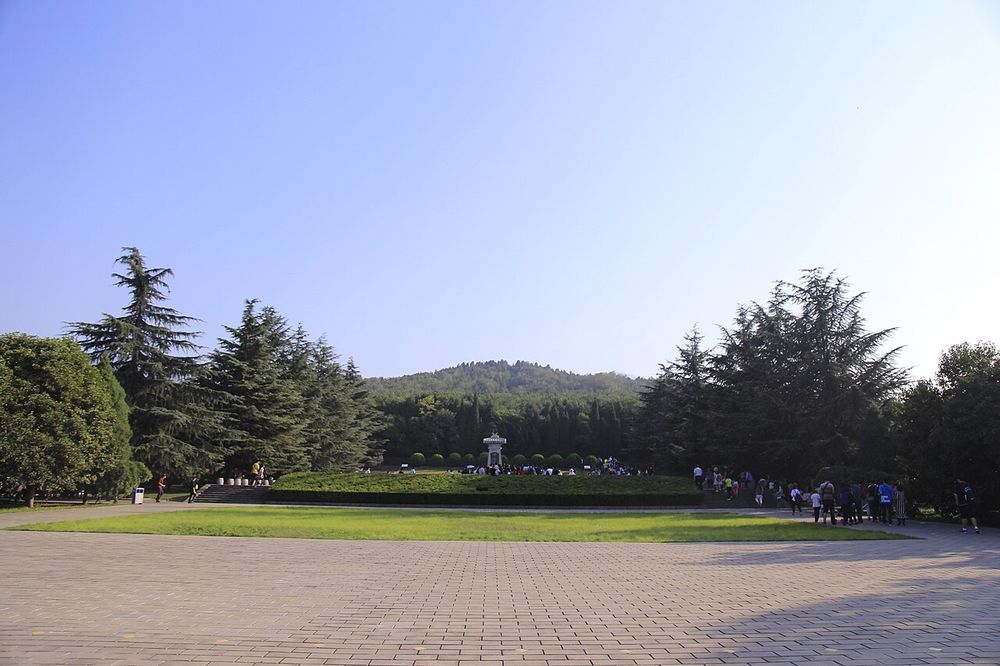
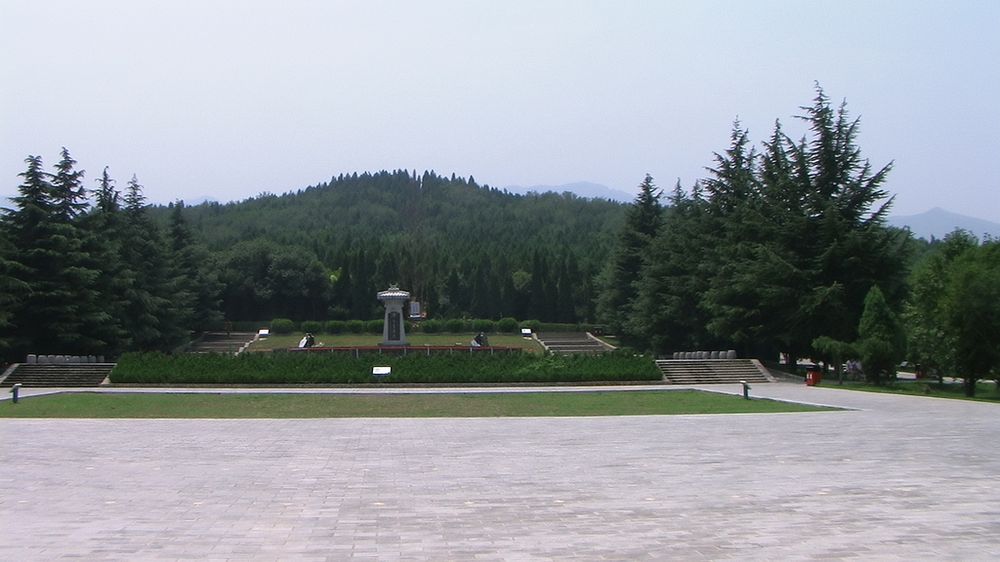
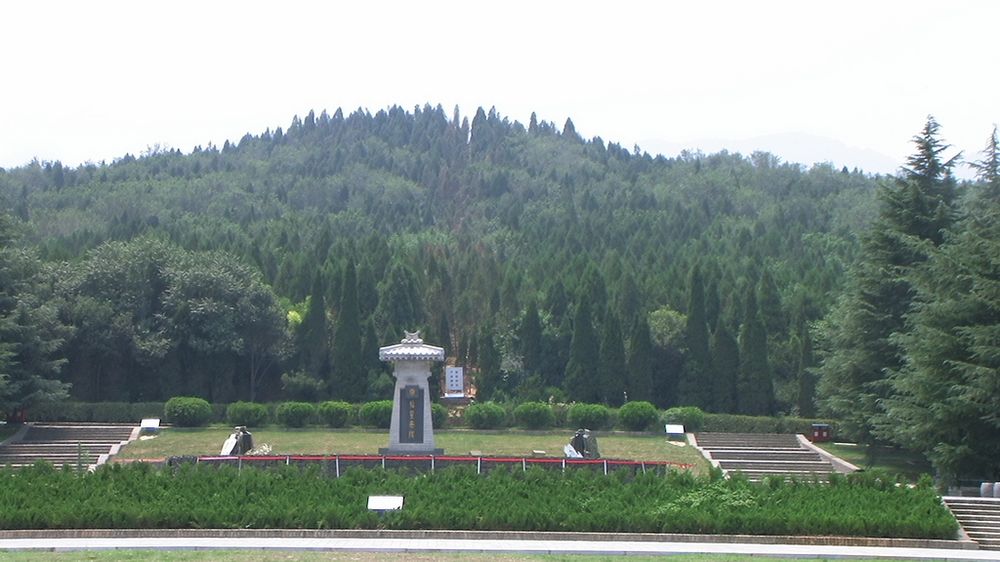
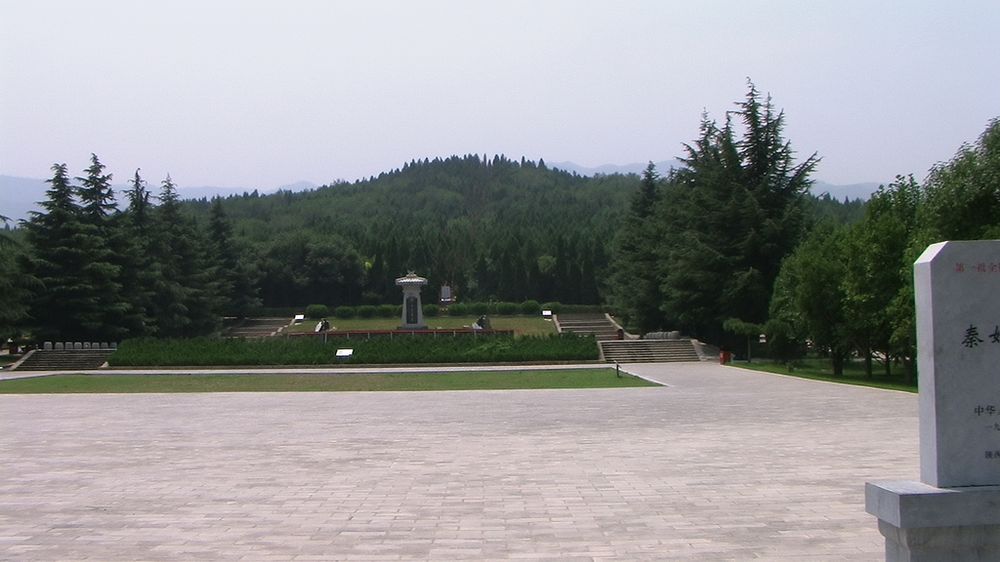
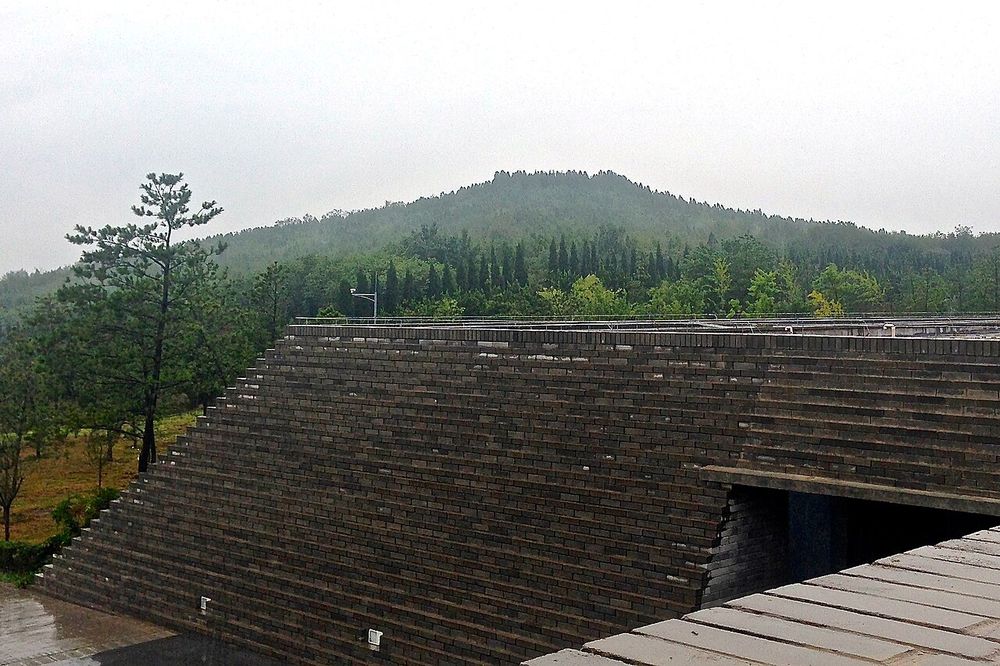
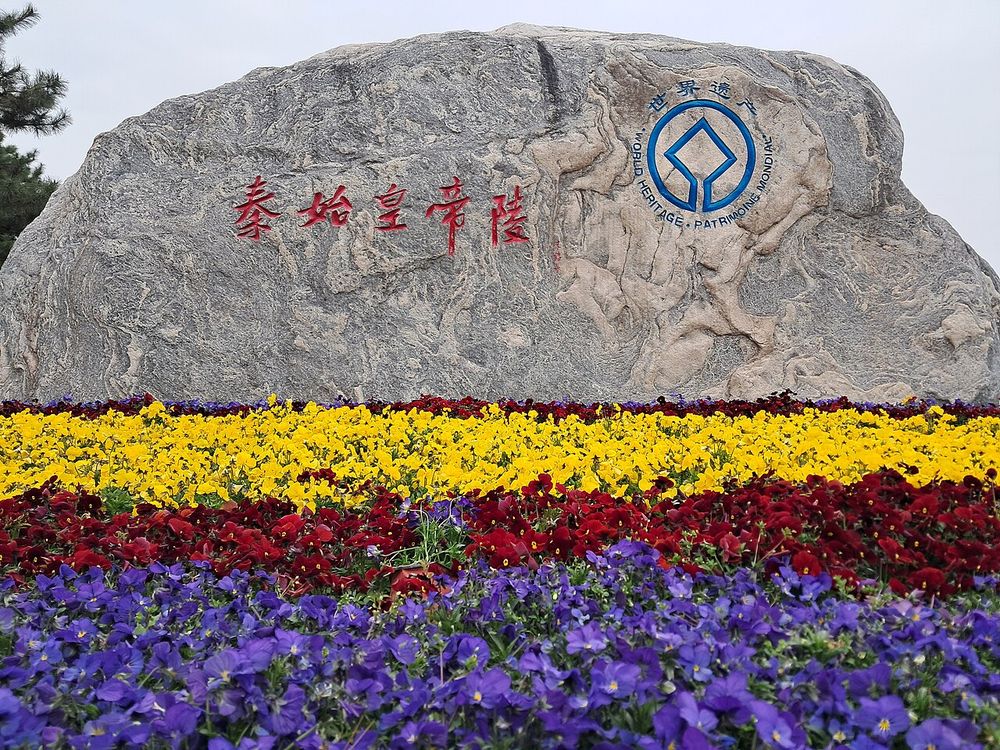
The Terracotta Army is not a site by itself. It is one part of the tomb of the First Emperor of Qin, who died in 210 BC. The tomb complex covers about 56 square kilometres at the foot of Mount Li, east of Xi'an. More than 180 pits have been found round the burial mound.
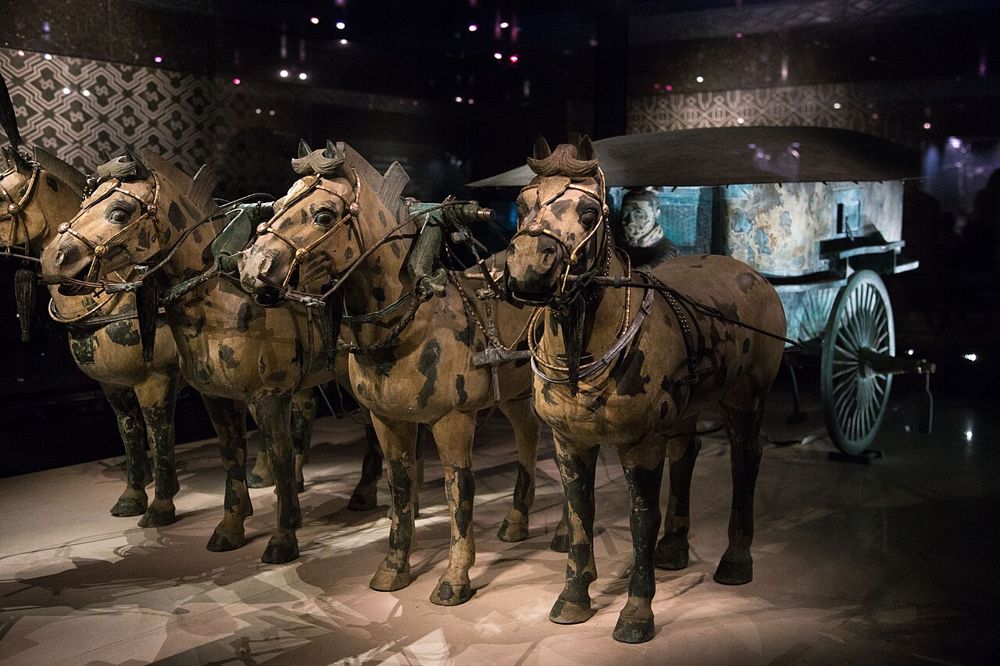
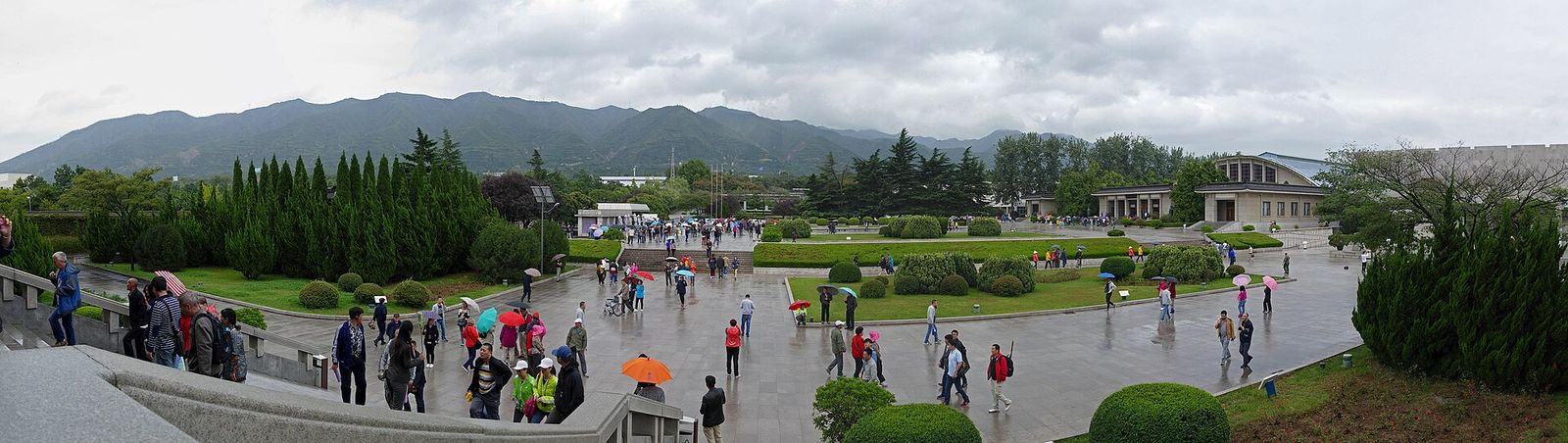
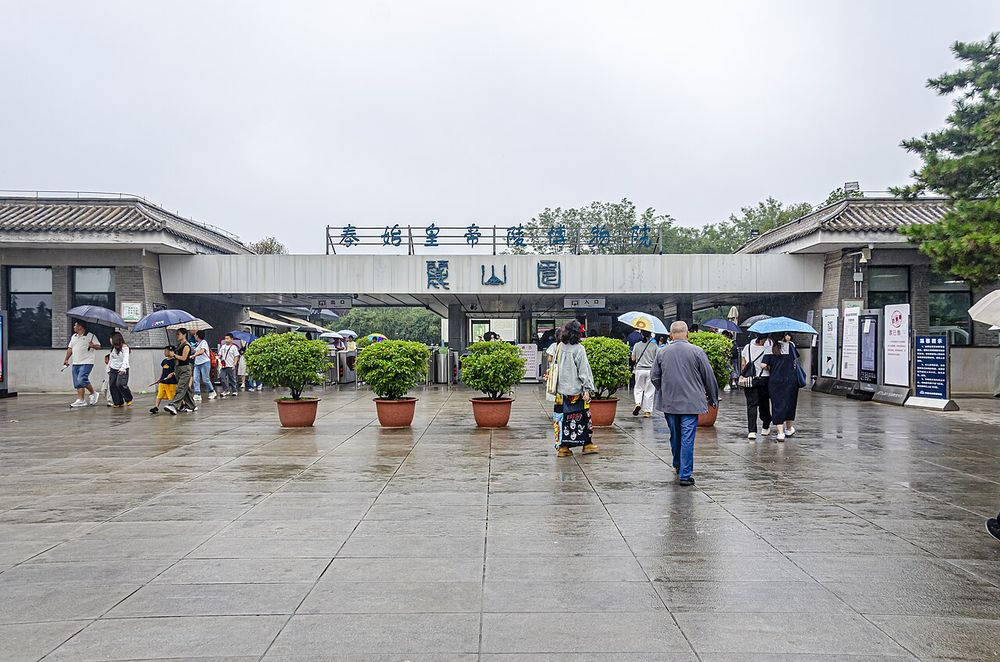
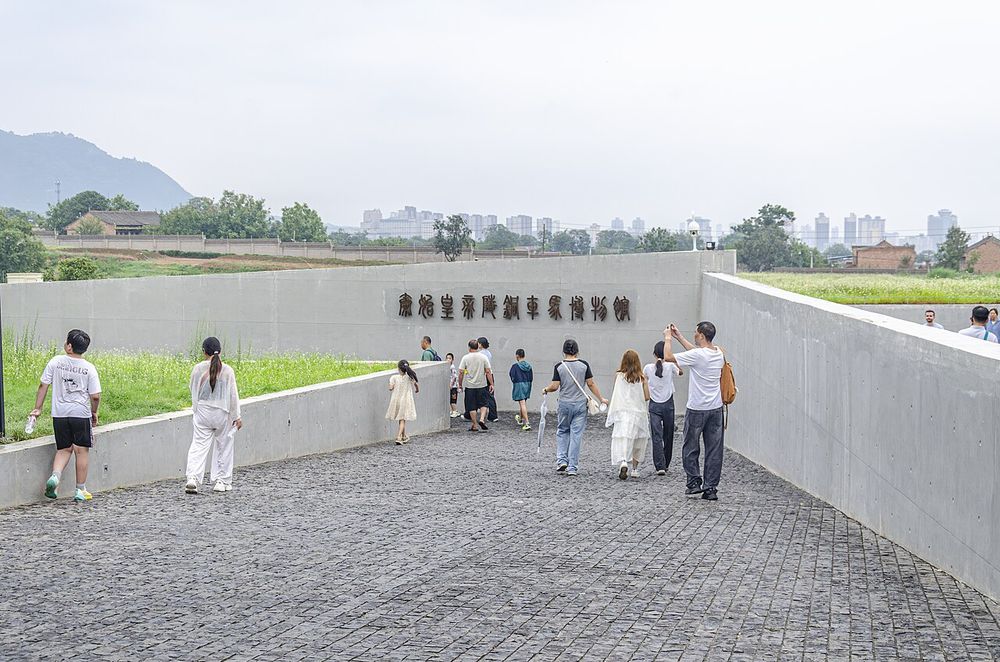
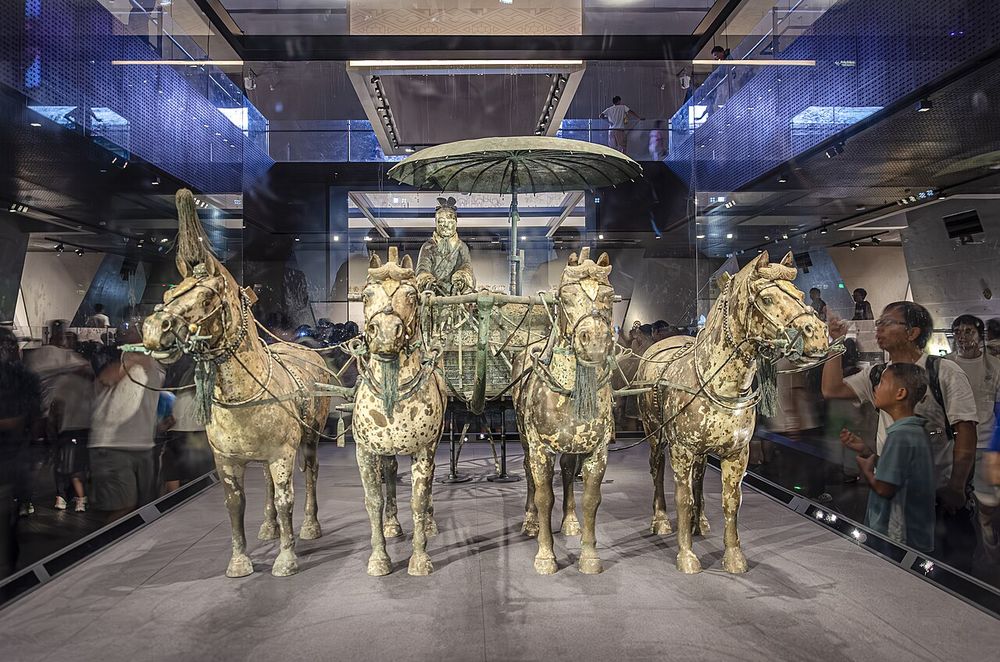
Two parts are open, on one ticket. The pit museum has the clay soldiers. Lishan Garden, 1.5 kilometres to the west, has the burial mound and the pits of the bronze chariots, the acrobats and the officials. Each has its own page here.
The places inside
Each of these has its own page, with its own story, pictures and visiting notes.
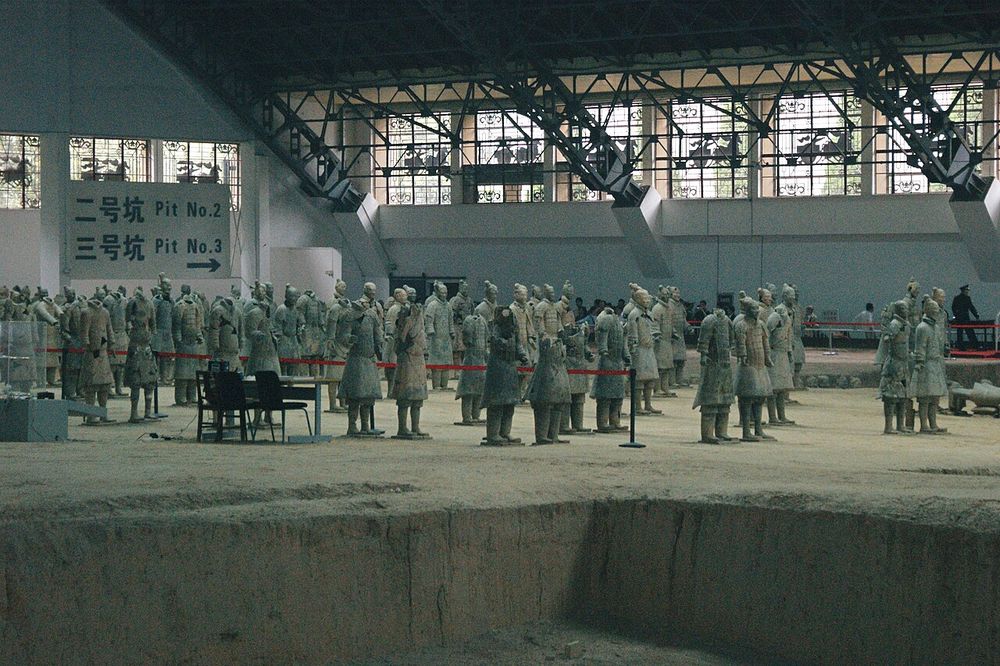
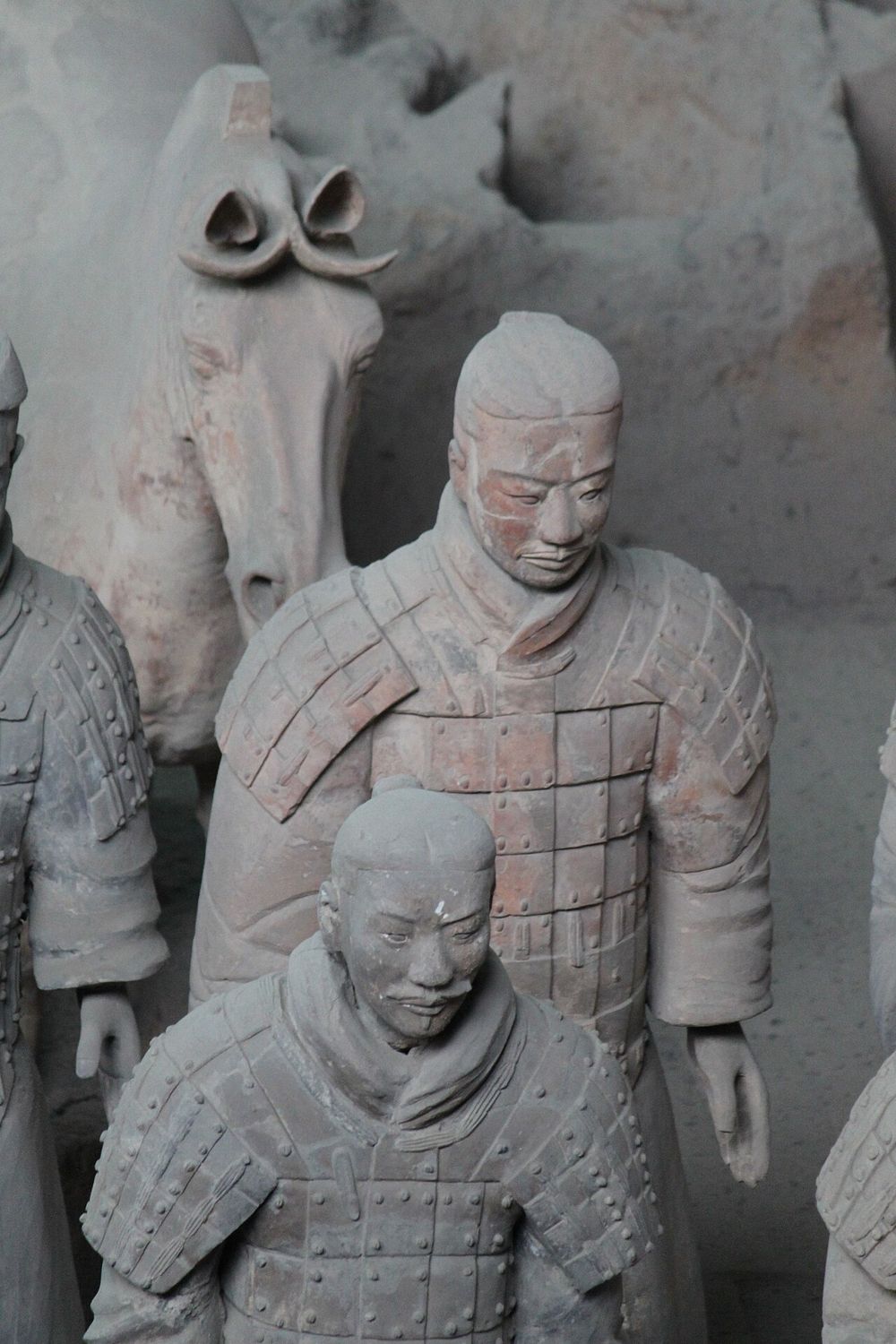
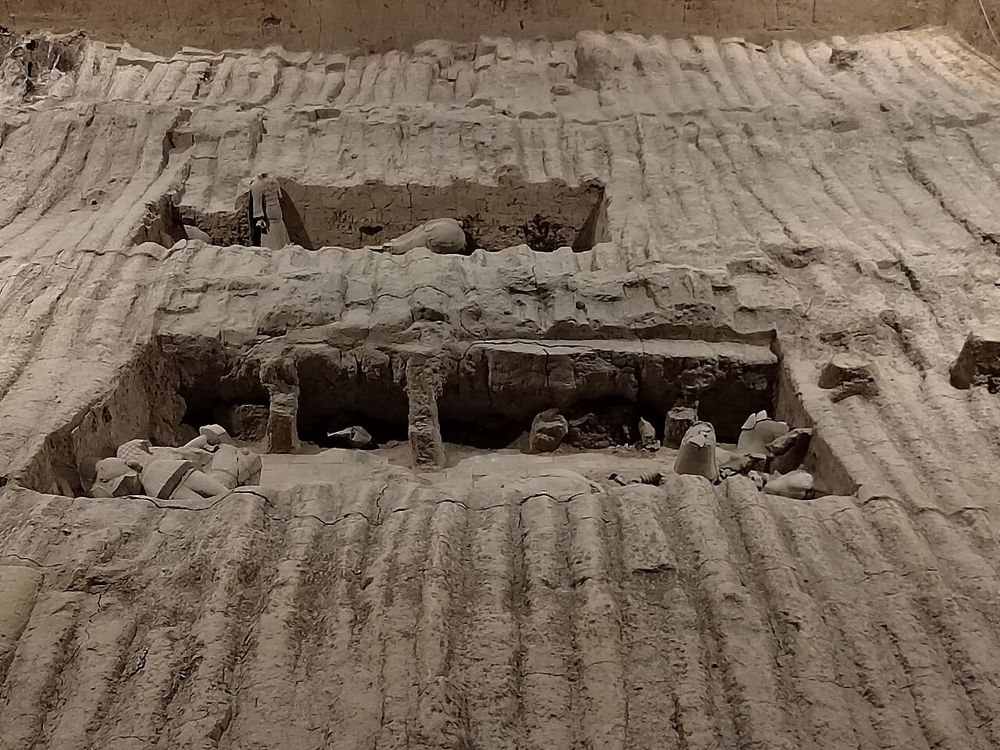
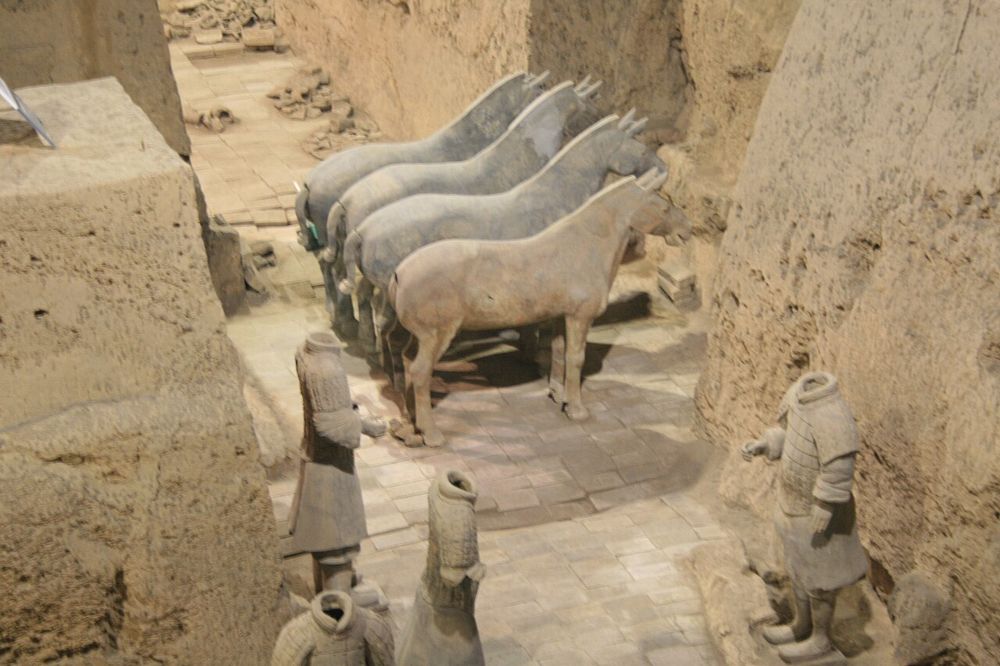
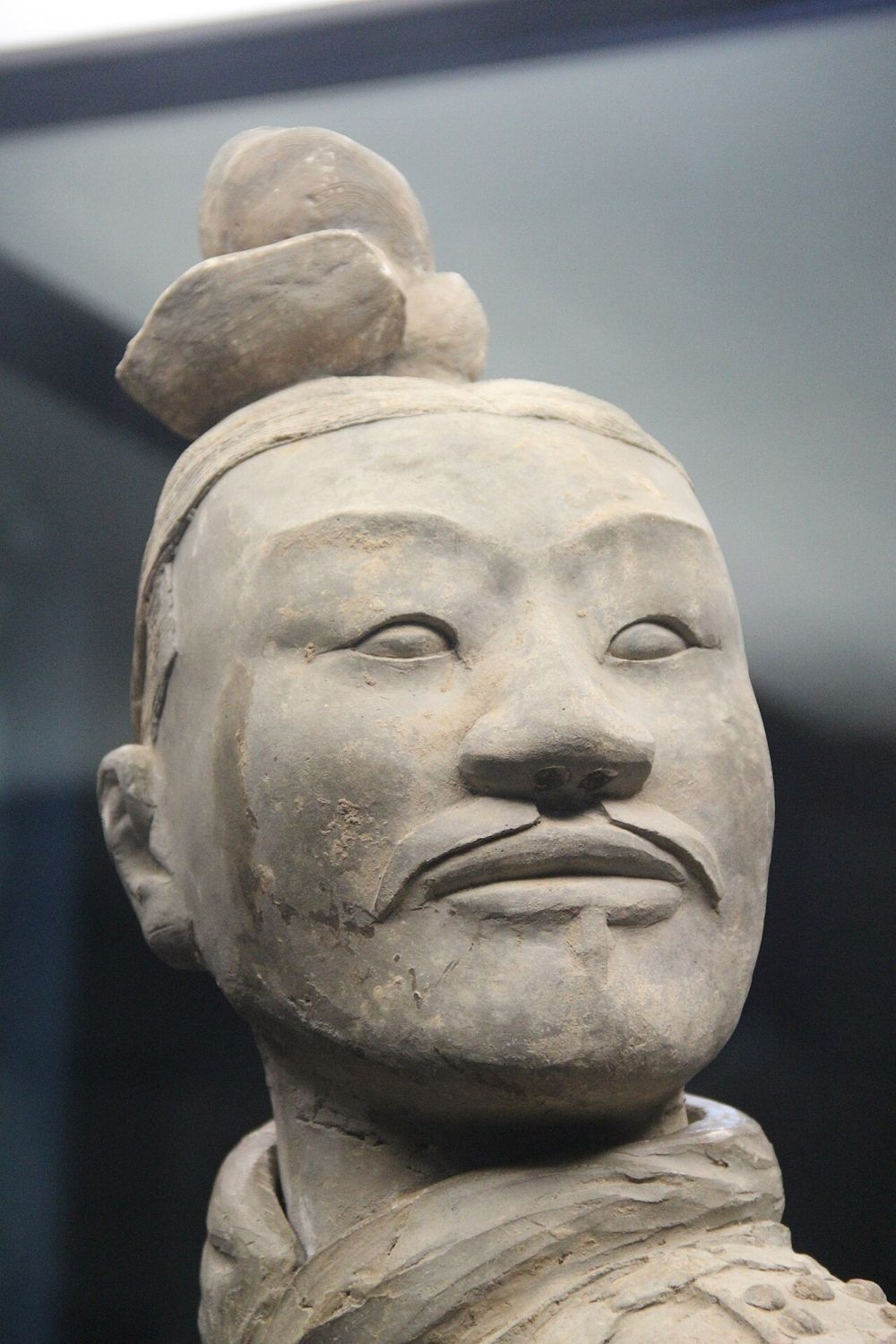
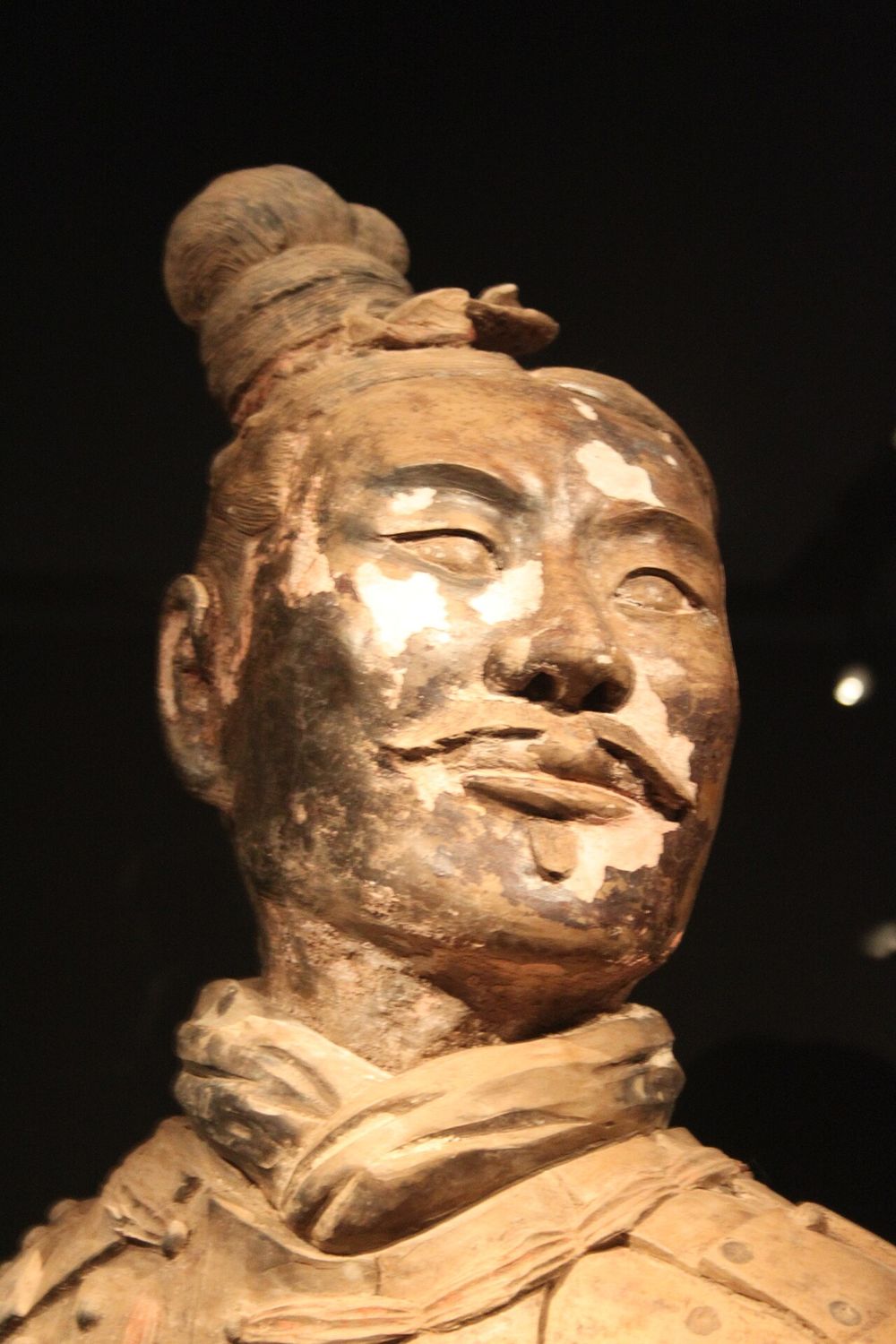
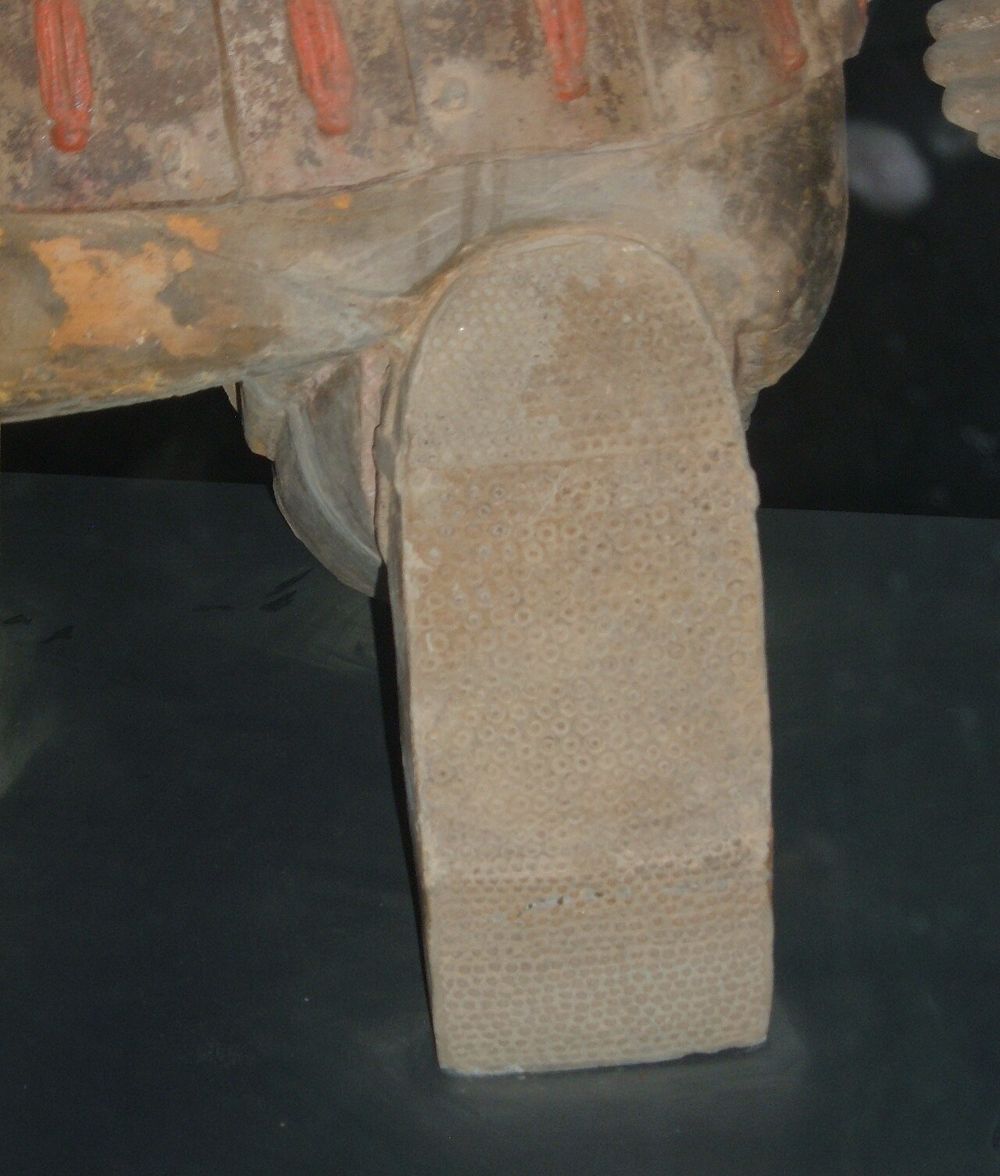
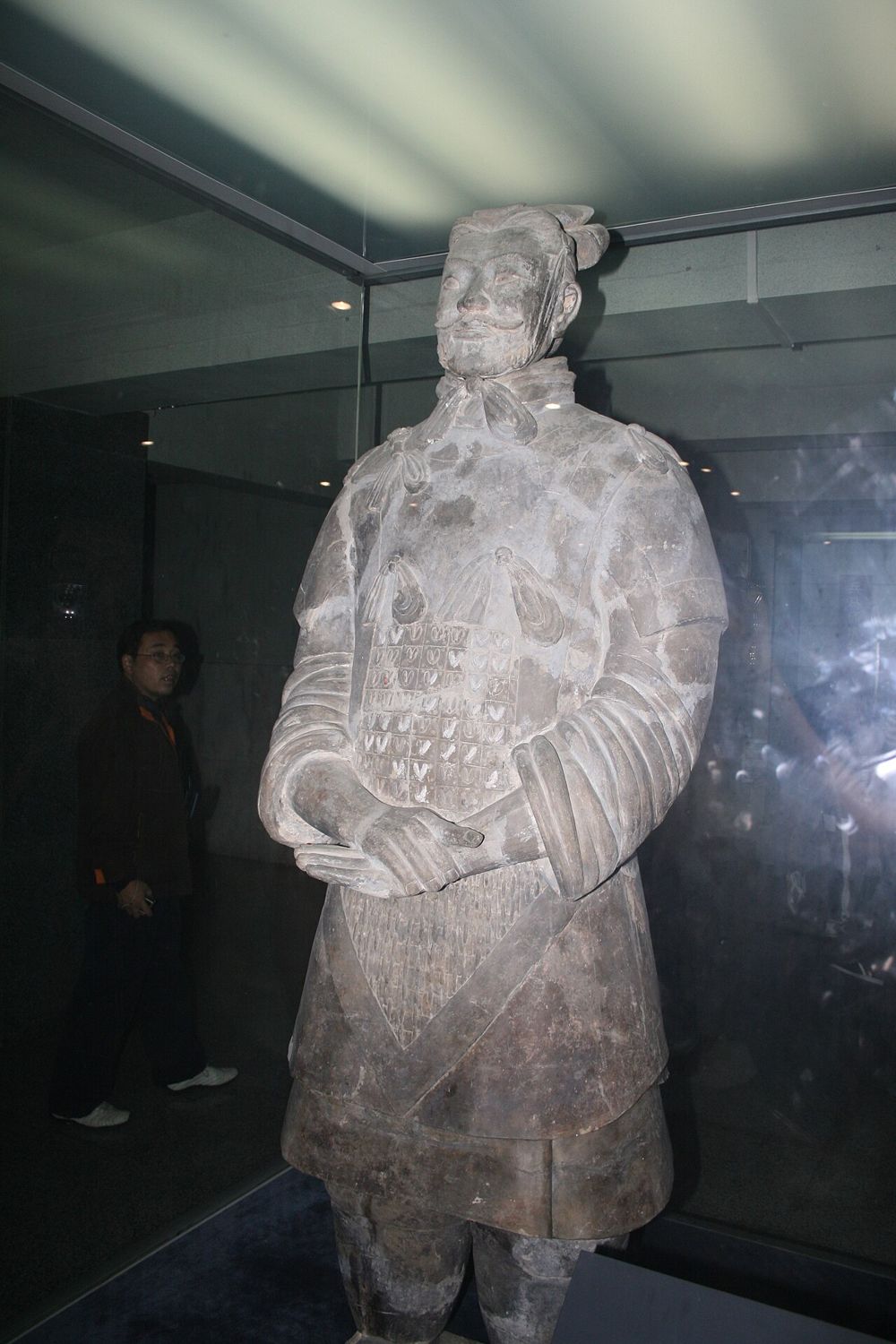
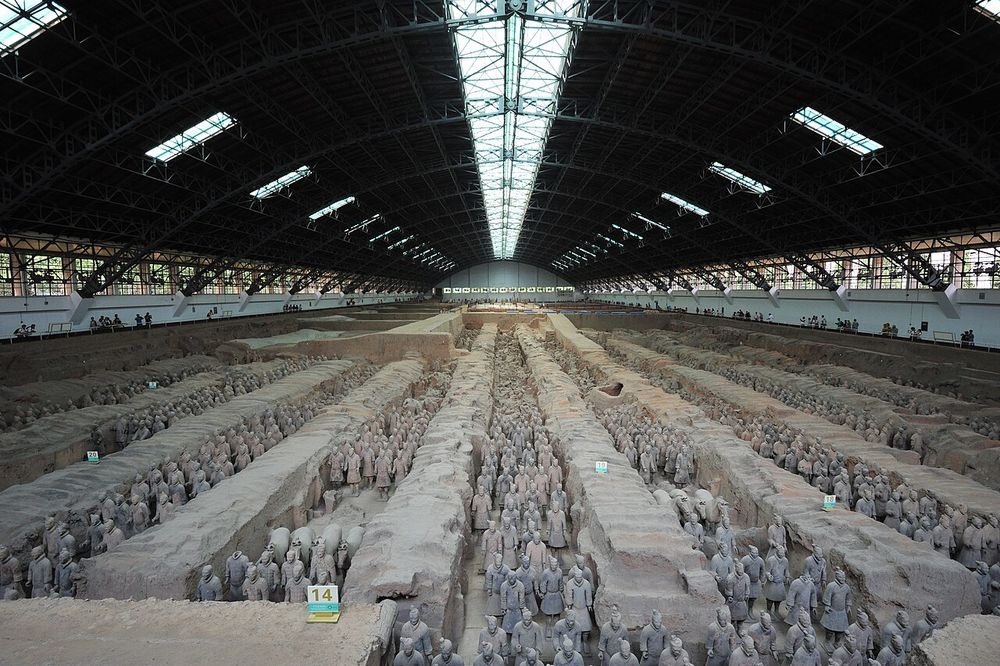
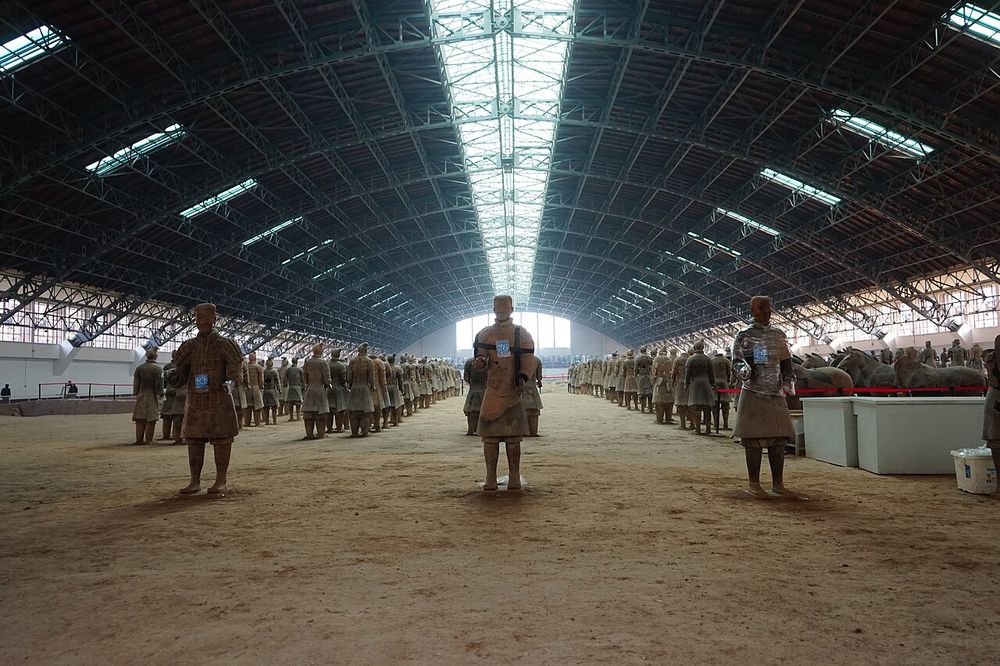
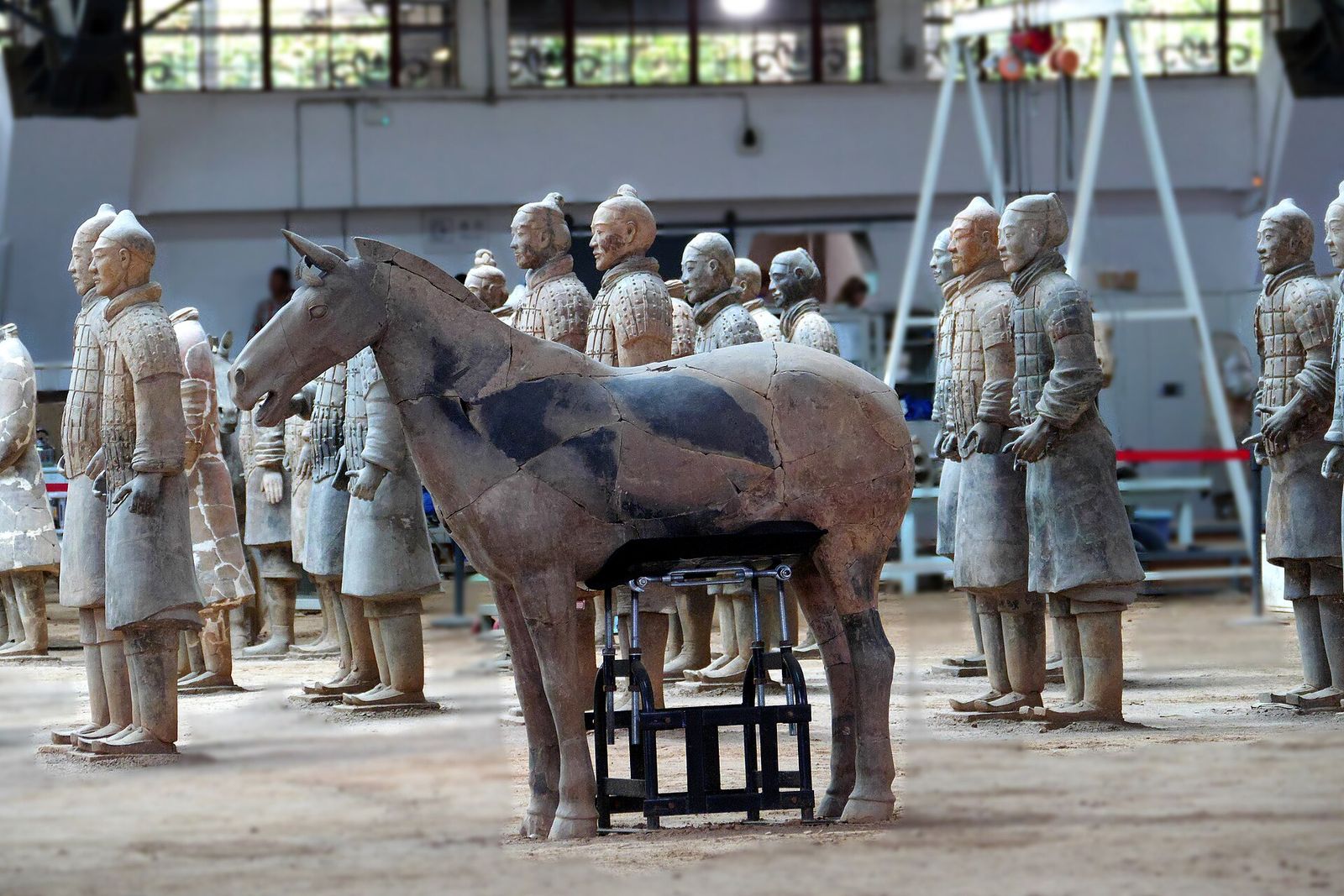
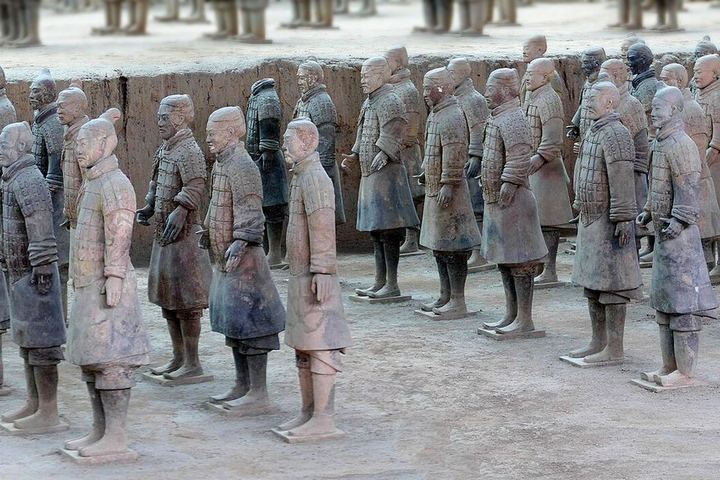 Terracotta Army PitsThousands of life-size clay soldiers in battle order, found by farmers digging a well in 1974.
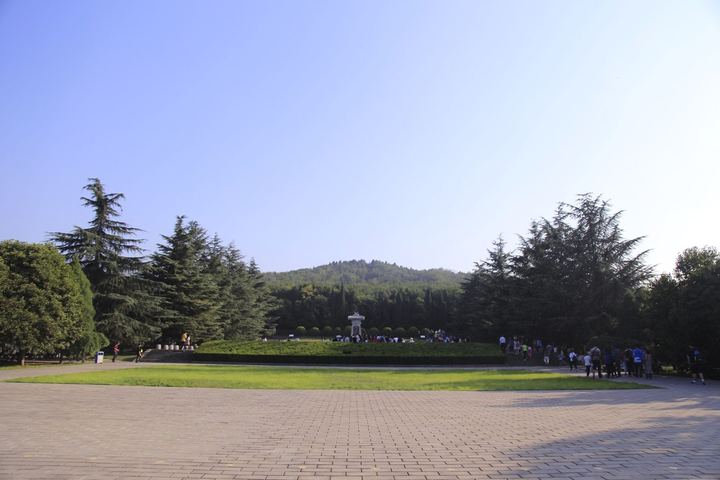 First Emperor's TombThe unopened tomb of China's first emperor, with his bronze chariots, acrobats and officials in pits round it.
The two places on one ticket
One through ticket covers both places and the shuttle between them. There is no cheaper ticket for one alone.
| Part | Ticket |
|---|---|
| The pit museum: Pits 1, 2 and 3 and the exhibition hall | On the through ticket; see its page |
| Lishan Garden: the tomb mound, the bronze chariots, the acrobats' pit and the officials' pit | On the through ticket; see its page |
| The shuttle between the two | Free with the ticket |
| Sightseeing carts inside each area | Extra |
| Huaqing Palace, 7 km away | A separate place with its own ticket; no page here yet |
If you have one minute
Before you go in
Ying Zheng became king of Qin at thirteen, in 246 BC, and work on his tomb began at once. By 221 BC he had conquered the six other states and called himself First Emperor. He gave China one script, one set of weights and measures, and one width of axle.
The tomb was laid out like his capital: an inner and an outer wall round the mound, and round them pits holding stables, offices, an arsenal and entertainers. The army stands outside the walls, on the east, facing the states he had conquered.
Which part first? The pits, in the morning, before the crowd. Then take the free shuttle to Lishan Garden. Allow about an hour and a half for each, and half a day for both.
Most visitors leave after the pits and never use the second half of their ticket. The bronze chariots alone are worth the ride.
Go deeper: the tomb as a whole, and the army in culture
1. Before, after, and on screen
Before: from human sacrifice to figures. The Records of the Grand Historian say that in 384 BC Duke Xian of Qin ended the practice of burying the living with the dead. Figures in place of people is the background to this army.
After: the figures shrank. Han tombs such as Yangling also have armies, but a fraction of human height. Nothing else comes near life size.
Elsewhere: Egyptian tombs held small shabti figures to do the owner's work in the next life. The idea is close; the scale is not.
Nearby: Huaqing Palace, about 7 km away at the foot of the same mountain, was the hot-spring palace of a Tang (618–907) emperor and the scene of the Xi'an Incident of 1936.
A Terra-Cotta Warrior (1989): Zhang Yimou plays a Qin general sealed in clay, opposite Gong Li. Many assume he directed it. He was the leading man.
The Mummy: Tomb of the Dragon Emperor (2008) invents its own origin for the army: an emperor and his soldiers cursed into clay. Its emperor is fiction modelled on the First Emperor.
Tan Dun's opera The First Emperor opened at the Metropolitan Opera in New York on 21 December 2006, with Plácido Domingo in the title role and Zhang Yimou directing.
The figures first travelled abroad in 1976, to Japan. By 2024 they had been shown 277 times in 49 countries and regions.