LegendThe eyes of Weituo
People say that wherever you stand in the Hall of a Thousand Buddhas, Weituo's eyes are on you.
Source: A saying of visitors and guides
Pingyao, Shanxi, China
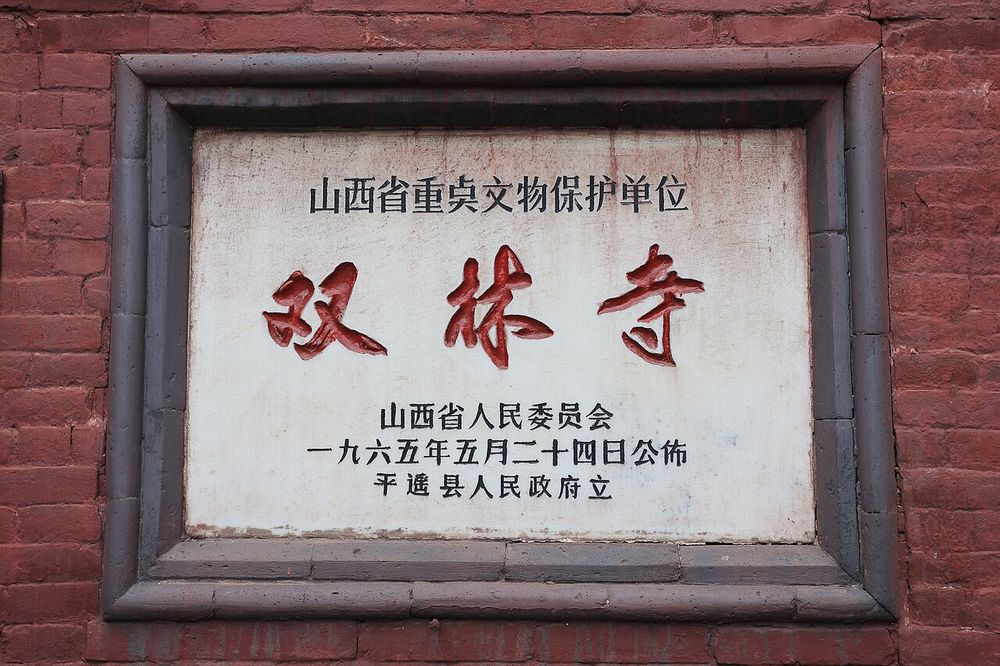
双林寺 · Shuānglín Sì
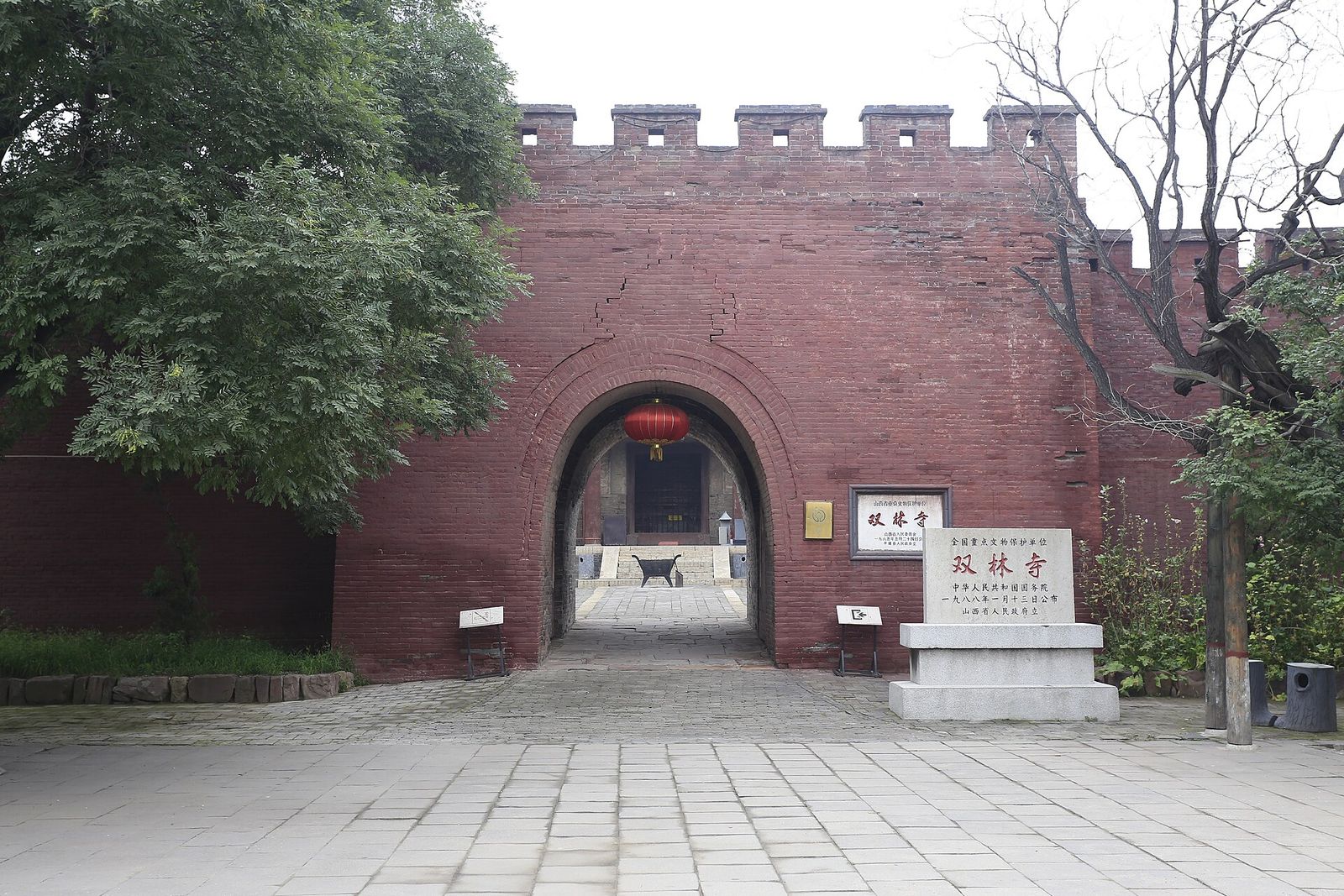
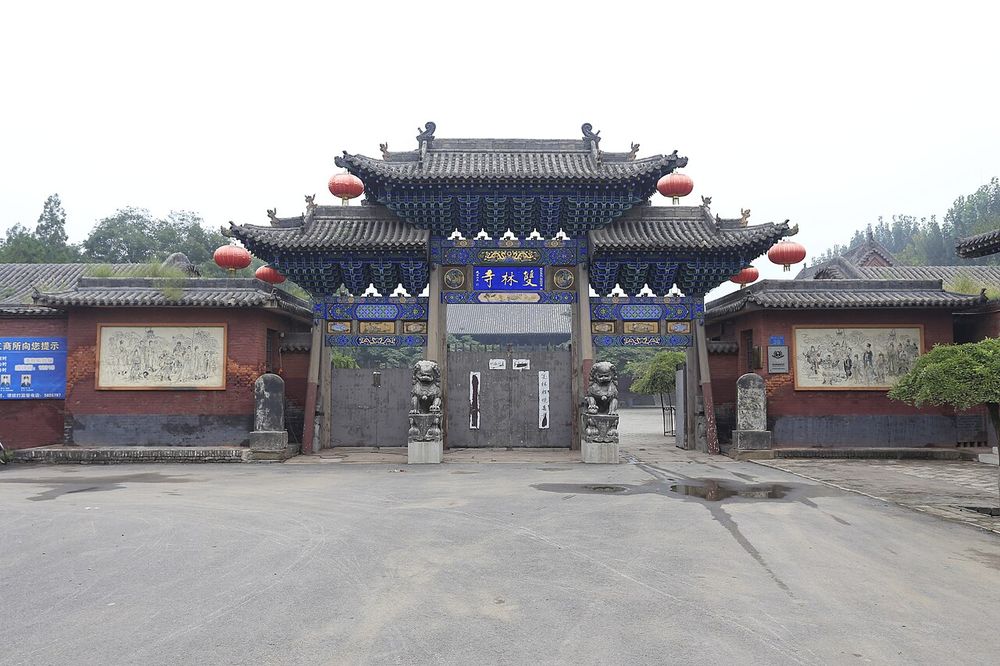
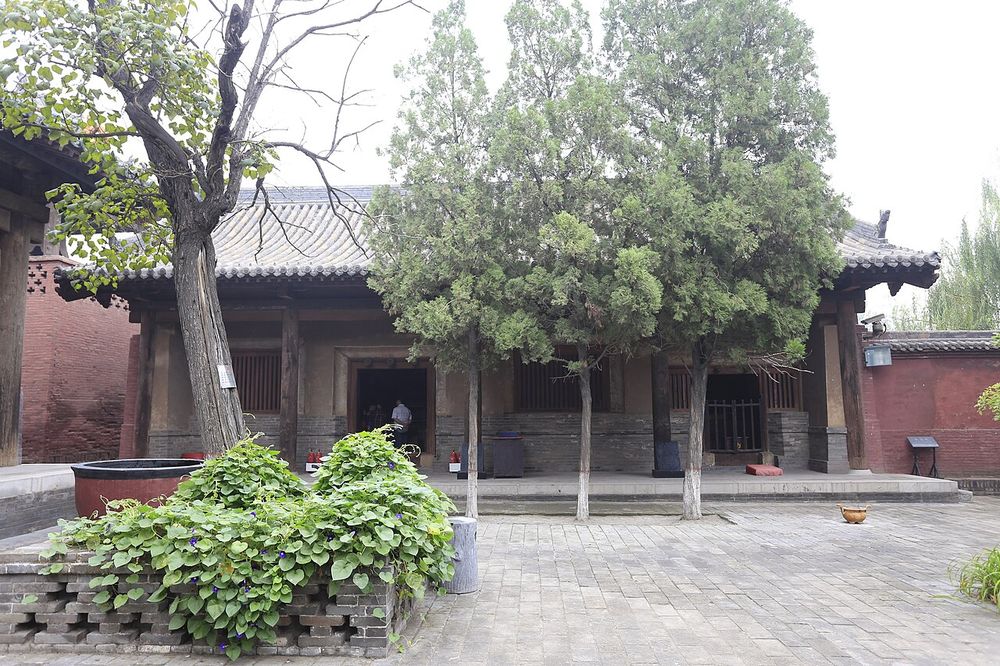
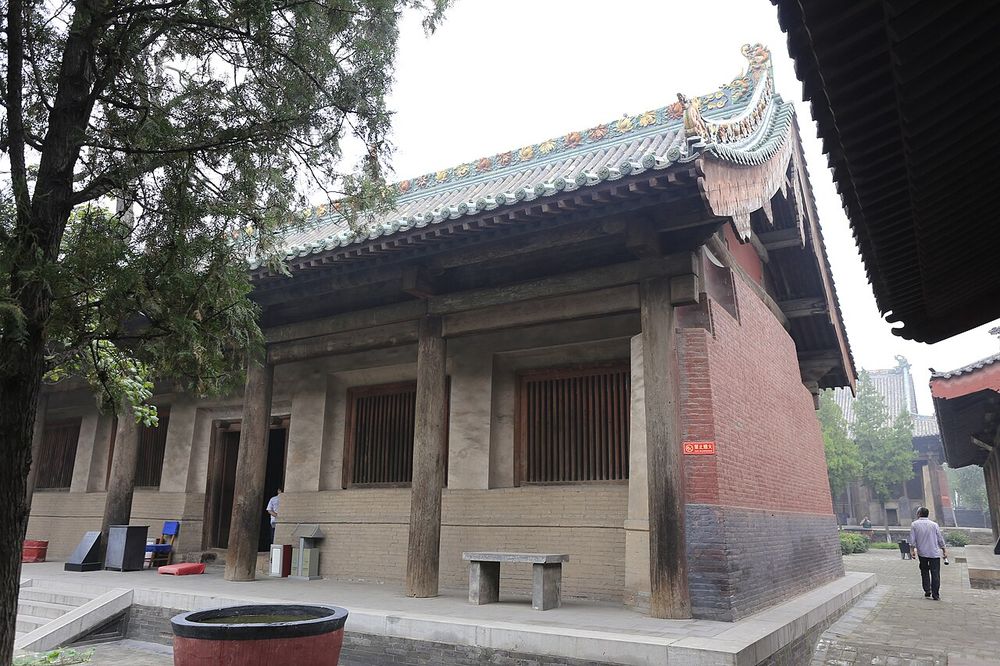
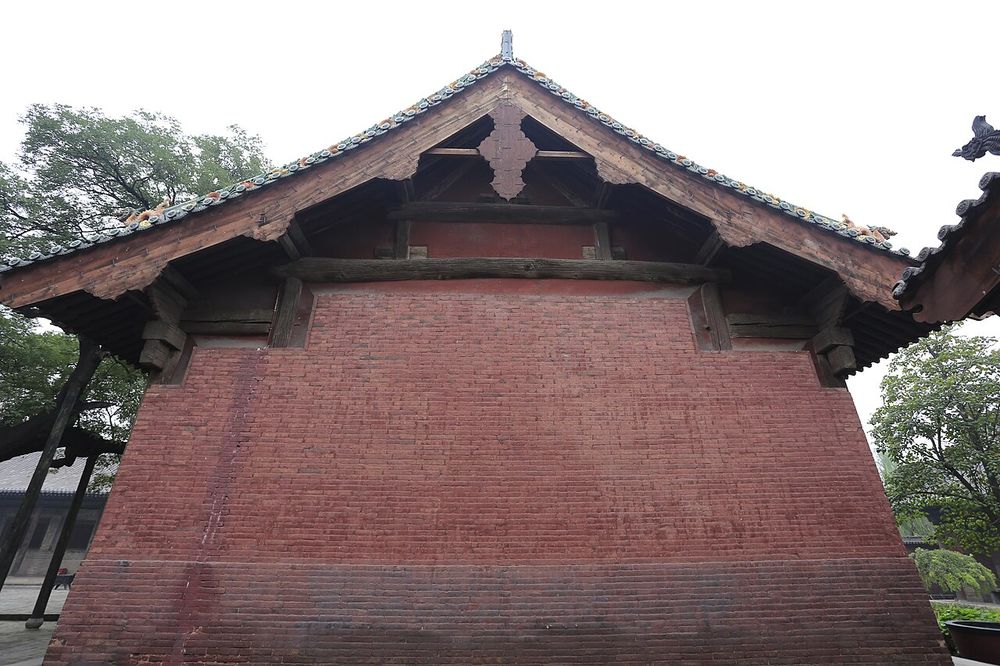
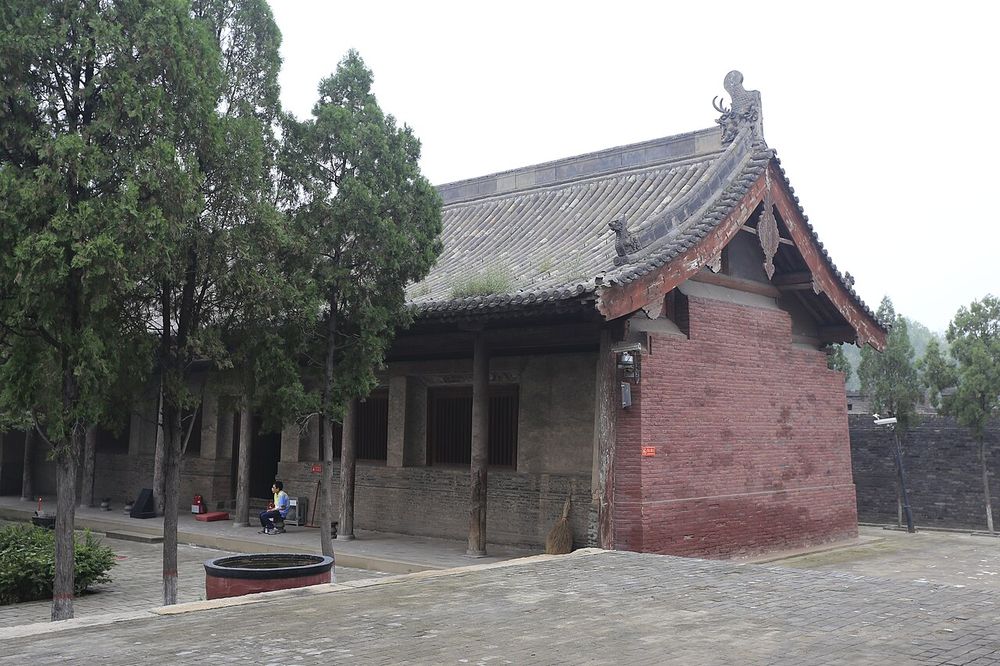
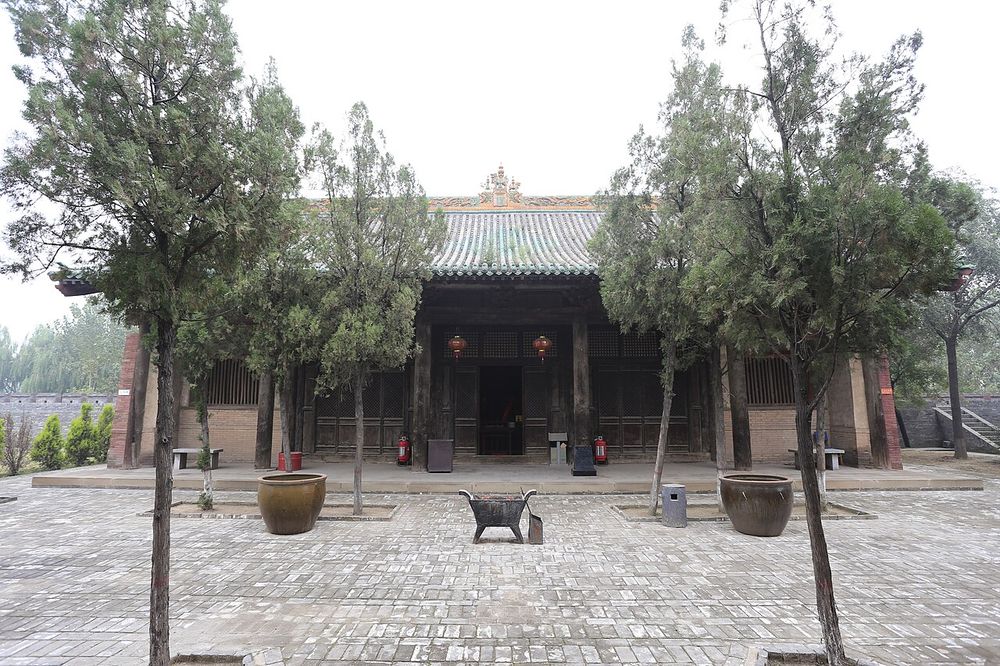
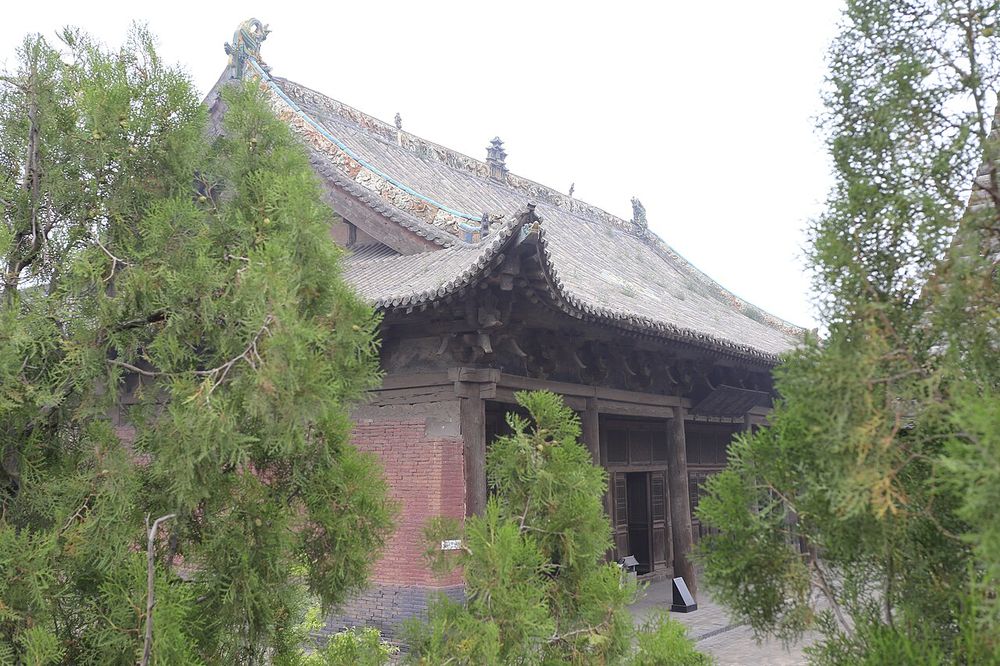
A walled Buddhist temple in the fields south-west of Pingyao, with ten halls and about two thousand painted clay figures from the Song to the Qing, most of them Ming. They are so lifelike that people come from all over China to see one guardian god and one silent arhat. Part of the Ancient City of Pingyao World Heritage site.
Photo: Zhangzhugang, CC BY-SA 3.0, Wikimedia Commons
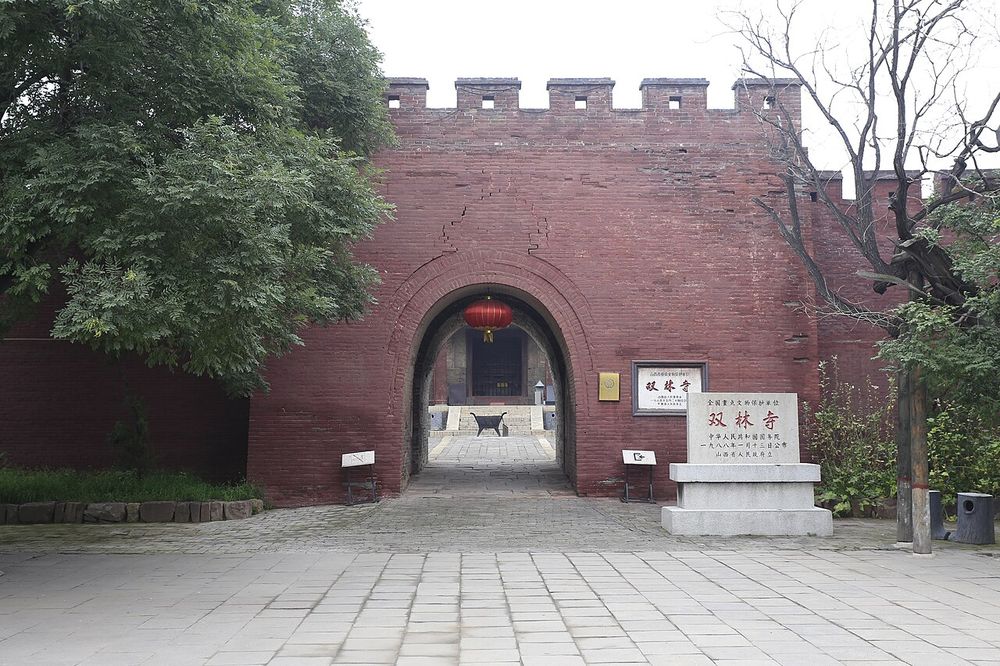
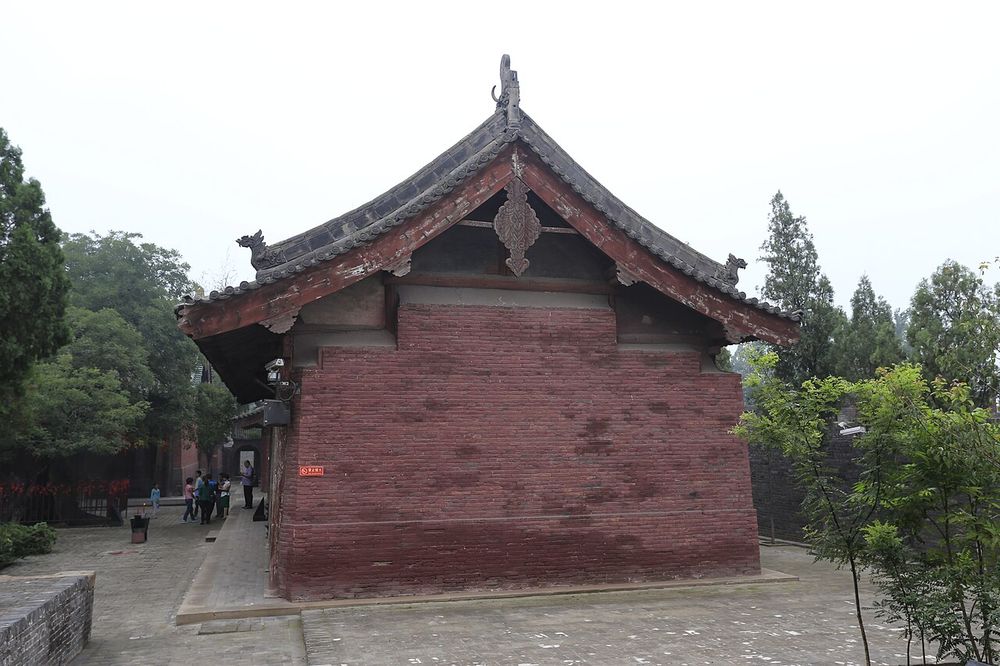
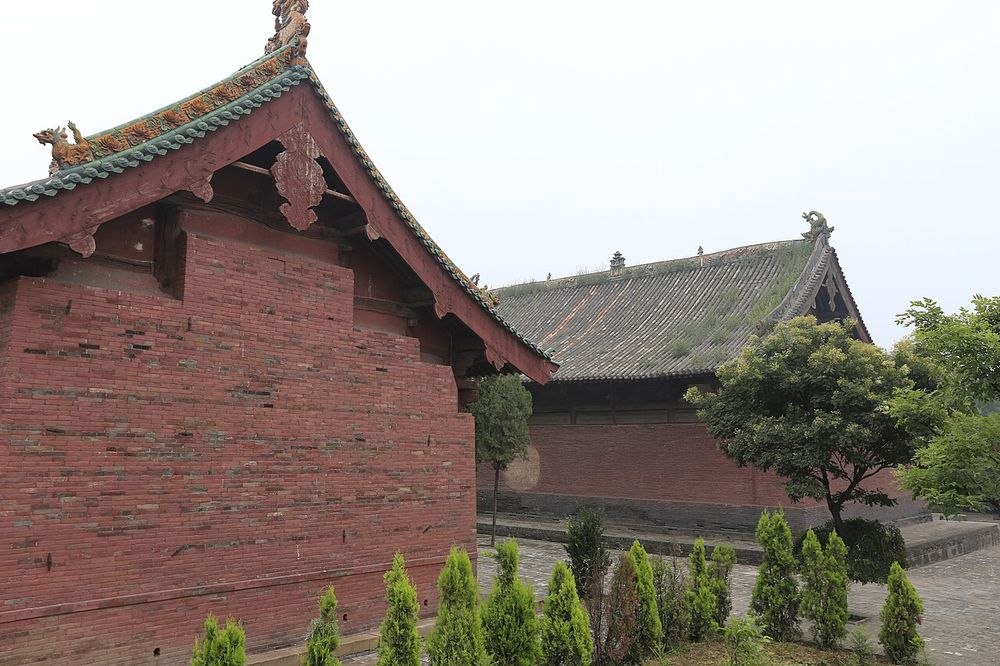
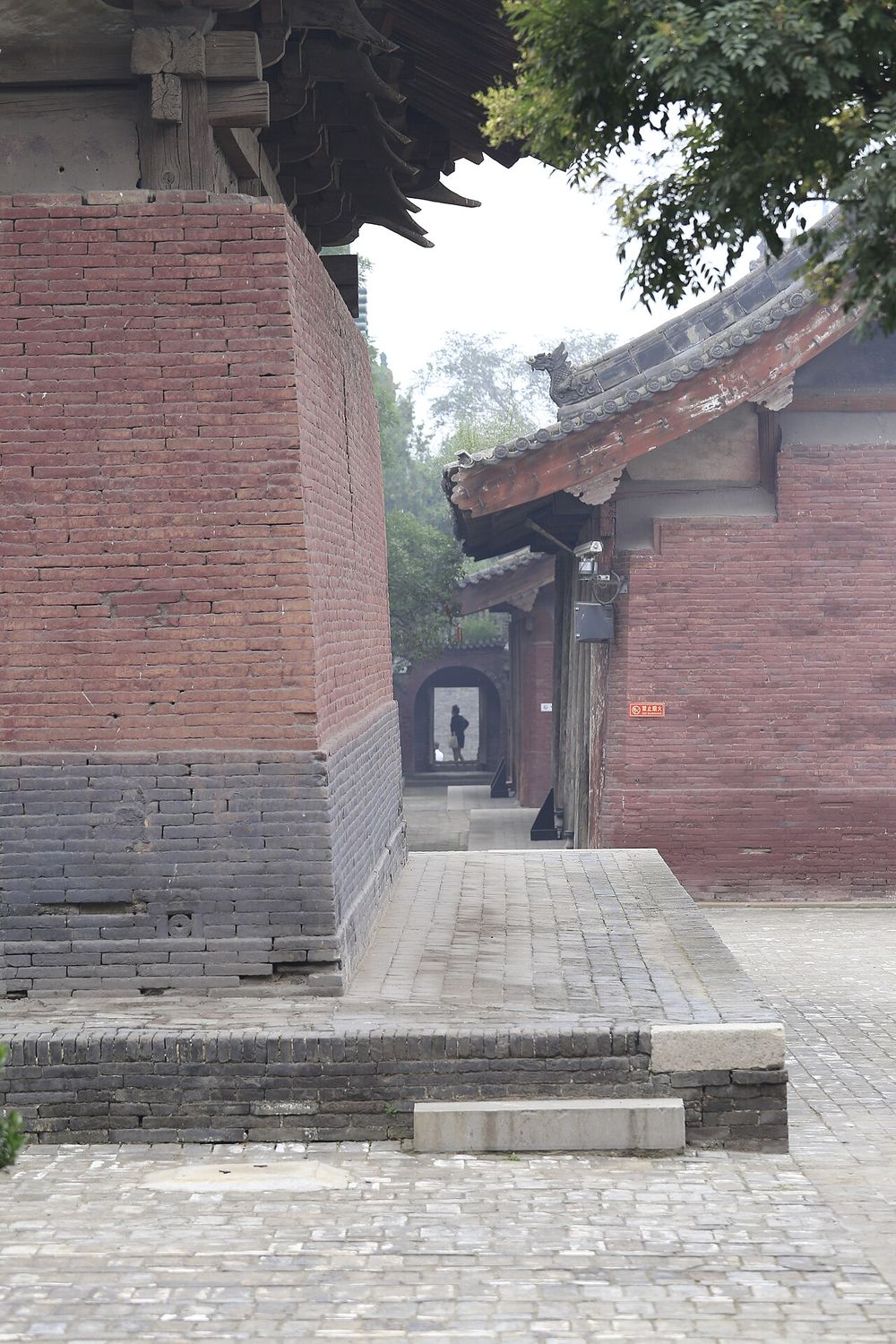
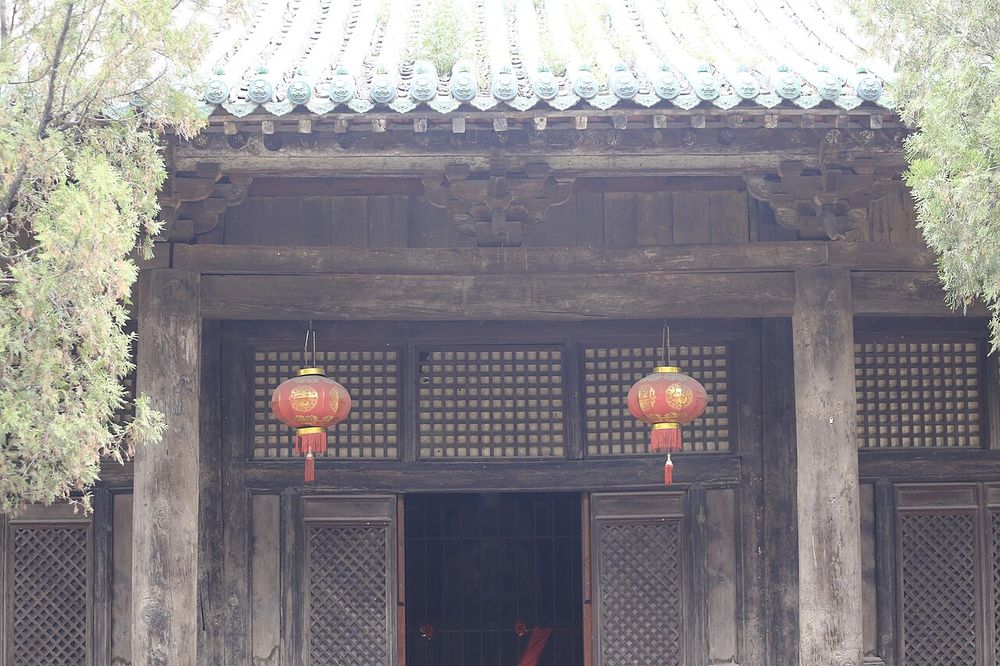
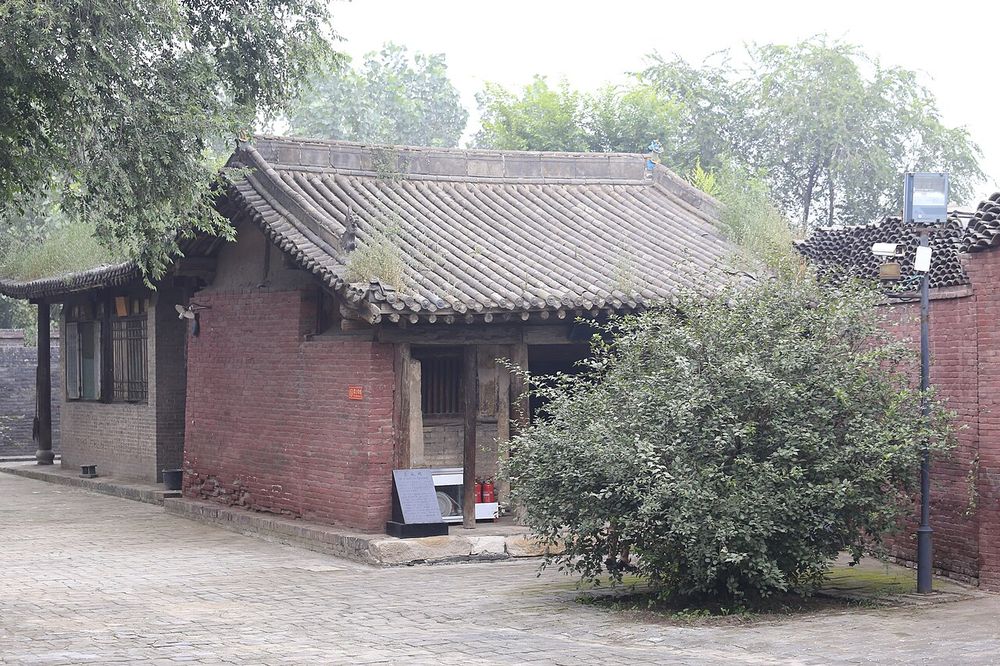
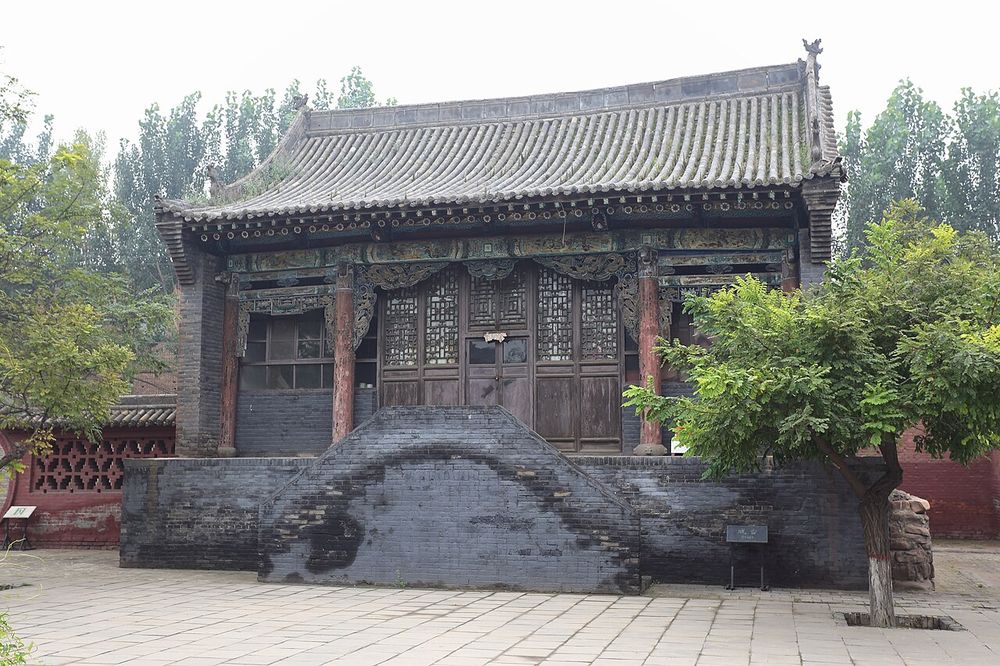
Six kilometres south-west of Pingyao, at Qiaotou village, a temple stands behind an earth wall faced with brick, like a little walled town. A Song stele inside says it was repaired in the second year of Wuping, 571, under the Northern Qi (550–577), so it is older still. It was first called the Zhongdu Temple and took its present name about the Song dynasty (960–1279).
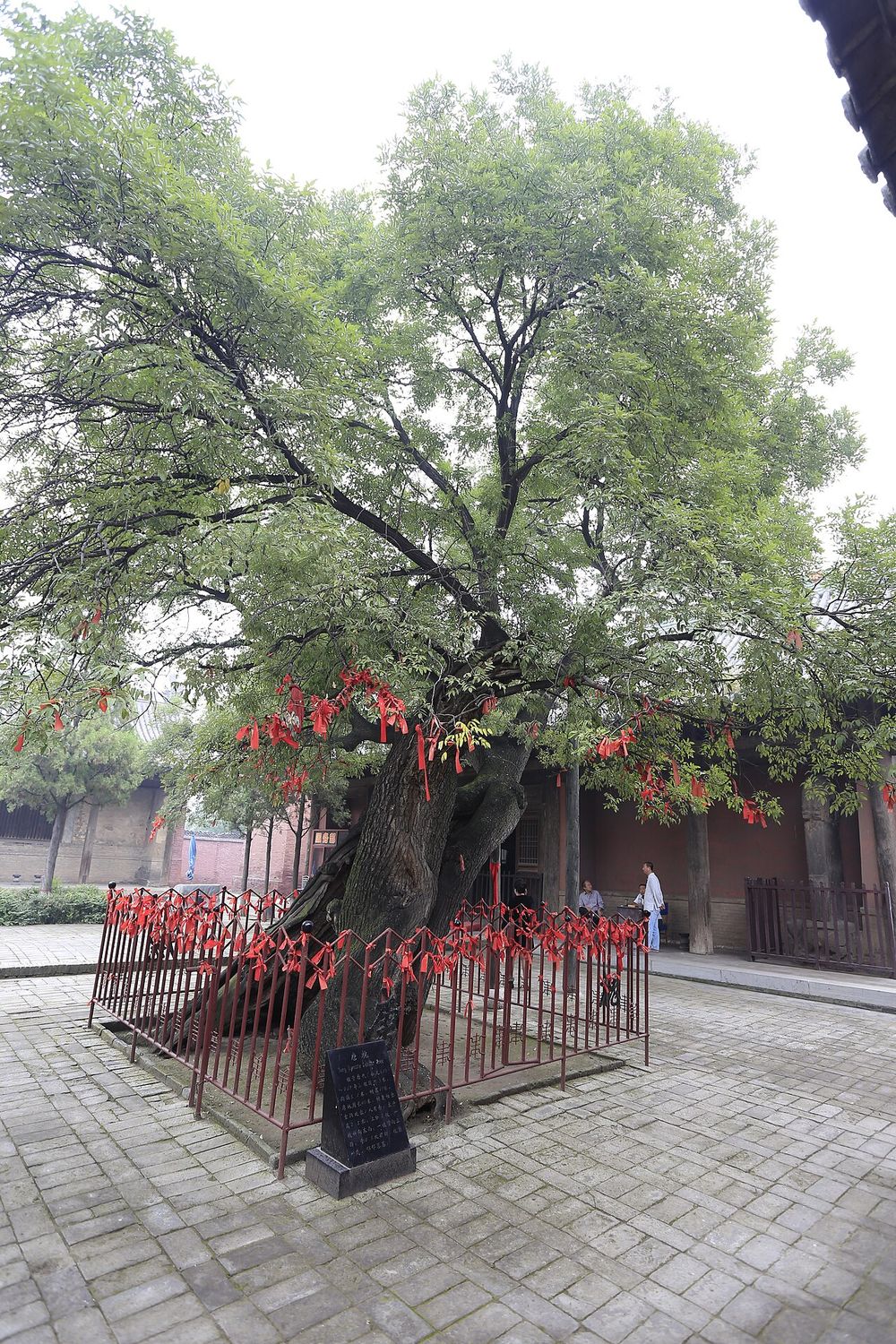
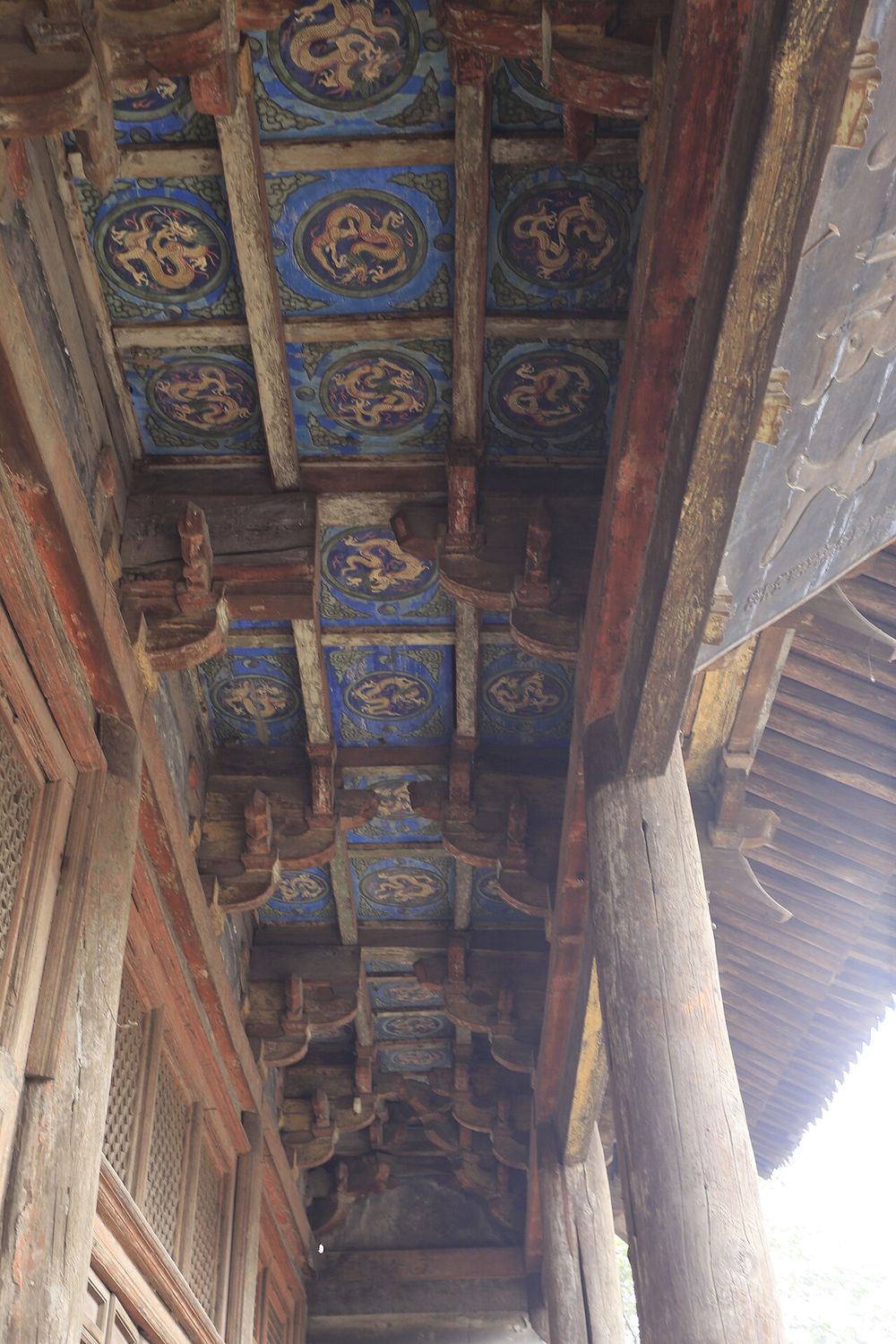
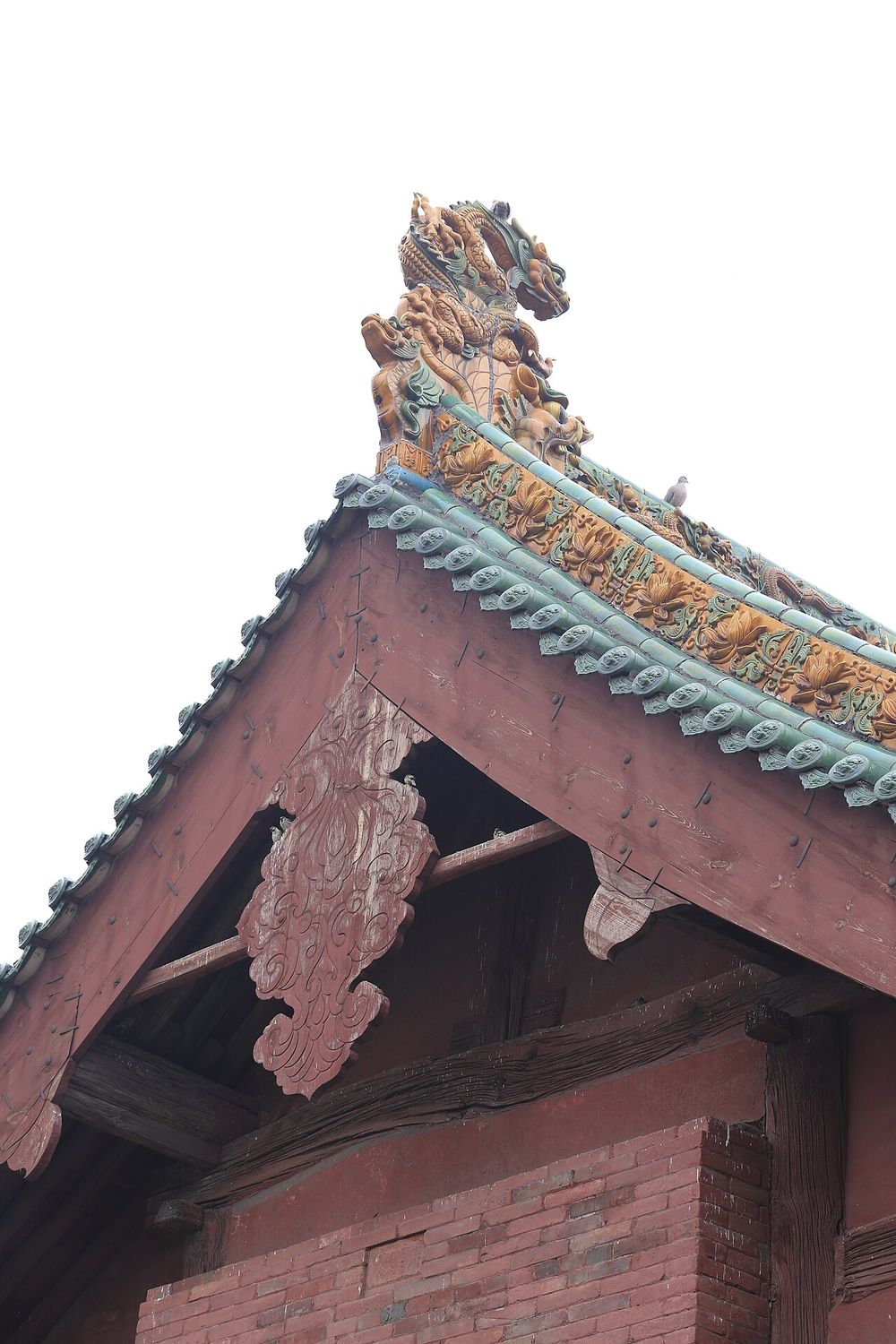
Shuanglin means "twin trees": the Buddha passed into nirvana between two sala trees. The halls you see are mostly Ming and Qing (1644–1912). In them stand about 2,056 painted clay figures, from thirty centimetres to over three metres tall. They are not behind glass. You stand a step away from them.
One ticket covers all the halls.
| Part | Ticket |
|---|---|
| Outer court: Heavenly Kings, Shakyamuni, Arhat halls | Main ticket |
| Inner court: Thousand Buddhas, Bodhisattva, Daxiong halls | Main ticket |
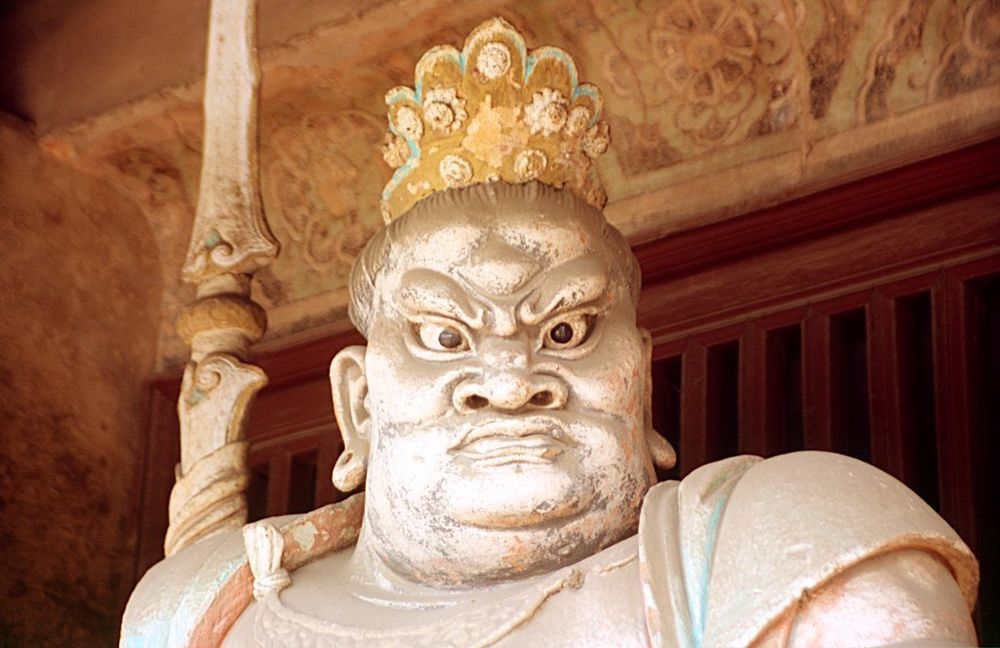
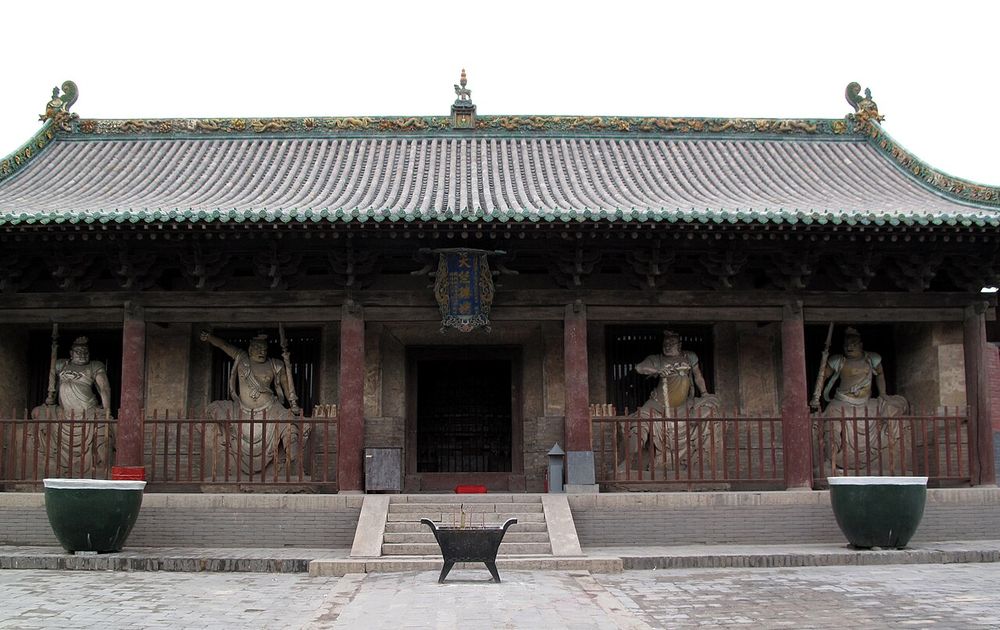
The guardian god Weituo stands ready, his body twisting one way and his head turning the other, his eyes following you. Many Chinese sculptors call him the finest Weituo in the country.
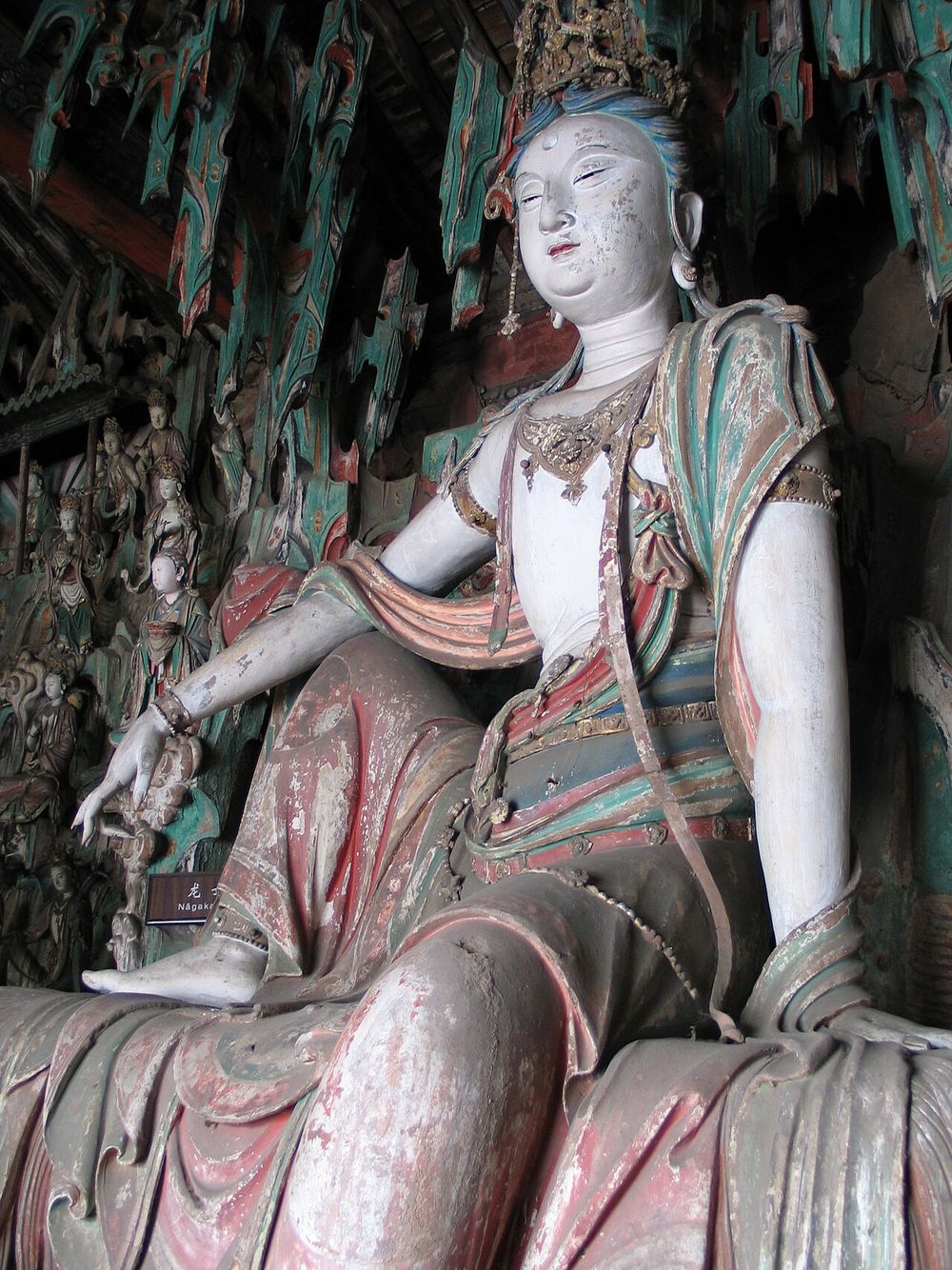
Then look for the Guanyin at ease, sitting with one knee raised, relaxed, almost smiling. The makers' names are lost. They worked in the Ming (1368–1644), for village patrons.
"It is inside Pingyao." It is six kilometres out of town, with its own ticket.
"The figures are stone." They are clay over wood and straw, painted and gilded, and very fragile.
We searched Chinese sources first for this list, then English ones.
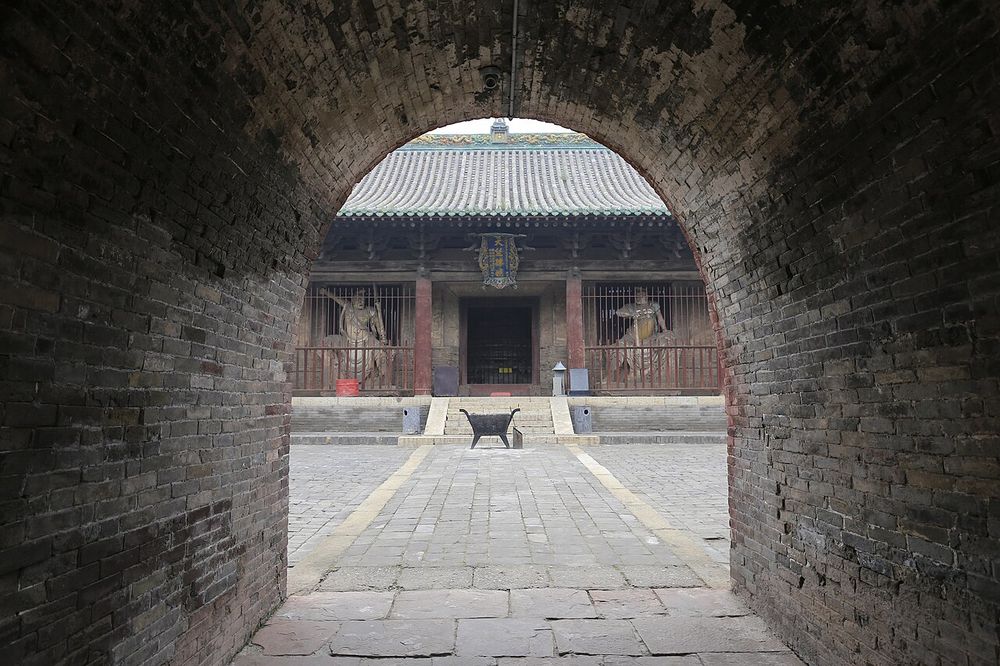
The temple has two courts of halls. Go round the outer court first, then the inner. Allow one and a half hours; the halls are dim, so let your eyes adjust.
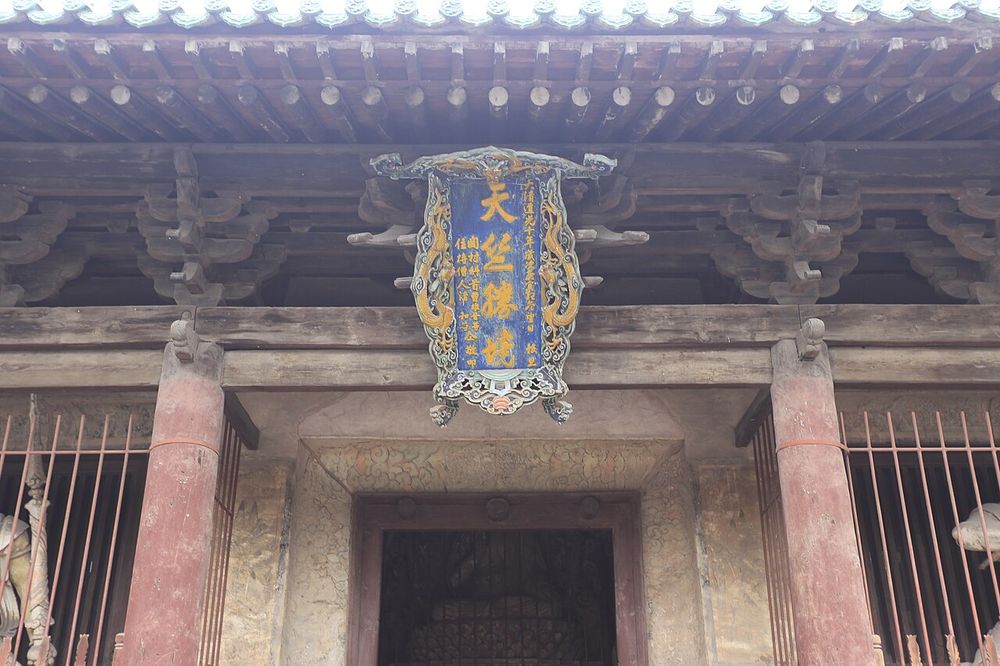
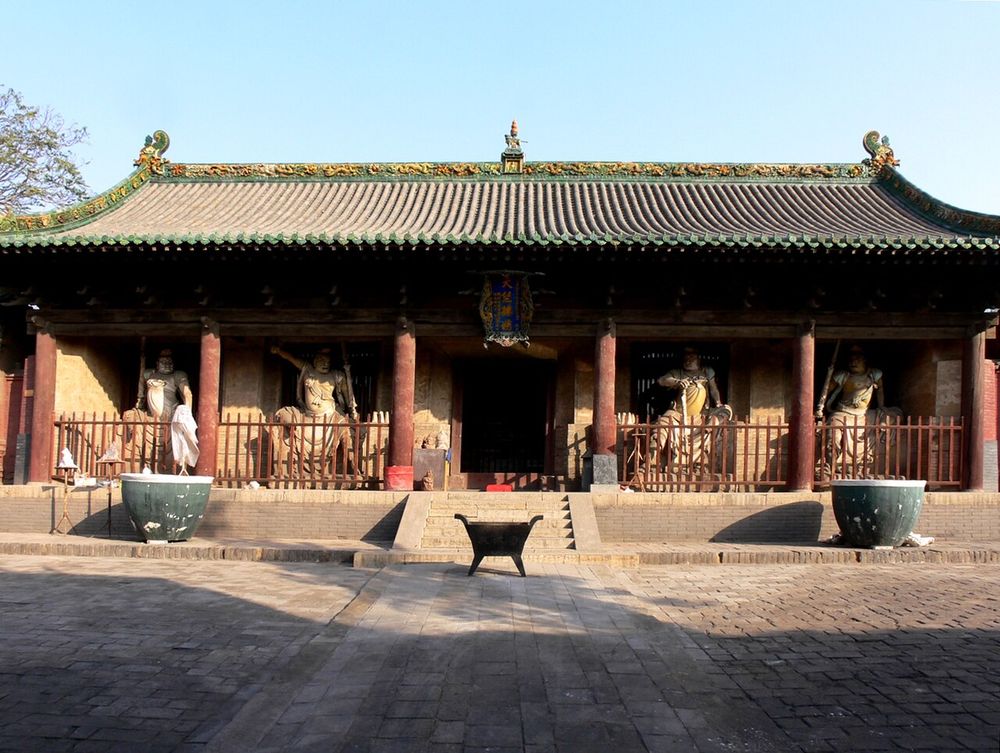
Four great kings guard the gate, holding a lute, a sword, a snake and an umbrella. Together they stand for good weather for the crops: wind, rain, timeliness and plenty.
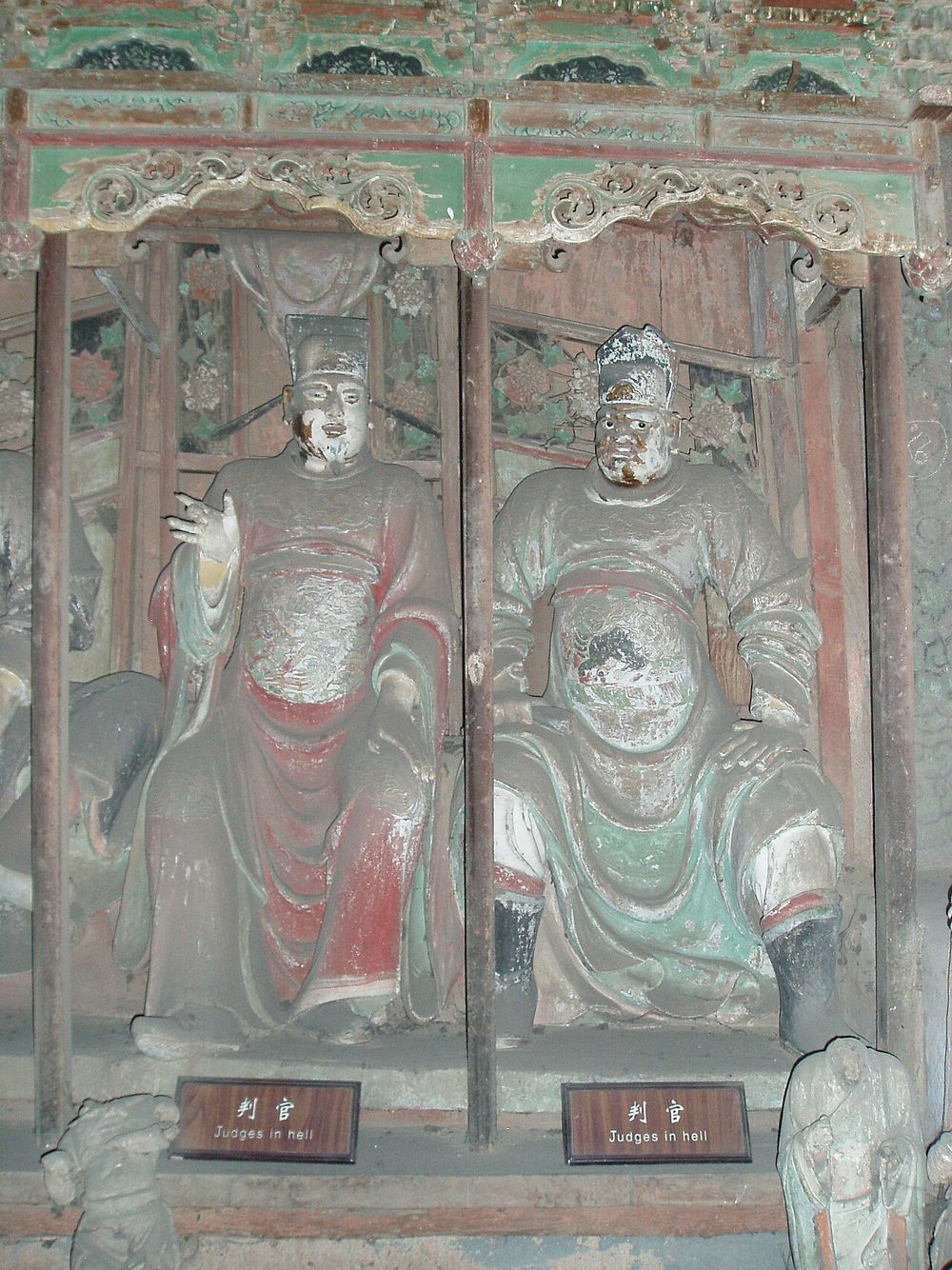
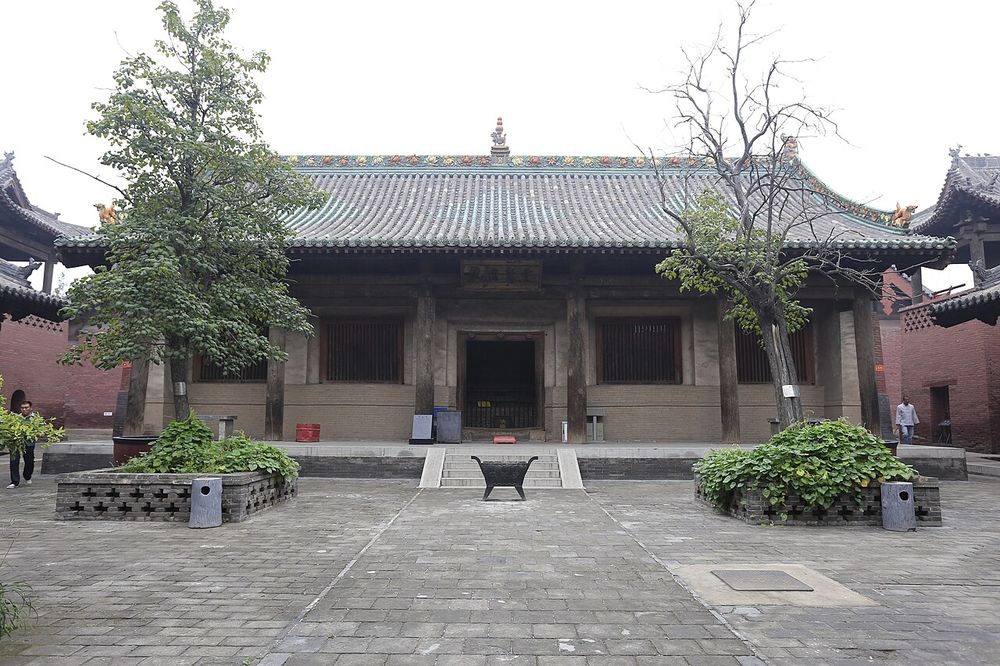
The walls are covered with small figures and buildings modelled in clay that seem to hang in the air. They tell the life of the Buddha, scene by scene, like a picture book in relief.
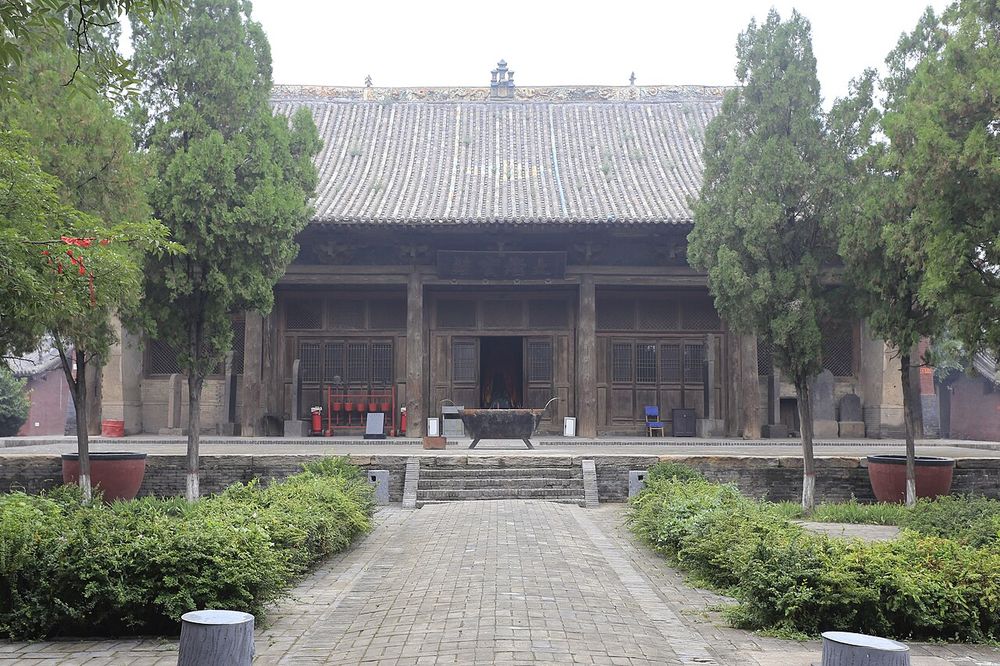
Eighteen arhats sit round the walls, each a different person: thin, fat, old, laughing, angry. One of them is called the mute arhat: his lips are pressed shut, as if he wants to speak and cannot.
This is the hall most people come for. Weituo stands to one side; the Guanyin at ease sits among hundreds of small Buddhas.
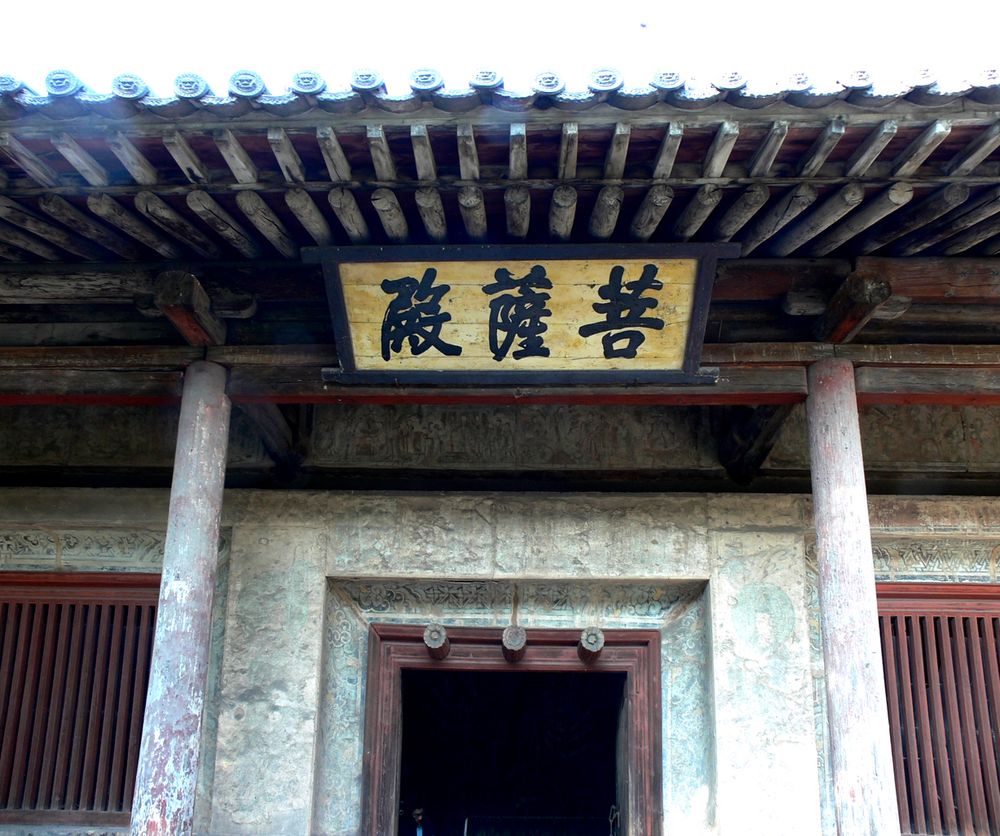
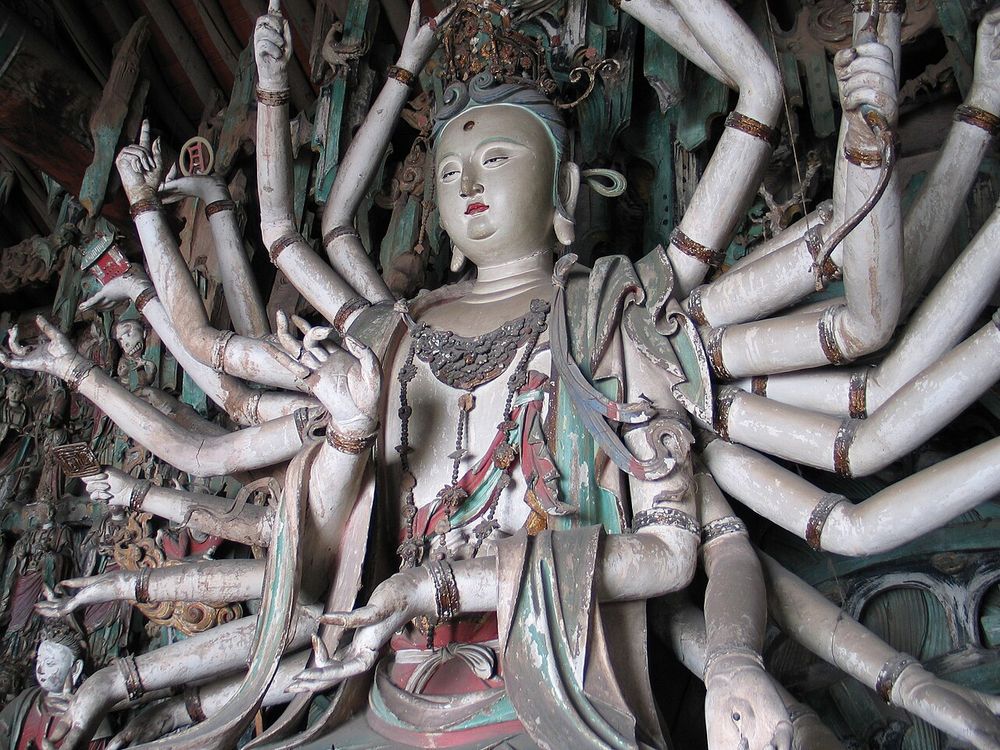
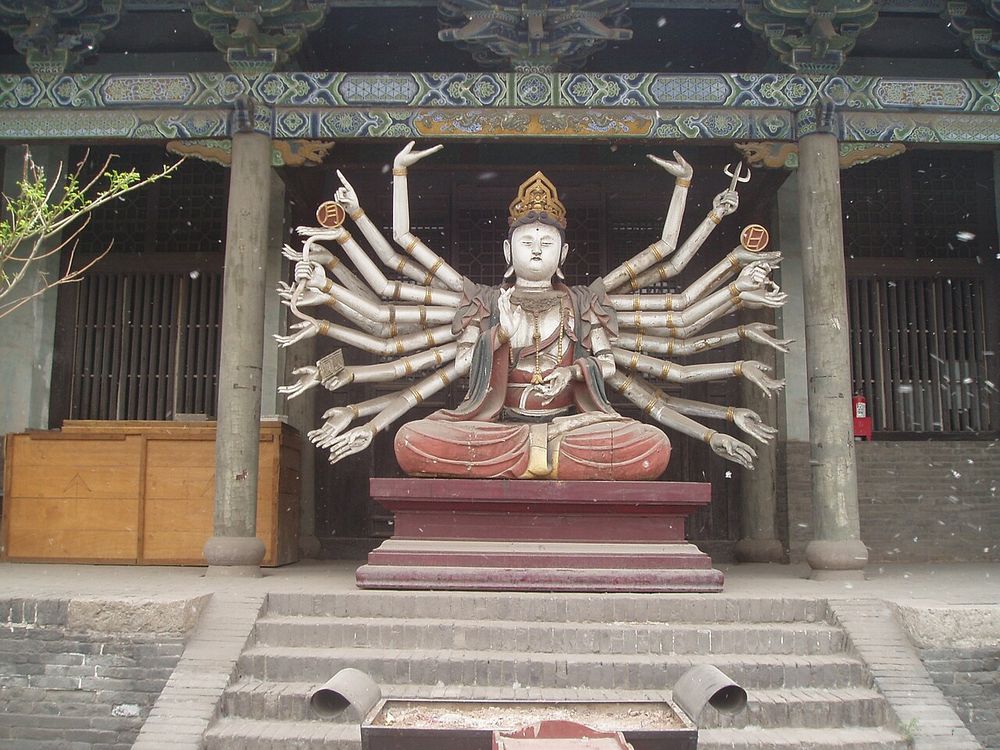
Guanyin with a thousand arms fans out behind her, each hand with an eye in its palm, to see and help all beings.
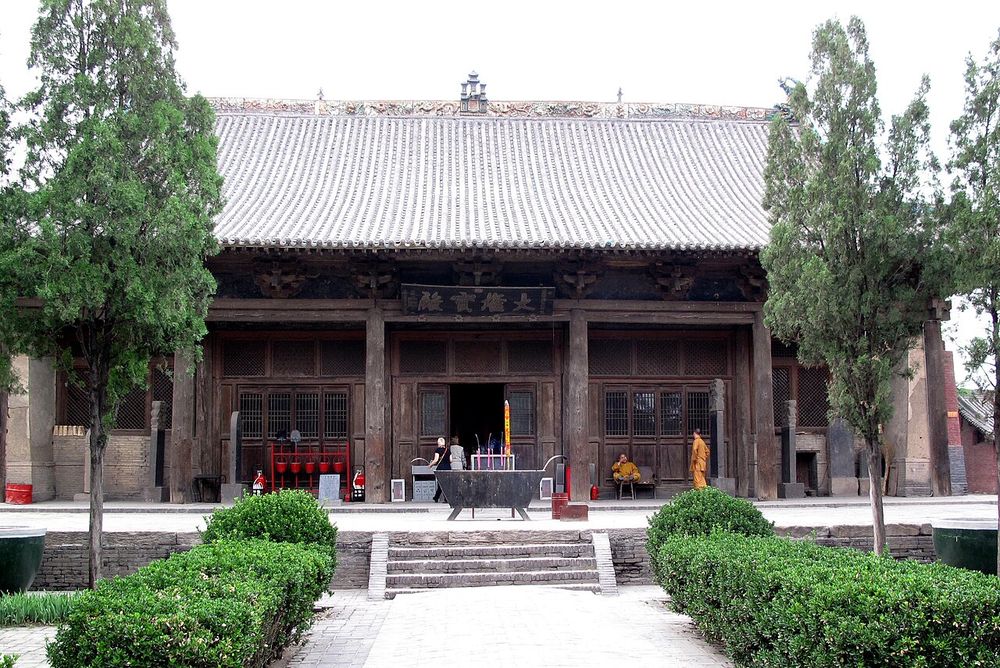
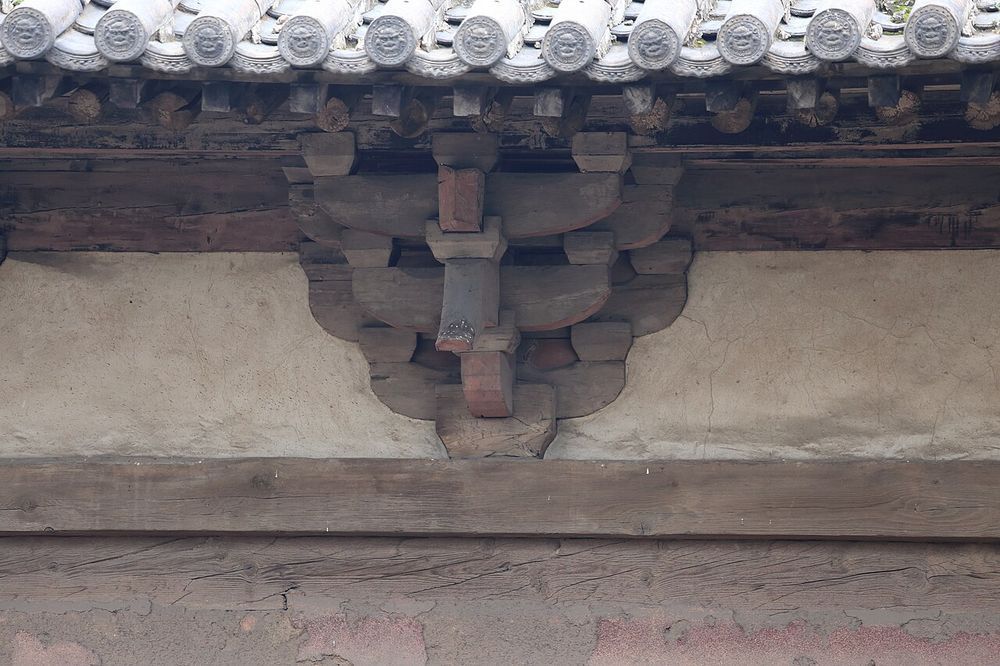
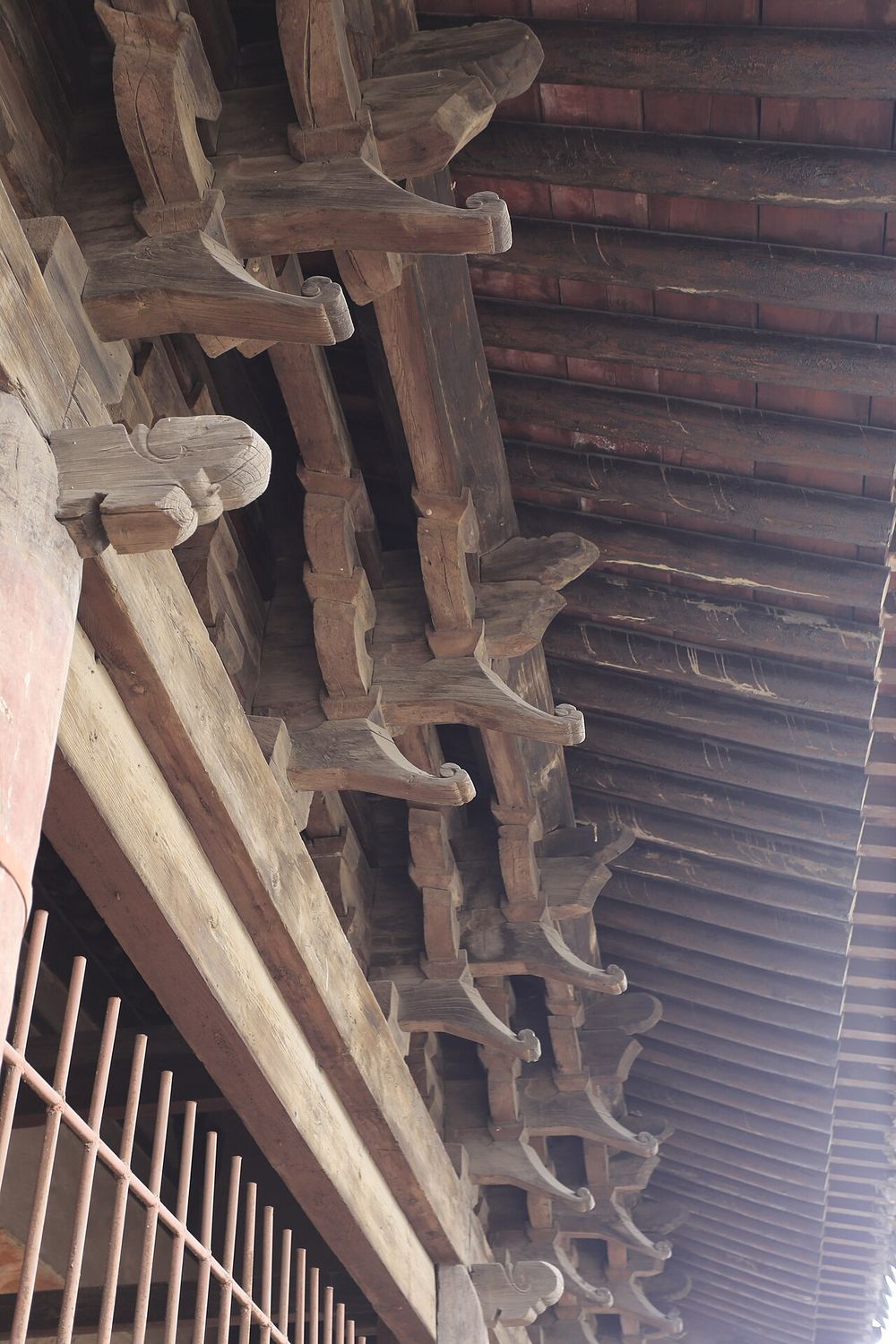
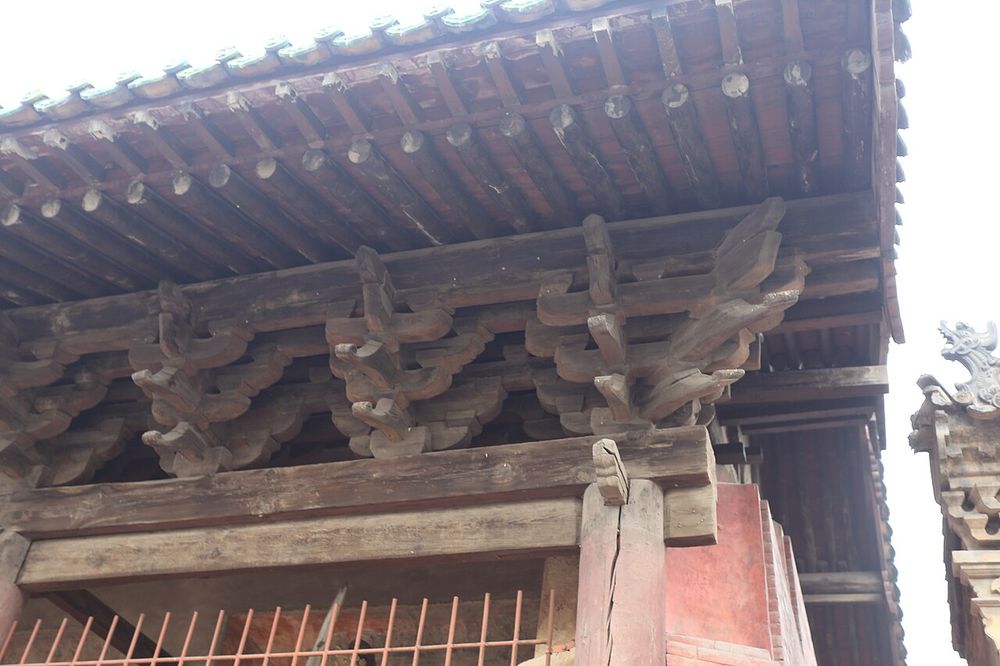
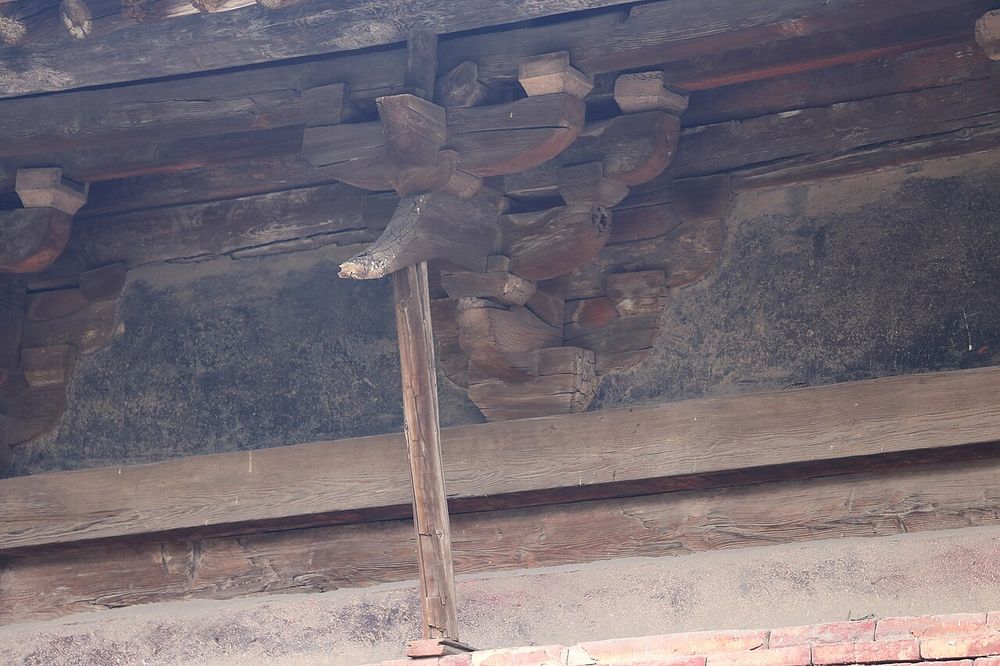
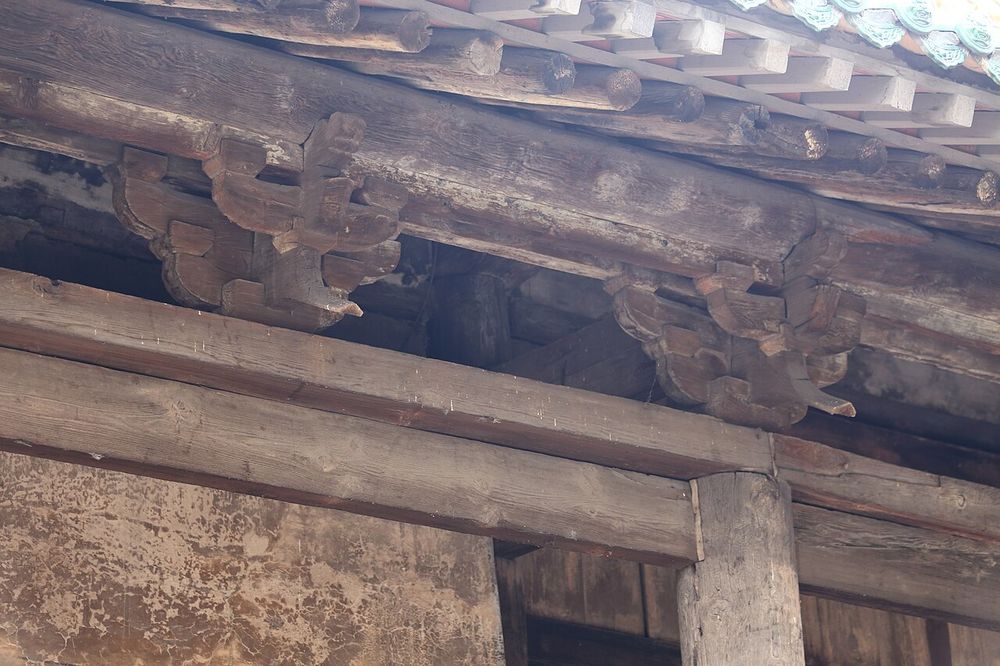
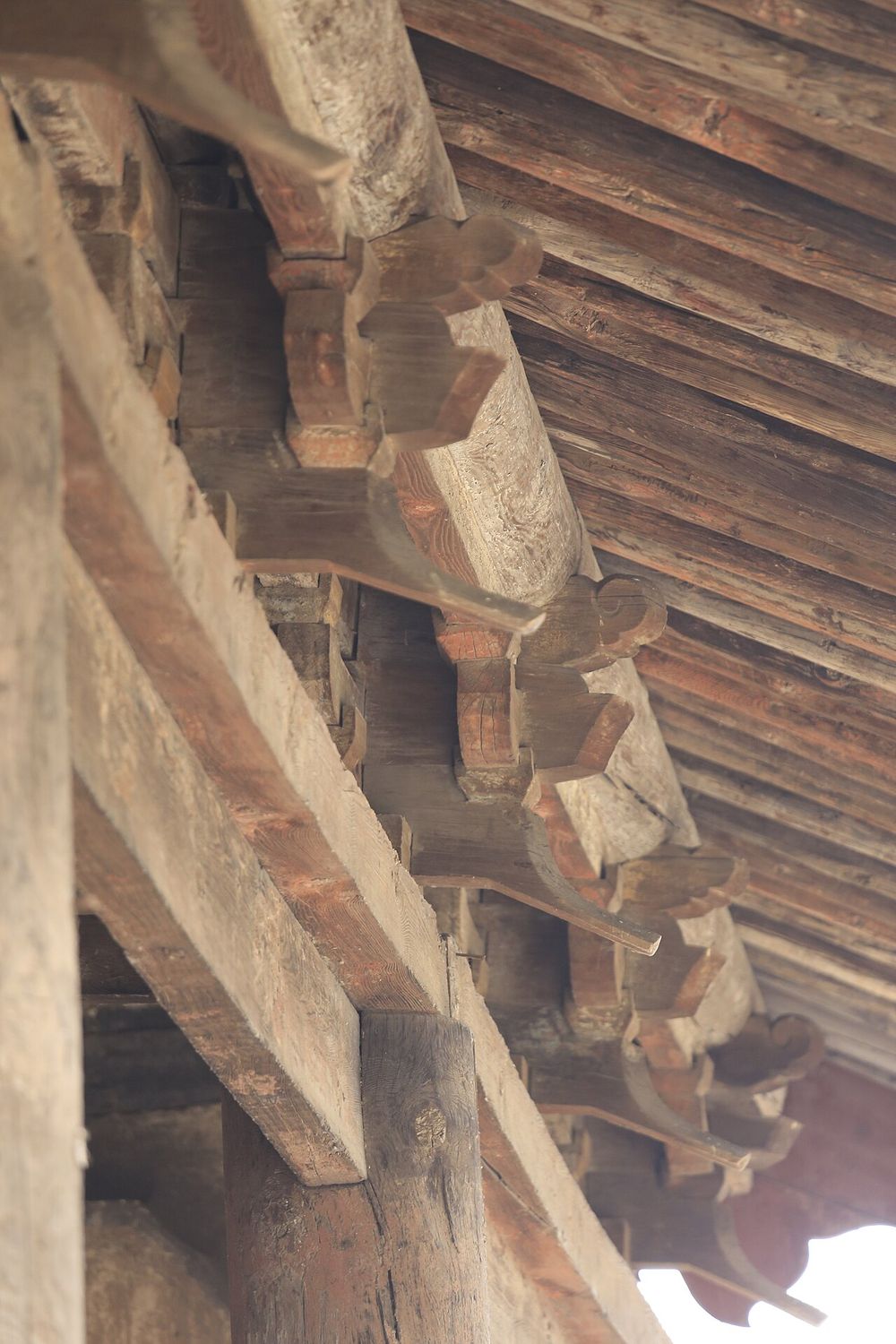
The main hall of the inner court holds the great Buddhas. Look up at the brackets and roof beams, which have been repaired many times over five hundred years.
The temple was repaired in 571, the year traditionally given for the birth of the Prophet Muhammad. Most of its figures were made in the Ming, while Michelangelo and the masters of the Renaissance were working in Italy.
| Year | Here | Elsewhere |
|---|---|---|
| 571 | A Song stele records a repair in this year | The traditional year of the Prophet Muhammad's birth |
| 1997 | World Heritage with the Ancient City of Pingyao | Hong Kong returns to China |
One line to remember: two thousand people of clay, a step away from you.
These are stories people tell about this place. They are legends, not history, and each one says where it comes from.
People say that wherever you stand in the Hall of a Thousand Buddhas, Weituo's eyes are on you.
Source: A saying of visitors and guides
Later, people who live here will be able to add the stories they grew up with, and say which of these they have heard.
Last checked 2026-11-12. Pingyao visitor information as given on our Pingyao page (35 yuan); travel reports of 2026.
Checked 2026-11-12
Opening hours are given in the local time of the place. Prices are in the local currency. The figure after ≈ is approximate, at exchange rates checked on 9 November 2026, in .
Stand at the site, sign in, press the button, and collect its stamp. Your browser will ask to use your location. It is sent to us once to confirm that you are at the site; we keep how far you were from it, not the spot where you stood.
Your stamps are saved to your account, so they follow you to any device. Checking from a browser cannot rule out every false location; stricter checks arrive with the app.
Photos here show the place, not people. Each one is credited to the visitor who took it and appears after our team has looked at it. A photo with you in it belongs under “I am here”.