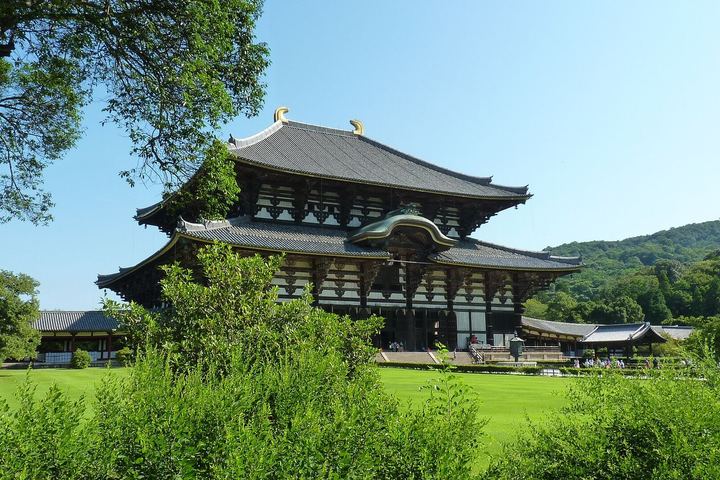
LegendThe Kasuga shrine
The god Takemikazuchi rode from the east of Japan to this hill on the back of a white deer, and the deer of Nara are descended from it.
Source: The founding story of the Kasuga shrine
Nara, Japan
奈良公園 · NAH-rah koh-en
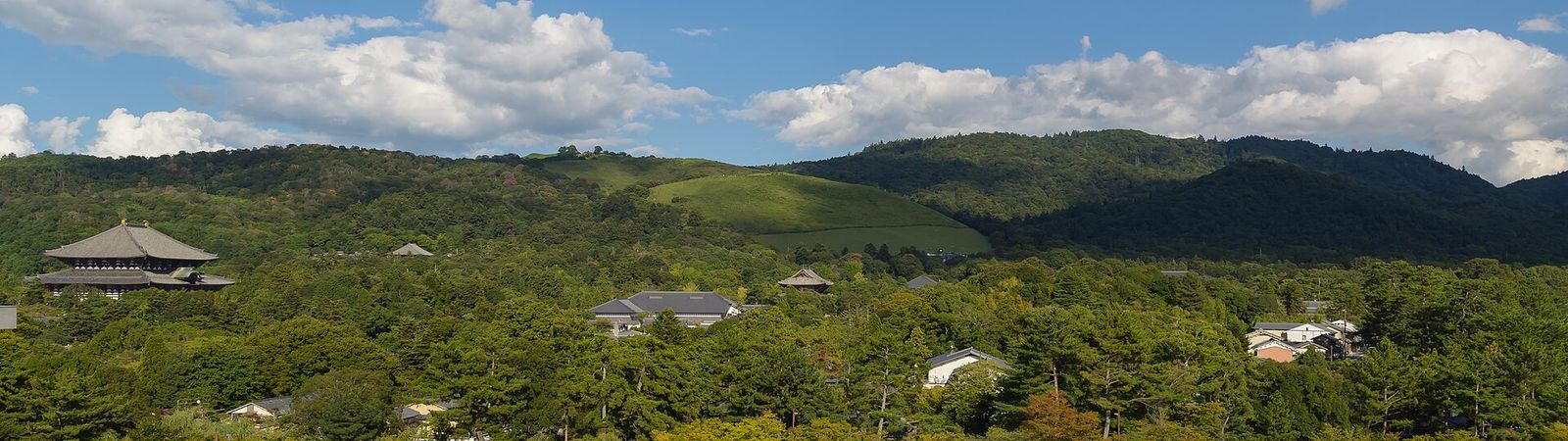
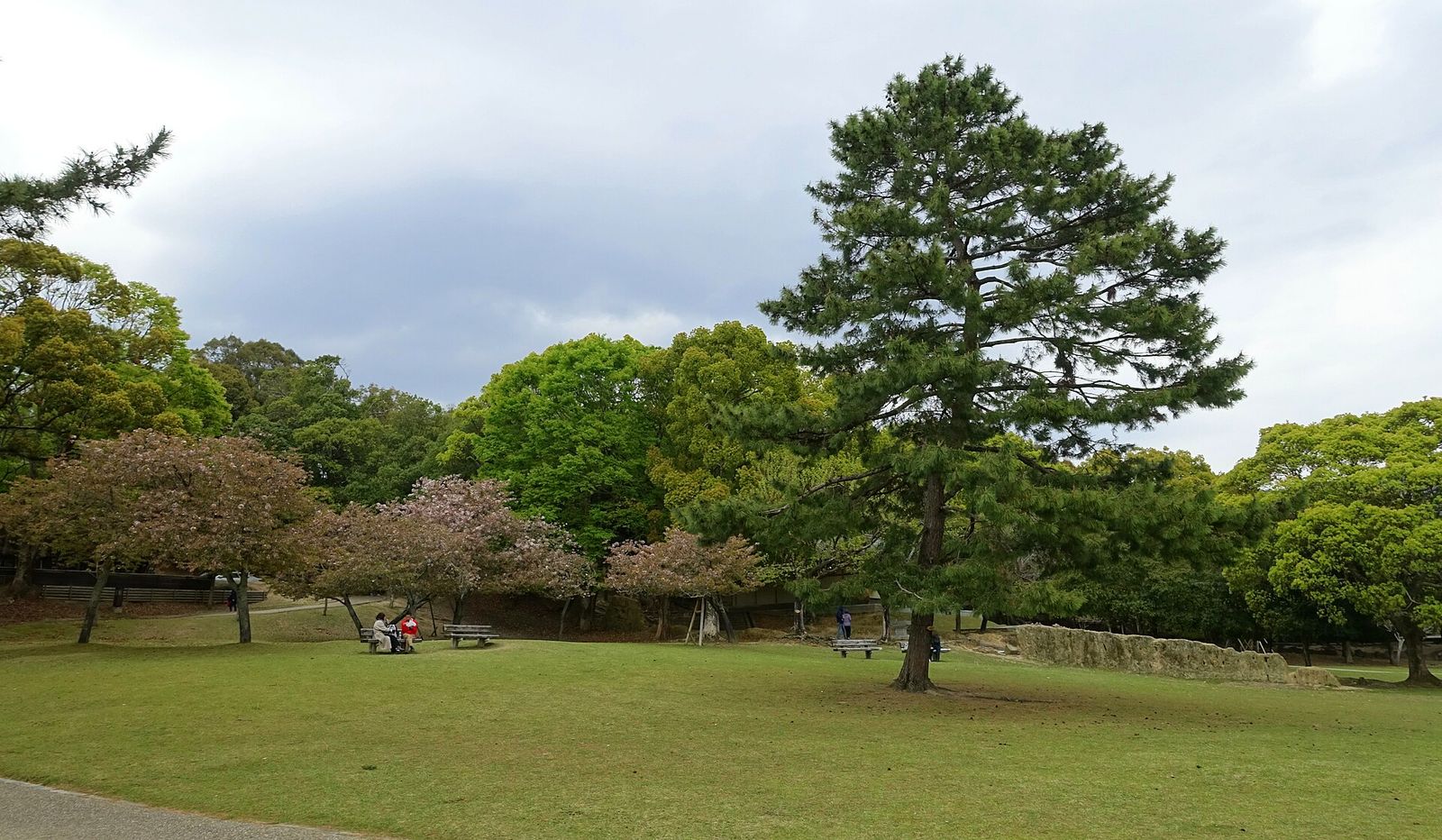
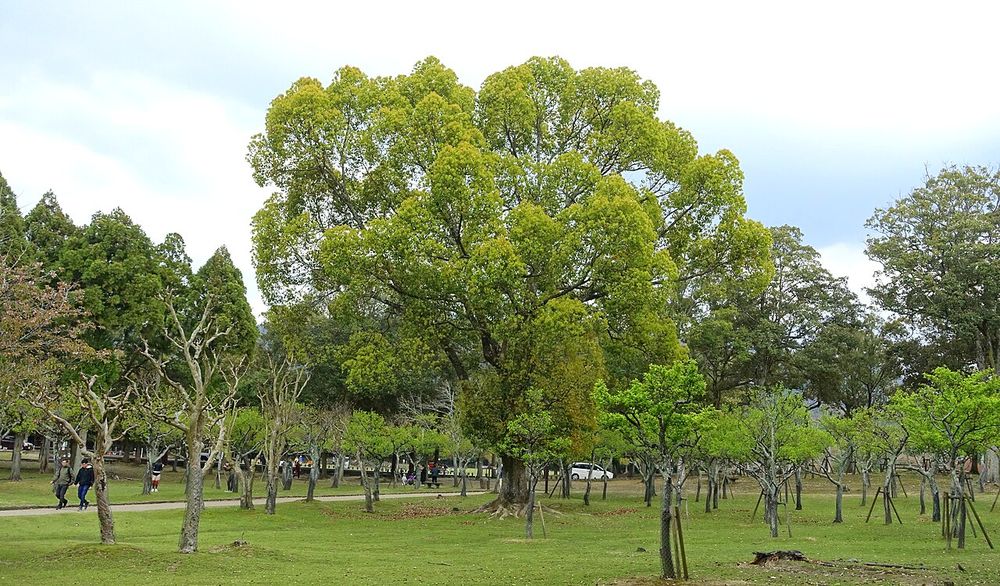
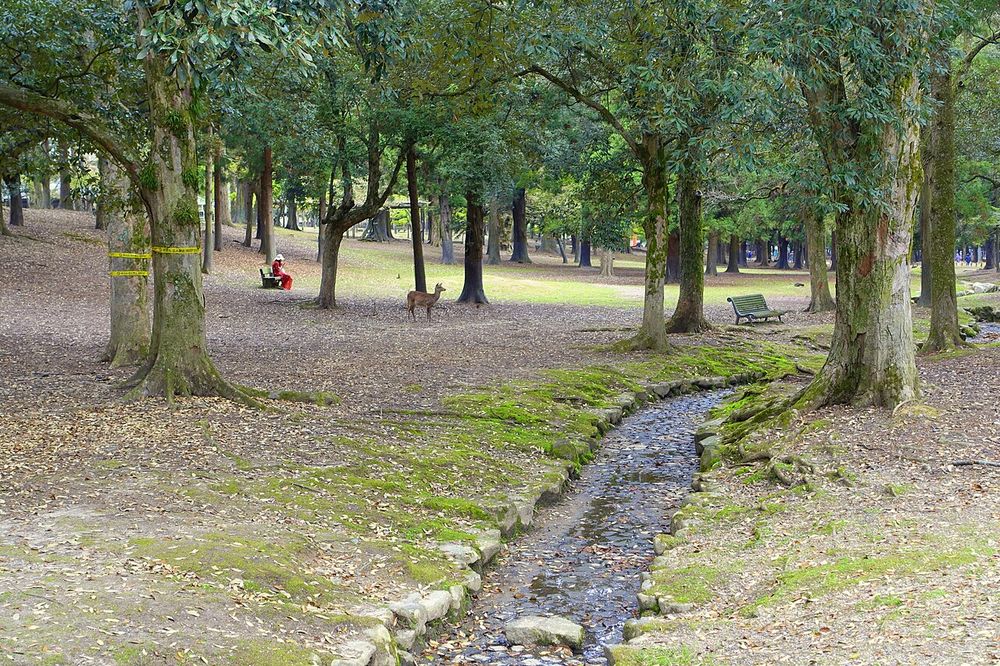
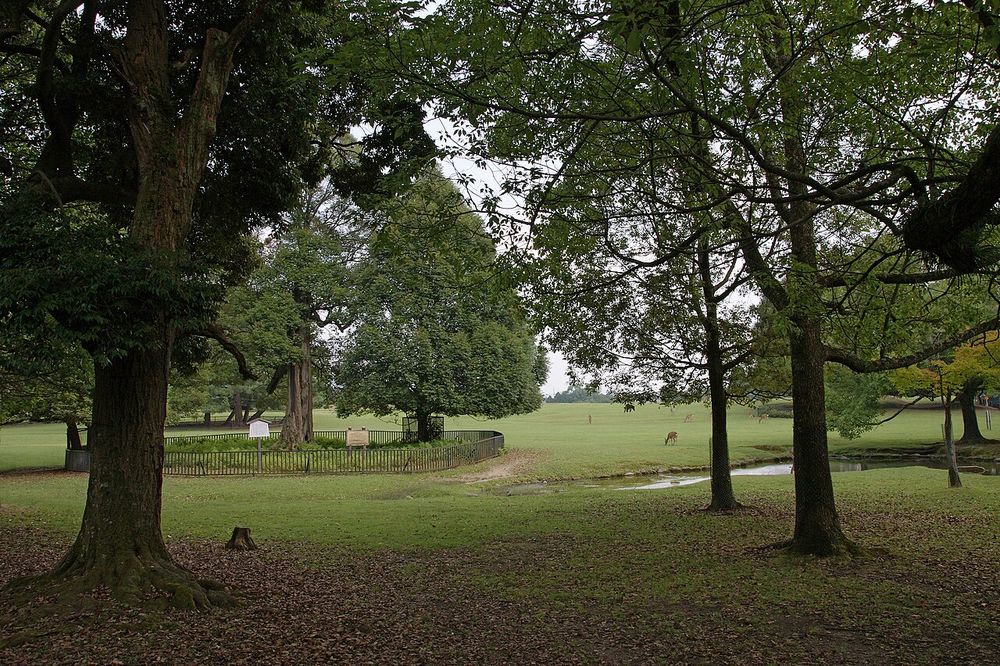
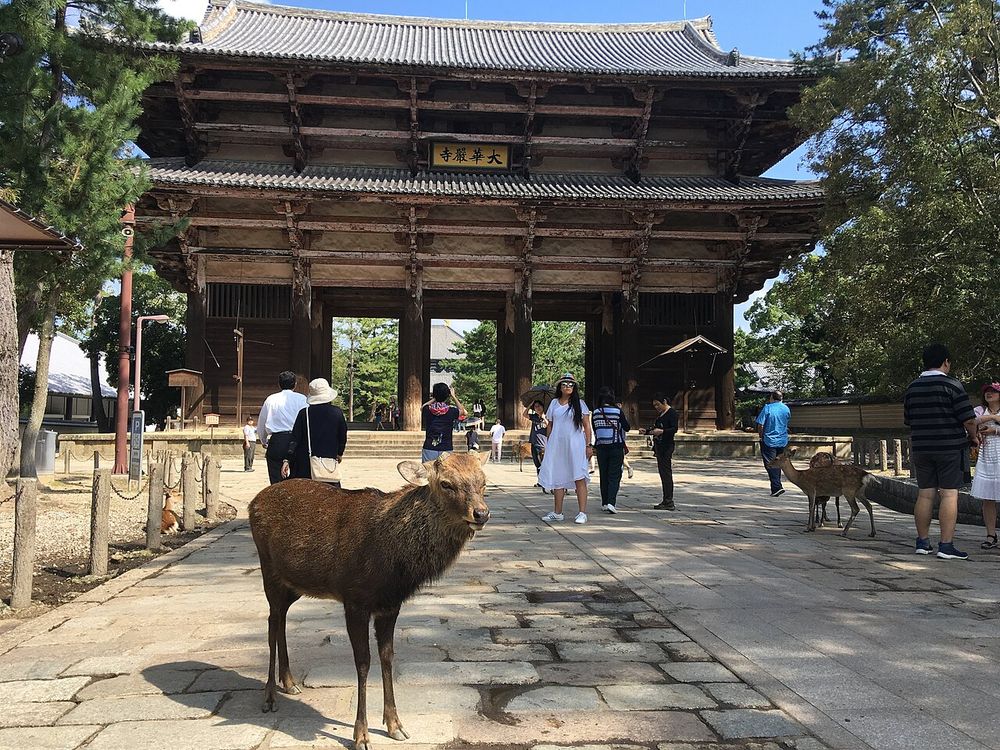
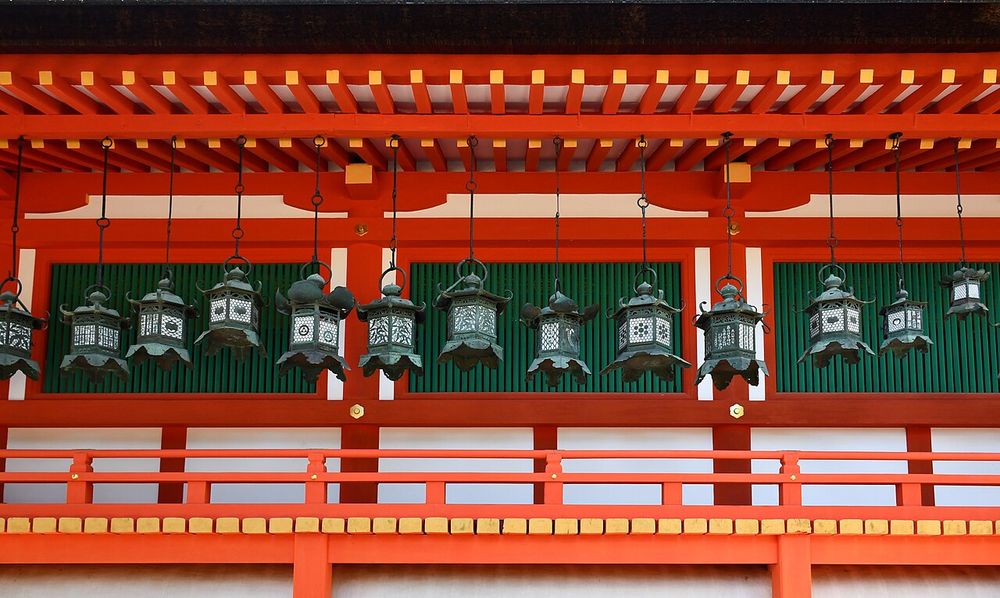
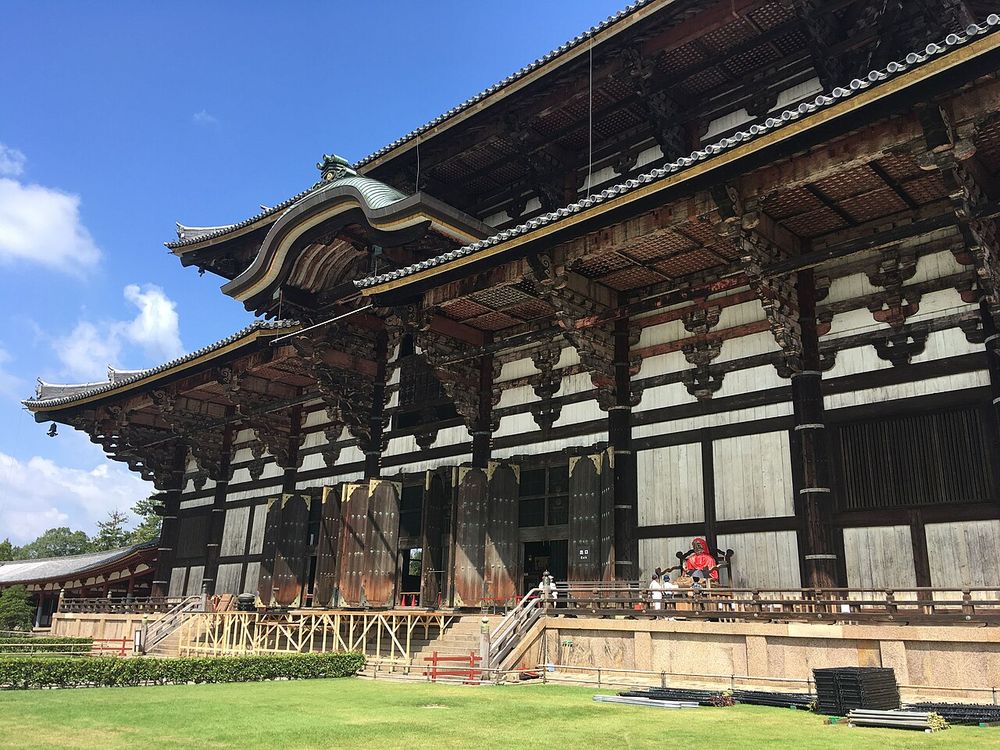
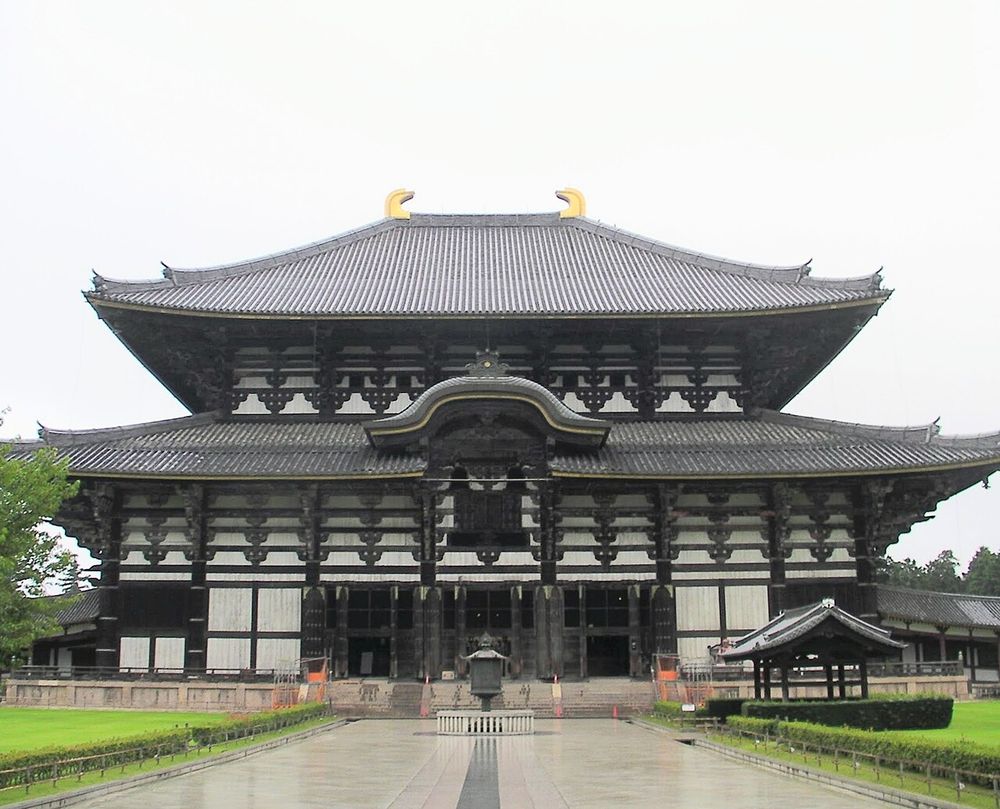
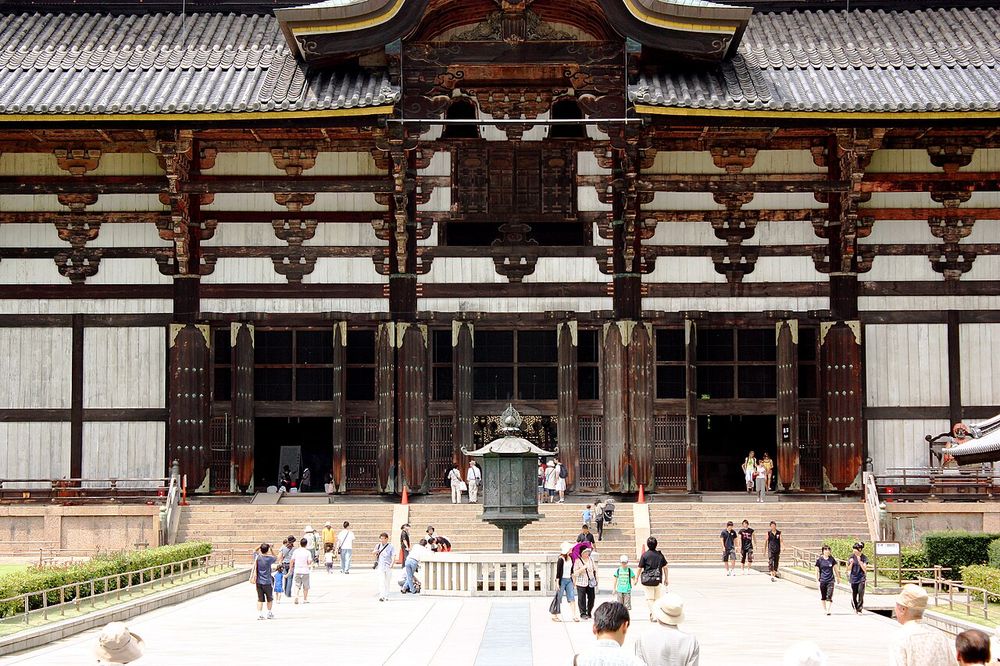
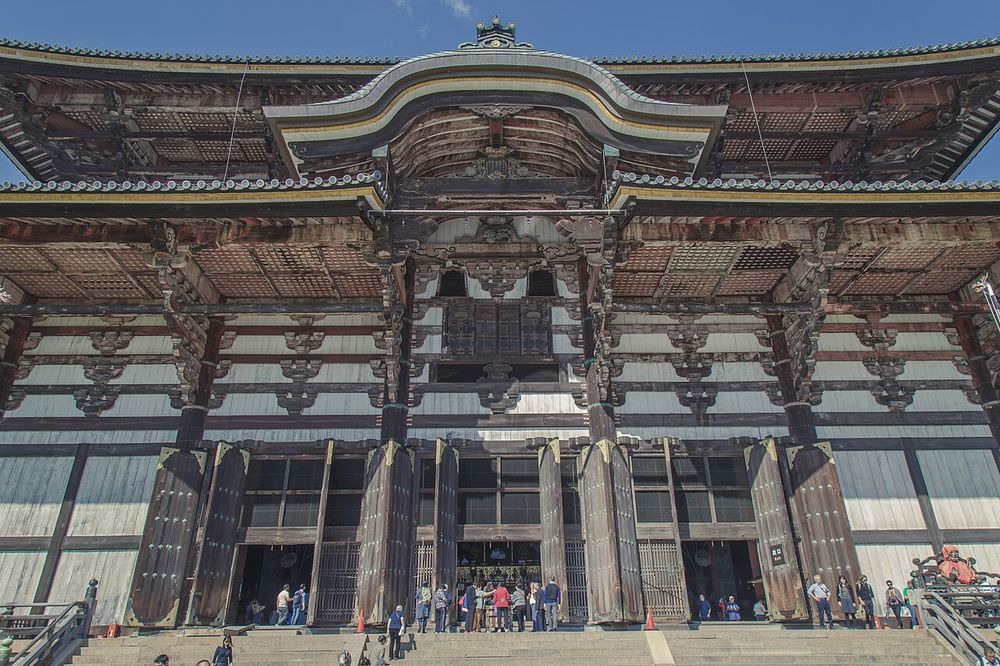
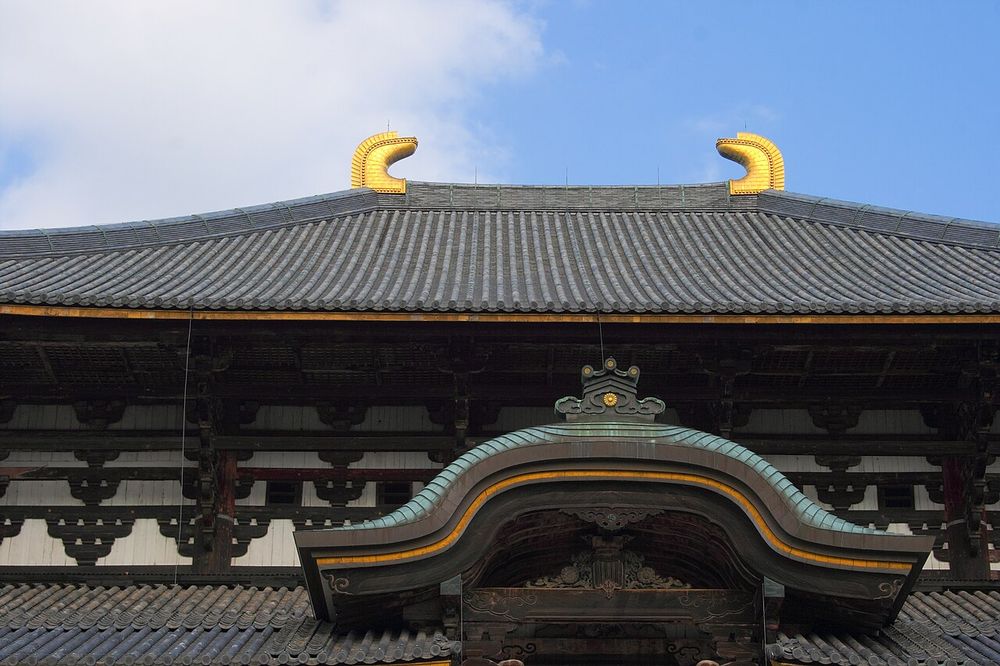
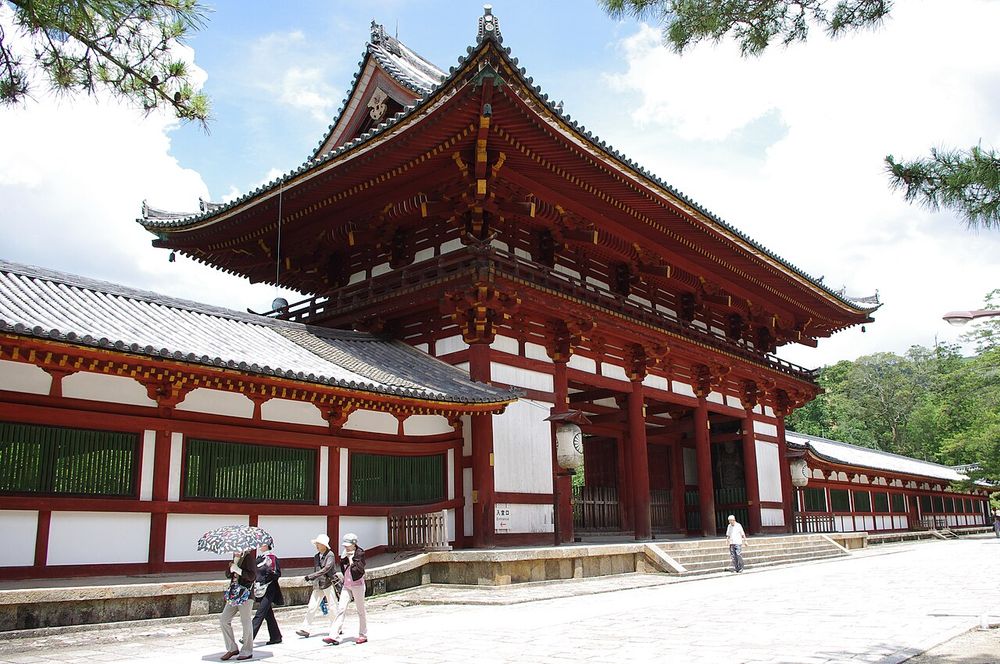
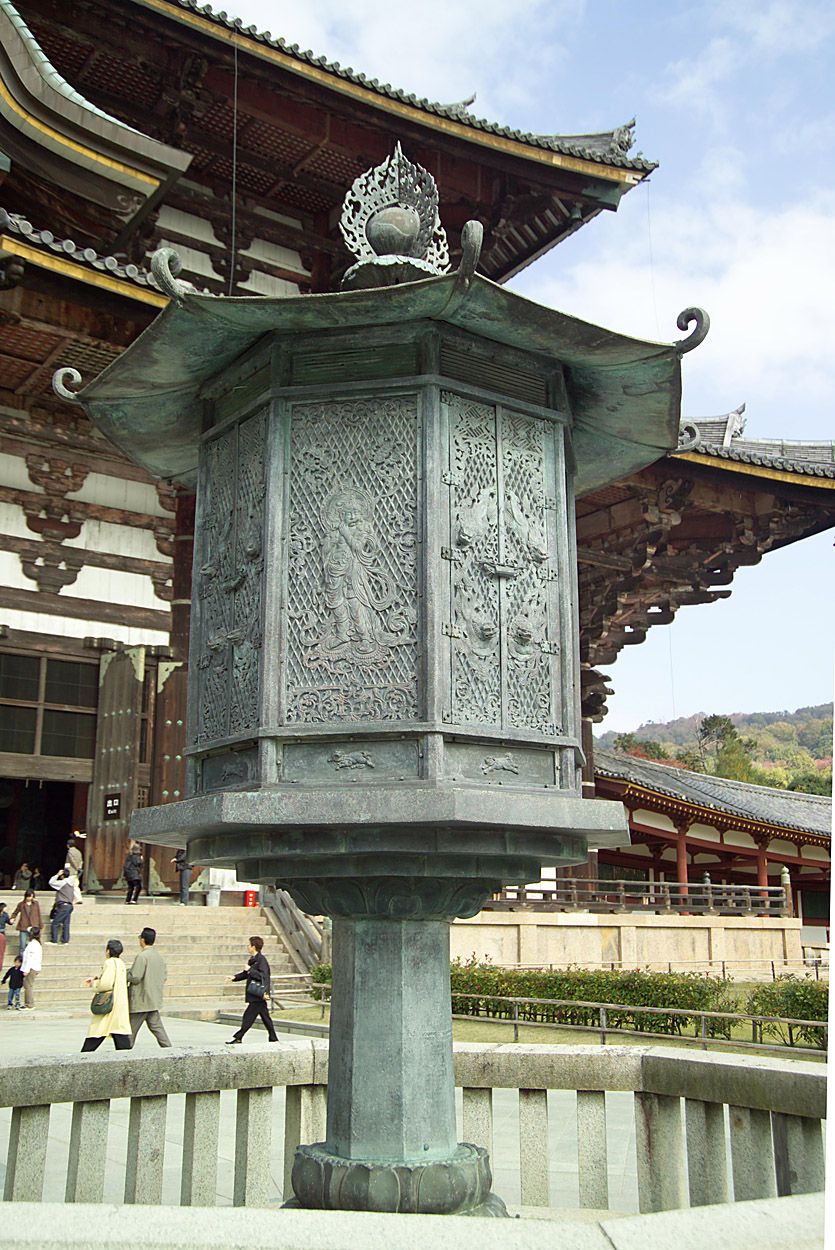
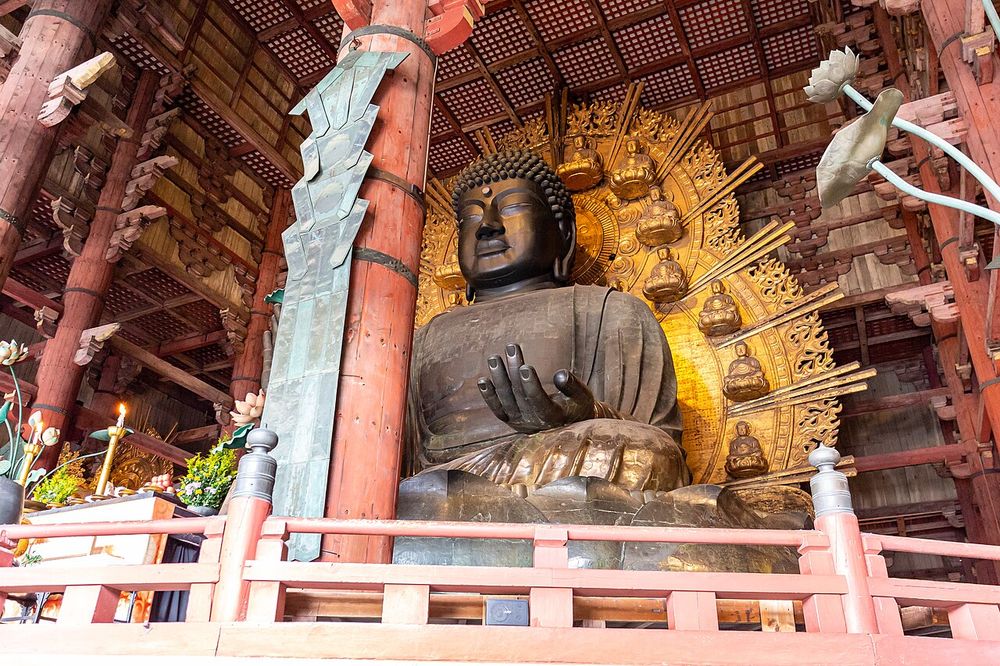
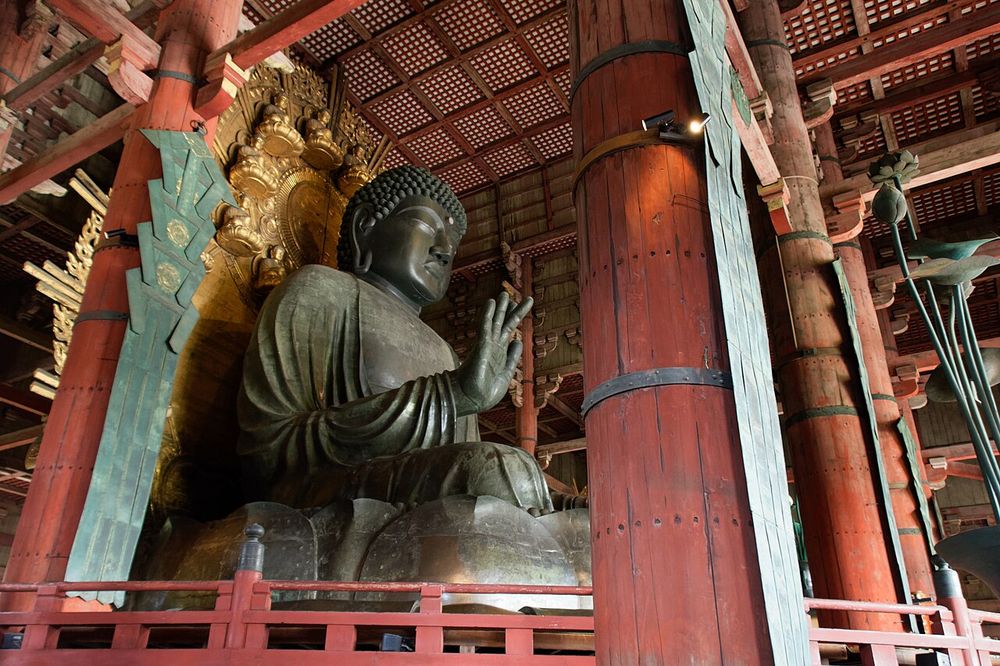
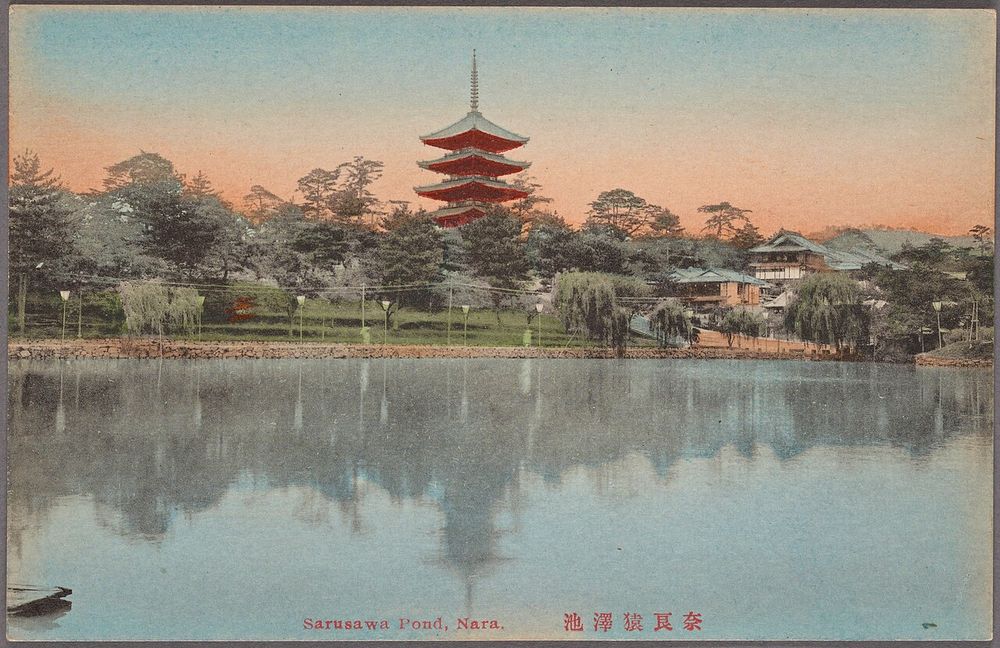
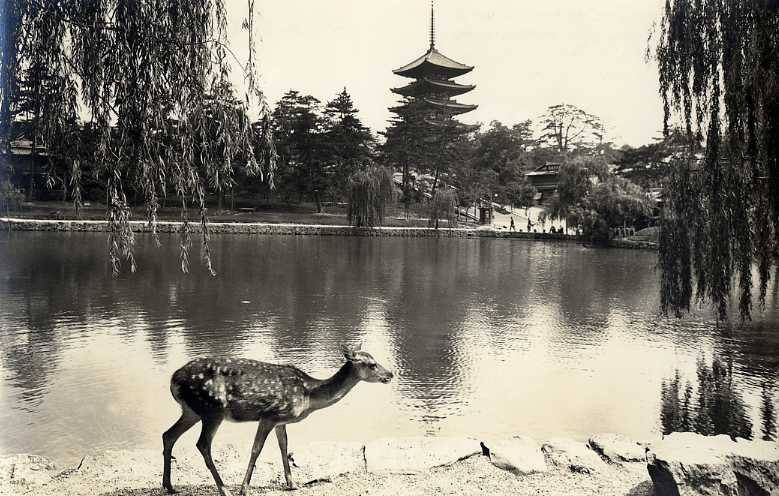
A wide park at the edge of Japan's first lasting capital, where more than sixteen hundred wild deer walk among the visitors. Inside it stand a temple with a giant bronze Buddha, a shrine hung with three thousand lanterns, and a pagoda.
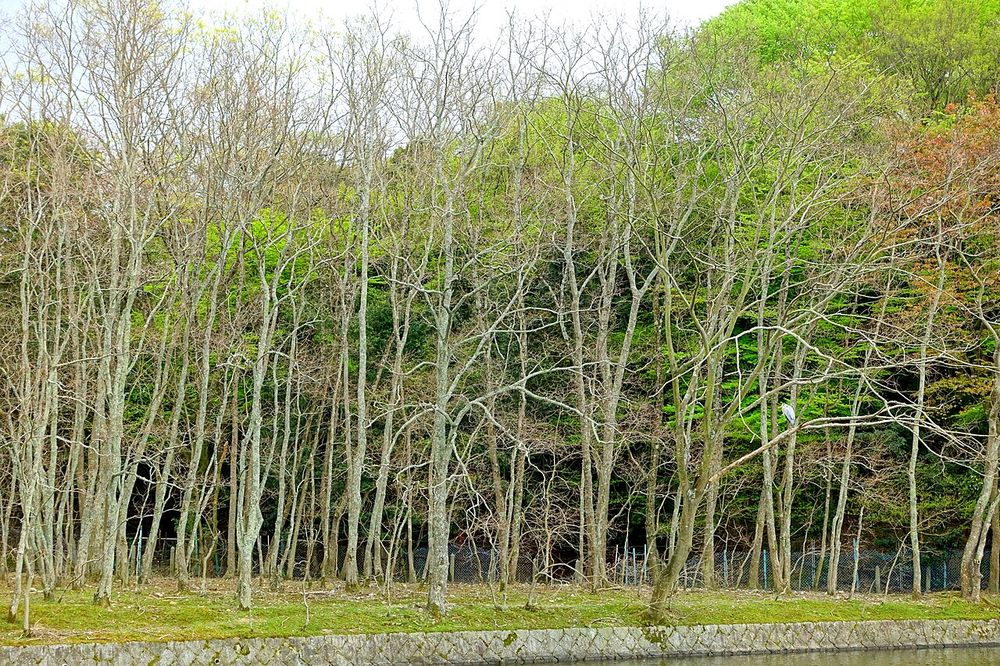
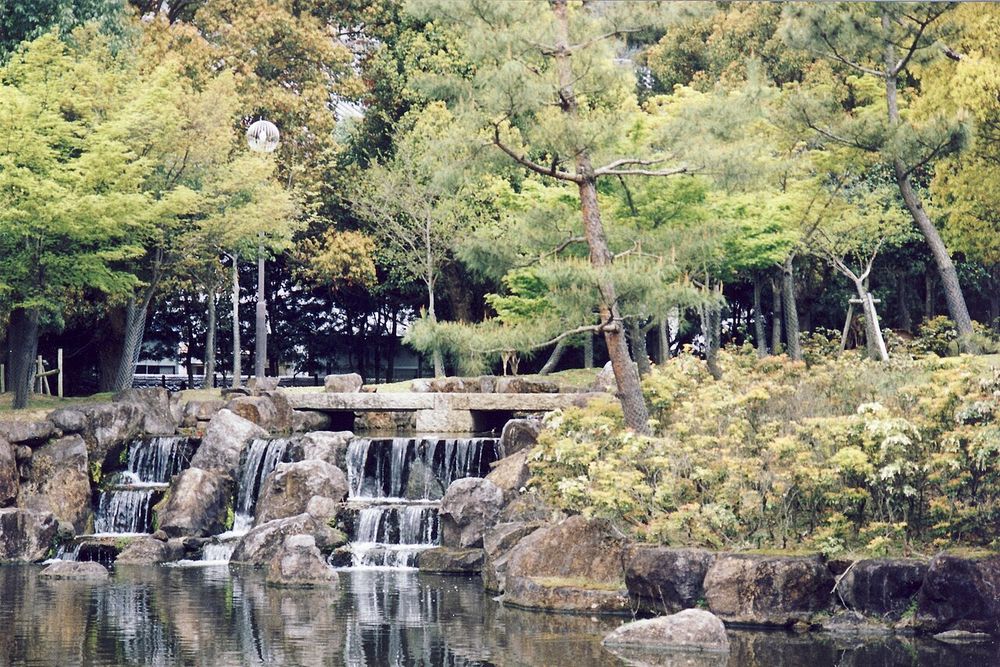
Photo: Degueulasse, CC BY 3.0, Wikimedia Commons
Nara was the capital of Japan from 710 to 784. It was laid out on the plan of Chang'an, the capital of Tang China, and the great temples of that time still stand at its eastern edge. In 1880 the land round them was made a public park.
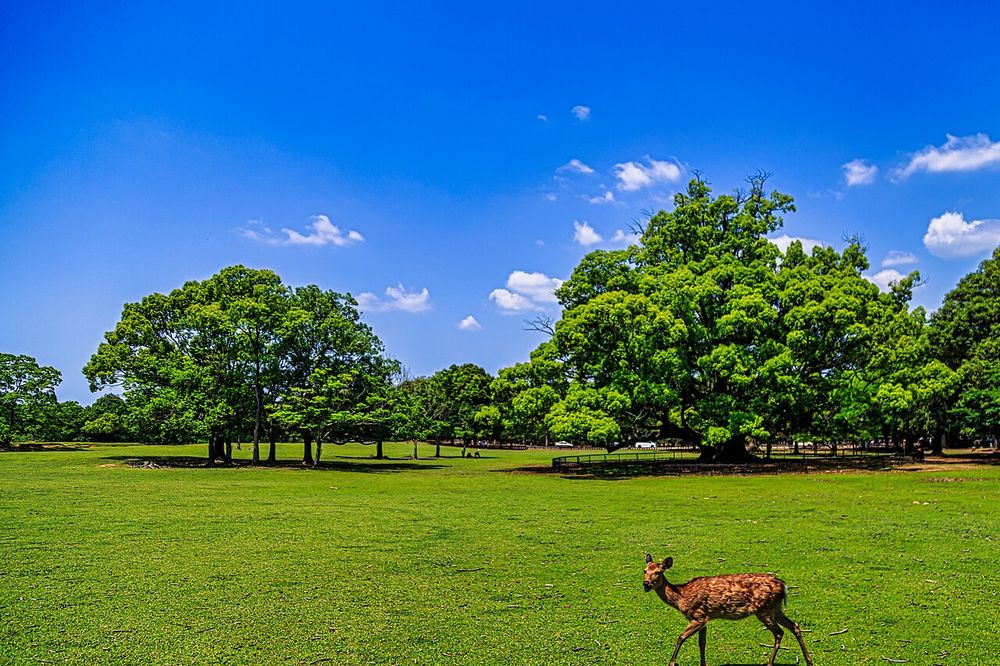
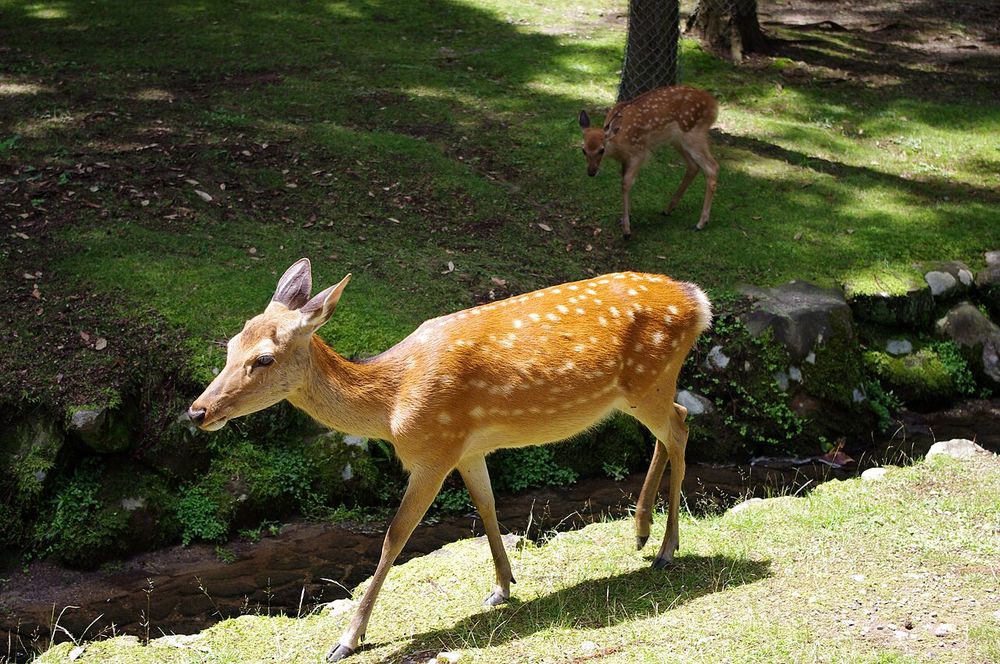
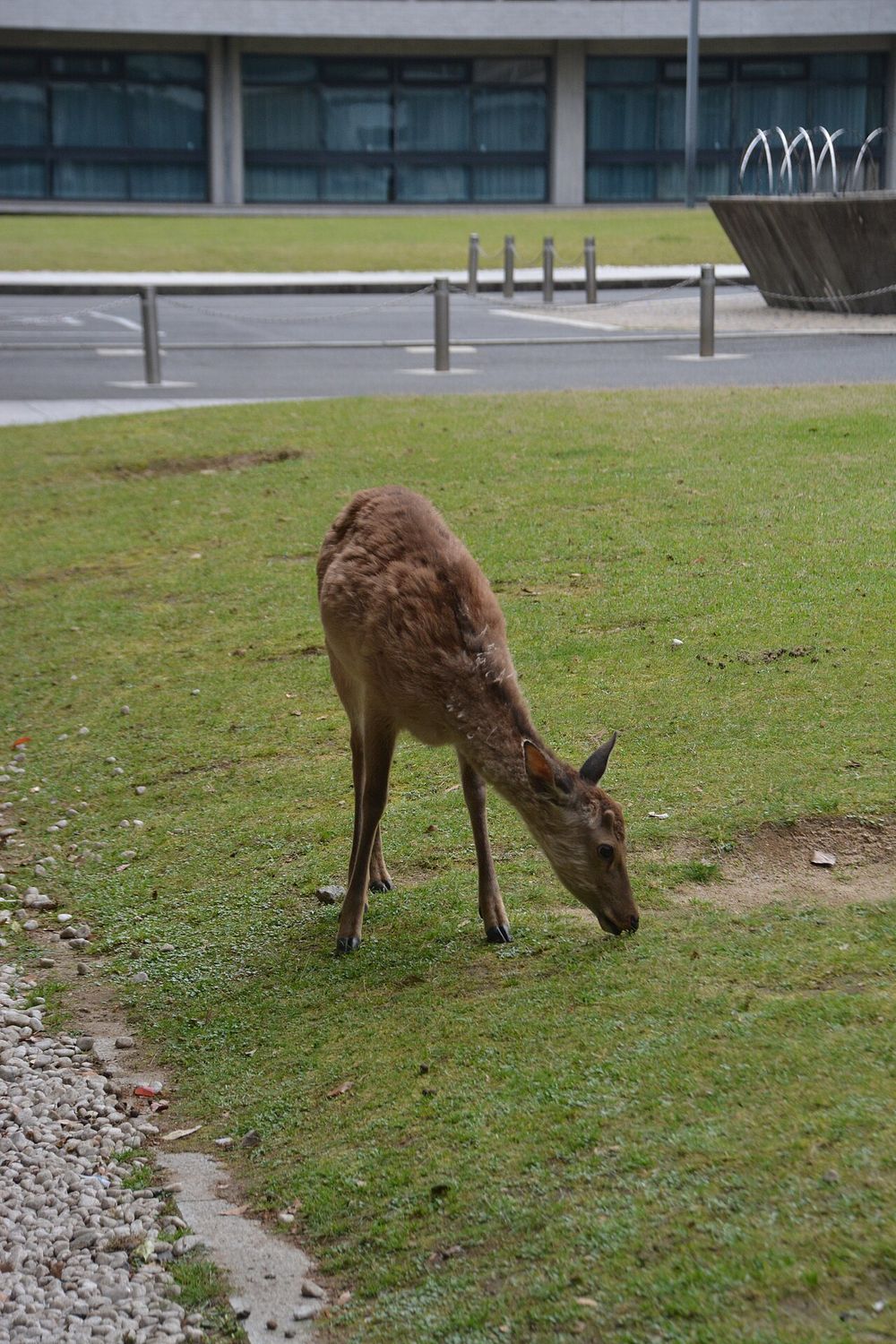
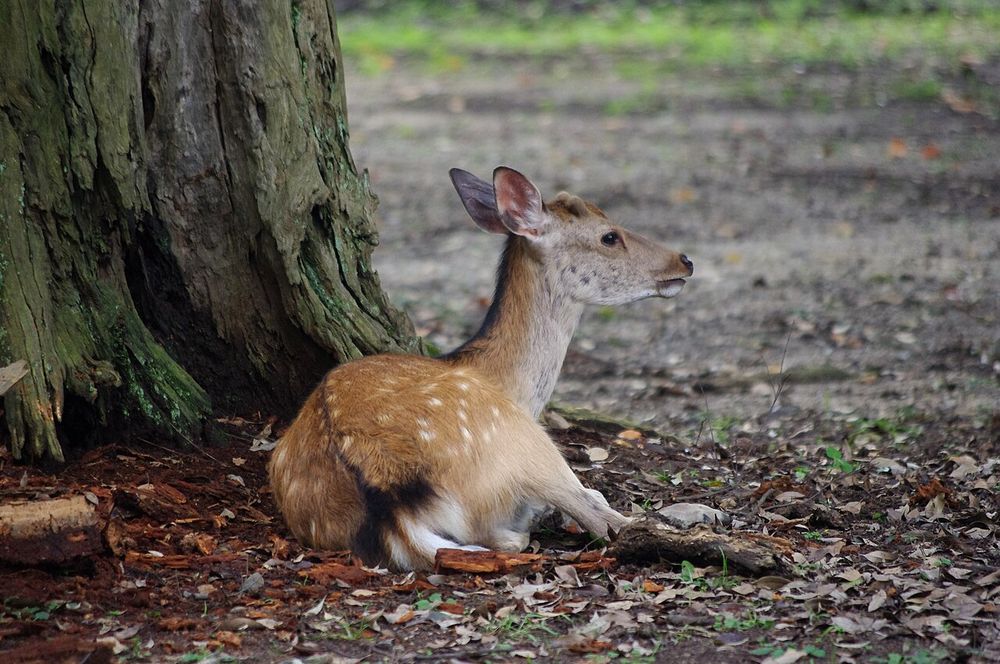
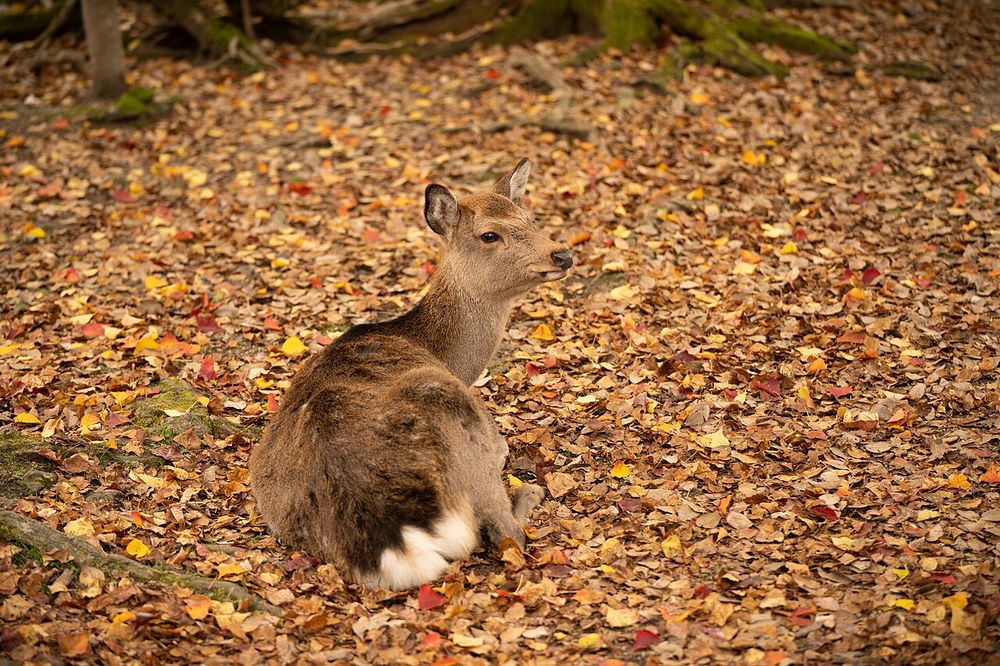
The deer were here first. They are wild animals and belong to nobody. The count of July 2026 found 1,687 of them.
Each of these has its own page, with its own story, pictures and visiting notes.
The park is free and never closes. Each place inside it has its own gate, hours and ticket.
| Part | Ticket |
|---|---|
| The deer and the meadows | Free, always open |
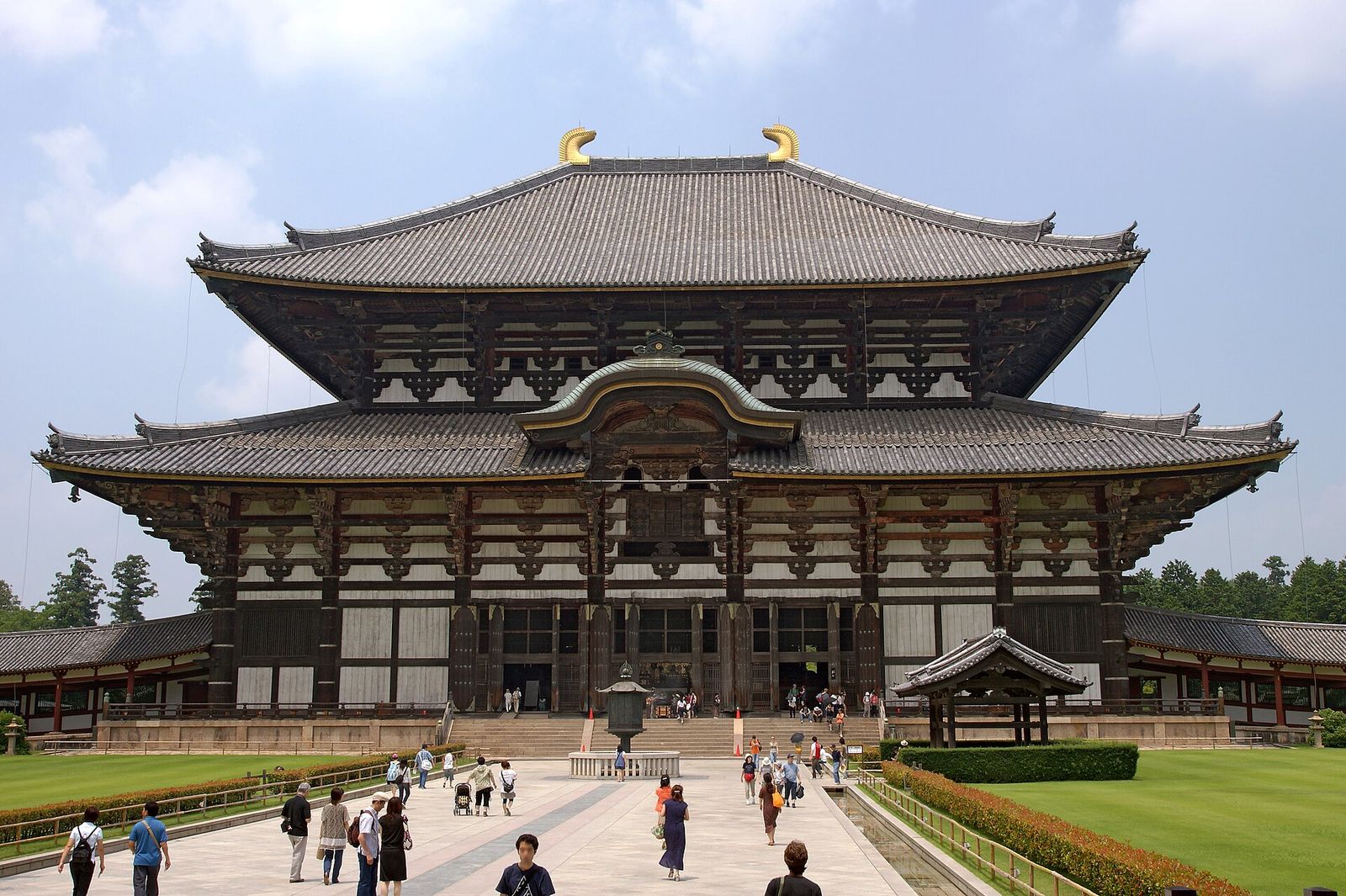
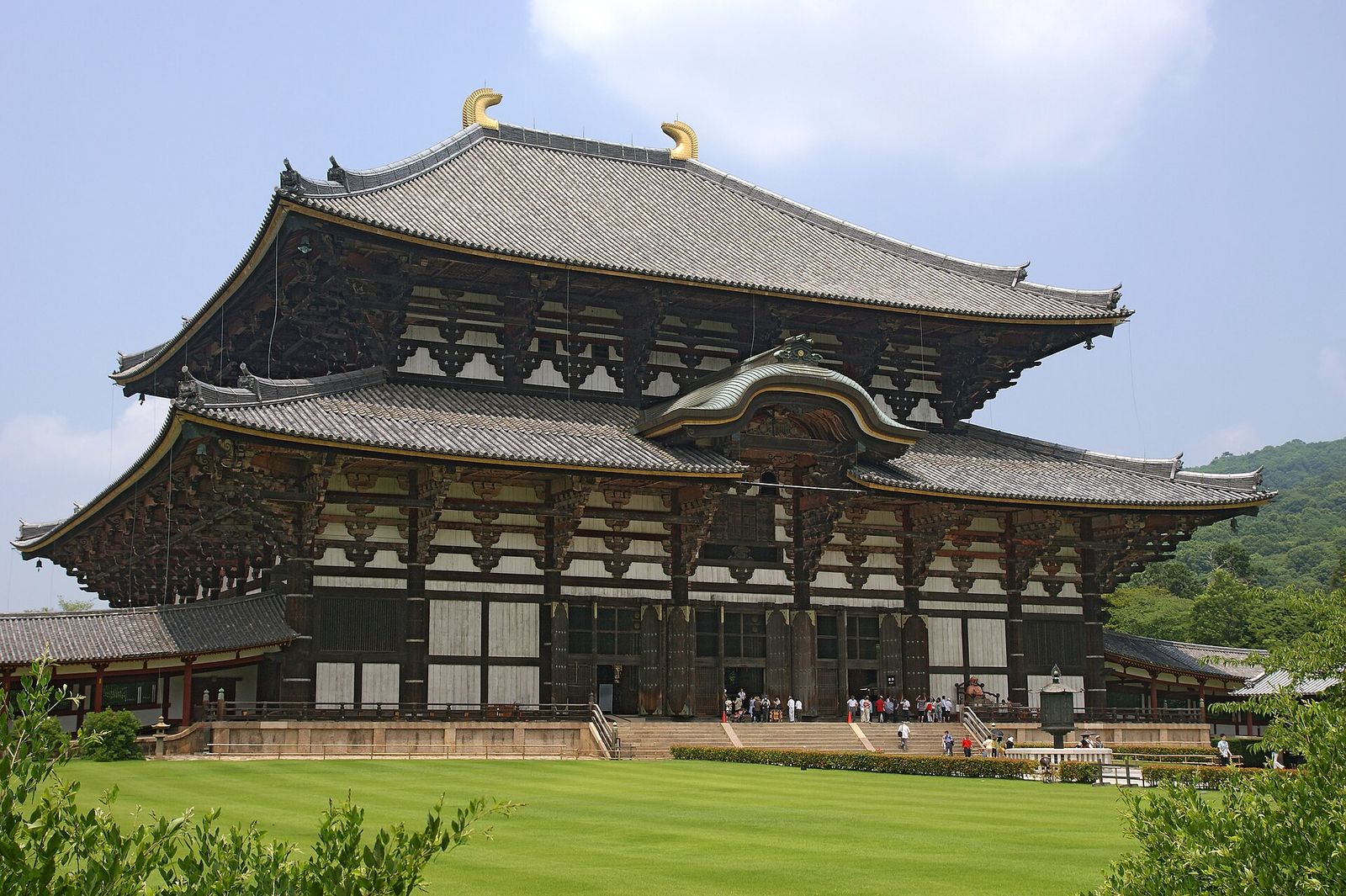
| Tōdai-ji and the Great Buddha | Own ticket; see its page |
| Kasuga Taisha, the lantern shrine | Grounds free; inner area ticketed; no page here yet |
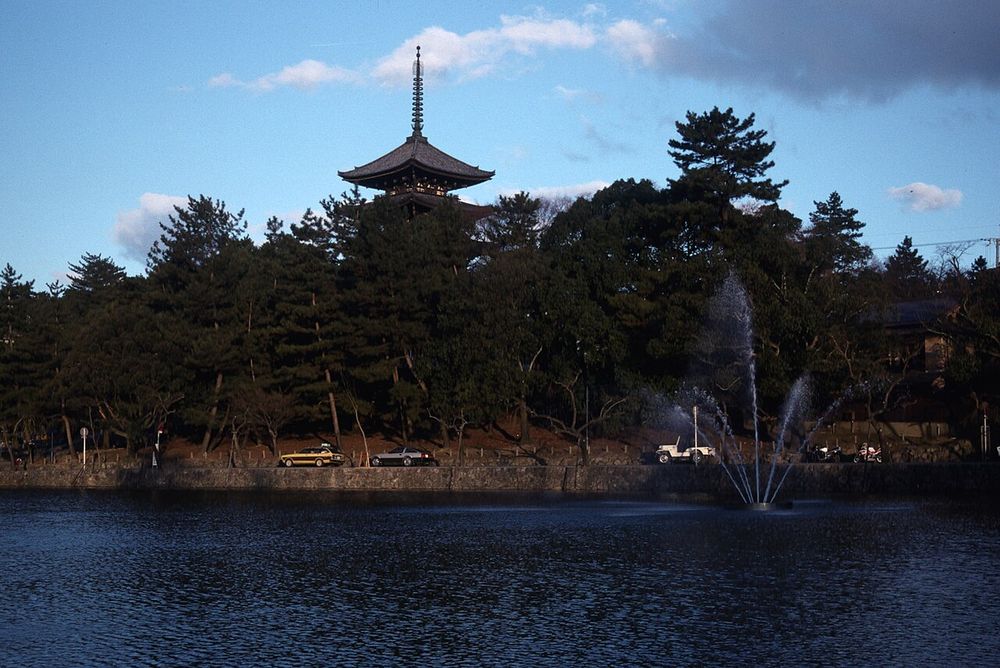
| Kōfuku-ji and its pagoda | Halls ticketed; the pagoda is under repair until about 2031; no page here yet |
| Nara National Museum | Own ticket; no page here yet |
| Mount Wakakusa | A small fee; open from spring to early winter |
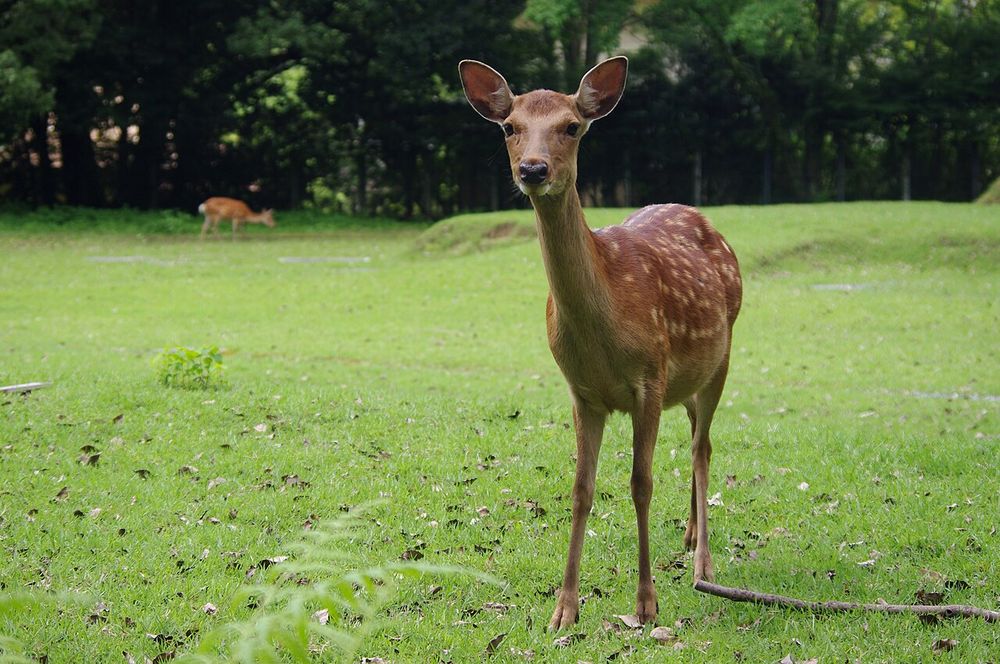
For more than twelve hundred years the deer of Nara have been protected as messengers of the gods of the Kasuga shrine. Until 1637 killing one was punished by death. Since 1957 they have been a national natural monument.
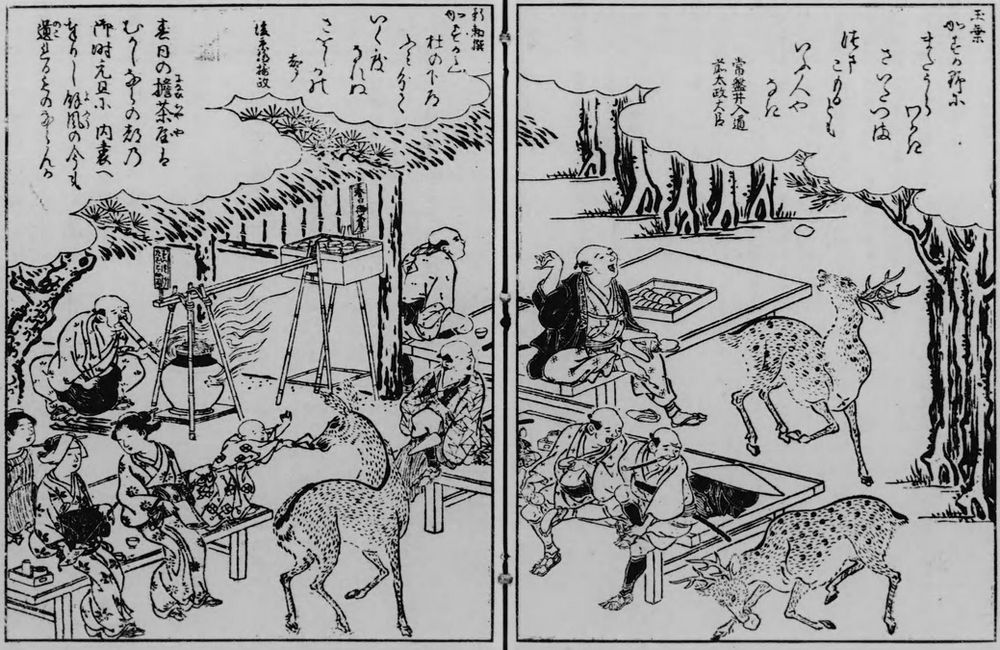
You may feed them one thing only: the round crackers sold at stalls in the park, ten for 200 yen. Many deer have learned to bow for one. Bow back, hand it over, and show your empty hands when you have no more.
They are not pets. They bite, butt and kick when teased, and more than a hundred visitors a year are hurt, most of them lightly.
The park has no gate and no ticket. The places inside it each have their own.
"The deer are kept by the park." No one keeps them. A foundation treats the injured, counts them each July and rescues those hit by cars. They find their own food, mostly grass.
"They bow because they are polite." A deer that lowers its head quickly is asking, and sometimes warning. If no cracker follows, it may nip.
"Any food will do." Bread, sweets and vegetables make them ill. Plastic bags kill them: deer found dead have had kilograms of plastic in their stomachs.
"Nara Park is the temple with the Buddha." The Buddha is in Tōdai-ji, one of several separate places inside the park.
These stops are about the deer and the land. The temples and the shrine have, or will have, pages of their own.
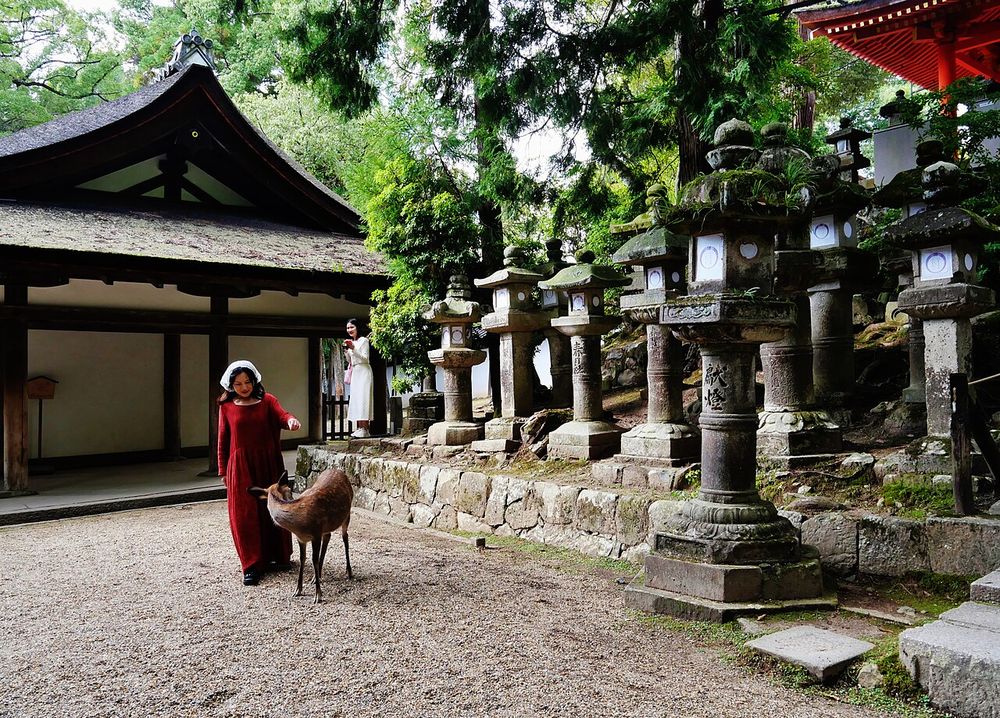
In 768 the most powerful family at court, the Fujiwara, founded the Kasuga shrine at the foot of the hill. Its chief god was invited from a shrine far to the east. The story told was that he arrived riding a white deer. From then on the deer of these woods were his.
For centuries people bowed to a deer in the street. A deer found dead outside your house could ruin you, so townspeople rose early to check their doorsteps. Some say that is why Nara people are early risers.
After the war of 1945, when people were hungry, only seventy-nine deer were left.
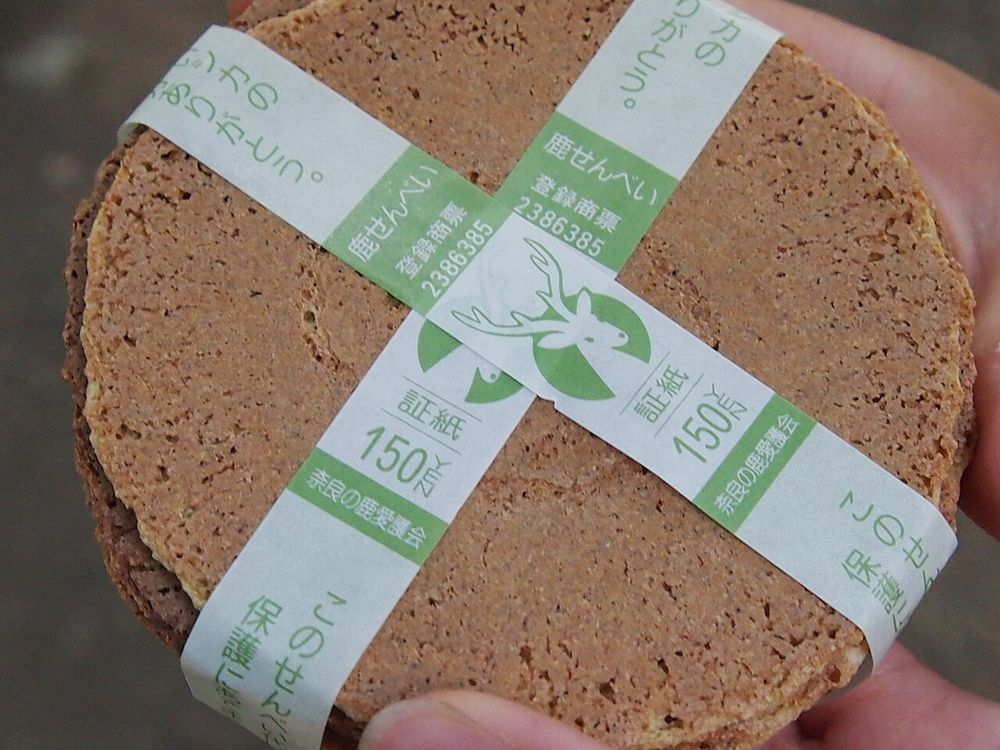
The crackers are made of wheat flour and rice bran, with no sugar. The paper band round each bundle is printed with soy ink, and the deer eat that too. Part of the price goes to the foundation that looks after the deer.
Buy them, walk a few steps from the stall, and feed quickly. Deer wait by the stalls and will follow anyone holding a bundle, pulling at coats and bags. Do not hold the crackers up out of reach to make a deer beg. That is how people get bitten.
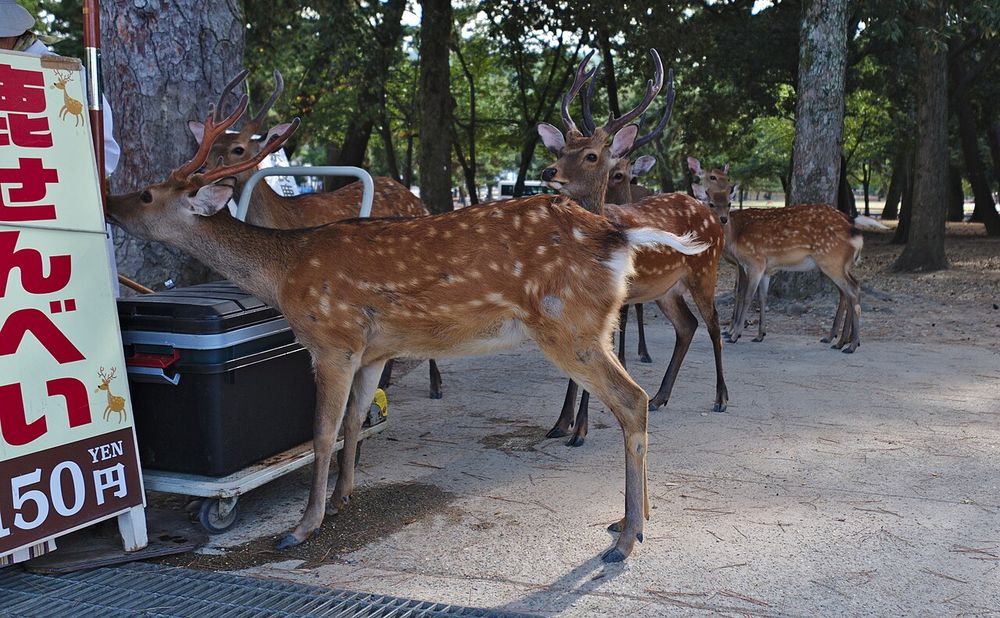
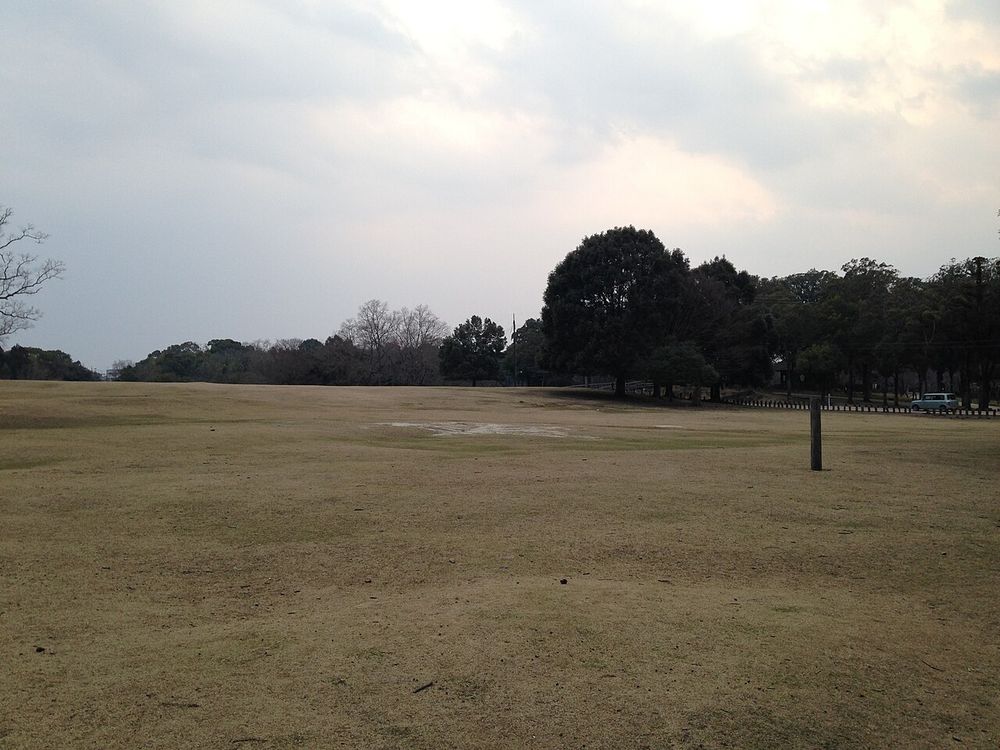
The deer near the stalls are the pushiest. Walk ten minutes east, to the wide meadow called Tobihino, and they are calmer.
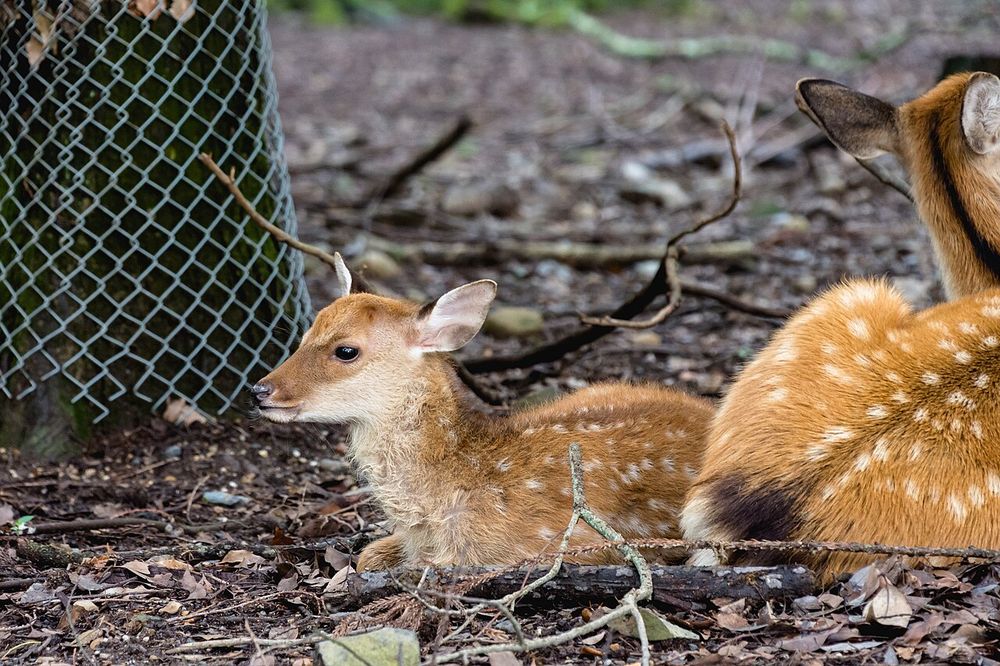
Fawns are born from May to July. The mothers hide them in the grass and will attack anyone who comes close, so keep away from a lone fawn. In June newborn fawns are shown to the public in a pen near the Kasuga shrine.
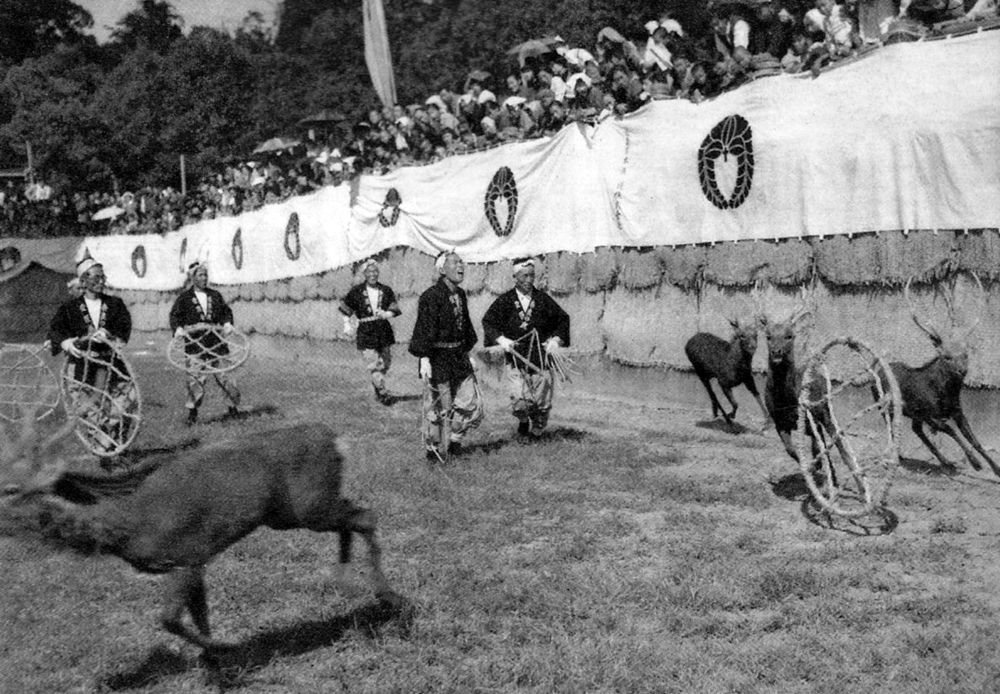
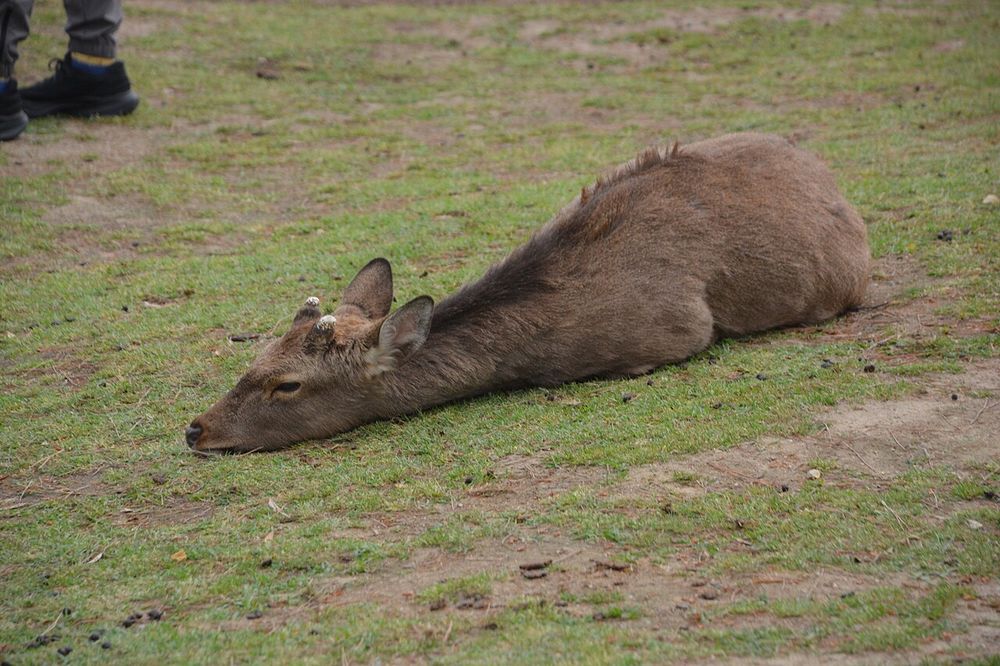
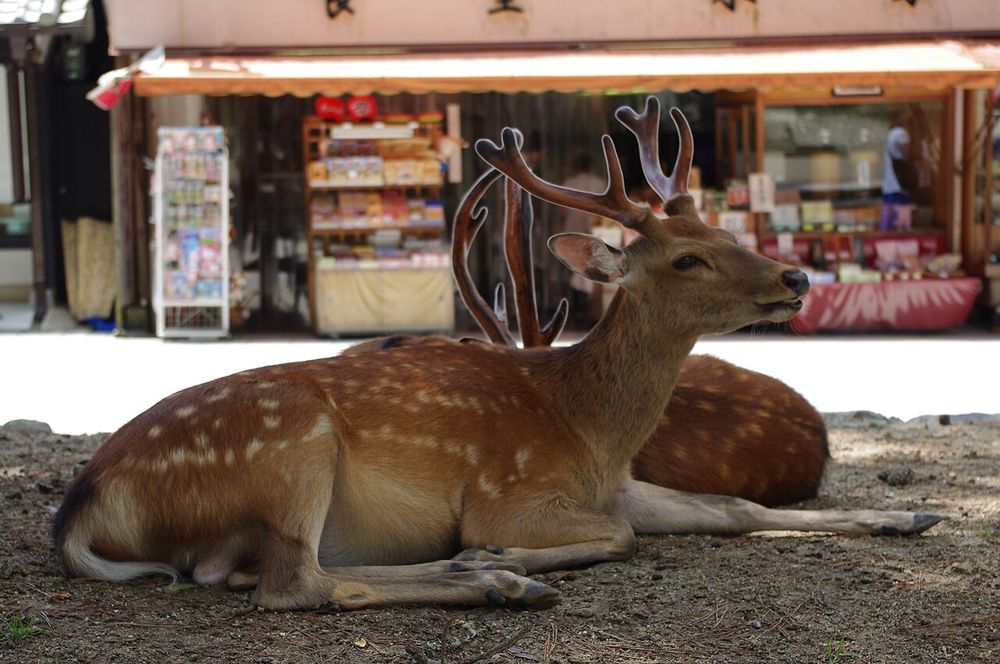
From September to November the stags fight for mates and are dangerous. Since 1672 their antlers have been sawn off each October in a ceremony, after men in old costume chase and rope them. It does not hurt the deer. Antlers are like fingernails.
On winter mornings a man blows a French horn on the meadow, and deer come running out of the woods from every side for acorns.
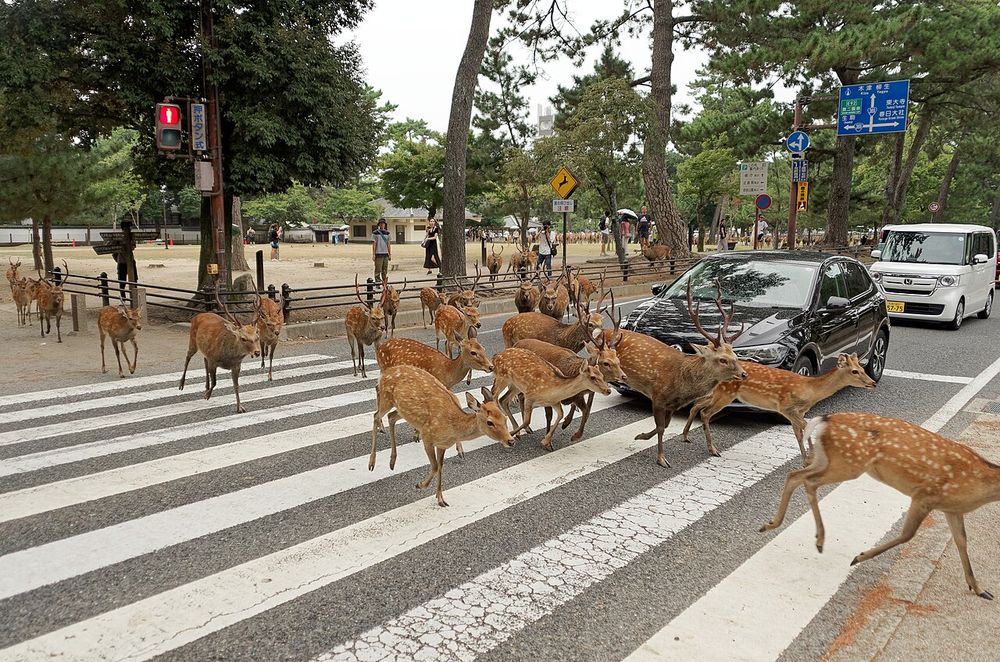
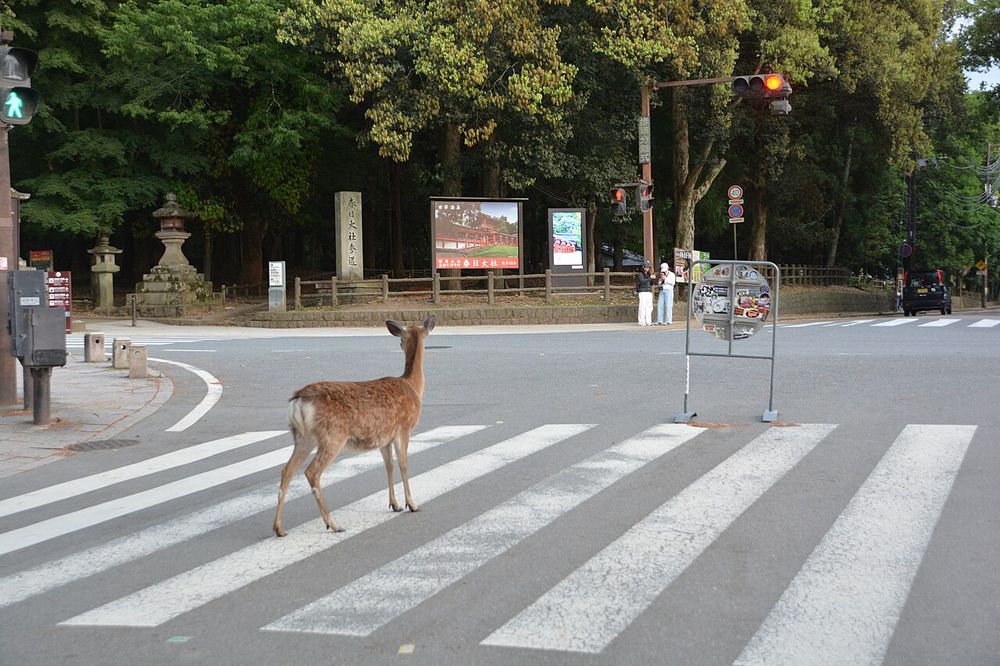
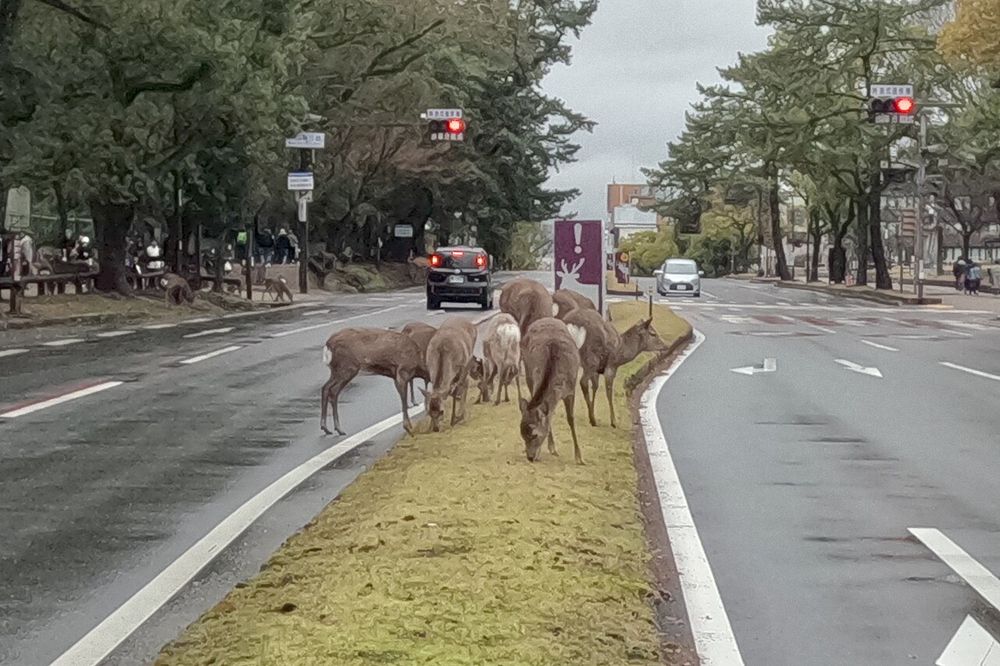
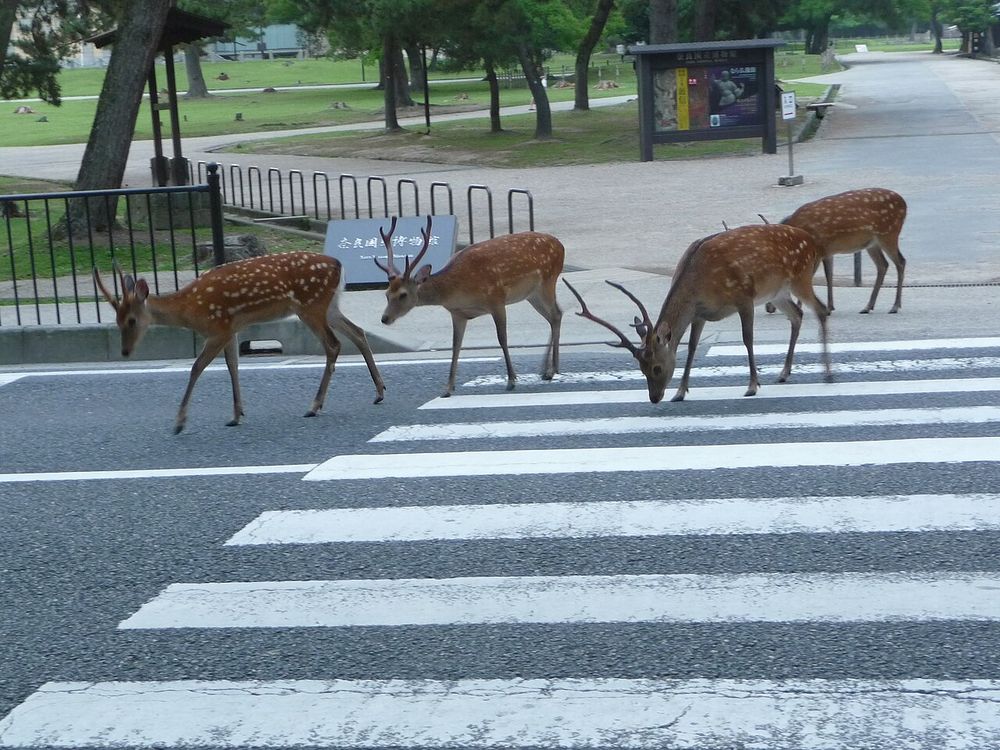
A main road runs through the park. Deer use the crossings, and are often seen waiting at the kerb. All the same, more than a hundred are killed or injured by cars each year. Drivers here are asked to keep under 40 kilometres an hour.
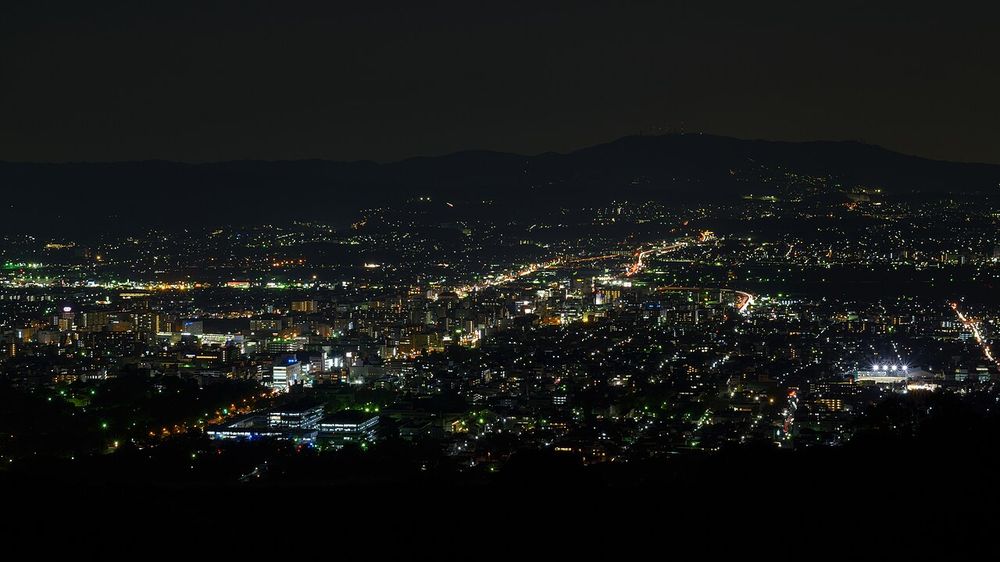
The bare hill at the east end is Wakakusa. It has three folds, and its old name means "three hats". Each January the dry grass on it is set alight and the whole slope burns in front of the city. From the top, at night, you see all Nara.
This is the hill in Abe no Nakamaro's poem, one of the best known in Japanese. Every Japanese schoolchild learns it.
天の原 ふりさけ見れば 春日なる 三笠の山に 出でし月かも
I look far out across the plain of heaven: is that the moon that rose over Mount Mikasa at Kasuga?
Abe no Nakamaro, written in China about 753; in the anthology Kokinshū (about 905)
Word reached Chang'an that his ship had gone down, and Li Bai wrote a poem of mourning for him. He had in fact survived, and came back to the Tang capital.
| Year | Here | Elsewhere |
|---|---|---|
| 710 | Nara becomes the capital | The Tang; the plan copies Chang'an |
| 752 | The Great Buddha of Tōdai-ji is dedicated | Three years before the An Lushan rebellion |
| 753 | Abe no Nakamaro writes his poem of the moon | The monk Jianzhen sails for Japan the same year |
| 768 | The Kasuga shrine is founded; the deer become holy | The Tang, under Emperor Daizong |
| 1637 | The last execution for killing a deer | Seven years before the fall of the Ming |
| 1880 | The park is founded | Sixth year of the Guangxu Emperor |
| 1945 | Seventy-nine deer are left | The war ends |
| 2026 | 1,687 deer are counted | The highest count on record |
One line to remember: the deer have been protected since 768, and the park was drawn round them in 1880.
These are stories people tell about this place. They are legends, not history, and each one says where it comes from.
The god Takemikazuchi rode from the east of Japan to this hill on the back of a white deer, and the deer of Nara are descended from it.
Source: The founding story of the Kasuga shrine
A boy of thirteen named Sansaku was practising his writing when a deer came in and began to eat his paper. He threw a paperweight to drive it off and killed it. By the law of the time he was buried alive with the dead deer. His mother planted a maple on the grave.
Source: Told at a small hall of Kōfuku-ji where the grave is shown; the play by Chikamatsu (1700s) made it famous
The deer learned to bow from the people of Nara, who for centuries bowed to them first.
Source: Local saying
Nara people get up early because a dead deer on the doorstep once meant ruin, and it was wise to find it before the neighbours did and move it next door.
Source: A joke Nara people tell about themselves
Later, people who live here will be able to add the stories they grew up with, and say which of these they have heard.
Last checked 2026-11-12. The official deer count for 2026 as reported by guides, and Nara guides of 2026.
Checked 2026-11-12
Stand at the site, sign in, press the button, and collect its stamp. Your browser will ask to use your location. It is sent to us once to confirm that you are at the site; we keep how far you were from it, not the spot where you stood.
Your stamps are saved to your account, so they follow you to any device. Checking from a browser cannot rule out every false location; stricter checks arrive with the app.
Photos here show the place, not people. Each one is credited to the visitor who took it and appears after our team has looked at it. A photo with you in it belongs under “I am here”.