LegendThe hammer rock
The strange club-shaped rock on the hill east of the resort, Qingchui Peak, is said to be the hammer of a god, left behind after he used it to drive back a flood.
Source: A Chengde folk story
Chengde, Hebei, China
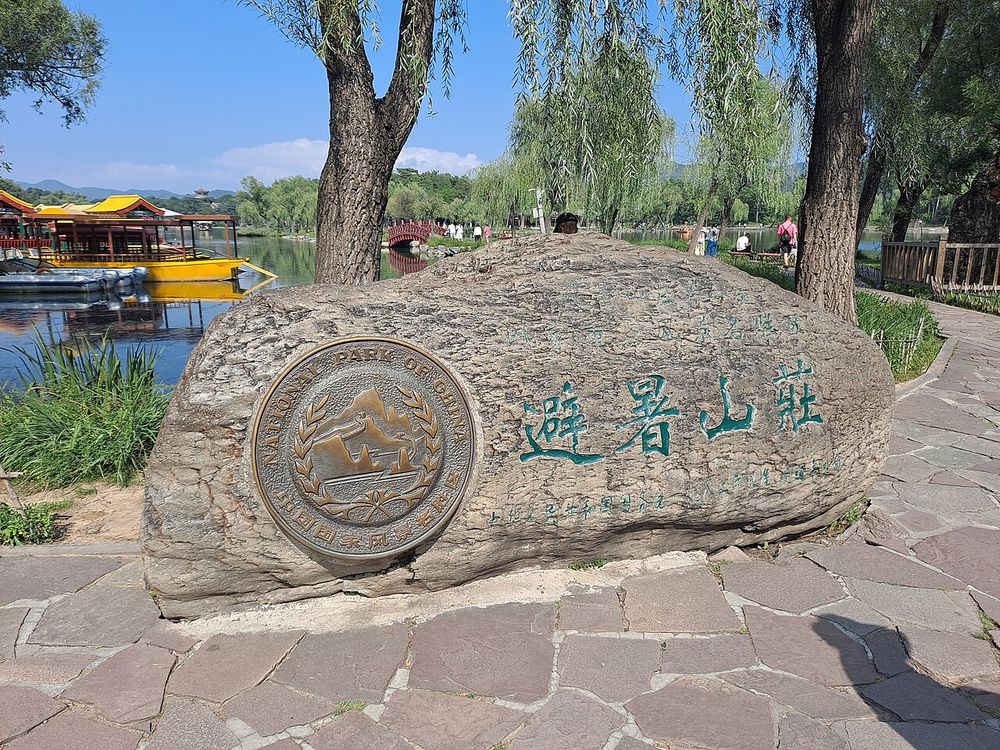
承德避暑山庄 · Chéngdé Bìshǔ Shānzhuāng
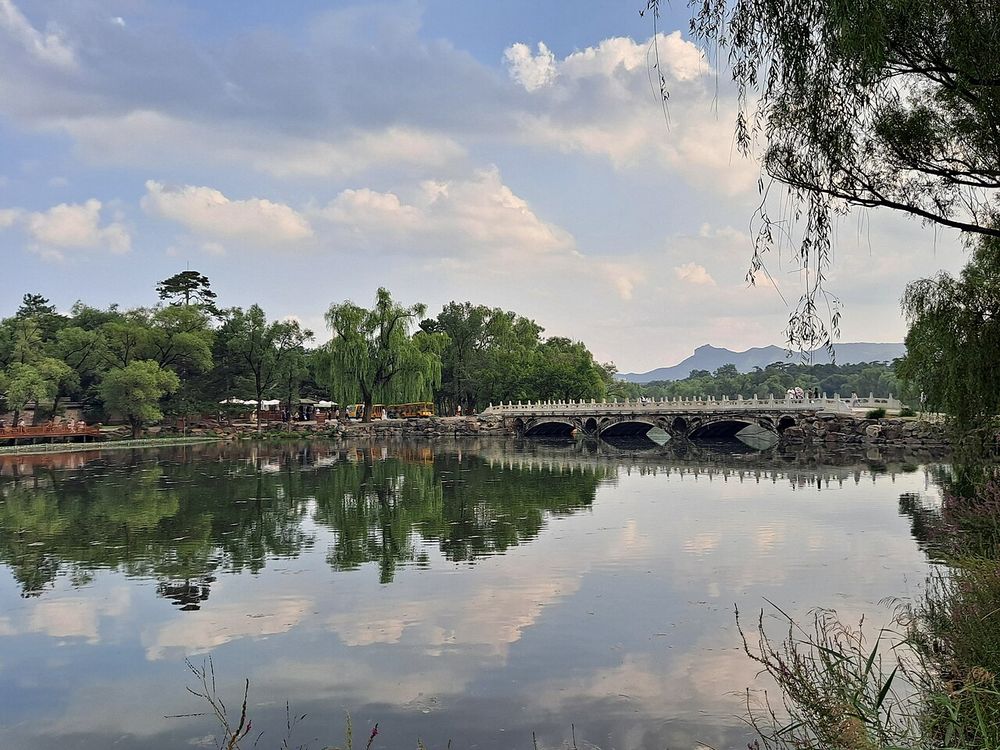
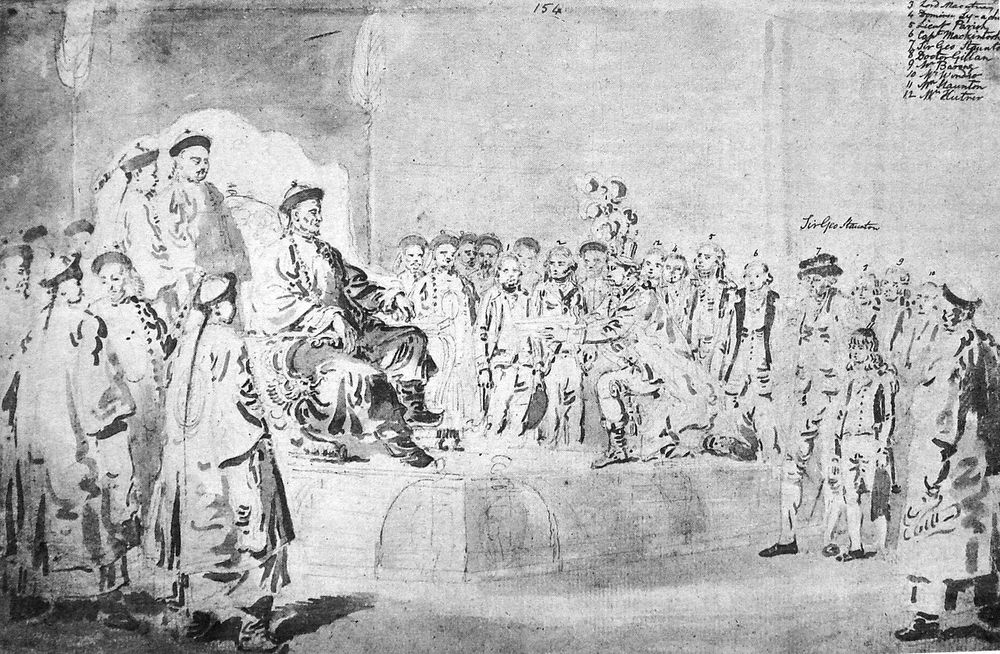
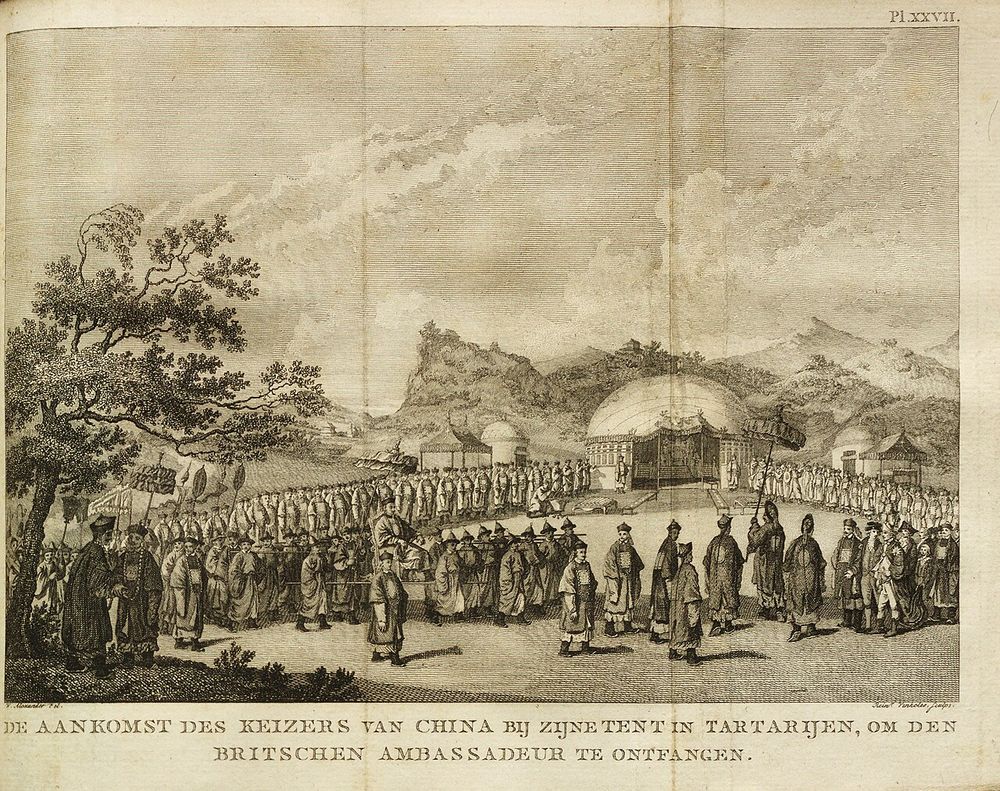
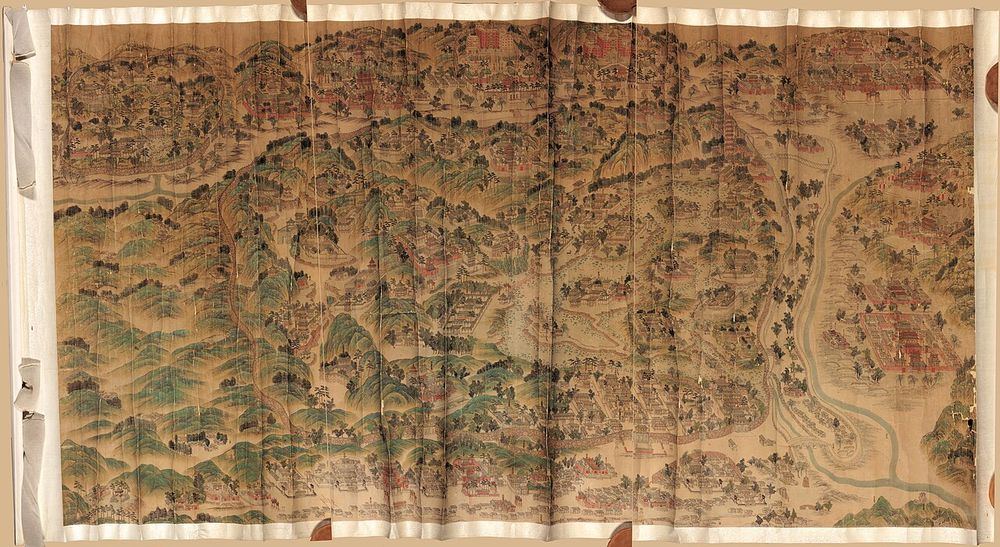
North of the Great Wall, where the Manchu emperors hunted, the Kangxi Emperor began a summer palace in 1703 that his grandson Qianlong finished almost a century later: lakes copied from the south, a plain of grass where Mongol yurts were pitched, and wooded hills, all inside a wall ten kilometres long. Here the Qing court spent its summers and received Mongol princes, Tibetan lamas and, in 1793, the first British ambassador.
Photo: xiquinhosilva, CC BY 2.0, Wikimedia Commons
The Manchus who ruled China came from the north, and every autumn the Kangxi Emperor led his court beyond the Great Wall to hunt at Mulan, a training for war and a way of binding the Mongol princes to the throne. Rehe, the "hot river", lay on the way, and in 1703 he began a palace there. Qianlong, who loved the place, added to it until 1792.
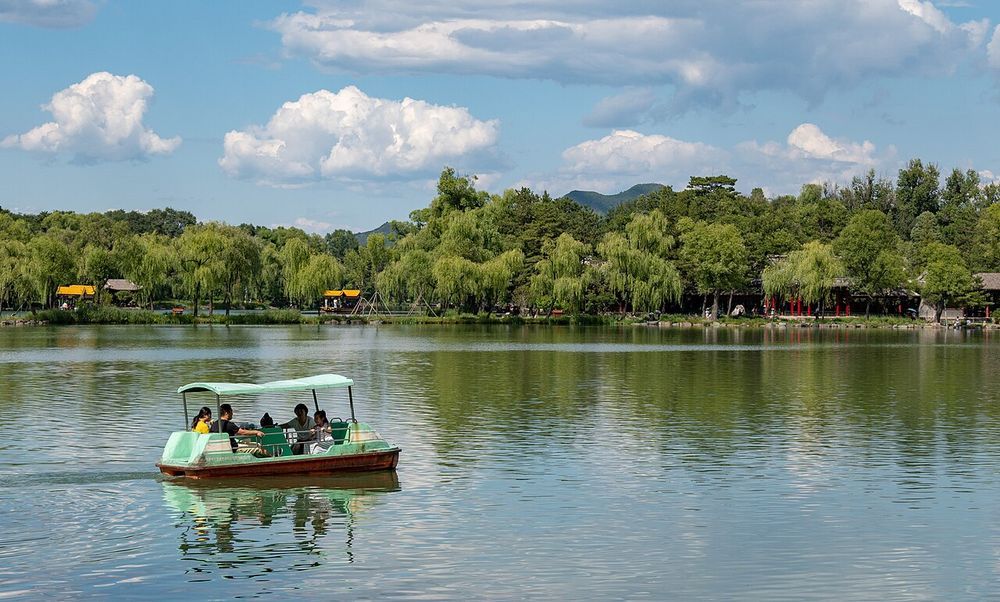
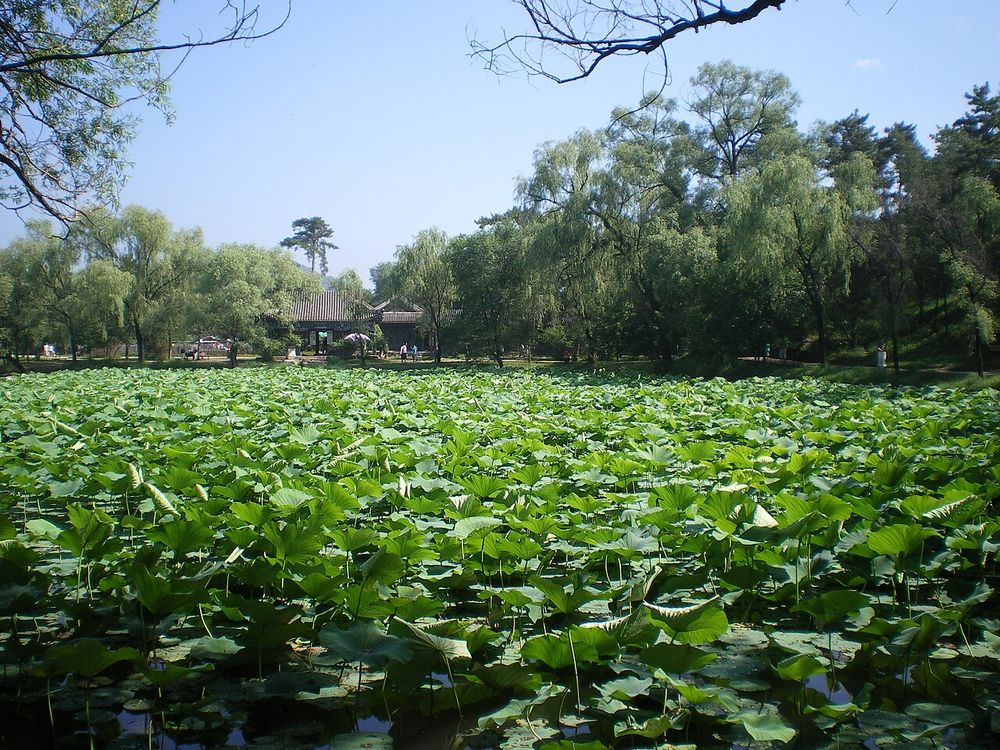
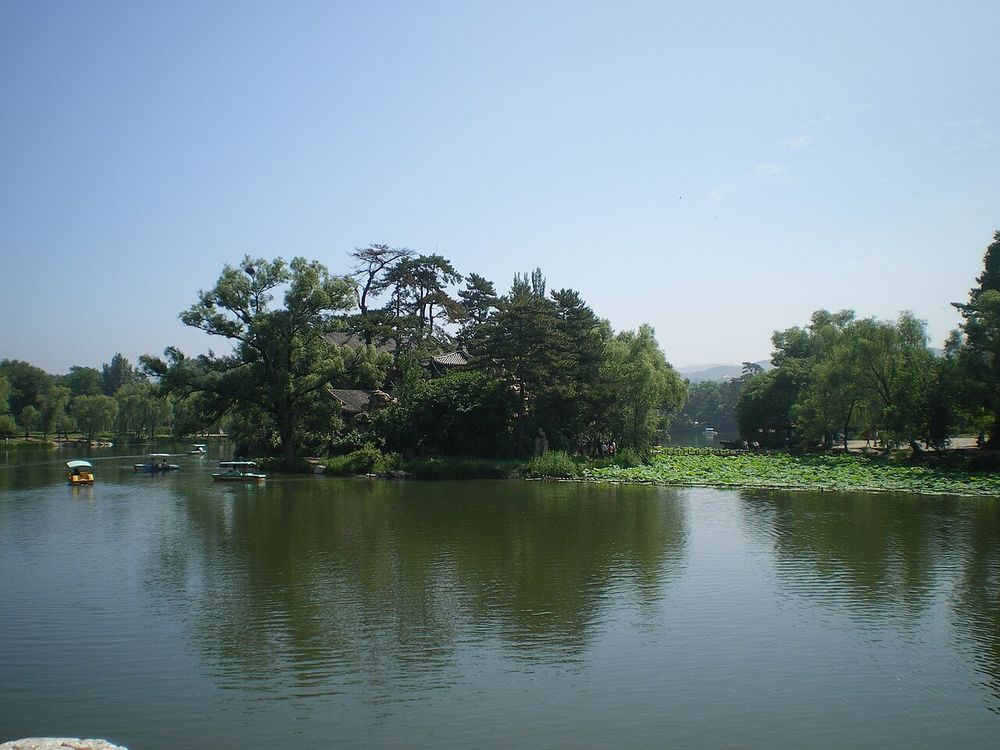
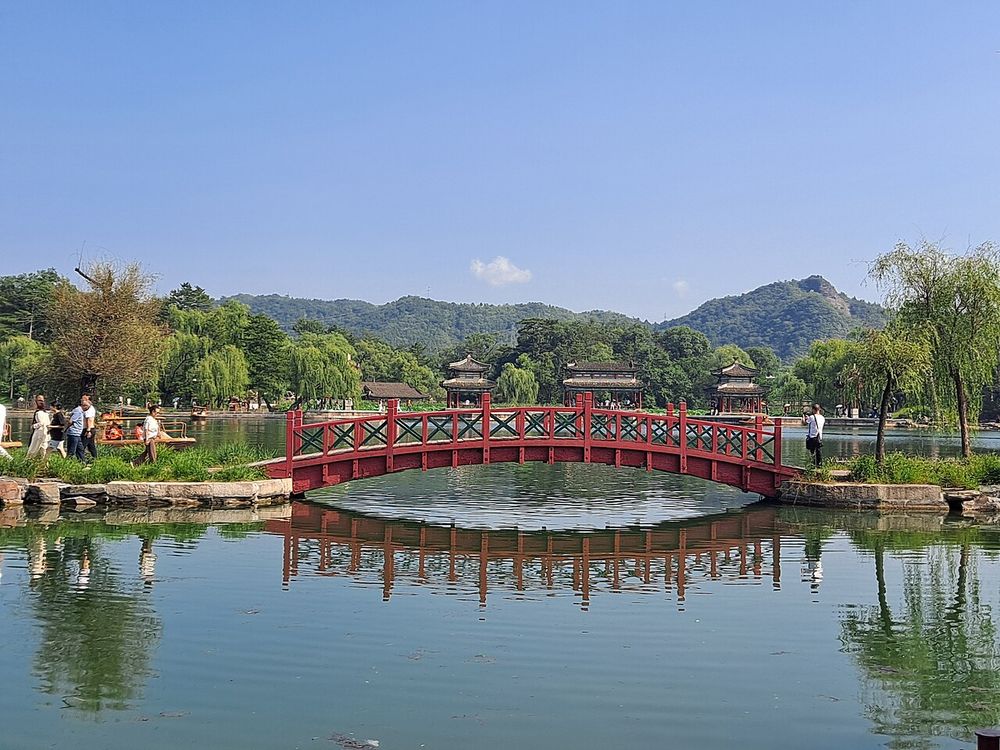
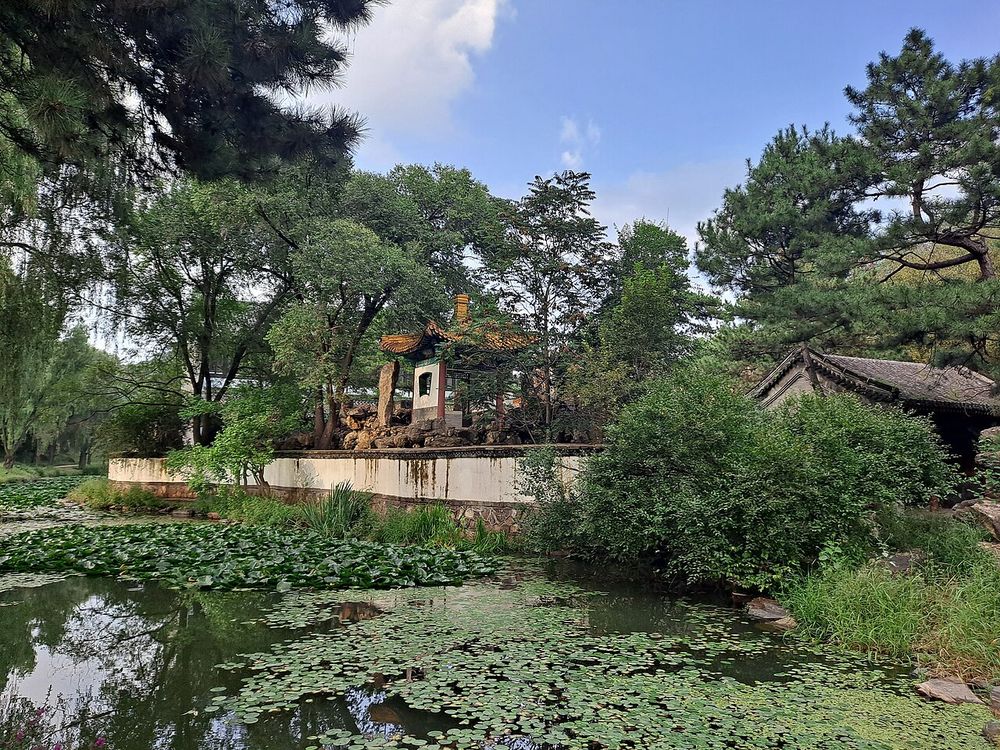
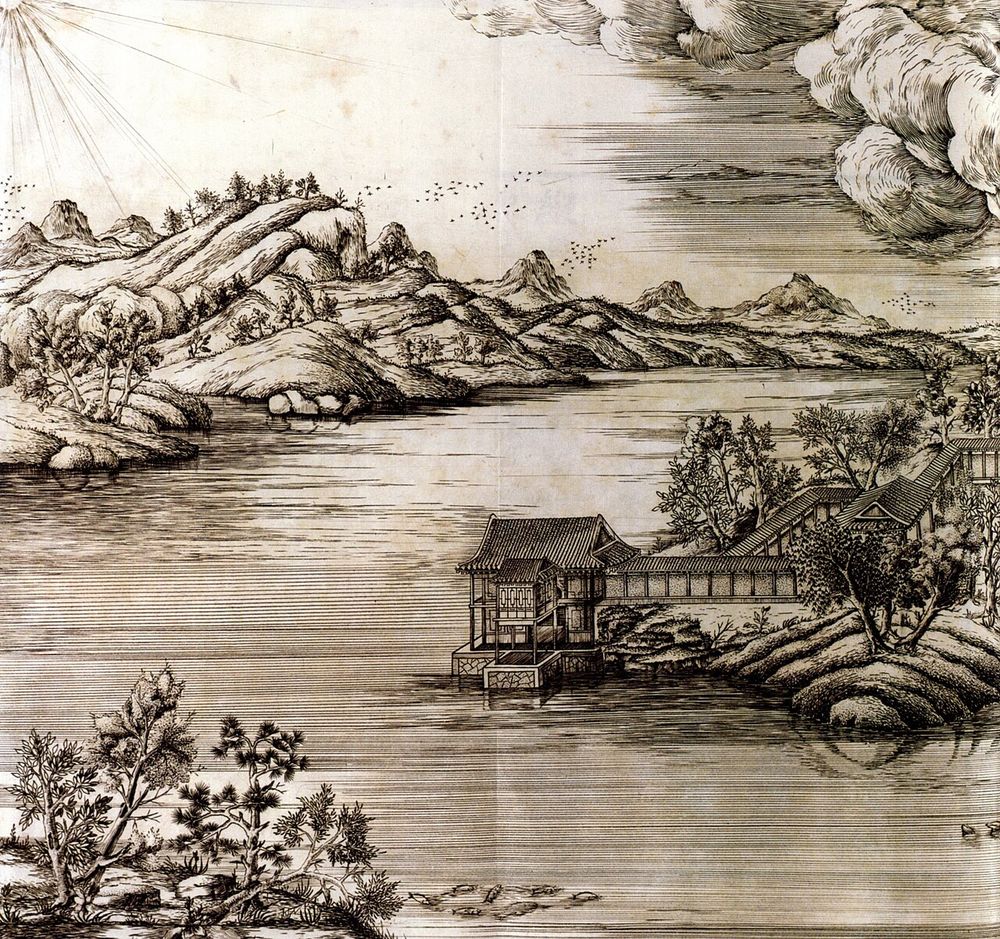
The resort is a map of the empire in small: lakes and islands copied from Jiangnan, a grassy plain like the Mongolian steppe, and hills to the north-west like the mountains of the north. Around it, outside the wall, rose the Eight Outer Temples, some in Tibetan style. Together they became a World Heritage Site in 1994.
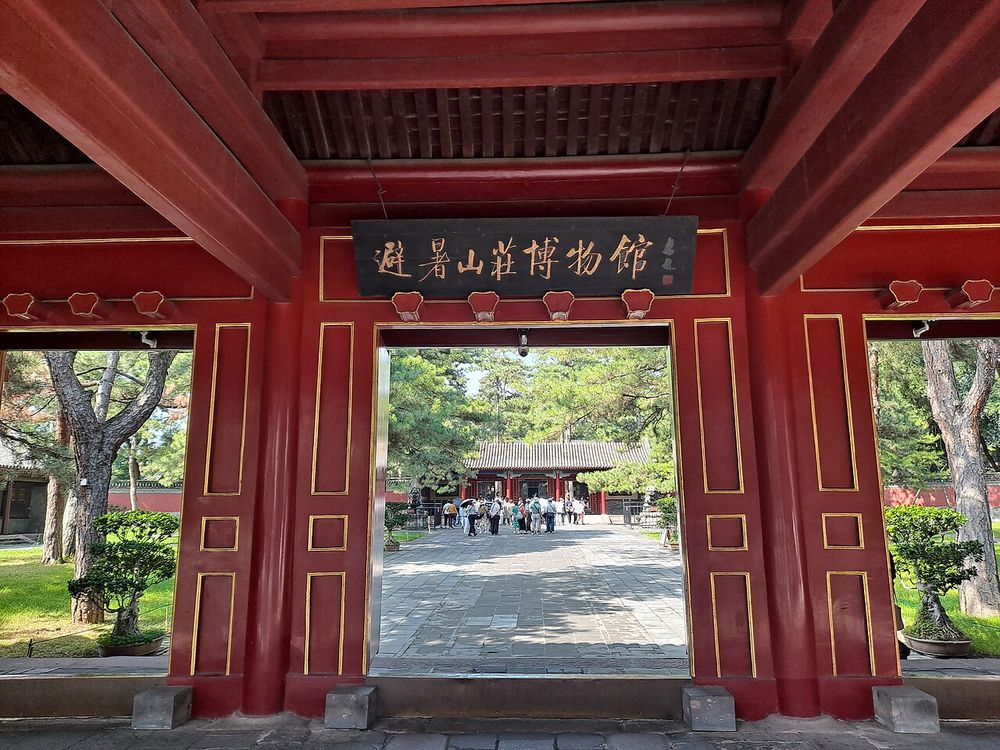
The resort ticket includes the museum in the palace. A combined ticket also covers three of the Eight Outer Temples and Qingchui Peak.
| Part | Ticket |
|---|---|
| Mountain Resort | 130 yuan (April–October), 90 yuan (November–March) |
| Combined ticket: resort, Putuo Zongcheng (Little Potala), Puning Temple, Qingchui Peak | 260 yuan, valid 4 days |
| Hill bus, lake boat and plain cart | 150 yuan together |
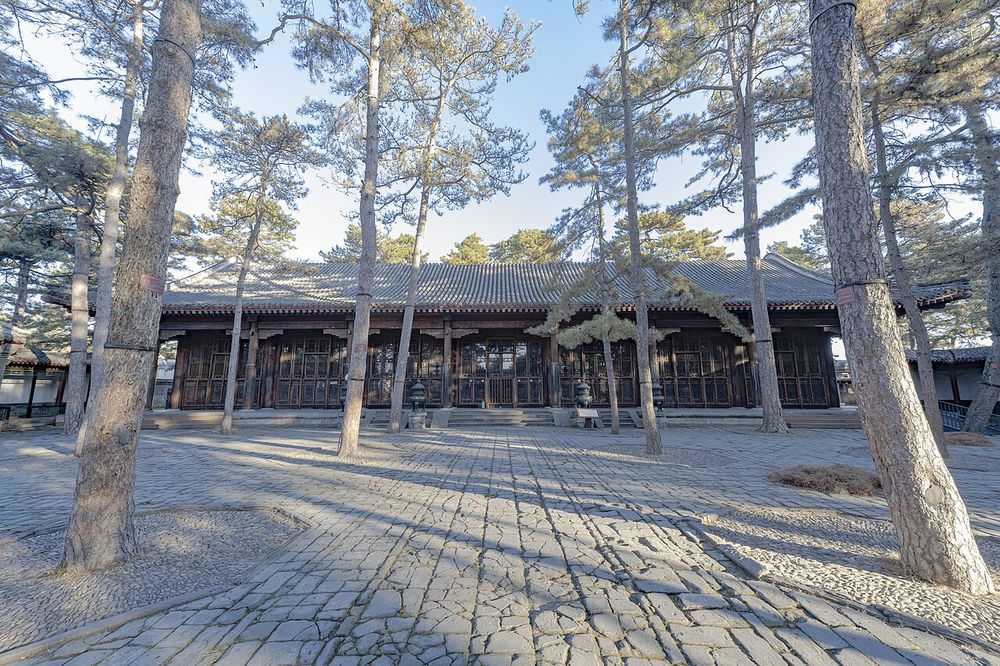
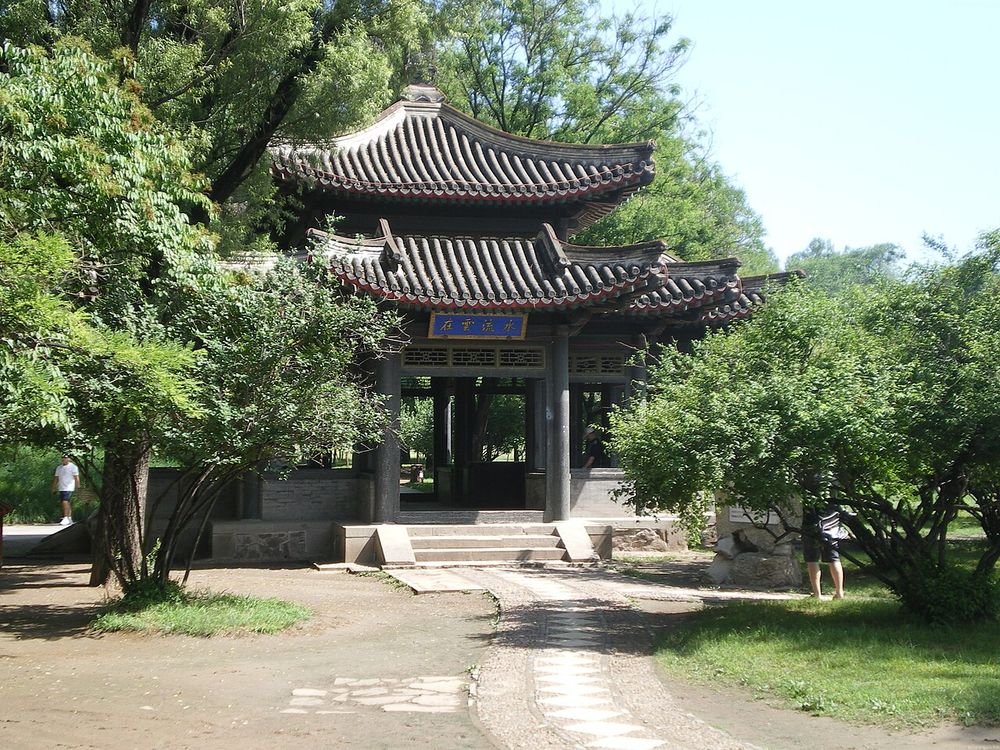
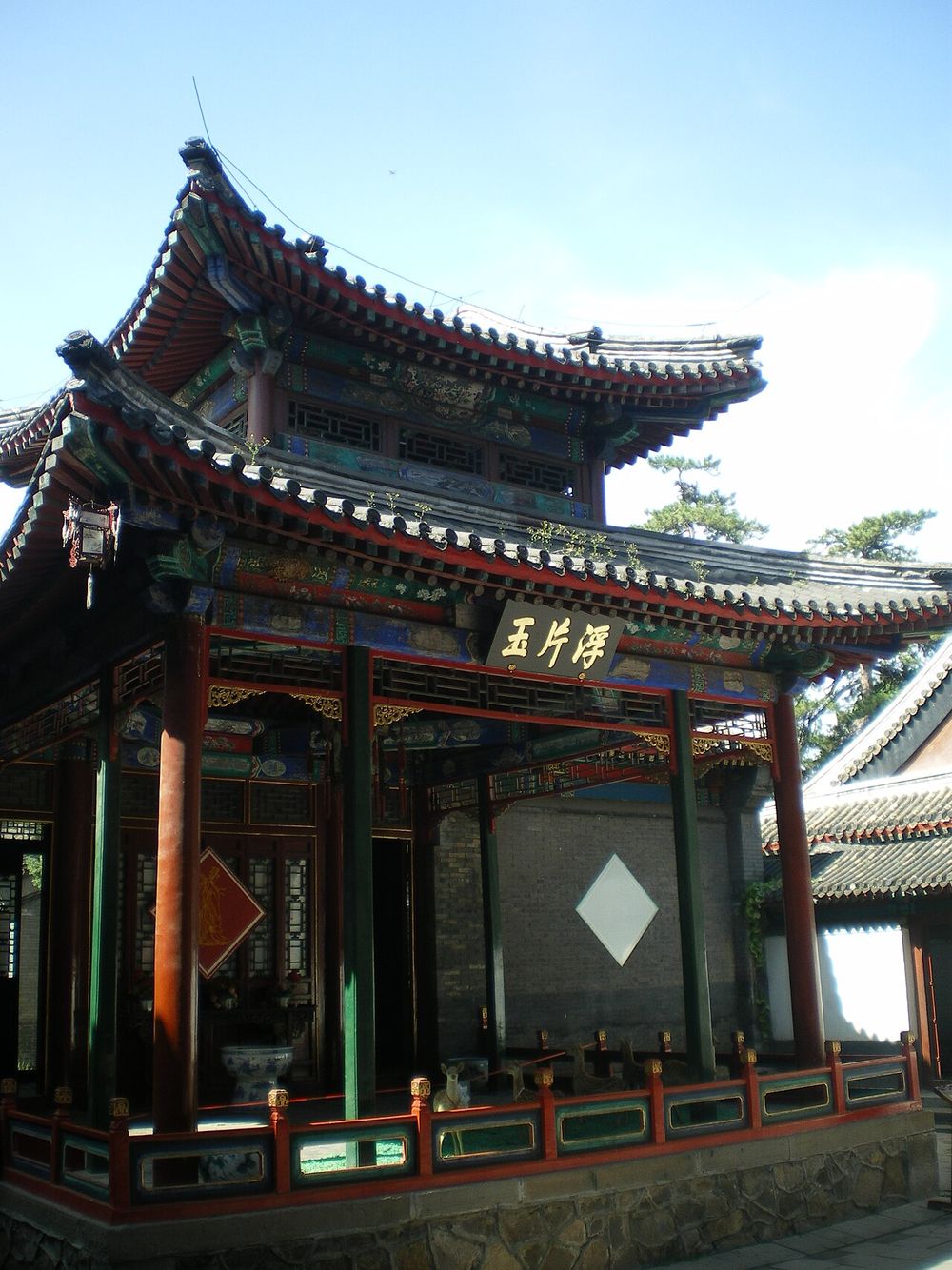
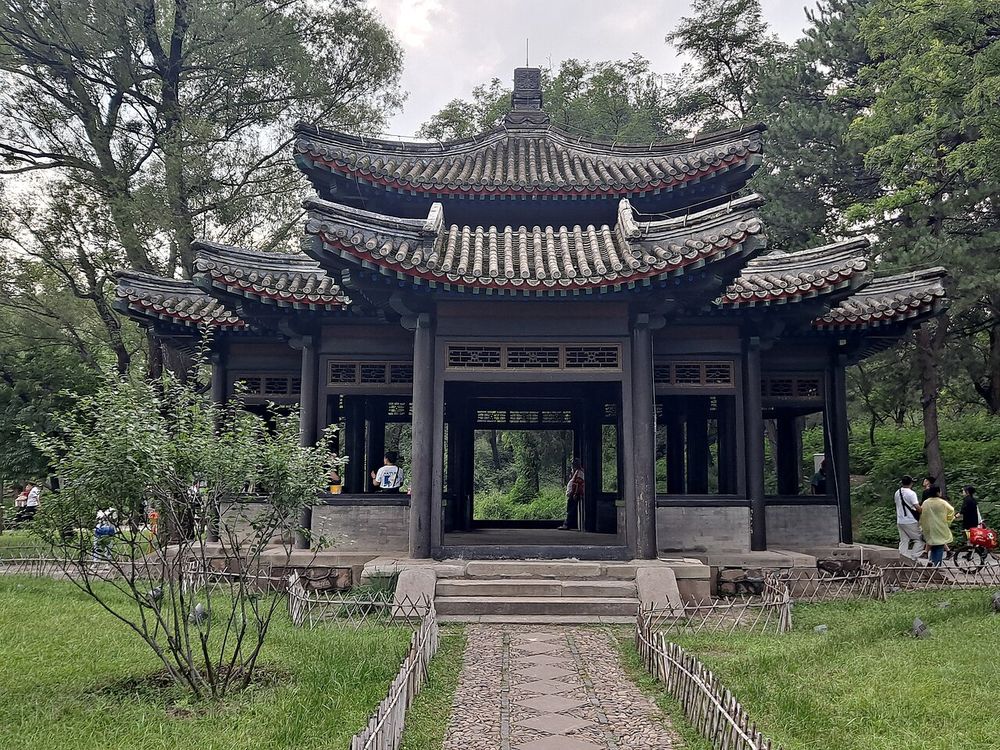
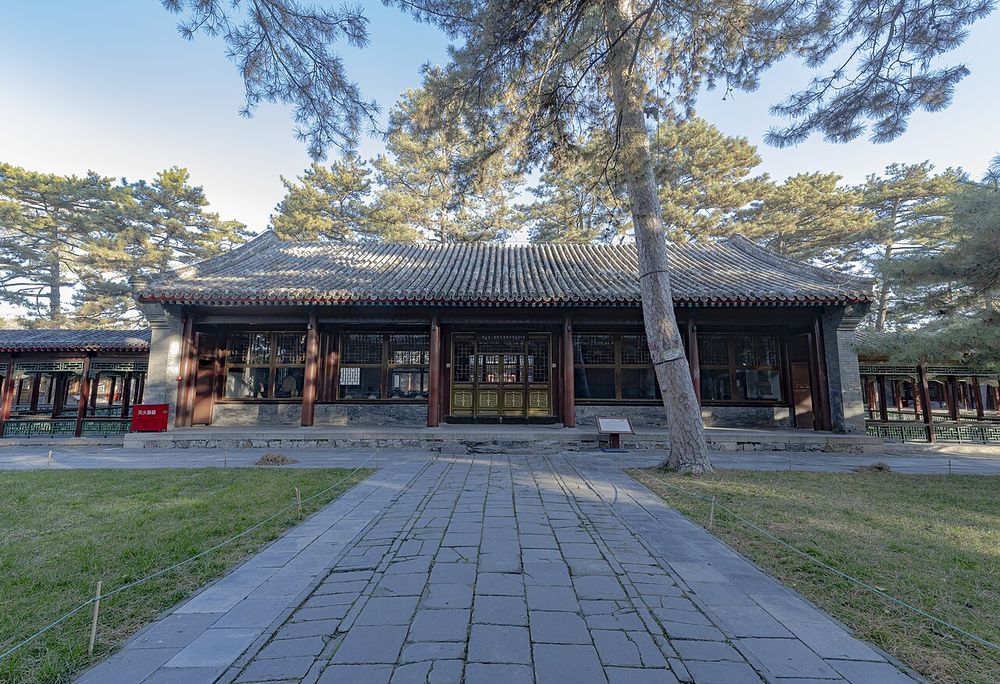
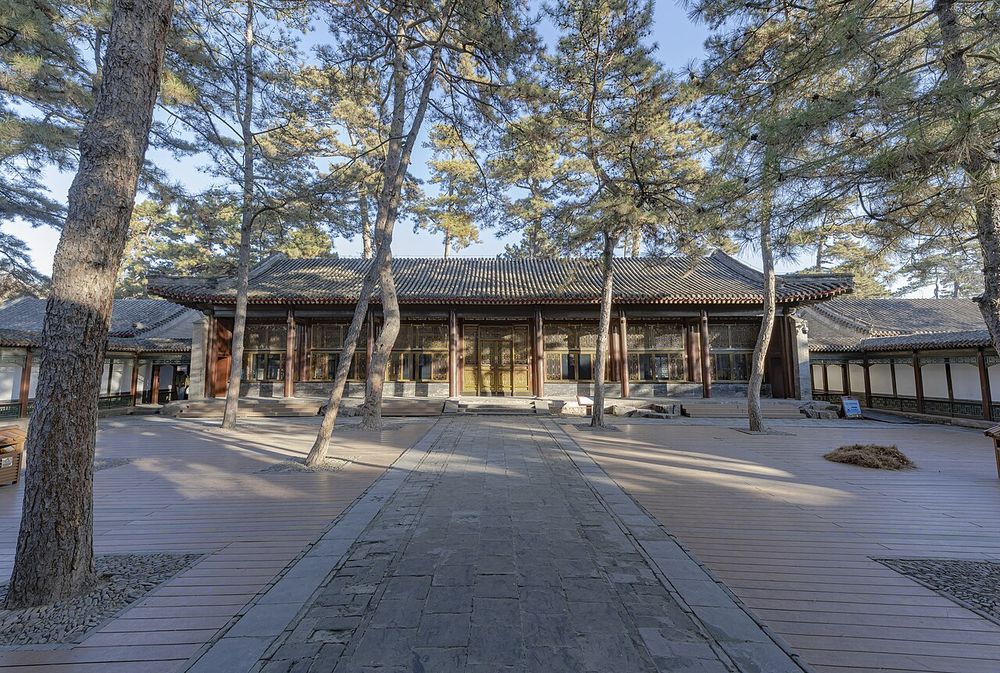
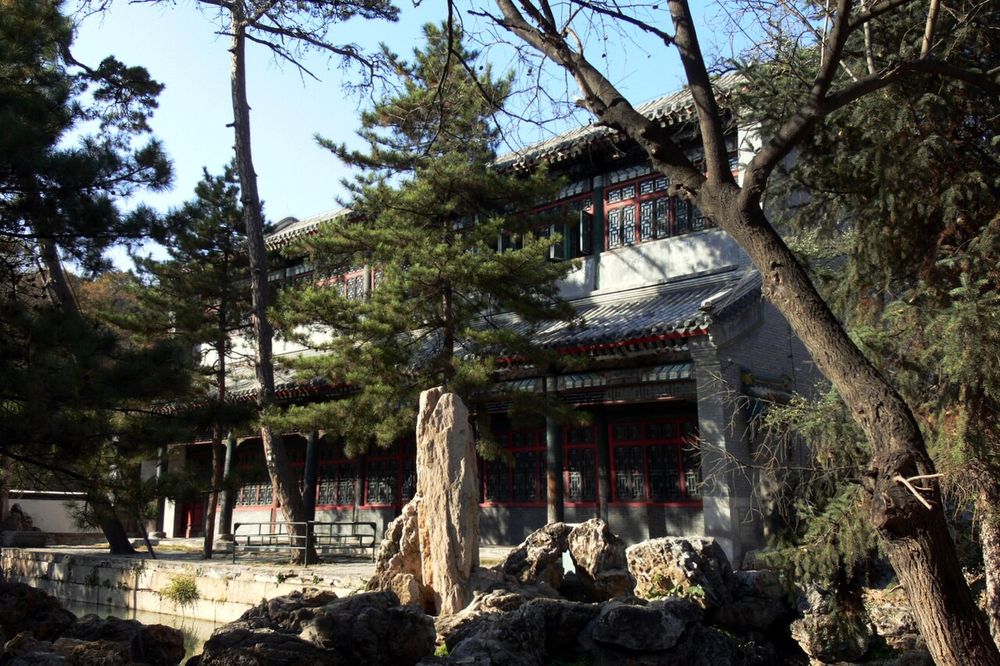
The main hall of the palace is built of nanmu, a fragrant hardwood, left unpainted: plain grey roofs and brown timber, not the red and gold of the Forbidden City. The emperors wanted their summer palace to look modest, a retreat among pines. Here they gave audiences and held ceremonies.
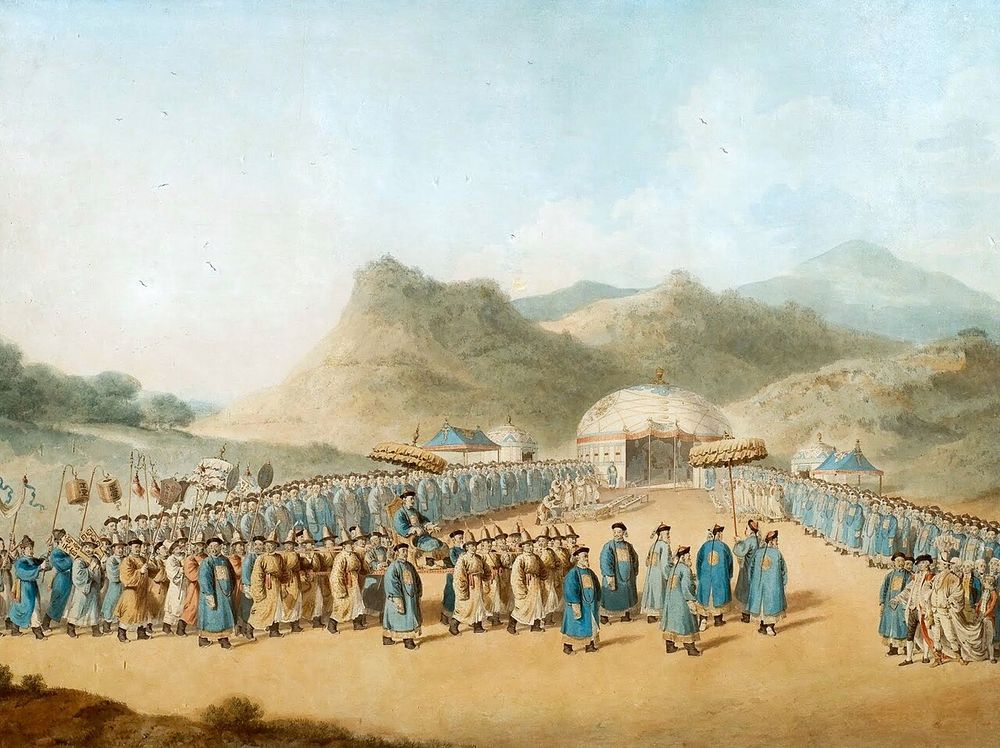
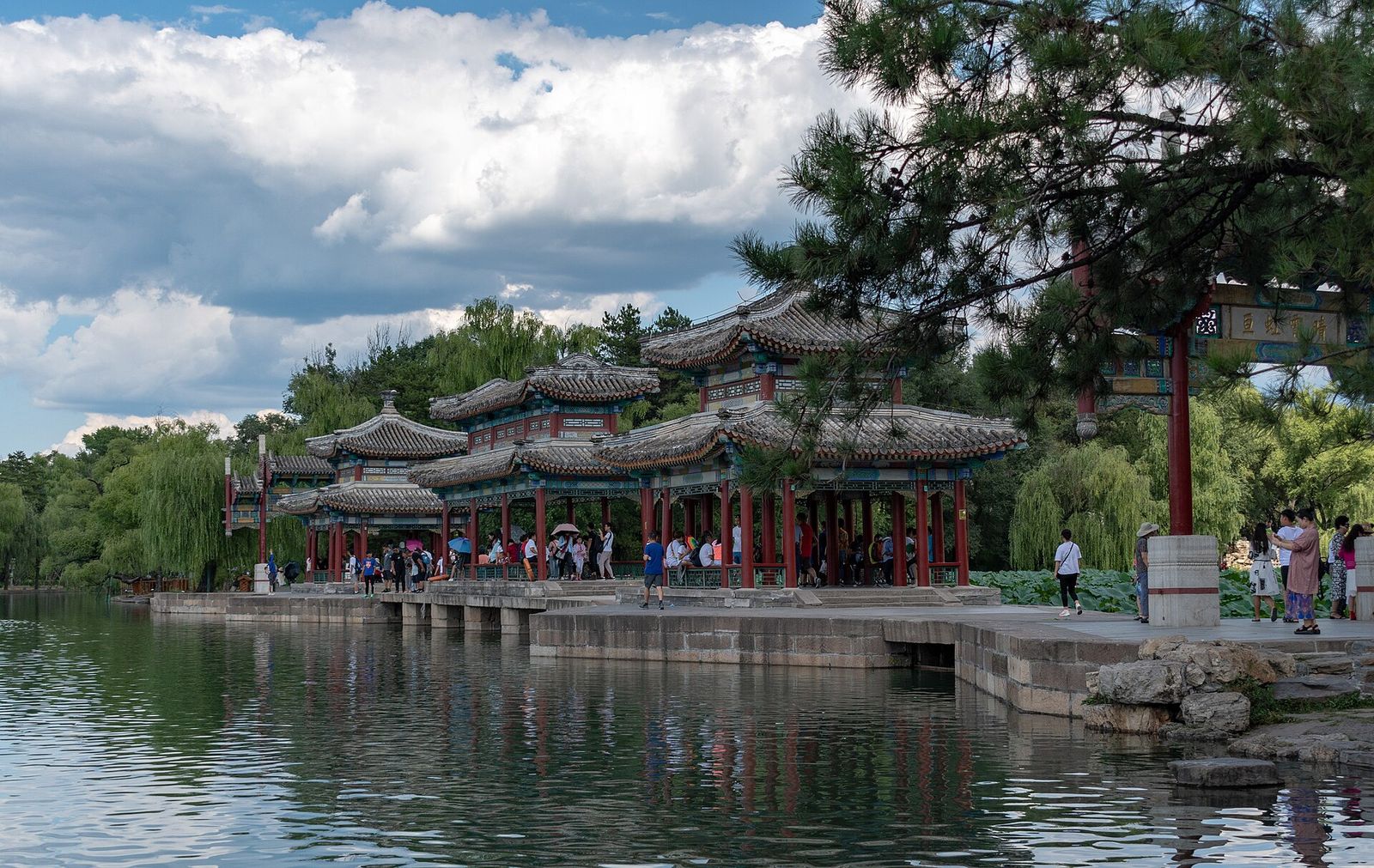
Then walk down to the lakes, where a dozen pavilions, bridges and islands copy famous views of the south, and on to the Garden of Ten Thousand Trees, where in 1793 Lord Macartney knelt on one knee before the Qianlong Emperor in a great yurt.
"It is like the Summer Palace in Beijing." It is several times bigger, mostly wild hills and woods, and the buildings are plainer. It is the largest imperial garden in China.
"The Eight Outer Temples are inside." They stand outside the wall, on the hills to the east and north, with separate tickets.
We searched Chinese sources first for this list, then English and Italian ones.
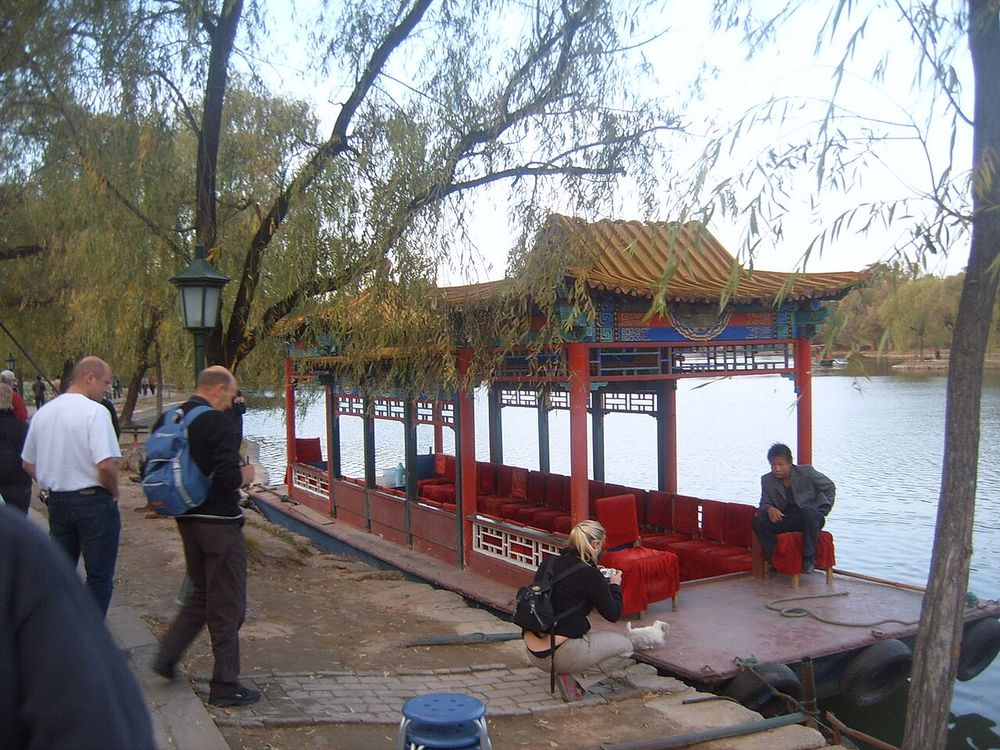
The resort covers 5.64 square kilometres; walking it all takes four hours or more. A combined ticket of 150 yuan covers the hill bus, the lake boat and the plain cart.
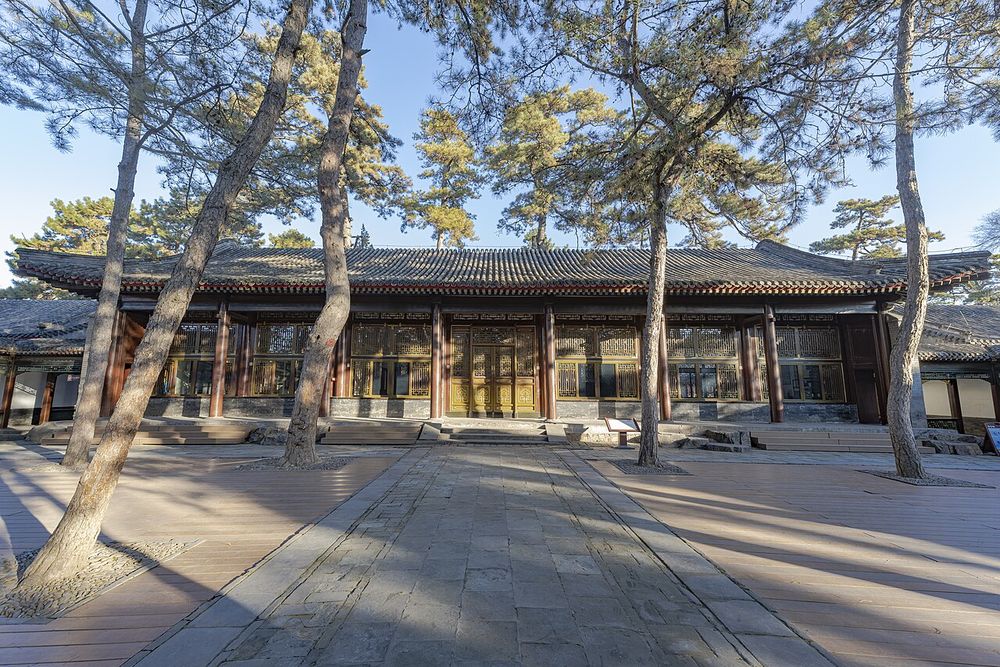
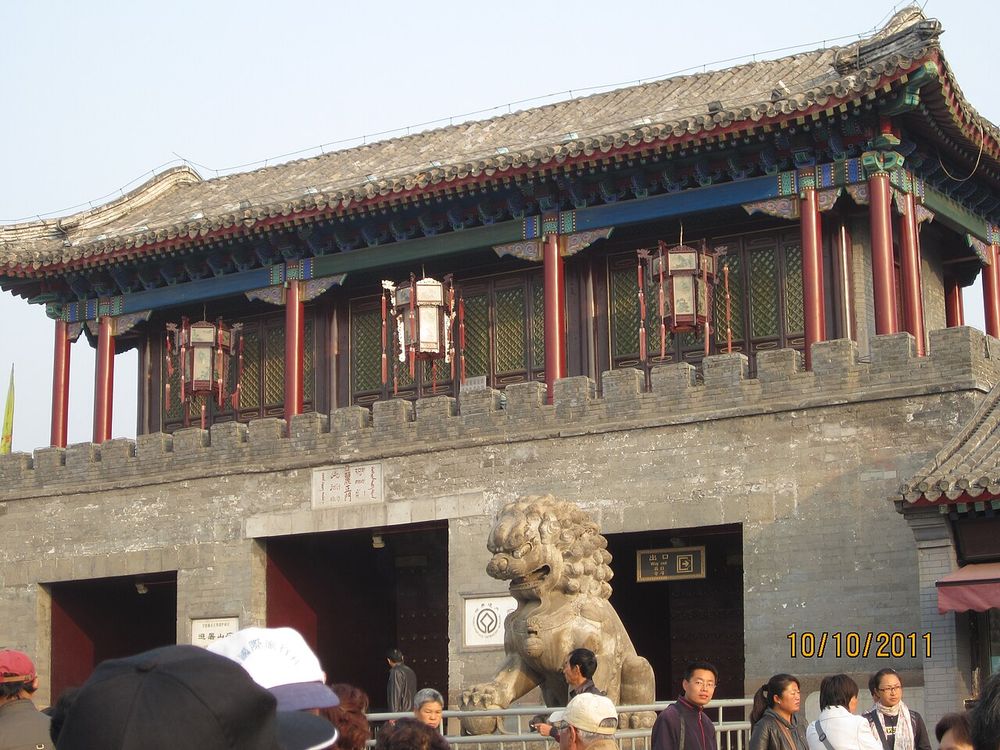
The main gate bears its name in five scripts: Chinese, Manchu, Mongol, Tibetan and Uyghur. Behind it, courtyards of grey-roofed halls among old pines.
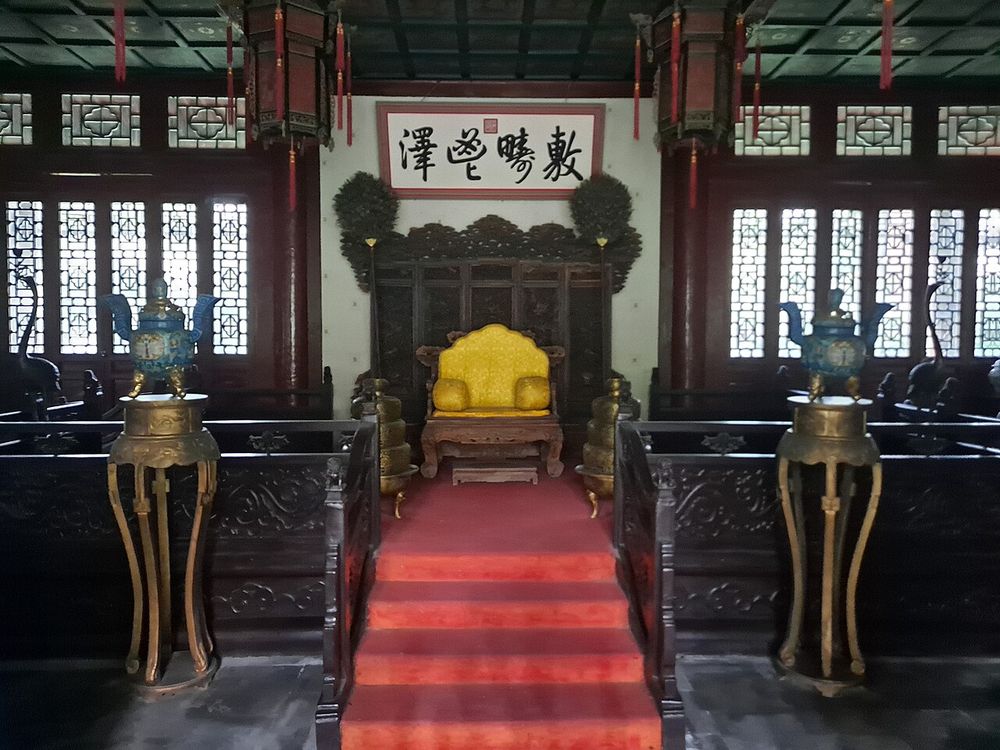
The emperor's private apartments, where Xianfeng died in 1861; the room is kept with its furniture.
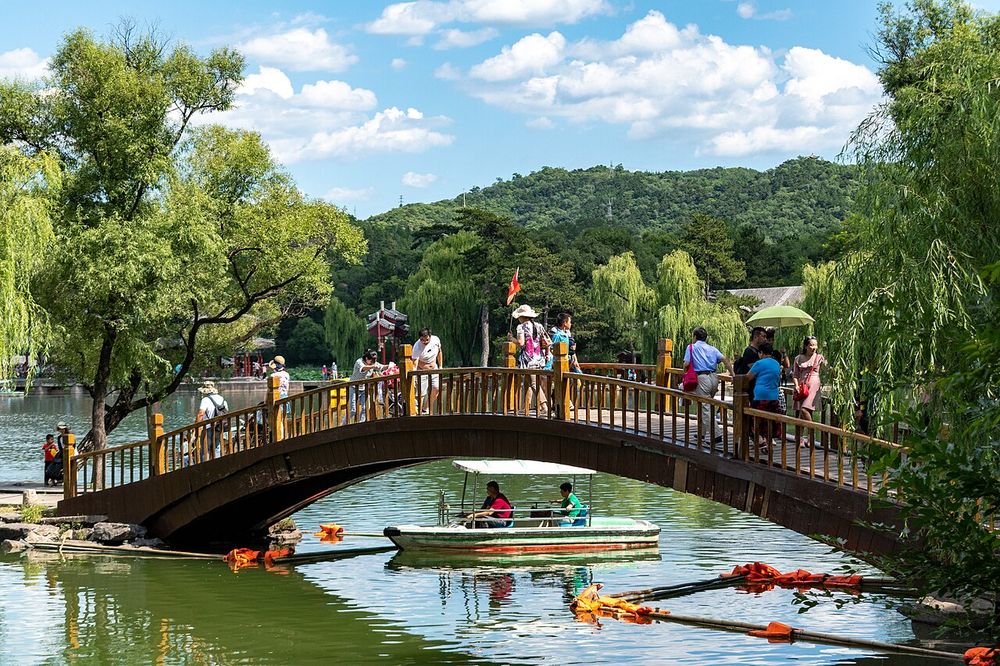
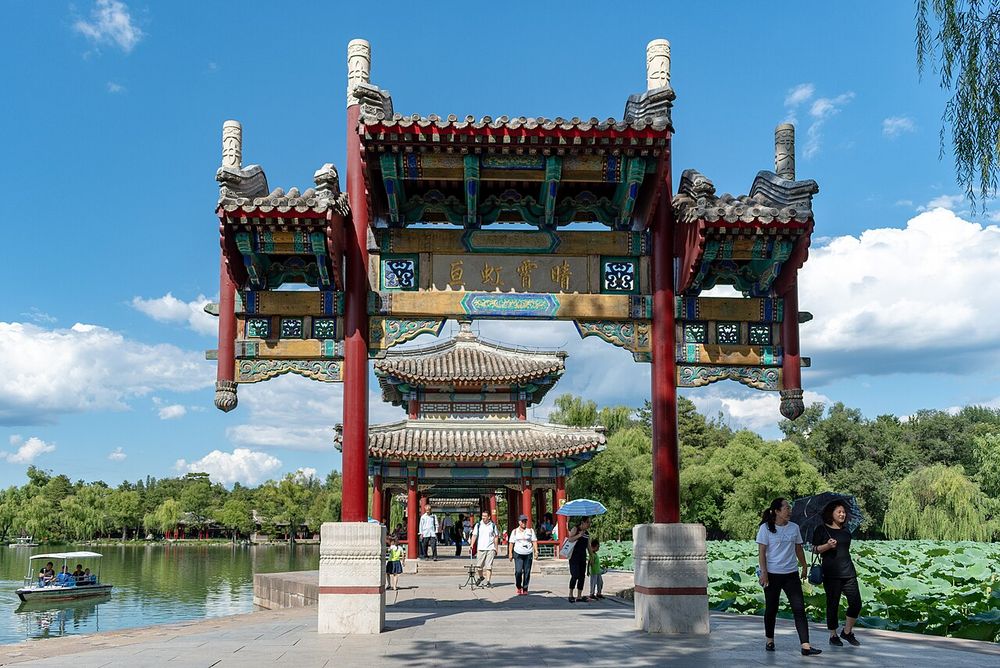
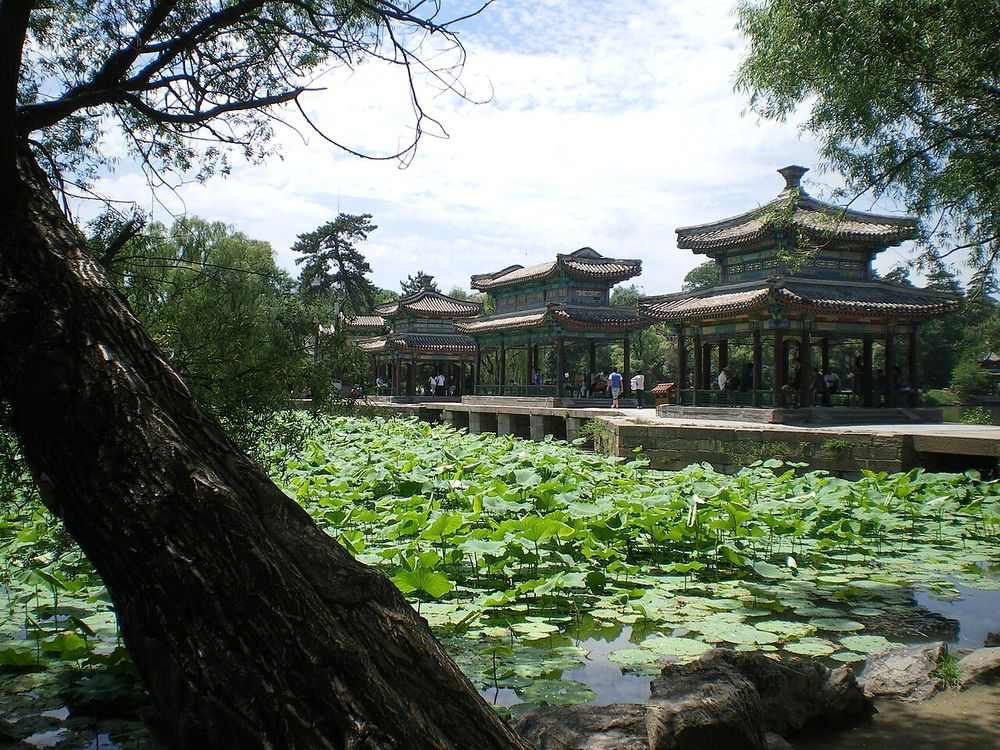
Causeways, bridges and islands; look for the Misty Rain Tower, copied from a tower in Jiaxing, and for the Water-Heart Pavilions over a sluice.
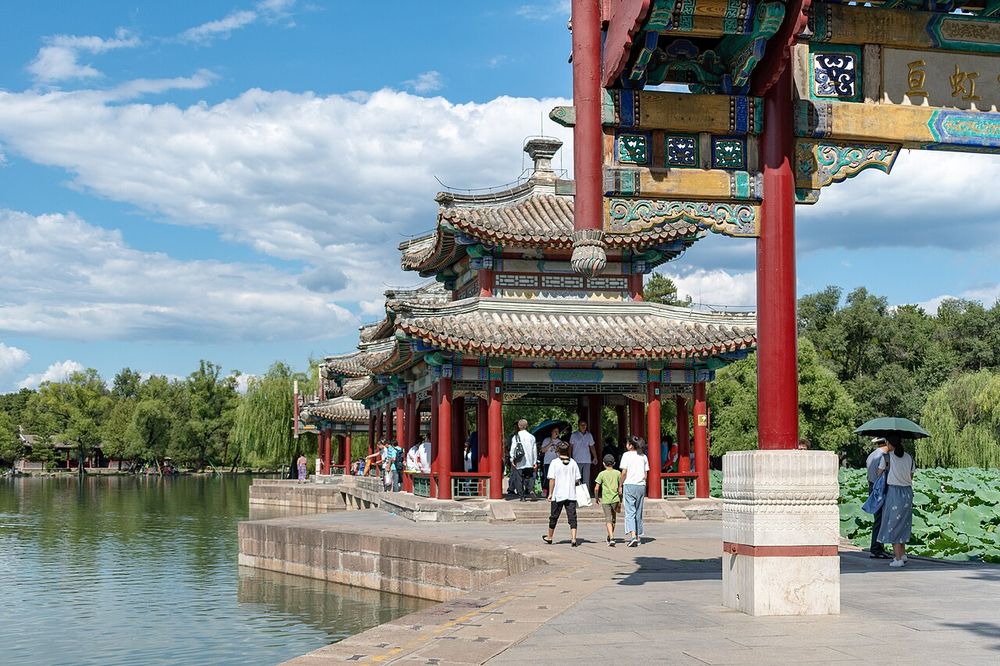
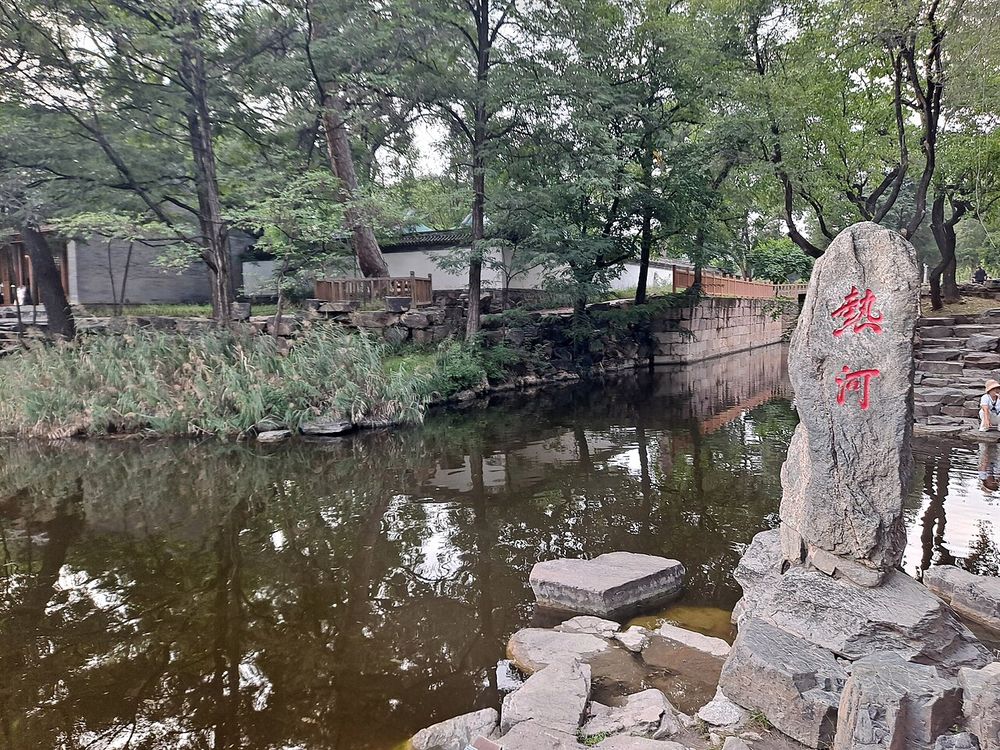
The warm spring that gave the river and the city their old name, Rehe or Jehol; its water keeps a corner of the lake from freezing in winter.
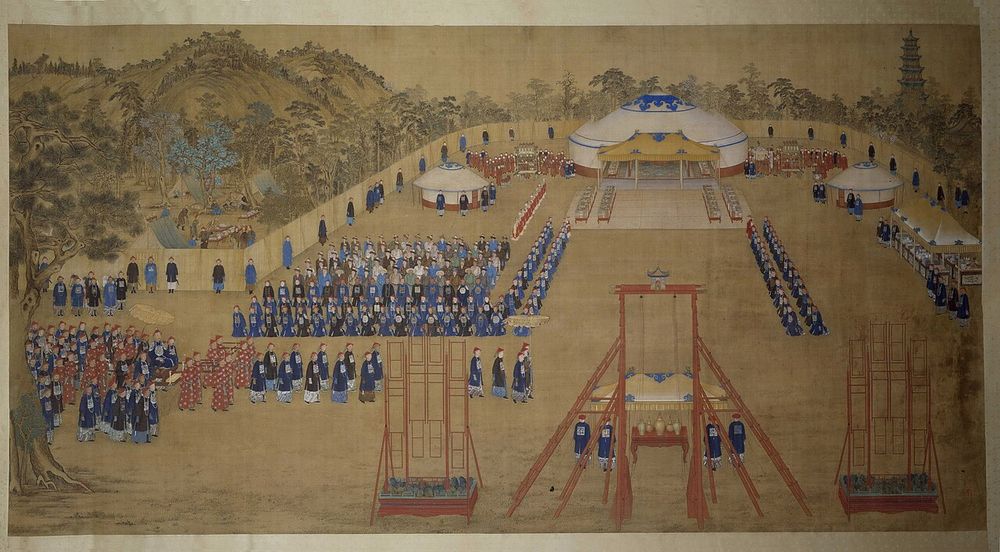
An open plain where yurts were pitched for banquets with Mongol princes and foreign envoys. The court painters recorded such a feast in 1755.
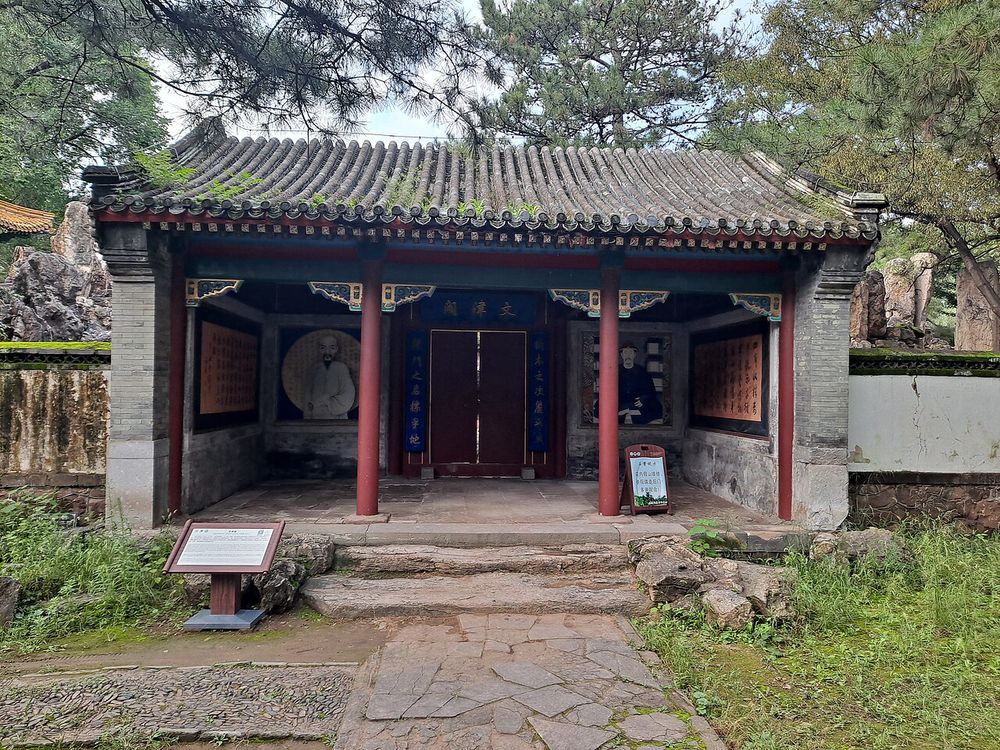
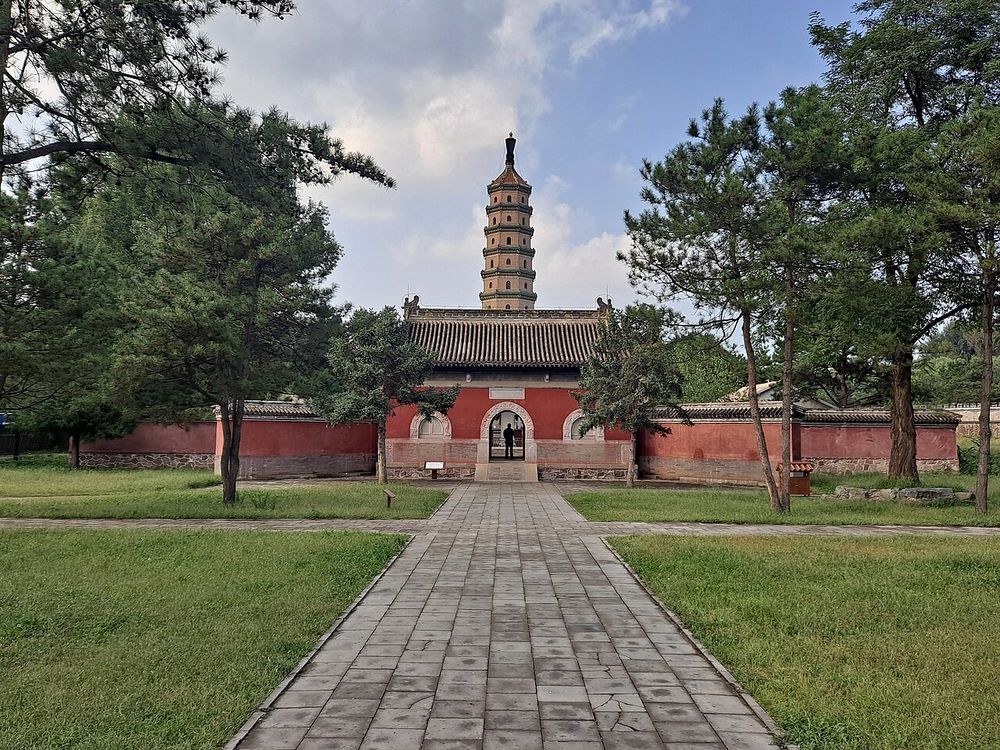
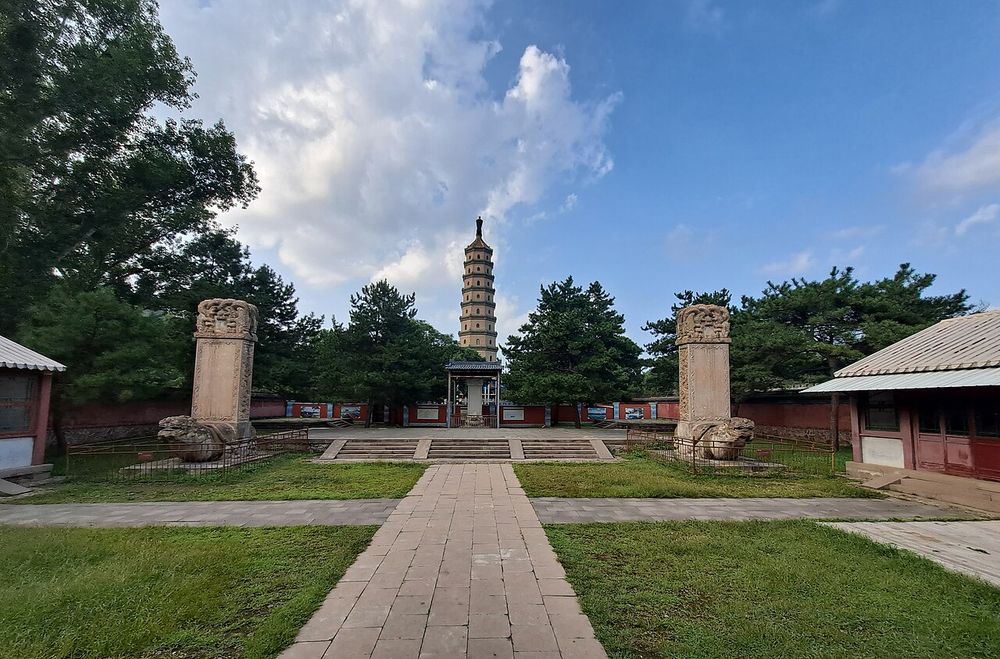
The Wenjin Ge, built in 1774, held one of seven copies of the vast "Complete Library of the Four Treasuries"; that copy is now in the National Library in Beijing. Nearby, the nine-storey pagoda of Yongyou Temple rises over the plain.
In 1703, the year Kangxi began the resort, Peter the Great founded St Petersburg on the marshes of the Neva.
| Year | Here | Elsewhere |
|---|---|---|
| 1703 | Kangxi begins the Mountain Resort | Peter the Great founds St Petersburg |
| 1774 | The Wenjin Library is built | Louis XVI becomes king of France |
| 1793 | Qianlong receives Lord Macartney | Louis XVI is executed in Paris |
| 1861 | The Xianfeng Emperor dies here | The American Civil War begins |
| 1994 | The resort and the outer temples become a World Heritage Site | Nelson Mandela becomes president of South Africa |
One line to remember: an empire in miniature, where the Qing (1644–1912) emperors spent their summers and met the world on their own terms.
These are stories people tell about this place. They are legends, not history, and each one says where it comes from.
The strange club-shaped rock on the hill east of the resort, Qingchui Peak, is said to be the hammer of a god, left behind after he used it to drive back a flood.
Source: A Chengde folk story
Later, people who live here will be able to add the stories they grew up with, and say which of these they have heard.
Last checked 2026-11-12. Prices, hours and booking from 2026 Sina guides citing the scenic area and Hebei Daily.
Checked 2026-11-12
Opening hours are given in the local time of the place. Prices are in the local currency. The figure after ≈ is approximate, at exchange rates checked on 9 November 2026, in .
Stand at the site, sign in, press the button, and collect its stamp. Your browser will ask to use your location. It is sent to us once to confirm that you are at the site; we keep how far you were from it, not the spot where you stood.
Your stamps are saved to your account, so they follow you to any device. Checking from a browser cannot rule out every false location; stricter checks arrive with the app.
Photos here show the place, not people. Each one is credited to the visitor who took it and appears after our team has looked at it. A photo with you in it belongs under “I am here”.