Timeless Places

Xi'an, Shaanxi, China

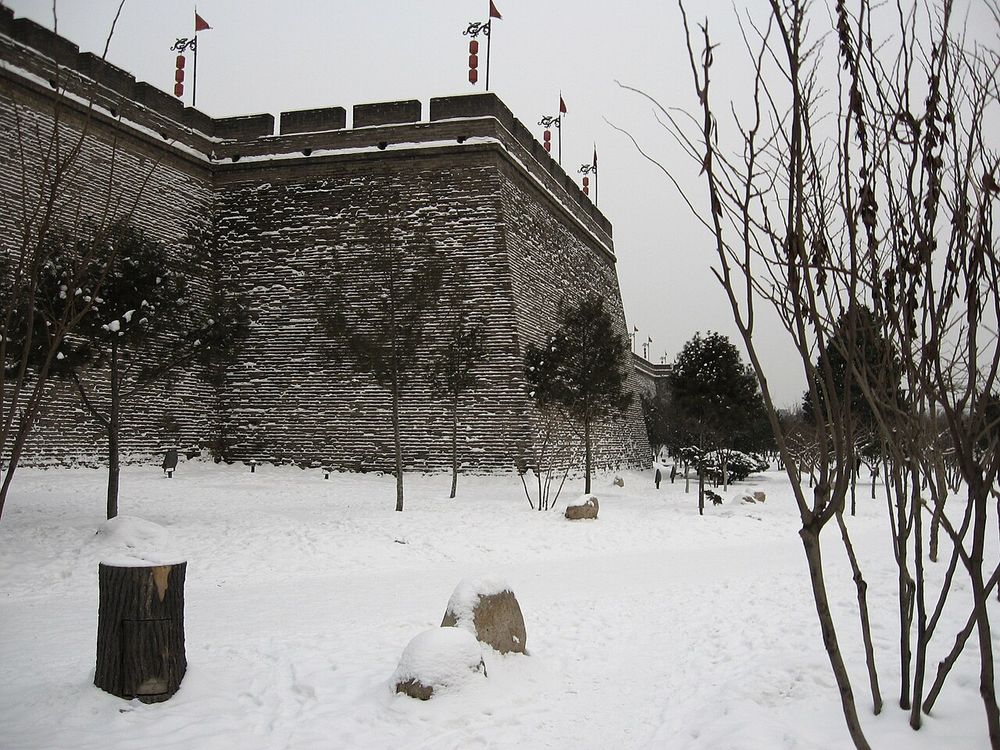
Xi'an City Wall

★★★★☆

西安城墙 · Xī'ān Chéngqiáng

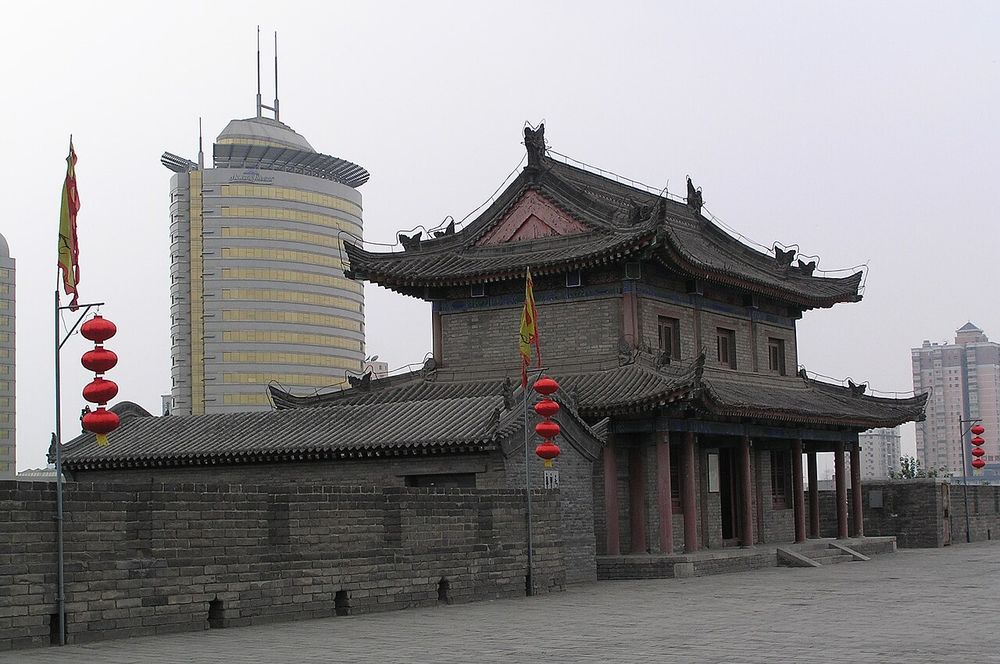
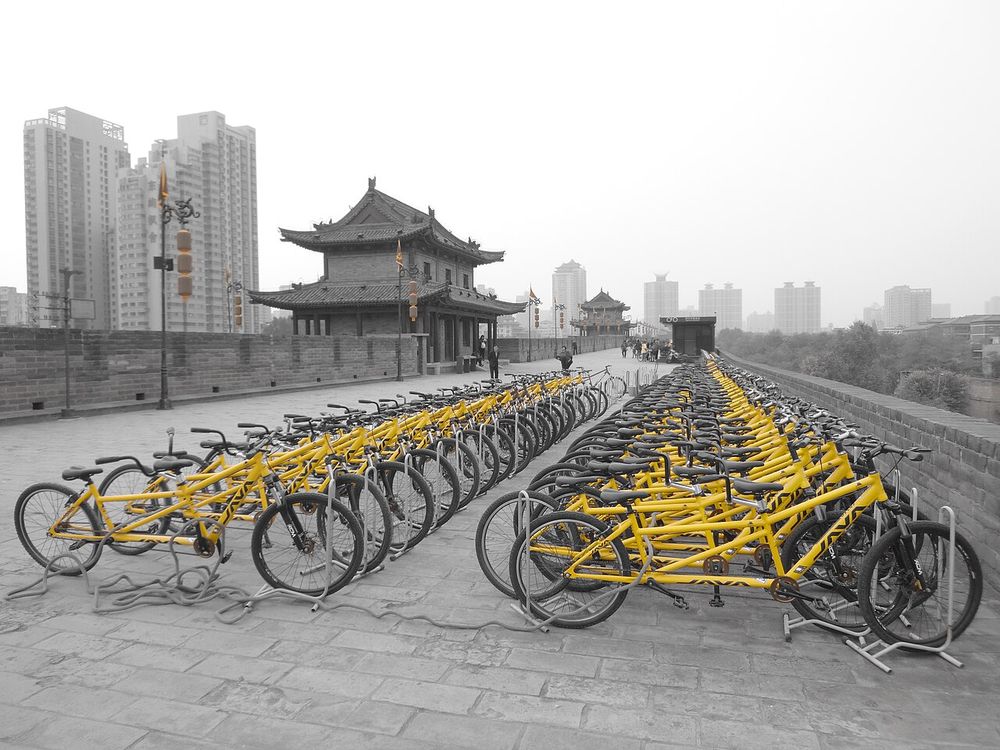
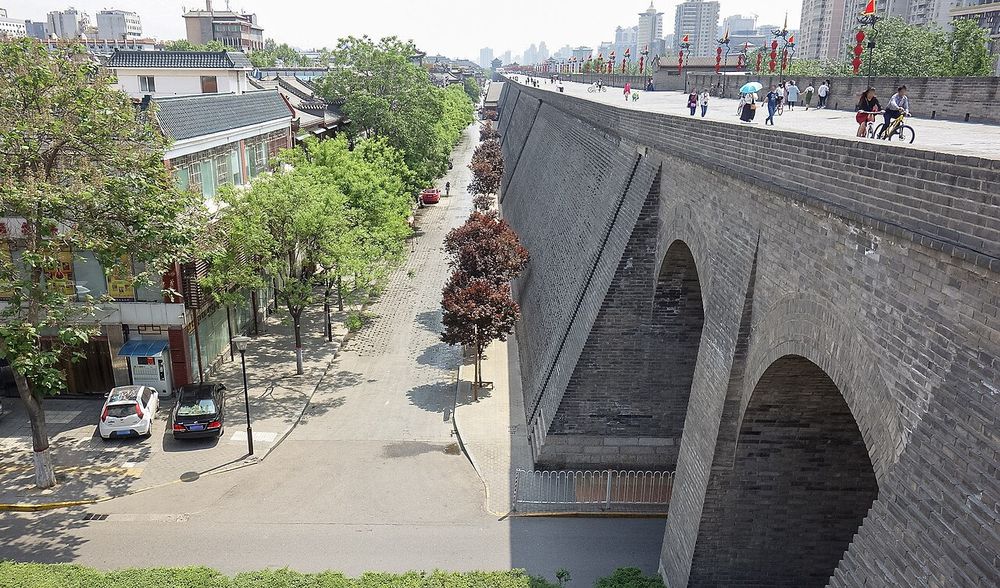
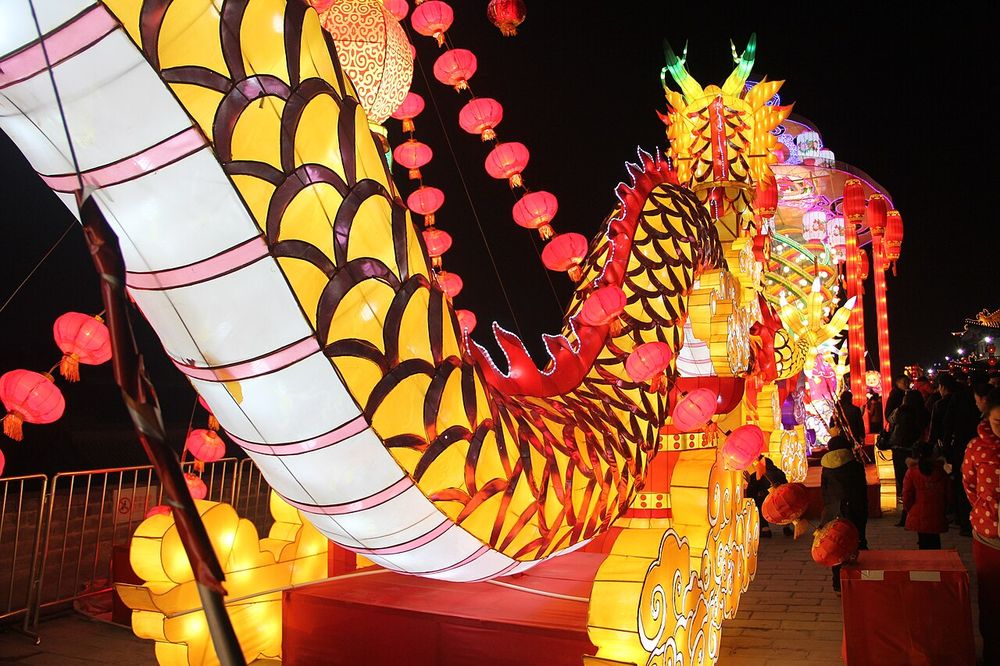
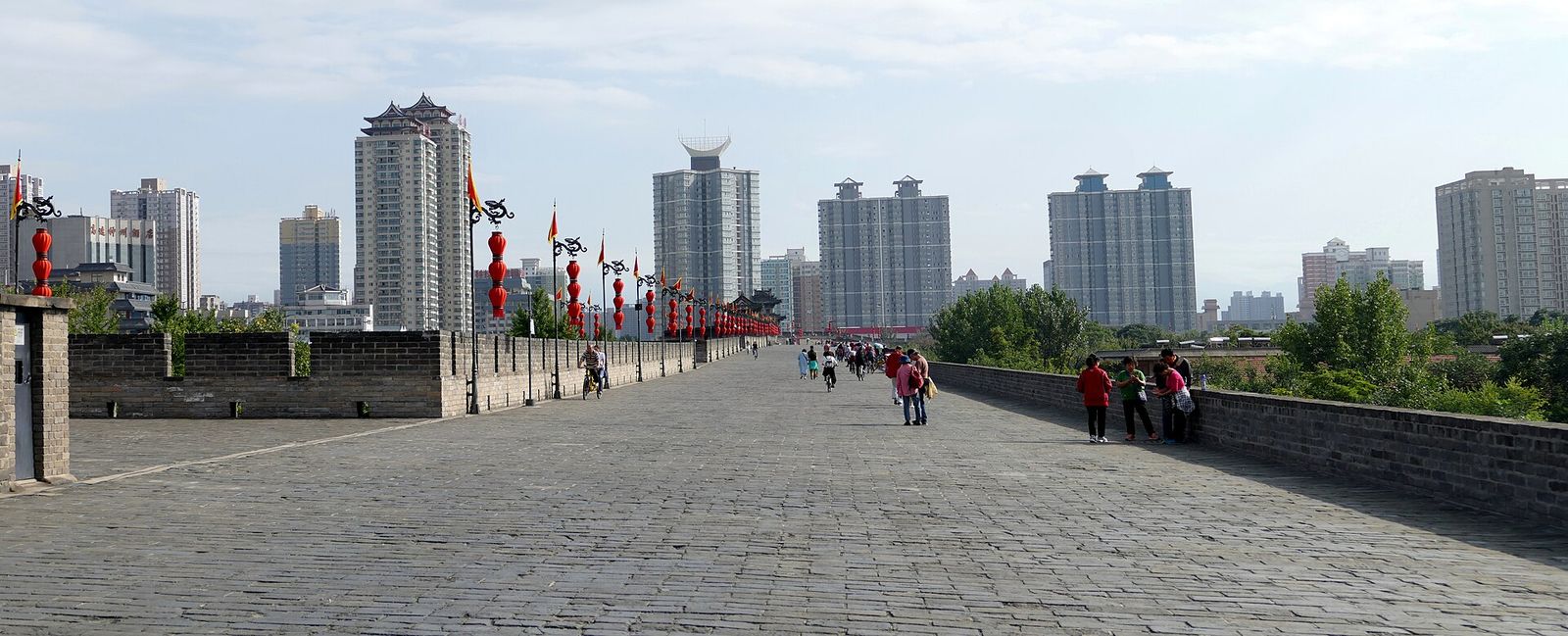
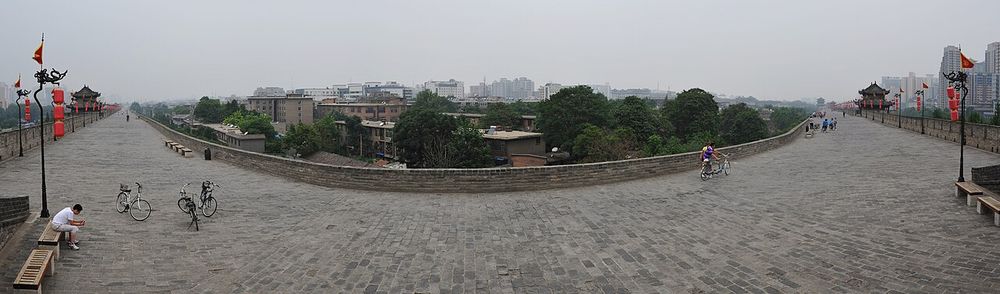
The most complete city wall left in China: 13.74 kilometres of brick-faced earth, twelve metres high and wide enough on top to ride a bicycle round. The Ming built it from 1370 on the walls of the Tang imperial city, and its four great gates are still the doors of old Xi'an.

Photo: Zossolino, CC BY-SA 4.0, Wikimedia Commons

The story

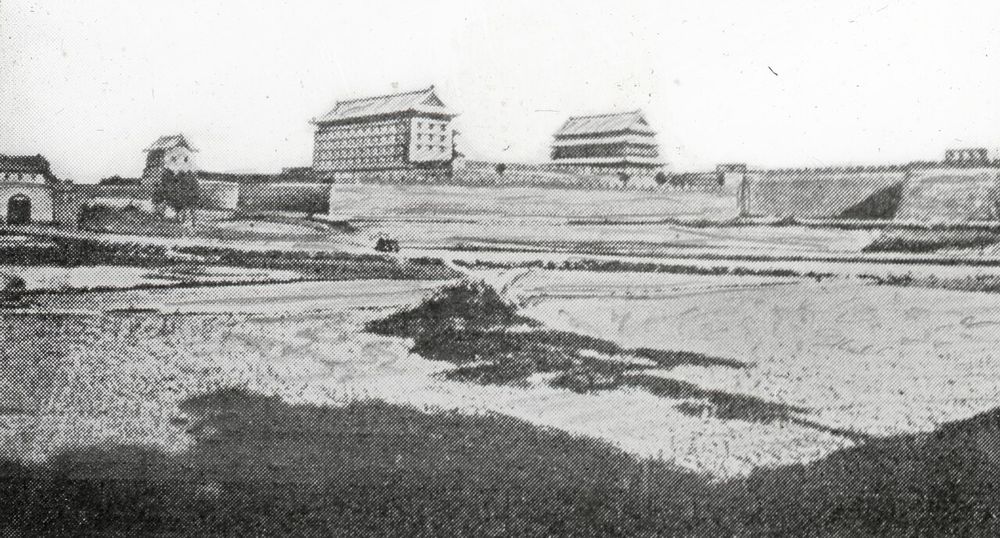
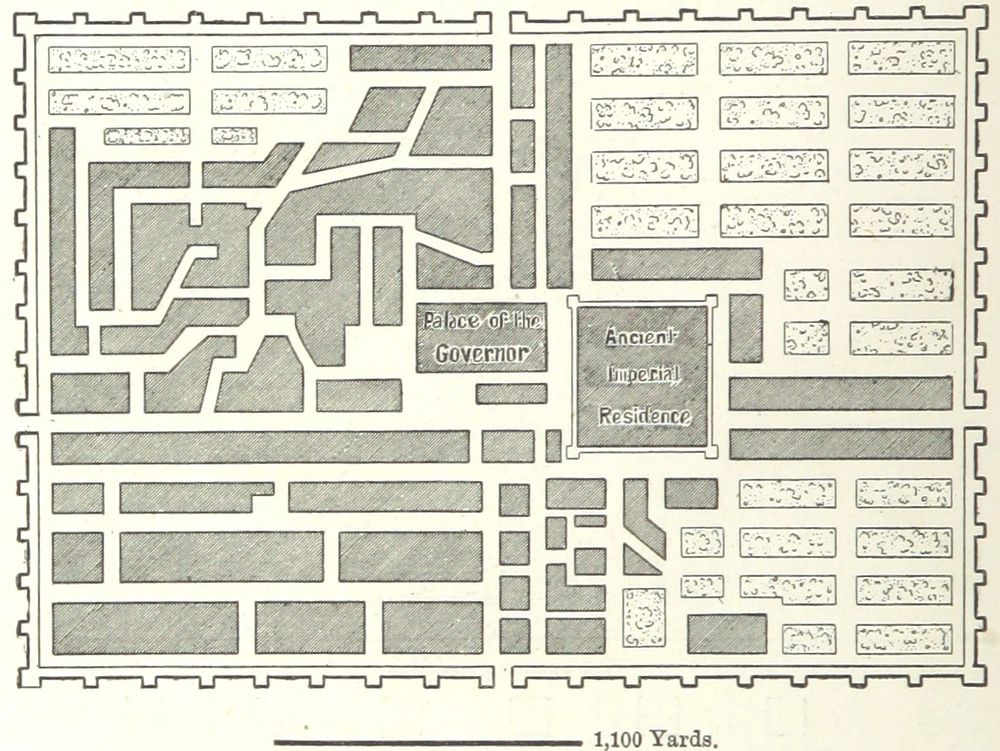
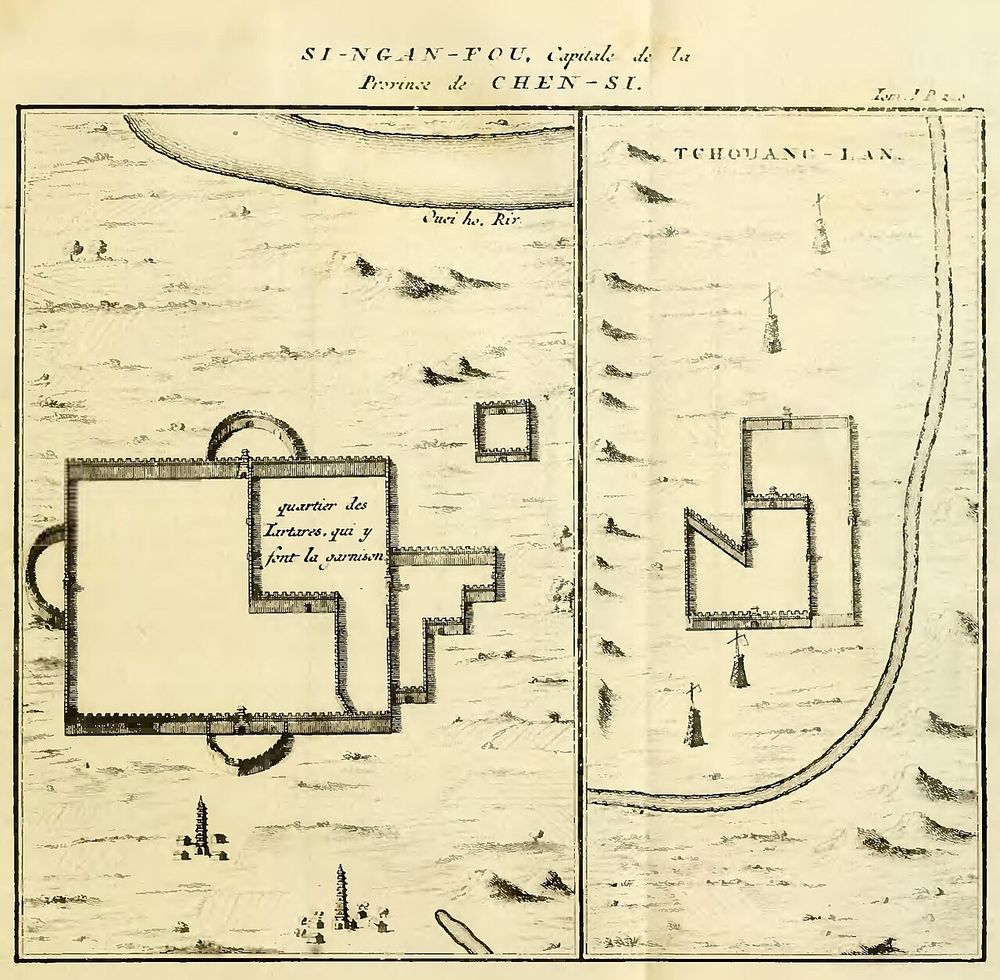
Xi'an was Chang'an, capital of the Han (206 BC–AD 220) and the Tang (618–907), the city at the eastern end of the Silk Road. When the Tang fell, the vast capital shrank to the walls of its old imperial city. In 1370, two years after founding the Ming dynasty (1368–1644), the Hongwu emperor ordered a new wall round that core, larger and stronger. It was finished in 1378, and in 1568 its rammed earth was faced with grey brick.

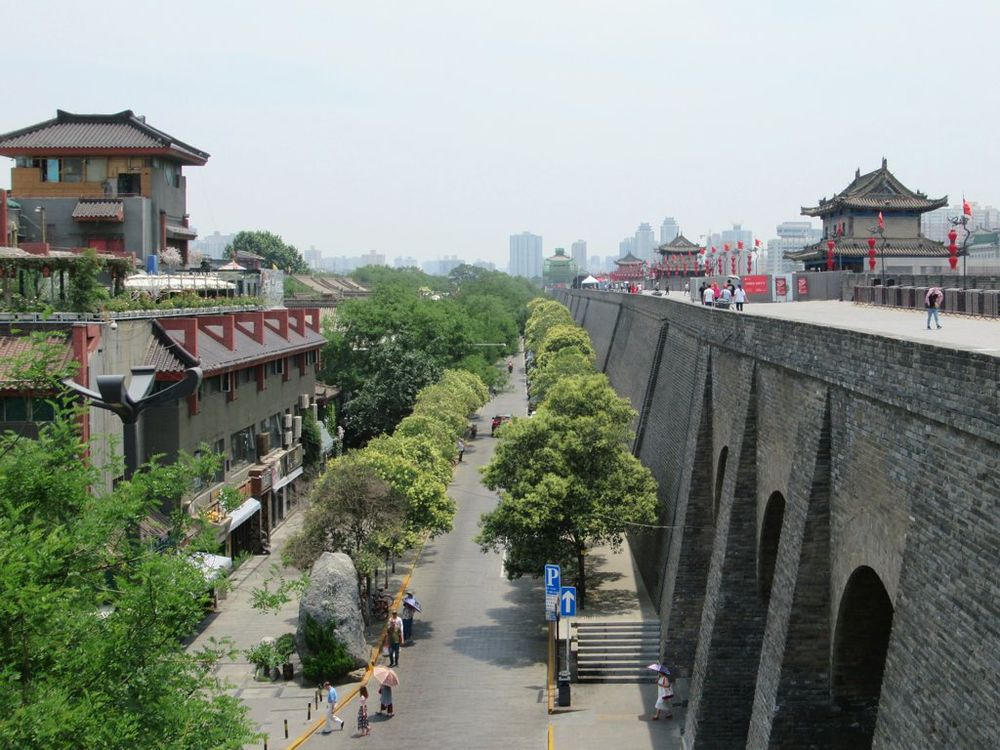
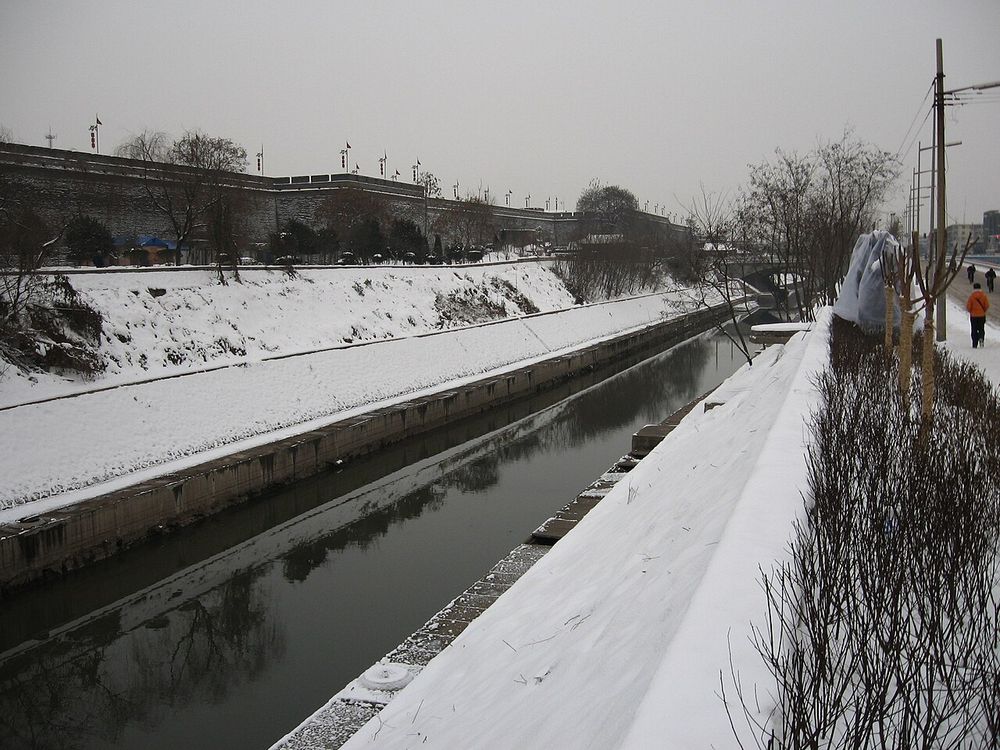
Most Chinese cities pulled their walls down in the 20th century to make way for roads. Xi'an kept its own, mended it from the 1980s, and joined the last broken stretches so that the whole ring is now walkable. It is 13.74 kilometres round, 12 metres high, 12 to 14 metres wide on top, with a moat outside and a park along it. Today more than three thousand sensors watch it for cracks and movement.

What is here

One ticket lets you up at any open gate and walk or ride the whole ring. The moat park below is free.

PartTicket
Yongning Gate (South Gate) and its barbicanWall ticket
The Kuixing TowerWall ticket
The ring of the wall and its towersWall ticket; bicycles and carts extra
The Hanguang Gate site museumAsk at the gate whether your ticket covers it
The moat and the ring parkFree

If you have one minute

On top of the South Gate
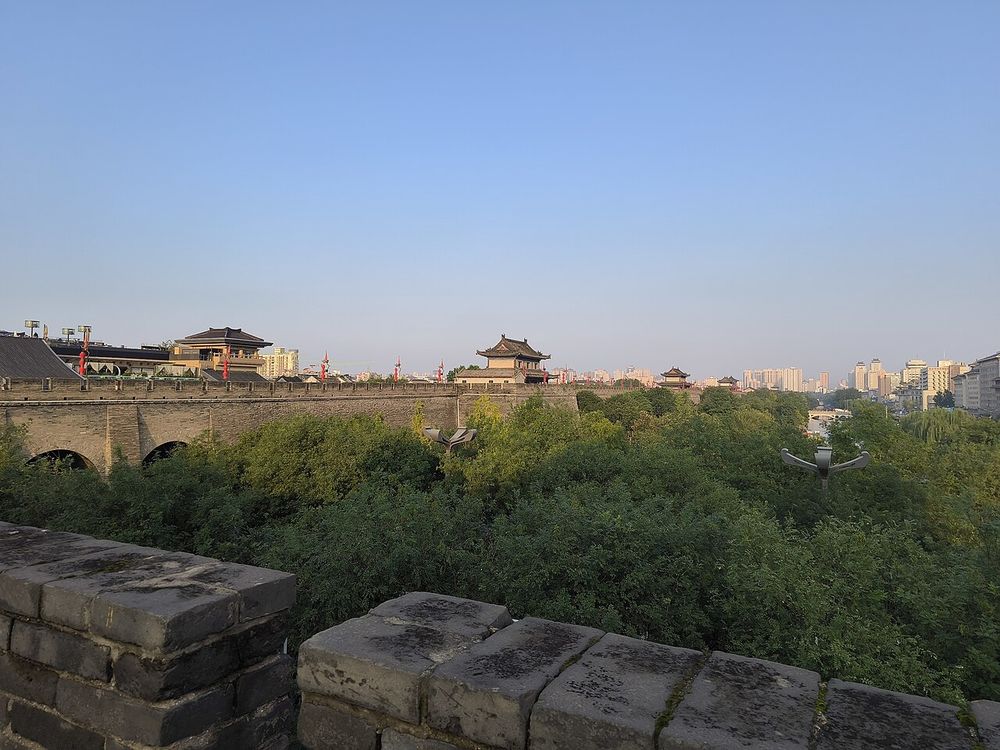
Looking down from Yongning Gate, October 2023
Looking down from Yongning Gate, October 2023源義信, CC BY-SA 4.0

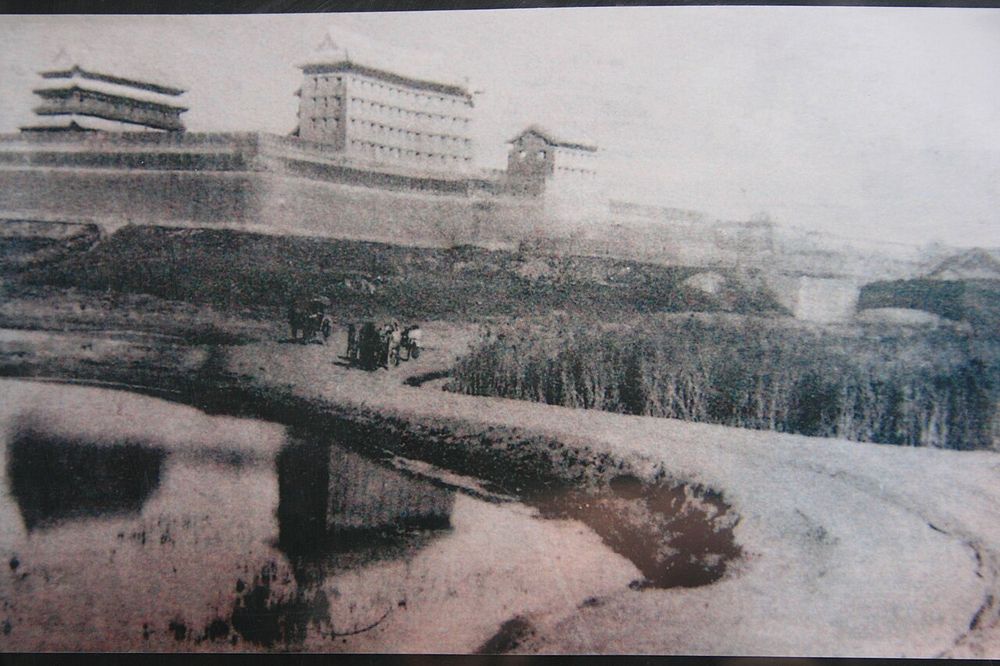
Look down into the square enclosure below you. This is the barbican: an enemy who broke through the outer gate found himself in a box of walls, with archers on every side. The South Gate, Yongning, has three towers in a line: the drawbridge tower over the moat, the archery tower with its rows of windows, and the main tower where you stand.

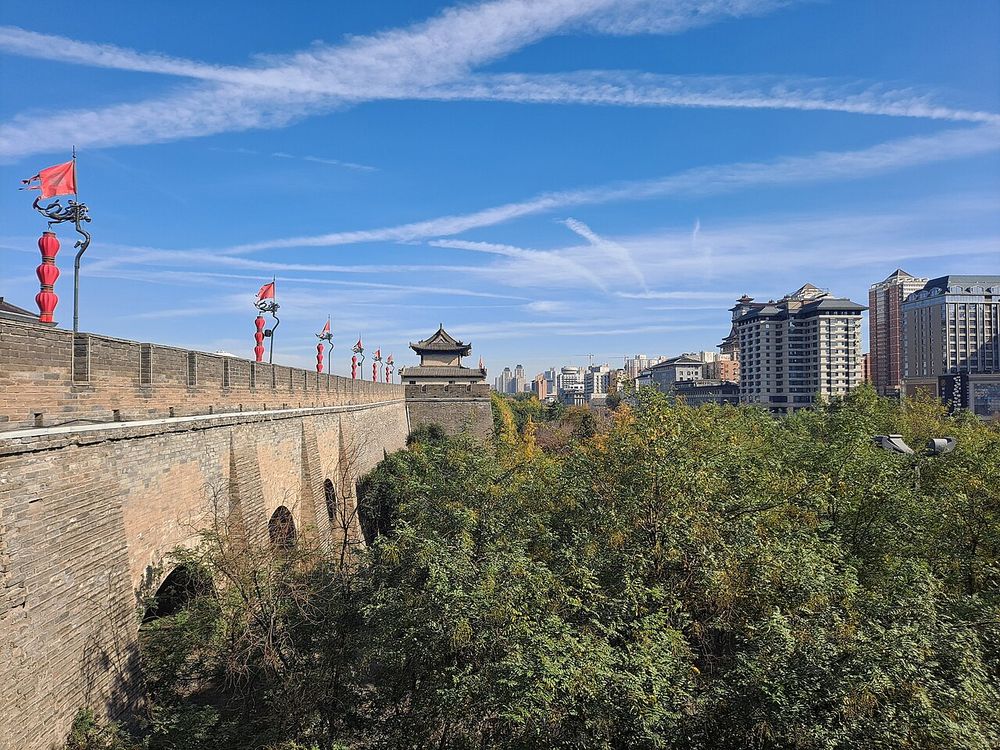
Then look along the top of the wall. Every 120 metres or so a square bastion sticks out. That spacing is about twice a bowshot, so archers on two bastions could cover every metre of wall between them.
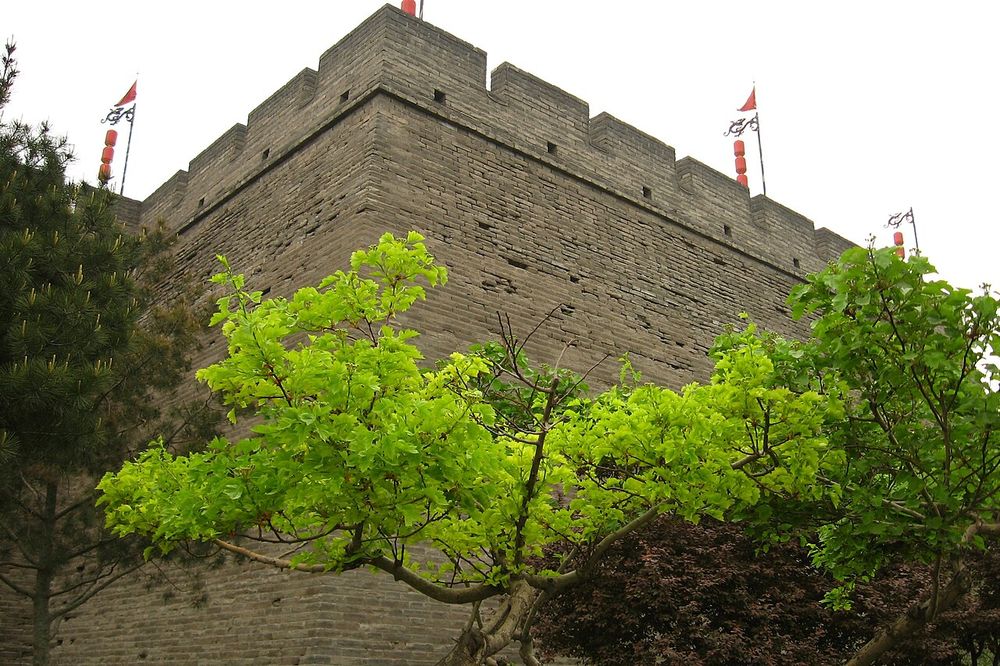
A bastion in spring
A bastion in springmonicker, CC BY-SA 3.0

Things people often get wrong

"This is the wall of Tang Chang'an." Tang Chang'an was about seven times larger. This is the Ming wall, built on the line of the Tang imperial city at its heart.

"It is the wall of the Han." The Han city lay northwest of today's centre; only its earthen ramparts remain, in the fields.

People who stood here

We searched Chinese sources first for this list, then English and Indian ones.

  • Bill Clinton (US president, born 1946)On the evening of 25 June 1998, at the start of his state visit, he was welcomed at the South Gate with a ceremony in Tang dress and given the key to the city. "Here in this ancient capital, China seems very young to me tonight," he said. He was the first foreign leader to receive the ceremony.
  • Michelle Obama (US first lady, born 1964)In March 2014 she walked the wall with her daughters and played jianzi, the Chinese shuttlecock, with local students.
  • Narendra Modi (Indian prime minister, born 1950)On 14 May 2015 he was given a Tang welcome at the South Gate and walked through it into the old city.
  • Xi Jinping (Chinese president, born 1953)In his home province he welcomed Modi at the gate tower and gave a banquet for him on the wall, the first time, he said, that he had hosted a foreign leader in his home town.
Go deeper: six stops round the wall7 stops · about 2 min to read

A full round is 13.74 kilometres: two hours on a hired bicycle, four on foot. Most people go up at the South Gate and turn east, so the six stops follow that order.

1. Yongning, the South Gate
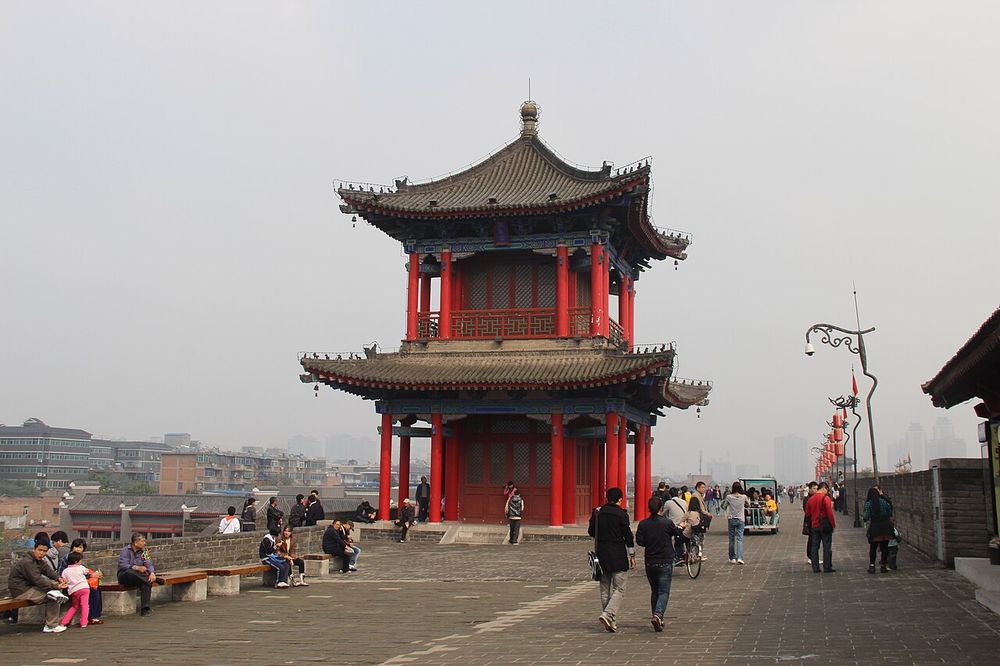
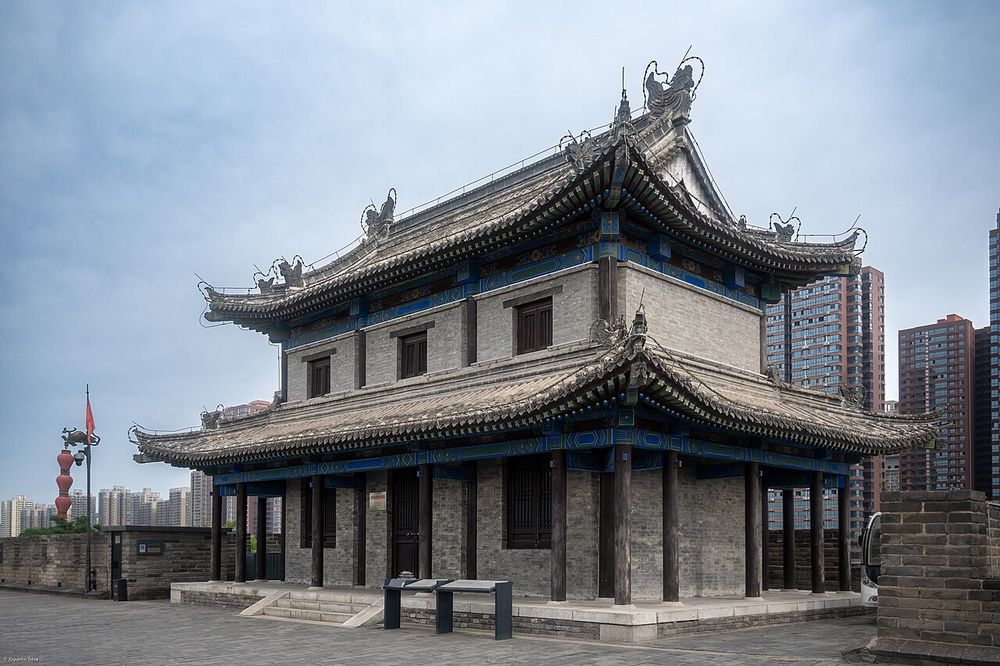
A gate tower on the south wall, 2011
A gate tower on the south wall, 2011Gary Todd from Xinzheng, China, CC0

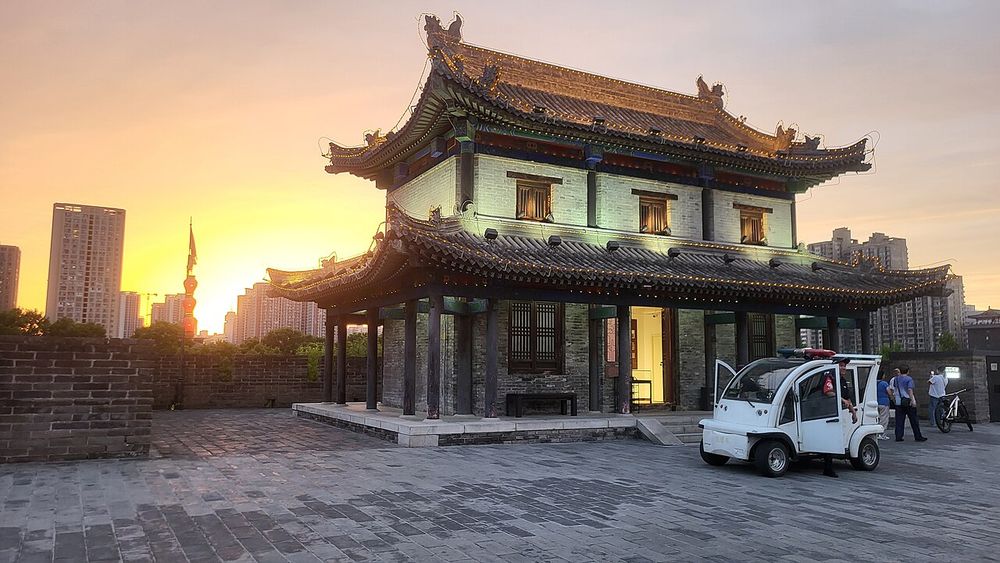
The four main gates are named Changle (lasting joy) in the east, Anding (peace) in the west, Yongning (eternal peace) in the south and Anyuan (pacifying the distant) in the north. Read together they say: may Chang'an be at peace for ever. The South Gate is the grandest, and in the evenings the welcome ceremony in Tang dress is staged here.
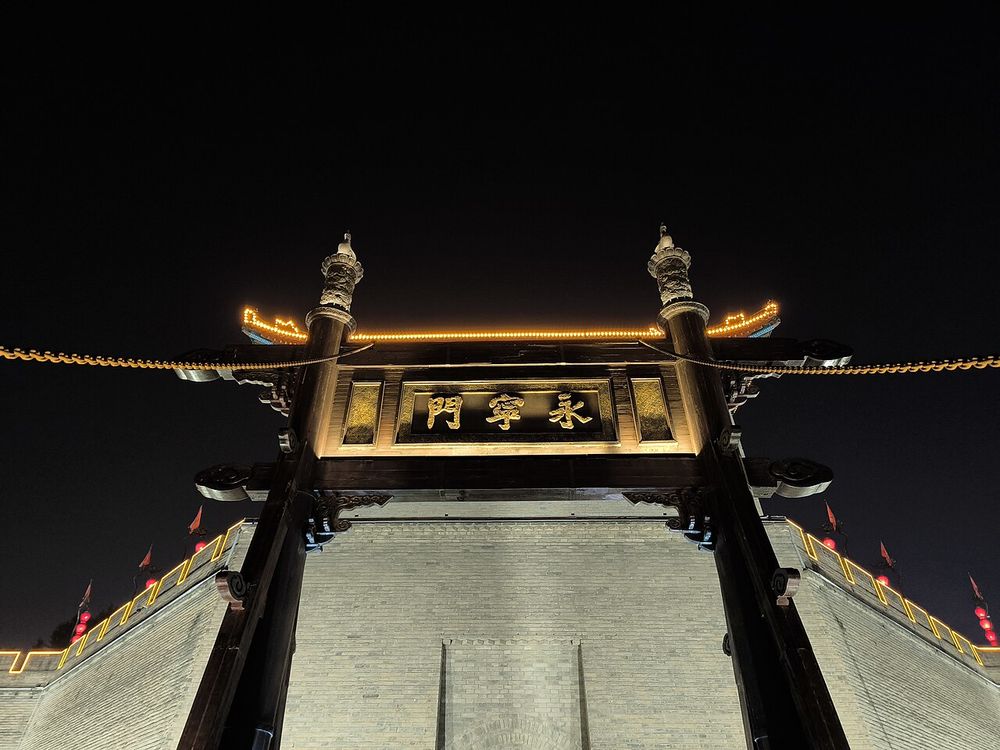
Yongning Gate lit at night, October 2023
Yongning Gate lit at night, October 2023源義信, CC BY-SA 4.0

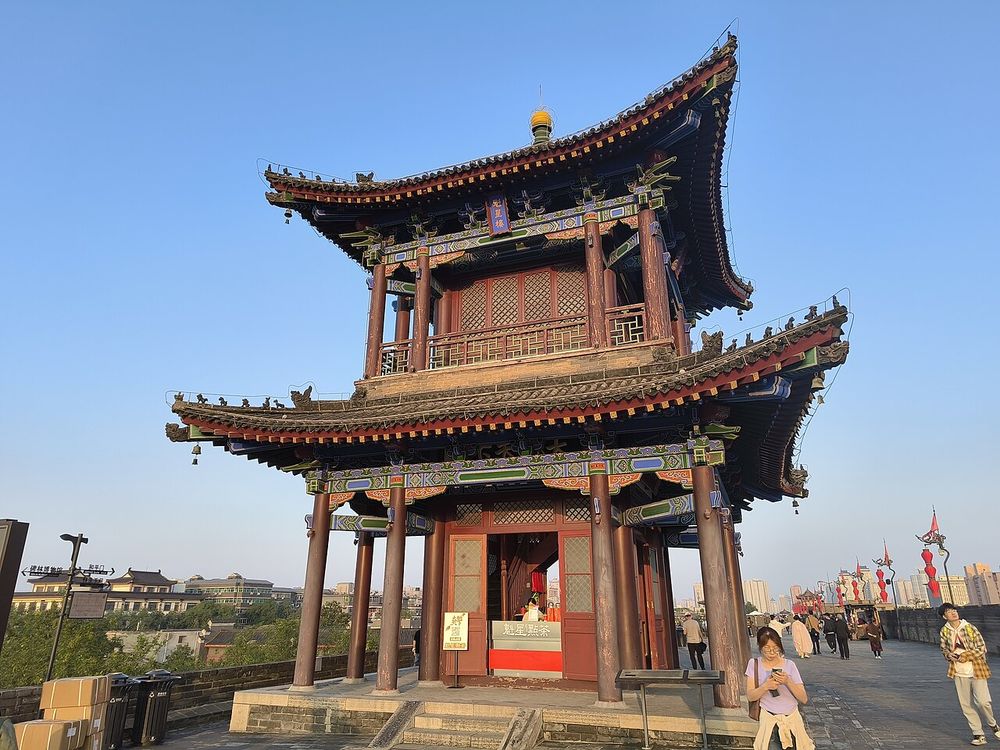
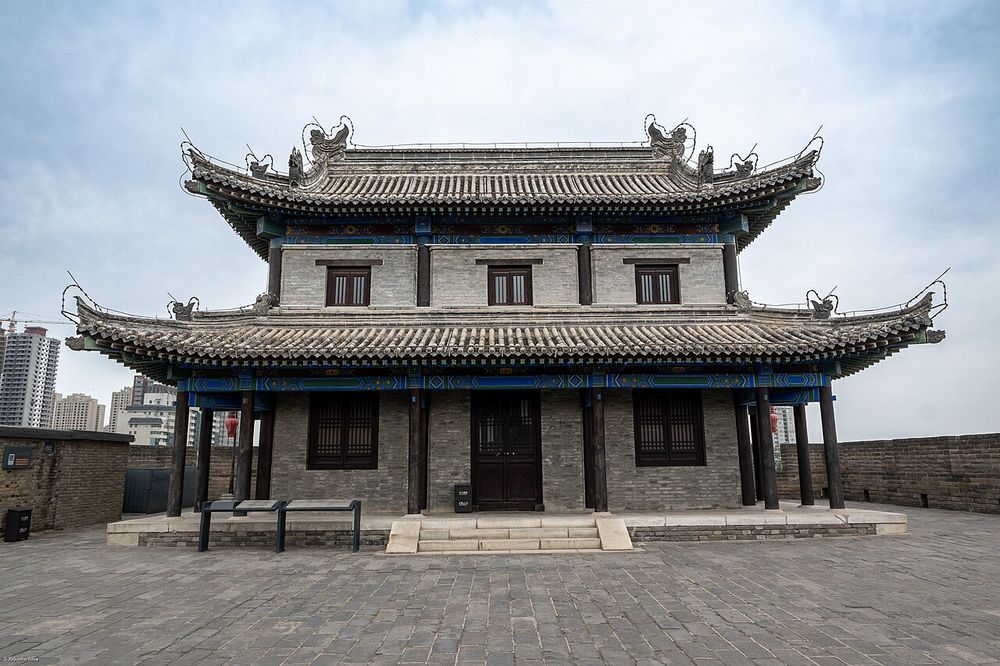
2. The Kuixing Tower

The Kuixing Tower, October 2023
The Kuixing Tower, October 2023源義信, CC BY-SA 4.0

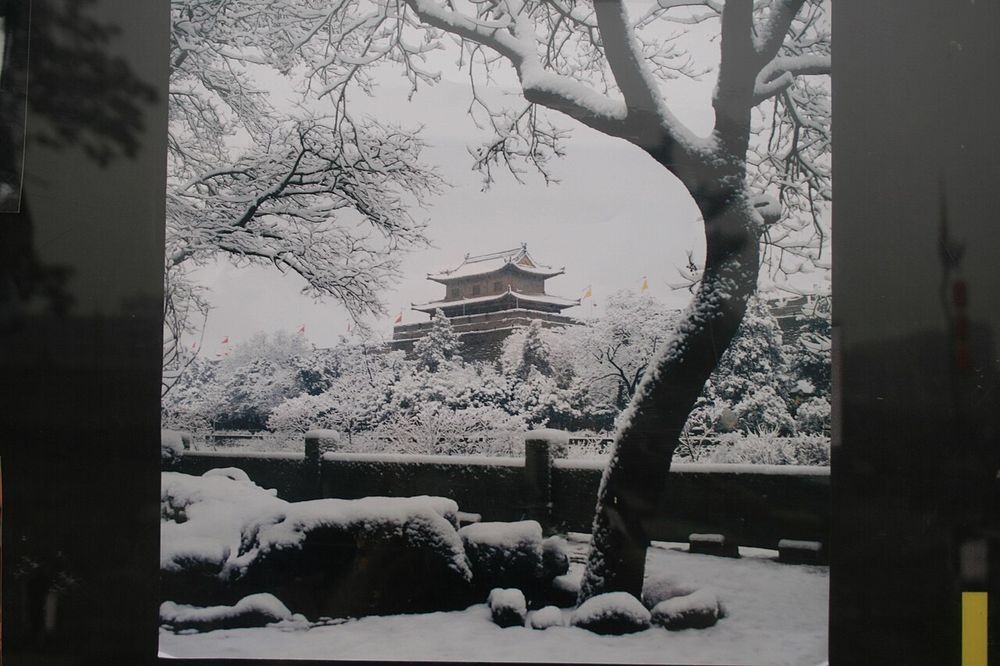
Just east of the South Gate a small two-storey pavilion sits on the wall. Kuixing is the star god of examinations, and the tower looked down on the Confucian temple and the schools below, today the Stele Forest Museum.

3. The top of the wall
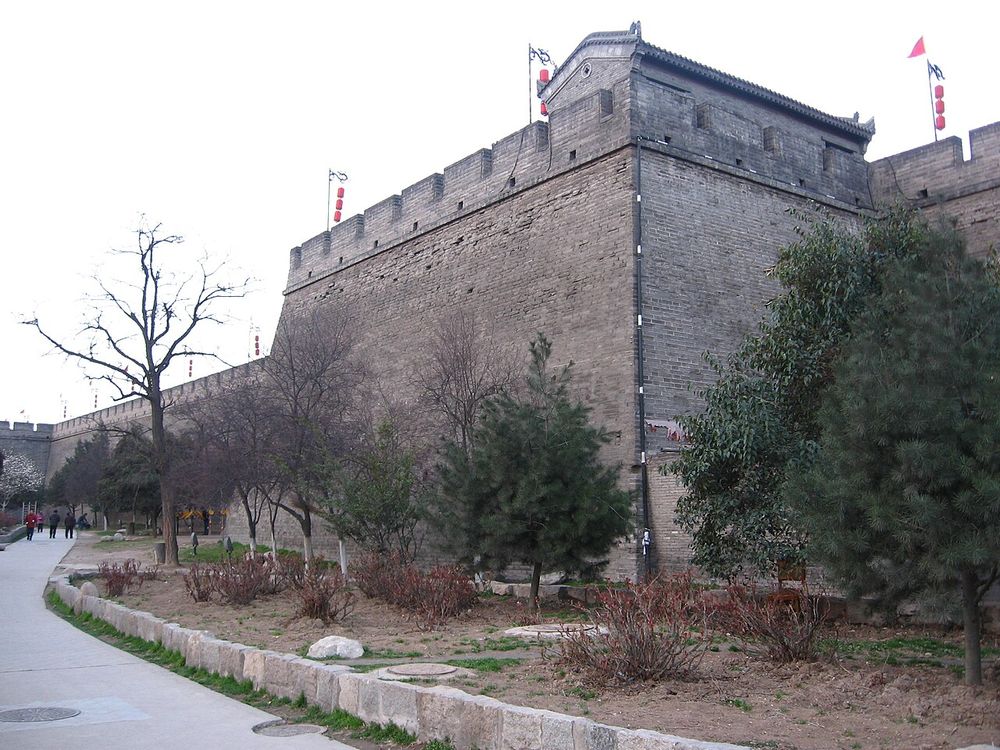
The outer face and its crenels
The outer face and its crenelsmonicker, CC BY-SA 3.0

Inside, the wall is rammed earth, layer on layer. Outside, the parapet has crenels for archers; inside, a lower wall kept people from falling. Look for the drains: stone channels that carry rain from the top down the face, because water is the enemy of an earth wall.
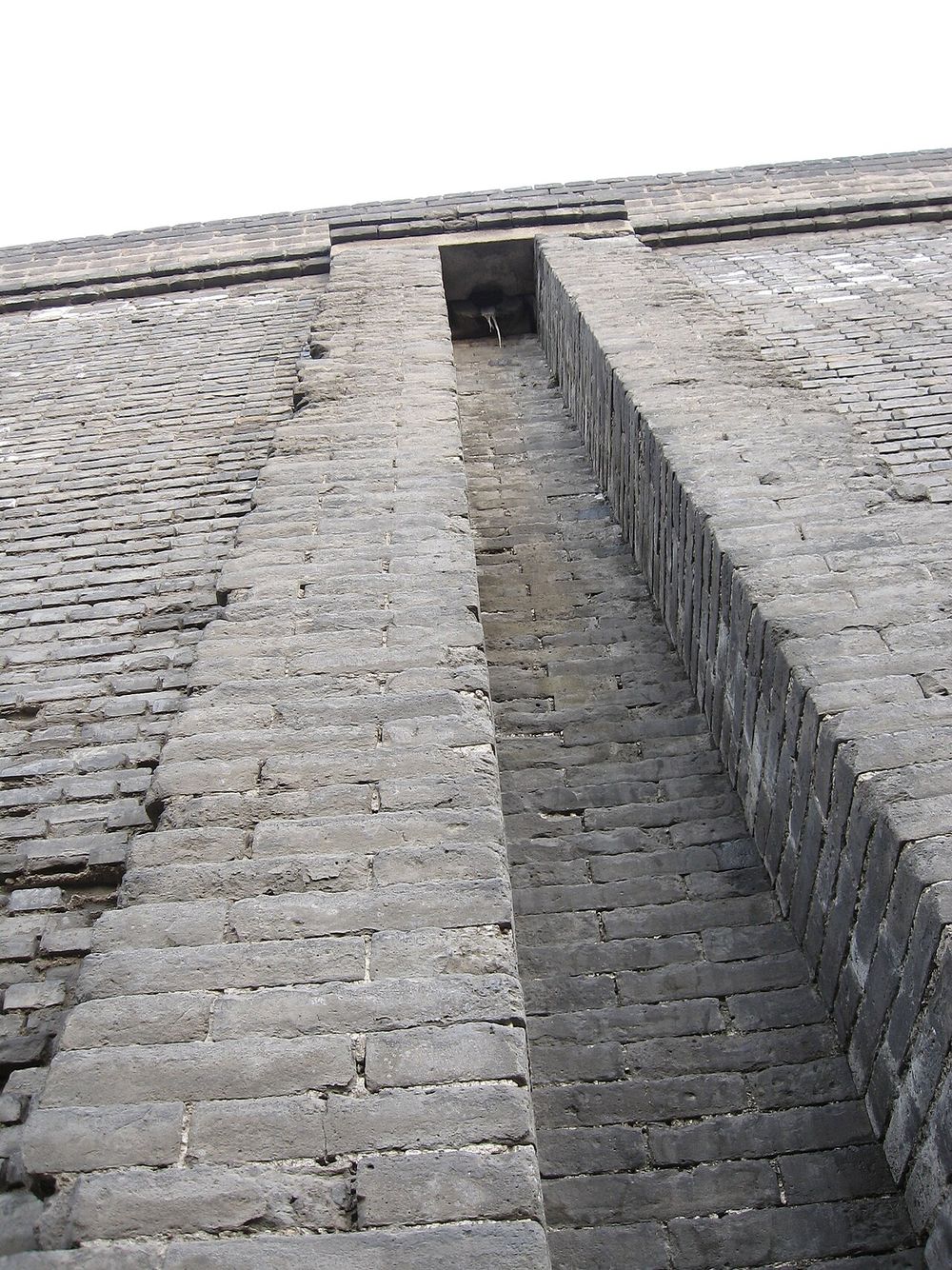
A stone drain from top to bottom
A stone drain from top to bottommonicker, CC BY-SA 3.0

4. The corner towers and the long sides
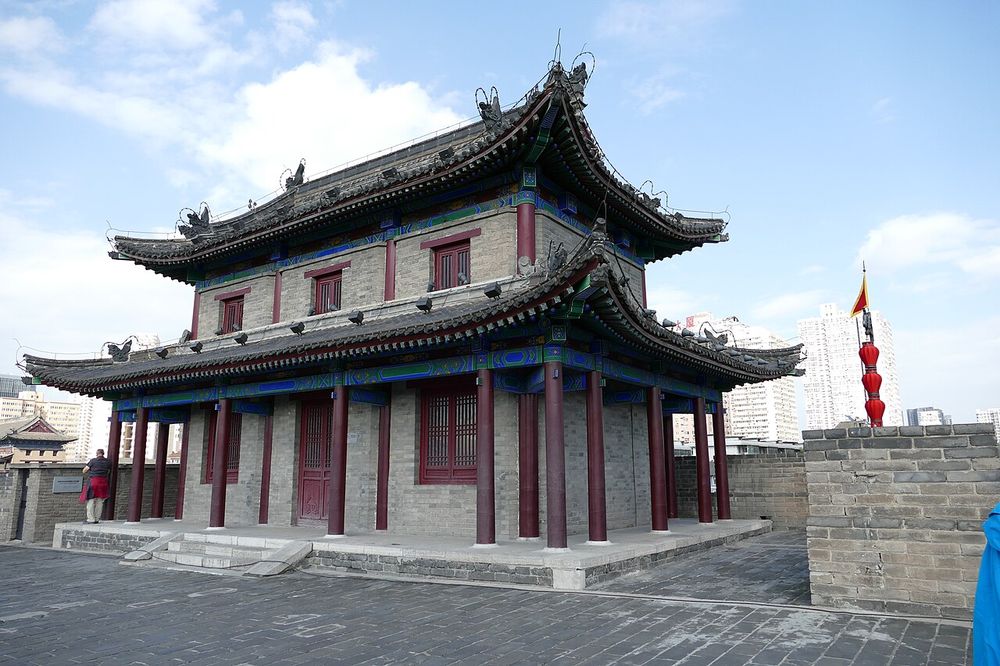
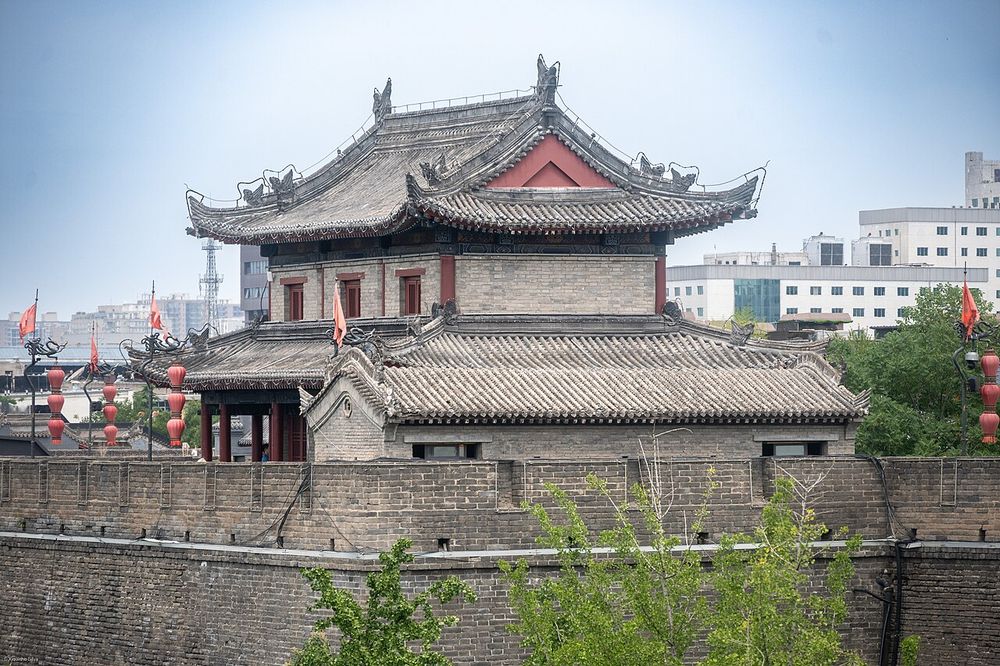
A guardhouse on the east wall, 2015
A guardhouse on the east wall, 2015Zossolino, CC BY-SA 4.0

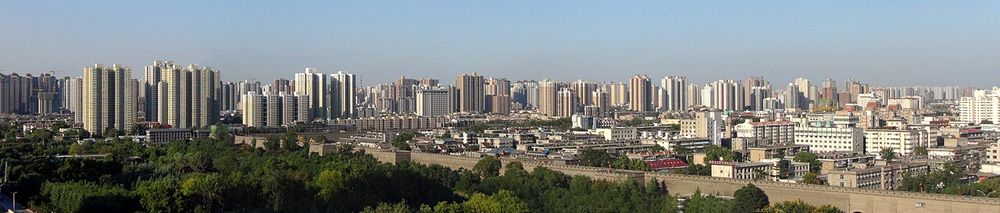
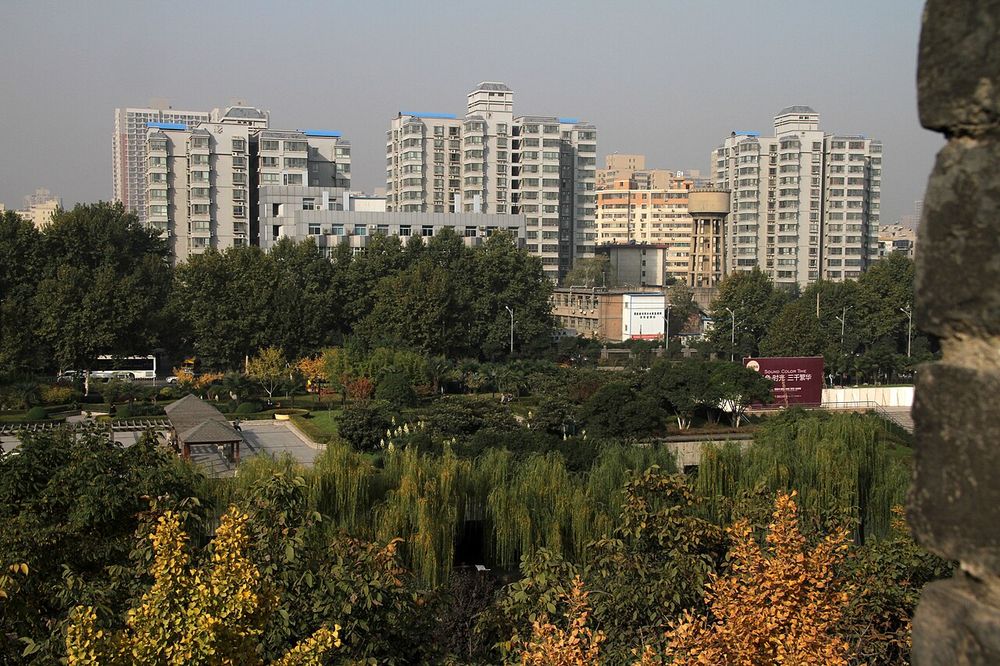
At each corner stands a tower, and along the sides rise wooden watchtowers on the bastions. From the east and north walls you see the modern city pressing right up to the moat; from the south, on a clear day, the line of the Qinling mountains.

5. The Hanguang Gate
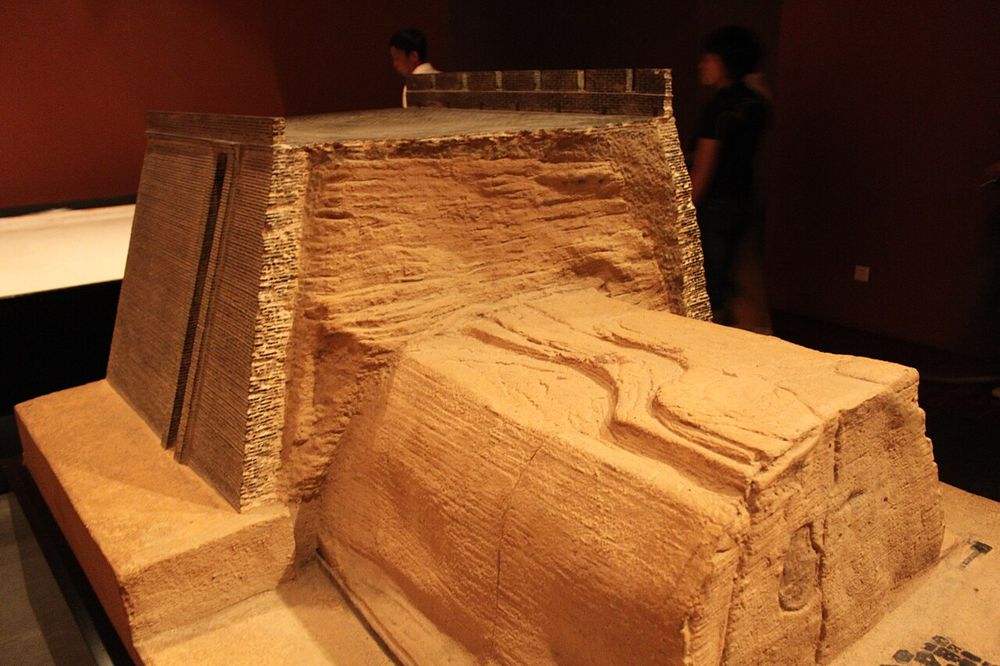
A model of the Tang Hanguang Gate inside the later wall
A model of the Tang Hanguang Gate inside the later wallGary Todd from Xinzheng, China, CC0

On the south wall west of the South Gate, the Ming builders enclosed a gate of the Tang imperial city. Excavated and opened as a museum, it shows the Tang gate passage inside the Ming wall, with the layers of earth of the Sui (581–618), Tang, Ming and Qing one above another. This is where you see that the wall really stands on Chang'an.
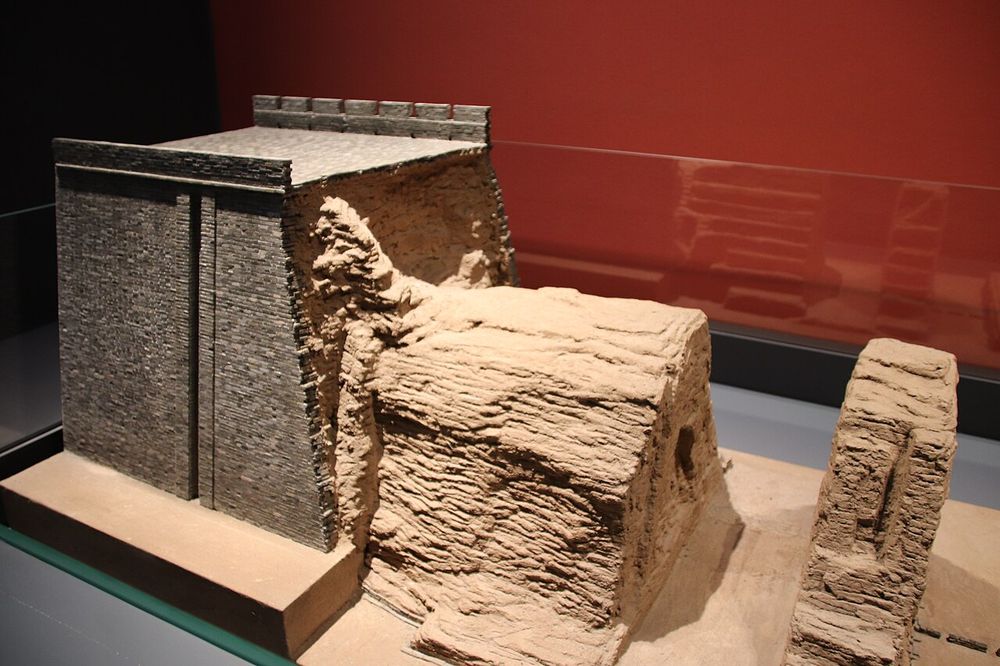
The Hanguang Gate museum, 2019
The Hanguang Gate museum, 2019Gary Todd from Xinzheng, China, CC0

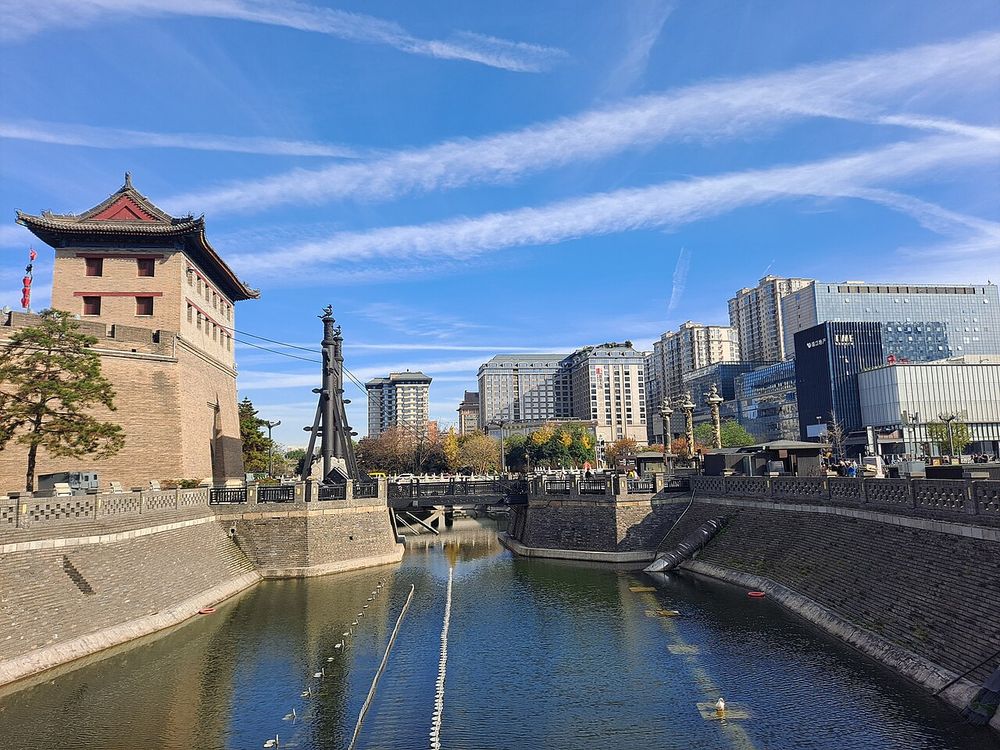
6. The moat and the ring park

The moat and a corner tower, November 2025
The moat and a corner tower, November 2025H2v5o68z, CC0

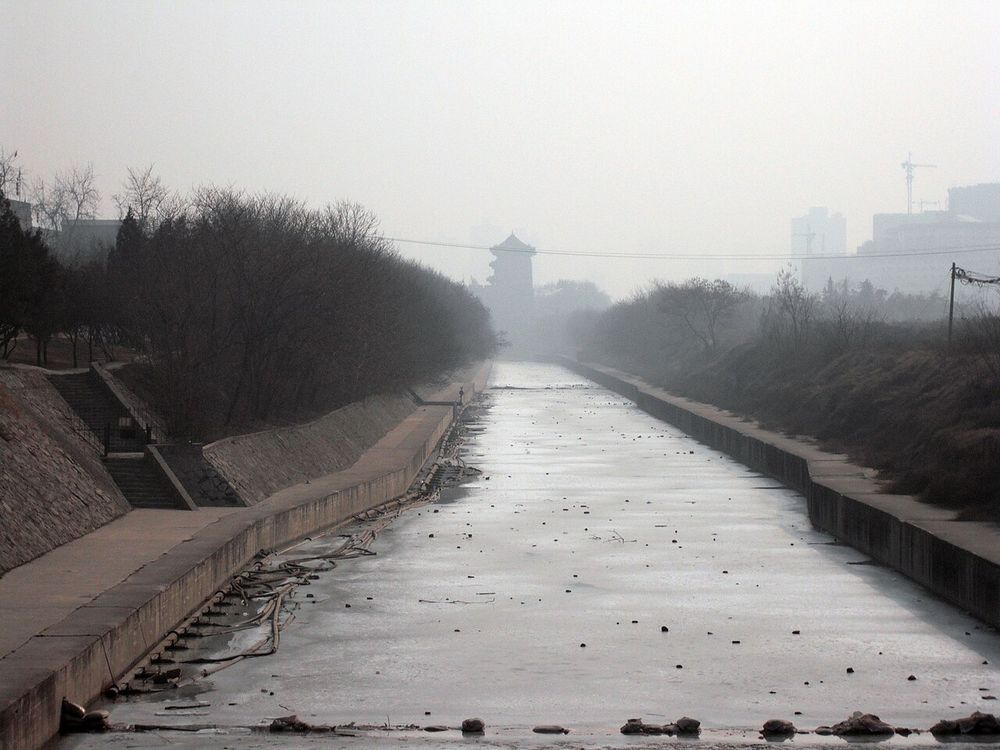
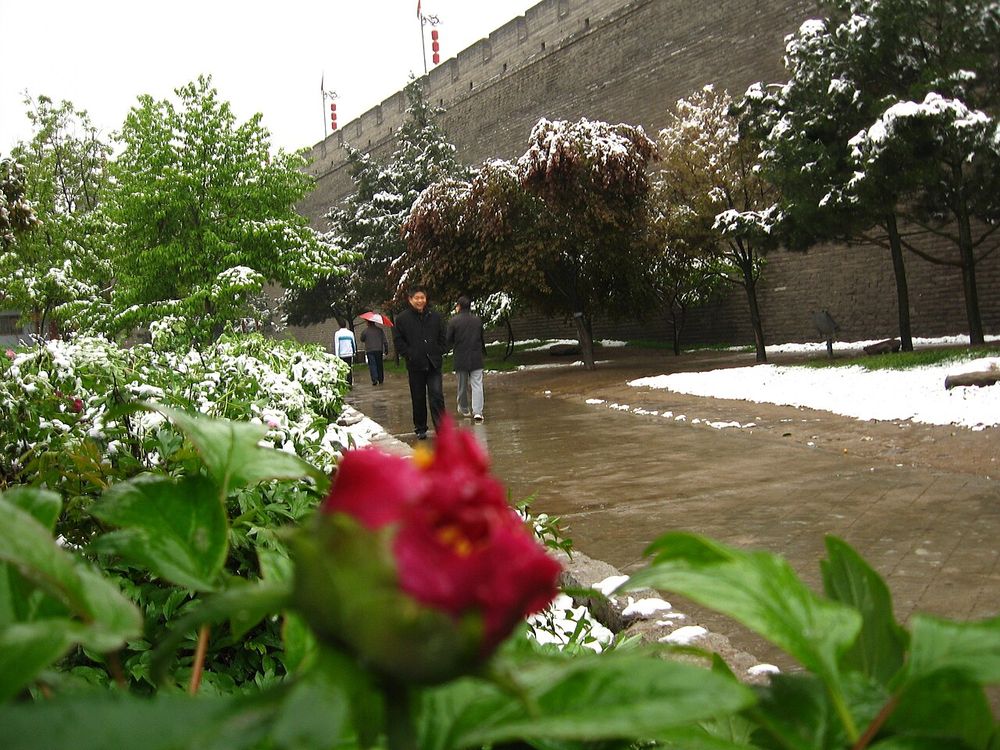
Come down and walk a stretch of the moat. In the mornings people do tai chi, play chess and sing Qinqiang, the loud local opera. The wall is a monument and also the city's back garden.

The wall and the same years elsewhere

The wall was finished in 1378, the year two rival popes were elected and the Western Church split for forty years.
Meanwhile in the world

YearHereElsewhere
1370The Hongwu emperor orders the new wallTimur makes himself ruler at Samarkand
1378The wall is finishedTwo popes are elected and the Western Church splits
1568The earth wall is faced with brickThe Dutch revolt against Spain begins
1998Bill Clinton is welcomed at the South GateThe Good Friday Agreement in Northern Ireland

One line to remember: the Tang capital is under your feet; the Ming wall is the ring round it.

Local legends

No legends have been collected for this place yet.

Later, people who live here will be able to add the stories they grew up with.

Not certain, and where accounts conflict

Sui and Tang, or Ming?
Chinese sources often say the wall was "first built in the Sui and Tang, extended in the Ming". The line of the south and west walls follows the Tang imperial city, and Tang remains survive inside it at the Hanguang Gate; the wall you walk on is Ming, faced with brick in 1568 and repaired many times since.
Why is one corner round?
Three corners of the wall are square; the southwest corner is rounded. The usual explanation is that the Ming kept the rounded corner of the Tang imperial city wall there.

Visiting

Tickets and hours

  • 54 yuan; half price for students and children aged 6 to 18; free under 1.2 metres or 6 years and for those aged 65 and over.
  • Open about 8:00 to 22:00. Bicycles about 45 yuan for three hours, tandems about 90; an electric cart round the whole wall about 80 yuan.

Last checked 2026-11-12. Ticket, hours and bicycle prices from 2026 visitor guides and press reports that agree with each other; the scenic area's own mini-program could not be opened from abroad.

Booking without WeChat

  • Official page in English Tickets are sold on the scenic area's own WeChat mini-program, 西安城墙景区, which we could not open from abroad.
  • International booking platform International sites such as Trip.com sell the ticket with a passport.
  • Ticket window on site There are ticket offices at the main gates, and visitors aged 65 and over enter free with a passport.
  • Note In July and August tickets for the same day can sell out; book a day ahead.

Checked 2026-11-12

Where to start

  • Metro Line 2 to Yongningmen station, then up at the South Gate.
  • Go up in the late afternoon: ride half the ring in daylight, then watch the gates light up.

Before you go

  • The top is open and unshaded. In summer bring water, a hat and sun cream; in winter the wind is cold.
  • Bicycles must be returned to a station on the wall within the hire time; keep the receipt.
  • The evening Tang welcome show at the South Gate needs its own ticket, 280 to 580 yuan, which includes the wall.

Customs and manners

  • Do not climb onto the parapets or write on the bricks; the wall is watched by cameras.
  • In the park below, the people singing opera loudly are amateurs who love it; listening is welcome.

Opening hours are given in the local time of the place.

Look for these

  1. Find the three towers of the South Gate in a line: drawbridge tower, archery tower, main tower.
  2. Find the one round corner of the wall, in the southwest.
  3. Count the bastions between two corner towers.
  4. Find a stone drain on the outer face of the wall.
  5. At the Hanguang Gate, find the Tang layer under the Ming brick.

I am here

Stand at the site, sign in, press the button, and collect its stamp. Your browser will ask to use your location. It is sent to us once to confirm that you are at the site; we keep how far you were from it, not the spot where you stood.

Your stamps are saved to your account, so they follow you to any device. Checking from a browser cannot rule out every false location; stricter checks arrive with the app.

Messages

Share your photos

Photos here show the place, not people. Each one is credited to the visitor who took it and appears after our team has looked at it. A photo with you in it belongs under “I am here”.