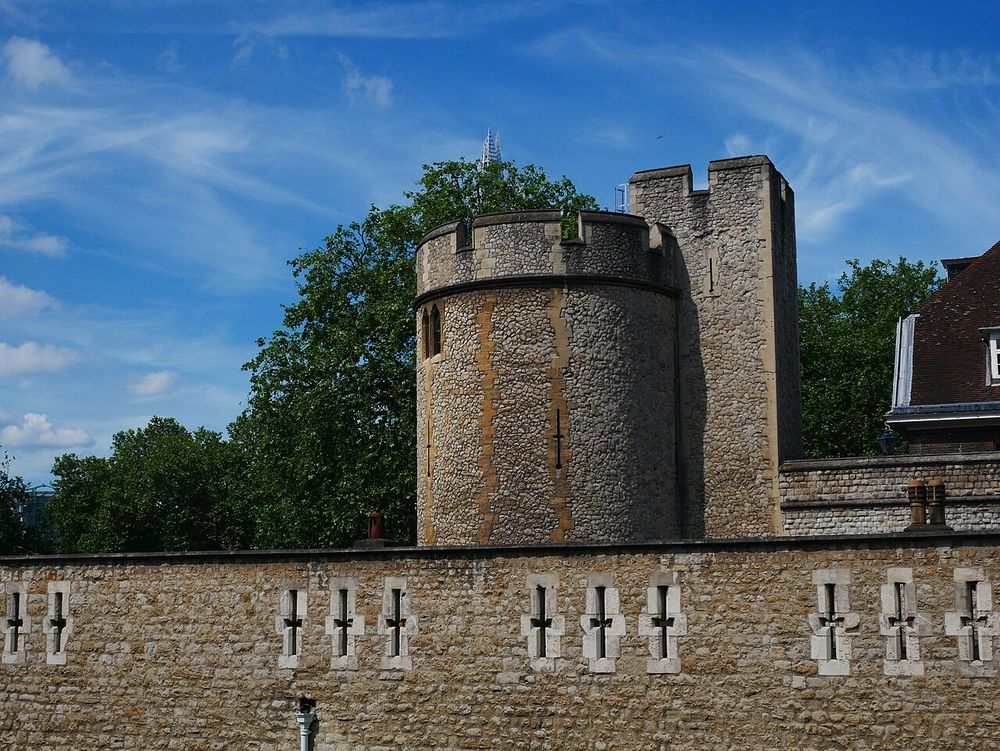
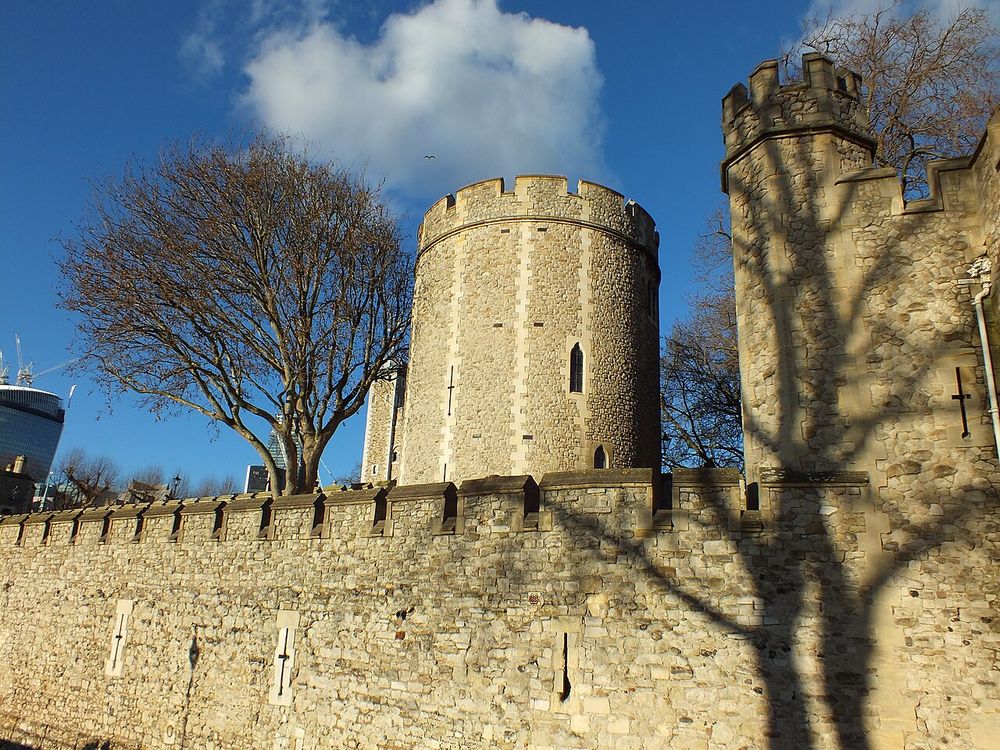
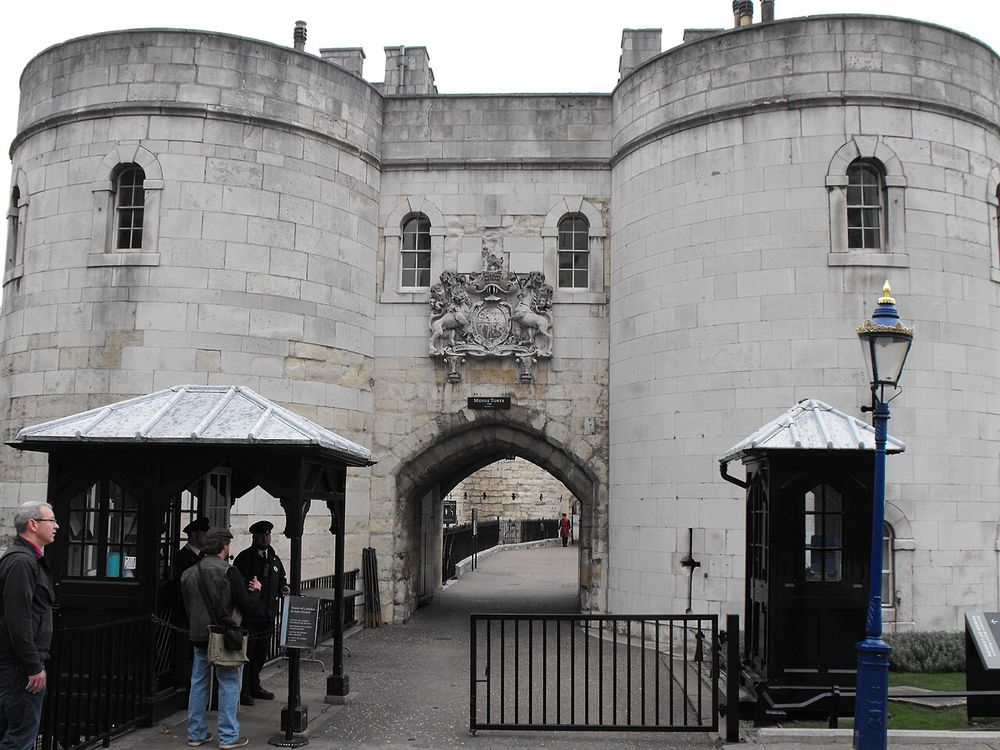
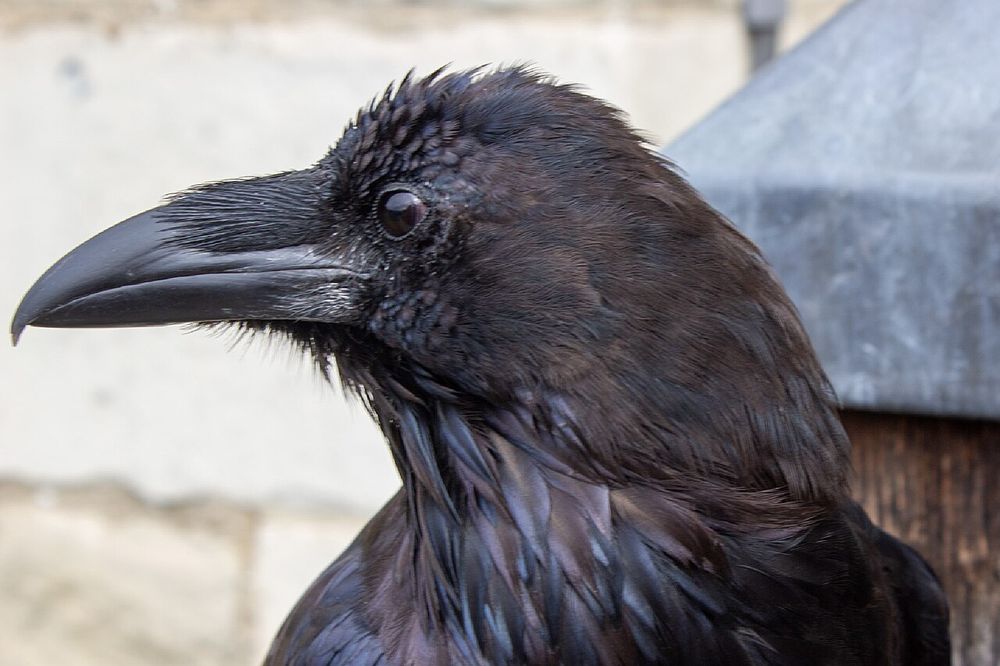
A castle begun by a conqueror to frighten a city, and used for nine hundred years as palace, prison, mint, zoo, armoury and safe. The crowns are still kept here. So are six ravens, on which, it is said, the kingdom depends.
Photo: Rafa Esteve, CC BY-SA 3.0, Wikimedia Commons
The story
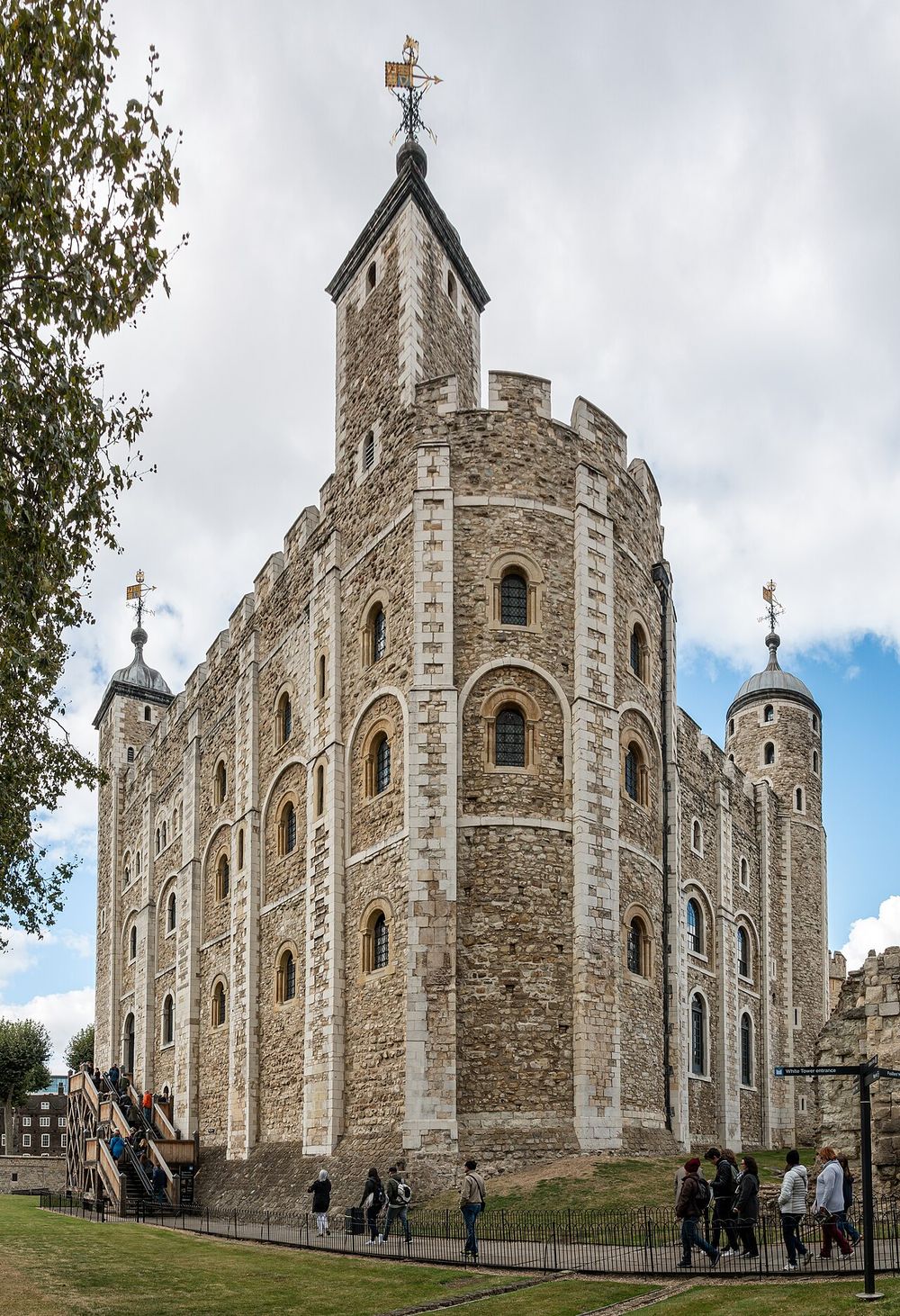
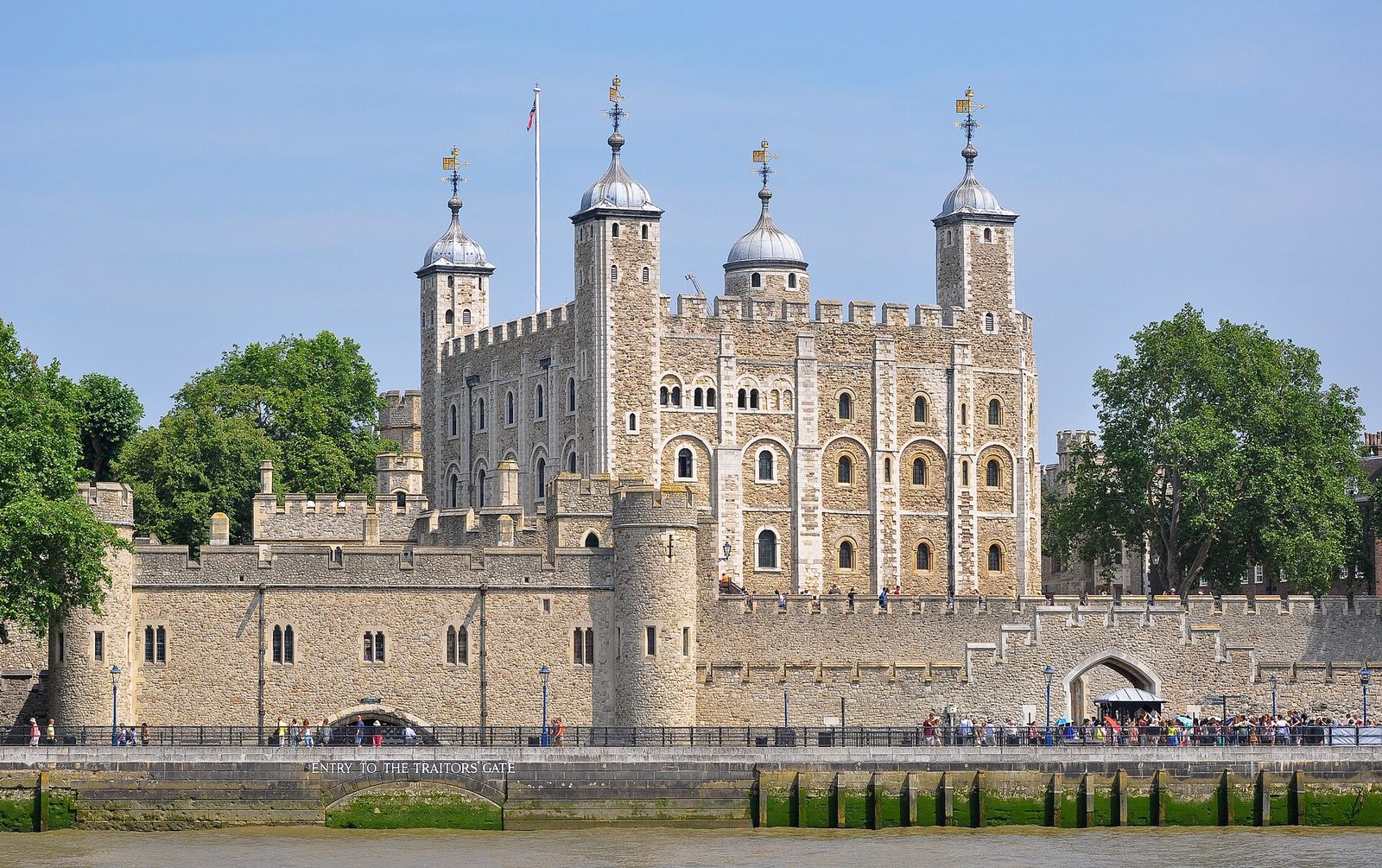
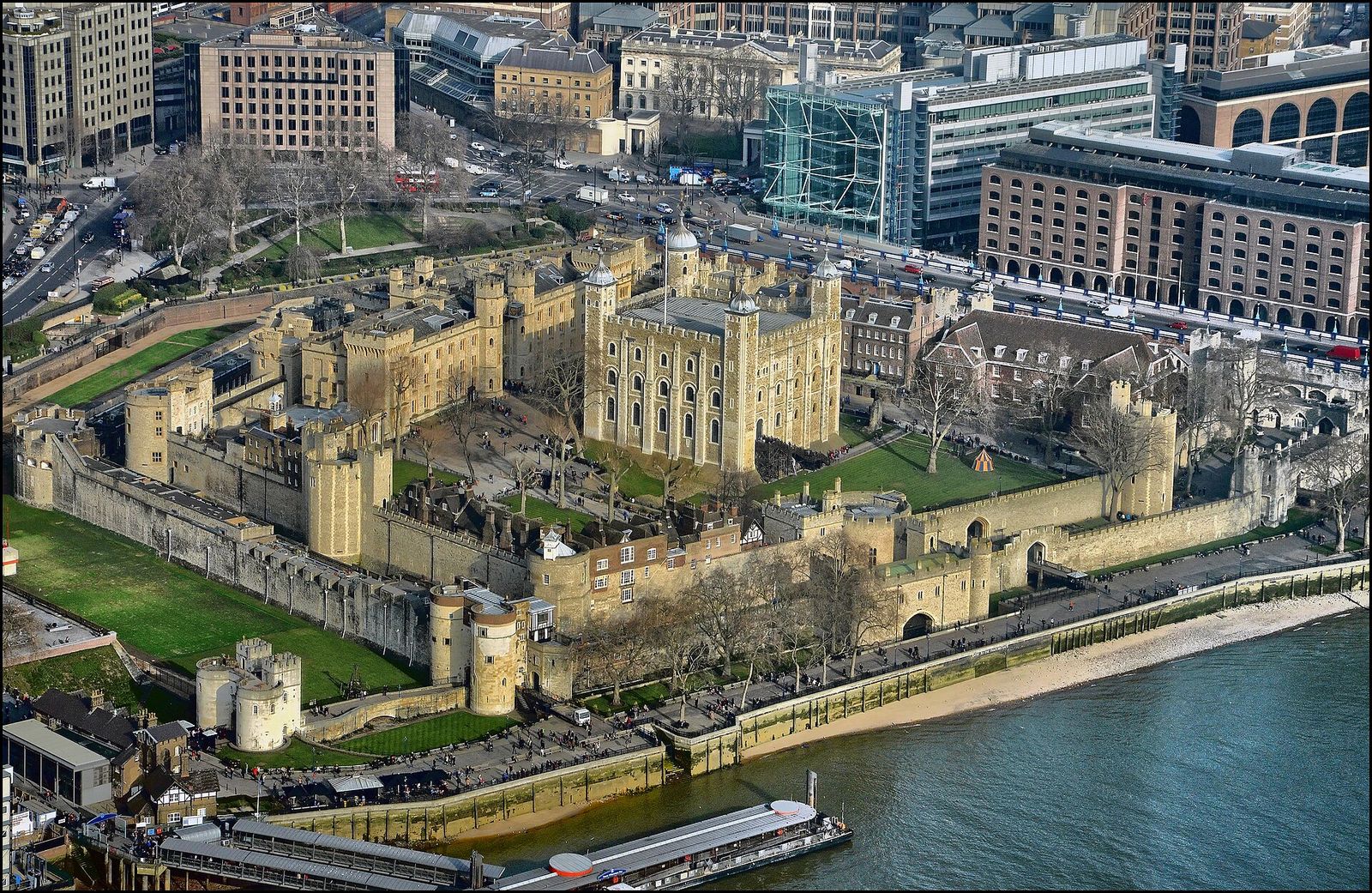
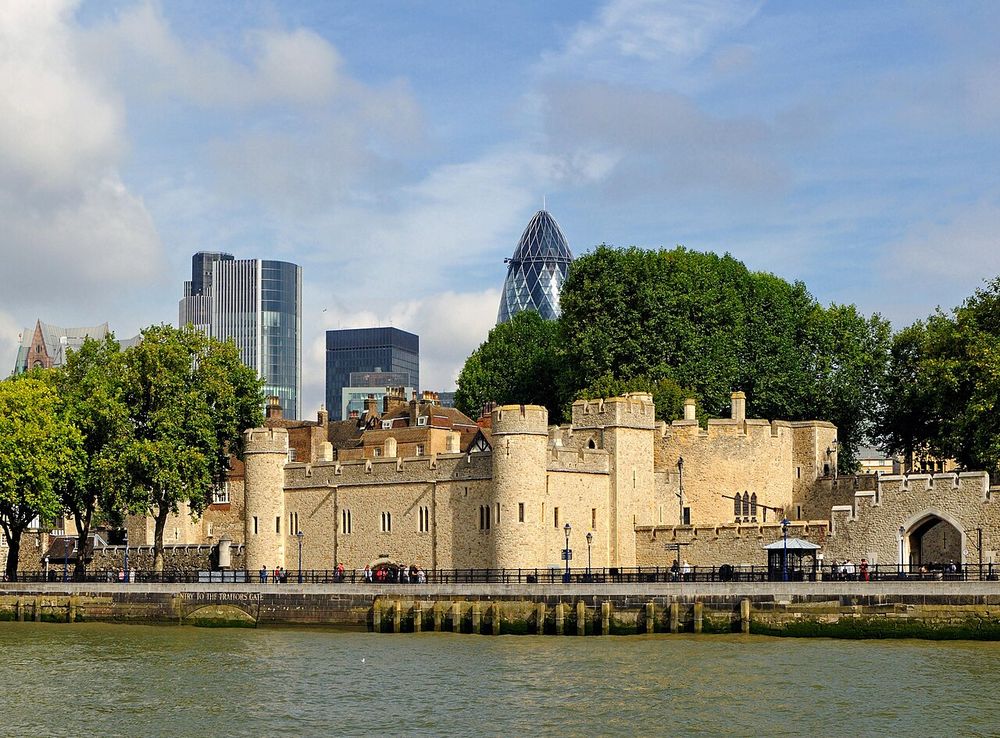
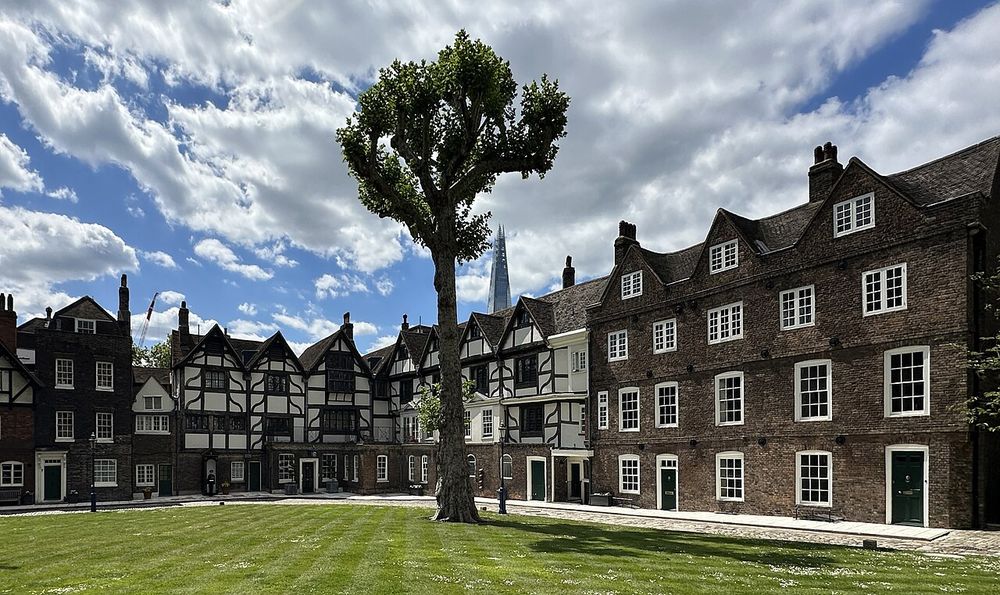
You are inside two rings of stone wall, on a lawn. In front of you stands a square keep of pale stone, as high as a nine-storey building, with a turret at each corner. Big black birds walk on the grass. Behind the walls are glass office towers.
The keep was begun about 1078. In China it was the Northern Song (960–1127): the poet Su Shi was in his forties, and the reforms of Wang Anshi were dividing the court at Kaifeng.
What is here
One ticket covers everything inside the walls, including the Crown Jewels. The only thing sold separately is the locking-up ceremony at night.
The scaffold site on Tower Hill, outside the walls
Free
If you have one minute
On the lawn below the White Tower
The White TowerDietmar Rabich, CC BY-SA 4.0
In 1066 William, Duke of Normandy, crossed the sea, killed the English king in battle and was crowned in London. He did not trust the Londoners. He built this tower inside the corner of the old Roman city wall, in stone brought from Normandy, to overawe them.
Later kings added the two rings of wall and a moat, and lived here in times of trouble. It was the strongest box in the kingdom, so everything valuable was put in it: the coinage, the weapons, the records, the crowns, and people the king wanted kept.
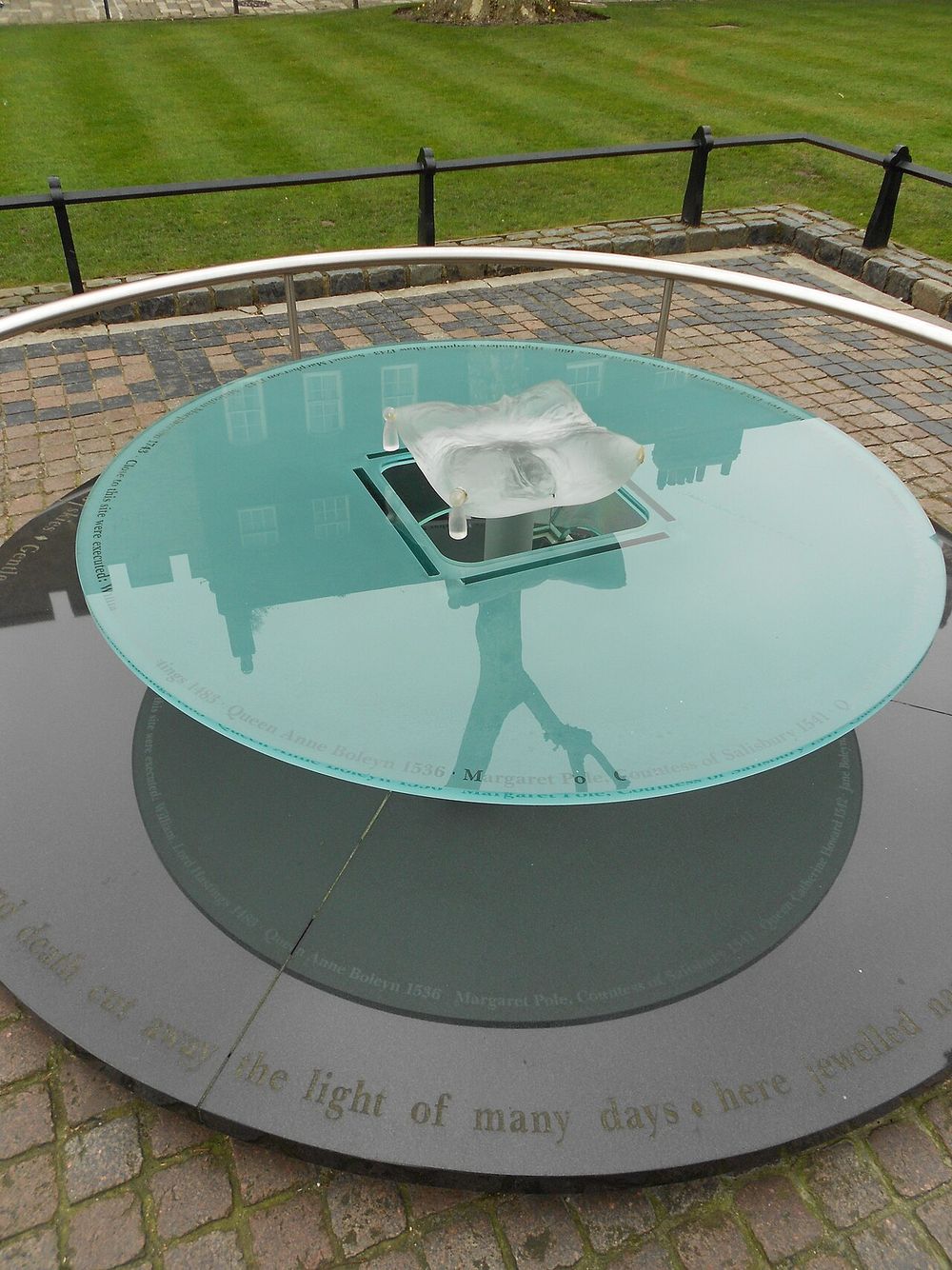
Most prisoners walked out again. A few did not. On the green to your left, seven people were beheaded in private, three of them queens of England.
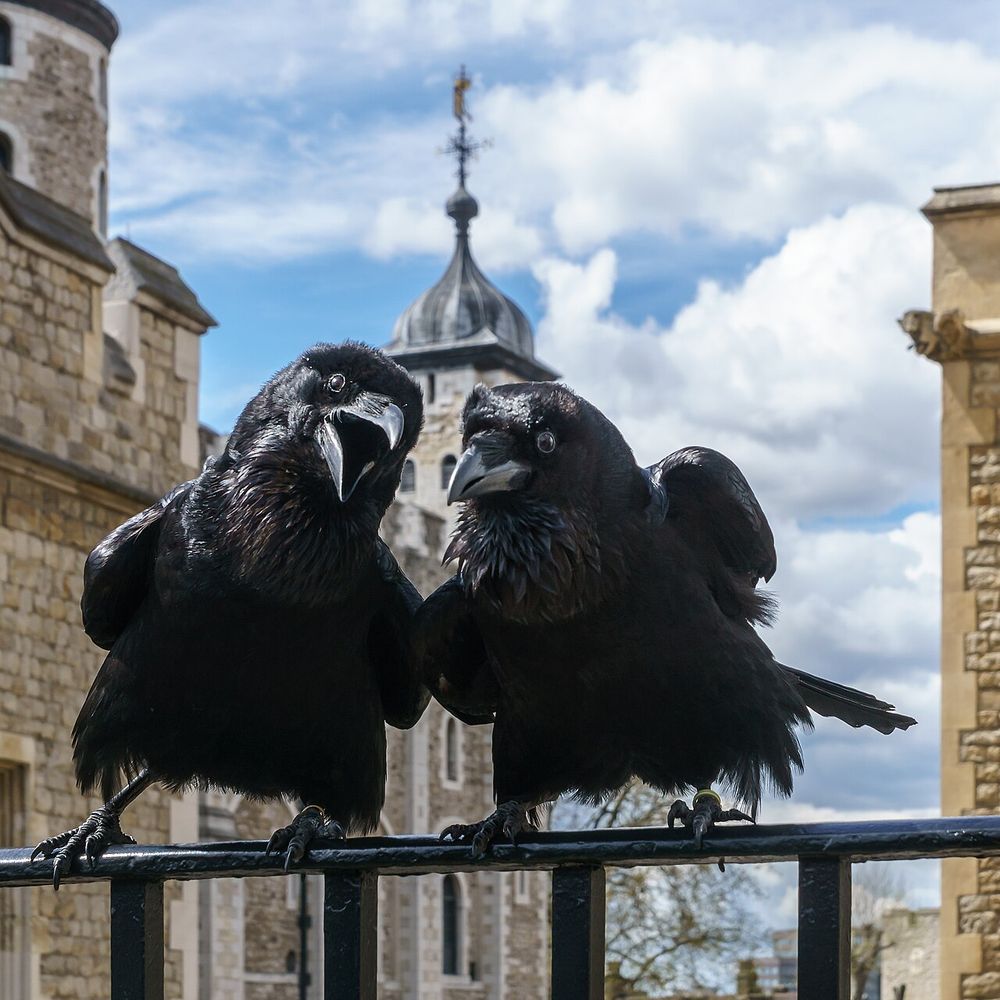
Before you leave, look at the ravens. By tradition there must always be six.
Things people often get wrong
"It is one tower." It is a castle with twenty-one towers on seven hectares. "The Tower" is the old name for the keep in the middle, and it stuck to the whole.
"The bridge with two towers is part of it." That is Tower Bridge, opened in 1894 and named after the castle beside it.
"Thousands were executed here." Over four centuries about a hundred and twenty prisoners of the Tower were put to death, nearly all on the hill outside, in public. More people were shot inside the walls as spies in the two world wars than were ever beheaded on the green.
"The Beefeaters are actors." They are Yeoman Warders, retired soldiers with at least twenty-two years' service, and they live inside the walls with their families.
"The Crown Jewels are medieval." Parliament melted the old ones down in 1649 after it cut off the king's head. Nearly everything on show was made new for the next king in 1661.
People who stood here
Elizabeth I (queen of England from 1558 to 1603, in whose reign Shakespeare wrote)She came as a prisoner on 18 March 1554, aged twenty, sent by her half-sister Queen Mary on suspicion of plotting. Her own mother had been beheaded here eighteen years before. She was held for two months and let go. Four years later she returned as queen, and is said to have patted the ground and said she had risen from prisoner to prince.
Isaac Newton (the English scientist who described gravity)From 1696 he ran the Royal Mint, which stood between the inner and outer walls. He recalled and reminted the whole silver coinage of England, and went in disguise into taverns to gather evidence against forgers, several of whom were hanged.
Go deeper: eight stops, from the water gate to the wall walk
The stops begin at the river, where prisoners arrived, and end on the walls.
1. Traitors' Gate
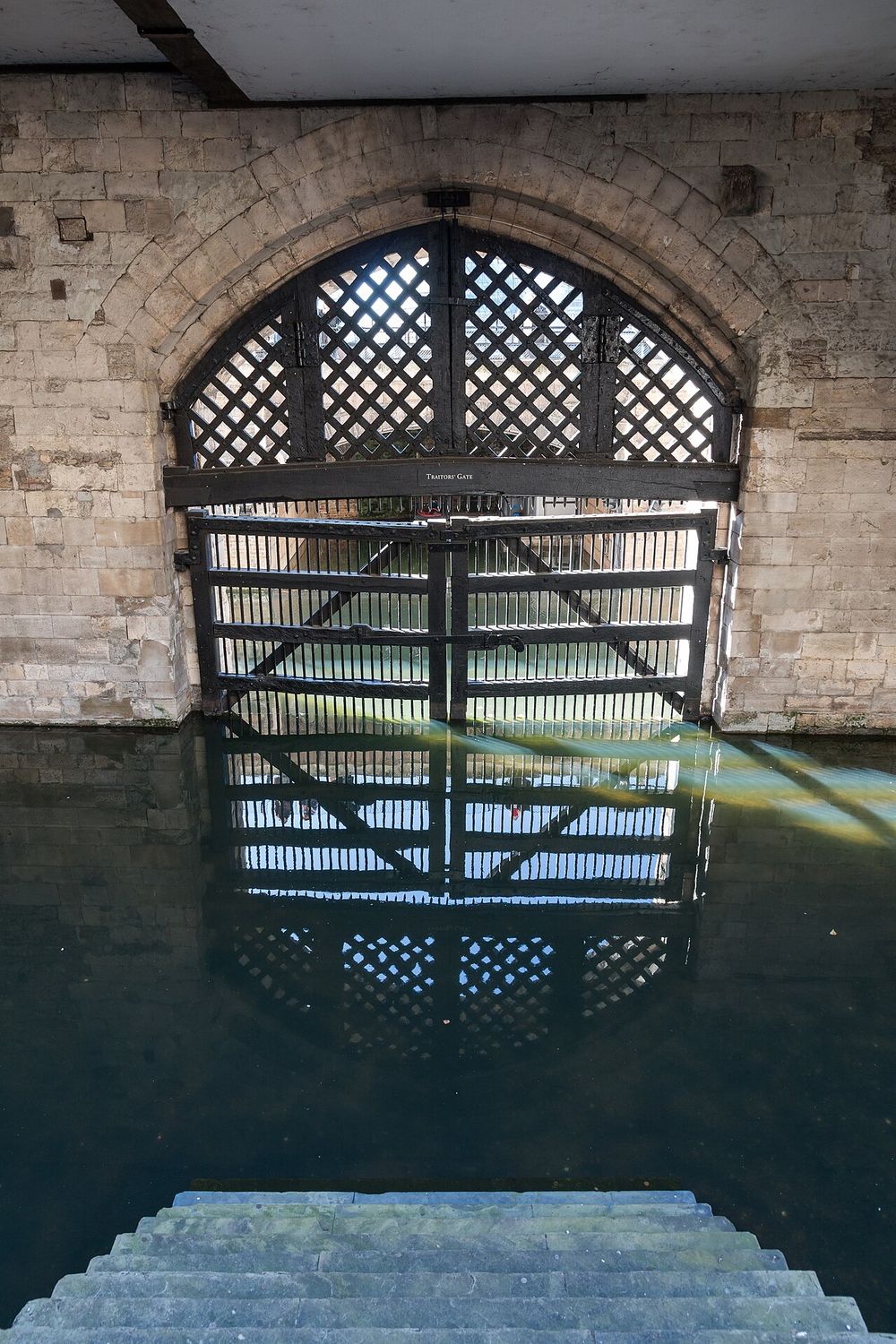
Traitors' GateDietmar Rabich, CC BY-SA 4.0
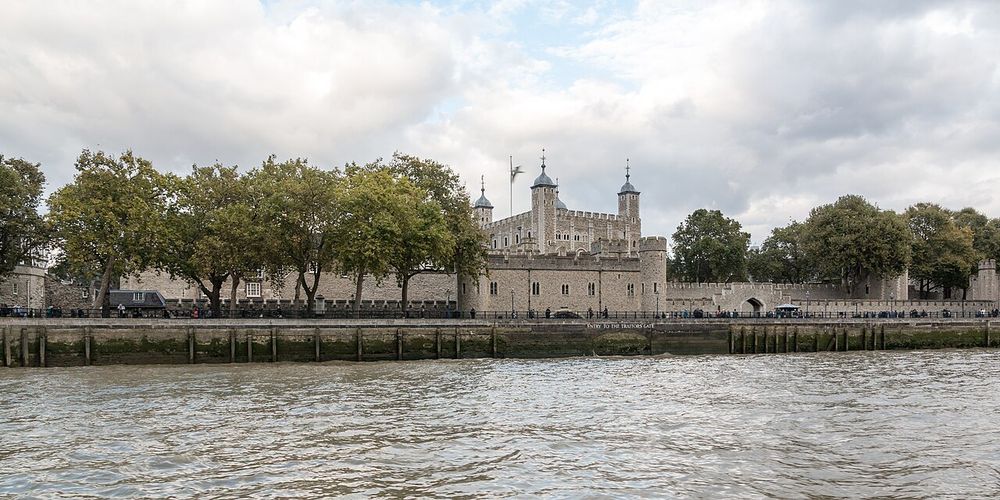
Edward I built this water gate in the 1270s as his private entrance from the river, with his own rooms above it. Two centuries later it was the way prisoners came in. They were rowed down from Westminster after trial, under London Bridge, where the heads of earlier traitors were set on poles.
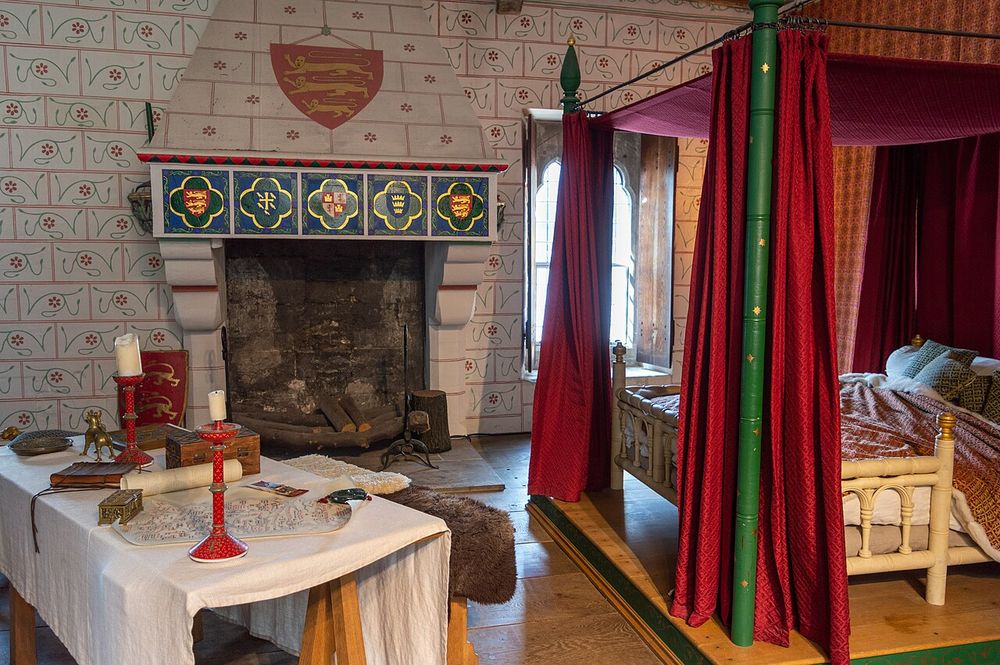
The king's bedroom of about 1280, as refittedTristan Surtel, CC BY-SA 4.0
Climb the stairs beside it. The rooms have been fitted out as the king's bedroom and hall of about 1280, with painted walls and a great bed, to show that this was a palace before it was a prison.
2. The Bloody Tower
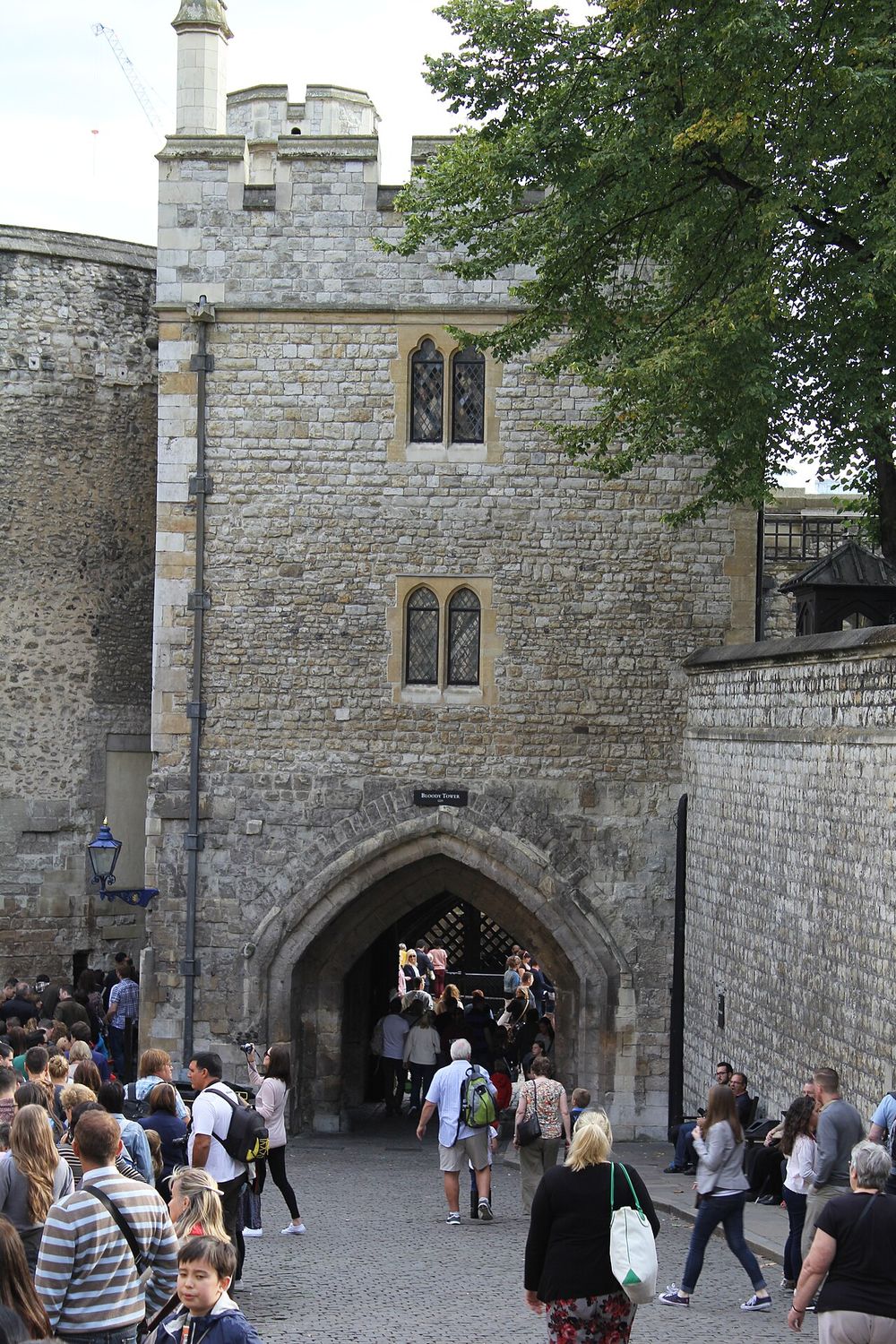
The Bloody Tower and its gateRichard Nevell, CC BY-SA 3.0
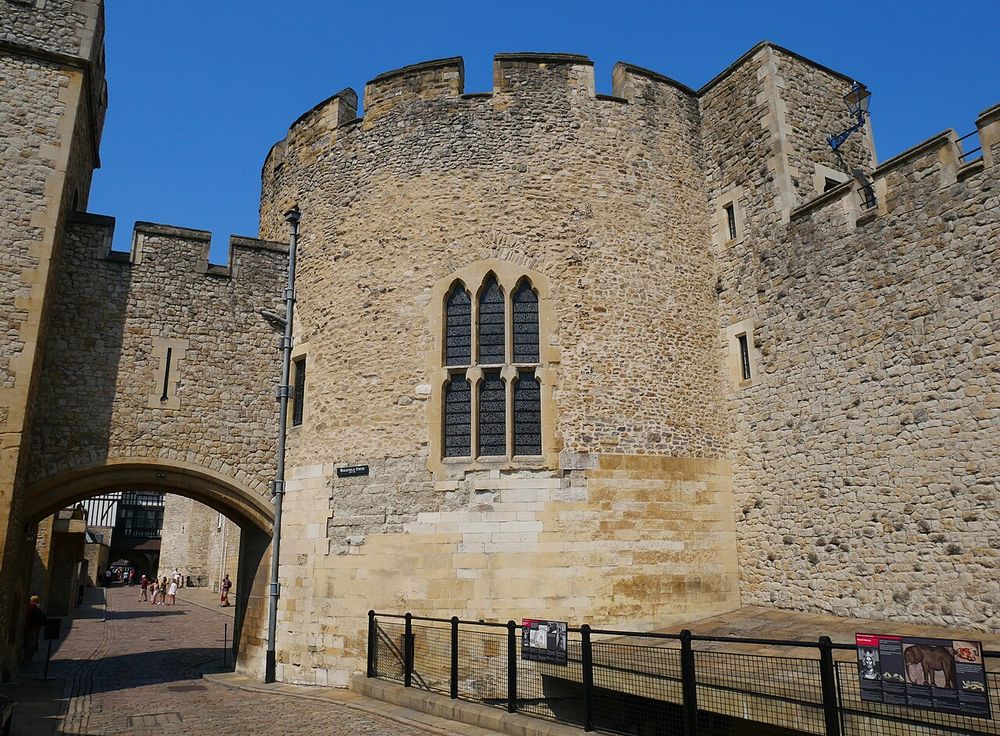
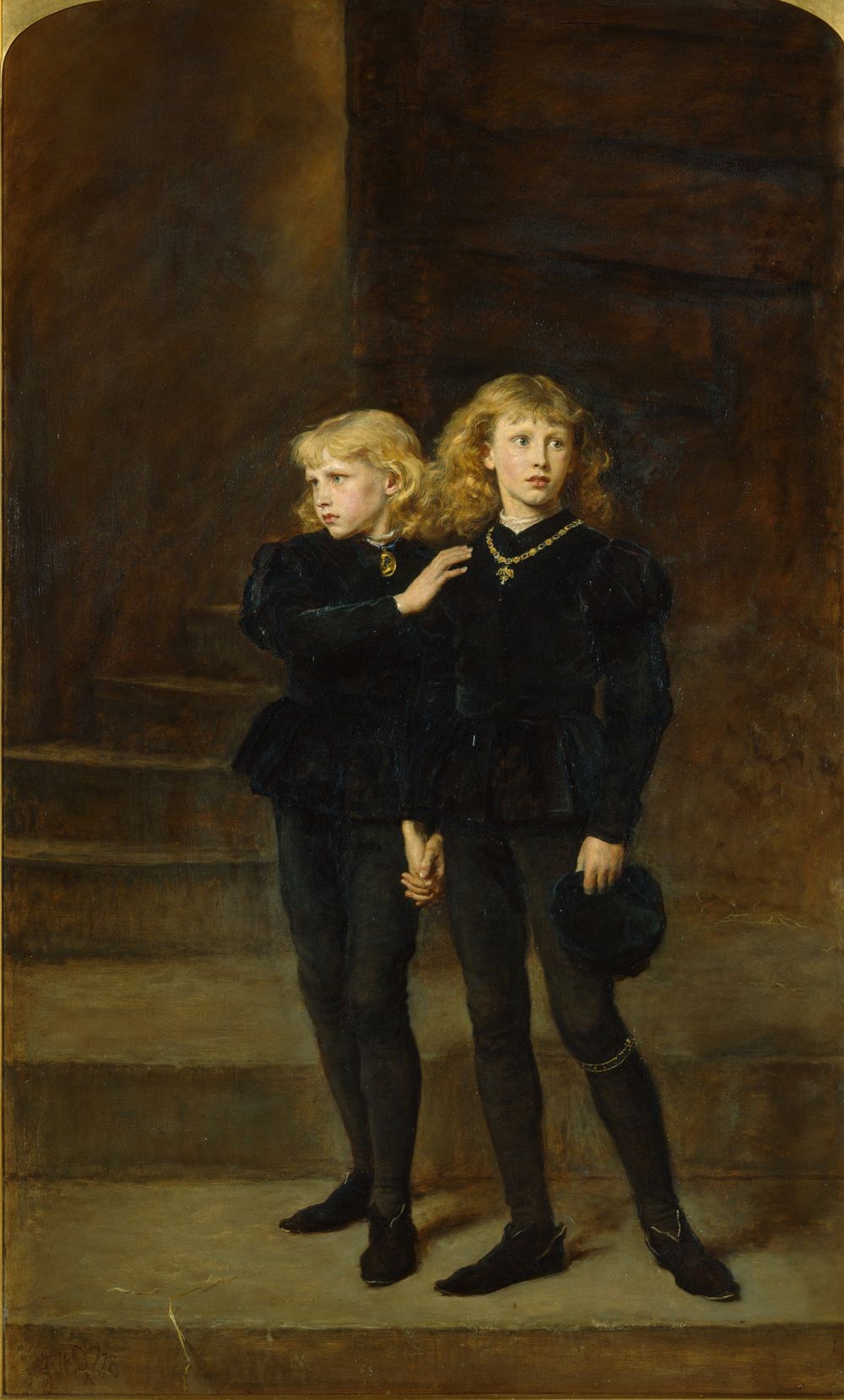
In 1483 the boy king Edward V, aged twelve, and his brother, aged nine, were lodged here by their uncle, who then took the throne as Richard III. They were seen playing in the garden, then at the windows, then not at all.
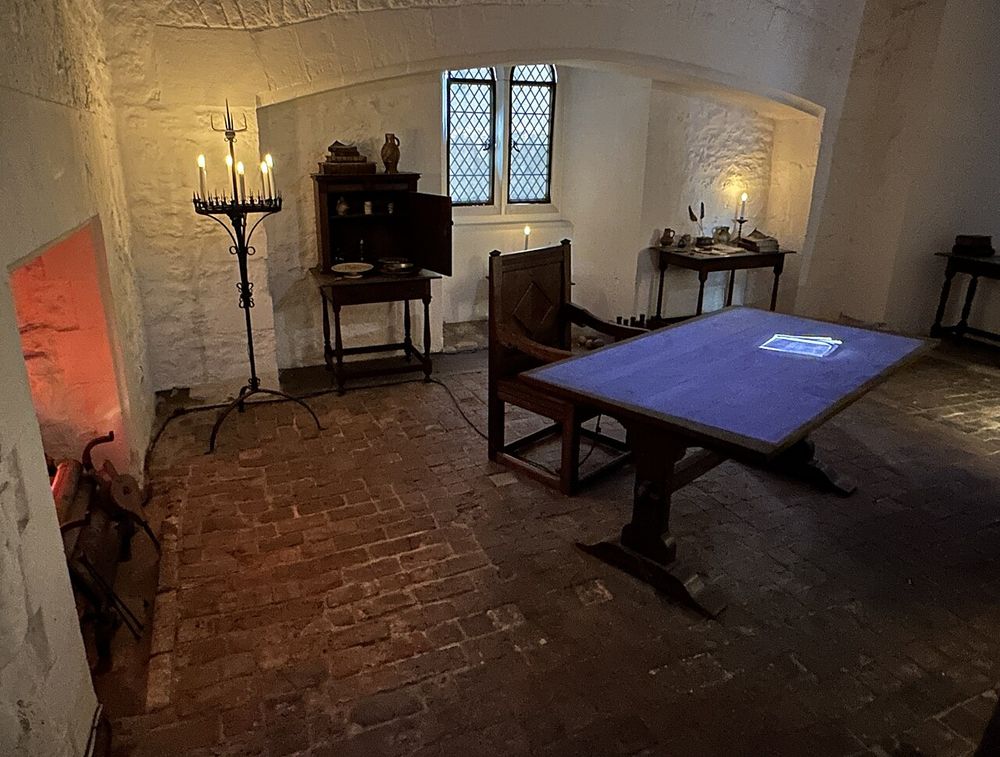
A room in the Bloody Tower, set out as Raleigh's studyAPK, CC BY 4.0
Sir Walter Raleigh, the explorer who had founded the first English colony in America, spent thirteen years in these rooms from 1603. He had his wife and son with him, grew tobacco on the green, made medicines in a shed and wrote a history of the world.
3. The White Tower
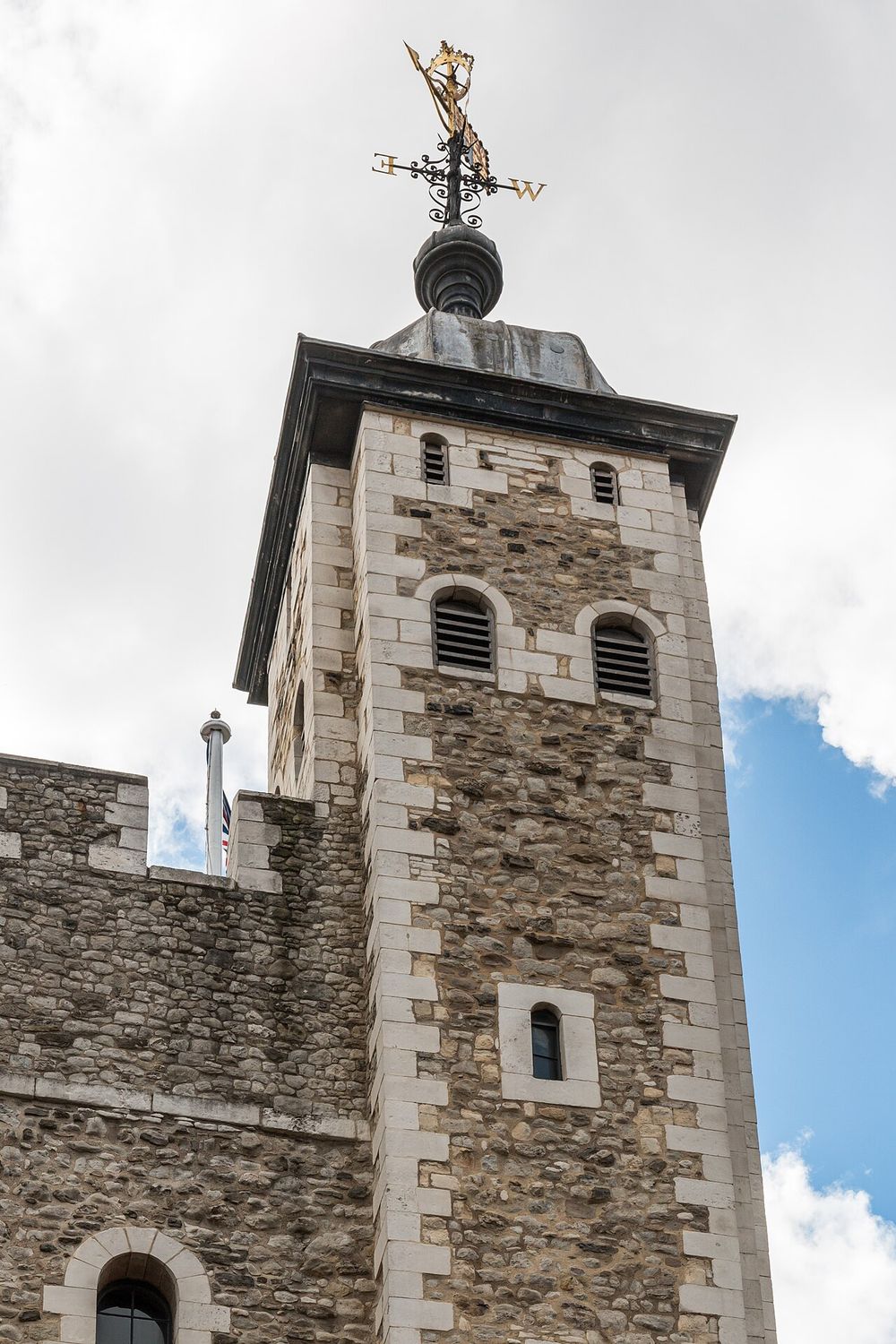
A corner turret of the White TowerDietmar Rabich, CC BY-SA 4.0
The keep is 27 metres high, with walls more than four metres thick at the base. The door is on the first floor, reached by a wooden stair that could be pulled away. In 1240 Henry III had the whole building whitewashed, and the name has lasted.
Inside are the royal armours. Look for the suit made for Henry VIII in 1540, when he was forty-nine and very large, and for a Japanese armour sent to King James I by the shogun in 1613.
A row of wooden horses carries the armour of the kings. It was first set up in the 1650s for visitors who paid to see it, which makes it one of the oldest museum displays in the world.
4. The chapel in the keep
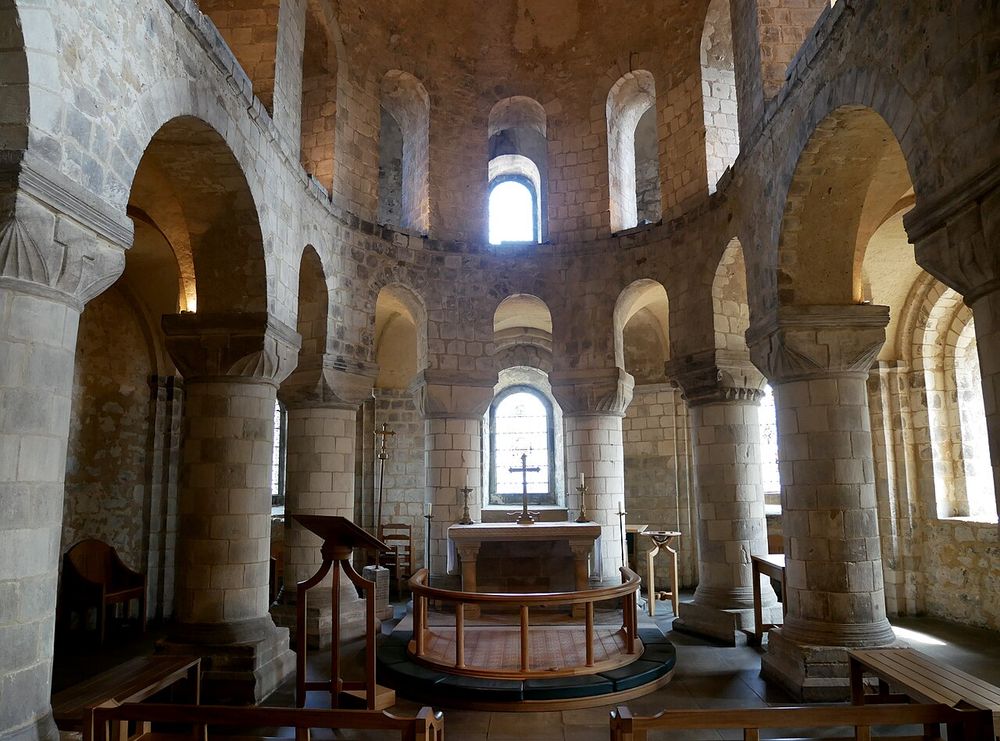
The Norman chapel in the White TowerEthan Doyle White, CC BY-SA 4.0
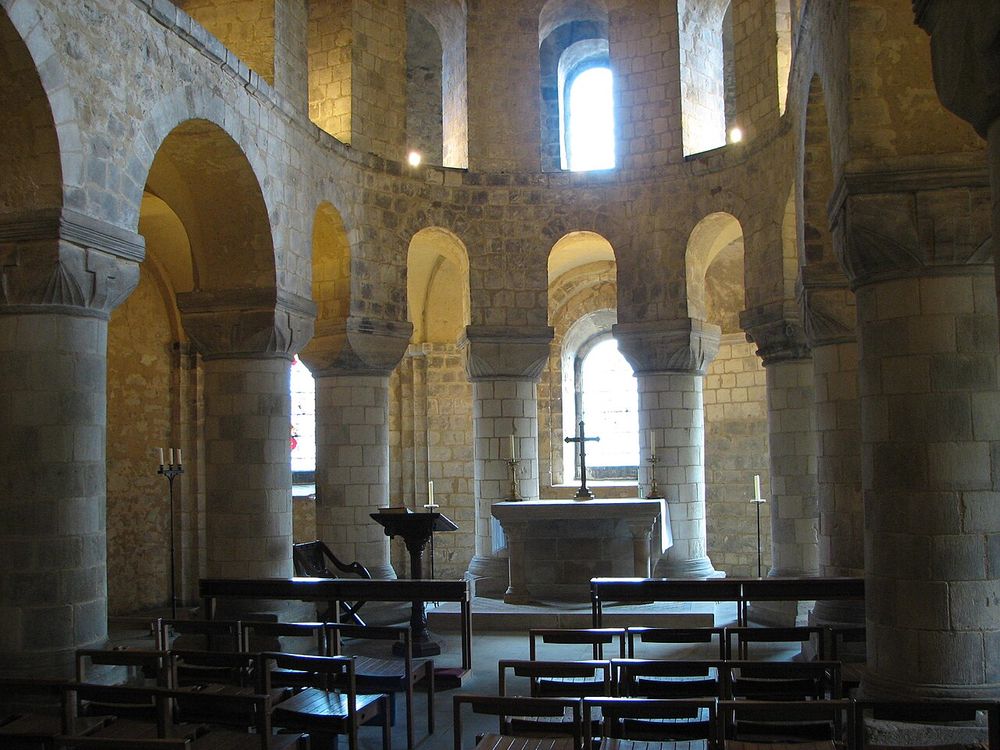
On the second floor is a chapel of about 1080, hardly changed. Thick round columns carry plain round arches, and a gallery runs above. There is no decoration. It is the oldest church interior in London.
Kings prayed here the night before they were crowned. In 1503 the body of Elizabeth of York, queen of Henry VII, lay here surrounded by eight hundred candles.
5. The Crown Jewels
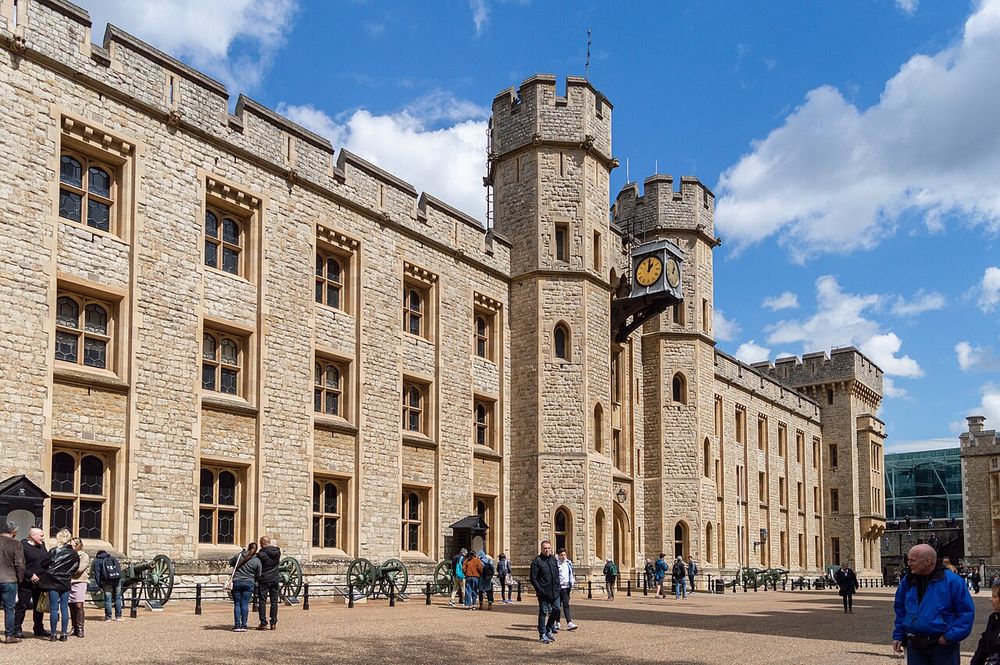
The Waterloo Block, where the Crown Jewels are keptTristan Surtel, CC BY-SA 4.0
The jewels are in the long building on the north side, behind steel doors, and you pass the crowns on a moving floor. Photography is not allowed.
St Edward's Crown, of solid gold, weighs more than two kilograms and is used only at the moment of crowning. It was last placed on a head on 6 May 2023. The Imperial State Crown, which the monarch wears to open Parliament, is set with 2,868 diamonds.
The sceptre holds the largest clear cut diamond in the world, 530 carats, cut from a stone found in South Africa in 1905. Another crown holds the Koh-i-Noor, taken from the Punjab in 1849; India, Pakistan and others have asked for it back.
In 1671 an Irish adventurer called Colonel Blood, disguised as a clergyman, knocked the keeper on the head, flattened the crown with a mallet and got as far as the wharf. The king pardoned him and gave him a pension. Nobody knows why.
6. Tower Green and the chapel of the dead
The memorial on the site of the scaffold, with flowers left by visitorsMatt Brown, CC BY 4.0
The glass cushion marks the place of private execution, kept for prisoners whose death in public might cause trouble. Anne Boleyn, second wife of Henry VIII, died here on 19 May 1536. A swordsman was brought from France to do it with one stroke.
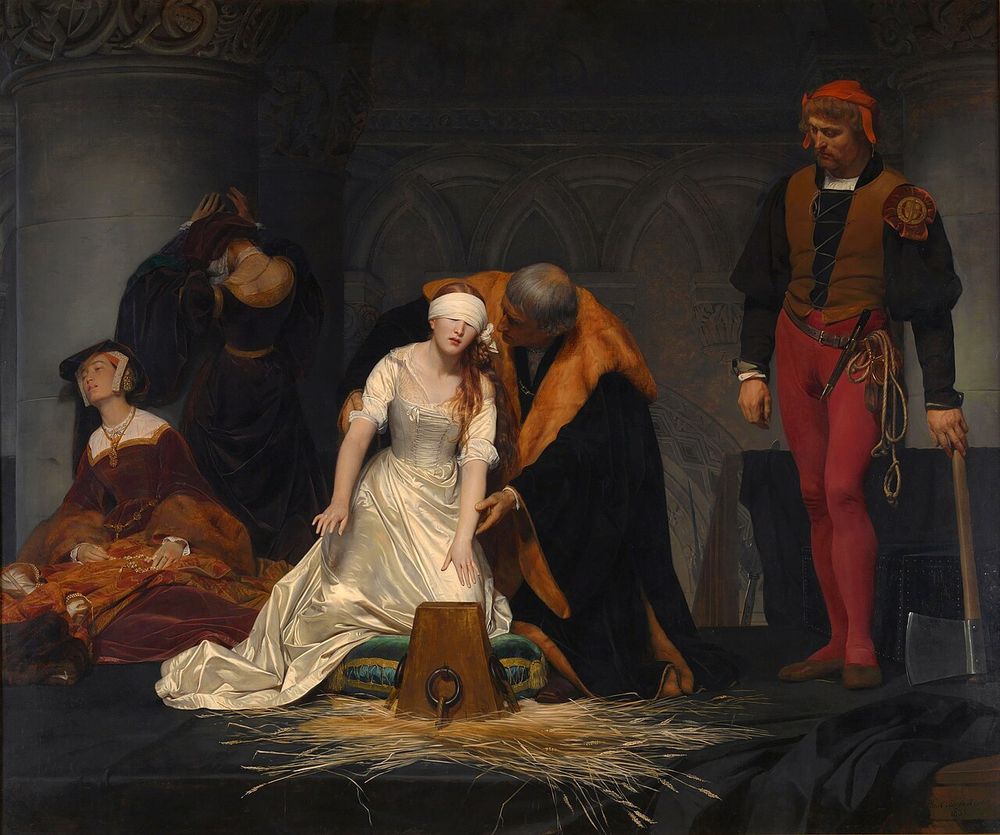
Catherine Howard, his fifth wife, followed in 1542. Lady Jane Grey, a Protestant girl of sixteen who had been proclaimed queen for nine days, was beheaded here in 1554.
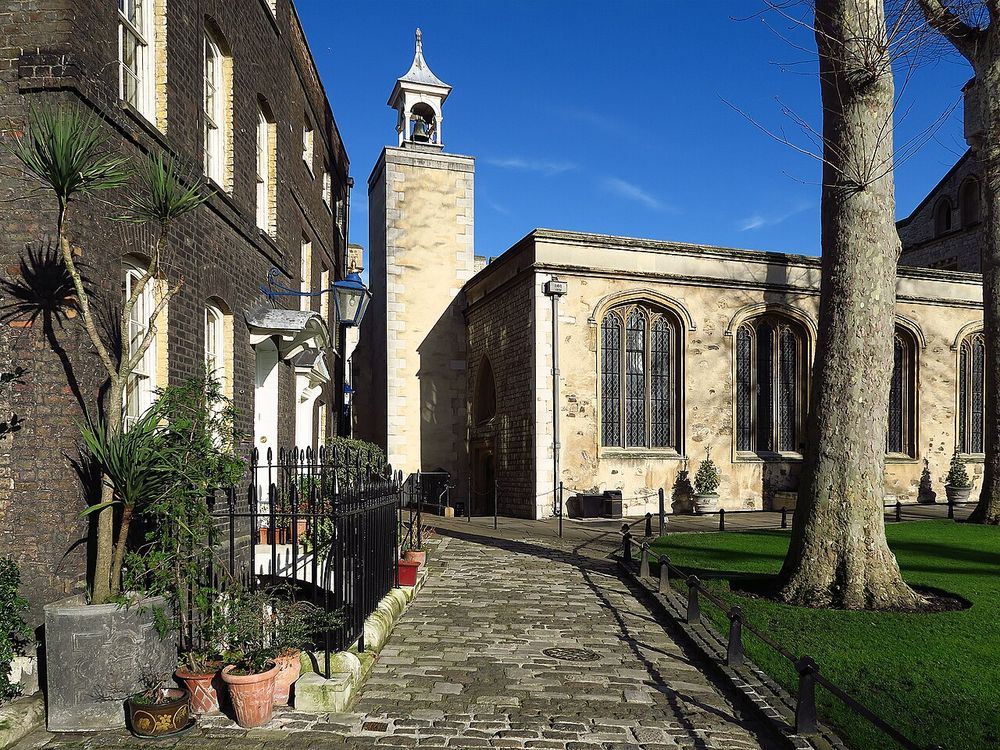
The Chapel of St Peter, where the executed are buriedMichael Coppins, CC BY-SA 4.0
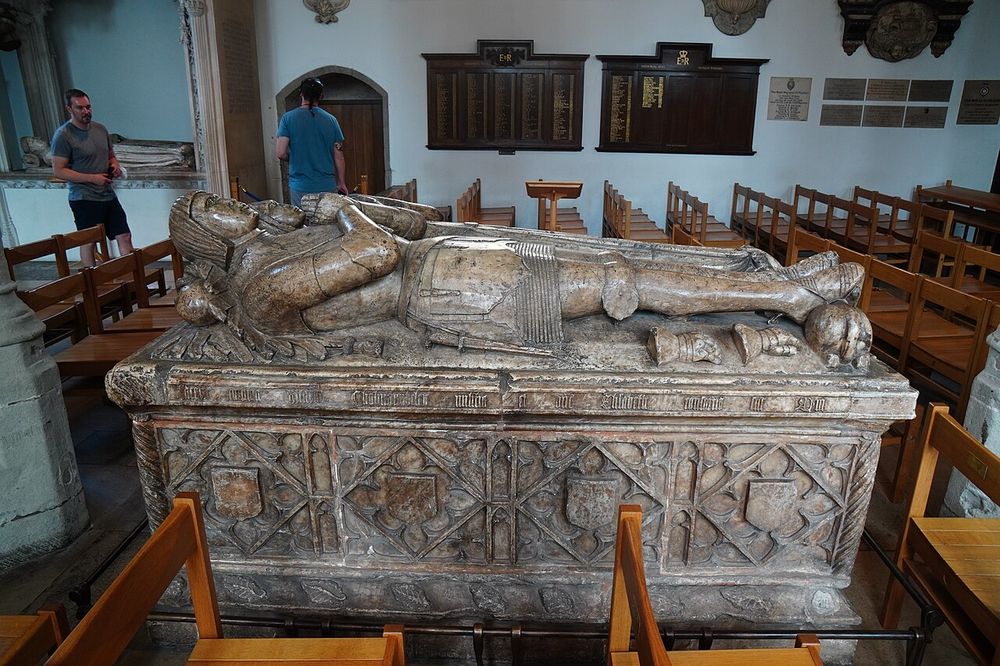
All three lie under the floor of the small chapel beside the green, with two dukes, a cardinal and Sir Thomas More. Their bones were found in 1876 when the floor was relaid. A historian called it the saddest spot on earth.
7. The writing in the Beauchamp Tower
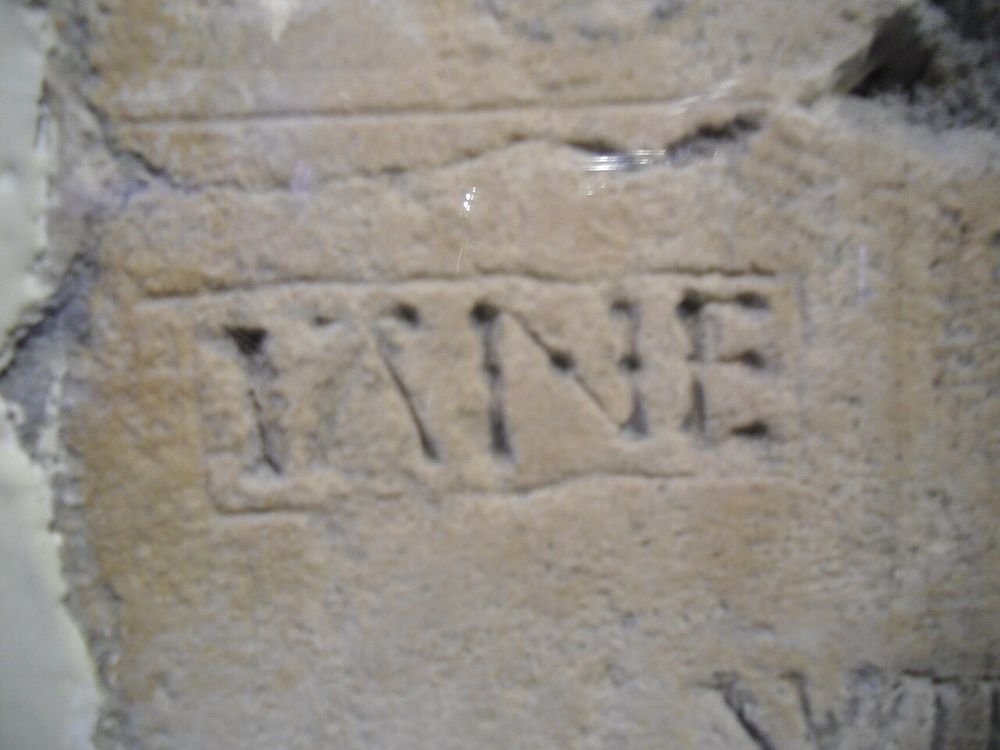
"IANE", cut in the wall of the Beauchamp TowerOwn work, CC0
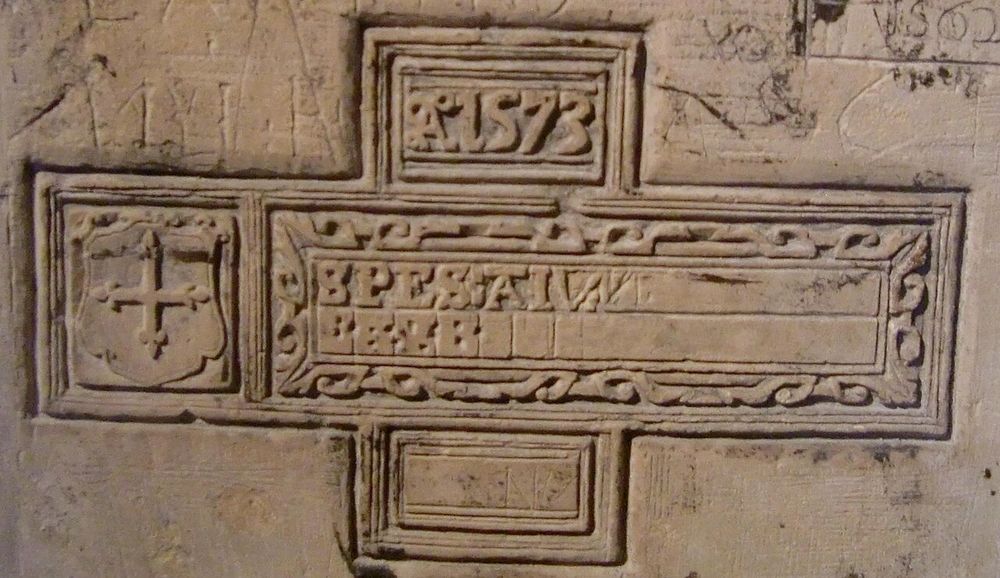
Prisoners of rank were held in this tower on the west side of the green, and they had time. The walls of the first-floor room are covered with what they cut into the stone: names, dates, coats of arms, prayers and puzzles.
A prisoner's coat of arms and the date 1571Jonathan Cardy, CC BY-SA 3.0
One word, IANE, appears twice. Tradition says it was cut by Lady Jane Grey's young husband, held here while she was held next door.
8. The wall walk and the ravens
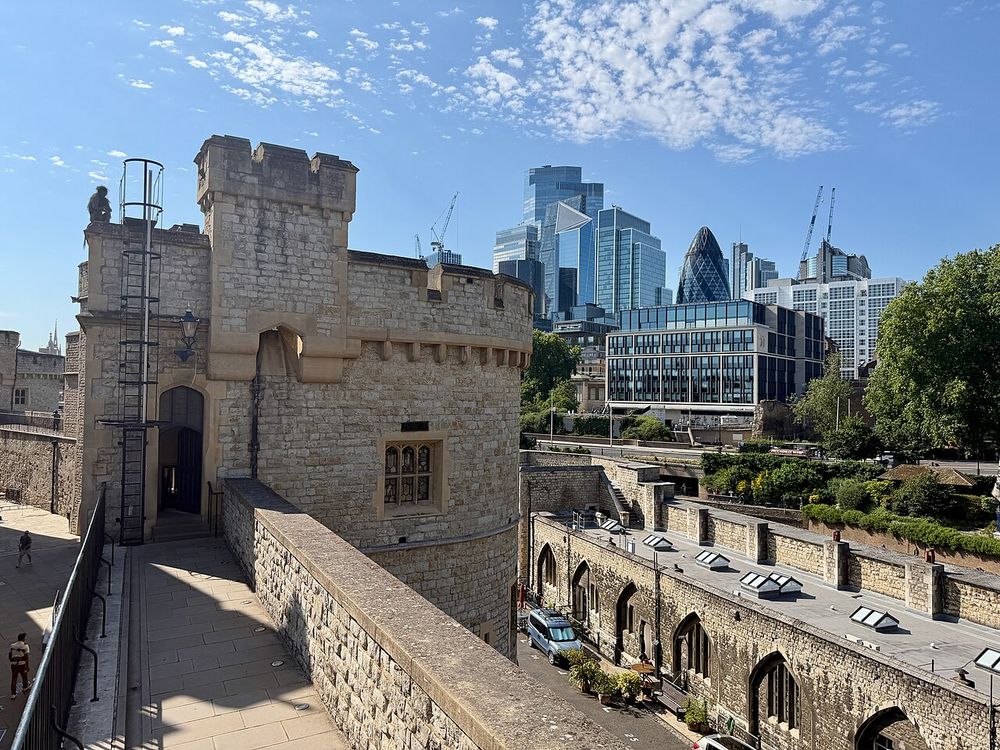
The wall walk on the north side, with the City beyondOleg Yunakov, CC BY-SA 4.0
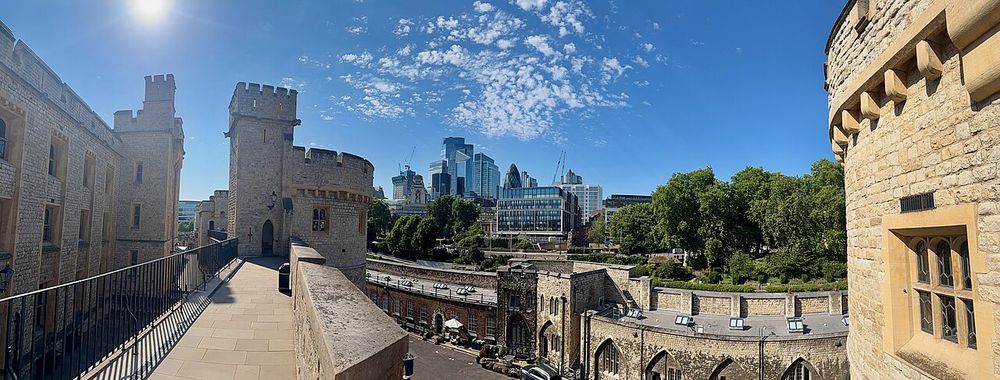
You can walk the inner wall from tower to tower. From the north side the keep stands against the glass towers of the City, the financial district that grew up where William's Londoners lived.
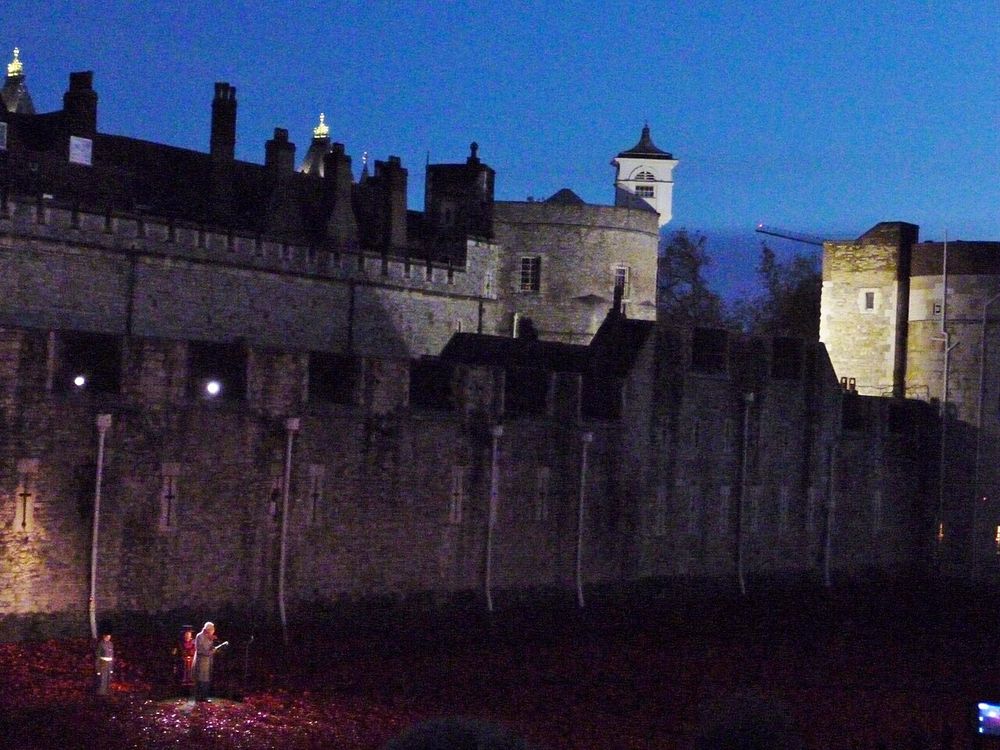
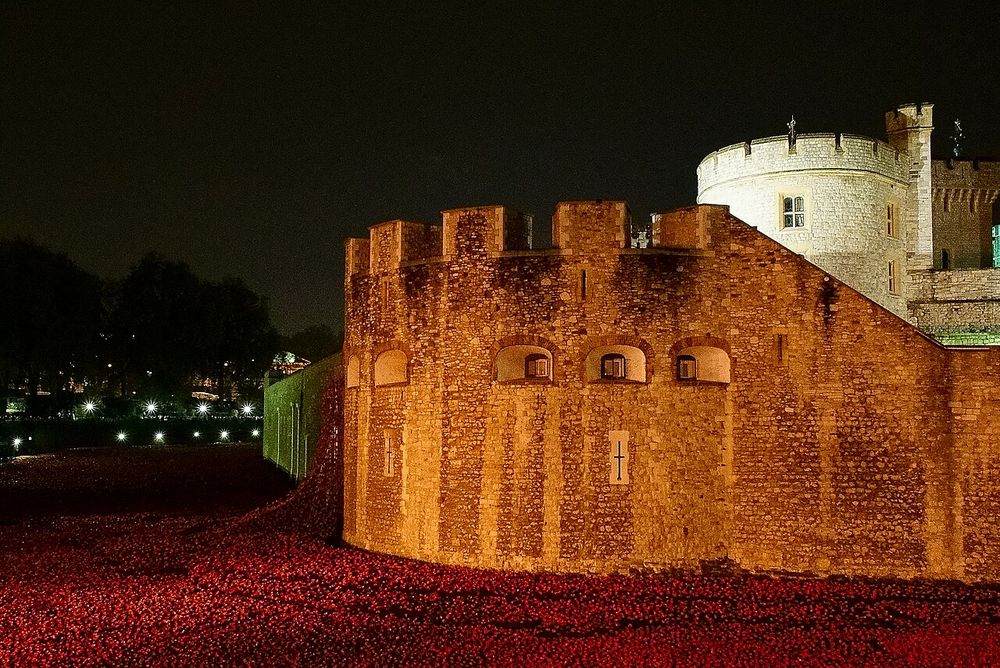
The moat below was drained in 1843 because it stank. In the Second World War it was dug up for vegetables. In 2014 it was filled with 888,246 ceramic poppies, one for each soldier of Britain and its empire killed in the First World War.
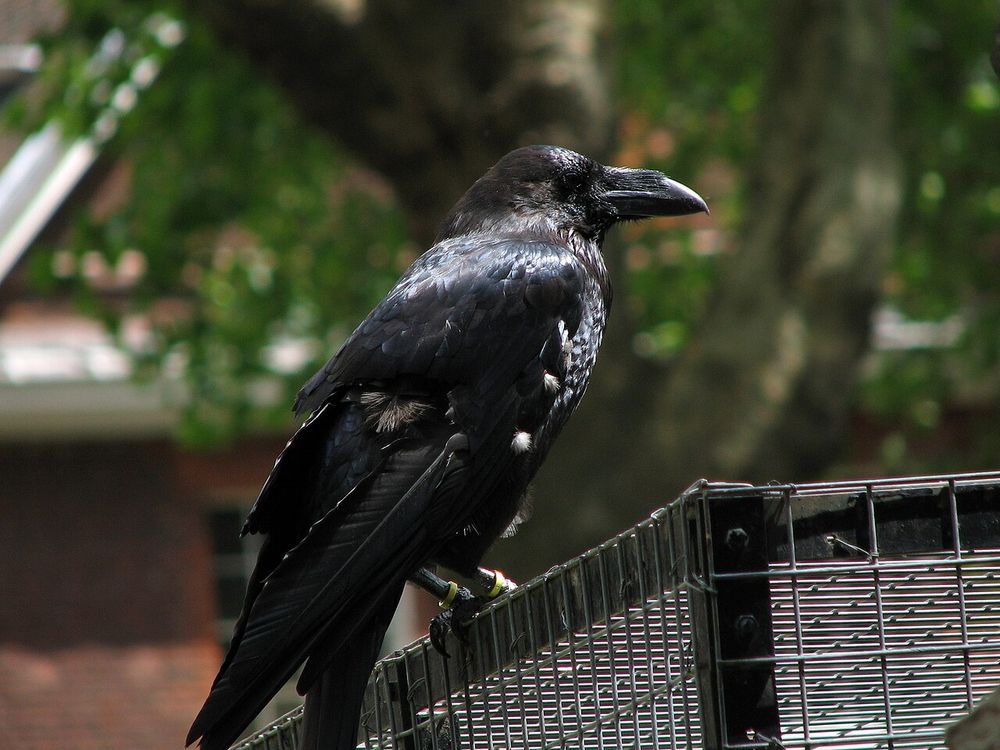
Two of the ravensColin, CC BY-SA 4.0
The ravens live in cages by the south wall and are let out by day. A Yeoman Warder called the Ravenmaster feeds them raw meat and biscuits soaked in blood. Their flight feathers are trimmed a little, so they can fly but prefer not to go far.
Meanwhile in the world
Year
Here
Elsewhere
about 1078
William the Conqueror begins the White Tower
Northern Song China: Su Shi is writing; Kaifeng is the largest city in the world
1240
Henry III whitewashes the keep; he already keeps leopards here, and a polar bear will follow
The Mongols take Kiev; the Southern Song (1127–1279) holds south China
1483
The two princes disappear
The Ming (1368–1644) dynasty under the Chenghua emperor; Leonardo paints in Milan
1536
Anne Boleyn is beheaded
The Jiajing emperor reigns; Michelangelo begins the Last Judgement
1671
Colonel Blood tries to steal the crown
The tenth year of Kangxi; Louis XIV is building Versailles
1696
Isaac Newton takes charge of the Mint
Kangxi leads an army into Mongolia; Peter the Great rules Russia
1841
Fire destroys the great storehouse of arms
The First Opium War; Hong Kong island is occupied
1941
The last execution: a German spy is shot
The Second World War; Japan attacks Pearl Harbor in December
Then and now
The Tower from the river, with the White Tower behind the wallsBob Collowan, CC BY-SA 3.0, Wikimedia CommonsThe castle from the air, between the river and the CitySource: [Duncan] from Nottingham, UKDerivative: User:MathKnight, CC BY 4.0, Wikimedia CommonsThe river frontDietmar Rabich, CC BY-SA 4.0, Wikimedia CommonsThe Tower from across the river, with City towers behindВвласенко, CC BY-SA 3.0, Wikimedia CommonsA corner turret of the White TowerDietmar Rabich, CC BY-SA 4.0, Wikimedia CommonsThe White TowerDietmar Rabich, CC BY-SA 4.0, Wikimedia CommonsA weathervane on a turret of the White TowerMartinvl, CC BY-SA 3.0, Wikimedia CommonsThe Norman chapel in the White TowerEthan Doyle White, CC BY-SA 4.0, Wikimedia CommonsThe round arches and gallery of the chapelBernard Gagnon, CC BY-SA 3.0, Wikimedia CommonsTraitors' GateDietmar Rabich, CC BY-SA 4.0, Wikimedia CommonsThe king's bedroom of about 1280, as refittedTristan Surtel, CC BY-SA 4.0, Wikimedia CommonsThe Bloody Tower and its gateRichard Nevell, CC BY-SA 3.0, Wikimedia CommonsA room in the Bloody Tower, set out as Raleigh's studyAPK, CC BY 4.0, Wikimedia CommonsThe Wakefield TowerEthan Doyle White, CC BY-SA 4.0, Wikimedia CommonsThe Waterloo Block, where the Crown Jewels are keptTristan Surtel, CC BY-SA 4.0, Wikimedia CommonsThe memorial on the site of the scaffold, with flowers left by visitorsMatt Brown, CC BY 4.0, Wikimedia CommonsThe glass cushion of the memorialDiagram Lajard, CC0, Wikimedia CommonsThe timbered King's House beside Tower GreenAPK, CC BY 4.0, Wikimedia CommonsThe Chapel of St Peter, where the executed are buriedMichael Coppins, CC BY-SA 4.0, Wikimedia CommonsA tomb inside the Chapel of St PeterDavid, CC BY 2.0, Wikimedia Commons"IANE", cut in the wall of the Beauchamp TowerOwn work, CC0, Wikimedia CommonsA prisoner's coat of arms and the date 1571Jonathan Cardy, CC BY-SA 3.0, Wikimedia CommonsThe wall walk on the north side, with the City beyondOleg Yunakov, CC BY-SA 4.0, Wikimedia CommonsThe wall walk and the inner courtOleg Yunakov, CC BY-SA 4.0, Wikimedia CommonsThe Salt TowerDoyle of London, CC BY-SA 4.0, Wikimedia CommonsThe Cradle Tower, a private water gate of the 1350sKrzysztof P. Jasiutowicz (Kpjas), CC BY-SA 4.0, Wikimedia CommonsThe Middle Tower, the entrance todaySamuel Taylor Geer, CC BY-SA 4.0, Wikimedia CommonsTwo of the ravensColin, CC BY-SA 4.0, Wikimedia CommonsA raven close upBastique, CC BY 4.0, Wikimedia CommonsA raven on a railingTyler Brenot, CC BY-SA 3.0, Wikimedia CommonsThe moat filled with ceramic poppies, at dusk in 2014Richard Humphrey, CC BY-SA 2.0, Wikimedia CommonsThe poppies under the floodlit wallPeter Trimming, CC BY-SA 2.0, Wikimedia CommonsThe Tower in a survey of 1597W, Haiward and J. Gascoyne, Public domain, Wikimedia CommonsThe Tower from the river, etched by Wenceslaus Hollar in the 1640sWenceslaus Hollar, CC0, Wikimedia CommonsThe Tower about 1895, in a colour print from a photographPhotochrom Print Collection, Public domain, Wikimedia CommonsThe Princes in the Tower, painted by John Everett Millais in 1878John Everett Millais, Public domain, Wikimedia CommonsThe Execution of Lady Jane Grey, painted by Paul Delaroche in 1833Paul Delaroche, Public domain, Wikimedia Commons
Video
Films from official channels, played from YouTube. Nothing is loaded until you press play.
The Tower of LondonUNESCO · made with NHK; 3 min · checked 2026-11-12
Local legends
These are stories people tell about this place. They are legends, not history, and each one says where it comes from.
LegendThe six ravens
If the ravens ever leave the Tower, the White Tower will fall and the kingdom with it. King Charles II was warned of this and ordered that six must always be kept.
Source: Told by the Yeoman Warders; the first written mention of ravens kept here is of 1883
LegendThe queen without a head
The ghost of Anne Boleyn walks from the Queen's House to the chapel on the night of her death, carrying her head under her arm. A sentry who challenged the figure in 1864 and fainted when his bayonet passed through it was let off by a court martial.
Source: A Tower tradition since the nineteenth century, printed in many guidebooks
LegendThe bear in the river
The king of Norway sent Henry III a white bear. It was kept on a long chain so that it could walk down to the Thames and catch its own fish.
Source: This one is true: the order to the sheriffs of London for the chain and a muzzle survives, dated 1252
LegendWhose keys?
Every night at seven minutes to ten the chief warder locks the gates and is challenged by a sentry: "Halt! Who comes there?" "The keys." "Whose keys?" "King Charles's keys." "Pass, King Charles's keys. All's well." It is said never to have been missed in seven hundred years, and to have been late only once, in an air raid in 1940.
Source: The Tower's own account of the Ceremony of the Keys
Later, people who live here will be able to add the stories they grew up with, and say which of these they have heard.
Not certain, and where accounts conflict
Who killed the princes?
Nobody knows that they were killed. Tudor writers, and Shakespeare after them, blamed their uncle Richard III. In 1674 workmen found the bones of two children under a staircase of the White Tower, and they were buried in Westminster Abbey as the princes. They were examined once, in 1933, and have never been tested by modern methods.
How old is the legend of the ravens?
Not as old as it claims. There is no record of tame ravens here before 1883, and the story about Charles II first appears in print in the twentieth century. It may have grown up in the Second World War, when all but one of the birds died or flew off.
Did Elizabeth come in by Traitors' Gate?
The story that she sat down on the wet steps and refused to go in was written forty years later. A witness of the time has her landing at the wharf and walking in over the drawbridge.
Are the bones in the chapel really Anne Boleyn's?
In 1876 a surgeon judged one set of bones to be those of a slender woman of the right age and they were reburied under her name. Later writers have doubted the identification. The grave has not been opened since.
Visiting
Tickets and hours
An adult ticket costs 37 pounds and a child's, from 5 to 15, costs 18.50 pounds. Under-fives are free. One page of the official site already shows 38 pounds.
In summer the Tower opens at 9:00 from Tuesday to Saturday and at 10:00 on Sunday and Monday, and closes at 17:30. In winter it closes at 16:30.
The ticket includes a tour led by a Yeoman Warder, which leaves from near the entrance every 45 minutes, and the Crown Jewels. An audio guide is 5 pounds.
The Ceremony of the Keys runs from 21:30 to 22:05 every night and costs 10 pounds.
Last checked 2026-11-12. The Tower's own site (Historic Royal Palaces, hrp.org.uk), ticket and visiting pages as shown in November 2026.
Booking from abroad
Official page in English Historic Royal Palaces sells tickets for a chosen day and time on its own site, in English, and takes foreign bank cards: hrp.org.uk. The price is the same online and at the gate.
Ticket window on site Tickets are sold at the ticket office on Tower Hill on the day. In school holidays the queue is long and the day can sell out.
Note The Ceremony of the Keys is sold only on the same site, a month at a time, and goes within minutes of release.
Checked 2026-11-12
Where to start
The nearest Underground station is Tower Hill, on the District and Circle lines, five minutes' walk from the entrance. Riverboats stop at Tower Pier.
Go to the Crown Jewels the moment you are in. By late morning the queue is an hour long.
Then join a Yeoman Warder tour: it is the only way into the chapel before the last hour of the day.
Allow three hours. The White Tower has more than two hundred steps and no lift.
Before you go
Bags are searched at the gate. Large suitcases are not let in and there is nowhere to leave them.
The cobbles are uneven and slippery in rain. Wear flat shoes.
Do not feed the ravens or put a hand near them. They bite.
Customs and manners
The Yeoman Warders are glad to be photographed and to answer questions. Ask first.
Families live inside the walls. Doors marked private are homes.
The chapel is a working church. Men take off their hats.
In London, people queue. Join the end of the line and wait.
Opening hours are given in the local time of the place. Prices are in the local currency. The figure after ≈ is approximate, at exchange rates checked on 9 November 2026, in .
Look for these
On the White Tower, find the one corner turret that is round. The other three are square.
At Traitors' Gate, look down through the bars. Where did the boats come in?
Count the ravens you can see. Is it six?
In the White Tower, find the armour of Henry VIII. How wide is it?
In the Norman chapel, look for any decoration at all. Can you find some?
In the Beauchamp Tower, find the word IANE cut in the wall.
On Tower Green, read the names round the glass memorial. How many are women?
From the wall walk, find the newest building you can see and the oldest.
I am here
Stand at the site, sign in, press the button, and collect its stamp. Your browser will ask to use your location. It is sent to us once to confirm that you are at the site; we keep how far you were from it, not the spot where you stood.
Your stamps are saved to your account, so they follow you to any device. Checking from a browser cannot rule out every false location; stricter checks arrive with the app.
Messages
Share your photos
Photos here show the place, not people. Each one is credited to the visitor who took it and appears after our team has looked at it. A photo with you in it belongs under “I am here”.