LegendThe drum in the rock
A hollow rock on the south-west shore booms when the waves hit it, and the island was named Drum Waves after it.
Source: The usual account of the name, given by the island's management and guides
Xiamen, Fujian, China
鼓浪屿 · Gǔlàngyǔ / Kó͘-lōng-sū (Hokkien)
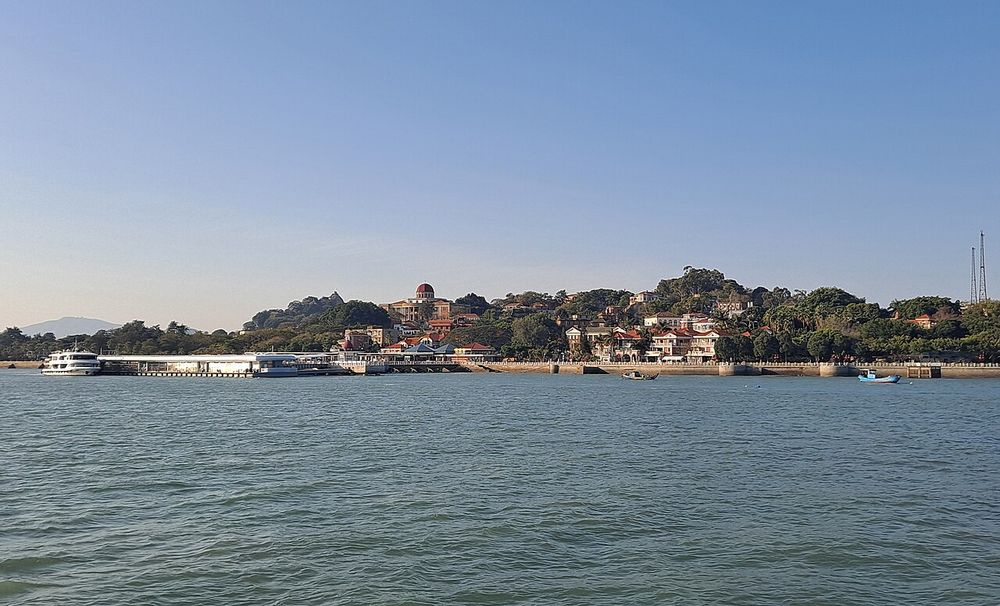
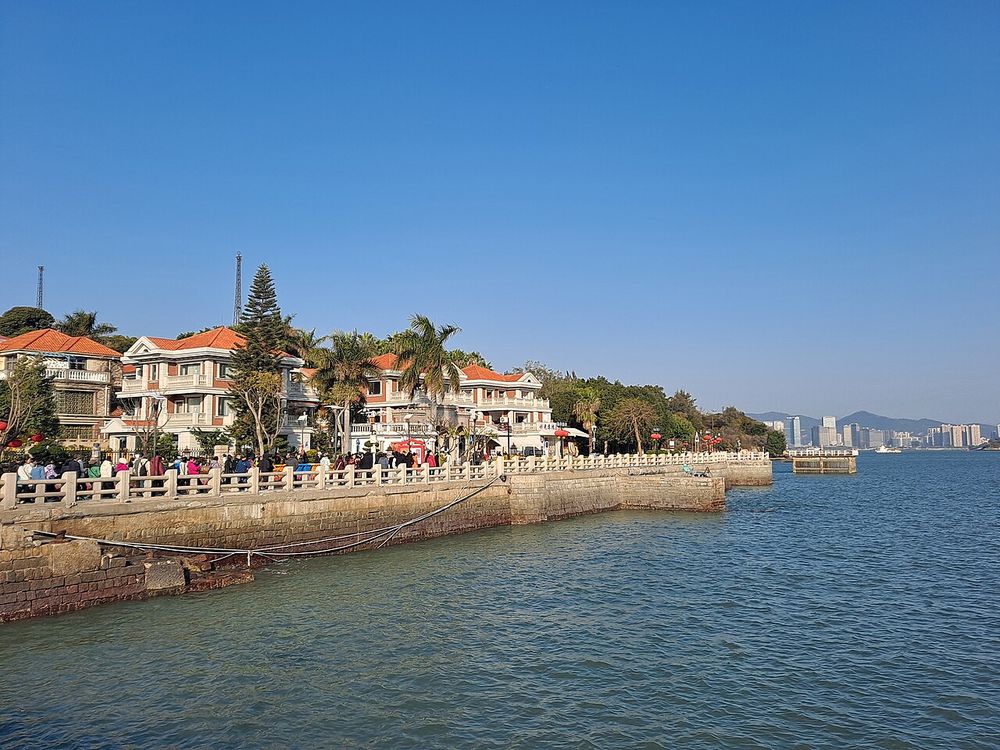
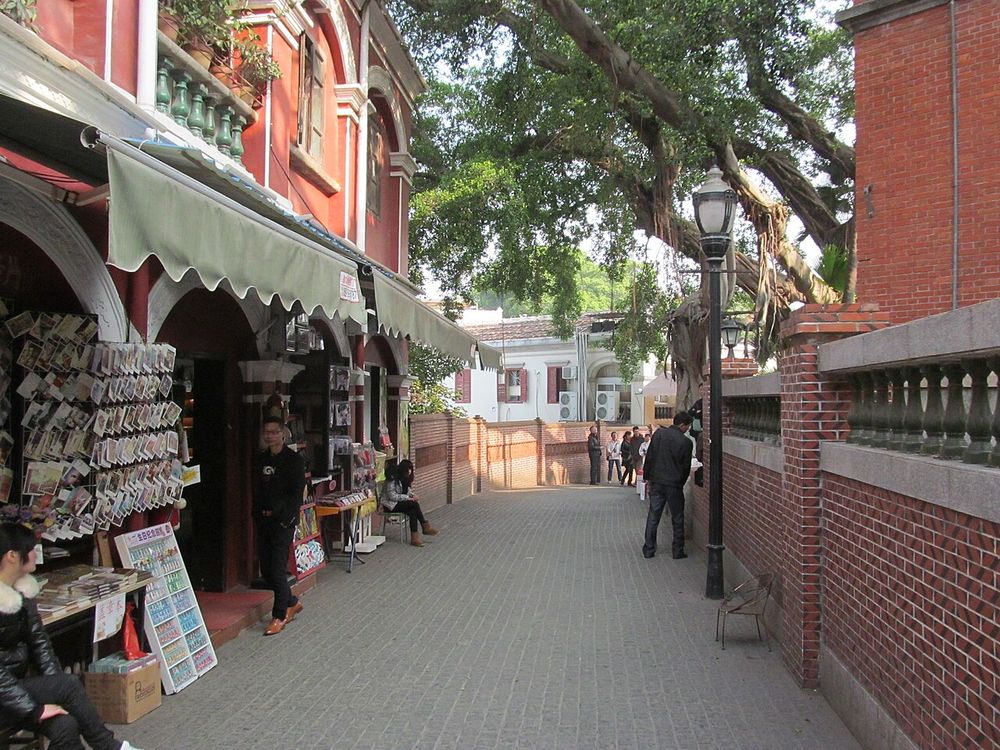
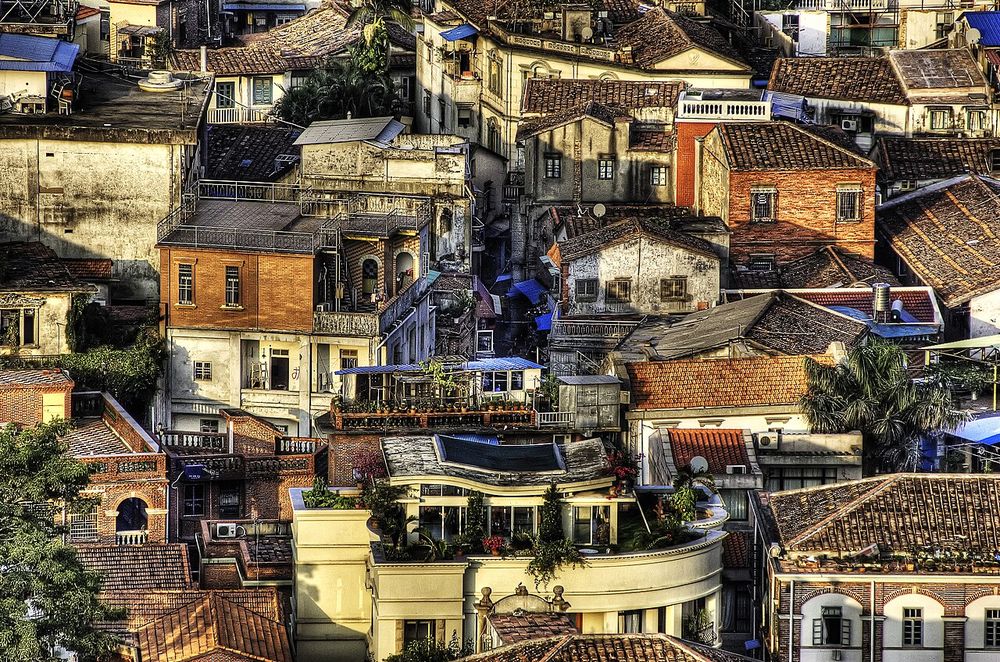
A small island five minutes by ferry from Xiamen, where no cars run and the lanes climb between red-brick villas, banyan trees and old consulates. From 1903 it was an international settlement run by foreign consuls and Chinese merchants together; it came out of that time with nearly a thousand historic buildings, a style of its own, and more pianos than anywhere else in China.
Photo: Sparktour, CC BY-SA 4.0, Wikimedia Commons
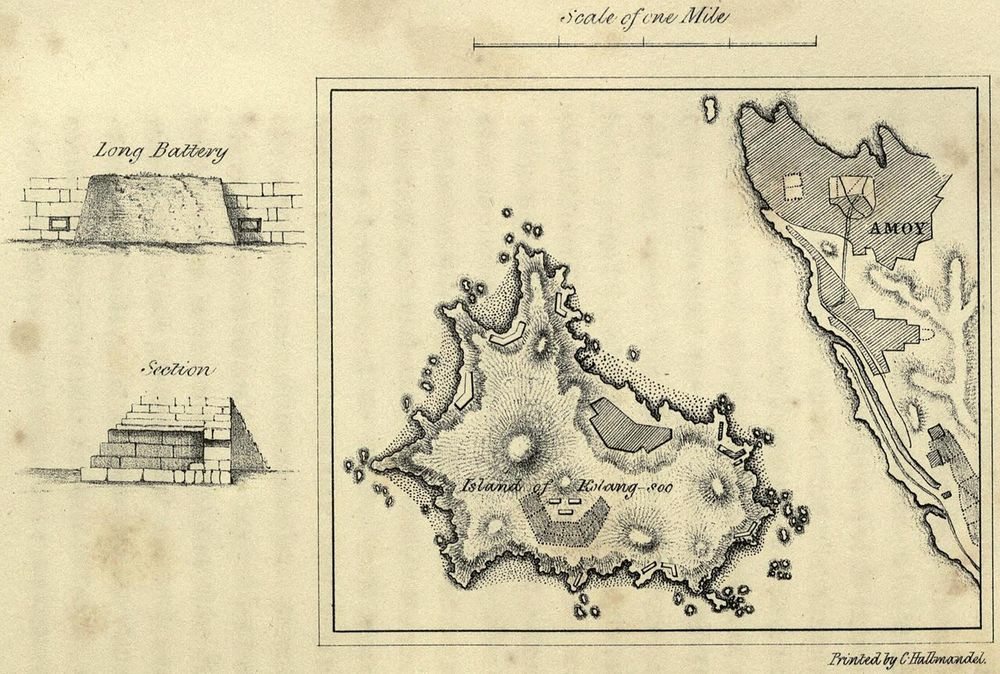
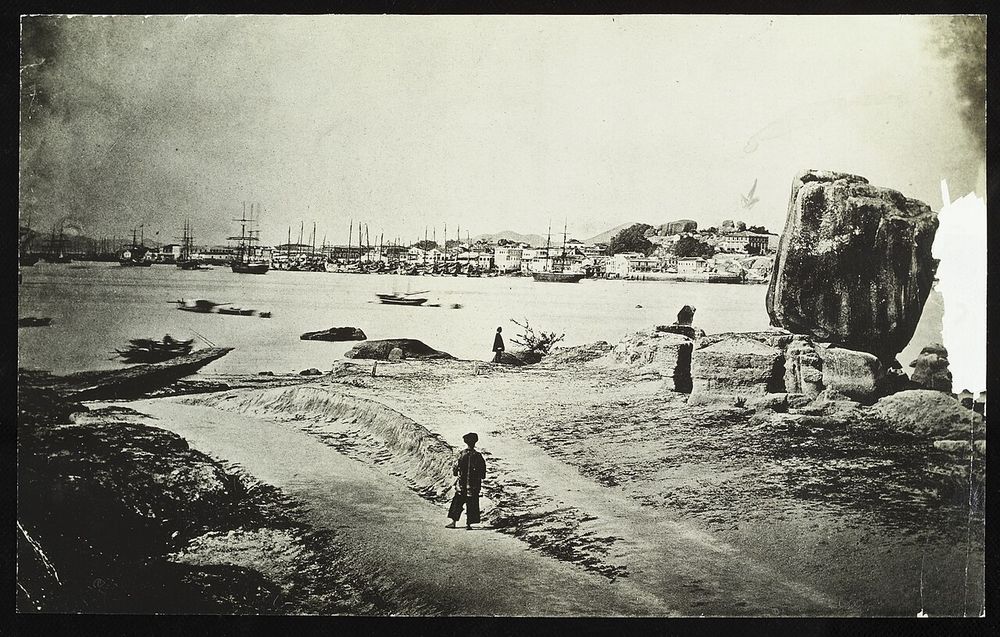
Gulangyu means "drum waves": a hollow rock on the south-west shore booms like a drum when the sea strikes it. For centuries it was a fishing island across a narrow strait from Xiamen. In the 1650s Zheng Chenggong, known in the West as Koxinga, kept his fleet in these waters and, tradition says, drilled his sailors from the top of the island's highest rock.
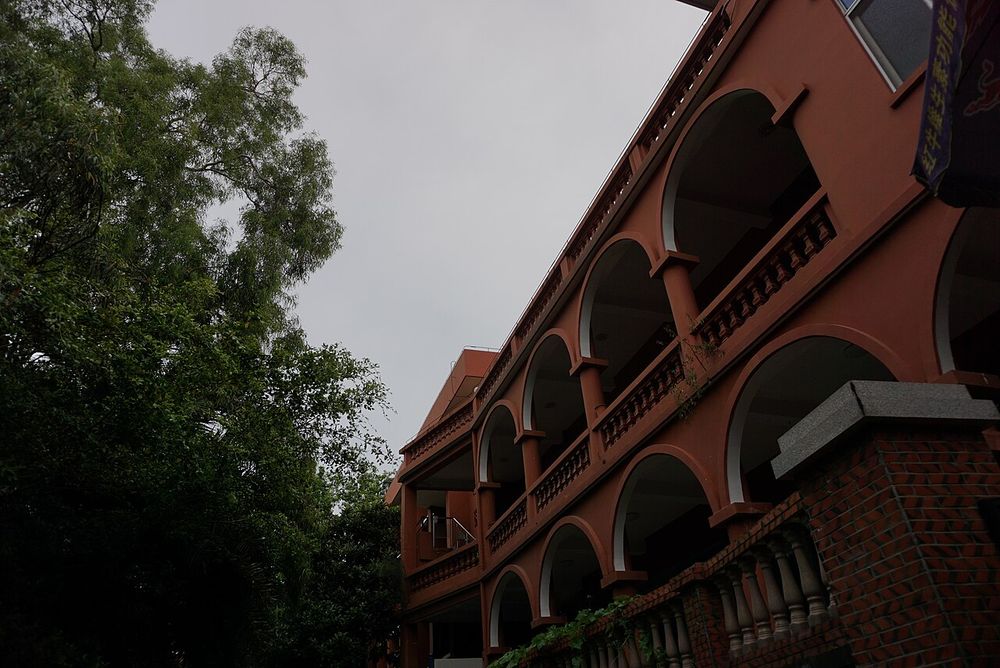
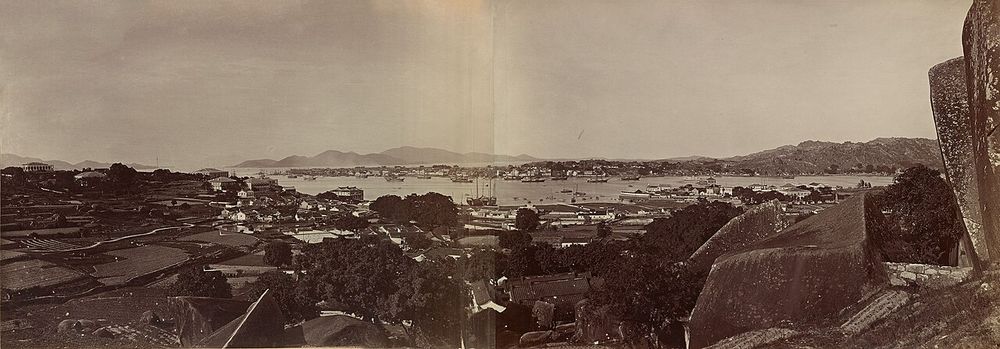
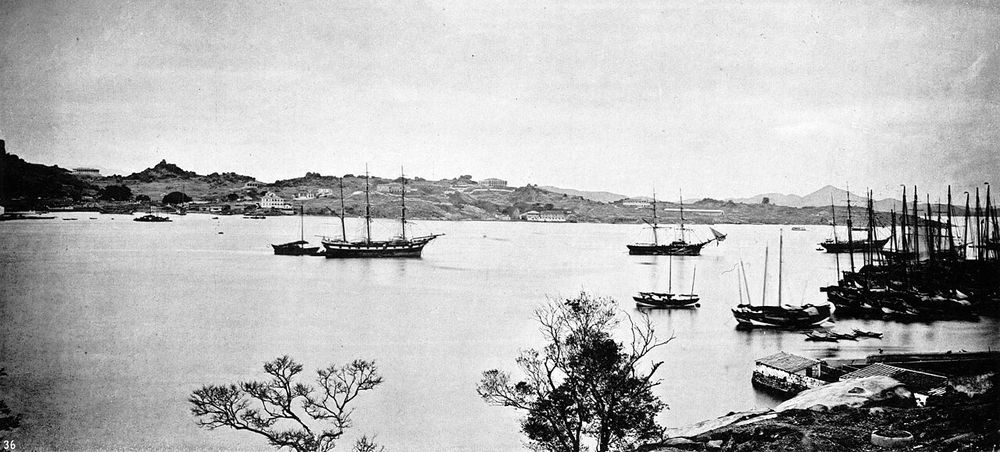
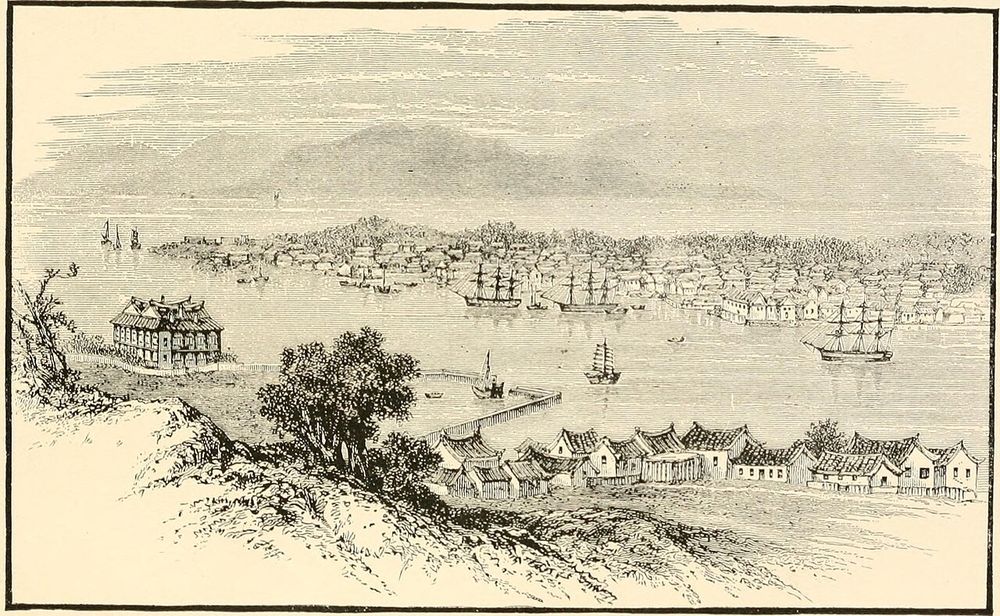
After the Opium War Xiamen was opened as a treaty port in 1843, and foreigners chose the quiet island to live on. In 1903 it became an international settlement, run by a council of foreign residents and Chinese members. Missionaries built churches, schools and a hospital; Chinese merchants returning rich from Southeast Asia and Taiwan built villas in a mixed style later named Amoy Deco. In 2017 the island was listed as a World Heritage Site.
The island is free; the ferry costs 35 yuan return. Five sights share a combined ticket of 100 yuan, or can be paid one by one.
| Part | Ticket |
|---|---|
| Sunlight Rock | In the combined ticket |
| Shuzhuang Garden and the Piano Museum | In the combined ticket |
| Haoyue Garden (statue of Koxinga) | In the combined ticket |
| Organ Museum in the Bagua Lou | In the combined ticket |
| Catholic church and the lanes | Free |
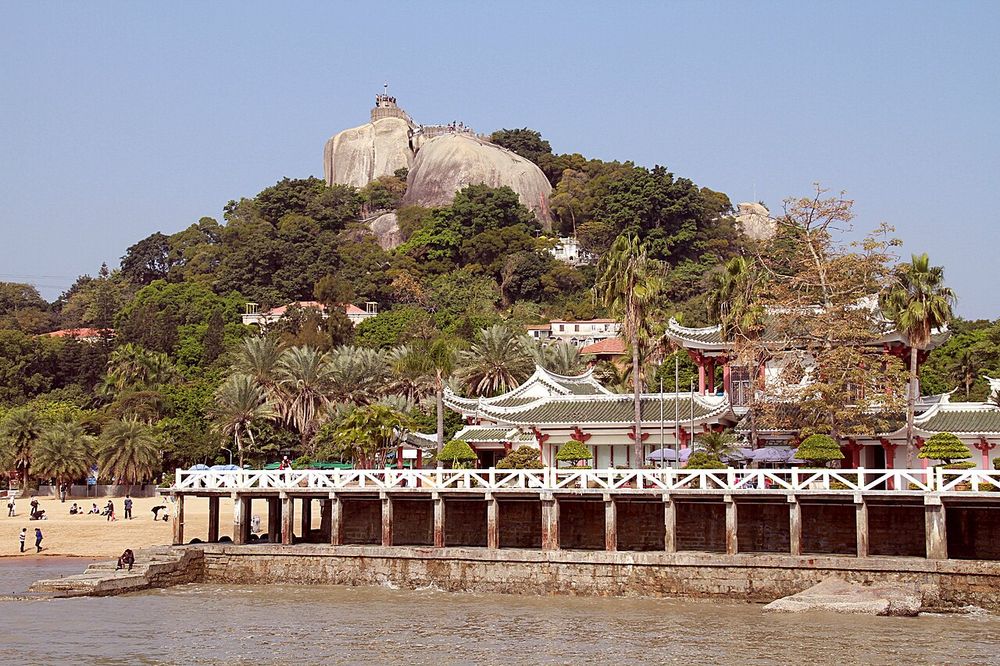
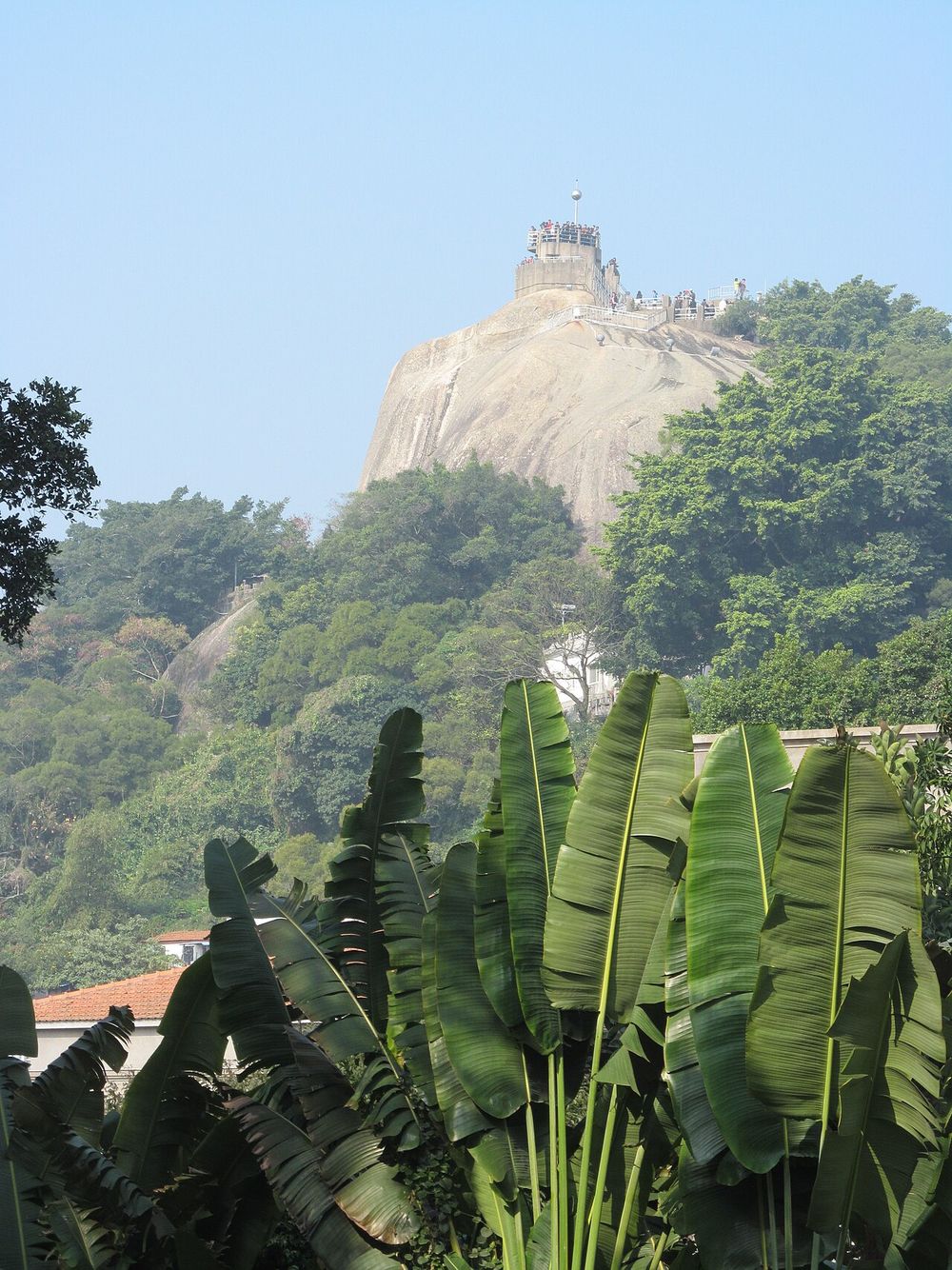
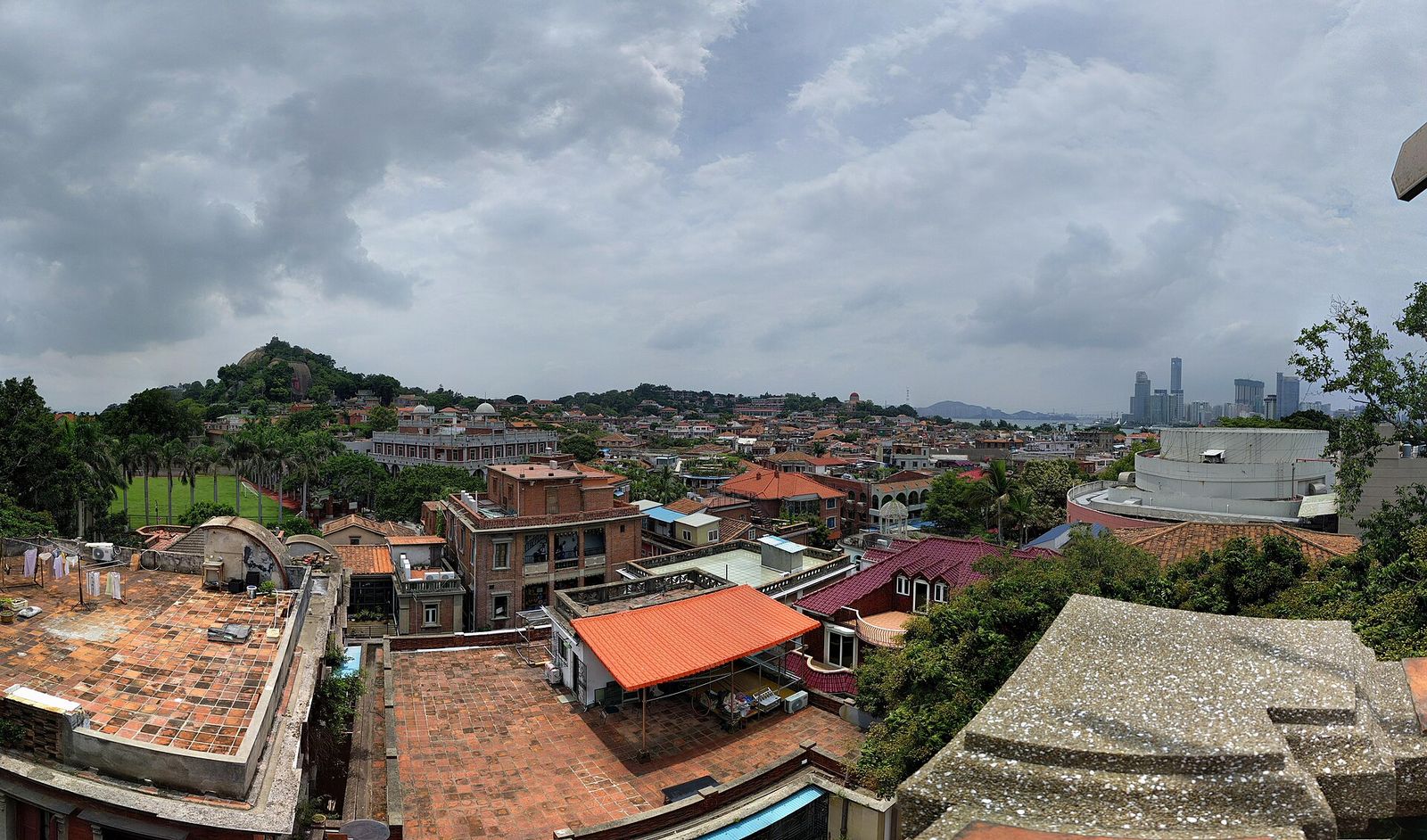
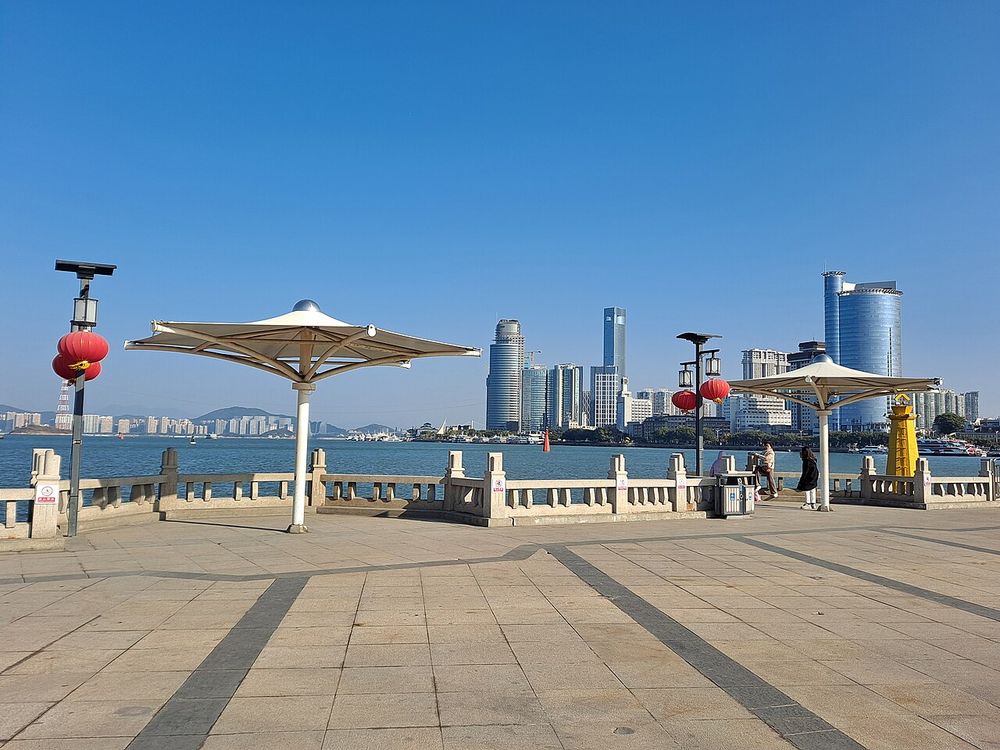
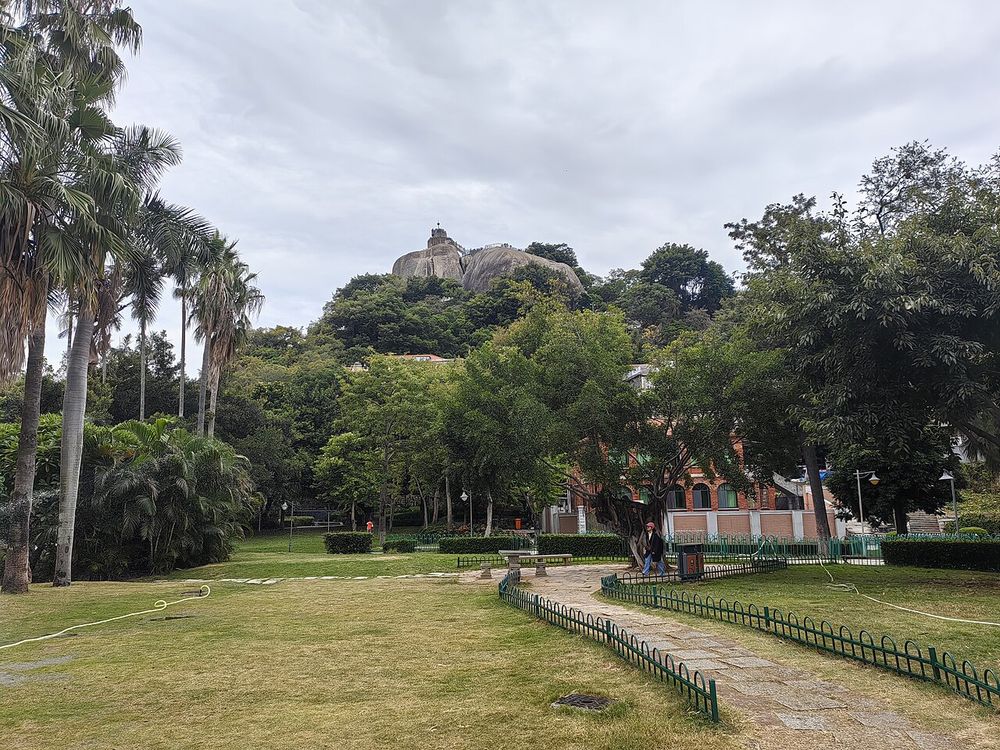
Sunlight Rock is the highest point of the island, a pile of granite boulders about 93 metres above the sea. From the top you see the whole island at once: red roofs among dark green trees, the dome of the Bagua Lou, the garden built out over the water, and across the strait the towers of Xiamen.
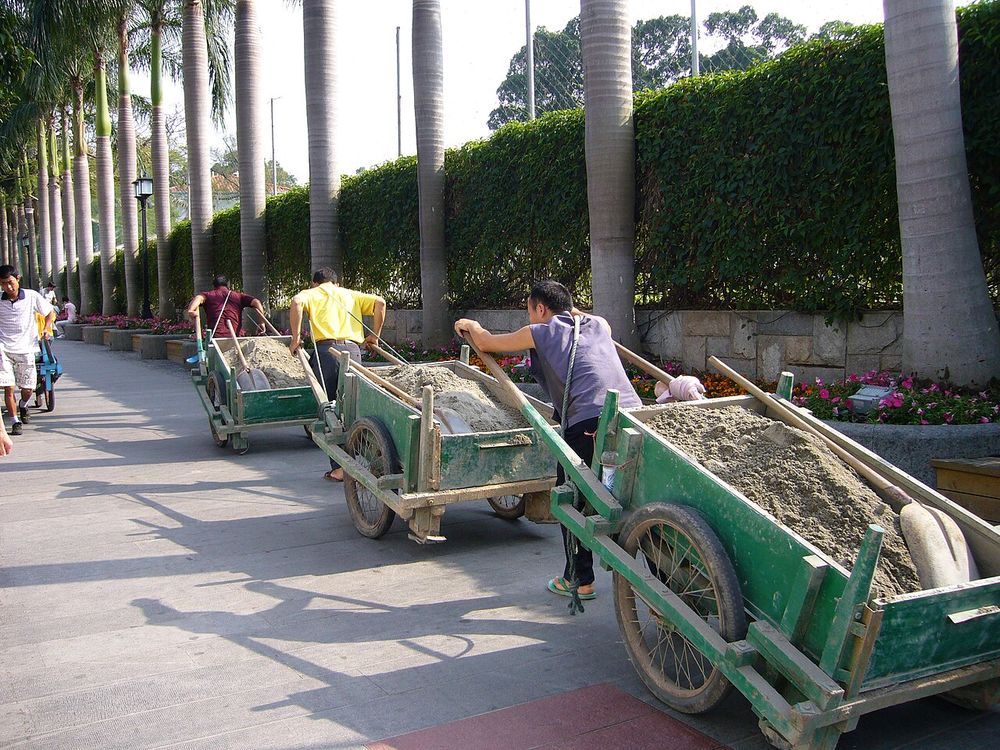
The lanes below have almost no cars: since the island was never joined to Xiamen by road, goods still go round on hand carts, pushed up the slopes by porters. Listen for pianos from open windows; in the 1950s the island was said to have over five hundred.
"You need a ticket to land." The island itself is free; what you buy is the ferry ticket, and separate tickets for a few gardens and museums.
"It was a colony." It was never a colony of one country: the settlement was shared by several powers and Chinese residents, and China kept sovereignty. Japan occupied it during the war in the 1940s.
We searched Chinese sources first for this list, then English ones.
A walk of three to four hours, from the daytime pier at Sanqiutian round to Neicuo'ao; the island is only about two kilometres across.
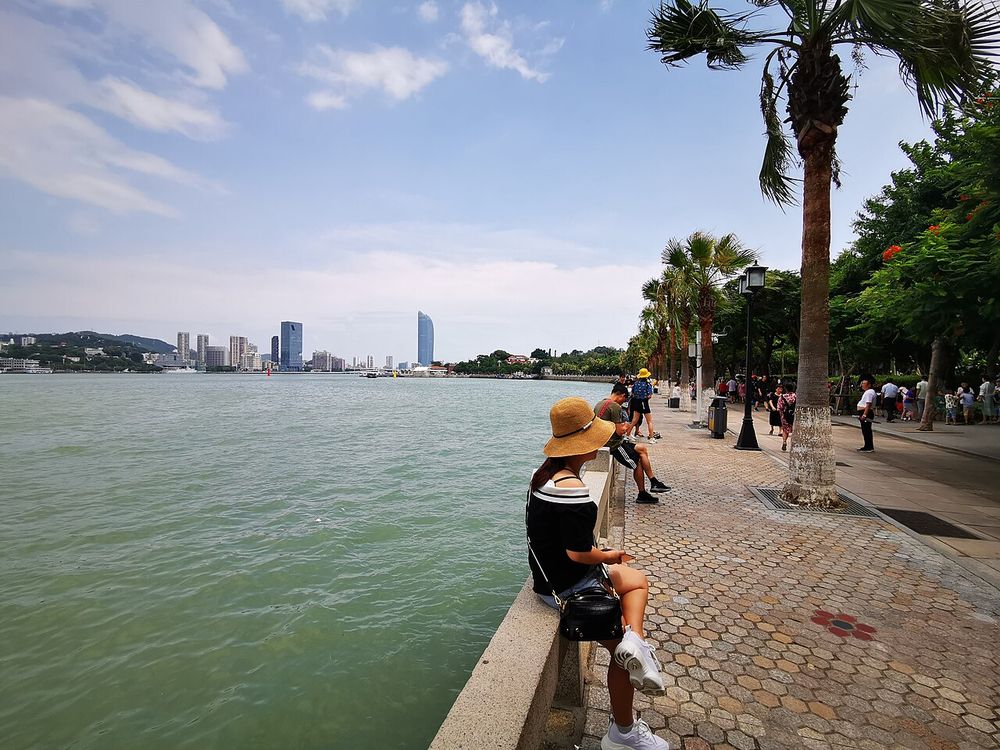
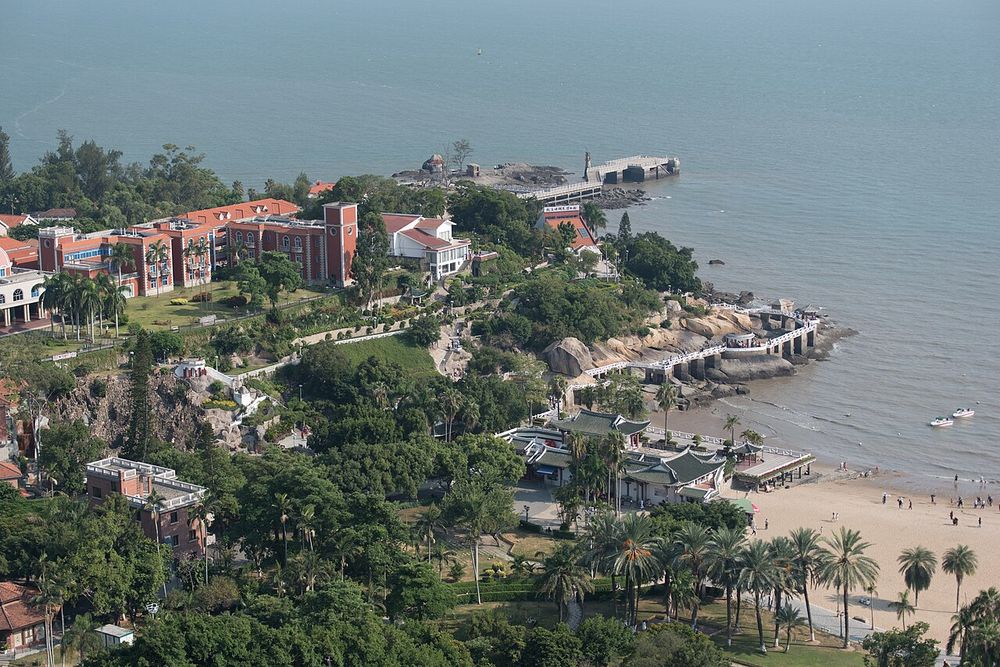
The ferry lands on the north-east shore, where the British, American, Japanese and other consulates stood on the slopes facing Xiamen. Several of these buildings survive, some as small museums.
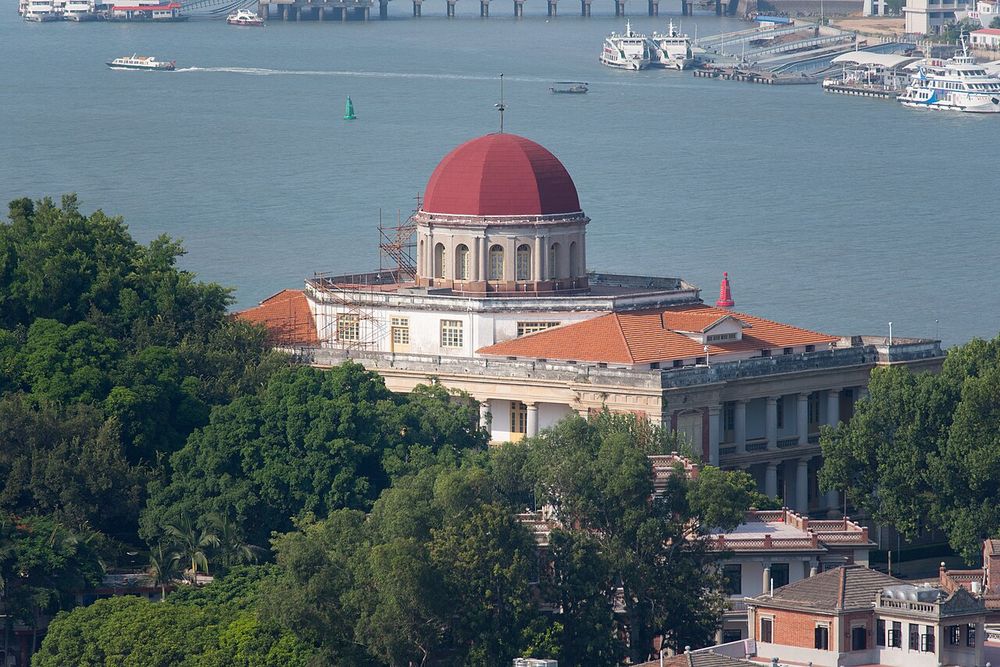
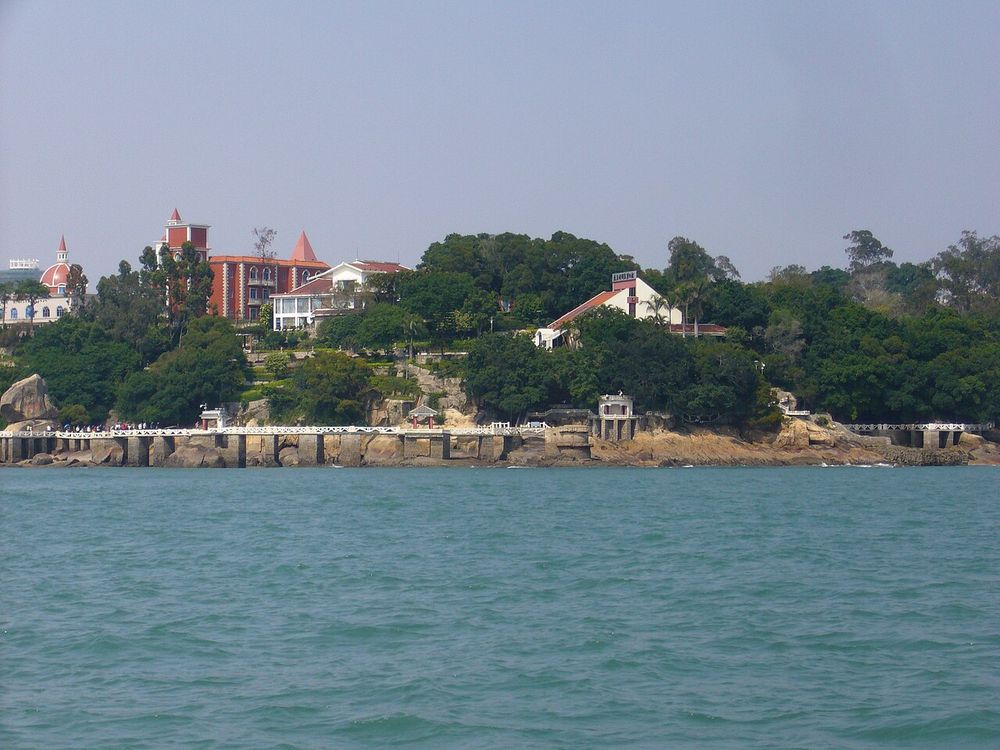
The red dome seen from everywhere crowns the Bagua Lou, a mansion begun in 1907 for a Taiwanese merchant, Lin Heshou, with columns on all sides and an octagonal roof. Today it holds the Gulangyu Organ Museum, with church and harmonium organs from Europe and America.
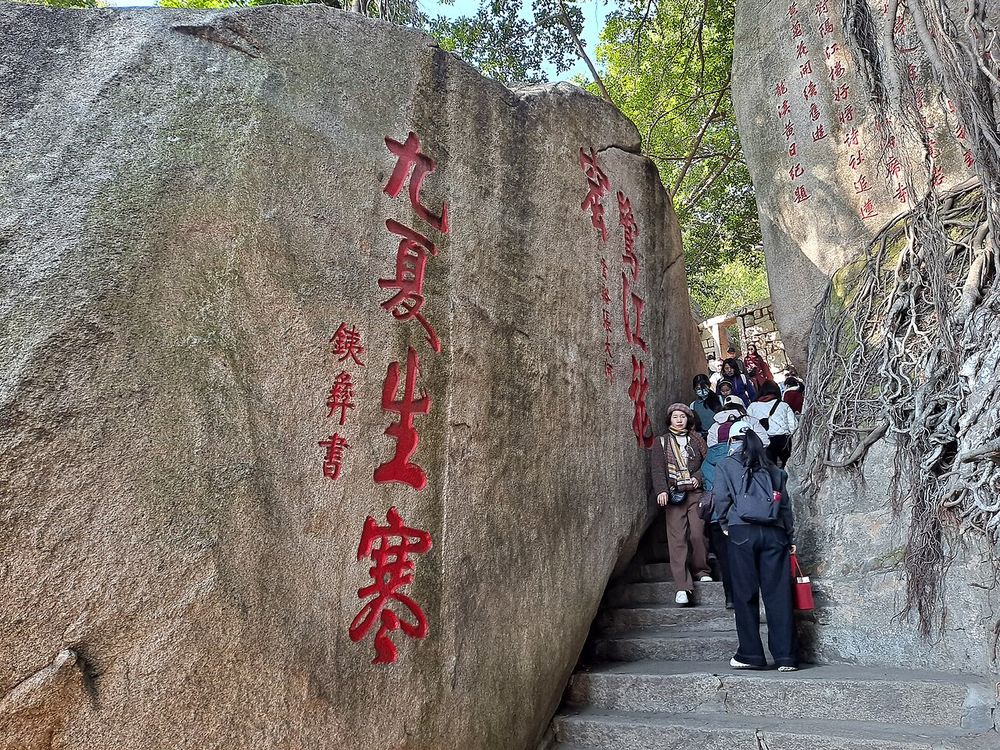
A stepped path climbs between boulders carved with poems and inscriptions to the platform at the top. On the way are the remains of the stone gate of Koxinga's camp and a memorial hall to him.
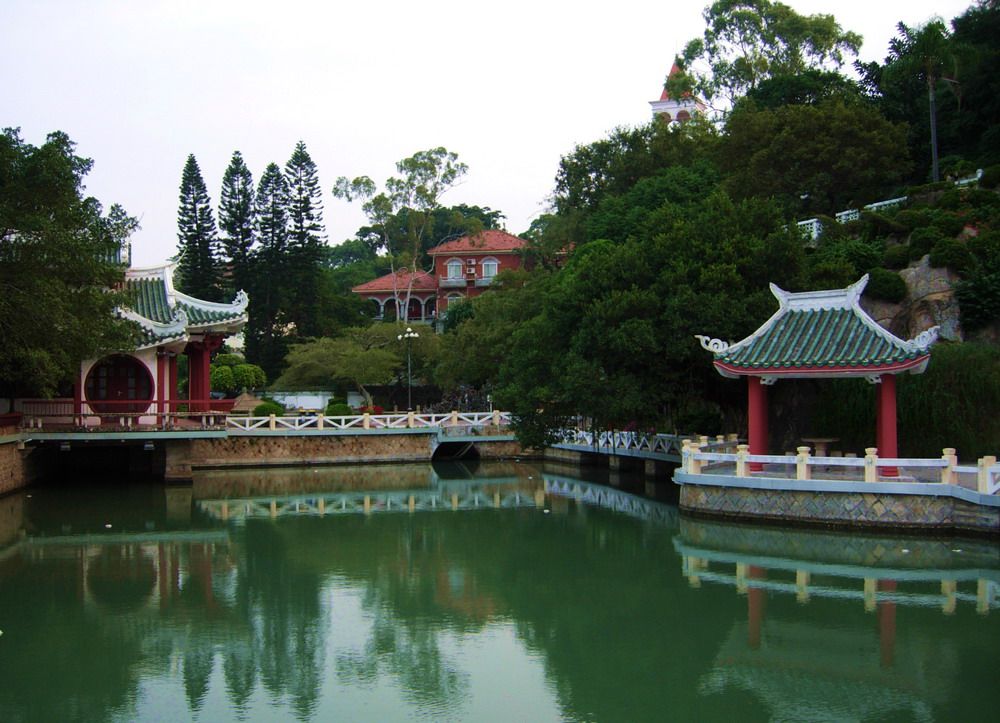
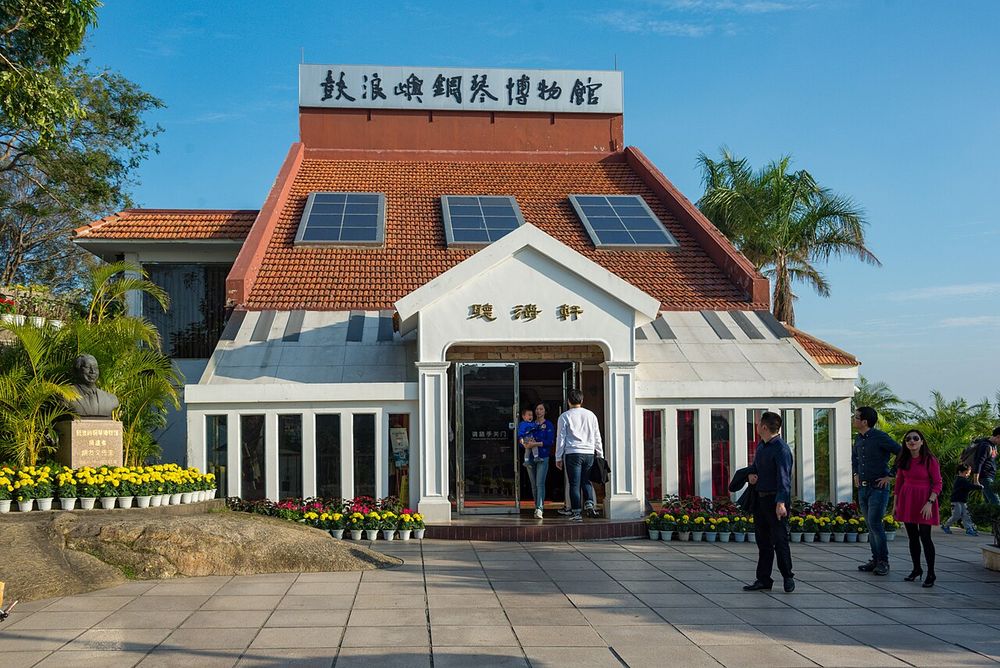
Lin Erjia's garden is built on the shore, so the sea becomes part of the view. A zigzag bridge of forty-four turns runs over the water, and a rock garden with twelve grottoes climbs the hill. In the garden, the Piano Museum shows nearly a hundred old pianos given by Hu Youyi, a collector born on the island.
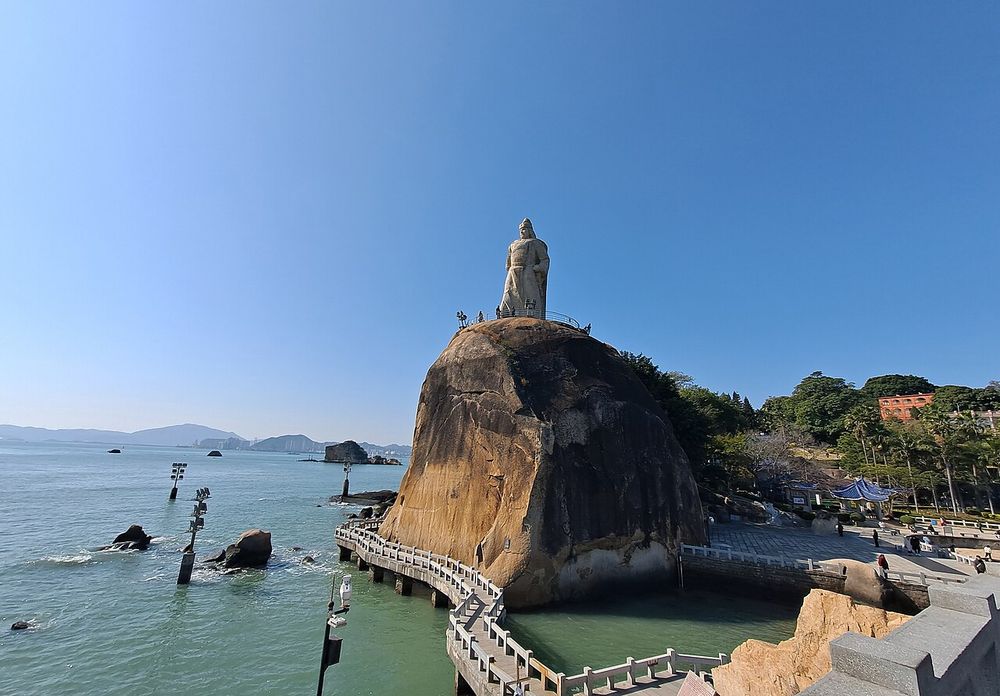
On the east shore, a granite statue of Koxinga set up in 1985 stands on a rock above the waves, looking out towards Taiwan.
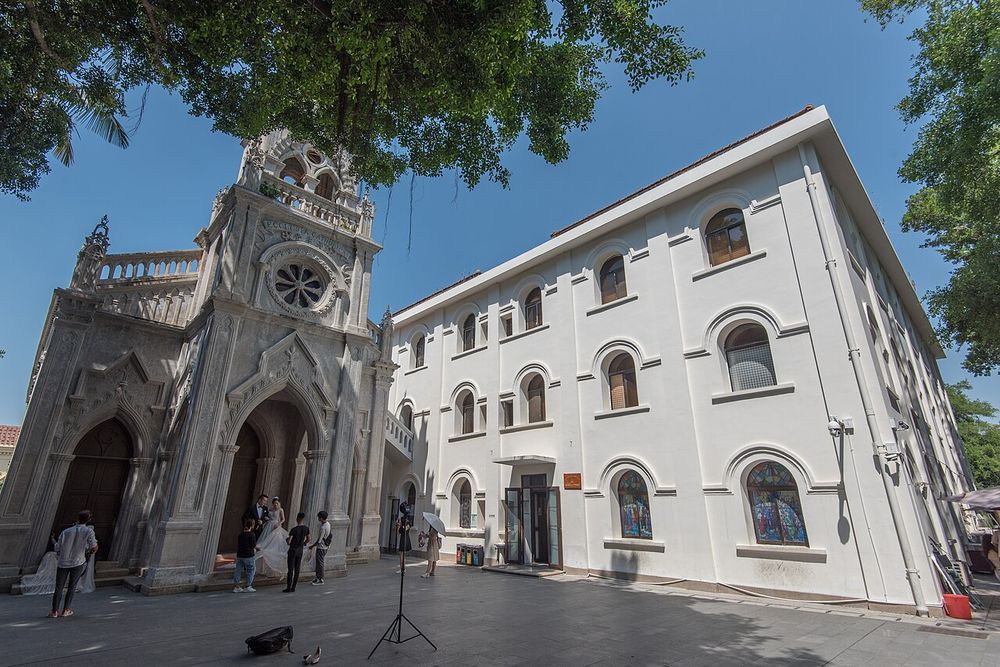
Walk back through the lanes behind Longtou Road. The small white Gothic Catholic church dates from 1917; around it are villas with verandas, Chinese roofs on Western columns and gardens behind high walls.
The settlement began in 1903; that December, on a beach in North Carolina, the Wright brothers made the first powered flight.
| Year | Here | Elsewhere |
|---|---|---|
| 1661 | Koxinga sails from Xiamen to take Taiwan from the Dutch | Louis XIV begins to rule France in person |
| 1843 | Xiamen opens as a treaty port | Charles Dickens publishes "A Christmas Carol" |
| 1903 | Gulangyu becomes an international settlement | The Wright brothers make the first powered flight |
| 1913 | Lin Erjia builds Shuzhuang Garden | Stravinsky's "The Rite of Spring" causes a riot in Paris |
| 2017 | Gulangyu becomes a World Heritage Site | The Cassini probe ends its mission by diving into Saturn |
One line to remember: an island with no cars, where Chinese merchants and foreign consuls built a town together and filled it with pianos.
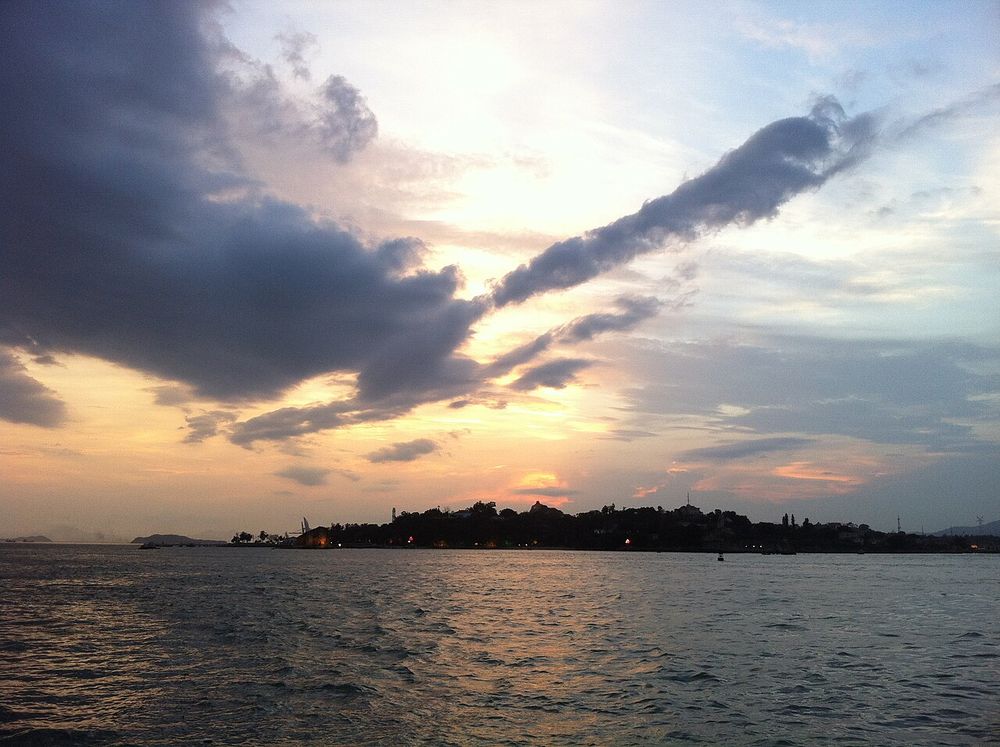
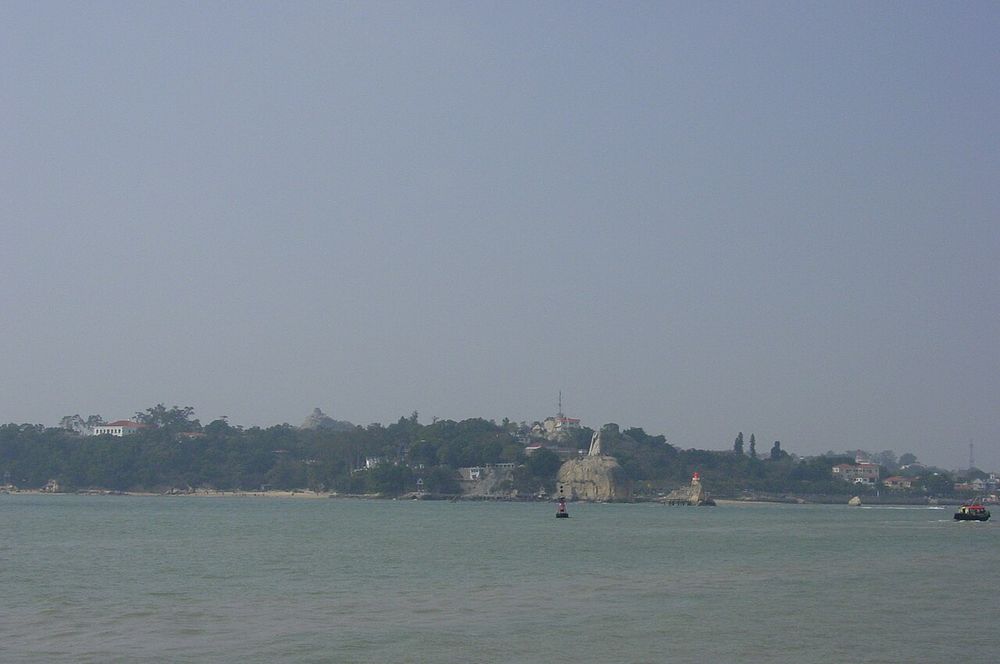
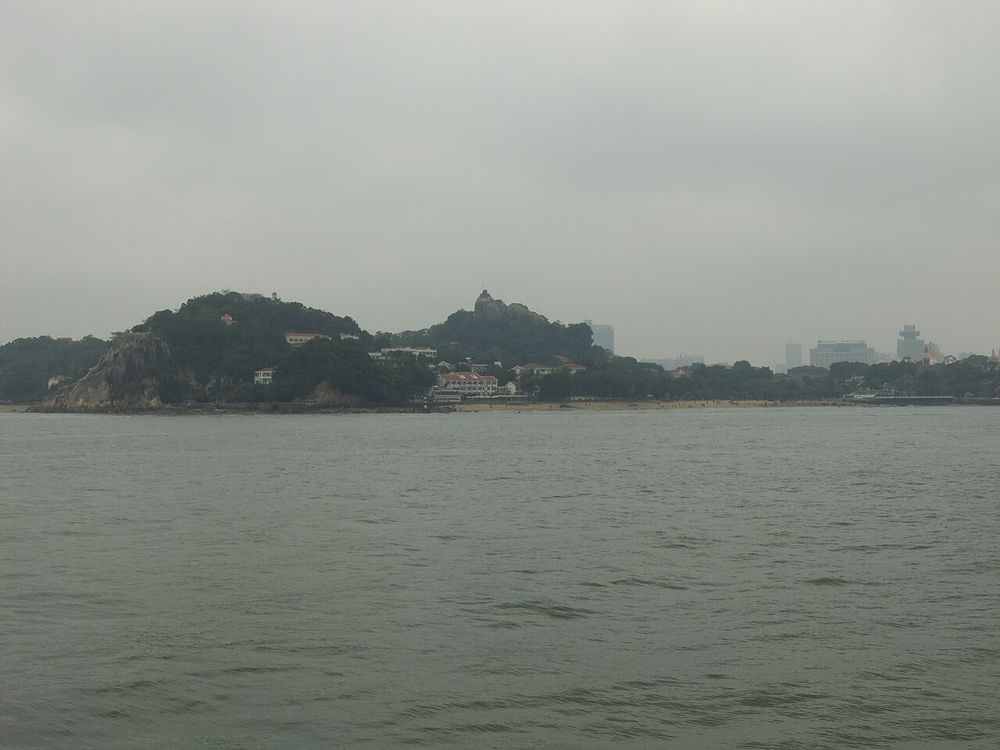
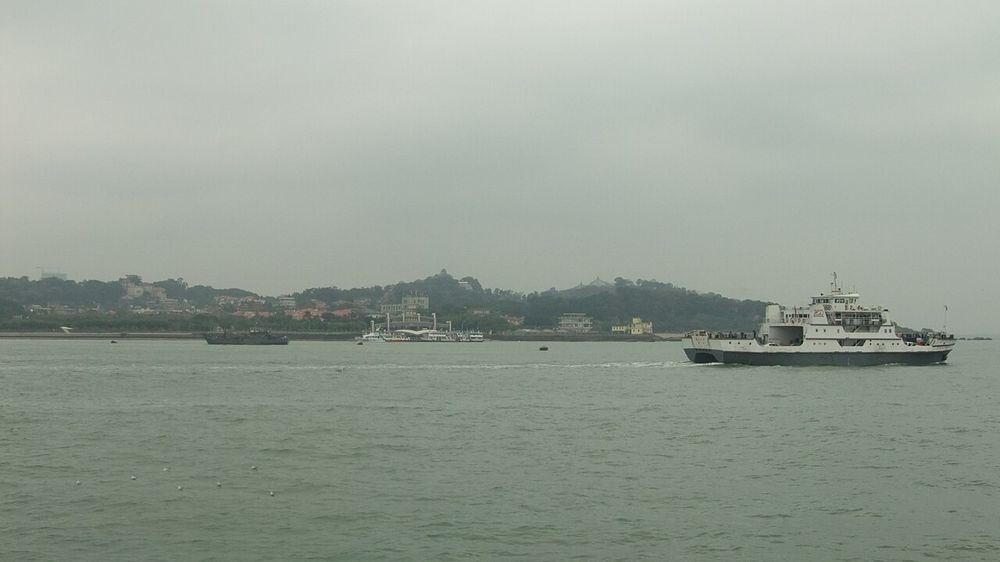
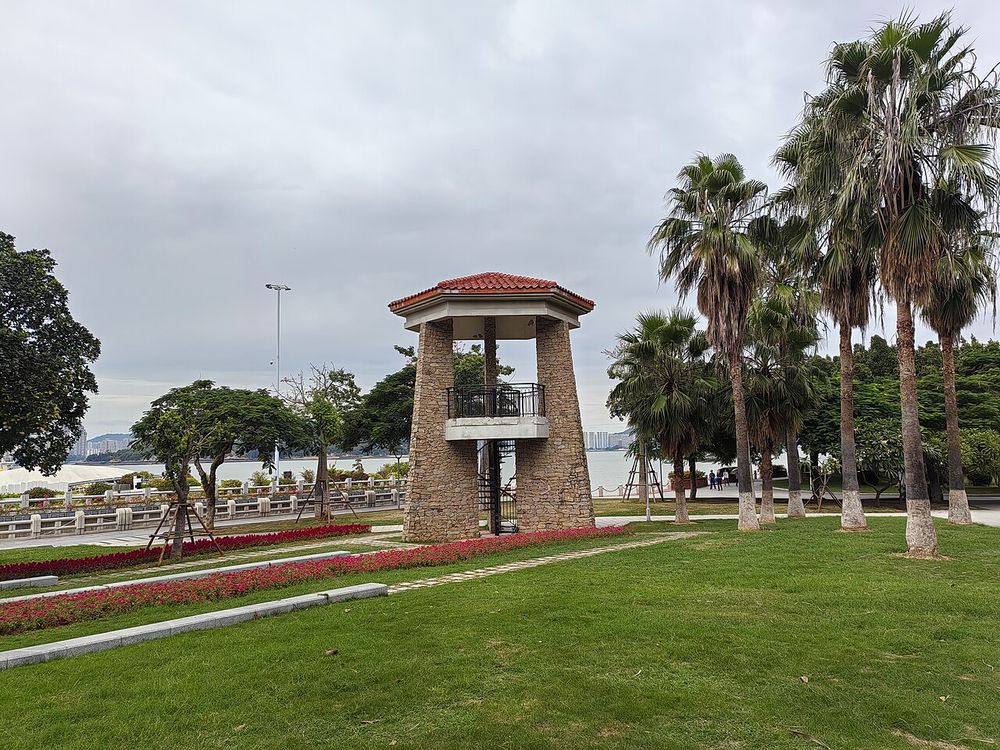
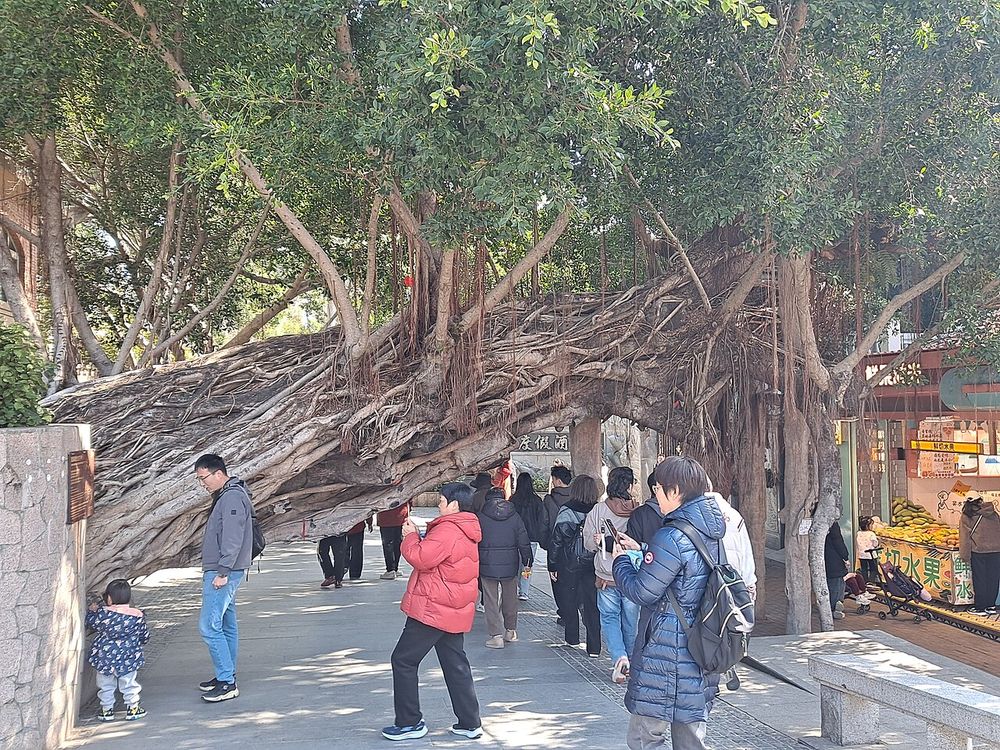
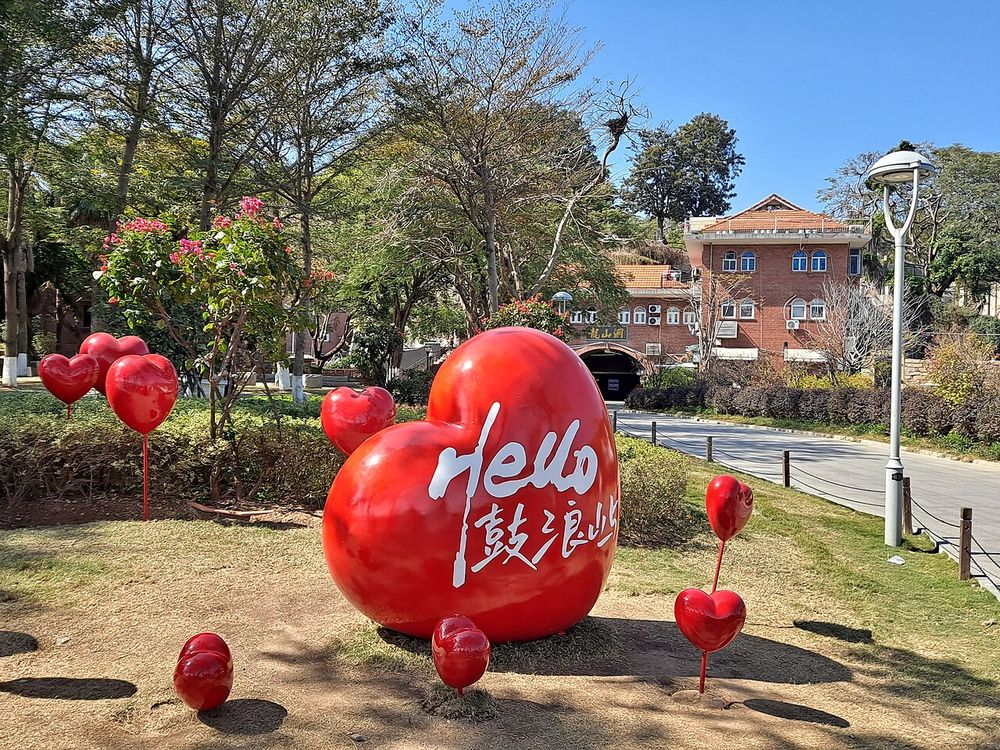
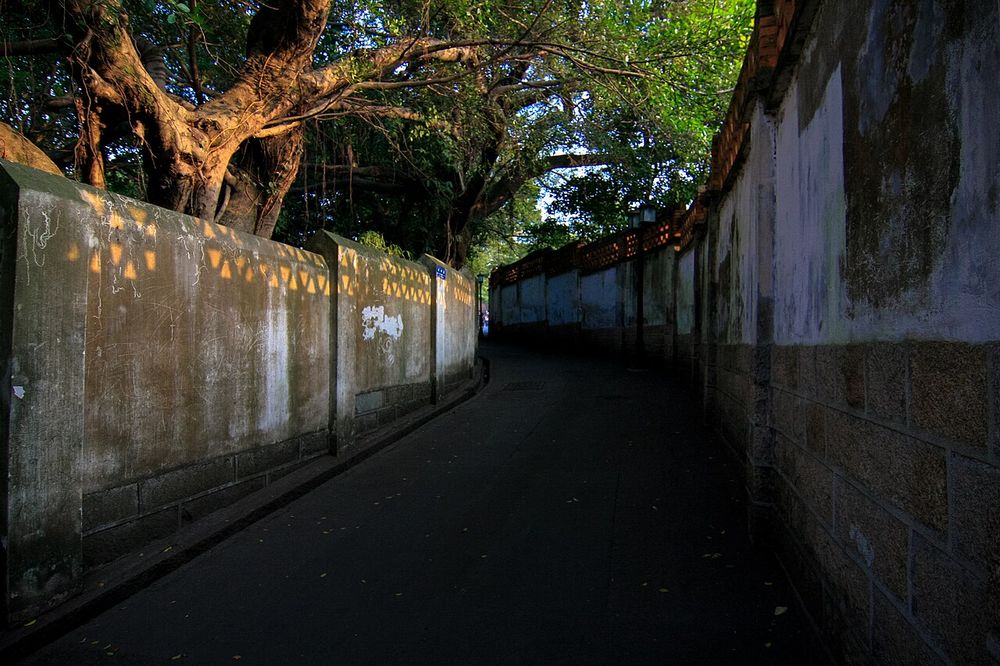
These are stories people tell about this place. They are legends, not history, and each one says where it comes from.
A hollow rock on the south-west shore booms when the waves hit it, and the island was named Drum Waves after it.
Source: The usual account of the name, given by the island's management and guides
Later, people who live here will be able to add the stories they grew up with, and say which of these they have heard.
Last checked 2026-11-12. Ferry and ticket rules from 2026 Xiamen guides (Sina, Ctrip) and the 屿见厦门 booking service; UNESCO World Heritage page for the history.
Checked 2026-11-12
Opening hours are given in the local time of the place. Prices are in the local currency. The figure after ≈ is approximate, at exchange rates checked on 9 November 2026, in .
Stand at the site, sign in, press the button, and collect its stamp. Your browser will ask to use your location. It is sent to us once to confirm that you are at the site; we keep how far you were from it, not the spot where you stood.
Your stamps are saved to your account, so they follow you to any device. Checking from a browser cannot rule out every false location; stricter checks arrive with the app.
Photos here show the place, not people. Each one is credited to the visitor who took it and appears after our team has looked at it. A photo with you in it belongs under “I am here”.