LegendThe missile silos
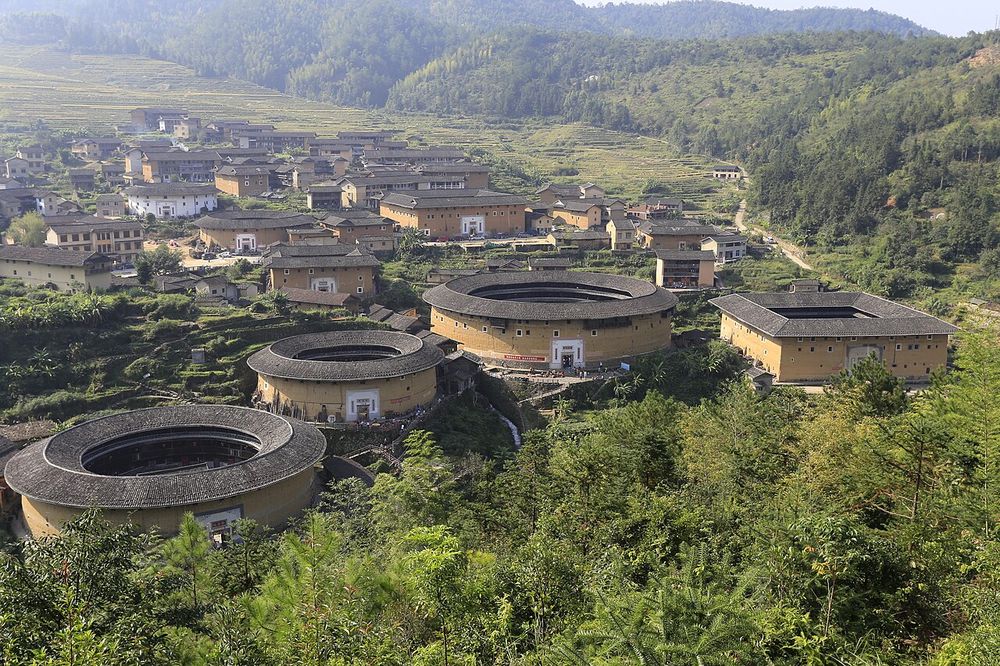
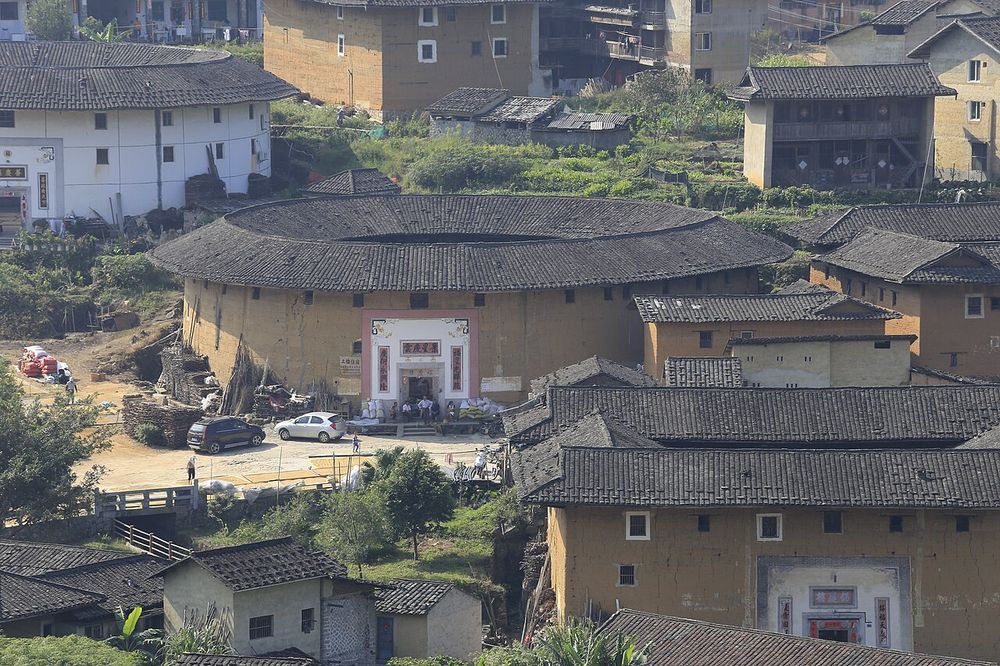
It is often said that in the 1980s American analysts looking at satellite photographs took the round tulou for missile silos.
Source: A story told by guides and in the press; no document has been published
Yongding, Longyan, Fujian, China
福建土楼 · Fújiàn Tǔlóu
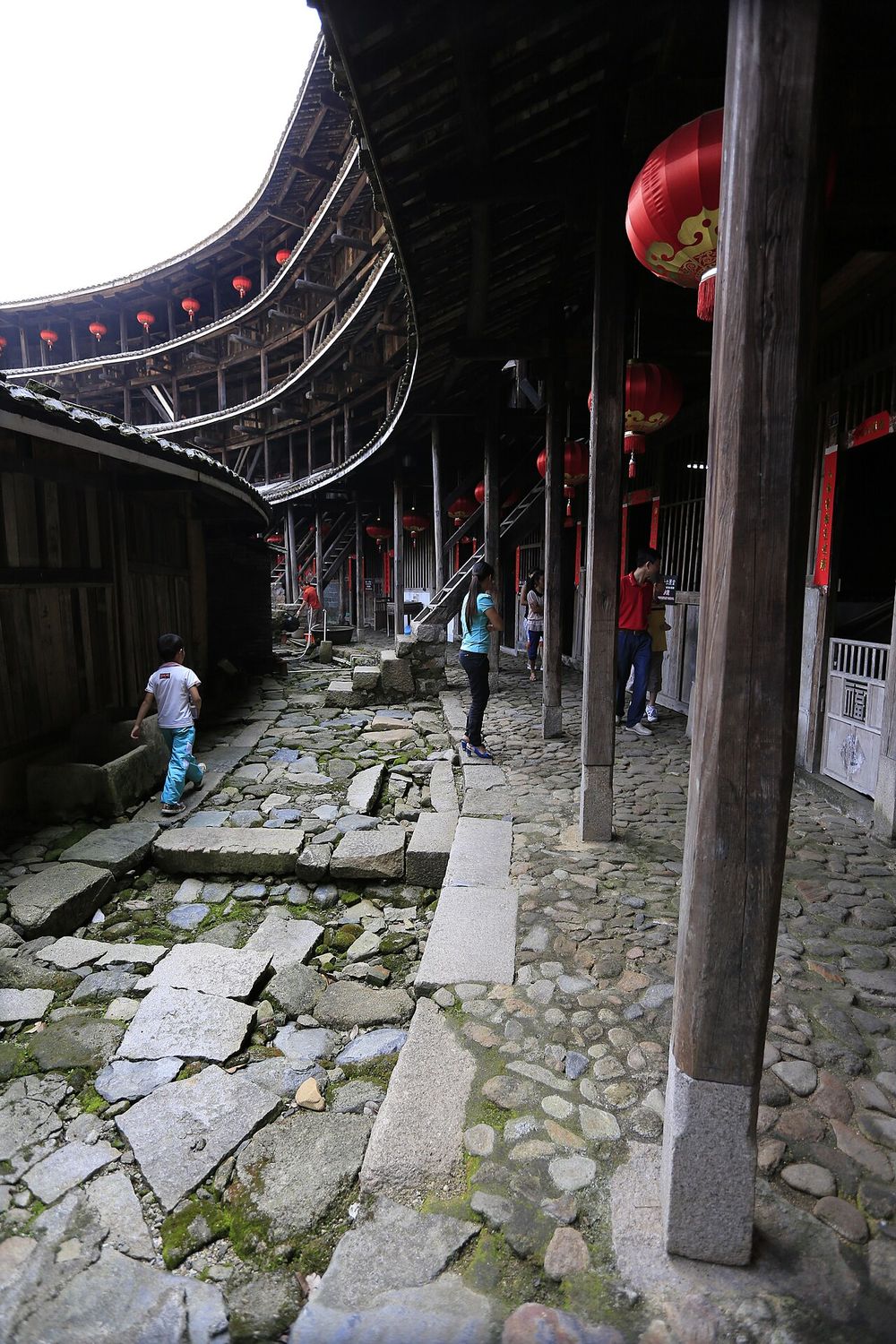
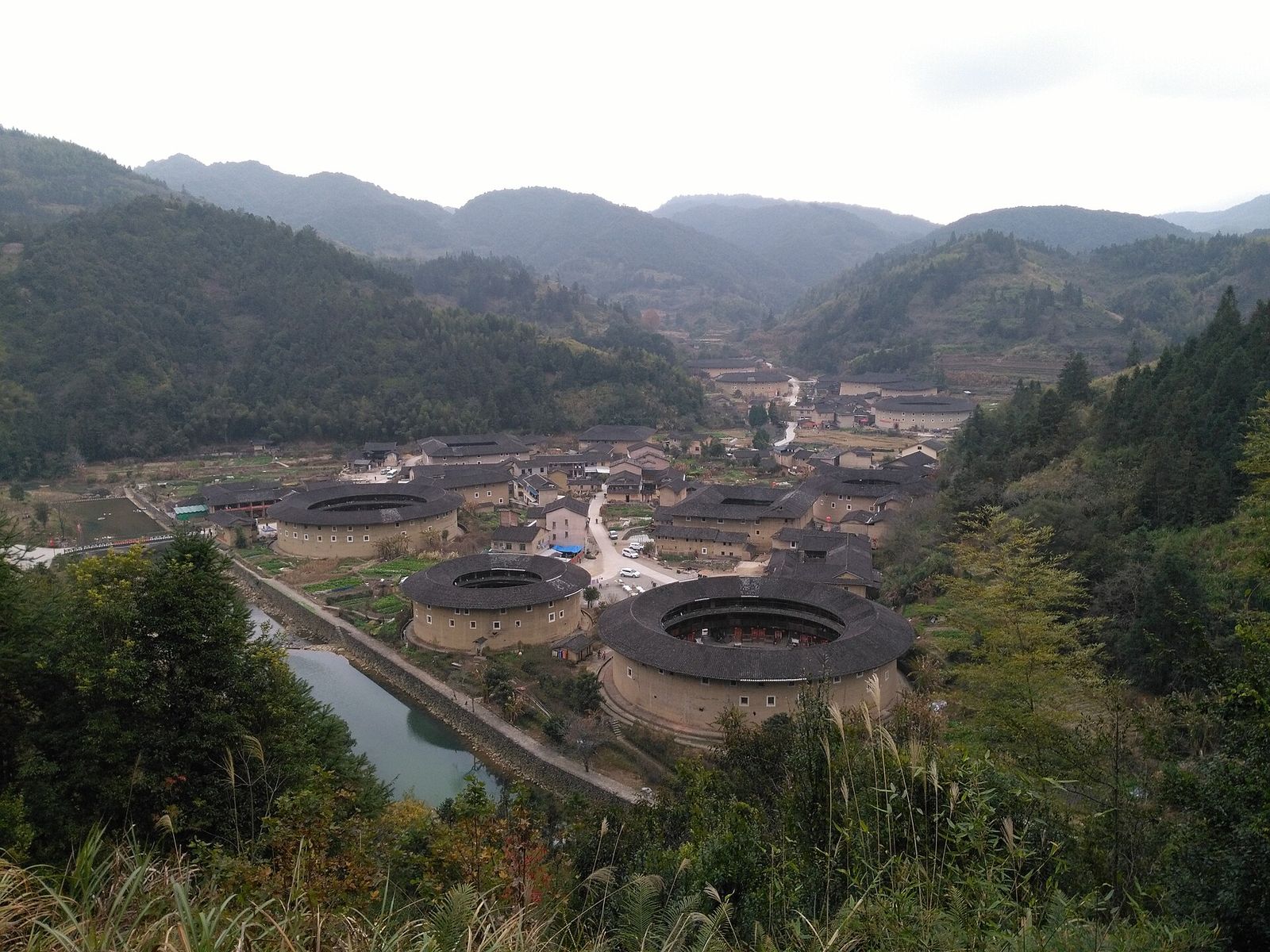
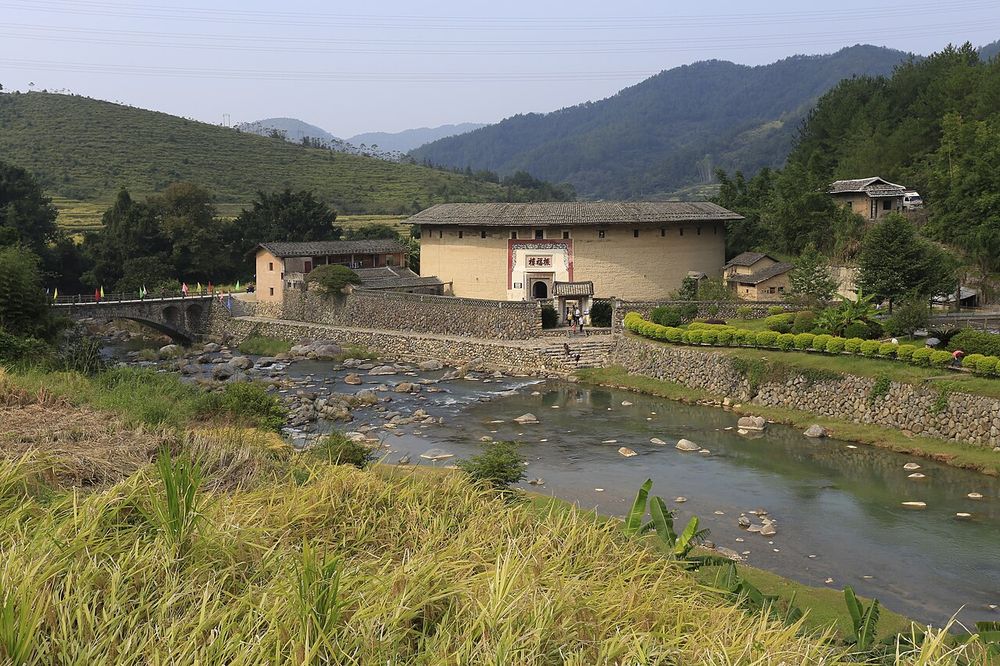
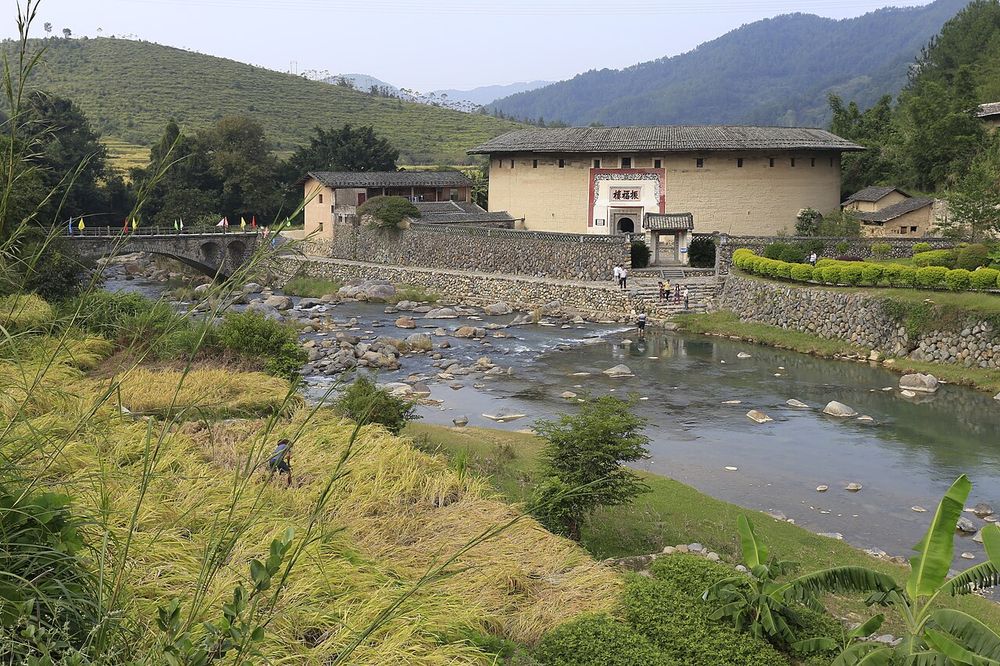
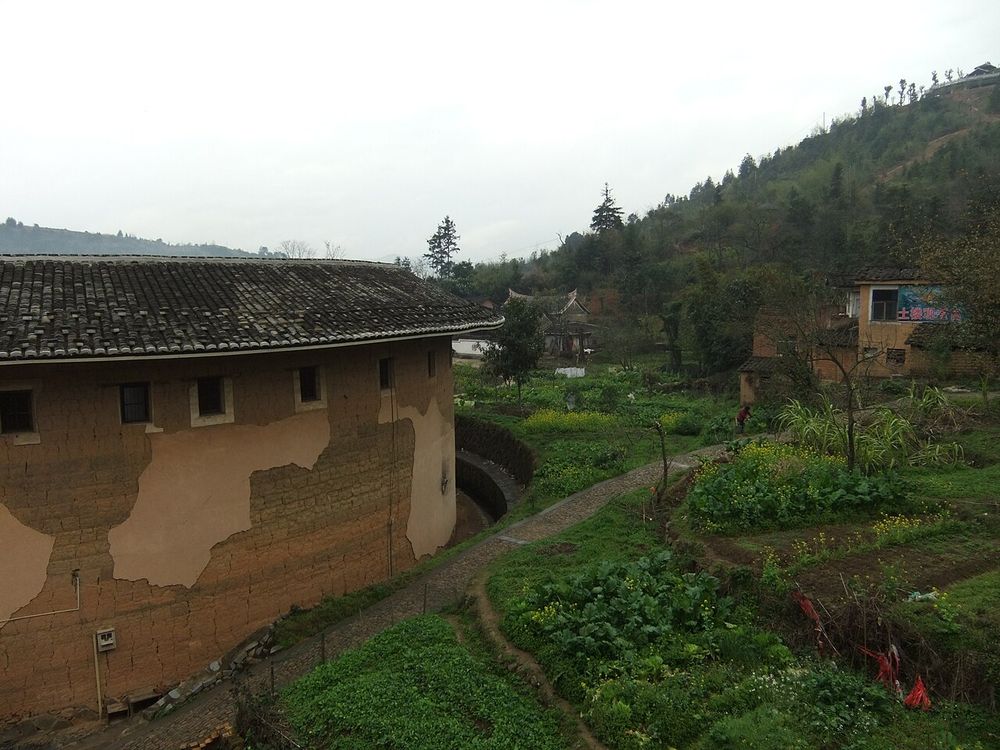
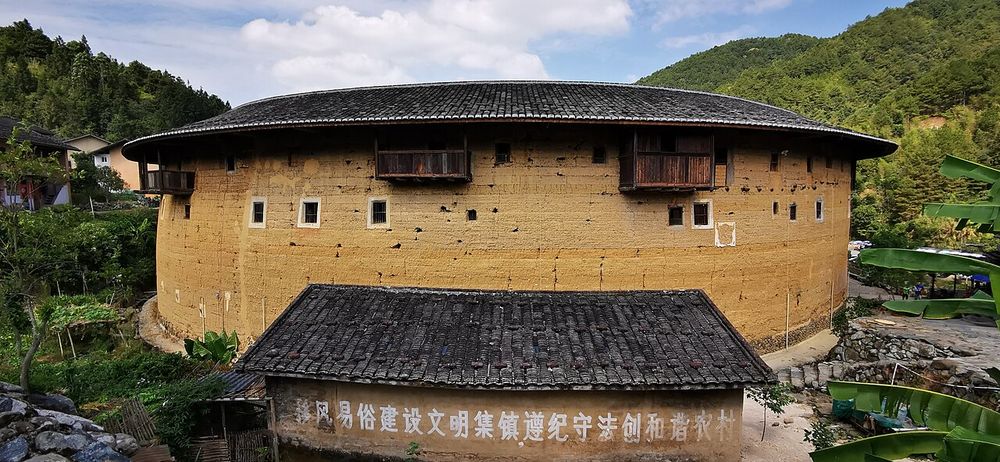
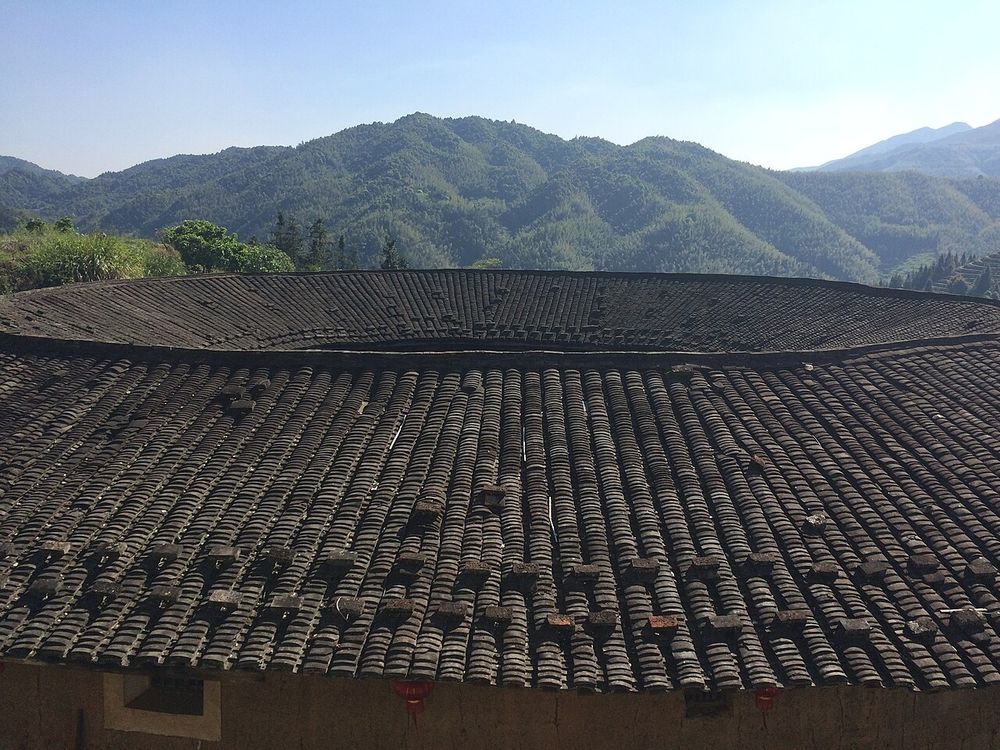
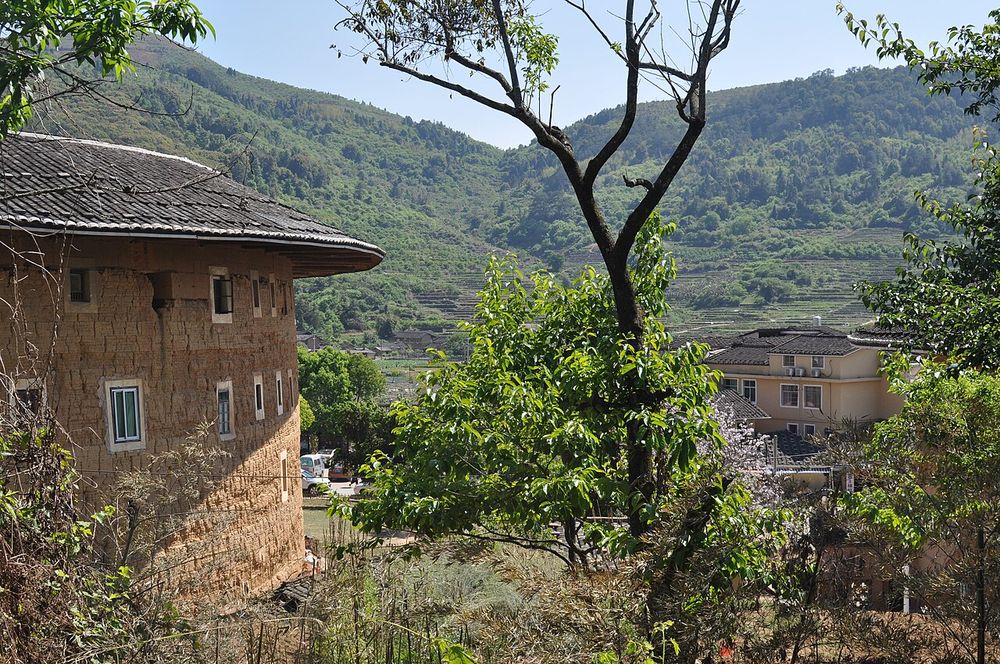
In the hills of western Fujian, Hakka and Minnan families built their villages as single fortresses of rammed earth: round or square buildings up to four storeys high, with one gate, no windows on the lower floors and a courtyard open to the sky, each home to a whole clan of up to several hundred people. Thousands survive, and many are still lived in.
Photo: Bob Clemintime, CC BY-SA 4.0, Wikimedia Commons
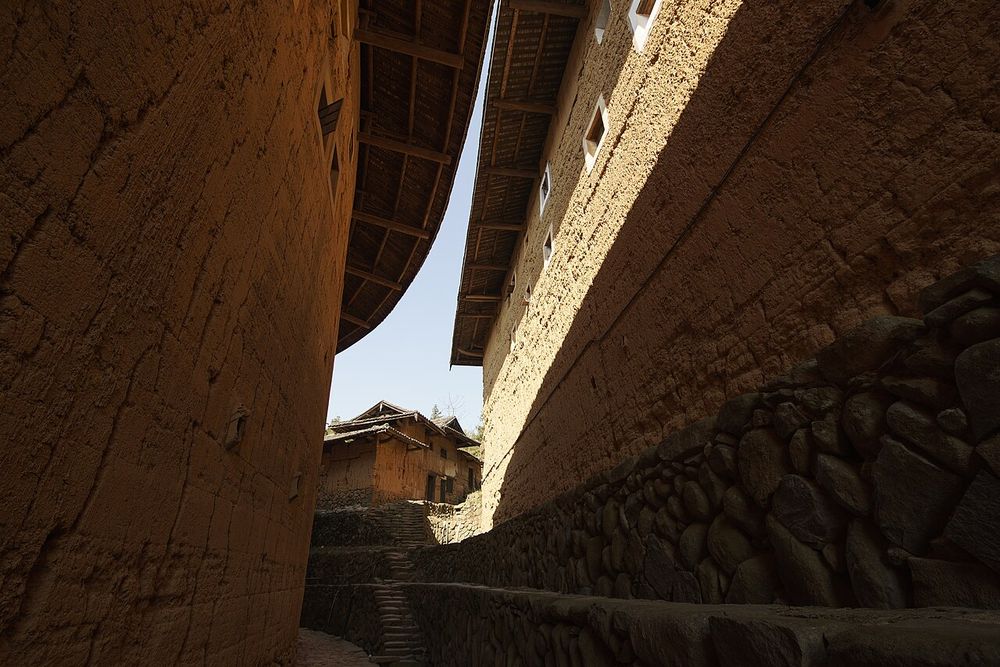
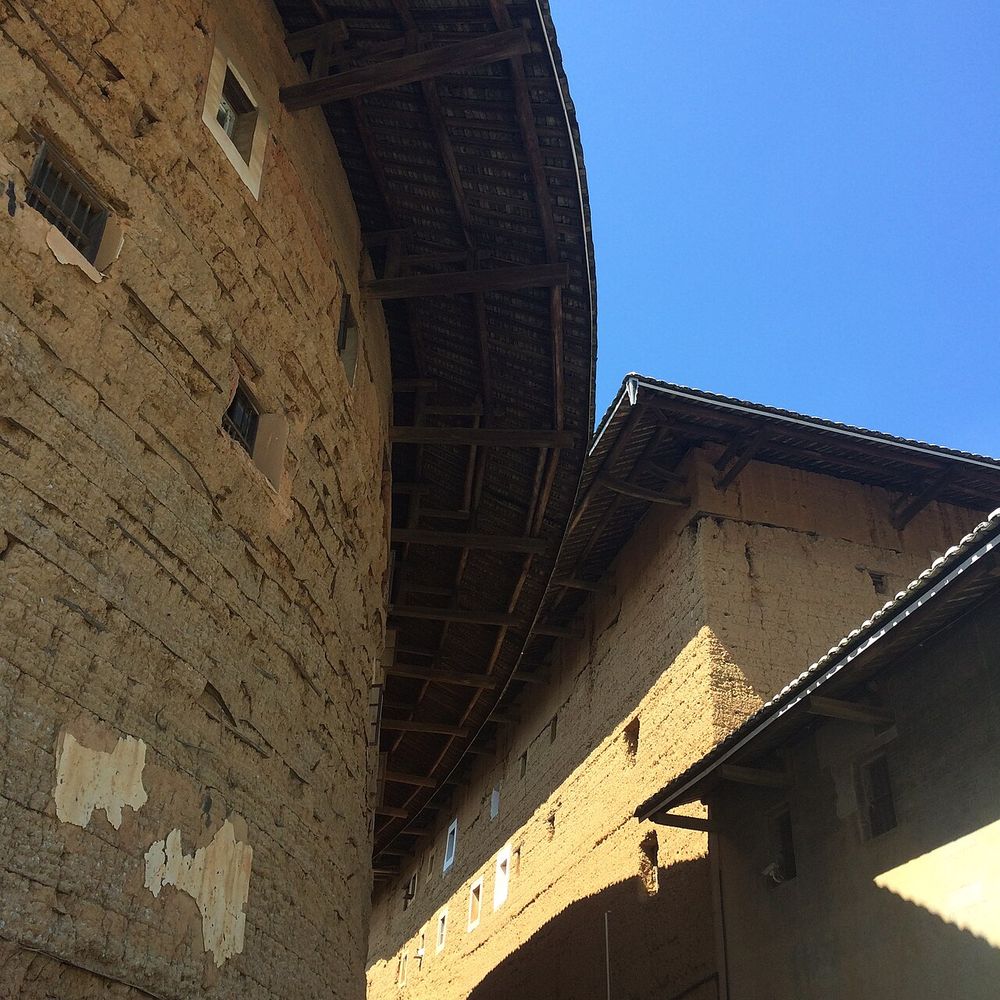
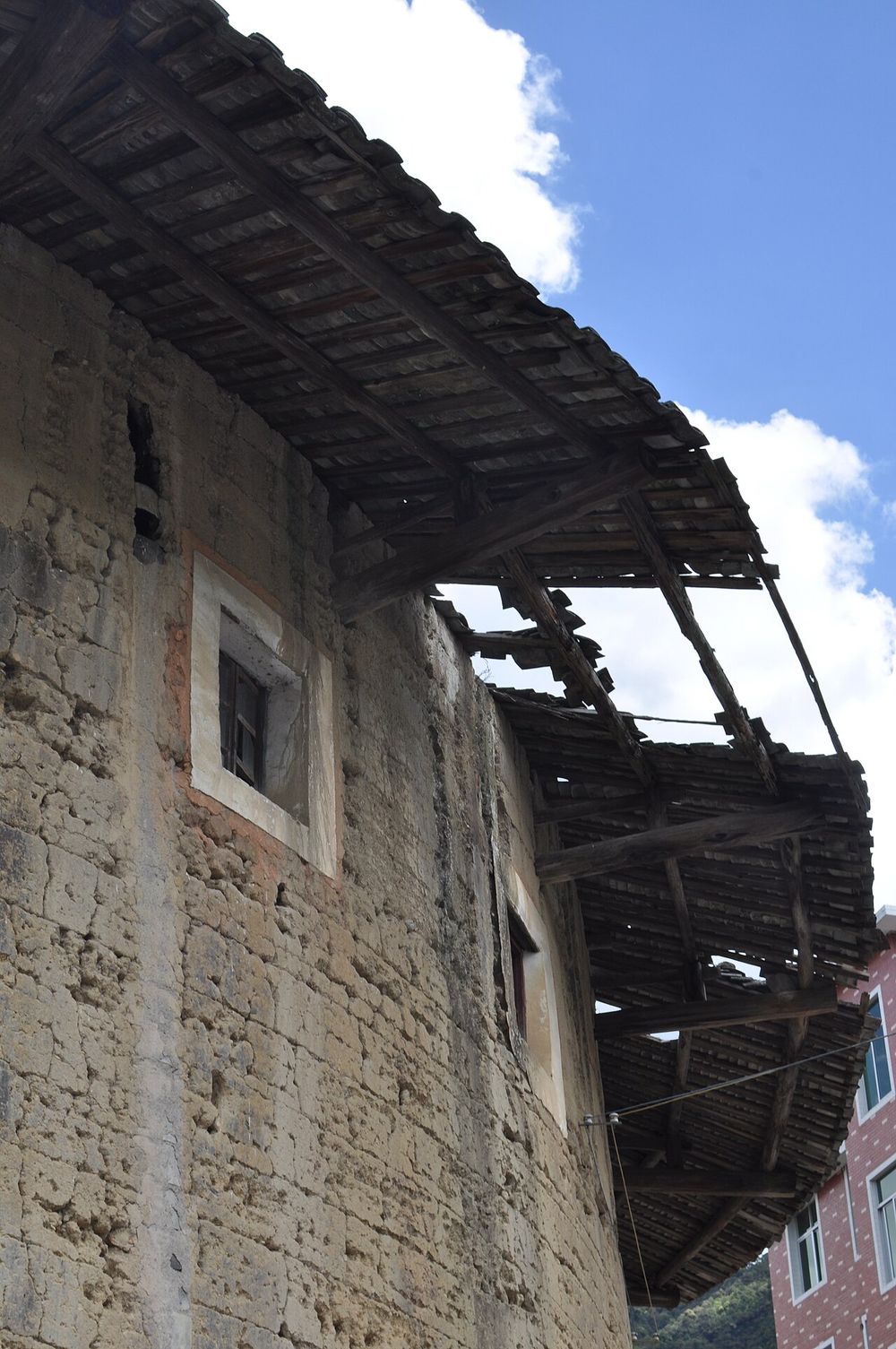
The Hakka, "guest families", were Chinese who had moved south over many centuries and settled in the hills where Fujian, Guangdong and Jiangxi meet. Bandits and feuds made the hills dangerous, so from the 12th century on, and above all from the 16th to the 20th, families built their homes as fortresses: an outer wall of rammed earth up to two metres thick at the base, with all the rooms facing inward on a shared courtyard.
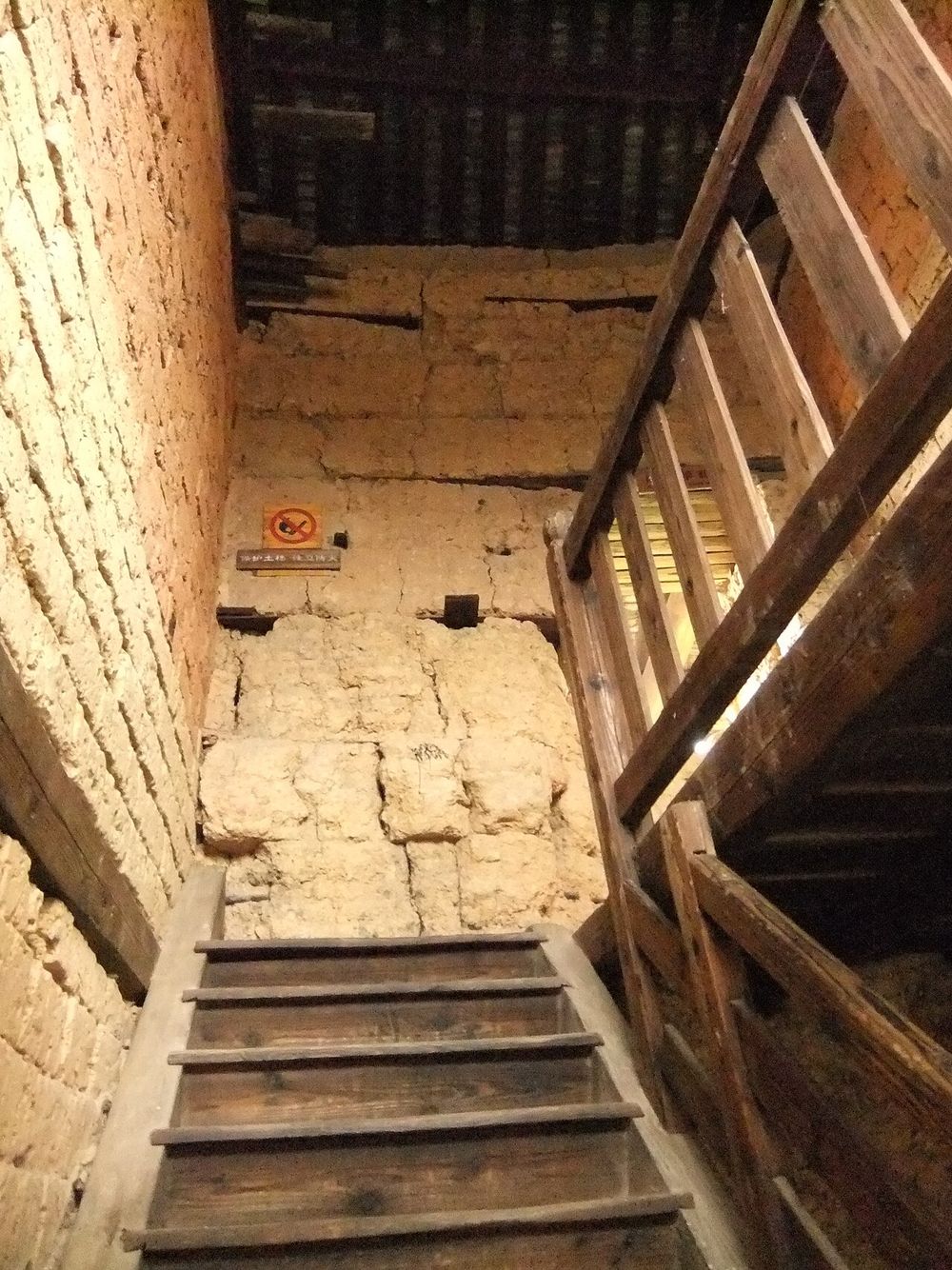
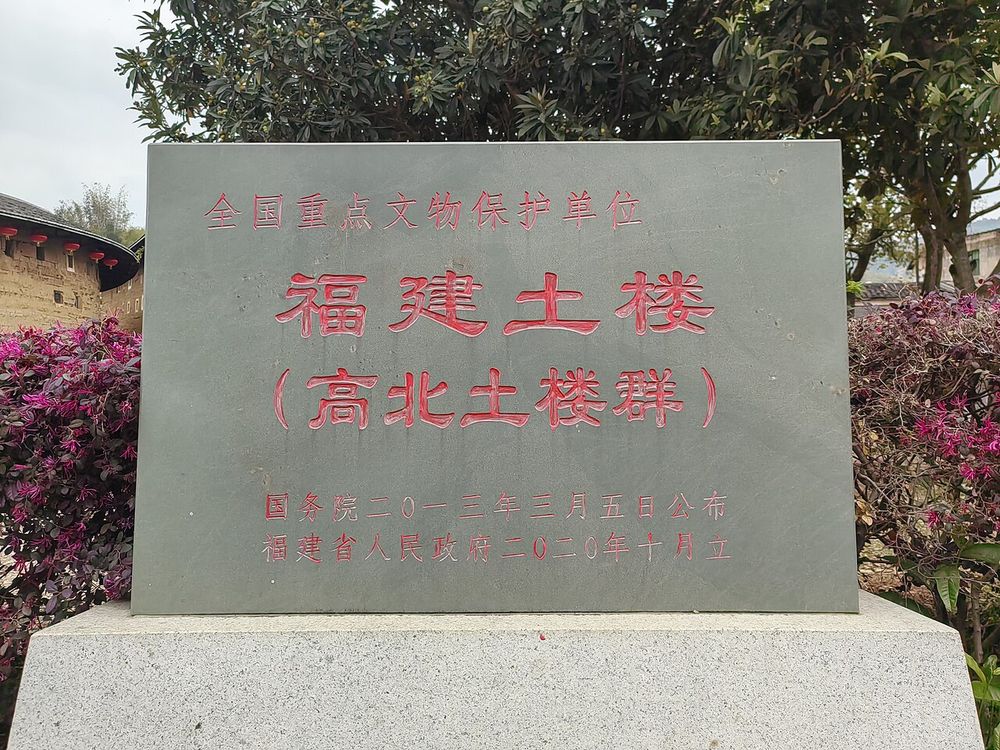
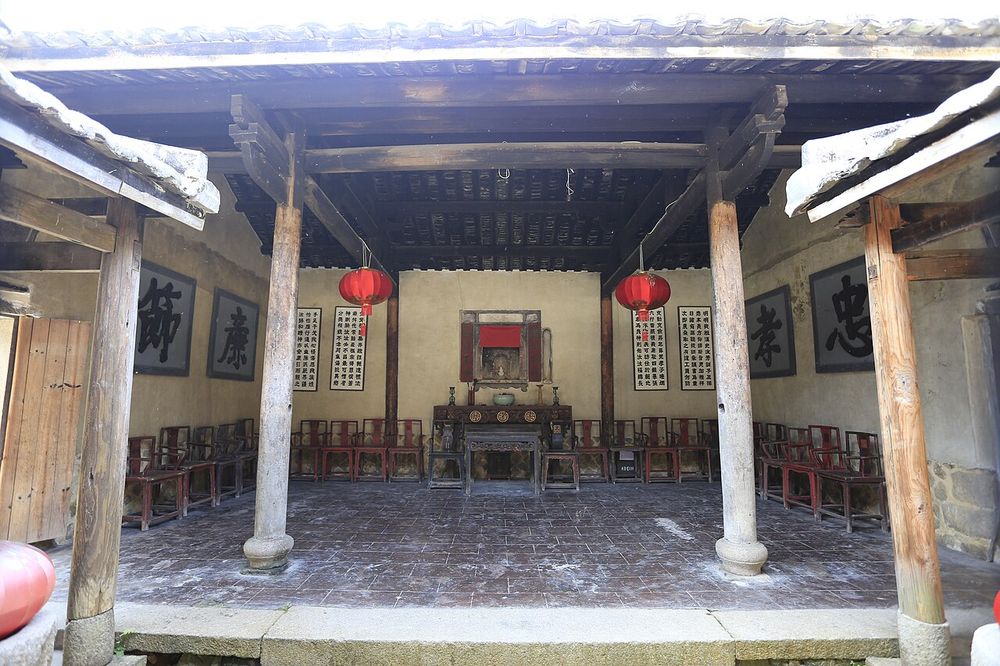
Each family had rooms stacked from ground to roof: kitchen below, granary above, bedrooms at the top. In the middle stood the ancestral hall. In 2008 forty-six of these buildings, in six clusters and four single buildings across Yongding, Nanjing and Hua'an counties, were listed together as a World Heritage Site.
Each cluster has its own ticket, sold at its visitor centre and on the scenic area's mini-program; we found no reliable 2026 prices to give here.
| Part | Ticket |
|---|---|
| Hongkeng cluster (Zhencheng Lou) | Own ticket |
| Gaobei cluster (Chengqi Lou) | Own ticket |
| Chuxi cluster | Own ticket |
| Tianluokeng and Huaiyuan Lou (Nanjing) | Own tickets |
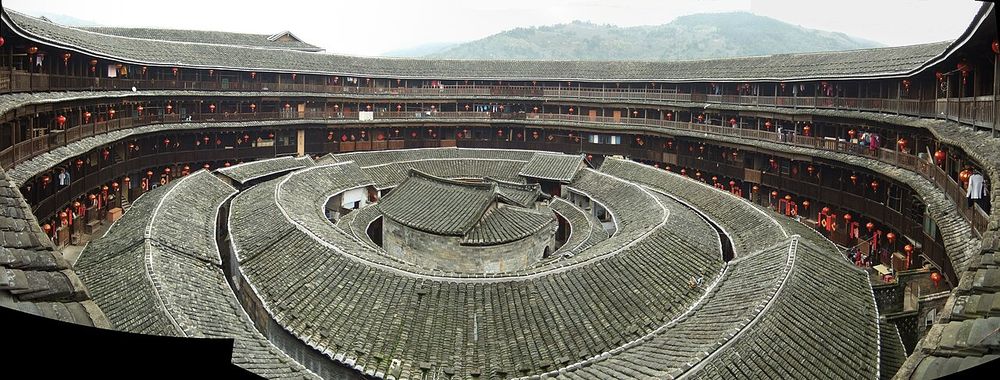
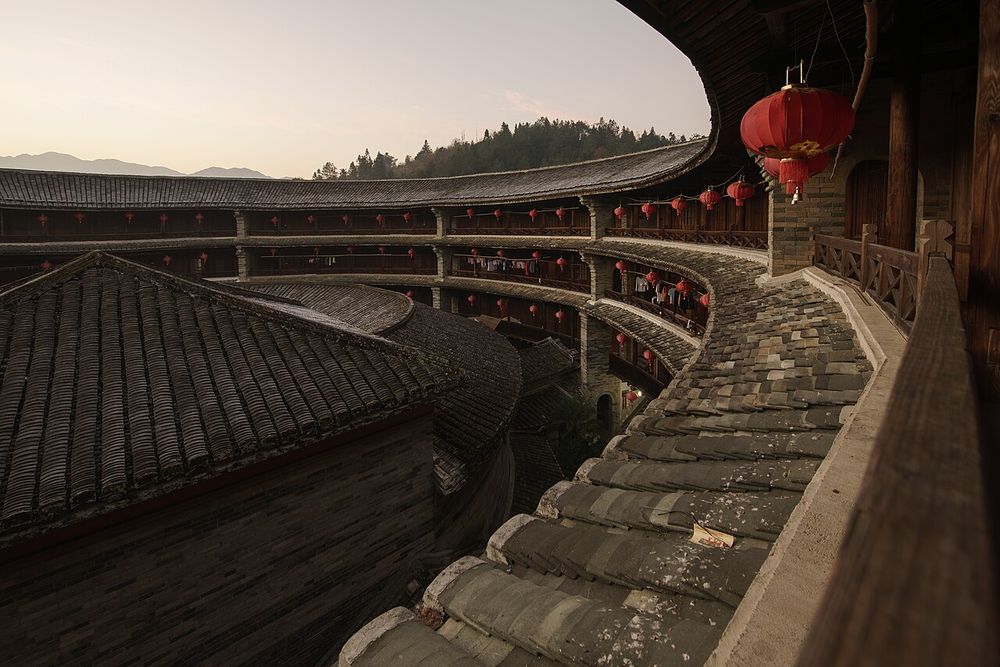
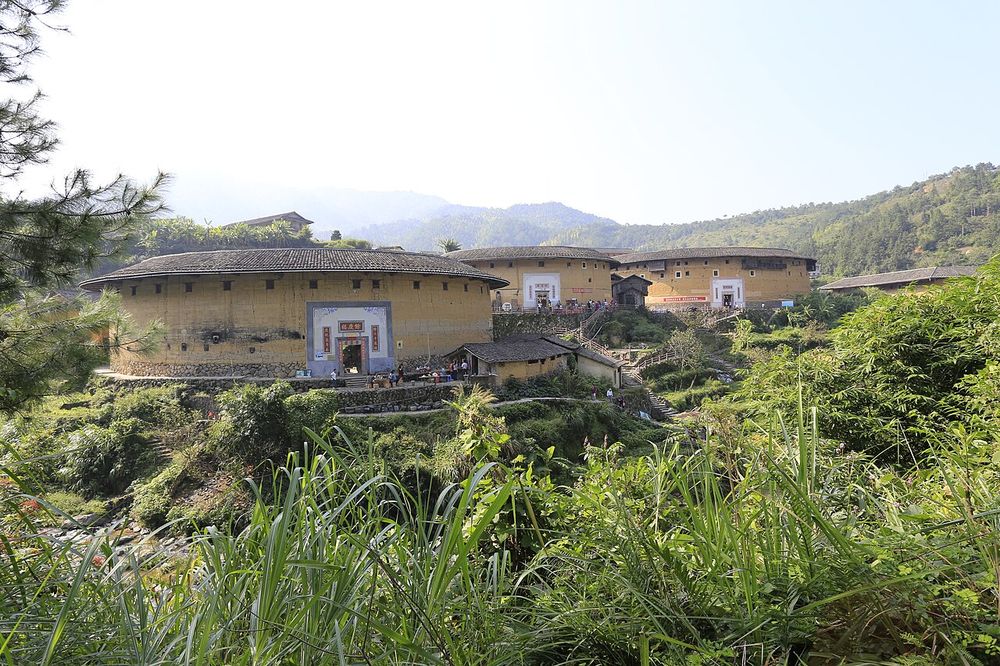
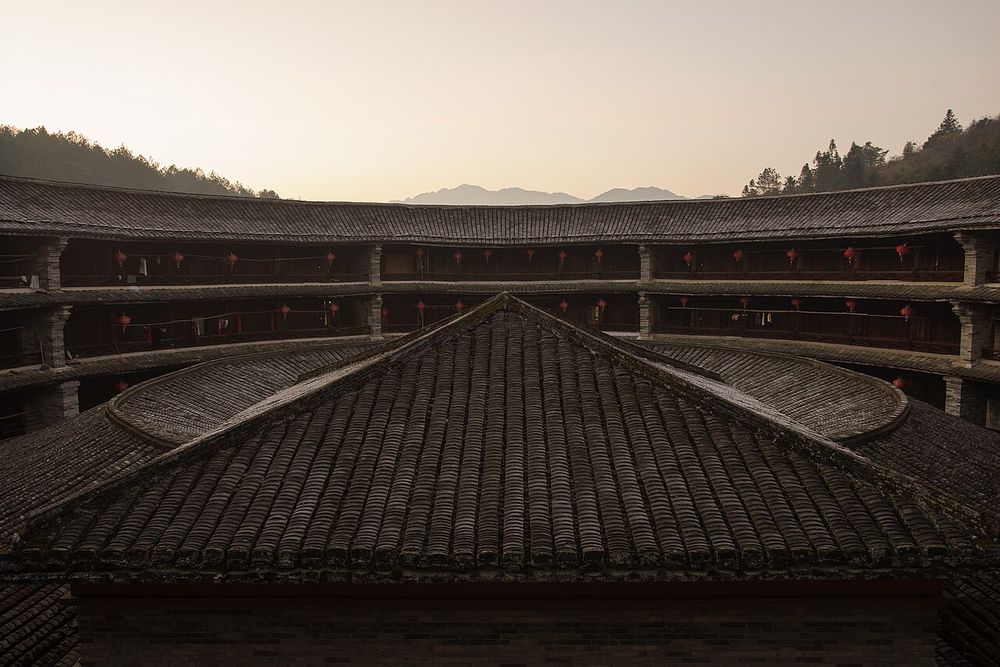
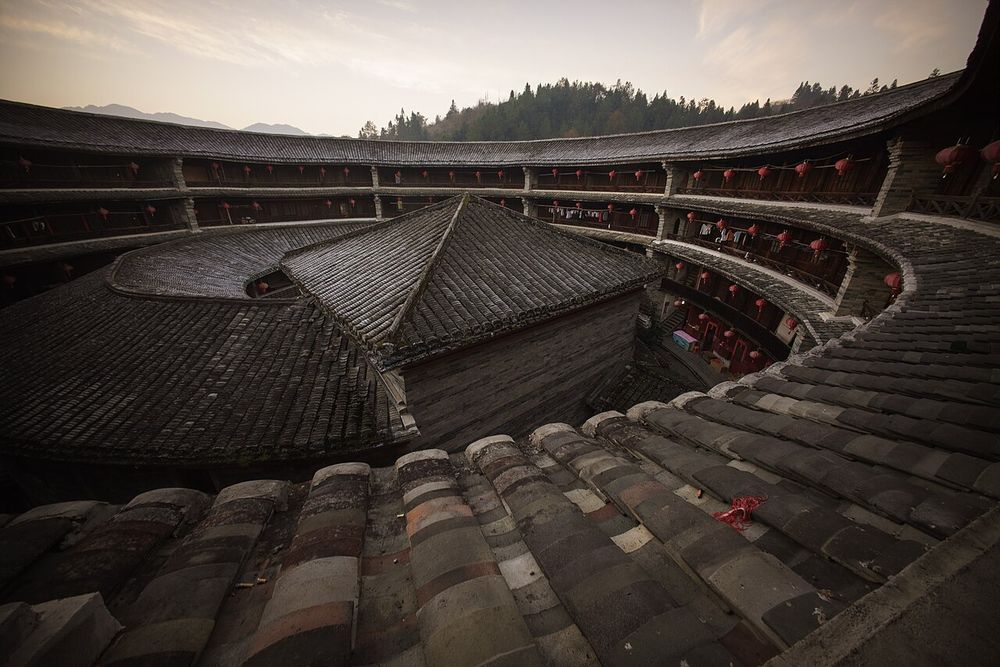
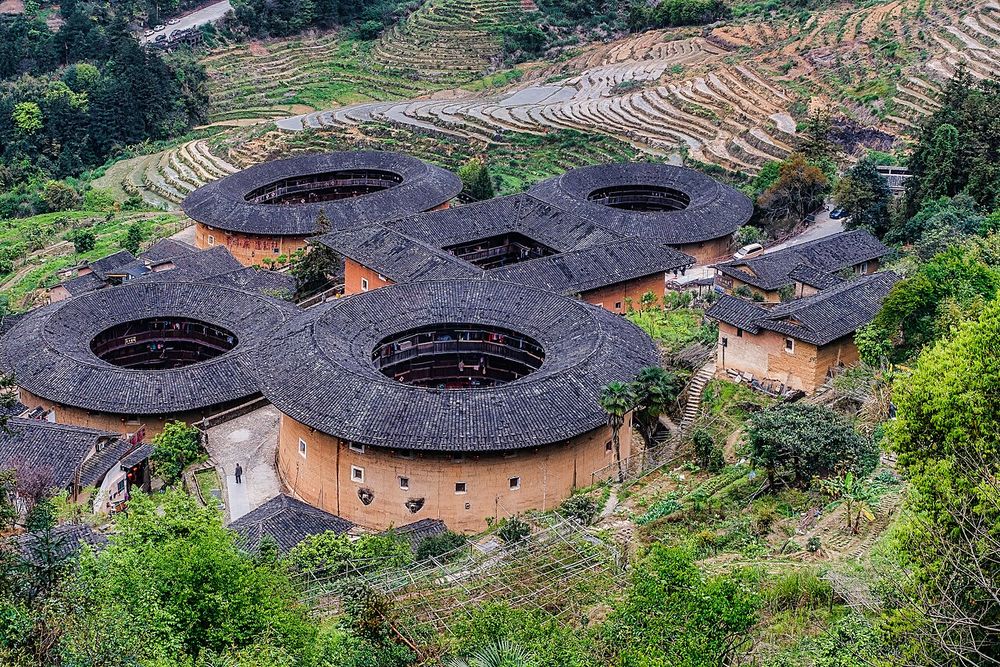
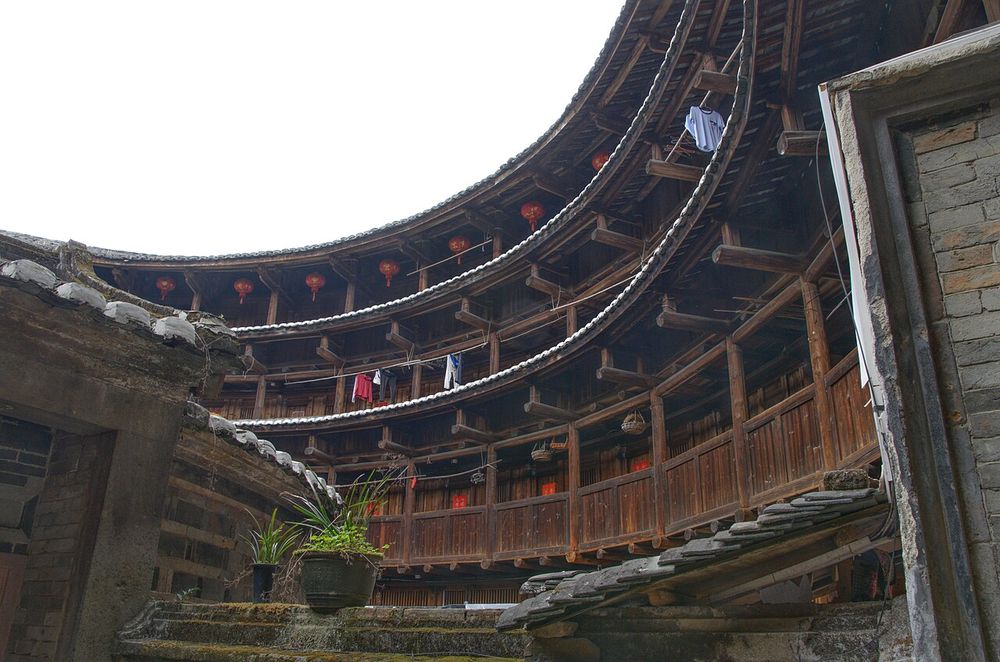
Chengqi Lou, the "king of the tulou", took the Jiang family eighty years to finish, from 1628 to 1709. Four rings stand one inside another: the outer ring four storeys high with 72 rooms on each floor, the inner rings lower, and the ancestral hall at the centre. Some four hundred rooms in all, and in its fullest days more than eight hundred people.
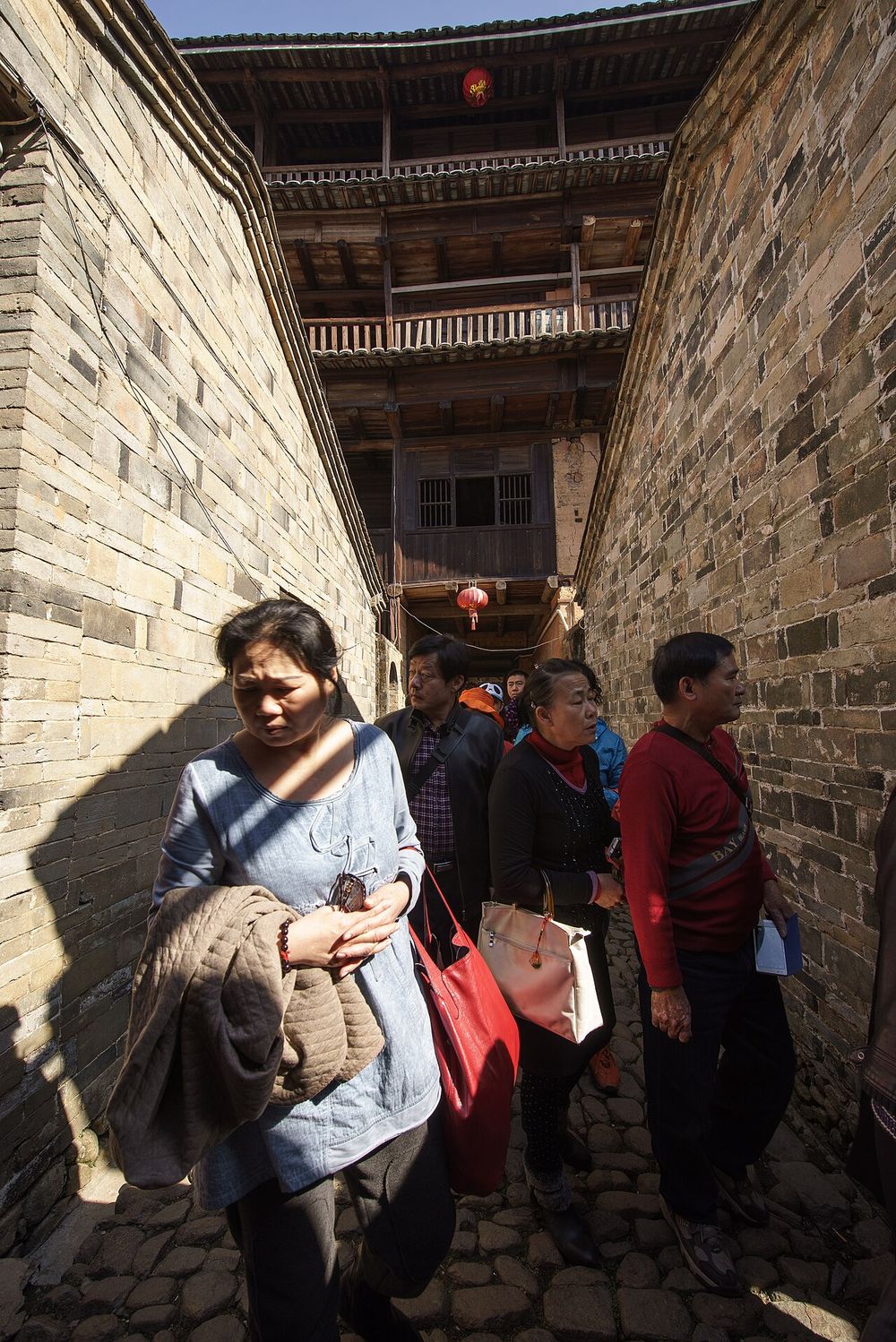
Stand by the hall and turn slowly: the rings of roofs and wooden galleries close round you, and above is a circle of sky. The animated film "Big Fish & Begonia" (2016) set its story in round earthen houses modelled on buildings like this one: look straight up from the courtyard and you have a film-still shot of your own.
"All tulou are round." Most are square or rectangular; the round ones are rarer and more famous.
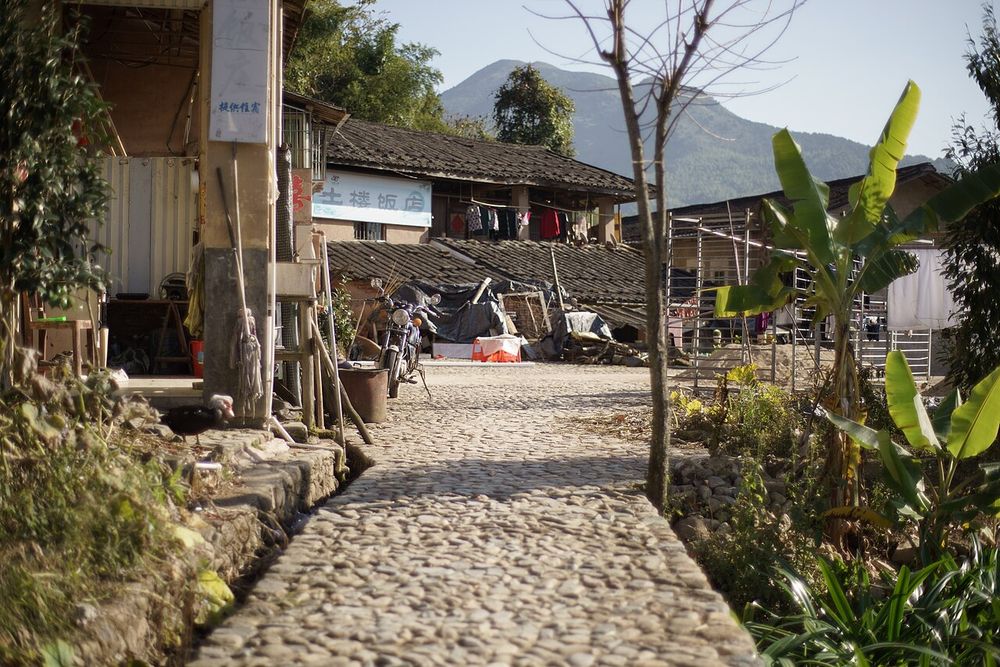
"They are museums." Many are still homes. Shops on the ground floor are run by the families who live upstairs.
We searched Chinese sources first for this list, then English ones.
The clusters are spread over valleys an hour or more apart; a car or a day tour from Xiamen or Longyan is the easiest way. Stay a night in a tulou if you can.
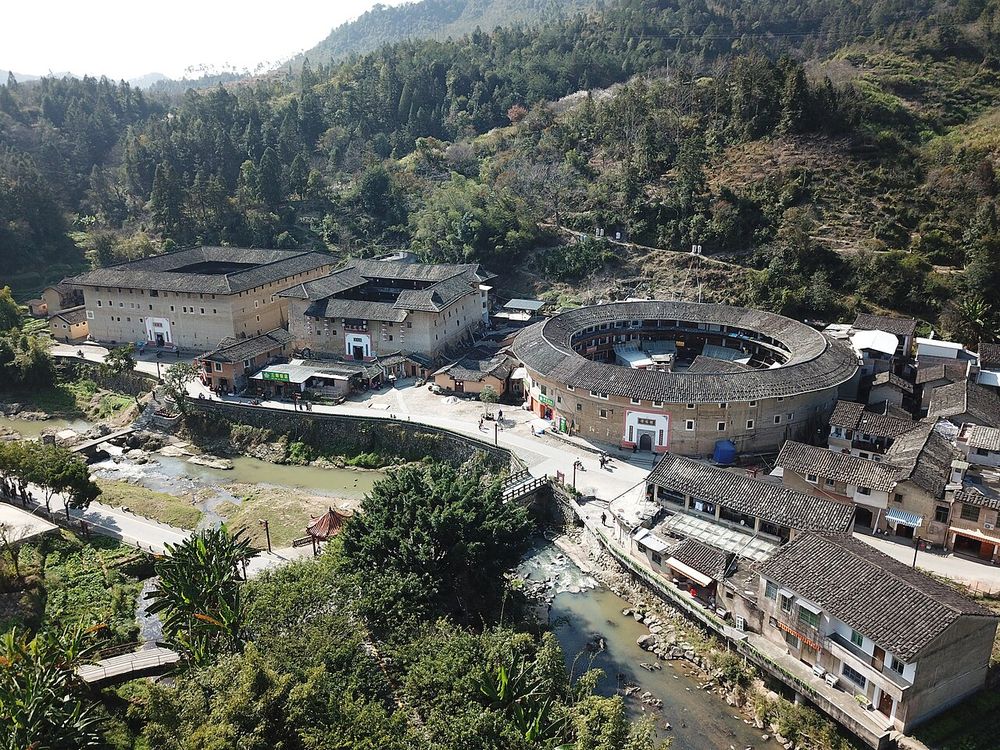
A stream valley lined with over a hundred tulou of the Lin family. Zhencheng Lou, the "prince of the tulou", divides its rings into eight sections like the eight trigrams, with fire walls between them, and has Western columns round its ancestral hall.
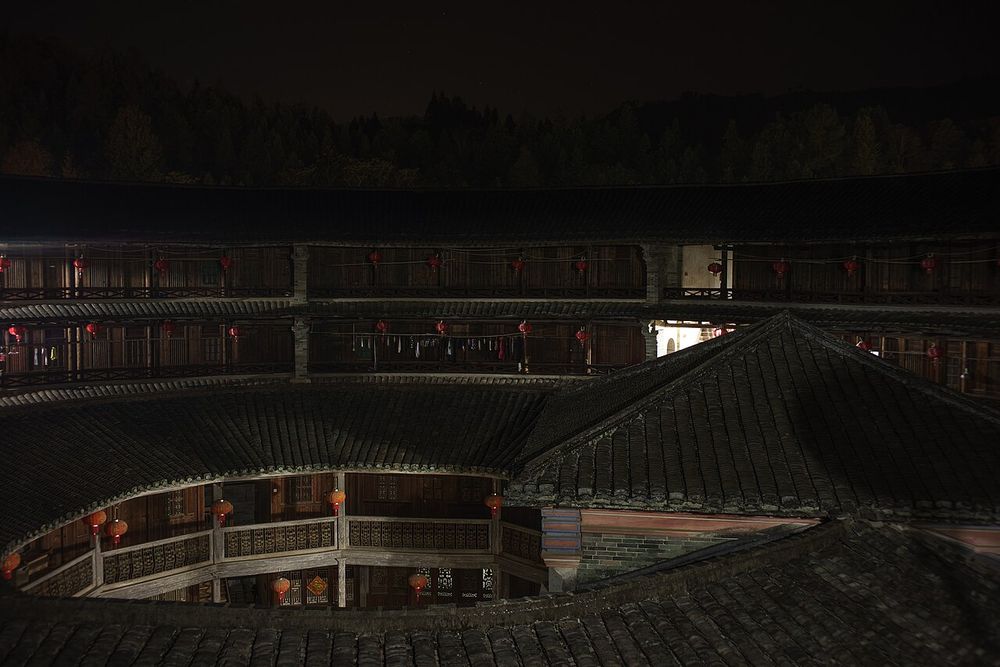
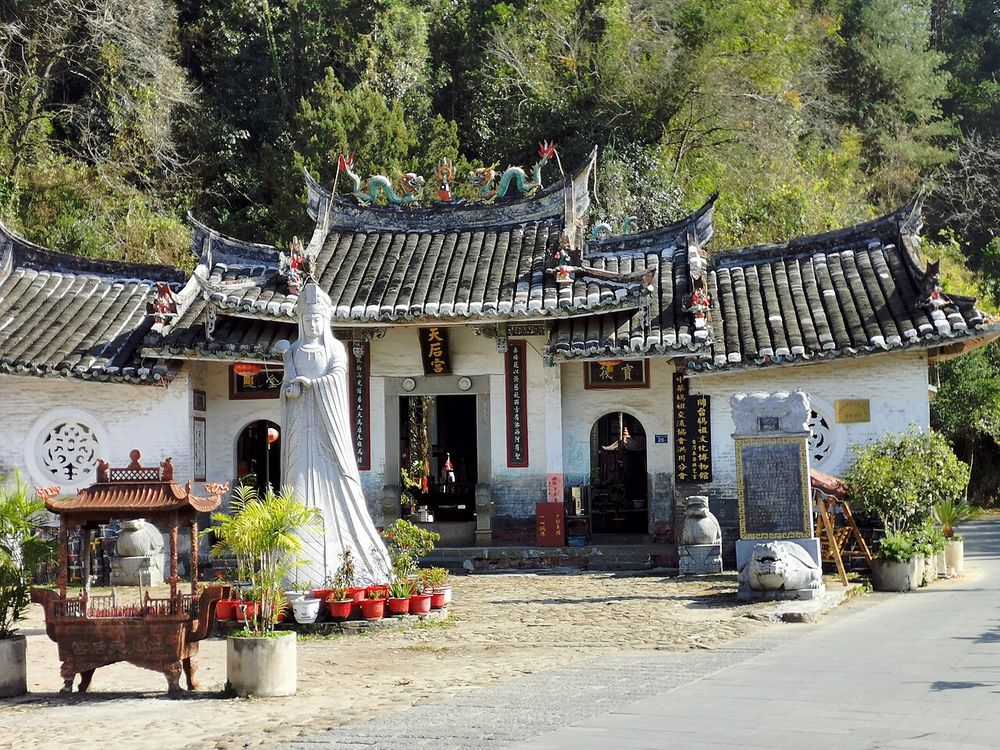
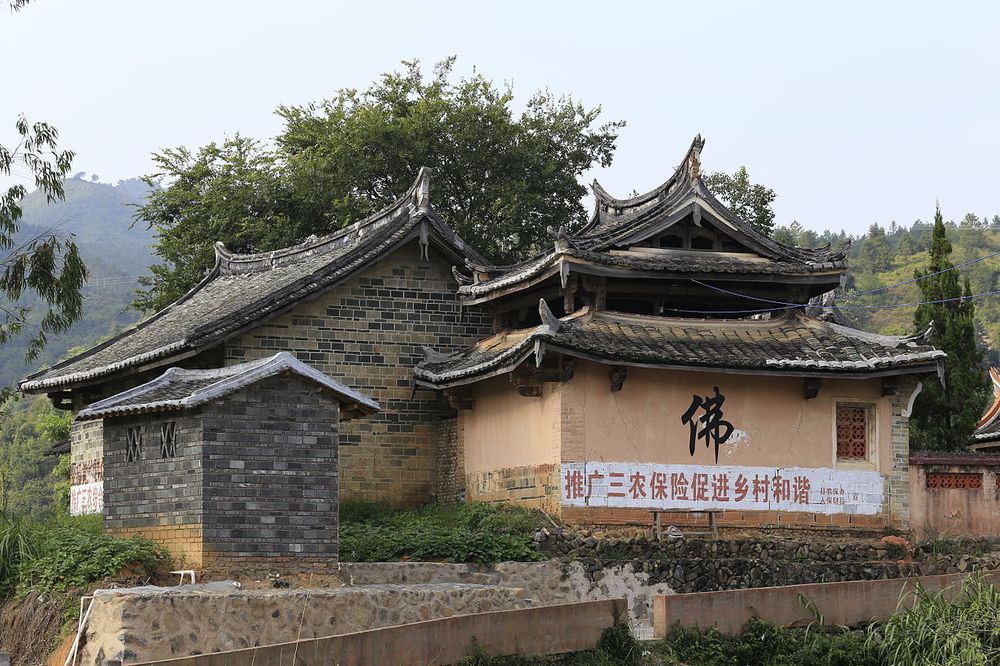
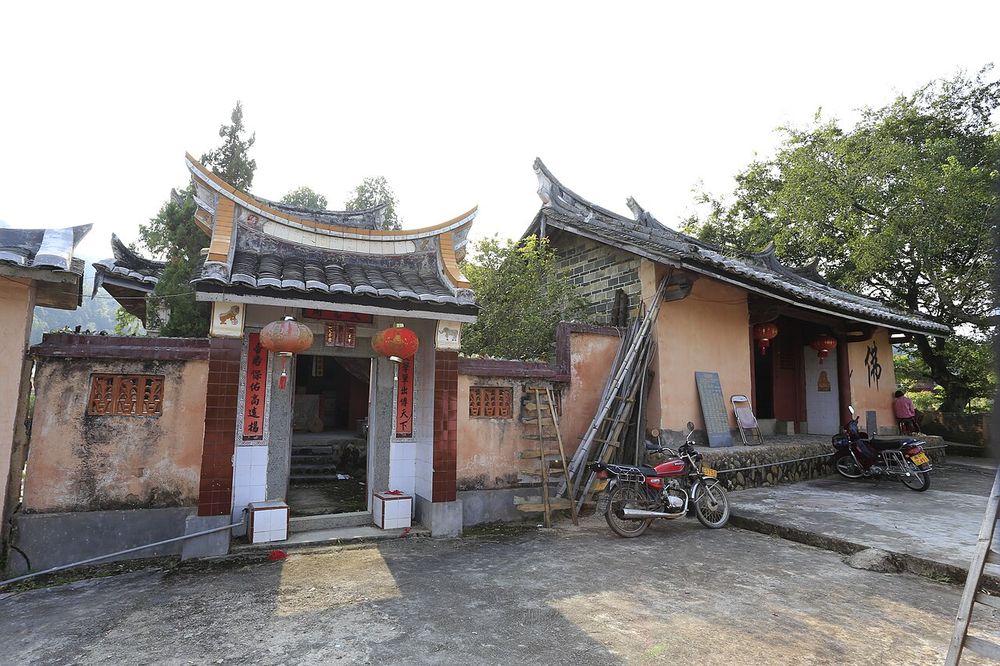
Villages built temples as well as homes; this one honours Mazu, the sea goddess, carried inland by traders.
The king of the tulou and its neighbours. Climb to the upper gallery to look down on the rings.
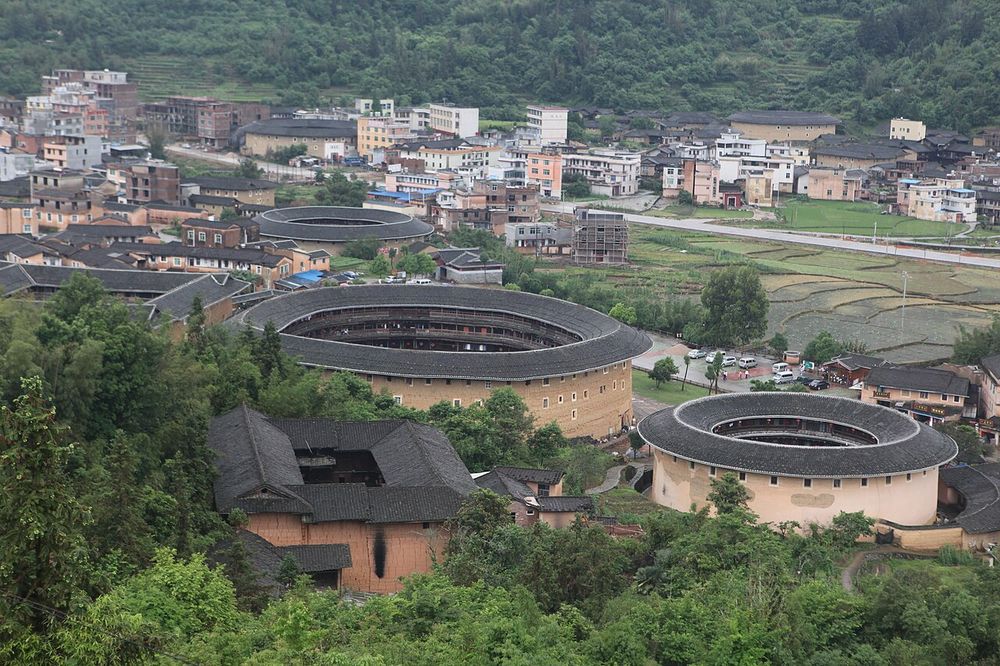
Five round and dozens of square buildings in a terraced valley, among them Jiqing Lou of 1419, one of the oldest round tulou, with 72 separate staircases, one for each household.
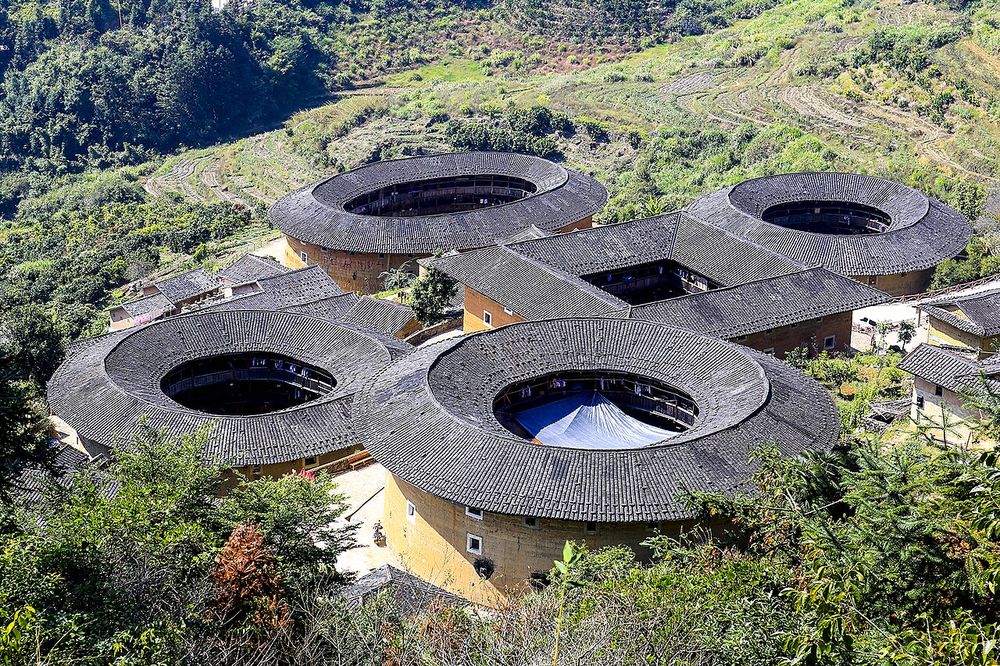
Across the county line in Nanjing, Zhangzhou, a square building ringed by four round ones, seen from above as "four dishes and a soup".
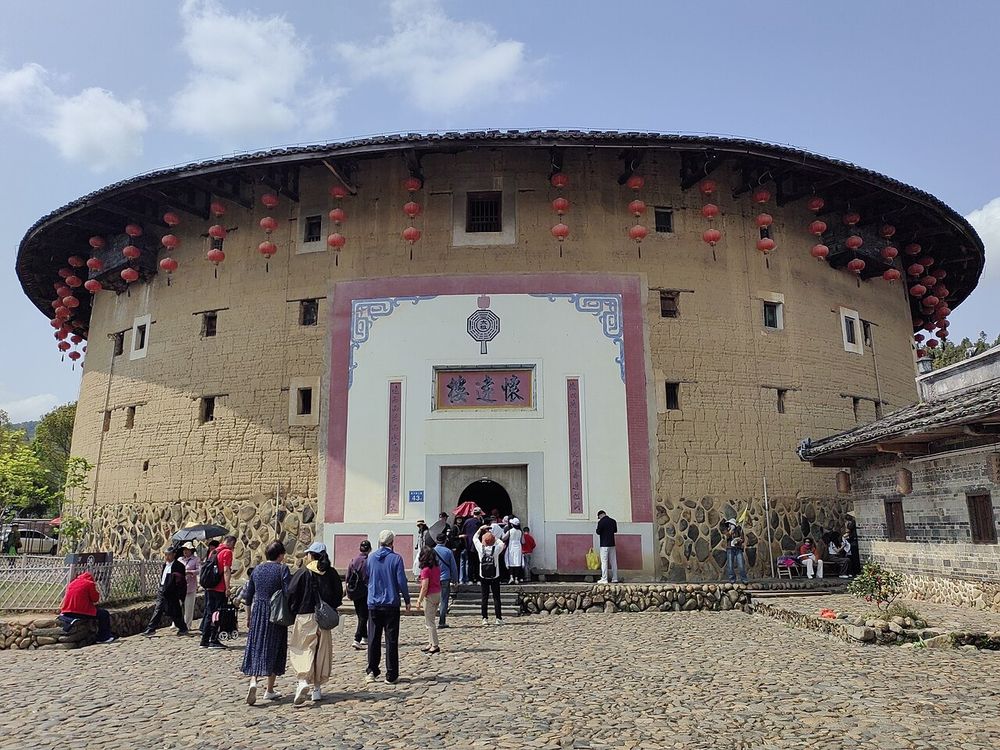
A well-kept round building of 1905–1909 in Nanjing, with a school hall in its courtyard.
Jiqing Lou was finished in 1419; that year in Prague, crowds threw the town councillors out of a window, beginning the Hussite wars.
| Year | Here | Elsewhere |
|---|---|---|
| 1419 | Jiqing Lou at Chuxi is finished | The Defenestration of Prague begins the Hussite wars |
| 1709 | The Jiang family finish Chengqi Lou | Peter the Great defeats Sweden at Poltava |
| 1912 | Building of Zhencheng Lou begins | The Titanic sinks |
| 2008 | Forty-six tulou become a World Heritage Site | The Large Hadron Collider is switched on |
One line to remember: a village built as one round house of earth, with the sky in the middle.

These are stories people tell about this place. They are legends, not history, and each one says where it comes from.
It is often said that in the 1980s American analysts looking at satellite photographs took the round tulou for missile silos.
Source: A story told by guides and in the press; no document has been published
Later, people who live here will be able to add the stories they grew up with, and say which of these they have heard.
Last checked 2026-11-12. Hours from Ctrip (2026); booking channels from the scenic area; we found no reliable 2026 price list, so prices are not given.
Checked 2026-11-12
Opening hours are given in the local time of the place.
Stand at the site, sign in, press the button, and collect its stamp. Your browser will ask to use your location. It is sent to us once to confirm that you are at the site; we keep how far you were from it, not the spot where you stood.
Your stamps are saved to your account, so they follow you to any device. Checking from a browser cannot rule out every false location; stricter checks arrive with the app.
Photos here show the place, not people. Each one is credited to the visitor who took it and appears after our team has looked at it. A photo with you in it belongs under “I am here”.